Researchers from Tel Aviv University (TAU) have studied free-ranging fruit bats in a colony in Egypt to answer the long-standing question of whether animals have complex cognitive abilities previously thought to exist only in humans.
The study focused specifically on mental time travel, episodic memory, delayed gratification and planning ahead, a press release from TAU said.
“For many years, the cognitive abilities to recall personal experiences (episodic memory) and plan ahead were considered exclusive to humans. But more and more studies have suggested that various animals also possess such capabilities, but nearly all of these studies were conducted under laboratory conditions, since field studies on these issues are difficult to perform. Attempting to test these abilities in wild animals, we designed a unique experiment relying on the colony of free-ranging fruit bats based in TAU’s I. Meier Segals Garden for Zoological Research,” said Dr. Yossi Yovel, a lead researcher of the study and a professor in TAU’s School of Zoology and Sagol School of Neuroscience, in the press release.
The study, “Time-mapping and future-oriented behavior in free-ranging wild fruit bats,” was published in the journal Current Biology.
“Episodic memory is the memory of our individual experiences. In animals, people talk about episodic-like memory which is the ability to remember what-where and when an event happened. We show that bats remember how much time (when) passed since they visited a specific tree (what) at a specific location (where),” Yovel told EcoWatch in an email.
The research team surmised that bats who depend on fruit trees to survive would need to develop the ability to track food availability both spatially — where trees are located — and across time — when each tree produces fruit.

A fruit bat. Tel Aviv University
“We think that fruit bats map time in order to keep track of available fruit. For example, they know that if two weeks have passed since their last visit to one kind of tree, then there will be no food on that tree, but if only one week passed there might still be food. We show that they plan their visits according to such reasoning,” Yovel told EcoWatch.
To navigate landscapes with numerous nectar and fruit trees, the bats would also need to be able to mentally track resources so that they could revisit them at the right time.
The research team tested their hypothesis by attaching a small high-resolution GPS tracking device to each bat. This enabled them to document the bats’ flight routes as well as the trees they visited for many months. The team then analyzed the data they had compiled.
The first question the researchers asked was, “Do bats form a time map in their minds?”
In order to explore this issue, they prevented the bats from venturing outside their colony for varying time periods — from one day to an entire week.
“We wanted to see whether the bats could tell that time had elapsed and behave accordingly. We found that after one day of captivity, the bats would return to trees visited on the previous night. However, when a whole week had gone by, the older bats, based on past experience, avoided trees that had stopped bearing fruit in the interval,” said lead author of the study Dr. Lee Harten from the School of Zoology and Sagol School of Neuroscience in the press release. “In other words, they were able to estimate how much time had passed since their last visit to each tree, and knew which trees bore fruit for a short time and were no longer worth visiting. Young, inexperienced bats were unable to do this, indicating that this is an acquired skill that must be learned.”
“We suggest that [the bats’] reliance on food that is distributed in both time and space is the basis for developing spatio-temporal memory,” Yovel told EcoWatch.
The second pair of questions the research team asked was, “Do the bats exhibit future-oriented behaviors? Are they capable of planning ahead?”
To explore these issues, the team observed the route each bat took to the first tree they visited in the evening, which could indicate plans made before they left the colony.
“We found that usually the bats fly directly to a specific tree they know, sometimes 20 or 30 minutes away. Being hungry, they fly faster when that tree is further away, suggesting that they plan where they are heading. Moreover, focused on their chosen target, they will pass by other trees, even good sources visited just yesterday — indicating a capacity for delayed gratification. We also found that the first bats to leave the colony choose trees bearing fruits rich in sugar, while the bats that leave later seek proteins,” said co-author of the study Chen Xing, also with the School of Zoology, in the press release.
The findings of the study suggested that the bats planned their foraging before they left the colony and knew exactly where they were flying and the type of nourishment they were looking for.
“The cognitive gap between humans and animals is one of the most fascinating issues in science. Our study demonstrates that fruit bats are capable of quite a complex decision-making process involving the three questions indicative of cognitive abilities: Where? (each tree’s location); When? (when the tree bears fruit); and What? (the nourishment it provides — sugar vs. proteins),” Yovel said in the press release. “Once again, we find that the gap is not clean-cut, and that humans are not as unique as some might think. Apparently, humans and animals are all located on a spectrum, with almost any human ability found in animals as well.”
Yovel and the research team have plans for the further study of bats’ cognitive capabilities.
“We would really like to study their spatio-temporal memory over years. We also hope to examine how such memories are encoded in their brain,” Yovel told EcoWatch.
Based on the findings of the recent study, should humans reevaluate how they look at the cognitive abilities of bats and other animals?
“Depends on which humans,” Yovel said with a smile. “In my lab we never underestimated bats, but yes – many people think that bats and animals in general are simple instinct-based machines. That is clearly wrong. Animal cognition should be thought of as a continuum. In many cases humans are on one edge of this continuum but they are never alone.”
The post Fruit Bats Have Cognitive Abilities Previously Believed to Be Exclusive to Humans, Research Finds appeared first on EcoWatch.
https://www.ecowatch.com/fruit-bats-cognitive-abilities.html

Curating a conscious home is a thoughtful process involving much consideration — who made my products, how they were made, and what are they made from — and this guide aims to support you on your journey towards finding ethical and sustainable home decor you truly love.
What is Sustainable Home Decor?
Sustainable home decor includes any home decor that is made in a way that takes into consideration both the makers and the planet. Sustainable home decor will be ethically made using eco-friendly and natural materials. Eco-friendly decor will also be produced using sustainable supply chain practices. This includes using renewable energy and recycled or compostable packaging.
While there are numerous sustainable home decor brands, some of which are featured below, first consider what’s already been made in order to prevent contributing to new waste. Secondhand, used, or DIY home decor options are typically more sustainable than buying new.
What is Ethical and Fair Trade Home Decor?
Ethical and Fair Trade home decor is produced in a way that adheres to Fair Trade standards and is, ideally, Fair Trade Certified. Fair Trade means paying artisans and makers a fair, living wage and providing ethical working conditions. Ethical home decor also includes supporting goods made by artisans using traditional heritage techniques and art forms. Many cultures around the world are at risk of losing their age-old artisanal crafts forever in the age of mass manufacturing.
It’s important to note that sometimes a major brand may use an “eco” fiber while still supporting irresponsible labor practices, and excessive production amounts that inevitably lead to a lot of waste. This is not true sustainability in my mind!
Most artisan-made home decor is ethically produced and directly supports the makers. However, it’s important to check if a brand or marketplace is transparent about their business practices to ensure they are ethical or Fair Trade.
Where Can You Find Sustainable Home Decor?
In terms of environmental sustainability, looking secondhand and vintage is always a great first place to look for sustainable home decor.
But if you’ve scoured those options and haven’t found what you’re looking for and/or if you’re looking to financially support artisans and traditional crafts around the globe, this shopping guide is designed for you. You’ll discover many brands with artfully designed and artisan handmade goods for furnishing any space among this list of decor brands.
All of the brands in this guide use natural and/or recycled fibers and avoid the use of virgin synthetics like polyester; however, some brands do use materials that are not the most environmentally-friendly option on the market, such as conventional cotton.
And of course, I wanted to choose brands that followed slow, thoughtful production practices, prioritizing artisan handmade over factory labor and quality over quantity.
So without further ado, here are my favorite small-batch, artisan-made, and ethical home decor brands.
Note that this guide includes affiliate links — as always, we only curate brands vetted for sustainability that we love (and that we think you’ll love too).
1. Urban Natural
Categories: Accent Pillows, Tabletop, Lighting, Wall Art & Mirrors, Blankets & Throws
Eco-friendly home retailer Urban Natural is on a mission to curate high-quality furniture (and other home goods) built with quality and free of toxic chemicals. Urban Natural carries several sustainable home decor brands, including artisan brands Ethnicraft and Jaipur Living as well as ethically USA-made brands Farmhouse Pottery and East Fork.
2. GOODEE
Categories: Pillows, Lighting, Wall Decor, Planters, Baskets, Blankets, Candles
GOODEE is an ethical marketplace featuring numerous sustainable artisan brands and designers. You’ll find a variety of beautifully crafted home decor goods to suit a wide range of styles. Goodee is a Climate Neutral and B Corp Certified company. They publish an annual impact report so you can easily ensure their business practices align with your values.
Our favorite brands on Goodee are Texidors, Baba Tree, Makaua, and Tensira.
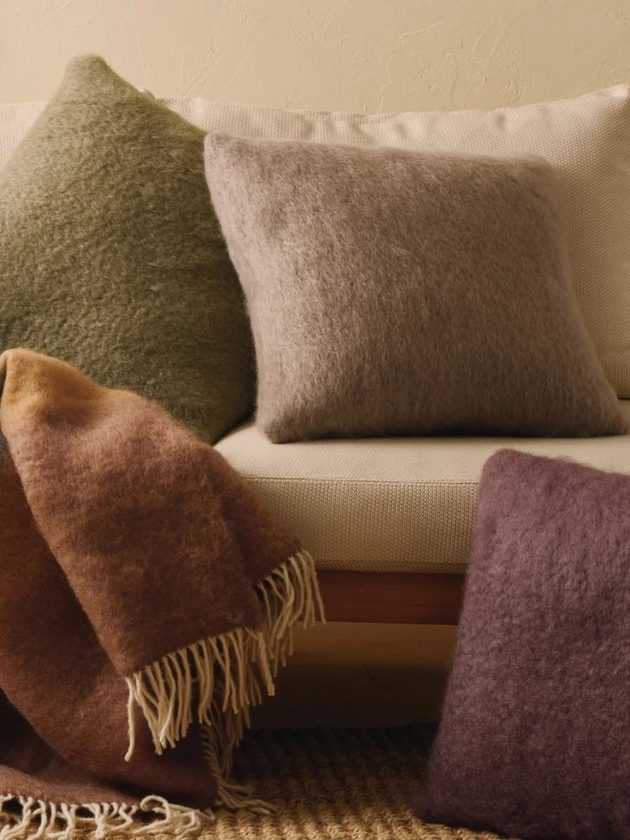
3. Healthier Homes
Categories: Rugs, Lighting, Tabletop, Baskets, Wall Decor & Wallpaper
Founded after years running an award-winning healthy home building firm and publishing a book by the same name (Healthier Homes) this retailer is a go-to online destination for finding non-toxic home goods. The eco-friendly home decor on Healthier Homes is primarily made with natural materials like clay, cotton, seagrass, mango wood, and bamboo,

4. Will & Atlas
Categories: Baskets, Tabletop
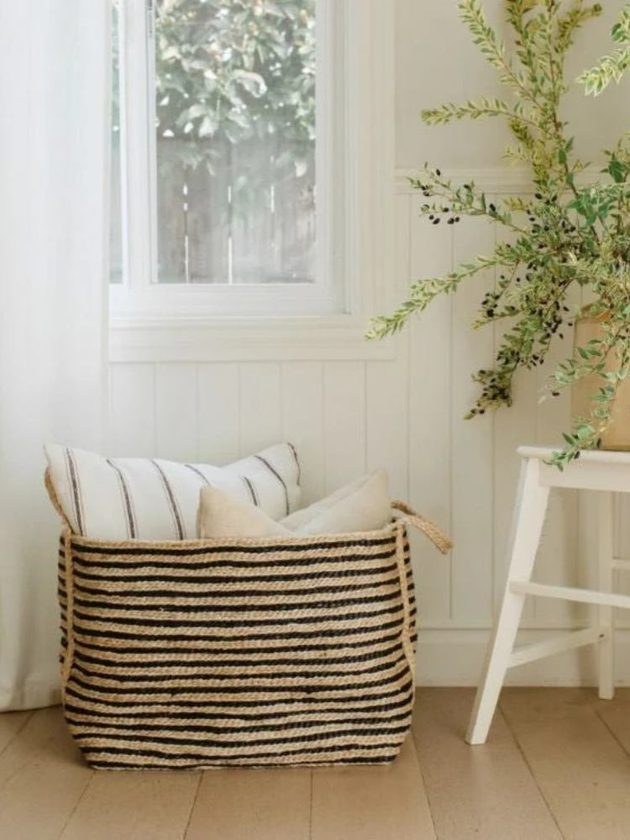
Will & Atlas is a women-owned small business making most of their homewares from plant materials like jute, palm leaf, and hogla grass. Their natural fiber baskets are flexile but sturdy built to hold blankets, pillows, laundry, magazines, toys, or just to stand alone as a decor piece. You’ll also find jute coasters and placemats in their tabletop collection.
The brand is committed to ethical practices, partnering with nonprofit fair trade artisan groups in Bangladesh and craftspeople in the U.S. to build long-lasting production relationships.
5. Ten Thousand Villages
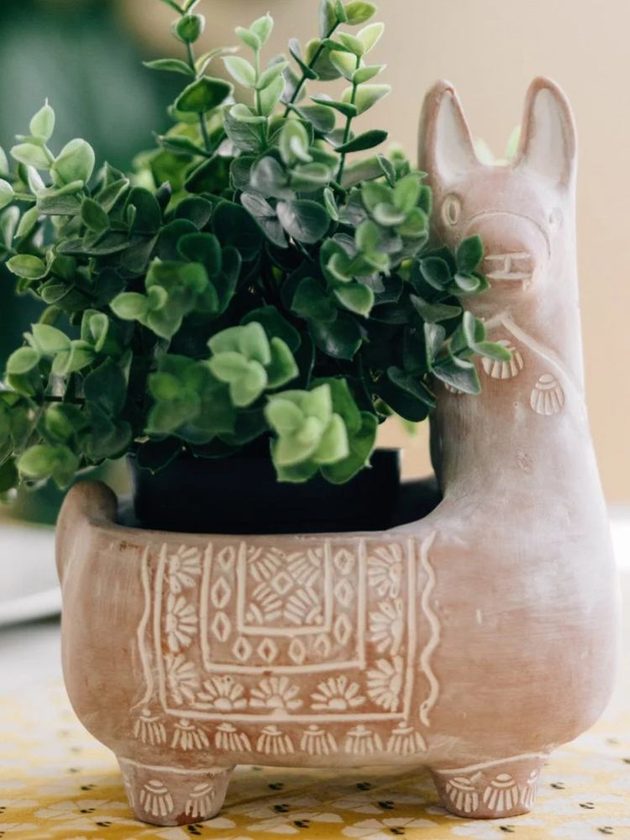
Categories: Baskets, Pillows, Throws, Candles, Wall Art, Planters & Vases
Founded 80 years ago, Ten Thousand Villages is the original fair trade store. Throughout the decades, the nonprofit business has continued their commitment to fair wages, safe working conditions, as well as sustainability.
As a founding member of the World Fair Trade Organization, with artisans around the world from under-resourced communities. Most of the products they carry are made from recycled, upcycled, and natural materials.
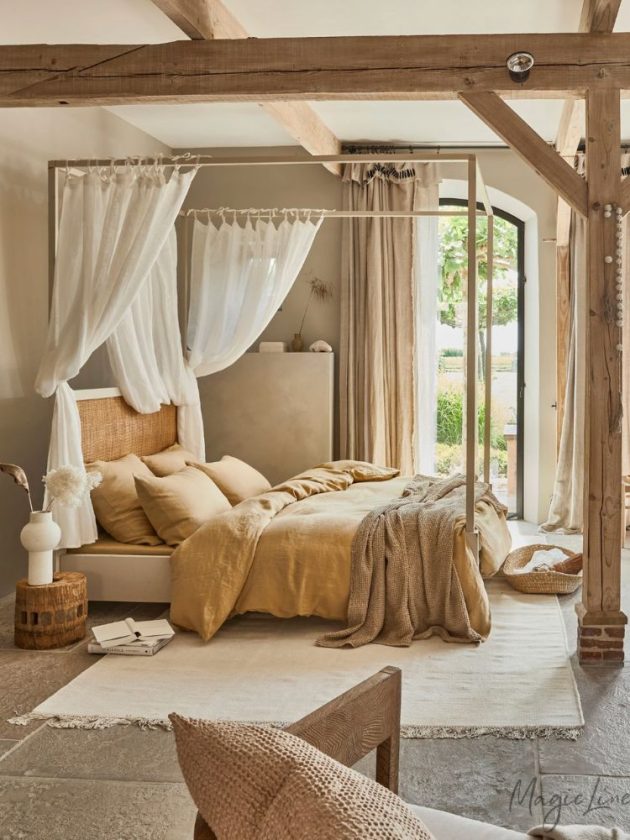
6. MagicLinen
Categories: Curtains, Kitchen Linens
Linen is an exceptional material for home decor — there’s a reason we say “kitchen linens!” It’s natural, beautiful, and is often high quality.
I purchased a set of linen curtains from Magic Linen one year ago and they remain one of my favorite home decor pieces. The fabric they use meets the OEKO-TEX® STANDARD 100, meaning its been tested for harmful substances.
7. Passion Lilie
Categories: Pillow Covers, Table Linens
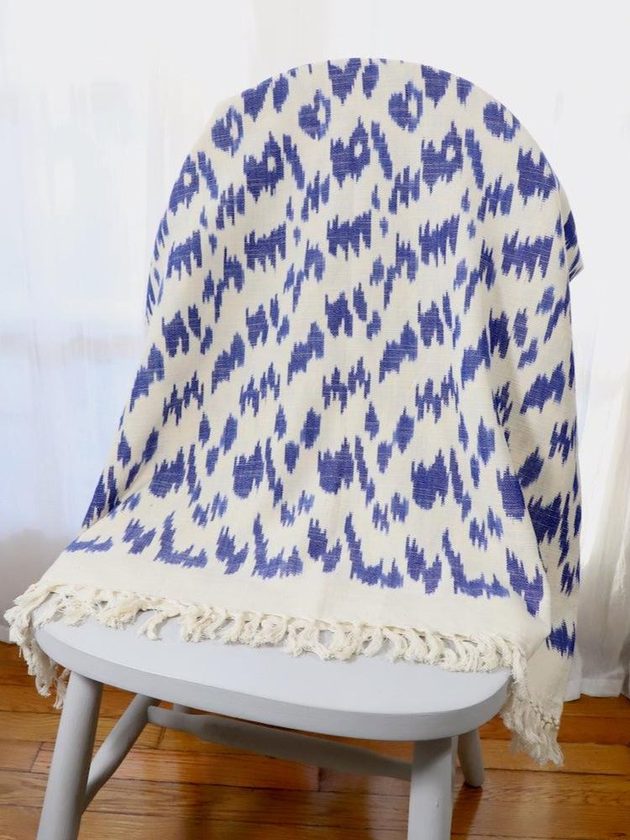
Passion Lilie is a fair trade fashion and lifestyle brand with ethically made home decor, too. The Fair Trade Verified brand has handwoven cotton blankets, organic cotton kitchen linens, unique ornaments, and hand-dyed throw pillow covers.
Each piece is made by Passion Lilie’s partners in India who pay living wages and ensure a safe working environment. Beyond this, the brand supports efforts to enable artisans to continually develop their skills and creates opportunities for community development.
8. 54kibo
Categories: Throw Pillows, Wall Hangings & Artwork, Mirrors, Baskets, Rugs, Lighting
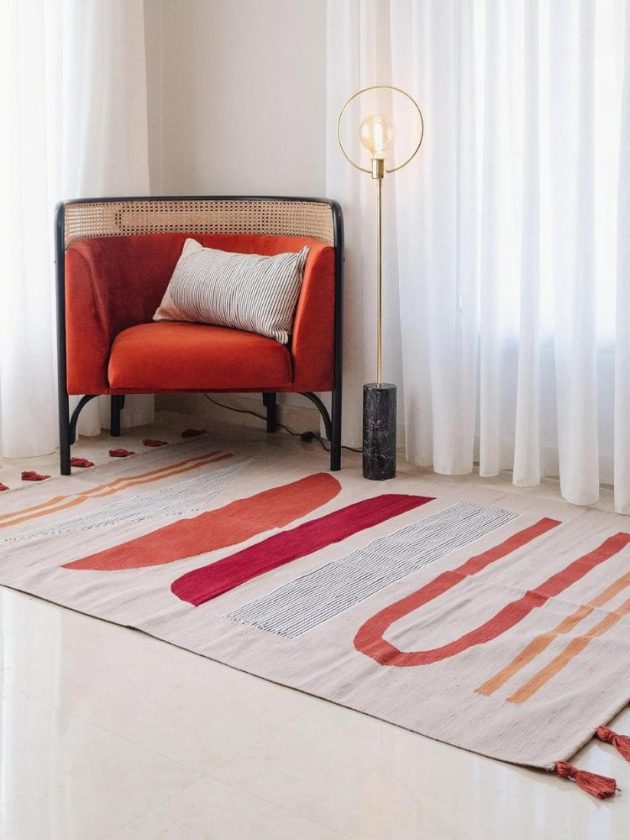
A destination for modern African artisanal decor, 54kibo curates a stunning selection of ethically made home decor. The pieces on 54kibo are made with time-honored techniques using locally sourced materials with rich histories. The designs are exceptional, but the stories behind them make the pieces beautiful additions to your home beyond the surface.
9. The Citizenry
Categories: Baskets, Planters & Vases, Tabletop, Wall Decor, Mirrors
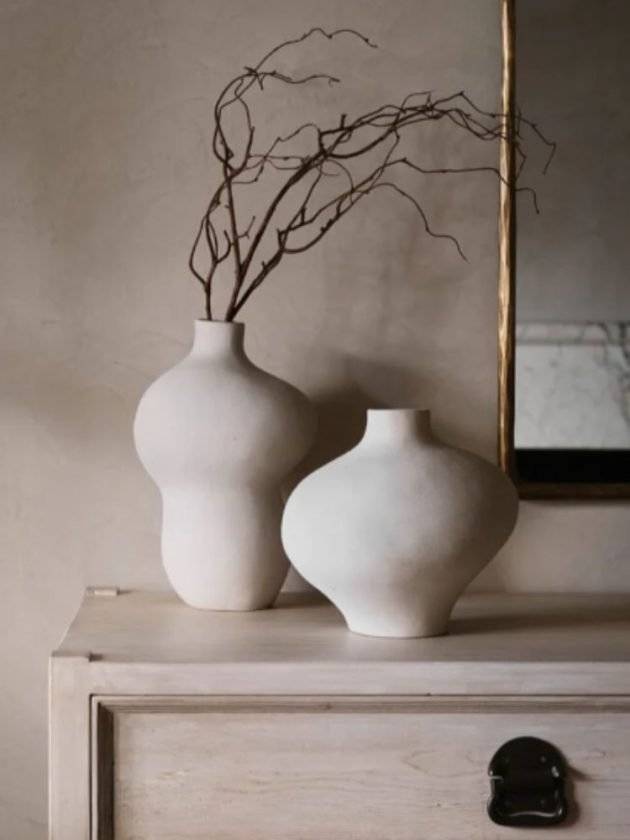
The Citizenry partners with artisans around the world, ensuring safe conditions, fair wages, and offering grants to their artisan partners so that they can expand their businesses.
Their online collection features small-batch artisan-made home goods made from locally-sourced and natural materials like palm leaves and indigo dyes.
More Sustainable Home Guides:
Sustainable Furniture Brands to Furnish a Conscious Home
Best Eco-Friendly and Zero Waste Kitchen Products
Easy Swaps for a Low Waste, Sustainable Bathroom
The post 9 Beautiful Places to Source Ethical and Eco-Friendly Home Decor appeared first on Conscious Life & Style.
9 Beautiful Places to Source Ethical and Eco-Friendly Home Decor
Take a look at why hemp is heralded as a hero material and discover 14 hemp clothing brands that have tapped into its sustainable potential.
The exploration of fabrics has always been a starting point for sustainable innovation in fashion. After all, fabrics provide tangible proof that change is possible while having a direct impact on the environment in one way or another. Plus fabrics are responsible for an outsized proportion of a fashion brand’s carbon footprint and overall environmental impact, including biodiversity loss and pollution.
So, What is Hemp Fabric?
Hemp is a bast fiber produced from the cannabis sativa plant, where every part of the plant can be utilized for over 25,000 industrial uses including clothing, biofuel, bricks, paper, and textiles.
Contrary to its popular association, hemp is actually the sober sister to marijuana. Unlike its recreational sibling that’s grown for its psychoactive THC (tetrahydrocannabinol) properties, hemp contains less than 0.3% THC, a value that was the driving force behind the legalization of hemp production in the 2018 Farm Bill. So while you can’t really get high from hemp, you can definitely enjoy its material benefits — which are plenty!
What is Hemp Clothing?
The simple answer is that hemp clothes are garments made from hemp fabric! But the important caveat here is that most hemp clothes on the market today are not made from 100% hemp fabric. They are usually blended with other fibers, like cotton.
At this point, hemp fabric manufacturing is not at the scale or technological level that the manufacturing of cotton (the most popular natural material) is, making 100% hemp clothing more expensive to produce. Also, pure hemp fabric is also known to be quite stiff until a couple dozen washes later, so blending it with a fiber like cotton can make it softer and easier to wear on the offset.
100% hemp fiber content clothing does exist, it’s just rare at this point. Though we do think this will change with more sustainable material investment happening in the textiles industry.
Is Hemp Clothing Comfortable?
It depends! The softness of hemp clothing will vary based on how the fabric was produced and if it is blended with other fibers like cotton or lyocell. Pure hemp clothing can be rougher than cotton, but hemp is known to get softer with every wash.
Also, since hemp is a natural bast fiber that comes from the softer parts of the plant’s stalk or stem, it is softer than the coarser leaf fibers.
Can Hemp Clothing Protect From The Sun?
A lesser known benefit of hemp clothing is that it can reportedly even help shield you from harmful UV rays. According to skin cancer research, a fabric’s UPF (Ultraviolet Protection Factor) value is a number that coincides with the fraction of UV rays it allows to pass through and hit your skin — the higher the UPF number, the better the protection.
Research claims that hemp has a UPF of >50 (according to European standards) due to natural pigments and lignin within the fibers, which act as UV absorbers.
Is Hemp Clothing Sustainable?
There are a lot of benefits to hemp clothing. But don’t just take our word for it, we’ve listed some of hemp’s most impressive sustainable qualities below:
1. Hemp is not resource-intensive
Hemp can be grown under a variety of agricultural and ecological conditions and has a capacity to grow rapidly.
Hemp clothing vs. cotton: With a high yield of 250% more fiber than cotton, hemp requires less land to grow, has no need for harmful pesticides or chemicals, and needs as little as 1/3rd of the water compared to conventional cotton. (Though individual use cases may vary based on the region that each of the crops are grown.)
2. Hemp is a restorative plant
Growing hemp can also help contribute to the maintenance of soil quality, courtesy of its anchored roots which prevent soil erosion and nutrient loss.
In fact, research shows that hemp can be used to restore contaminated soils through ‘phytoremediation’ — a process that has proven successful in the early 90s when industrial hemp was planted in some of the polluted Ukrainian regions near the Chernobyl disaster where much of the land was rendered useless. The experiments showed that hemp helped remove radioactive elements from the soil.
3. Hemp can absorb carbon more than other plants
Hem can act as a carbon sink. According to a Cambridge University researcher, a hectare of hemp can absorb between 8-15 tonnes of CO2, giving hemp plants a vital role in reversing carbon emissions.
Impressed yet? Ahead, discover 14 brands that have some of the best takes on this sustainably versatile fiber.
Note that this guide includes affiliates. As always, all brands meet very high standards for sustainability and are brands we love that we think you’ll love too.
Where to Find Sustainable Hemp Clothing
1. Patagonia
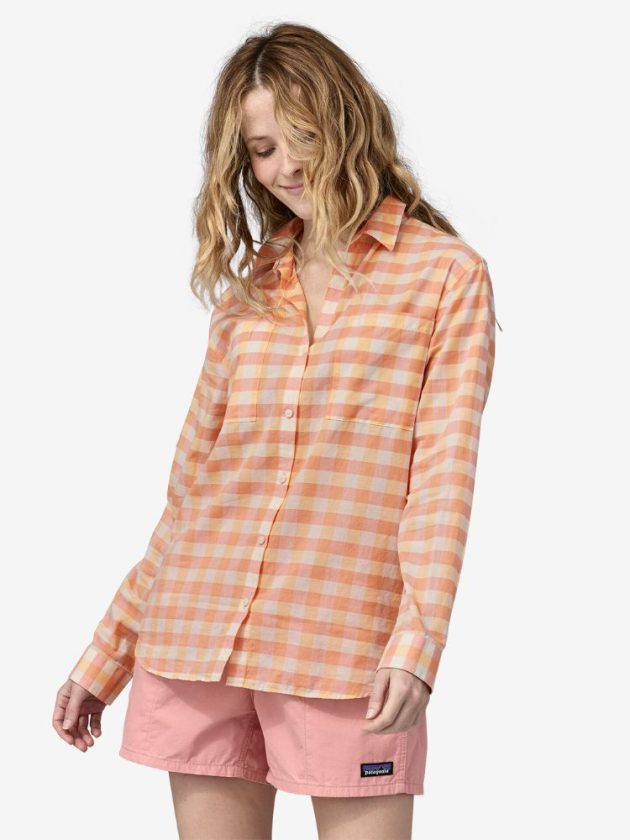
Have an outdoor adventure coming up? Run for the hills in some of Patagonia’s functional hemp styles that’ll have you covered no matter what path you set foot on. Whether it’s a jacket, sweatshirt, pair of overalls, or technical pants, these styles are hard-wearing and made to last.
Patagonia stands by hemp as one of its hero fabrics and claims to consciously partner with suppliers that use unique processing techniques to minimize waste. The brand has also created unique performance materials by blending hemp with organic cotton, recycled polyester, and TENCEL lyocell.
Many of Patagonia’s clothes and gear are sewn at Fair Trade Certified factories that ensure all workers earn a living wage.
Size range: US 0–18
Price: $$-$$$
2. tentree
If you’re on the lookout for easy hemp styles that make you want to lounge around in them all day long but still look cool enough for a coffee run, tentree has you covered. Taking an earth-first approach with everything they do, this Canadian brand has been sowing the seeds of sustainability throughout its operations and supply chain. Their clothes are ethically manufactured and workers are provided with living wages.
P.S. Did you know that the brand derives its name from its carbon offsetting initiative that plants ten trees (ten-tree) for each item purchased?
Size range: XS–XL
Price: $$-$$$