

Gill Einhorn is head of the Forest Future Alliance and Natalie Çilem is community lead of the Global Wildfire Leadership Network.
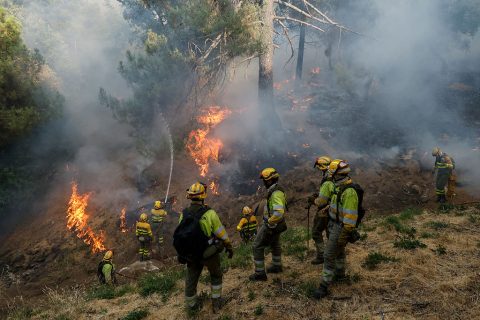
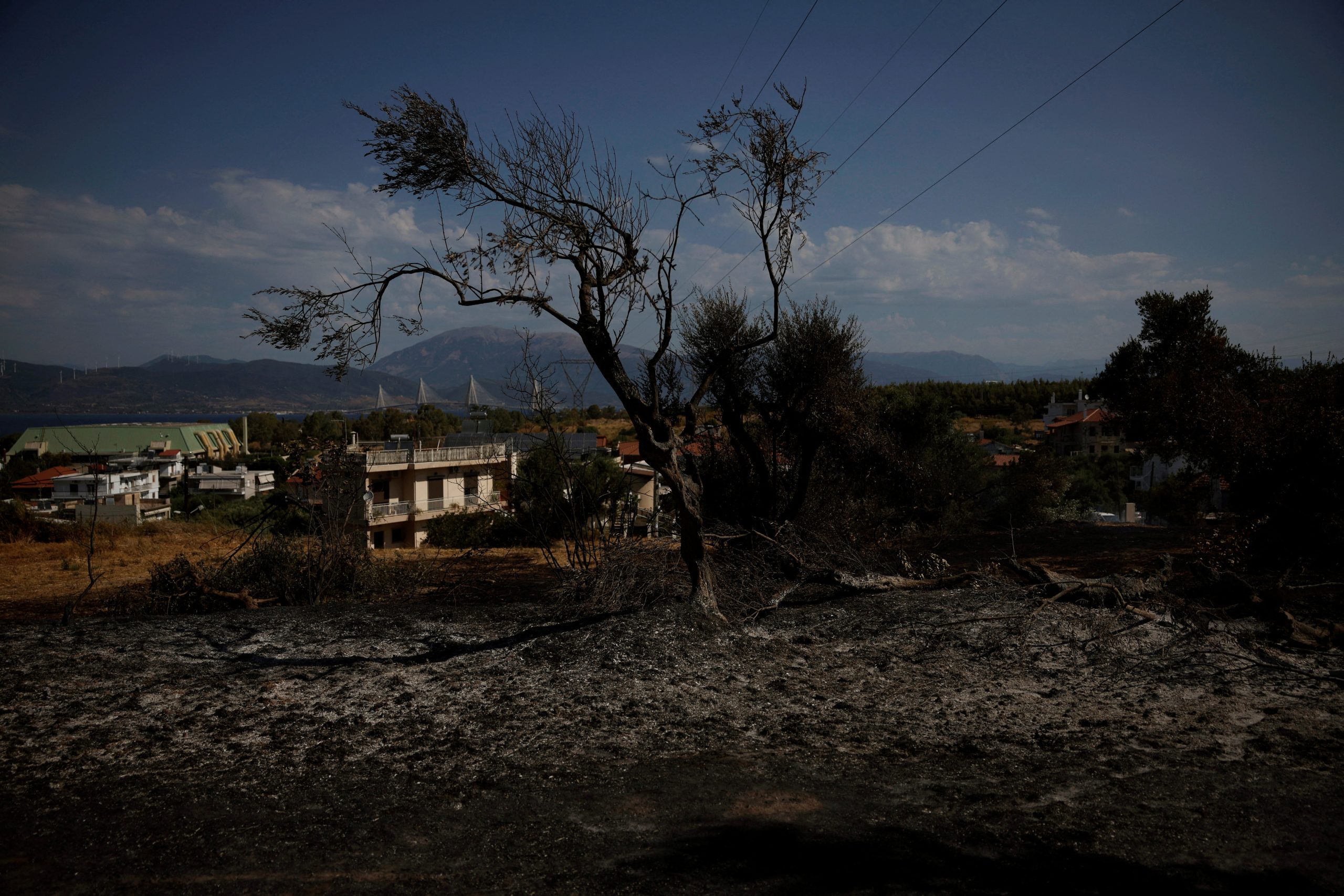
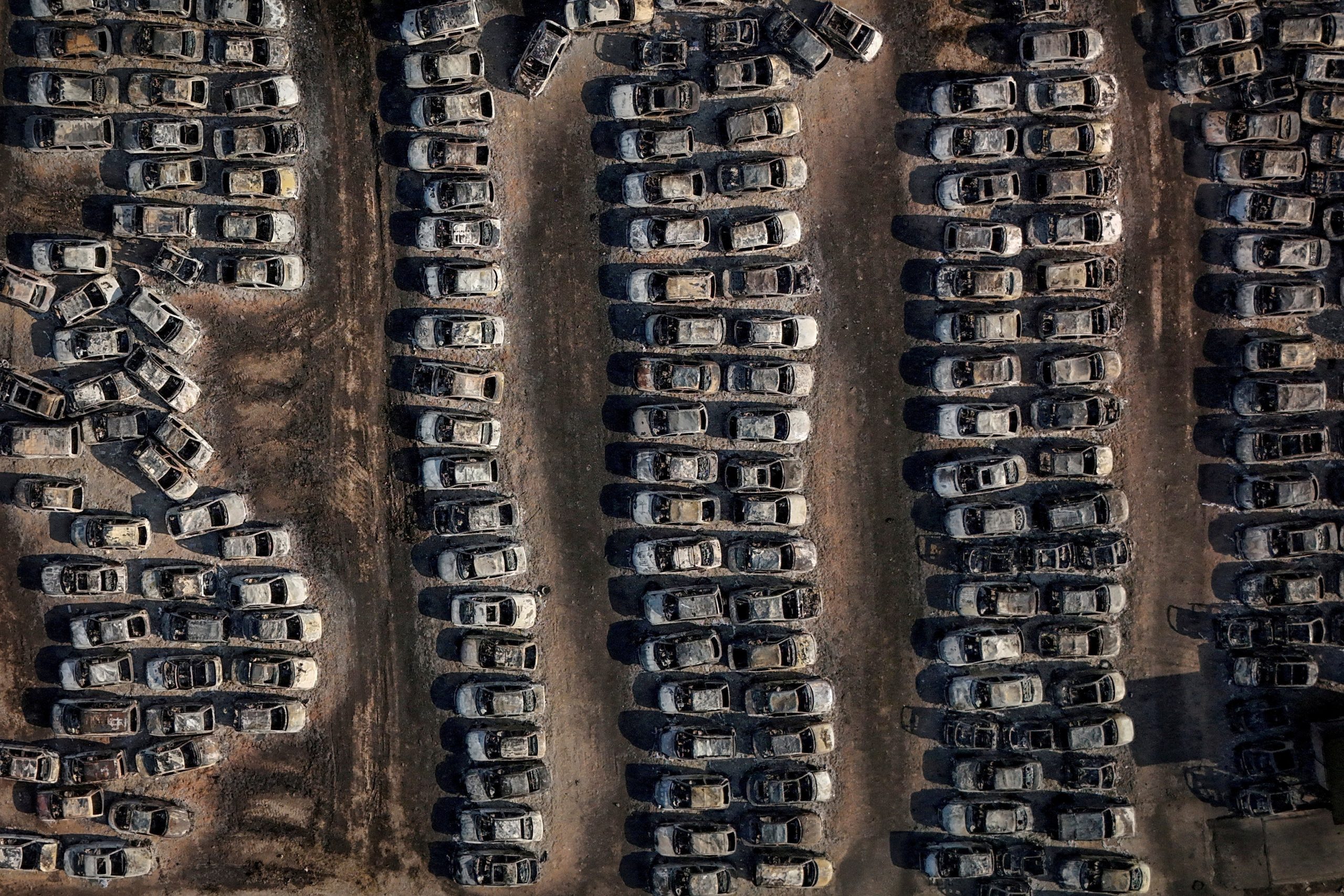
Wildfires have devastated communities across the world this summer, claiming lives, displacing thousands of people and leaving billions in economic damage in their wake. In Europe alone, wildfires have already caused an estimated €19 billion in losses this year.
They are an economic, financial and public health challenge that is growing faster than many governments and markets are prepared for – and exposing the real costs of poor land management.
A system built for recovery, not resilience
Far more money is currently spent responding to the disastrous effects of wildfires than preventing them in the first place. The United Nations Environment Programme estimates that more than half of wildfire-related spending goes towards response, while planning receives only around 0.2 percent. This problem is not limited to wildfires; over 95 percent of disaster aid between 2005 and 2017 was allocated to response, and less than 4 percent was directed towards prevention or preparedness.
Forests are critical, but without investment in how land is managed and protected, their value is neither stable nor guaranteed. Protecting forests requires investing not only in conservation, but in the conditions that keep forests standing.
-
As fires burn and temperatures soar, it’s time to imagine a world beyond GDP
Environmental destruction, like clear-cutting a forest, can boost gross domestic product but it reduces a country’s real wealth -
Battle over cleaning up shipping set to resume at London talks
The US and Saudi Arabia want to scrap shipping’s Net-Zero Framework and have swung behind a far less ambitious alternative -
Pacific islands seek backing for new regional fund ahead of COP31
Pacific leaders will launch the first call for proposals next week for a new regional fund designed to swiftly channel climate finance to local communities

Each dollar invested in wildfire-resistant construction could save around $210 in avoided future economic losses, according to a report by the World Economic Forum and Forest Future Alliance. Despite this evidence that prevention can significantly reduce future costs, wildfire resilience remains chronically underfunded.
This spending discrepancy is creating significant challenges for insurers, asset owners and financial institutions. Global insured losses from natural catastrophes reached $107 billion in 2025, with wildfires, floods and storms accounting for 92 percent of claims.
In this context, insurers are reassessing where and how they are willing to underwrite risk. Around 56 percent of global wildfire losses between 2000 and 2023 were uninsured. In some high-risk areas, insurers are scaling back coverage altogether, leaving homeowners, businesses and governments to shoulder a growing share of the costs – making it increasingly difficult to break even.
Proven solutions are already paying off
In many regions, wildfires are driven not by natural causes but by the deliberate clearing of land for agriculture. Degraded landscapes are becoming drier, more flammable and increasingly vulnerable to catastrophic loss, creating a vicious cycle of deforestation, economic damage and rising emissions.
The answer is not simply stronger firefighting capacity. Governments, investors and businesses must work together to shift capital upstream into prevention, resilience and long-term landscape stewardship of healthy forests. That means planting appropriately, investing in heat-resistant species, exploring approaches that minimise fire footprints through active management, and exploring the AI and technology solutions that are burgeoning.
Solutions to this already exist and are proven to have an impact. Following devastating wildfires year-on-year, Portugal shifted its approach to wildfire management, increasing prevention spending within its national rural fire management system from around 20 percent in 2017 to approximately 60 percent in 2022. While many countries remain locked in a reactive cycle of disaster response, public policy can shift investment upstream and make resilience a priority before fires occur.
Indigenous communities have long used proactive land stewardship to reduce wildfire risk while supporting healthy and productive landscapes. For example, the Cheslatta Carrier Nation in British Columbia traditionally managed fuels through cultural fire practices but now implements mechanised fuel removal methods under commercial agreements. By combining Indigenous stewardship with sustainable forest management, Cheslatta is generating community benefits while also boosting wildfire prevention.
Resilience can also be strengthened through finance and technology. FireSat, a partnership led by Earth Fire Alliance with Google.org, the Gordon and Betty Moore Foundation and Muon, is a satellite constellation designed for rapid wildfire detection. Scanning every 20 minutes, it can detect fires 400 times smaller than current systems and track them through smoke and darkness in almost real time. In California alone, FireSat could prevent up to 350,000 acres from burning each year. It has recently received significant new investments allowing it to expand towards a constellation of more than 50 satellites that will monitor every point on Earth every 20 minutes or less.
In Brazil’s Pantanal, the Embrace the Forest initiative uses AI-powered detection towers across 2.5 million hectares to support earlier intervention and faster response. During the severe 2024 fire season, the initiative contributed to a 40 percent reduction in burned area compared to 2020.
These examples illustrate what is possible when resilience is treated as an investment priority rather than a recovery cost. But we must ensure funding for these measures is scaled before disaster strikes. Initiatives like the Global Wildfire Leadership Network (GWLN) are key, bringing together corporate decision-makers, investors, insurers, governments and Indigenous leaders to direct investment towards prevention and align finance, technology and stewardship to protect nature, safeguard communities and strengthen future economic stability. With a goal of doing more together than the sum of our parts, the network focuses on Forest Future Alliance GWLN Solutions Labs – where partners sign up with the intent to collaborate.
Rewarding prevention
Financial incentives must be created that reward prevention. This can be done by scaling public-private partnerships, supporting long-term landscape stewardship, investing in community capacity including Indigenous wisdom and technology. Ultimately, our terrestrial natural reserves are critical infrastructure that support resilient economies and thriving communities.
One in three people are dependent on forest services, goods and economic opportunities for survival, so it’s in all our interests to protect what we have. Forests support cooling, water and food security – and are a very cost-effective way of removing carbon dioxide from the atmosphere, where done appropriately.
UN chief warns climate crisis “in overdrive” as El Niño threatens to fuel the fire
No sector can solve this challenge alone. The benefits of wildfire resilience are shared across communities, governments, insurers, investors, utilities and businesses. A single intervention can protect homes and livelihoods, reduce insurance claims, secure water supplies and lower future public costs. Because the benefits are shared, the solutions must be too. Coalitions of actors can take proven approaches further than any one individual or organisation could alone.
As wildfires continue to burn at an unprecedented scale, the opportunity now is to roll out solutions, shift investment upstream and build a future where resilience, rather than recovery, becomes the foundation of thriving economies.
The post From firefighting to future-proofing: Preventing wildfires must be the priority appeared first on Climate Home News.
From firefighting to future-proofing: Preventing wildfires must be the priority

Prepared by a coalition of nine Western Australian union, industry, conservation, and community organisations—including UnionsWA, the Conservation Council WA, and the Smart Energy Council—the WA Clean Energy, Jobs & Industry Plan provides a practical roadmap to transform Western Australia into a clean energy powerhouse while creating thousands of secure local jobs.
Western Australia stands at a pivotal crossroads: lead the global clean energy economy or watch investment, future industries, and secure jobs go elsewhere. The WA Clean Energy, Jobs & Industry Plan outlines a transformative blueprint to harness the state’s world-class solar and wind resources. Discover how legislated renewable targets, green iron manufacturing, and a dedicated regional training strategy can generate tens of thousands of local jobs, lower household bills, and build a resilient, net-zero future for all Western Australians.

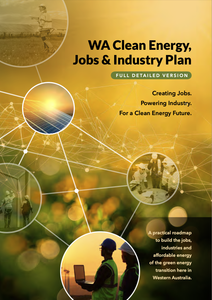
WA needs a clear and forward-thinking plan if it is going to become a competitive renewable energy powerhouse and maintain its economic strength through the energy transition.
“Western Australians know a faster renewable energy transition will lower their household expenses and prevent harmful climate pollution. But the community also needs clear direction to ensure this transition will create jobs, lower costs and not cause undue environmental harm.
“Here, sectors representing a broad range of interests have laid the groundwork for those outcomes, clearly outlining what is needed to create a future for WA that is good for the environment, for the climate, for workers and for the economy.
Summary
The WA Clean Energy, Jobs & Industry Plan sets out a strategic roadmap to position Western Australia as a global clean energy superpower while creating thousands of secure local jobs.
The report establishes three overarching goals:
- Creating local employment.
- Maintaining industrial competitiveness.
- Lowering household energy costs
To realize this vision, the framework details actionable measures to follow on from the recent WA Government announcement of a 75% Renewable Energy Target by 2031 for the South West Interconnected System. This includes developing a statewide Renewable Energy Target, coordinating statewide workforce and training pipelines, strategically planning regional infrastructure to safeguard high-value biodiversity and cultural heritage, and ensuring equitable benefit-sharing through household electrification incentives and First Nations equity partnerships. Ultimately, the plan highlights that establishing clear policy and regulatory certainty will unlock lower energy bills, boost power reliability, and secure the state’s global competitiveness in emerging green commodity export markets.

Key Findings
- Statewide Renewable Energy Target and Emissions Reduction Targets: The report calls for a statewide RET and 1.5°C aligned emission reduction targets to remove policy risk, lower capital costs, and attract clean energy investment.
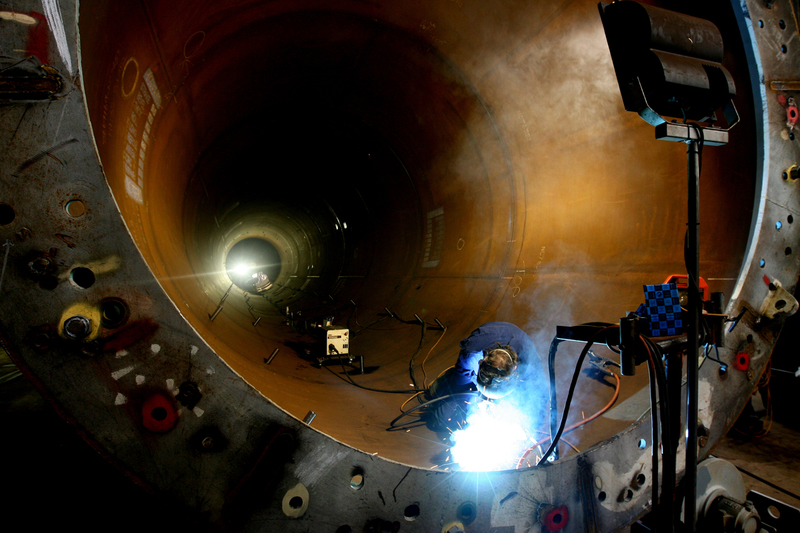
- Transformative Job Creation: Accelerating the transition offers massive employment prospects, including up to 8,800 solar and battery jobs by 2050, as well as 24,000 ongoing and 11,000 construction jobs in a commercial green iron industry.
- Industrial Electrification & Competitiveness: Requiring large gas users to adopt binding electrification timetables and providing concessional financing will protect existing energy-intensive manufacturers from rising energy costs and impending domestic gas shortfalls.
- Green Commodity Export Leadership: Western Australia can build new export markets in green iron, green ammonia, and offshore oil/gas decommissioning by constructing shared common-user infrastructure and setting dedicated Green Commodity Export Targets.
- Coordinated Workforce & Training Pipeline: To address critical skill shortages the plan recommends establishing a WA Clean Energy Jobs Plan 2050, three regional training hubs, and dedicated pathways for female and under-represented apprentices.
- Environmental Safeguards & Community Benefits: Fast-tracked development must be paired with State Planning Policies that avoid high-biodiversity and cultural heritage lands, mandate new data centres to run on additional renewable power, and deliver household electrification rebates and First Nations equity partnerships.
What you can do
WA has an opportunity to lead on sustainable, clean energy and associated industries. You can help by:
- Sending an email to Environment Minister Murray Watt and Prime Minister Anthony Albanese, calling on them to reject Browse.
- Sharing this story to help more Australians understand what’s at stake.
- Encouraging your friends and family to take action.