

Embarking on the Meteor cruise CYRTACI was a journey that we, a group of early-career researchers and students, looked forward to very much. This blogpost will give an insight into our pre-cruise expectations and our actual experiences. Our expectations were a mixture of curiosity and uncertainty, as we were looking forward to doing some science while discovering the unknown life at sea.
Our scientific hopes were high, as we were going to dive into the Mediterranean’s past, digging into past climates and linking them to the archeological record. We anticipated coring marine sites and – with a bit of luck – uncovering annually laminated sediments, also known as varves (see Blogpost #2).
Life on board was difficult to imagine for us, as no one had sailed on such a big research vessel before. We braced ourselves for simple but hearty food and narrow, confined spaces. Expectations about our free time were divided – some anticipated a more relaxed journey, while others, closer to reality, prepared for non-stop action.
The thought of bad weather and seasickness concerned us, especially considering prior experiences on smaller vessels or problems with motion sickness. This explains why only some of us were curious about experiencing rough seas, while others were more wary.
Reality, however, surpassed our expectations. Regular interdisciplinary science talks covered Greece’s past from different angles and taught us new perspectives. The cored material surprised us, notably the stunning varves of the Epidavros Basin.
The food was good and plentiful, but concerns about limited space on board proved true, especially for the taller people among us. On the ship we were surprised about the existence of an elevator, and it was even possible to play table football and ping pong.
Although work hours were irregular and demanded a degree of flexibility, we managed to find some downtime during long transits. Luckily, we had lots of sunshine and calm seas, though we did get a taste of rough weather when crossing through a storm.
Of the many stations we researched, some favorites emerged. The Epidavros Basin, with its varves and long cores, was a collective highlight. The refueling stop in Crete was a welcome break from work and the impressive landscapes were a nice backdrop. Additionally, sites like the Gulf of Messiniakos and the Coast of Pyrgos were very interesting due to the neighboring ancient archaeological sites.
Finally, we collected some tips for someone who goes on a research cruise for the first time. Bring a sturdy rain jacket, be prepared for physical labor, stock up on seasickness pills, and bring some entertainment for downtime. Above all, don’t hesitate to ask questions – the other scientists aboard are very willing to share their knowledge.
Written by early-career researchers and students Laurin, Lukas, Francesca, Sarah and Isabel (Heidelberg University).
Die CYRTACI-Ausfahrt auf der METEOR aus der Perspektive von Studenten
Auf der Meteor-Ausfahrt CYRTACI dabei zu sein war eine Gelegenheit, auf die wir uns als eine Gruppe von Nachwuchsforschenden und Studierenden sehr gefreut haben. In diesem Blogbeitrag geben wir einen Einblick in unsere Erwartungen vor der Ausfahrt und unsere Zeit an Bord. Unsere Erwartungen waren eine Mischung aus Neugier und Unsicherheit, da wir uns darauf freuten, Wissenschaft zu betreiben und dabei das uns bisher unbekannte Leben auf See zu entdecken.
Unsere Erwartungen an die wissenschaftlichen Erkenntnisse waren hoch, da wir in die Vergangenheit des Mittelmeers eintauchen würden, um vergangene Klimabedingungen zu erforschen und sie mit dem archäologischen Datensätzen zu verknüpfen. Wir hofften, mit etwas Glück jährlich geschichtete Sedimente, auch als Varven bekannt, zu erbohren (siehe Blogpost #2).
Das Leben an Bord war für uns schwer vorstellbar, da niemand zuvor auf einem so großen Forschungsschiff ausgefahren war. Wir stellten uns auf einfaches, aber herzhaftes Essen und enge, beengte Räume ein. Die Erwartungen an unsere Freizeit waren geteilt – einige erwarteten eine entspanntere Reise, während andere, in diesem Fall näher an der Realität, sich auf Non-Stop-Aktivität vorbereiteten.
Wir waren etwas besorgt in Bezug auf schlechtes Wetter und Seekrankheit, besonders angesichts vorheriger Erfahrungen auf kleineren Schiffen oder Problemen mit Reisekrankheit. Das erklärt, warum nur wenige von uns neugierig waren, raue Seebedingungen zu erleben, während andere vorsichtiger waren.
Die Ausfahrt übertraf jedoch unsere Erwartungen. Regelmäßige interdisziplinäre Wissenschaftsvorträge beleuchteten Griechenlands Vergangenheit aus verschiedenen Blickwinkeln und lehrten uns neue Perspektiven. Das erbohrte Material überraschte uns, insbesondere die atemberaubenden Jahresvarven des Epidavros-Beckens.
Das Essen war gut und reichlich, aber die Bedenken hinsichtlich begrenzten Platzes an Bord bewahrheiteten sich, besonders für die größer Gewachsenen unter uns. An Bord gab es sogar einen Aufzug, und es war möglich, Kicker und Tischtennis zu spielen.
Obwohl die Arbeitszeiten unregelmäßig waren und eine gewisse Flexibilität erforderten, schafften wir es, in langen Überfahrten etwas Freizeit zu finden. Glücklicherweise hatten wir viel Sonnenschein und ruhige See, obwohl wir einen Vorgeschmack auf schlechtes Wetter bekamen, als wir durch einen Sturm fuhren.
Von den vielen Stationen, die wir erforschten, kristallisierten sich für uns einige Favoriten heraus. Das Epidavros-Becken mit seinen Varven und langen Kernen war ein Höhepunkt für uns alle. Der Tankstopp in Kreta war eine willkommene Pause von der Arbeit, und die beeindruckenden Landschaften boten eine schöne Kulisse. Darüber hinaus waren Orte wie der Golf von Messiniakos und die Küste von Pyrgos aufgrund der benachbarten antiken archäologischen Stätten sehr interessant.
Hier noch einige Tipps für alle, die zum ersten Mal an einer Forschungskreuzfahrt teilnehmen: Bringt eine robuste Regenjacke mit, seid auf körperliche Arbeit vorbereitet, besorgt euch Mittel gegen Seekrankheit und bringt etwas Unterhaltung für die Freizeit mit. Vor allem aber zögert nicht, Fragen zu stellen – die anderen Wissenschaftler an Bord sind gerne bereit, ihr Wissen zu teilen.
Geschrieben von den Nachwuchswissenschaftlern und Studenten Laurin, Lukas, Francesca, Sarah und Isabel (Universität Heidelberg).
Η ΟΔΥΣΣΕΙΑ ΤΩΝ ΦΟΙΤΗΤΩΝ ΣΤΗΝ ΑΠΟΣΤΟΛΗ CYRTACI
Το να επιβιβαστούμε στην αποστολή του ΜETEOR, CYRTACI, ήταν κάτι για το οποίο ανυπομονούσαμε, σαν ομάδα νέων ερευνητών και φοιτητών. Στο παρόν κείμενο θα συζητήσουμε τις προσδοκίες μας πριν το ταξίδι και τις πραγματικές μας εμπειρίες. Αρχικά βιώναμε μια μίξη περιέργειας και αβεβαιότητας. Ανυπομονούσαμε να ξεκινήσουμε την επιστημονική δουλειά και να ανακαλύψουμε την άγνωστη ζωή στις θάλασσες.
Οι επιστημονικές ελπίδες μας ήταν υψηλές καθώς ετοιμαζόμασταν να βουτήξουμε στο παρελθόν της Μεσογείου και στα αρχαία κλίματά της συνδέοντάς τα και με την αρχαιολογική πληροφορία. Περιμέναμε να πάρουμε πυρήνες από θαλάσσιες θέσεις και – με λίγη τύχη- να βρούμε διαστρωματωμένα ιζήματα από ετήσιες αποθέσεις, γνωστά και ως «βάρβες» (δες ποστ #2).
Δεν ήταν εύκολο να φανταστούμε τη ζωή εν πλω, μιας και κανένας μας δεν είχε ταξιδέψει με ένα τόσο μεγάλο ερευνητικό πλοίο στο παρελθόν. Προετοιμαστήκαμε για λιτό, σπαρτιατικό φαγητό και στενούς, περιορισμένους χώρους. Οι προσδοκίες μας για τον ελεύθερο χρόνο μας ήταν ανάμικτες. Κάποιοι περίμεναν ένα πιο χαλαρό ταξίδι ενώ άλλοι, πιο κοντά στην πραγματικότητα, προετοιμάζονταν για ασταμάτητη δράση.
Υπήρχαν φυσικά φόβοι για κακοκαιρία και ναυτίες, ειδικά σκεπτόμενοι προηγούμενες εμπειρίες σε μικρότερα σκάφη ή προβλήματα ναυτίας σε αυτοκίνητα. Αυτό εξηγεί γιατί μόνοι λίγοι από μας ήταν περίεργοι να γνωρίσουν φουρτούνες, ενώ άλλοι ανησυχούσαν.
Η πραγματικότητα βέβαια ξεπέρασε τις προσδοκίες μας. Τακτικές, διεπιστημονικές ομιλίες κάλυψαν το παρελθόν της Ελλάδας από διαφορετικές οπτικές γωνίες και μας προσέφεραν νέες προοπτικές. ΤΟ υλικό από τους πυρήνες μας εξέπληξε, ειδικά οι εντυπωσιακές βάρβες από τη λεκάνη της Επιδαύρου.
Το φαγητό ήταν ατέλειωτο, αλλά οι ανησυχίες μας για τον περιορισμένο χώρο αποδείχθηκαν σωστές, ειδικά για τους ψηλότερους από εμάς. Στο πλοίο μας εξέπληξε η ύπαρξη ασανσέρ, ενώ ήταν δυνατό ακόμα και το να παίξουμε πινγκ-πόνγκ και ποδοσφαιράκι.
Αν και οι ώρες εργασίας ήταν ασταθείς και απαιτούσαν ελαστικότητα, μπορέσαμε να βρούμε χρόνο χαλάρωσης κατά τη διάρκεια μεγάλων μεταφορών από περιοχή σε περιοχή. Ευτυχώς είχαμε πολλή λιακάδα και μπουνάτσα, αν και πήραμε μια γεύση από κακοκαιρία όταν ταξιδέψαμε μέσα από μια καταιγίδα.
Από όλους τους σταθμούς που κάναμε και τα σημεία που ερευνήσαμε κάποια αναδείχθηκαν σε αγαπημένα μας. Η λεκάνη της Επιδαύρου με τους μακρούς πυρήνες και τις βάρβες ήταν ένα συλλογικό χαϊλάιτ. Ο ανεφοδιασμός καυσίμων στην Κρήτη ήρθε ως ευχάριστο διάλειμμα από τη δουλειά και τα εντυπωσιακά τοπία δημιουργούσαν ένα πολύ ωραίο φόντο. Επίσης περιοχές όπως ο Μεσσηνιακός κόλπος και η ακτή της Ηλείας κοντά στον Πύργο παρουσίασαν ιδιαίτερο ενδιαφέρον λόγω των γειτονικών αρχαιολογικών χώρων.
Τέλος έχουμε κάποιες συμβουλές για όποιον πάει σε ερευνητικό ταξίδι για πρώτη φορά. Φέρτε ένα χοντρό αδιάβροχο, ετοιμαστείτε για πολλή σωματική εργασία, πάρτε μαζί χάπια για την ναυτία και φέρτε κάτι για να μπορείτε να περνάτε τον ελεύθερο χρόνο σας. Πάνω από όλα, μη διστάσετε να ρωτήσετε οτιδήποτε – όλοι οι επιστήμονες εν πλω είναι εξαιρετικά πρόθυμοι να μοιραστούν τις γνώσεις τους.

Arbeiten mit Aussicht.
Δουλεύοντας με θέα
Credit: Authors / OceanBlogs

Vaven von Epidavros
Βάρβες από την Επίδαυρο
Credit: Authors / OceanBlogs

Betankung in der Nähe von Kreta
Αωεφοδιασμός καυσίμων στην Κρήτη
Credit: Authors / OceanBlogs




For generations, stories of people being swallowed by enormous sea creatures have painted awe-inspiring tales of human survival and perseverance. From the biblical account of Jonah to the legendary battle of Hercules and Cetus to the timeless story of Pinocchio, these legendary tales have captivated people since time immemorial.
But all these stories raise the question: Could someone really be swallowed by a whale? With the premiere of the film Whalefall on October 16, 2026, you may find yourself in conversations about this very situation. Based on the bestselling 2023 thriller authored by Daniel Kraus, the film tells the story of a scuba diver who is accidentally gobbled up by a sperm whale while searching for the remains of his late father. With only an hour of oxygen left in his tank, the diver must fight to escape the whale’s gut before time runs out.
The answer to whether it’s anatomically possible for a whale to swallow a person is actually a bit more complicated than you might think.
Get Ocean Updates in Your Inbox
Sign up with your email and never miss an update.
What’s not possible
First, let’s start with what’s not possible. There are about 90 whale species known to science today, and they are split into two different groups: toothed whales, such as sperm whales, and baleen whales, such as humpback whales and blue whales. Instead of teeth, baleen whales have massive rows of specially designed bristles that act as filters. When feeding, these whales take big gulps of water, filtering through massive amounts of tiny krill and plankton. This is why baleen whales are known as filter feeders.
Because baleen whales eat such small organisms in large amounts, they don’t physically require much space to swallow their food. The opening in their throat that leads to their esophagus is shockingly small—it’s only about the size of a grapefruit! It’s probably obvious by now, but scientifically, it is entirely impossible for a baleen whale to swallow a person. While a few news stories have recounted oceangoers like kayakers accidentally ending up in or around the mouths of humpback whales, they’ve been spit out or released within seconds. If you were a whale, this would feel like trying to eat a handful of M&Ms and accidentally realizing an entire rotisserie chicken was in your mouth!
Toothed whale anatomy, however, is where this answer gets a bit more nuanced. Toothed cetaceans eat creatures like fish, sharks and squid. Because toothed whales need to chew their food, their digestive anatomy varies from that of their baleen counterparts, and they have notably larger gullets.
What is possible
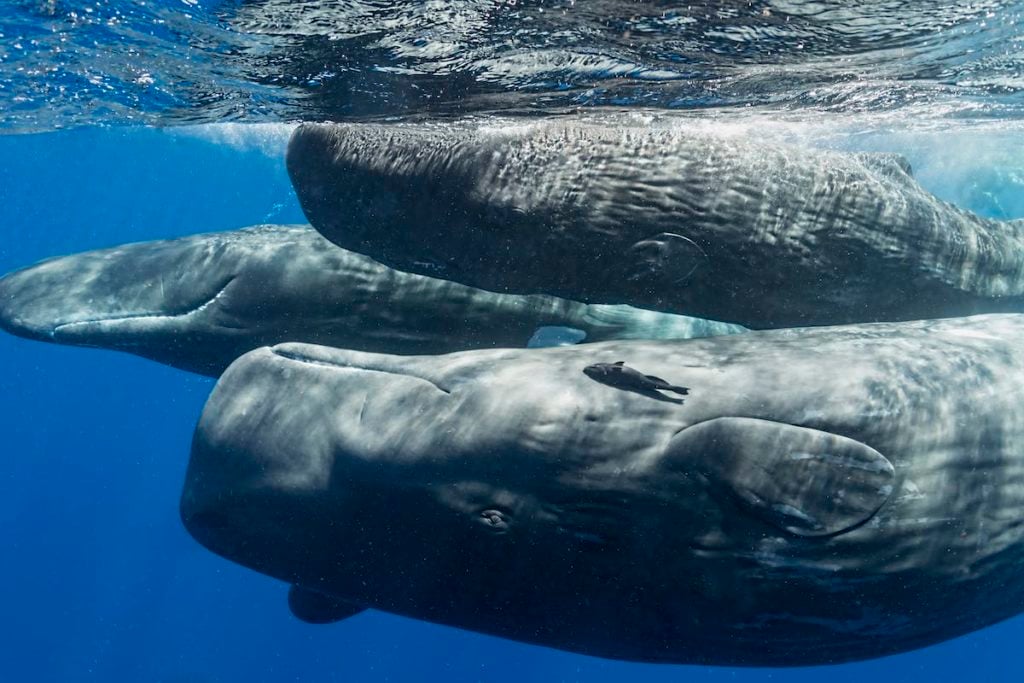
However, even amidst the more than 70 known species of toothed whales, only one species is anatomically capable of swallowing a person whole: the sperm whale.
Sperm whales are massive creatures and can grow to be up to 60 feet long. Because of their size, their prey tend to be on the larger side, too. A sperm whale’s esophagus isn’t particularly huge, but it has the elasticity to stretch to fit large prey such as giant squid, which can grow to be more than 20 feet long (not including their appendages). So, if a sperm whale can swallow a giant squid … could they potentially swallow a human?
Technically yes, but it’s so highly improbable that it’s nearly inconceivable. First, the likelihood that a human encounters a sperm whale is negligible on its own. Unlike whale species like humpbacks, sperm whales prefer to hang out in the deep water columns and underwater canyons of the open ocean, often diving down to close to 10,000 feet in search of food. So a person’s chances of seeing a sperm whale at any point in their life are very small.
Even if a sperm whale did somehow manage to swallow a person, the circumstances would likely not be what you’d expect. Project CETI whale biologist Shane Gero told Popular Science that it’s not necessarily impossible, but highly unlikely, and would have to involve the “biggest sperm whale ever” to be feasible. Even if it did happen, Gero noted that the initial rush of water or even the whale trying to “cough” to expel the person would likely be enough impact to kill a person before an actual digestive process could.
Has this ever happened?
To date, there is no documented case of a whale actually swallowing a person. The only animal on Earth known to have successfully swallowed a person whole is the longest snake species in the world: the reticulated python.
So, while the thriller Whalefall may be deeply unsettling to watch, you can rest easy knowing just how unlikely—if not impossible—this situation actually is. You need not be afraid of sperm whales … however, if you were a sperm whale, you might be afraid of humans!
These marine mammals are regularly threatened by dangers like vessel strikes, noise pollution and entanglement in lost or discarded fishing gear, otherwise known as “ghost gear”. They are a protected species under the Endangered Species Act, and we should see them not as a threat, but as a captivating species worth protecting. Help Ocean Conservancy protect animals like sperm whales today by taking action in support of the Endangered Species Act.
The post Could You Really Be Swallowed by a Whale? appeared first on Ocean Conservancy.
Ocean Acidification
Dr Heidarzadeh’s TV interview with SkyNews on the massive M7.7 Panama earthquake on 9 October 2026
Dr Heidarzadeh’s TV interview with SkyNews on the massive M7.7 Panama earthquake on 9 October 2026. Click here for the full story.
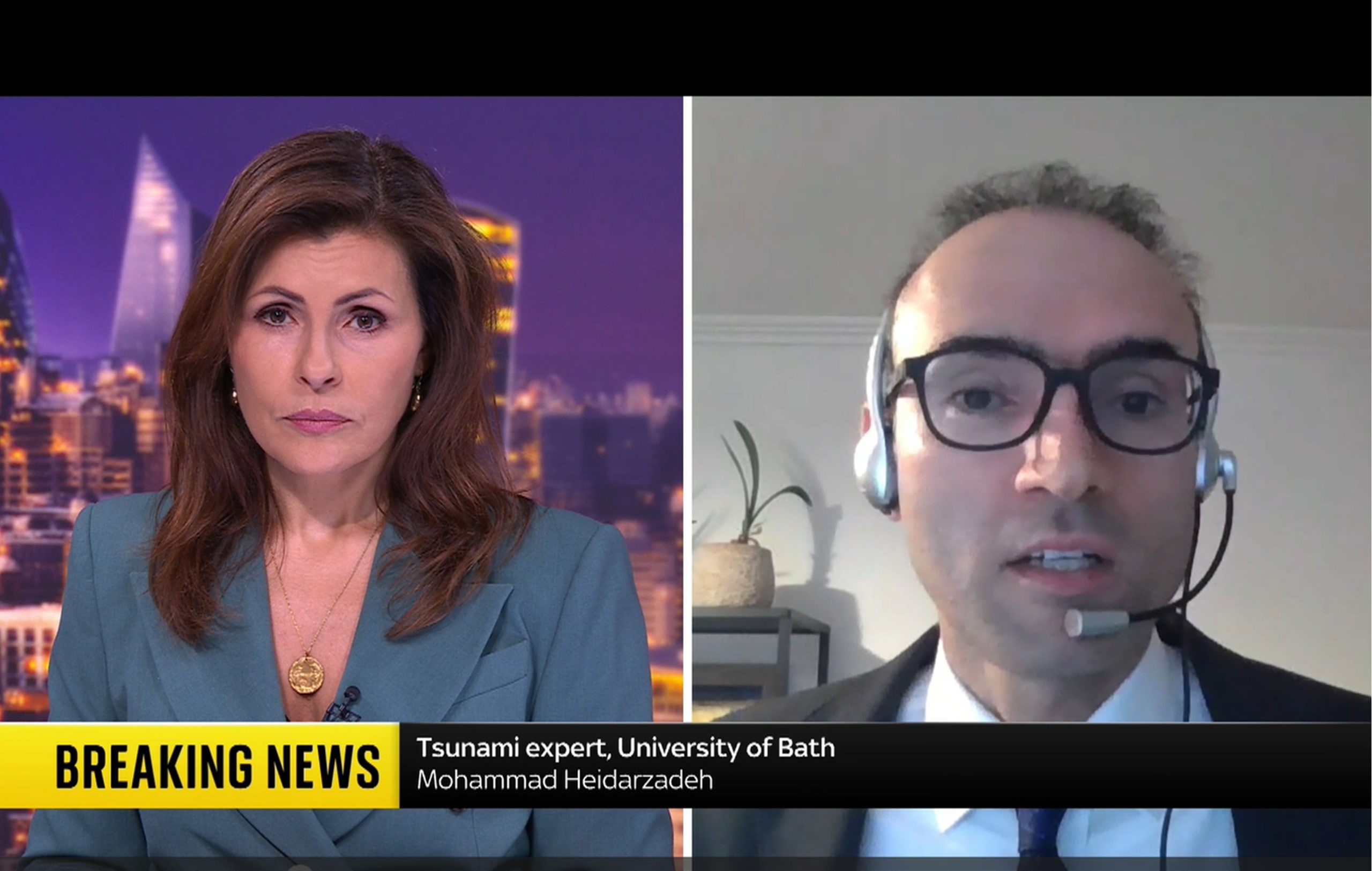
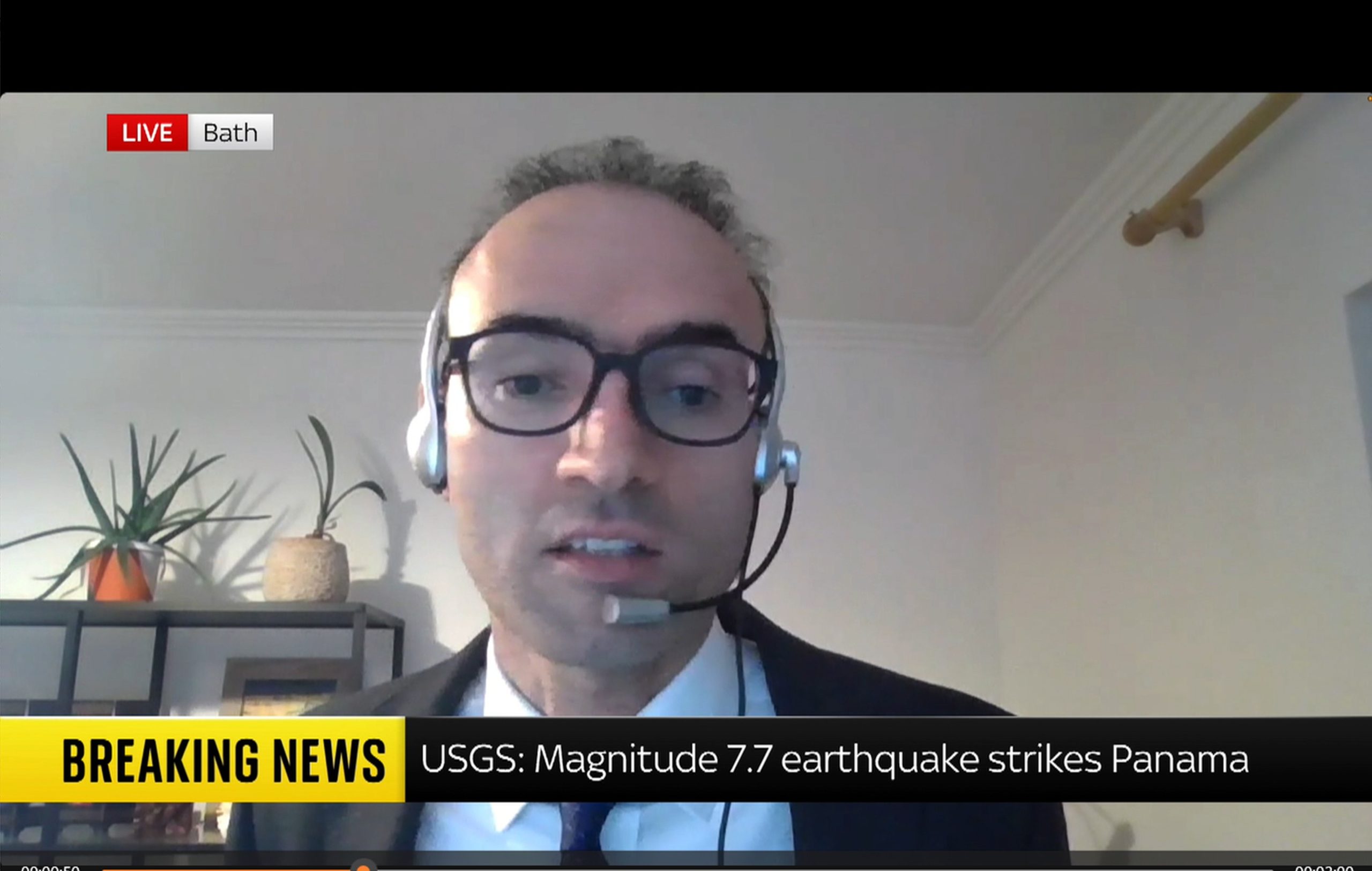
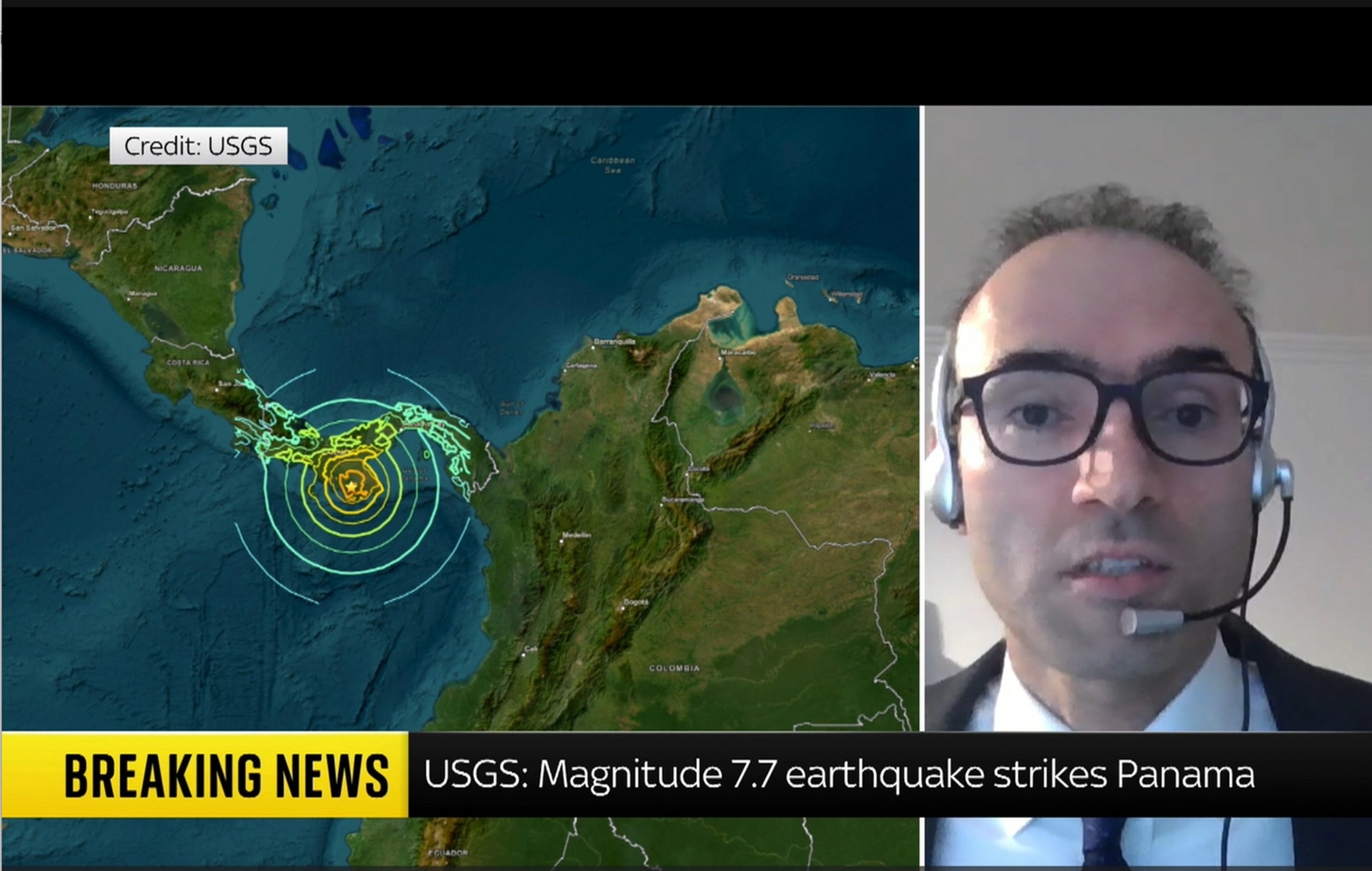
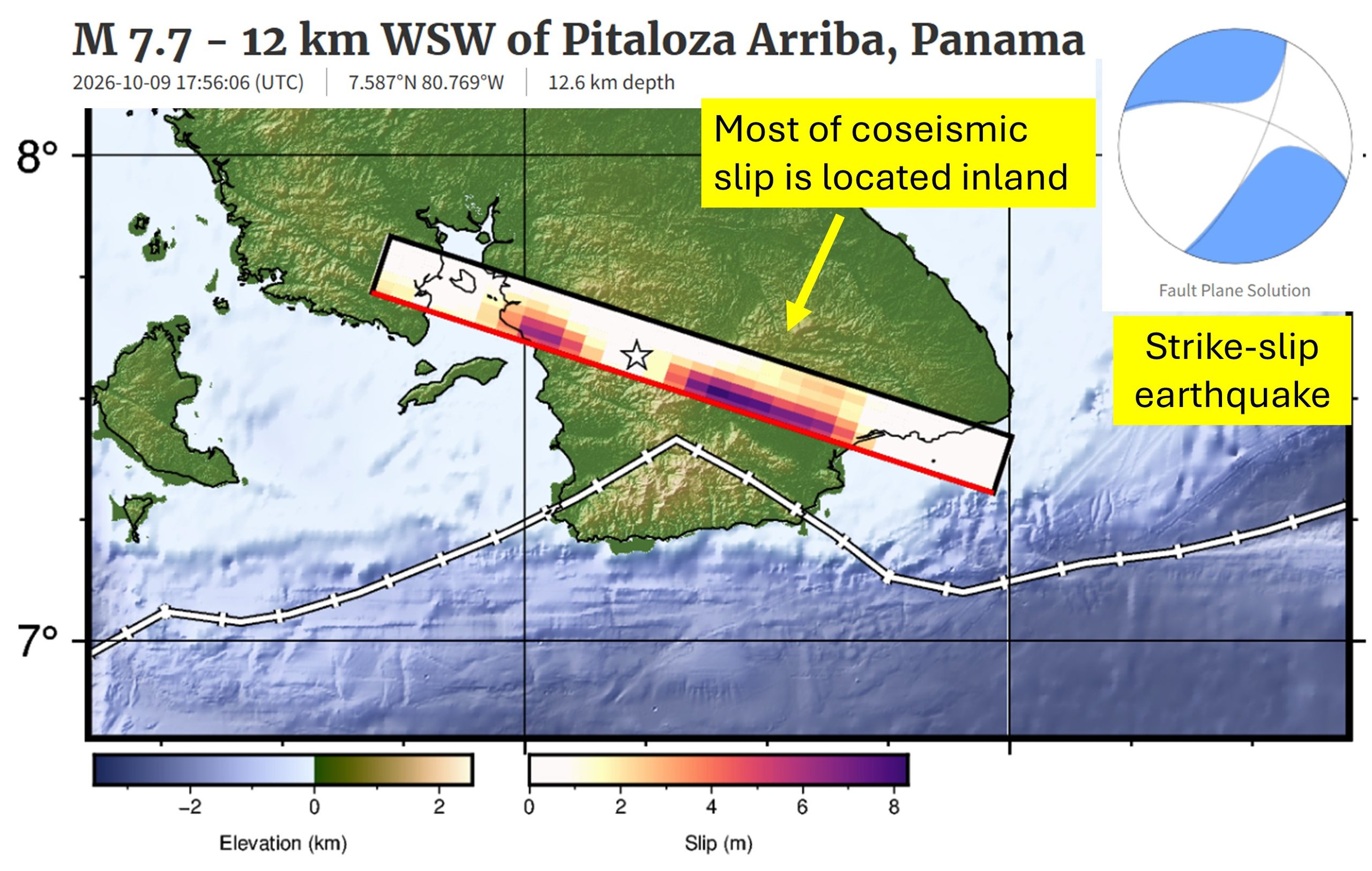
Dr Heidarzadeh’s TV interview with SkyNews on the massive M7.7 Panama earthquake on 9 October 2026