

Last Updated on March 14, 2024
Have you ever come in contact with a burlap bag? Congratulations: You’ve probably met jute!
While burlap can be made from hemp, flax, or synthetic materials, the most common material used to make burlap is jute.

That’s because jute is a sturdy material and jute burlap bags are often used on farms and in agricultural settings to provide insulation, protect from erosion, or transport fruits, vegetables and grains.
However, jute has been slowly but surely making its way into the mainstream too: Jute jackets, sweaters, tote bags, furniture and rugs have been popping up on the market more than ever before. I’ve even seen jute bags used as bridesmaid gifts.
But what is jute? And is it sustainable? Here’s everything you need to know regarding jute and if you should look for this material or avoid it in your next purchase.
what is jute made out of?
Jute is made out of the jute plant. There are several different botanical varieties, one of the most common being the white jute plant (Corchorus capsularis). There’s another species called tossa jute (C. Olitorius) that is harder to cultivate but considered to be superior.
The plant grows in similar conditions to rice, and this plant is best suited for warm areas that have annual monsoon seasons. Humidity levels need to be approximately 80% for successful production. It cannot grow in hard water.
These plants can grow to be over 10 feet high. The fibers derived from these plants are harvested in a single long string.
In terms of most-produced plant-based fiber, jute is a close second to cotton. While it isn’t super popular in the Western world, it is one of the primary textile fibers of India and neighboring countries.

how is jute fabric made?
- Mature stalks are harvested by hand.
- Next, they’re defoliated (meaning their leaves are removed).
- Retting is used to remove the non-fiberous from the stem and skin of the stalk.
- After the stalk has been retted, it’s now possible to separate the long, silky fibers and comb them into strings.
- These combed fibers can then be spun into yarn.
- The fibers might be subjected to various chemical processes to dye it, make it fire resistant, or give it water resistant.
- The finished reels of fiber are shipped to textile production facilities where they are then woven into textiles for various purposes.

is jute a good fabric?
Jute is a good fabric in terms of it being durable: It is ideal for industrial and agricultural purposes. However, it is a relatively rough fiber, which doesn’t make it ideal for apparel.
However, this material can be turned into clothing if it goes through an extensive production process. As advanced techniques for processing increase, this plant-based fiber is being used to make garments such as jackets, cardigans, and even sweaters. In Indian culture, it is being made into printed kurtis, tunics, and sarees.
In terms of the environment, jute is a good fabric because it is easy to produce and the process has a smaller impact on the environment than many synthetic alternatives. Generally speaking, natural fibers like jute, flax (linen), and hemp have lower carbon footprints than glass and mineral fibers.
This plant requires minimal fertilizer and pesticide use, particularly in comparison to cotton. It’s also renewable and the leftover roots and leaves that fall off the plant enrich the soil and increase its fertility.
These plants also help clean the air: Every hectare of this crop absorbs approximately 15 tons of carbon dioxide and releases 11 tons of oxygen.
Not to mention it is 100% biodegradable. Any products made solely from jute fibers can be composted, which makes it a circular fabric.

what is special about jute?
Jute is special due to its affordability and second only to cotton in the amount produced. This material has been used in many ways both agriculturally, industrially, and around the home.
It’s commonly used in its natural shade, which is a light tan or golden hue. While it can be dyed, its natural shade is most popular and creates a bohemian aesthetic. When mixed with other fibers, it can make twine, string, and rope.
Here are some uses for it:
- Burlap bags are used for the transport of fruits, vegetables, grains, and other goods
- Sapling roots are wrapped in it as protection when they are transplanted
- In agriculture, it has been used to control erosion and weeds, as well as to protect seeds
- Used to make furniture, chair covers, rugs, curtains, and other household furnishings
- Used in crafts and DIY projects
is jute better than cotton?
In terms of clothing, jute is not better than cotton because cotton is still much softer than jute is. However, this material has a smaller carbon footprint and is better for the environment in terms of production.
Conventional cotton is a water-intensive crop. Chemicals sprayed on the plant will mix with water runoff. This leads to groundwater contamination. To give you an idea of how water-hungry cotton is, it takes 2,500 liters of water to produce one t-shirt.
Cotton is also one of the top four genetically modified crops in the world. It’s considered the world’s “dirtiest crop” because it requires heavy amounts of toxic pesticides. These pesticides have poisoned thousands of cotton farmers, as well as pollute the environment.
If you’re thinking about getting a new item, choose to support brands that utilize jute over conventional cotton. However, choosing organic cotton over conventional cotton is also a much better choice, as it’s grown without pesticides and with less water.

can jute get wet?
Jute should not get wet. It reacts poorly to moisture, whether that is due to rainfall, humidity, or spillage. The fibers tend to be susceptible to mold and mildew.
It’s best if you keep this material in a dry, cool location. It’s not recommended to keep these pieces outdoors, unless you plan to let them biodegrade with the soil (for example, burlap bags wrapped around sapling roots).
how do you clean jute?
You can clean jute by using a dry rug shampoo or baking soda. Just sprinkle the dry shampoo/baking soda on the area you wish to clean. Let it sit for a couple of hours, then vacuum it up. If it’s a rug, flip it over and repeat on the other side.
Avoid using wet liquids, as this can cause discoloration and encourage mold/mildew. You’ll want to stick with spot cleaning.
So, what are your opinions on this plant-based fabric? Let me know in the comments!
The post What is Jute? And Is It Sustainable? appeared first on Going Zero Waste.

There’s something undeniably special about wearing uniquely handcrafted, fair trade jewelry that you can know was made slowly and thoughtfully with care. Equally special is wearing an elevated set of jewelry crafted with recycled materials and sustainable processes.
Whether you’re looking for an investment piece or more affordable pieces, there are options for any budget on this list. The aesthetics of these fair trade and sustainable jewelry brands also vary, so you’ll also be able to discover an ethical brand that matches your unique style.
What is Fair Trade Jewelry?
Fair trade can both be a general term used to describe a brand’s sourcing practices — like direct relationships with artisan cooperatives, wages above local standard rates, and safe working conditions — or a third-party “Fair Trade” verification through an organization like Fair Trade Federation, Fair Trade USA, or World Fair Trade Organization. When a brand doesn’t have a certification, we verify a brand’s practices by their own published information.
In the cases where brands do go the extra mile and get a third-party verification for their fair trade practices, we’ve noted it directly in their entries.
Note that this guide includes affiliate links and partners. As always, we only feature brands that meet high standards for responsibility we love, and that we think you’ll love too!
2. Ana Luisa
Best for: affordable everyday jewelry
Conscious Qualities: Recycled Gold, Lab-Grown Diamonds, Small-Batch Production, Direct-to-Consumer
Ana Luisa creates stunning, elegant jewelry from responsibly-sourced materials including 100% recycled gold and lab-grown diamonds. The sustainable jewelry brand also produces in small batches to minimize waste.
By using a direct-to-consumer model, Ana Luisa is able to provide luxury, high-quality jewelry at accessible prices.

3. Monica Vinader
Best for: recycled demi-fine jewelry
Conscious Qualities: Woman-Founded, Recycled Silver & Gold Vermeil, Traceable Gemstones, Lab-Grown & Conflict-Free Diamonds, Supply Chain Transparency
Price Range: $85 (studs) – $2,495 (diamond ring)
British jewelry brand Monica Vinader was one of the first brands to meet the gap between fashion jewelry and fine jewelry with their “demi fine” jewelry. The women-founded brand has necklaces, earrings, bracelets, and rings crafted from 100% recycled sterling silver and gold vermeil, fully traceable gemstones, and lab-grown or conflict-free diamonds. Monica Vinader also launched Product Passports, taking an active effort towards full supply chain transparency.

4. WorldFinds
Best for: unique statement jewelry with a story
Conscious Qualities: Fair Trade Verified, Upcycled Materials, Artisan-Made
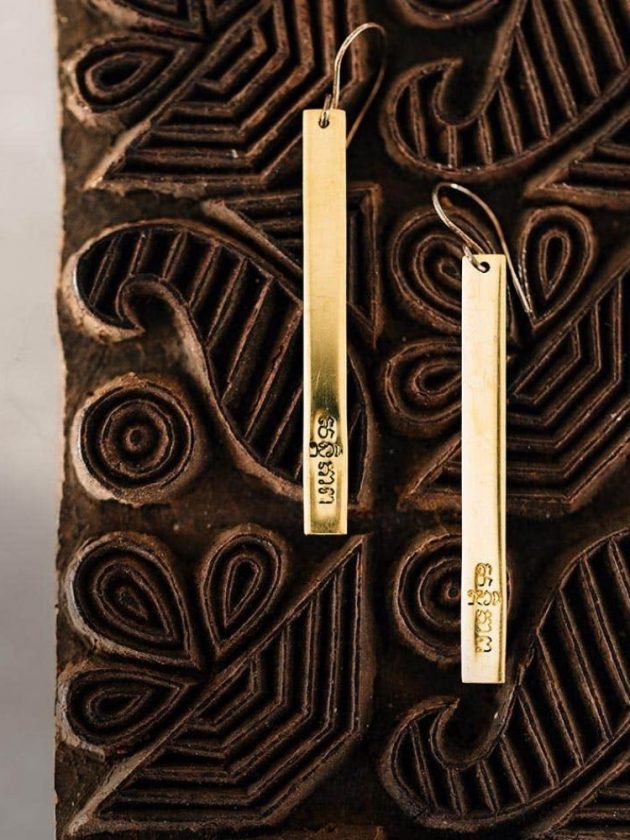
WorldFinds provides sustainable employment and just wages for hundreds of women artisans in India and Bali. These artisans handcraft both sleek metal fair trade jewelry and unique recycled Kantha pieces. WorldFinds is Verified by the Fair Trade Federation, which assesses members against fair trade principles including fair wages, safe conditions, and transparent supply chains.
Plus WorldFinds’ signature Kantha jewelry is made from upcycling materials: wood scraps from a furniture factory and locally sourced Kantha fabric remnants.

5. Astor + Orion
Best for: drop earrings and charm necklaces with symbolism
Conscious Qualities: Certified Ethical Factory, Recycled Materials, Designed for Recyclability, Repair Program
Ethical jewelry brand Astor + Orion sources their jewelry from a factory with multiple certifications ensuring worker safety, fair production practices, and responsible environmental management. Astor + Orion’s stunning jewelry is made from recycled materials and designed in a way to make it easily recyclable! Their pieces also come with a quality assurance — the brand will repair any piece within 6 months of purchase.

6. Laura Elizabeth
Best for: non-toxic jewelry in organic shapes
Conscious Qualities: Locally Sourced Recycled Metals, Woman-Owned, Fair Wages, Safe Working Conditions
Price Range: $45 – $330
Crafted from recycled metals sourced locally in LA, Laura Elizabeth creates stand-out sustainable jewelry. All of the brand’s jewelry is sourced ethically from a small, woman-owned studio in Los Angeles that ensures reasonable working hours (35 hr/week), fair wages, and safe working conditions (such as proper ventilation). Check out more on Laura Elizabeth in this post!
The jewelry is also non-toxic, free of cadmium or lead.

7. Ten Thousand Villages
Best for: giftable fair trade jewelry
Conscious Qualities: Fair Trade Production, Artisan-Made
Price Range: $6 – $175
Founded in 1946, Ten Thousand Villages is one of the fair trade pioneers and a founding member of the World Fair Trade Organization (WFTO), the global network that verifies fair trade practices across its member organizations.
They’ve developed relationships with artisans around the world, providing valuable economic opportunities for thousands of makers in 30 countries around the world. Their marketplace has handmade necklaces, earrings, bracelets, and rings, along with a variety of other fair trade goods.
8. Edge of Ember
Best for: gemstone jewelry
Conscious Qualities: Recycled Gold & Silver, Artisan-Made, Ethical Production
Price Range: $49 (ear cuff) – $2,730 (diamond tennis bracelet)
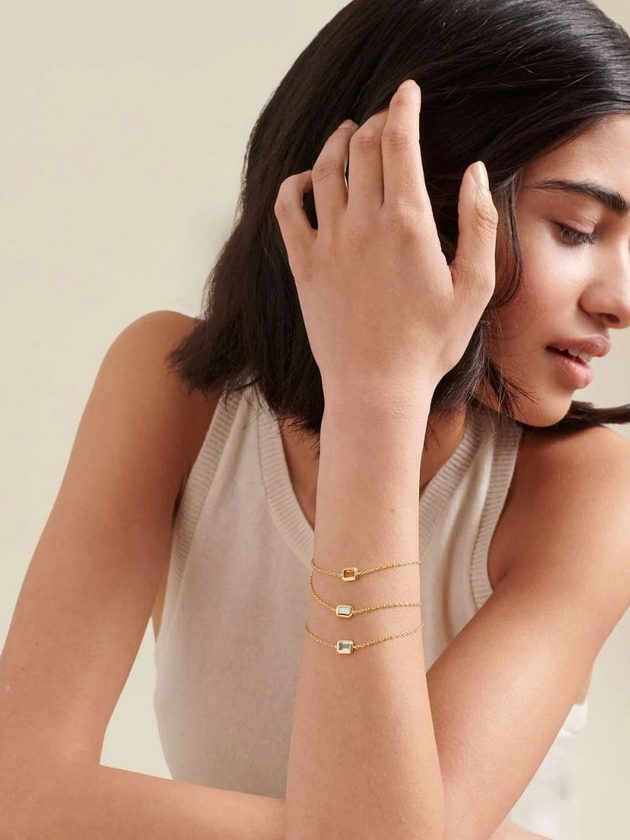
Edge of Ember’s timeless jewelry is responsibly crafted by makers working in artisan groups and small-scale factories. Their delicate necklaces, bracelets, rings, and other pieces are crafted by skilled artisans in India, Hong Kong, Germany, and Thailand. The brand carries out independent social audits to ensure ethical working conditions and environmental responsibility.
Edge of Ember has a wide selection of recycled gold and silver rings, bracelets, and necklaces adorned with stunning gemstones, including many birthstone jewelry options perfect for gifting.
9. Aurate
Best for: ethical diamond fine jewelry
Conscious Qualities: 100% Recycled Gold, Lab-Grown & Conflict-Free Diamonds, Vintage Collection
Price Range: $18 (stainless steel chain) – $19,000 (diamond tennis necklace)
Responsibly-sourced quality jewelry — that’s Aurate’s promise. The jewelry brand’s sleek, timeless pieces are thoughtfully made by seventh-generation craftspeople using 100% recycled gold and lab-grown or conflict-free diamonds.
Aurate also has a curated collection of vintage fine jewelry from cocktail watches to signet rings up to 50% off.

10. SOKO
Best for: modern, minimalist artisan-made jewelry
Conscious Qualities: Above-Market Artisan Wages, Black-Owned
Price Range: $78 – $298
SOKO is an innovative Black-owned ethical jewelry brand using mobile tools to bridge the barriers for artisan entrepreneurs in Kenya. In partnership with SOKO, independent artisans can operate a “virtual factory”, earning 5x more than an average artisan workshop in their local areas.
The jewelry is made with 24K gold or silver-plated brass — an affordable metal that also happens to consist of 90% recycled content on average. Other materials include reclaimed horn and bone, locally-sourced teak wood offcuts, and ceramic beads made by a fair trade women’s collective in Kenya.

10. Raven + Lily
Best for: affordable artisan jewelry
Conscious Qualities: Fair Trade Verified, Artisan-Made, Women-Led
Price Range: $40 – $240
Raven + Lily is an ethical fashion and jewelry brand verified Fair Trade by the Fair Trade Federation. The women-led brand partners with artisan women around the world who use natural materials to craft both classic, elegant pieces and statement jewelry.

11. NAKIIT
Best for: one-of-a-kind, solo-handcrafted pieces
Conscious Qualities: Made-to-Order, Recycled Silver & Gold, Zero-Waste Scrap Recycling
Price Range: $21 – $485
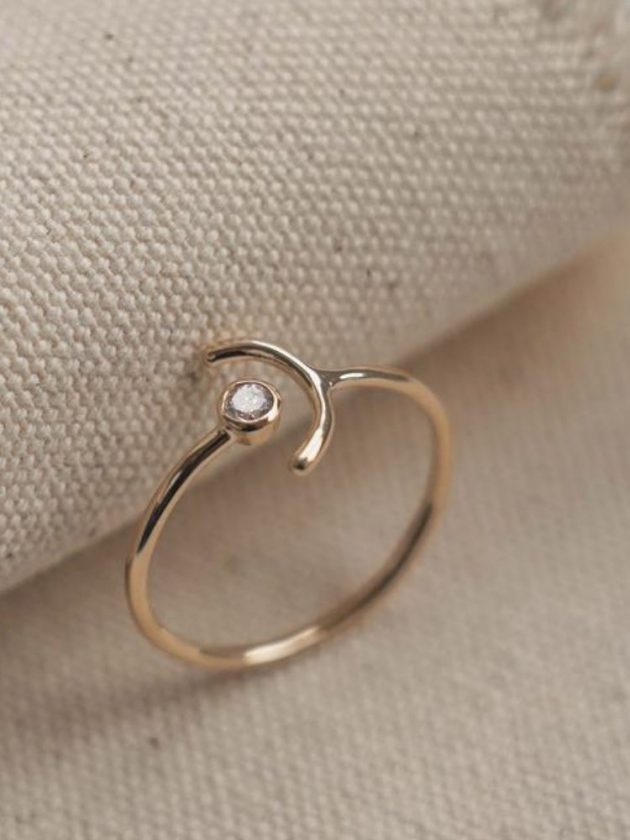
As a small, slow-minded jewelry brand, NAKIIT’s founder + owner handcrafts each piece with intention. In fact, every piece of jewelry the brand sells is made by the founder herself!
Nearly all of NAKIIT’s ethically-made jewelry is either made-to-order or one-of-a-kind, ensuring a minimal ecological impact and the highest attention to quality.
As if we could love this brand even more, NAKIIT also sources recycled sterling silver and gold, plus recycles any remaining metal scraps or dust after production.
You May Also Want to Check Out:
Best Fair Trade Fashion Brands With Style and Heart
Affordable Ethical Fashion Brands
Consciously Curated Marketplaces for One-Stop Ethical Shopping
The post 11 Best Fair Trade and Sustainable Jewelry Brands That Shine appeared first on Conscious Life & Style.
11 Best Fair Trade and Sustainable Jewelry Brands That Shine
It’s time to leave fast fashion in the dust — with one-of-a-kind designs, quality fabrics, and the assurance your dollars are supporting a more responsible fashion industry, these slow fashion brands are sure to win you over.
Before we go any further, though, I think we need to clarify what exactly slow fashion is…