


Introduction Modern Agriculture in Germany
Modern agriculture in Germany is characterized by a combination of traditional farming practices and advanced technologies.
German farmers leverage cutting-edge equipment, such as precision farming tools and GPS-guided tractors, to optimize crop yields and reduce environmental impact. Sustainable agriculture practices are increasingly emphasized, with a focus on minimizing chemical inputs, promoting crop rotation, and implementing resource-efficient irrigation systems.
The integration of digital solutions, like smart sensors and data analytics, enables farmers to make informed decisions, enhancing overall productivity and environmental stewardship.
The emphasis on organic farming has also gained prominence in Germany, with a growing demand for locally sourced, sustainably produced food. This trend aligns with the country’s commitment to environmental conservation and consumer preferences for healthier, ethically produced goods. Additionally, Germany places a strong emphasis on research and innovation in agriculture, collaborating with institutions and industry partners to develop new techniques and technologies that address the challenges of climate change, biodiversity loss, and resource depletion.
Government policies play a crucial role in shaping the landscape of modern agriculture in Germany. The country’s agricultural policies prioritize sustainability, biodiversity conservation, and rural development. Subsidies and incentives are often directed towards farmers adopting eco-friendly practices, contributing to a more resilient and environmentally conscious agricultural sector. Overall, modern agriculture in Germany reflects a harmonious blend of tradition and innovation, with a commitment to sustainable practices and a resilient food supply chain.

Main Product of Germany Modern Agriculture
Germany’s modern agriculture is diverse, producing a wide range of crops and livestock.
Data of Germany Modern Agriculture by 2023
✓Germany have 262.776 Agricultural holding.
✓Germany have 26.133 Holding with Organic Farming.
✓Germany have 937.900 Agricultural Worker.
Some of the main agricultural products include:
Cereals
Germany is a significant producer of cereals, including wheat, barley, oats, and rye. These grains are essential for various food products, such as bread and cereals, as well as animal feed.
Potatoes
Potatoes are a staple crop in Germany, and the country is known for producing various potato varieties. Potatoes are used in traditional dishes and processed into products like chips and starch.
Dairy Products
Germany has a strong dairy industry, producing a variety of dairy products, including milk, cheese, and yogurt. The country is known for its high-quality dairy products.
Pork
Germany is a leading producer of pork in Europe. Pork products, including sausages and cured meats, are integral to German cuisine.
Poultry and Eggs
The production of chicken and eggs is significant in German agriculture, contributing to the country’s protein supply.
Fruits and Vegetables
Germany cultivates a variety of fruits and vegetables, including apples, cherries, plums, carrots, and cabbage. These products contribute to both domestic consumption and exports.
Wine
Germany is known for its wine production, particularly in regions such as the Mosel and Rheingau. The country is recognized for its high-quality white wines, including Riesling.
Organic Products
There is a growing emphasis on organic farming in Germany, leading to the production of a wide range of organic fruits, vegetables, meats, and dairy products.

Key Factor for Modern Agriculture in Germany
Key aspects of modern agriculture in Germany include the integration of advanced technologies, sustainable farming practices, and a strong focus on research and innovation.
Technology Integration: German agriculture embraces cutting-edge technologies such as precision farming, GPS-guided machinery, and digital solutions. This integration optimizes crop management, improves resource efficiency, and enhances overall productivity. Farmers leverage smart sensors, data analytics, and automation to make informed decisions, contributing to a more efficient and technologically advanced agricultural sector.
Sustainable Practices: Sustainability is a cornerstone of modern agriculture in Germany. Farmers prioritize eco-friendly approaches, including reduced chemical usage, crop rotation, and resource-efficient irrigation systems. Organic farming has gained popularity, driven by consumer demand for locally sourced and sustainably produced food. The commitment to sustainable practices aligns with environmental goals and ensures the long-term health of the land.
Research and Innovation: Germany places a strong emphasis on research and innovation within the agricultural sector. Collaborations between the government, research institutions, and industry partners drive advancements in crop science, climate-resilient farming techniques, and biodiversity conservation. Policies and incentives support farmers adopting innovative practices, contributing to a dynamic and adaptive agricultural landscape.
These key elements collectively define modern agriculture in Germany, reflecting a balance between technological advancements, environmental consciousness, and a commitment to ongoing improvement through research and innovation.

Modern Agriculture in Germany: Technology Integration
Modern agriculture in Germany is characterized by extensive technology integration, leveraging advanced tools and practices to enhance efficiency, sustainability, and productivity.
Key aspects of technology integration in German agriculture include:
1. Precision Farming: German farmers embrace precision farming techniques, using technologies such as GPS-guided tractors and drones. This allows for precise and efficient planting, fertilizing, and harvesting, minimizing resource use and maximizing crop yields.
2. Smart Sensors and IoT: The deployment of smart sensors and Internet of Things (IoT) devices is common in German agriculture. These devices provide real-time data on soil conditions, crop health, and weather patterns, enabling farmers to make informed decisions and optimize resource management.
3.Data Analytics: Data analytics plays a crucial role in modern agriculture. Farmers analyze large sets of data to gain insights into crop performance, pest management, and resource utilization. This data-driven approach enhances decision-making for better agricultural outcomes.
4. Robotics and Automation: Germany utilizes robotics and automation in agriculture to streamline labor-intensive tasks. Automated machinery, robotic arms, and autonomous vehicles contribute to increased efficiency in planting, harvesting, and other farming operations.
5. Farm Management Software: Integrated farm management software is widely used to monitor and control various aspects of agricultural operations. This software assists in planning, scheduling, and optimizing tasks, contributing to overall farm productivity.
6. Biotechnology: Germany is at the forefront of biotechnological advancements in agriculture. This includes the development of genetically modified crops, precision breeding techniques, and biologically engineered solutions for pest and disease control.
7. Greenhouse Technology: Controlled environment agriculture, including the use of greenhouses, is employed for the cultivation of high-value crops. This technology allows for year-round production and optimized growing conditions.
8. Digital Agriculture Platforms: Platforms that connect farmers, suppliers, and other stakeholders are gaining popularity. These digital platforms facilitate data sharing, market access, and collaborative efforts within the agricultural ecosystem.
The integration of these technologies reflects Germany’s commitment to sustainable and efficient agriculture. These advancements not only improve productivity but also contribute to environmental conservation and the long-term viability of the farming sector.

Modern Agriculture in Germany: Sustainable Practices
Modern agriculture in Germany places a strong emphasis on sustainable practices, aiming to balance agricultural productivity with environmental conservation and resource efficiency.
Key sustainable practices in German agriculture include:
1. Reduced Chemical Inputs: Farmers in Germany strive to minimize the use of synthetic pesticides and fertilizers, opting for integrated pest management (IPM) strategies. This approach helps maintain soil health, reduce chemical runoff, and mitigate environmental impacts.
2. Crop Rotation: Crop rotation is a widely adopted practice in German agriculture. Farmers rotate different crops in a planned sequence to enhance soil fertility, control pests and diseases, and reduce the reliance on specific nutrients.
3. Conservation Tillage: To prevent soil erosion and improve water retention, conservation tillage practices are employed. This involves minimizing soil disturbance during planting and cultivating, which helps maintain soil structure and biodiversity.
4. Agroforestry and Windbreaks: Integrating trees and windbreaks into agricultural landscapes helps control wind and water erosion, improves microclimates, and enhances biodiversity. Agroforestry practices contribute to long-term sustainability by fostering ecological resilience.
5. Resource-Efficient Irrigation: Efficient water management is crucial for sustainable agriculture. Germany invests in modern irrigation systems, such as drip and precision irrigation, to optimize water use and reduce waste.
6. Organic Farming: The demand for organic products has led to an increased adoption of organic farming practices. German farmers follow organic standards, avoiding synthetic inputs and emphasizing crop diversity and animal welfare.
7. Biodiversity Conservation: Conservation of biodiversity is a priority in German agriculture. Farmers implement measures such as creating ecological focus areas, maintaining hedgerows, and preserving natural habitats to support wildlife and enhance ecosystem services.
8. Climate-Smart Agriculture: Given the challenges posed by climate change, German agriculture focuses on climate-smart practices. This includes adapting cropping patterns, selecting climate-resilient crop varieties, and implementing measures to mitigate greenhouse gas emissions.
9. Certification Programs: Certification programs, such as the “Blaue Engel” (Blue Angel) for sustainable agriculture, are implemented to recognize and promote environmentally friendly and resource-efficient farming practices.
By adopting these sustainable practices, Germany aims to create a resilient and environmentally friendly agricultural sector that meets the needs of the present without compromising the ability of future generations to meet their own needs.

Modern Agriculture in Germany: Research and Innovation
Modern agriculture in Germany is characterized by a strong commitment to research and innovation, aiming to address challenges, enhance productivity, and promote sustainable practices.
Key aspects of research and innovation in German agriculture include:
1. Collaboration with Research Institutions: German farmers often collaborate with research institutions and universities to stay abreast of the latest developments in agricultural science. These partnerships facilitate the exchange of knowledge and the implementation of cutting-edge technologies.
2. Biotechnology and Genetic Engineering: Germany is involved in biotechnological research to develop genetically modified crops with improved resistance to pests, diseases, and environmental stressors. This includes precision breeding techniques that aim to enhance crop traits and yields.
3. Climate-Adaptive Agriculture: Research initiatives focus on developing climate-smart agricultural practices that can adapt to changing environmental conditions. This includes the identification of crop varieties resilient to climate extremes and the development of innovative farming techniques.
4. Digital Farming: Germany is at the forefront of adopting digital technologies in agriculture. Precision farming, data analytics, and the use of Internet of Things (IoT) devices contribute to more efficient resource management and improved decision-making on farms.
5. Agroecology: Research efforts in agroecology explore holistic approaches to farming that consider ecological principles. This includes studying the interactions between crops, soil, and biodiversity to create sustainable and resilient farming systems.
6. Sustainable Soil Management: Research focuses on soil health and sustainable soil management practices. This includes investigations into cover cropping, reduced tillage, and organic amendments to improve soil structure and fertility.
7. Robotics and Automation: Ongoing research in robotics and automation aims to develop advanced machinery and robotic systems for tasks such as precision planting, harvesting, and monitoring. This contributes to increased efficiency and reduced labor requirements.
8. Circular Economy in Agriculture: Innovations related to the circular economy involve reducing waste and maximizing resource efficiency. This includes exploring ways to recycle agricultural by-products and adopting circular principles in nutrient management.
9. Innovative Crop Protection: Research is conducted to develop environmentally friendly and sustainable methods for crop protection. This includes the exploration of biological control methods, integrated pest management, and the use of natural predators.
10. Bioeconomy Initiatives: Germany promotes bioeconomy strategies that leverage renewable biological resources for various applications, including food, feed, and industrial products. This involves research into the development of bio-based materials and sustainable energy sources.
By investing in research and innovation, Germany aims to position its agriculture sector at the forefront of technological advancements, ensuring the resilience and sustainability of farming practices in the face of global challenges.

Conclusion for Modern Agriculture in Germany
Moodern agriculture in Germany reflects a dynamic blend of technological innovation, sustainable practices, and a commitment to research.
The integration of advanced technologies such as precision farming, smart sensors, and digital solutions has significantly enhanced the efficiency and productivity of farming operations. Sustainable practices, including reduced chemical inputs, crop rotation, and biodiversity conservation, underscore Germany’s dedication to environmentally conscious agriculture.
The emphasis on research and innovation is evident in collaborations between farmers, research institutions, and industry partners. Biotechnological advancements, digital farming technologies, and climate-smart agricultural practices are key areas of focus. Germany’s forward-looking approach encompasses the adoption of robotics, automation, and bioeconomy initiatives, ensuring its agricultural sector remains resilient and adaptable in the face of evolving challenges.
Furthermore, Germany’s commitment to organic farming, certification programs, and climate-resilient practices underscores a holistic approach to agriculture that considers ecological, economic, and societal dimensions. As a result, Germany’s modern agricultural landscape is characterized by a balance between tradition and innovation, with a vision for a sustainable and future-ready farming sector.
https://www.exaputra.com/2023/12/the-rise-of-modern-agriculture-in.html


Weather Guard Lightning Tech
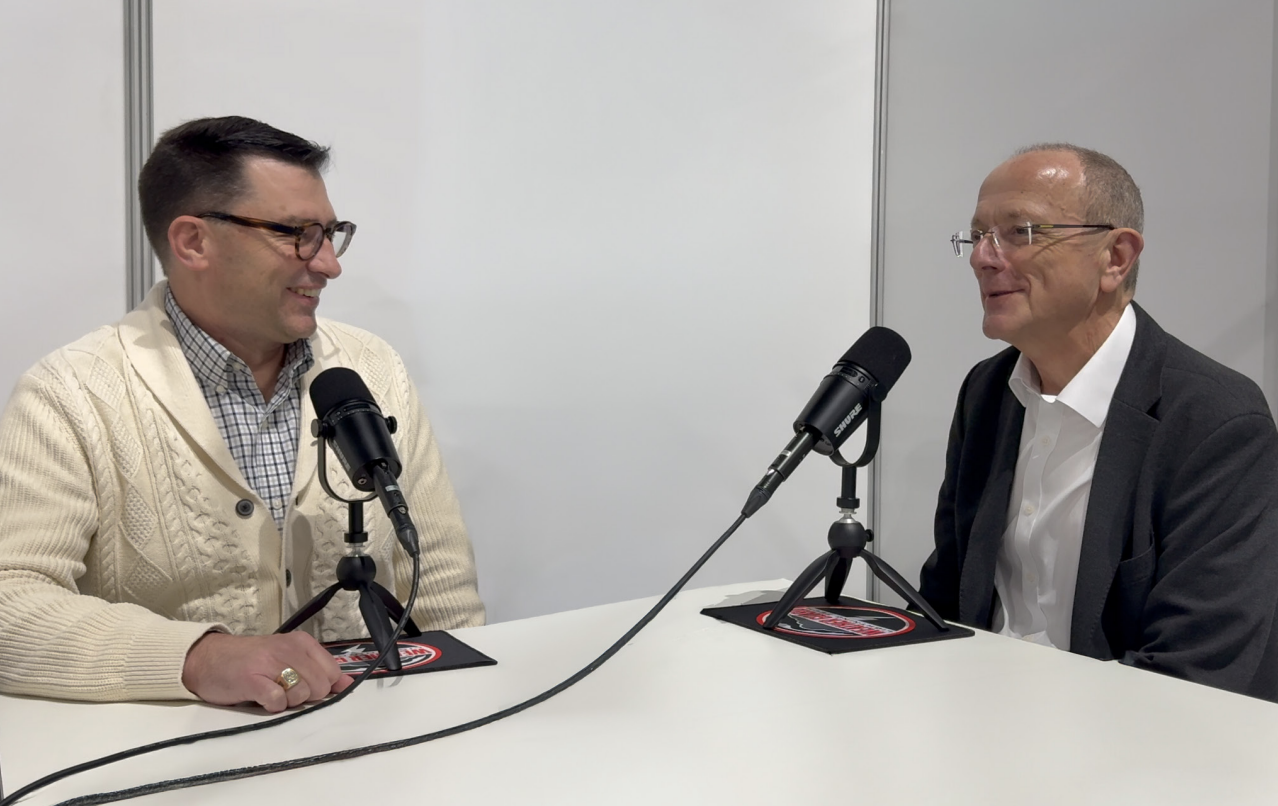
Global fleet, local knowledge: closing wind’s expertise gap
This exclusive article originally appeared in PES Wind 3 – 2026 with the title, Global fleet, local knowledge: closing wind’s expertise gap. It was written by Allen Hall and other members of the Weather Guard Lightning Tech team.
As wind fleets expand across increasingly diverse operating environments, the expertise needed to solve their problems is becoming more dispersed. Closing the industry’s knowledge gap means connecting local challenges with specialist experience from across the global wind sector and beyond.
An operator finds something on a blade they have not seen before. Who do they call? The engineer who designed that blade moved on years ago. The service provider has not seen the problem either. Somewhere in the world, there’s probably a person who has spent 15 years working on precisely that failure mode. But there’s no reliable way to find them.
That scenario plays out again and again. It’s rare that a problem is unsolvable. A solution exists somewhere. The bigger problem is finding that solution, or the person close to solving it.
Wind has become a large, geographically dispersed industry with roughly 1.3 TW of installed capacity. The technical knowledge required to keep it running has dispersed with it. The knowledge is real, deep and often highly specialized, but it is scattered across the globe in small teams working in different markets.
This is not the first global industry to discover that no single organization can hold every discipline, and that different parts of the world present different problems.
Two answers, one problem
In January 2023, Andrew Billingsley took a call from Ørsted asking whether his company could recycle wind turbine blades. Billingsley is CEO of Plaswire, a polymer processor in Northern Ireland. It was not a wind company. Plaswire’s business had been built on finding a way to use plastics from aircraft seat manufacturing and other waste nobody else would handle: residue pulled out of biodigesters and municipal waste plants.
He said yes before he was certain the company could do it.
Plaswire had a proprietary process for combining polymers that materials engineers said couldn’t be combined. Ground blade fiber mixed well with the combined polymer. Plaswire says it now has capacity to process up to 11,000 tonnes of blades a year and has increased blade content in its product from ten percent to thirty percent. The company also reports that the resulting structural components can outperform the concrete and timber alternatives they replace.
The same waste stream produced an entirely different answer on the other side of the Atlantic. Everpoint Services in Houston, Texas decommissions wind and solar assets, leaving the company tasked with repurposing fiberglass blades. At a birthday party, Everpoint CEO Tyler Goodell put that problem to James Timmins, a drilling engineer who had spent his career planning and overseeing drilling operations for major oil companies.
Timmins realized that ground blade fiber might work as a fluid loss additive in oil, gas, and geothermal drilling, where fluid escaping into the formation can cost tens of thousands of dollars a day. Everpoint spent the next two years turning that idea into a product. The company says BladeBlok is patented and shipping globally from Houston.
Two regions, two answers, both effective. And in retrospect, it makes perfect sense. Northern Ireland has decades of depth in polymers and injection molding, so its answer was a polymer. Houston is a center of the global oil and gas industry, so its answer was drilling mud. Neither answer came out of the wind industry. Both came from regional industrial expertise meeting a problem that happened to land next to it.
Looking beyond Denmark
Modern wind turbine engineering grew up in Denmark, and in many ways it still lives there. The most prevalent turbine design was refined by Danish engineers. DTU Wind and Energy Systems still anchors much of the research on wind turbines. Ask a hard aerodynamic question today and there is a fair chance the answer comes from within Denmark.
What has changed is that designing turbines and operating them are different problems. They no longer happen in the same places. A machine is designed in a small number of locations. It is then operated wherever the wind blows: West Texas, Queensland, Gujarat, the North Sea, and the Spanish meseta.
The fleet is also getting older and more varied as it grows. Machines commissioned during the last boom are aging in ways nobody modeled, on sites with conditions nobody anticipated. That combination generates operational questions faster than any single organization can answer them. Those questions are local, specific, and urgent. Now, companies all over the world are being asked to solve wind’s problems with legacy knowledge, often from an adjacent industry, that originated a long way from where the turbine was built.
The same blade, four climates
The industry’s leading-edge erosion wisdom is shaped largely by northern European conditions. It is a real problem, well studied and well understood. It is also not the same problem in West Texas, where the air carries dust and insects, and where inspections routinely find turbines one to three years old that look as though they have run for far longer. Will Howell of Armour Edge describes one site near an open-cast mine where airborne marble particulates were destroying blades within two seasons.
India produces a variant that exists nowhere in Europe. During the northern dry season, a sticky, tar-like dirt builds on the blades until the flow separates and the blade effectively stalls. The monsoon washes it away. PowerCurve reports that the use of vortex generators in India has produced some of the largest energy gains it has recorded, exceeding five percent across a full year. India is now the fourth-largest wind market on earth, surpassing 56 GW; last year it added more capacity than Germany did.
Rosemary Barnes worked for a Danish blade manufacturer before returning to Australia in 2021 to work in operations. There, she found blades behaving unlike the ones she had known in Europe. The standard method of predicting erosion severity combines annual rainfall with tip speed. But when Barnes plotted Australian sites with known erosion problems against those two axes, she got a random scatter. The model had no predictive value in Australia.
Her firm, Pardalote Consulting, is now placing scientific-grade sensors in Australian wind farms to establish what actually drives erosion there. [Barnes is also a regular host of The Uptime Wind Energy Podcast.]
A library of experts
Today, finding the right specialist can be difficult.
After six years hosting the Uptime Wind Energy Podcast, I increasingly think of the podcast as a library. In the past year alone, we’ve highlighted solutions from companies in Latvia, Denmark, Northern Ireland, Spain, Australia, Scotland, and the United States. As an organizer of the Wind O&M Australia event, one of our goals has been to bring international expertise to the local market. And similarly, to allow the global market to learn from knowledge that has been internal to Australia.
The answers are out there
The wind industry does not have time to solve the same problem twice. Fleets are aging, budgets are tight, and a blade defect that sits unresolved for a season costs real production. The pressure is to move faster, and the fastest way to solve a problem is rarely on your own. The fastest way to solve a problem is to find the person who has solved it. That search has to be a global one. The specialist who understands your failure mode may be in Copenhagen, Riga, Edinburgh, or Houston, working for a company you have never heard of. Geography is not a reason to rule them out. Increasingly it is the reason to go looking. The Uptime Wind Energy Podcast has become one way of documenting that dispersed expertise, bringing together specialists working on specific problems across different markets.
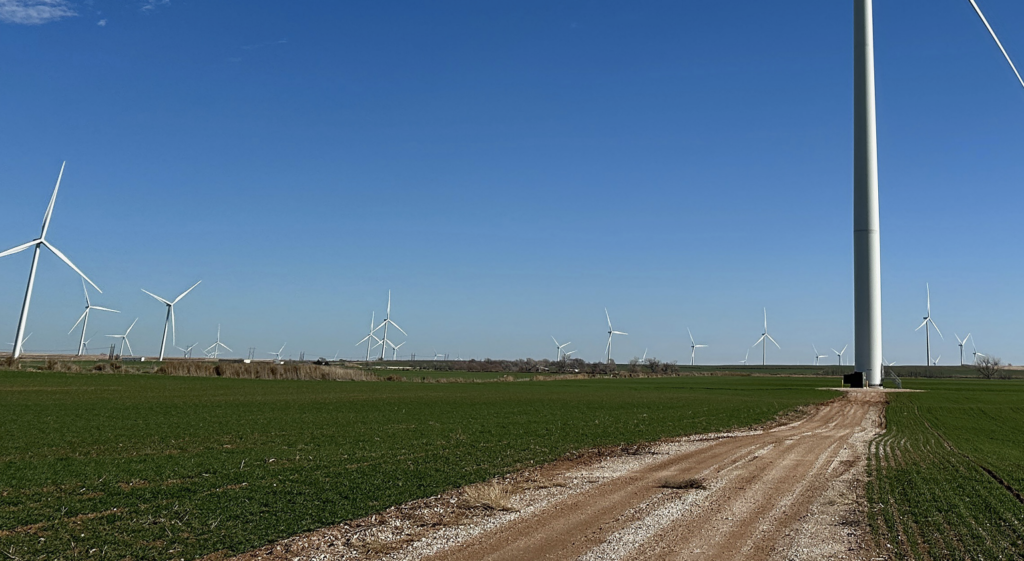
The answers are out there.
Unless otherwise noted, images here are from The Uptime Wind Energy Podcast.
Contact us for help understanding your lightning damage, future risks, and how to get more uptime from your equipment.
Download the full article from PES Wind here. Previous articles you may want to read:
Find a practical guide to solving lightning problems and filing better insurance claims here
See how a cohesive operational strategy can dramatically improve reliability and profitability
Renewable Energy
Remembering Buckminster Fuller, 20th Century Super-Engineer and His Beliefs about Humanity
Fuller’s words here have been echoed through the ages, e.g., Mahatma Gandhi’s note: “The world has enough for everyone’s need, but not enough for everyone’s greed.”
The problem: Most people living in our capitalist civilization care very little about what Bucky here called “livingry.” The typical person in the developed world thinks almost nothing about starving children and even less about recasting world society into a place where we take care of the wellbeing of everyone.
He was one of the great minds that have ever graced our planet, IMO.
Remembering Buckminster Fuller, 20th Century Super-Engineer and His Beliefs about Humanity
Six months ago, our local CVS drugstore had a manager, a handful of employees answering customers’ questions, checking them out at the cash register, stocking shelves, etc.
Last month, I noticed that most of these employees were gone, and the former manager was now stocking shelves. I also noted long lines of customers waiting for an automated checkout machine to become available.
Last week, I saw the former manager working at a nearby grocery store.
Also, the pharmacy is now closed for an hour for lunch. When I asked about this, I was asked, “Don’t you think we employees deserve to eat