Last Updated on November 11, 2024
It’s that time of year again – the 2024 sustainable gift guide! I love writing these guides every year because my mother and me both have the love language of gifts, and eco-friendly gifts make this even better!
I’ve been focusing less on physical gifts, more on acts of service lately. Whether it be making the bed or washing the dishes, I think there are several practical ways to show our love.
This post was sponsored. Several of the links below are affiliate links; for more information please see my disclosure policy.
But the fact still remains – gifting physical presents is still one of my favorite ways to show my love. Consumable gifts and experience gifts are great, but I think physical gifts are good opportunities to pass on the eco love.
I’ve gifted things like reusable water bottles in the past that actually inspired more impactful changes down the line. I’m sure you’ve done the same. I’ve divided this post into separate categories to easily shop for everyone on your list.
- gifts for cozy living
- gifts for the traveler
- gifts for practical self-care
- gifts for the budding environmentalist
gifts for cozy living
Winter can bring on seasonal depression for some. Plus, we all too often idolize the grind when we should idolize slowing down. Cozy living can help make winter a little more bearable.
I love the idea of gifting items that inspire people to sit around a fire place, snuggle up and drink some hot cocoa. Doesn’t that sound so cozy??
Cozy living can also mean taking the time to care for our well being, like taking a hot shower, snuggling up with your dog, making delicious hearty meals, or taking a nice bubble bath.
These brands are perfect for staying in and slowing down.

1. savy rest organic pet bed
- Natural latex core encased in a washable organic cotton cover
- Available in three sizes
- Supportive and comfortable
- Discount: GZW20 for 20% off

2. caraway ceramic cookware set
- Non-toxic 12-piece cookware set made without Teflon coating
- Naturally non-stick making it easy to cook + clean
- Comes with pan + lid storage
- Ships in plastic-free packaging

3. brondell nebia yuba handshower
- Handshower with double docking system for convenient handheld use
- Saves 40% more water while delivering 75% more force than a standard showerhead
- 4 luxurious spray settings + a pause function

4. mate the label sweats
- The Sweats Edit features matching sweatpants + sweatshirts
- Made with 100% GOTS Certified Organic Cotton
- Free of plastic, pesticides + toxic dyes
- Certified B Corp
- Climate Neutral
- Take back program for recycling clothing

5. pact crew socks
- Made with 78% GOTS certified organic cotton + 20% recycled nylon
- Carbon neutral shipments
- Fair trade certified
- FSC certified recyclable paper bag packaging
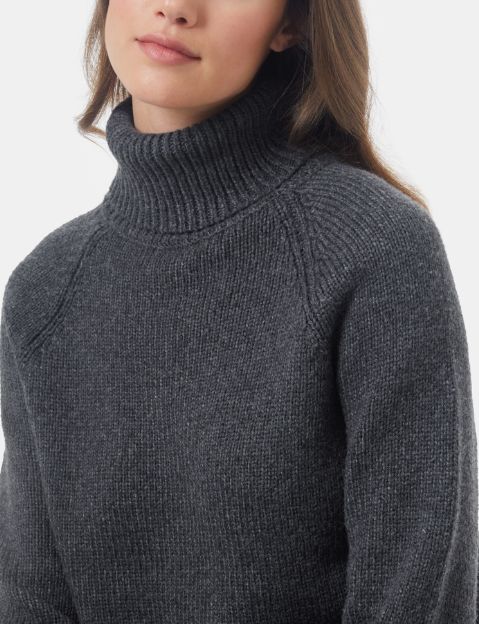
6. tentree wool turtleneck sweater
- RWS certified wool-blend, organic cotton + recycled polyester
- Plants 10 trees for every item you purchase
- Certified B Corporation
- Climate Neutral certified
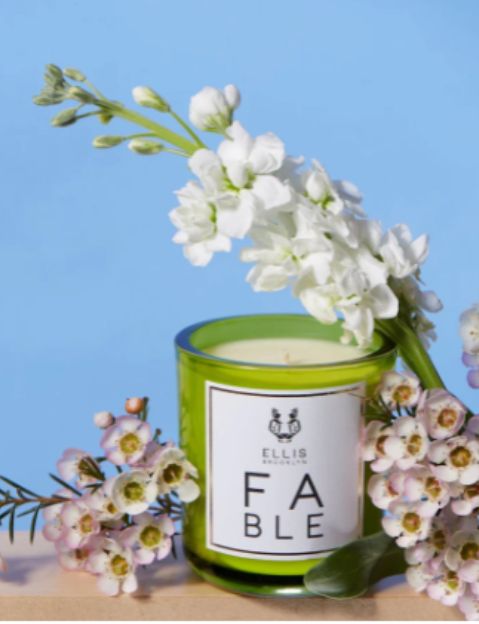
7. eliss brooklyn
- Hand-poured candles
- Domestically grown soy wax blend
- Housed in a 6.5 oz recycled glass jar
- Holder is handmade + lead-free
- Made in the USA
gifts for the traveler
Know someone who absolutely loves being outdoors, exploring or travelling? These gifts are for them!
If they’re always on the go, hiking, camping or just generally busy bodies – these gifts will make their lives a little more convenient all while being sustainable.
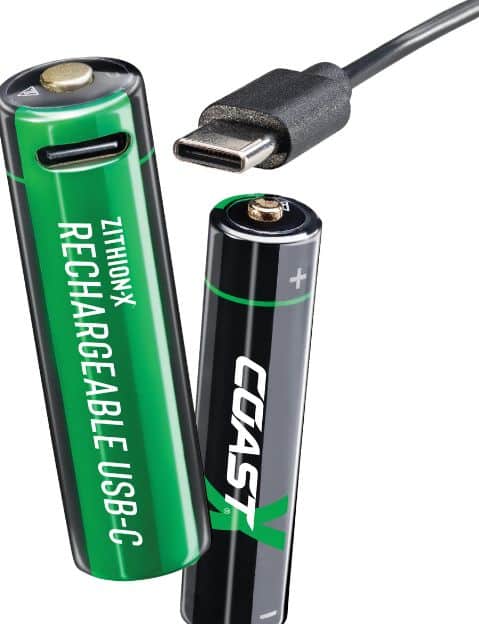
8. coast portland rechargeable batteries
- Helps keeps batteries out of landfills
- Recharges in roughly 2.5 hours
- Convenient + easy to recharge using USB-C charging cables
- Runs 2-6x longer than other batteries
- Compatible in most AA and AAA friendly devices
- Won’t overheat or leak
- Carbon neutral certified product
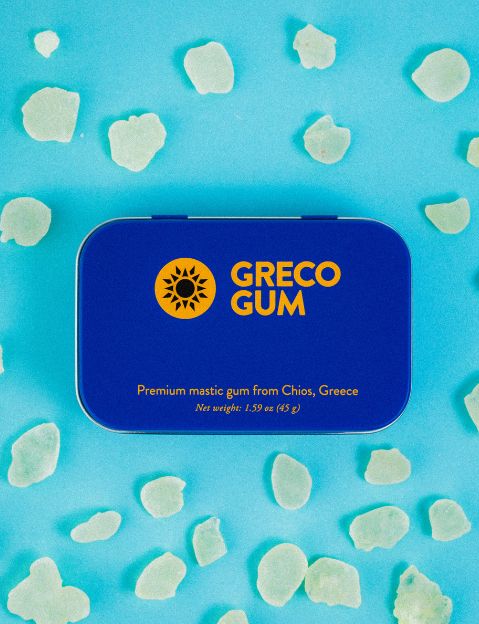
9. greco gum chios mastic gum
- Ancient, natural chewing gum with unique health benefits
- Made with 100% pure chios mastic, sustainably harvested on the island of Chios in eastern Greece
- Supports dental healthy by naturally cleansing the mouth + strengthening jaw muscles
- Promotes gut health by balancing stomach acids + supporting digestion
- Discount: The first 100 people to claim KATHRYN15 get 15% off first order

10. The powder shampoo
- Powder-to-foam haircare + body wash that’s TSA-friendly, spill-proof + lightweight
- Made with natural ingredients + free of harsh chemicals
- Formula uses zero water and zero plastic packaging
- Bottles are made from infinitely recyclable aluminum
- Discount: 10% off until 31 Dec 2024 with code: NOPLASTIC

11. biolite portable solar panel charger
- Powers tablets, phones and other small devices from energy stored in the integrated 3200 mAh lithium ion battery – or in real time when the sun is shining
- Ultra slim + lightweight
- Can withstand splashing water from any angle
- Climate Neutral Certified brand
gifts for practical self-care
We all have that one friend who loves having the latest beauty essentials, be it makeup or skincare products. These sustainable gifts will totally vibe with them without harming the planet.
If you know any wellness junkies, they’ll certainly appreciate these gifts too because of how clean the ingredients are in most of these products are.
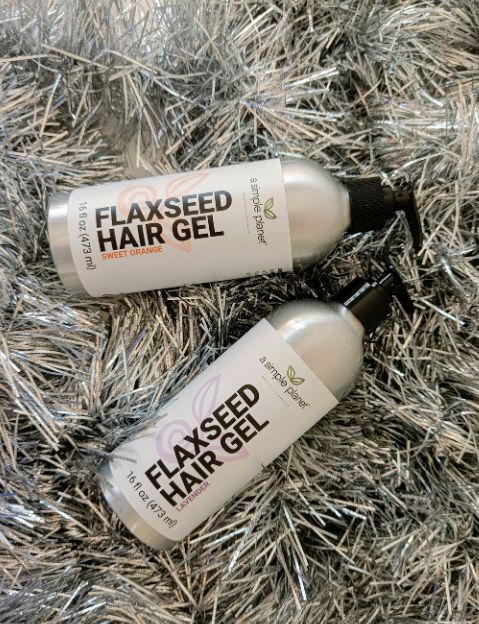
12. a simple planet flaxseed hair gel
- Made from just three simple organic, biodegradable, plant-based ingredients
- 100% free of silicones, phthalates, and parabens
- Packaged in reusable bottles + refillable pouch system
- Discount: goingzerowaste for 15% off

13. ren skincare
- Natural skincare brand
- Packaging designed to be recyclable, contains recycled materials or is reusable
- Specializes in pregnancy + sensitive skincare
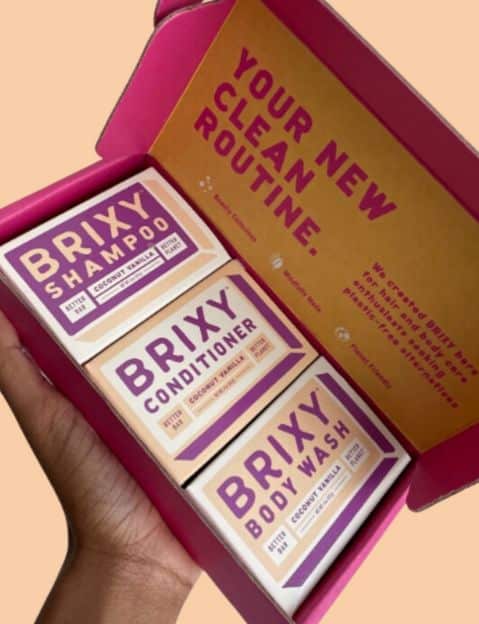
14. brixy gift set
- Shampoo, conditioner + body wash bars set
- Made without sulfates phthalates, parabens or synthetic scents
- Set replaces 8 plastic bottles
- Works for all hair types
- Can be found at Whole Foods + Sprouts Farmers Market

15. megafood daily immune support
- Provides everyday support for a healthy immune system
- Made with vitamins C & D3 plus zinc
- Take anytime of day, even on an empty stomach
- Vegetarian, gluten-free, non GMO
- B Corp certified, supports regenerative agriculture, glass bottles
- Discount: KATHRYN20 for 20% off
gifts for the budding environmentalist
Know someone who’s a zero waste newbie? Or, someone you want to introduce sustainable living to? These gifts would be perfect!
Not everyone can afford zero waste swaps so it’s always nice to gift some to friends and family.
Also, if you know anyone who seriously loves the environment as much as you do – they’re bound to love these gifts.
There’s even one gift listed that’s perfect for getting kids into sustainability!

16. who gives a crap
- 100% recycled toilet paper (no virgin trees used)
- Carbon neutral shipping
- Plastic free packaging

17. lomi
- Transforms your food waste into nutrient-rich plant food
- The only carbon-neutral appliance in your kitchen
- Decreases your carbon footprint by up to 127%
- Holiday sale until December 19th (44% off Lomi Classic, 24% off Lomi Bloom)

18. plaine products zero waste starter kit
- Zero waste starter kit includes: full sized hand wash and body lotion, sample sized shampoo and conditioner
- Refillable products packaged plastic-free in aluminum bottles
- Vegan, cruelty-free, women owned, carbon neutral
Did this sustainable gift guide inspire you? What eco-friendly gifts will you be gifting this season? Let me know in the comments!
The post Sustainable Gift Guide 2024 appeared first on Going Zero Waste.
Green Living
7 Sustainable Solid Wood Dining and Coffee Tables Built to Last
Whether the family is sitting down for dinner in the kitchen or you and your roommates are marathoning Netflix in the living room, the sustainable tables from these brands will be your new gathering places for enjoying meals, drinks, and conversations together.
The sustainable table brands featured in this guide have furniture for any of your living and dining places:
- Dining tables,
- Side tables,
- Coffee tables, and
- Bar tables.
But first, you might be wondering: what is a sustainable table anyway?
What to Look for in a Sustainable Table
The word “sustainable” is used frequently and in so many different contexts that it can be difficult to pinpoint what exactly sustainable means.
That said, here are some key elements to consider when looking for your next coffee table, dining table, or desk.
Eco-Friendly Materials
When it comes to eco-friendly tables, wood is the most common material used because it’s a natural, renewable, and durable material that works with nearly any room or interior design style.
Note: If you find a brand that uses engineered wood or pressed wood, make sure to look on their website or ask about what adhesives are used. These products are often made from wood pieces that are bond together with glue that contains formaldehyde, which the EPA classifies as a “probable human carcinogen”.
Here’s what to look for to ensure sustainably-sourced wood:
- Reclaimed Wood. Using existing resources reduces waste and the need to cut down additional trees. Plus, reclaimed wood — especialcan add authentic character to your table!
- FSC-certified. The Forest Stewardship Council’s certification is the most widely used verification for responsible forestry practices. Just like any other large certification, the FSC seal is not perfect but can be an additional seal of approval to look for.
- Traceability. Look to see if the brand can tell you where the wood was sourced from. Usually, smaller furniture brands will be able to have more transparency and traceability of their supply chain!
- Local sourcing. Locally-sourced wood (from native or climate-appropriate trees) is preferable because sourcing locally reduces emissions from transportation.
Zero-VOC or Low-VOC Finishes
Similar to paints, finishes can contain Volatile Organic Compounds (VOCs). Not only do VOCs create environmental hazards like air pollution and smog but they also pollute your indoor air too.
According to the EPA, health impacts of VOCs include:
- Eye, nose, and throat irritations
- Headaches and nausea
- Damage to the liver, kidney, and central nervous system
- Some VOCs are also known or suspected carcinogens
All too often we think of environmental sustainability as something separate from ourselves — something “out there in nature”.
But as with so many aspects of sustainability, what’s healthy for the environment is also often healthy for us as well — humans are, in fact, part of the environment. That’s why this sustainable table guide only includes non-toxic tables, too.
Other Sustainability Initiatives
Some other initiatives to look for from sustainable table brands include:
- Use of renewable energy to power their operations or the purchase of renewable energy credits to offset fossil fuel energy use.
- Take-back and/or repair programs to extend the life of their tables.
- Quality manufacturing that ensures durable products built to last.
- Trustworthy tree planting projects, especially if the company uses wood for their products.
Certifications
While not the end-all-be-all, certifications are third-party verifications that back up a company’s claim around sustainability, ethical sourcing, or non-toxic material use. Here are the certifications you might see for sustainable tables:
- FSC Certified = the wood sourcing was responsibly managed; this certification is imperfect but has a higher standard that Sustainable Forestry Initiative, as reported by environmental nonprofit Sierra Club
- GREENGUARD / GREENGUARD Gold Certified = the finished product was tested for low chemical emissions, with Gold representing the strictest tier
- Cradle-to-Cradle Certified = evaluates a product across material health, circularity, clean air/climate, water/soil stewardship, and social fairness; one of the only certifications that can assess a whole furniture product rather than a single material
Where to Find Sustainable Tables
Just as with fashion, looking secondhand first is a great way to find eco-friendly furniture at a more affordable price. Check out your local flea markets, secondhand stores, and keep an eye out for estate sales.
For online secondhand options, check out:
- Facebook Marketplace (owned by Meta of course, but does have the most options)
- OfferUp
- Chairish
- AptDeco
If you’re looking for a new eco-friendly table made from responsibly-sourced or reclaimed materials, take a look at the brands below!
Disclaimer: This guide includes affiliate links and partners, but as always all brands are vetted rigorously for sustainability and are brands we love, that we think you’ll love too
Best for Non-Toxic Dining Tables: Medley
Medley uses only FSC-certified walnut or maple hardwood for their solid wood eco-friendly dining tables and accent tables. Each table is finished with an all-natural furniture polish that consists of just beeswax, carnauba wax, and olive oil. And every table, just like the rest of Medley’s furnishings, is made in their own workshop in Los Angeles.
Conscious Qualities: FSC-Certified Wood, Transparent Local Production, Non-Toxic Finishes, Plants Trees
Price Range: $1,295 (coffee table) – $7,195 (extendable dining table)
Shipping: Contiguous U.S. (or contact Medley for a quote outside of the U.S.)
Best for Reclaimed Wood Dining Tables: What We Make

What We Make crafts their dining tables in Chicagoland from 100+ year old reclaimed planks salvaged from Midwestern barns. Each table is handcrafted with hand-welded steel legs and a metal side skirt, finished with a matte, VOC-free, plant-based finish. You can select from classic rectangular tables, or oval shaped and round tables. The small business has everything from pub tables and outdoor tables to modern and farmhouse style tables.
There are several tables with extendable designs too: each leaf adds 20 inches of length and seats two more people, and they’ll also sell you a matching bench sized specifically to slide beneath the table when not in use.
Because most of their tables are made with reclaimed wood (with a few exceptions — double check the product descriptions), expect some variations in the form of knots, splits, nail holes, weathering. It’s part of the character! Custom sizes are available on request, though lead times will vary based on when you order.
Conscious Qualities: Reclaimed Old-Growth Wood, Hand-Welded Steel, VOC-Free Finish, Handcrafted in Chicago
Price Range: $1,125 (bar table) – $5,185 (solid walnut trestle dining table)
Shipping: Ships within U.S.
Best for a Zero Waste Cofee Table: Avocado

Founded as a non-toxic mattress brand, Avocado has now expanded into a variety of sustainable and non-toxic furniture like beds, dressers, and of course tables.
Their collection of eco-friendly tables includes accent tables, side tables, benches & stools, and a beautiful zero waste coffee table. Every table is made to order in the company’s Los Angeles woodshop from either reclaimed wood, FSC-Certified solid wood, or even 100% upcycled wood (which is not particleboard or fiberboard).
The Sustainable Furnishings Council member also uses non-toxic finishes and glues, like zero-VOC stain and safe odorless glues. And, Avocado offsets more than 100% of their emissions and has several product- factory- and company-level certifications of note.
Conscious Qualities: Made-To-Order In Avocado’s Own LA Woodshop; Uses Reclaimed and Sustainably-Sourced Materials; Non-Toxic Finishes; Renewable Energy-Powered Operations
Price Range: $699 – $1,299 for coffee tables
Shipping: Ships furniture within the contiguous U.S.
Best Locally Sourced Coffee Table: Sylvan Craft

Perhaps you’ve heard of slow fashion or slow food — well Sylvan Craft is the epitome of slow furniture with their “Forest to Table” approach.
Sylvan Craft’s heirloom-quality tables (and other furniture) are all crafted with care from solid wood by their Amish business partner. And it’s not just any wood — this is wood that was sourced from Sylvan Craft’s own sustainably managed forest. Since their entire process from harvest to finished furniture takes place within a 5 mile radius, this “hyper-local” business also boasts a small carbon footprint and impressive average 8-10 week lead times on delivery. Blanket-wrapped shipping also minimizes packaging waste.
On a mission to preserve and restore forests through sustainable forestry and land management, Sylvan Craft has a meticulous forest management plan that centers on forest health. They employ selective harvesting (i.e. prioritizing damaged or dead trees for their wood), plant a variety of tree species to promote forest biodiversity, and use low-impact timber removal practices instead of heavy machinery.
Sylvan Craft’s selection of sustainably-crafted tables includes end tables, sofa tables, coffee tables, dining tables, and benches.
Conscious Qualities: Sustainable Forestry Management, Hyper-Local, Traceable Supply Chain, Heirloom Quality, VOC-Free Finish Option
Price Range: $975 – $1350 for coffee tables
Best For Extendable Dining Tables: Copeland
If you’re looking for an eco-friendly dining table with a bit more flexibility, Copeland is going to be your best bet. The sustainable furniture company has solid wood tables in walnut, oak, and cherry wood available with leafs. Some table styles even have a double leaf extension for accommodating extra large dinner parties.
Copeland’s furniture is made-to-order in Bradford, Vermont and the company sources most of their wood within 500 miles of the factory. Speaking of Copeland’s factory, the brand doesn’t stop at sourcing sustainable materials but also has a solar array installed on the factory’s property and uses wood waste to heat the building. And the tables are low-toxic with a GREENGUARD certified finish.
Conscious Qualities: Domestically Sourced Hardwood, Made in the US, Made-to-Order, Durable, GREENGUARD Certified Finishes
Price Range: $1,126 (dining table without extension) – $5,056 (double leaf extension table)
Shipping: Ships within contiguous U.S. (contact for quotes to ship elsewhere)
Best Non-Toxic Coffee Table: Savvy Rest
Non-toxic furniture brand Savvy Rest has a simple timeless coffee table made in Central Virginia from solid wood. Each table is made with responsibly-sourced maple — a durable yet lightweight hardwood — and is available unfinished or in a variety of zero-VOC finishes: linseed oil, walnut, cedar, or mahogany.
Conscious Qualities: Zero-VOC Finishes, Local Production, Sustainably-Sourced Wood
Price Range: $799 – $874 for coffee table (Use code CONSCIOUSSTYLE20 for 20% off)
Shipping: Free White Glove delivery within continental U.S.; contact for quotes outside 48 contiguous states
Best Affordable Coffee Table: Sabai

Sabai is a leader in sustainable furniture with their use of eco-conscious materials, ethical production practices, and low-waste shipping. Not to mention they’re committed to circularity with both a repair program and a resale program, called Sabai Revive.
Their City Table is so exception. This eco-friendly coffee table is made using recycled steel, wood sourced from urban fallen trees in Baltimore and a non-toxic, zero VOC water-based finish. Did we mention the brand is also a certified B-Corporation?
Conscious Qualities: Recycled & Natural Materials, Zero VOC Finish, Circularity Program
Price: $625
Shipping: Ships to U.S. and Canada
We hope you enjoyed this guide to sustainable tables! Looking for more furniture & home furnishings?
Check Out These Sustainable Home Guides:
15 Ethical Home Decor Brands for Your Conscious Space
The Best Places to Find Eco-Friendly Furniture
Sustainable Non-Toxic Sofas for Truly Restful Relaxation
The post 7 Sustainable Solid Wood Dining and Coffee Tables Built to Last appeared first on Conscious Life & Style.
7 Sustainable Solid Wood Dining and Coffee Tables Built to Last
Green Living
7 Sustainable Chairs That Are Actually Worth Your Money (2026)
Similar to sofas, finding sustainable armchairs is a tougher category than most other furnishings because there are just so many components to an upholstered chairs! There’s the wood frame and legs, but there’s also the foam, springs, upholstery fabric plus all the finishes on the fabric and wood.
So What Are More Sustainable Chairs?
Before we get into the brands, let’s talk about what I mean when I say “sustainable” — because there isn’t an objective definition to sustainable furniture, so it’s worth knowing how each writer or creator defines it.
Natural or Recycled Material Sourcing
Most armchairs are made with pressed wood (particleboard, MDF) made of glued wood pieces and virgin synthetic fibers derived from fossil fuels. When we think about sustainable armchairs, though, we’re looking for solid, responsibly sourced wood built to last; natural fibers like cotton and linen, or recycled synthetic options; and foam made from natural latex or at least from certified low-VOC synthetic foam.
Responsible and Sustainable Production Practices
Most armchairs are made in completely opaque conditions overseas by workers likely earning wages lower than a livable wage. A sustainable armchair will be made with transparent production practices — by a company’s own furniture workshop, or by a local domestic manufacturer. Or, if it’s abroad, there are other verifications for responsible sourcing made by the company, such as sourcing from Fair Trade Certified factories.
Certifications
While not strictly required from a company to be “sustainable” certifications are third-party verifications that the claims a furniture company is making are actually true. While not perfect, it’s an added layer of assurance and accountability. Here are the certifications you might see with chairs:
- Cradle-to-Cradle Certified = evaluates a product across five categories — material health, circularity, clean air/climate, water/soil stewardship, and social fairness — with Gold representing one of the higher achievement tiers. It’s one of the more comprehensive certifications available. In fact it’s the only one that can certify an entire furniture product.
- GOTS Certified = the fabric meets strict organic and safety standards (95%+ certified organic fiber, restricted chemical inputs, labor protections throughout the supply chain). This is a textile-specific certification, not a wood or foam guarantee, and does not apply to the full product.
- CertiPUR-US® = the foam is made without ozone depleters, PBDE flame retardants, mercury, lead, or formaldehyde, and meets low VOC emission standards. This is a synthetic foam certification, and not a claim that the foam is natural or organic. Natural latex foam made from the sap of rubber trees may not have a certification but could still be considered the more sustainable option, since it’s not from synthetic sources.
- FSC Certified = the wood sourcing was responsibly managed. This is not a finish, foam, or textile guarantee. And while it might apply to a full product on a wood piece of furniture, it is not a product certification for an armchair, which is made from several types of materials.
Where to Find Sustainable Lounge Chairs and Accent Chairs
Now, let’s get into where you can find eco-friendly chairs that meet some or all of this criteria! We’ll start off with some options to find used chairs and then get into the brands with sustainably-made chairs.
Note that this guide includes partners and affiliates. As always, all brands featured meet strict criteria for sustainability and are brands we truly love — and that we think you’ll love too!
Secondhand Sources
Facebook Marketplace and Craigslist are two classic options when it comes to finding used furniture! Here are some others to know:
OfferUp (buy and sell locally)
AptDeco (ships)
Chairish (vintage)
EBTH (like an online estate sale)
EstateSales.net (for finding in-person estate sales!)
Places With New Sustainably-Crafted Accent and Lounge Chairs
If you can’t find what you’re looking for secondhand, check out these brands and retailers with eco-friendly office chairs, lounge chairs, armchairs, and more.
Looking for outdoor chairs? I have a guide to outdoor furniture. Looking for dining chairs? Check out my guide to dining tables.
1. Savvy Rest
Best for: fully natural and organic certified armchairs
Savvy Rest has some seriously impressive sustainable chairs that have every element I mentioned above covered. Their Verona Organic Armchair is made using GOTS-certified organic cotton and/or hemp upholstery, organic wool batting, sustainably-sourced solid hardwood maple, Cradle-to-Cradle Gold Certified Natural Talalay latex foam, natural coir, jute webbing, and zero-VOC finishes.
Conscious Qualities: Organic & Eco Materials, Sustainable Wood, Non-Toxic Finishes, Locally Made
Price Range: $2,999 – $4,748 (Use code CONSCIOUSSTYLE20 for 20% off)
Shipping: White Glove delivery within contiguous U.S. Contact for shipping quotes elsewhere.
2. Sabai
Best for: repairable, recycled-material accent chairs
In addition to using recycled & upcycled fibers for their sustainable armchairs (and now even a sleeper chair), Sabai has two circularity programs: Repair Don’t Replace — where you can find individual parts — and Sabai Revive where you can sell back your Sabai furniture. This full lifecycle approach to sustainability makes them one of my top picks for sustainable seating.
It’s worth noting that their Recycled Velvet and Upcycled Poly upholstery options are both synthetic, though. So if you prefer natural fibers, select the (slightly more expensive) Hemp Blend, which is hemp and cotton.
Conscious Qualities: Recycled and Sustainably-Sourced Materials, Repair Program, Resale Program
Price Range: $795 – $1,875
Shipping: U.S. and Canada
3. Urban Natural
Best for: finding several sustainable chair brands in one place
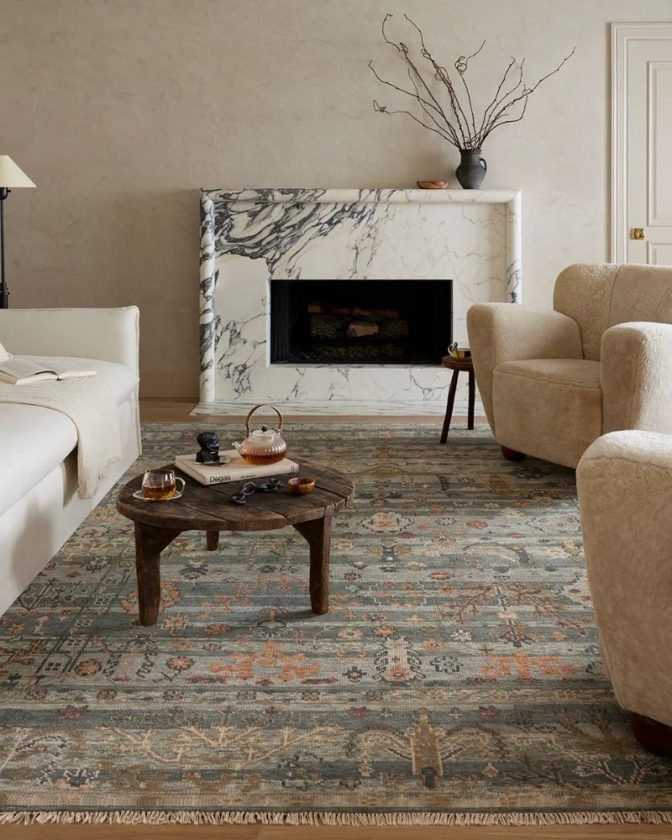
Urban Natural is a mecca for all things eco-minded and non-toxic furnishings, including plenty of options for sustainable lounge chairs and accent chairs. I especially appreciate that they have recliners and swivel chairs among their selection — a rarity about sustainable seating options.
The brands they curate utilize a range of materials — the sustainable highlights are responsibly-sourced hardwood, organic cotton, natural latex cushions, and alternative materials like apple leather. That said, the convenience has a trade-off: the different brands have different standards. Some brands are made in the US but lack material transparency, for example.
Conscious Qualities: Eco-Conscious Materials & Processes, Many Brands are USA-Made
Price Range: $999 – $10,000
Shipping: Contiguous U.S. (free for orders $2,500+)
4. Medley
Best for: made-to-order non-toxic accent chairs
Furniture brand Medley creates quality furnishings from non-toxic materials and their armchair collection is no exception. You’ll find sustainable chairs crafted just for you in the U.S. using materials like FSC-certified hardwood, 100% linen, and organic natural latex.
Important to note, though: the less expensive non-toxic options for Medley’s chairs are synthetic with low-VOC certifications — like CertiPUR-US® certified foam or GREENGUARD GOLD certified polyester. I’d suggest browsing their swatches first to understand the fiber content of each option so you can opt for the natural fibers if you wish.
Conscious Qualities: Non-Toxic Materials, Domestic Production, Solid Wood, 100% Natural Options
Price Range: $1,615 – $5,450
Shipping: Ships globally; contact to get quotes for shipping outside of the U.S.
5. Green Row
Best for: sustainable armchairs with a cottagecore vibe
Green Row brings a distinctly different aesthetic to this list — think vintage wingback silhouettes with a cottagecore, cabin chic sensibility, a nice contrast to the more mid-century and minimalist options above.
The brand, part of the Williams Sonoma family, was founded with sustainability in mind from the get go. Green Row’s chairs are made with 100% FSC-certified solid wood, 100% linen or recycled poly/cotton blend (for a performance option) upholstery, and natural latex or CertiPUR-US® Certified foam fill cushions. I’ll be honest: I often go into sustainability claims from big brands suspicious, but consider me impressed.
Conscious Qualities: Responsibly-Sourced Solid Wood, 100% Natural Fiber Options, Low VOC-Certified Foam
Price Range: $749 – $5,099
Shipping: White Glove or Doorstep Delivery to U.S. (additional fee for HI & AK)
6. MasayaCo
Best for: reforested teak lounge chairs (some indoor-outdoor)
MasayaCo creates sustainable lounge chairs made from sustainably sourced teak wood that was reforested in Nicaragua. The company plants 100 trees for each order, with 1.3 million trees planted to date. And about 40% of those trees are left untouched to allow for the habitats to truly thrive.
Some of the chairs are also indoor-outdoor friendly (be sure to check the description). While these might not be as comfortable as some of the cushier armchairs in this guide, reviewers rave about the “unmatched” quality of MasayaCo’s signature lounge chairs.
Conscious Qualities: Sustainable Materials & Practices, Reforestation Projects
Price Range: $895 – $1,455
Shipping: Ships to U.S.
7. The Citizenry
Best for: artisan-made, fair trade armchairs
Handcrafted and made-to-order with materials like solid walnut and 100% cotton velvet, The Citizenry partners with artisans around the world for all of their pieces, ensuring fair trade conditions and wages for the makers behind their products. Their fair trade chairs are made in Indonesia (teak and rattan chairs) and Northern California (upholstered chairs).
Worth noting though: their Google Reviews are very mixed, with some customers loving the products, while others were left thoroughly disappointed by the customer service.
Conscious Qualities: Artisan-Made, Fair Trade
Price Range: $1,319 – $3,769
Shipping: Contiguous U.S.
And that wraps up my guide to sustainable chairs! I hope you found it useful. For outdoor chairs, check out this sustainable outdoor furniture guide.
Liked this guide to sustainable chairs? Check out these other furniture guides:
The Best Non-Toxic Sofas for Truly Restful Relaxation
Gorgeous Sustainable Tables to Gather Around
Ethical Home Decor Brands for Your Conscious Space
The post 7 Sustainable Chairs That Are Actually Worth Your Money (2026) appeared first on Conscious Life & Style.
7 Sustainable Chairs That Are Actually Worth Your Money (2026)
Green Living
Chickenomics: The Economics of Backyard Chickens
A dozen Grade A eggs peaked at roughly $6.22 in March 2025. In June 2026, the same dozen averaged $2.14.
That swing explains most of what happened in American backyards over the past two years. Bird flu emptied commercial henhouses, prices spiked, hatcheries sold out by February, and roughly 11 million U.S. households ended up keeping chickens. Prices have since collapsed, and the arithmetic has flipped back. The risk side of the ledger, meanwhile, has gotten heavier: H5N1 “Bird Flu” has killed two U.S. backyard flock owners since 2024, and a cluster of Salmonella outbreaks traced to backyard poultry has sickened more than 800 people so far this year.
Here is what the chicken economics and the cautions look like in 2026.
The Price Signal That Built the Boom, Then Reversed It
Retail egg prices rose 32.2% in 2022, 1.4% in 2023, 8.5% in 2024, and 21.9% in 2025, according to USDA’s Economic Research Service. Highly pathogenic avian influenza (HPAI) drove nearly all of it. Since the outbreak began in February 2022, the virus has affected more than 166 million birds across commercial and backyard flocks, including chickens, turkeys, ducks, pheasants, and geese.
As birds stopped dying, supply caught up with demand. USDA logged fewer new HPAI detections in the first quarter of 2026 than in the same period of 2025, and replacement pullets were plentiful enough to cover both routine flock turnover and unpredictable losses. Retail egg prices in May 2026 were 35.2% lower than a year earlier. ERS now forecasts a 30.4% decline for the full calendar year, with the prices paid to farmers down 82.9%.
The American Pet Products Association counted about 11 million U.S. households keeping backyard chickens in early January 2025, nearly double the 5.8 million reported in 2018. Feed stores across the country sold out of chicks weeks before their traditional spring “chick days,” and hatcheries reported order volumes up 80% or more. Everyone wanted birds.
As prices normalized through 2026, first-time buyers thinned out and most chick sales shifted back to existing keepers replenishing their flocks. The takeaway for anyone considering a flock now: the case for backyard chickens is a bet on egg-price volatility, and that bet just went the other way.

How Many Birds Do You Actually Need?
USDA projects 21.5 dozen table eggs will be available per person in 2025, rising to 22.9 dozen in 2026m, or roughly 260 to 275 eggs a year for the average American. That is how much supply is available, not a measure of what any given household eats, but it is a reasonable planning figure.
Commercial layers averaged 300 eggs each in 2025. Backyard flocks do not match that. University of Minnesota Extension notes that hens begin laying around six months and can keep laying for five to 10 years, with peak production in the first two. Plan on 180 to 250 eggs per hen in those peak years, tapering afterward, with a winter slowdown unless you add supplemental light to your coop.
So one productive hen roughly covers one person’s egg consumption during her best two years, and rather less after that. You’ll want to budget for more birds than the arithmetic suggests, or decide in advance what happens when a hen stops laying. They don’t make good eating, but can serve as the makings for delicious soup stock.
Meat is a different order of magnitude. The U.S. produced 102.7 pounds of broiler meat per person in 2025 and is forecast at 102.8 pounds in 2026, making chicken the most-consumed animal product in the country.
Dressed weight runs about 70% to 75% of live weight, so at four to five pounds of live bird, replacing a year of one person’s chicken consumption takes roughly 30 birds. Extension guidance on raising broilers is worth reading before you try. Meat breeds are not laying breeds, most broilers are processed before they are a year old, and the meat from a retired layer is considerably tougher than what you buy at the store.
What Your Local Code Says
Check your municipal ordinance before you buy anything. Rules vary enormously and change often.
City flock caps commonly land between four and eight hens, frequently scaled to lot size. Roosters are prohibited in most residential zones. Coop setbacks, which are typically 10 to 25 feet from property lines and sometimes 40 to 50 feet from a neighbor’s dwelling, are standard, as are permits, annual fees, rear-yard-only placement, and prohibitions on on-site slaughter or egg sales.
Homeowners association covenants can be stricter than city code and are enforced separately. Several states have recently passed laws preempting outright municipal bans on small hen flocks, so a rule you looked up three years ago may no longer be current.
Running the Numbers in 2026
The right comparison is against the eggs you buy, not the cheapest carton in the cooler. USDA’s weekly Egg Markets Overview for mid-July 2026 put the average advertised retail price at $1.02 per dozen for conventional caged eggs and $2.65 for UEP-certified cage-free, with organic priced higher still. If you are a pasture-raised or organic buyer, the math looks very different than it does for a commodity-egg household.
| Measure | Estimate |
|---|---|
| What six hens produce | |
| Eggs per hen per year, first two laying years | 180–250 |
| Annual flock output | 90–125 dozen |
| What that output is worth | |
| At June 2026 average retail ($2.14/dozen) | $190–270 |
| At cage-free feature price ($2.65/dozen) | $240–330 |
| At the March 2025 peak (~$6.22/dozen) | $560–780 |
| What it costs you | |
| Annual feed, bedding, grit, and supplies | $250–600 |
| Startup: coop, run, fencing, feeders, birds | $500–2,000 |
Production ranges from university Extension guidance; egg prices from the U.S. Bureau of Labor Statistics and USDA Agricultural Marketing Service. Startup and annual cost ranges are widely reported figures that vary substantially by region, coop choice, and feed quality.
The first five rows are calculated from BLS and USDA price data and Extension production ranges. The last two are ranges widely reported by hobbyist cost guides and vary substantially by region, coop choice, and feed quality; treat them as a starting point, not a budget. Oklahoma State Extension publishes an enterprise-budget method for backyard hens that tracks fixed and variable costs per coop across a three-year horizon.
At 2026 prices, a small flock’s output roughly covers its own feed in a good year and does not repay the coop. When compared with cage-free and organic prices, the gap narrows considerably. For example, when eggs cost $6 a dozen in March 2025, the flock pays for itself inside two seasons. But these numbers hold only over the course of a year, because feed and other costs may change, so here’s the real finding: backyard flocks are a poor hedge against grocery inflation and a solid hedge against grocery disruption.
Also, keep track of the costs the spreadsheets usually miss: predator-proofing after the first raccoon kills a layer; veterinary care, which most keepers never budget for; boarding or a neighbor when you travel; and the years a hen lives past her productive peak.
The Bird Flu Calculus
Wild birds are the primary vector for HPAI, carrying the virus in their droppings and contaminating shared water sources, particularly during spring and fall migration. People spread it too, on boots, clothing, equipment, and vehicles that have not been cleaned.
Since March 2024, 71 human cases of influenza A(H5) have been reported in the United States. Three of those occurred in backyard flock owners, and two of the three were fatal — one in Louisiana in early 2025 and the other in Washington in November 2025. The CDC’s assessment of risk to the general public remains low, but it does not apply to someone handling sick or dead birds without protection.
What Flock Owners Know, and Don’t
CDC surveyed 638 backyard flock owners across 48 states between July and December 2025 and published the results in Morbidity and Mortality Weekly Report in May 2026. Nearly all respondents — 94% — had heard of avian influenza. The knowledge gaps showed up in the specifics:
- Only 32% correctly identified all the signs of infection in birds. Another 13% did not know the signs at all.
- 27% did not know the signs and symptoms in humans. Just 16% identified all of them, including the non-respiratory ones, such as pink or watery eyes, diarrhea, and vomiting that are easy to mistake for the ordinary flu.
- 54% reported that wild birds could, or sometimes could, reach their flock’s food or water, the single most direct exposure pathway.
- 71% had no veterinarian to consult about their flock.
- 77% considered themselves at low risk of infection, and only 28% were somewhat or very concerned about avian influenza for their own health.
Respondents who knew more about the disease were significantly more likely to say they would use protective equipment around sick birds. Knowledge and protective behavior track together, which is the practical argument for reading the guidance before you need it.
The Four Steps USDA Recommends
USDA’s Defend the Flock program condenses backyard biosecurity into four habits. None of them are expensive.
- Clean up. Disinfect equipment, footwear, and clothing used in poultry areas daily or after each use. Store feed where wild birds and rodents cannot reach it. Keep water and bedding clean.
- Suit up. Keep dedicated boots for the coop and a footbath to disinfect them. Wear gloves or sanitize hands entering and leaving. Give visitors disposable shoe covers, and keep visitors to a minimum.
- Divide up. Separate species. Use covered enclosures and netting so domestic poultry and wild birds never share air, ground, feed, or water. Waterfowl can carry avian influenza without appearing sick, so mixed flocks raise the stakes.
- Brush up. Learn the signs, monitor your birds daily, keep health records, isolate anything that looks wrong, and know who to call before you need to call them.
Warning: Know the Signs and the Phone Number
Signs of avian influenza in birds: sudden or unexplained death, lack of energy or appetite, difficulty breathing, nasal discharge, a drop in egg production, and diarrhea.
Do not handle sick or dead birds, their litter, or contaminated water without personal protective equipment. Report sick or dead birds to your state veterinarian or to USDA at 1-866-536-7593.
If a backyard flock tests positive for HPAI, it is depopulated. Owners should keep wearing protective equipment in contaminated areas until infected birds, eggs, feces, and litter are gone from the property. Decide now whether you are prepared for that outcome.
CDC maintains specific guidance for backyard flock owners on which protective equipment to use and how to put it on and take it off without contaminating yourself or your house. Gear worn in the coop does not come indoors.
The Salmonella Problem Nobody Budgets For
Bird flu gets the headlines. Salmonella does the damage. As of July 27, 2026, CDC is investigating eight multistate outbreaks tied to contact with backyard poultry: 814 people sick across 44 states and one U.S. territory, 201 hospitalizations among those with information available, and one death in Washington. A quarter of the patients are children under five.
Among patients who owned poultry, 84% had gotten their birds since January 1, 2026, most often from agricultural retail stores. Investigators matched outbreak strains to seven hatcheries, and in five states found the same Salmonella inside the boxes used to ship chicks from hatcheries to stores. Several of the strains carry predicted resistance to antibiotics commonly used to treat severe infections, including ampicillin, ceftriaxone, and ciprofloxacin.
Outbreaks track the spring chick-buying season every year. In 2025, backyard-poultry-linked Salmonella sickened more than 500 people in 48 states, hospitalized 125, and killed two. Healthy-looking birds shed the bacteria; visible cleanliness tells you nothing.
Household Rules That Work
- Wash hands with soap for 20 seconds after touching birds, their supplies, or their eggs. Do it every time, no exceptions.
- Keep a dedicated pair of coop shoes that never come inside the house.
- Keep birds and their equipment out of the house entirely. No brooders in the kitchen.
- Children under five should not handle chicks, ducklings, or anything in the birds’ environment. The same caution applies to adults over 65 and anyone immunocompromised.
- No kissing or snuggling birds, and no eating or drinking around them.
- Collect eggs often, discard cracked ones, refrigerate promptly, and cook until both yolk and white are firm.
CDC’s backyard poultry health guidance covers the full list of precautions. Post it in the coop.
The Environmental Ledger
Earlier versions of this article estimated that backyard eggs carry roughly one-third the carbon footprint of commercial eggs. That figure does not survive scrutiny, and we are retiring it.
Feed dominates an egg’s footprint. The production of feed grains accounts for the large majority of total emissions in most life-cycle assessments. Backyard flocks almost always eat the same commercially formulated feed as commercial hens, without the scale efficiencies farmers enjoy, and they lay fewer eggs per pound of feed consumed. Fewer eggs from the same input means higher emissions per egg, not lower. No peer-reviewed U.S. life-cycle assessment of backyard flocks exists.
The largest global meta-analysis of food-system impacts puts eggs at roughly 4.7 kilograms of CO2-equivalent per kilogram and poultry meat at about 9.9, against roughly 60 to 99 for beef and about 1 for peas. Eggs are already among the lower-impact animal proteins, which means the headroom for improvement by switching production systems is narrower than it looks.
Where a backyard flock genuinely earns its environmental keep:
- Feed displacement. Every pound of kitchen scraps and pasture forage a hen eats is a pound of purchased feed she doesn’t, and feed is where the emissions live. This is the best environmental impacdt lever available to a small keeper.
- Manure on site. Composted chicken litter is a genuine soil amendment that displaces purchased fertilizer instead of entering a waste stream.
- No packaging, cold chain, or transport. While small in absolute terms because transport is a minor share of food emissions, the benefit of avoiding packaging, refigeration in the supply chain, and fuel impacts are real, and entirely yours to claim.
- Pest control. Hens working a garden bed are an excellent substitute for insecticide application.
- Low-input housing. Salvaged coop materials, the deep litter method, and skipping supplemental heat all cut embodied and operating emissions.
Ultimately, the enjoyment you get from caring for a flock will be the greatest reward. The environmental benefits are the bow on top of the personal satisfaction of reaching into a nest and pulling out a fresh egg.
What You Can Do
Before you buy birds
- Read your city or county ordinance and your HOA covenants. Verify both directly with the issuing authority because information sites can go stale fast.
- Compare the cost against the eggs you actually buy, at today’s prices, not last year’s headline numbers.
- Confirm you can meet the biosecurity bar: a covered run, feed and water inaccessible to wild birds, dedicated footwear, and a place to put gear on and take it off.
- Find a veterinarian who sees poultry before you have a sick bird. Most keepers don’t, and it shows up in how late problems get caught.
- Ask the hatchery or retailer about their Salmonella controls and NPIP participation, and plan for the birds’ full lifespan, not just their laying years.
Every day
- Clean up, suit up, divide up, brush up: USDA’s four habits, done consistently, are most of the protection available to a small flock.
- Wash hands for 20 seconds after any bird contact and keep coop shoes outside.
- Watch for sudden death, lethargy, labored breathing, nasal discharge, a drop in laying, or diarrhea. Isolate the bird and report it to your state agricultural agency.
- If you develop flu-like symptoms, red or watery eyes, or gastrointestinal symptoms after handling birds, tell your clinician about the bird exposure. That detail is what triggers the right test.
To shrink your egg footprint
- Feed safe kitchen scraps and let hens forage to displace purchased feed.
- Compost litter or run a deep litter system rather than bagging waste.
- Build with salvaged materials and skip supplemental heat in all but extreme climates.
- If the economics don’t work for you, buying cage-free, pasture-raised, or local eggs still moves the same levers without the biosecurity burden.
Related Reading
- Your Own Nest Egg: Keeping Backyard Chickens
- Repurpose Chicken Litter
- Go Green: Keeping Chickens Can Help
- Humane Shopping
Editor’s Note: This article was originally published by Gemma Alexander on July 7, 2020, and was substantially updated in July 2026.
The post Chickenomics: The Economics of Backyard Chickens appeared first on Earth911.
https://earth911.com/home-garden/chickenomics-the-economics-of-backyard-chickens/
-
Climate Change12 months ago
Guest post: Why China is still building new coal – and when it might stop
-
Greenhouse Gases12 months ago
Guest post: Why China is still building new coal – and when it might stop
-
Greenhouse Gases2 years ago嘉宾来稿:满足中国增长的用电需求 光伏加储能“比新建煤电更实惠”
-
Climate Change2 years ago嘉宾来稿:满足中国增长的用电需求 光伏加储能“比新建煤电更实惠”
-
Climate Change2 years ago
Bill Discounting Climate Change in Florida’s Energy Policy Awaits DeSantis’ Approval
-
Renewable Energy10 months agoSending Progressive Philanthropist George Soros to Prison?
-
Carbon Footprint2 years agoUS SEC’s Climate Disclosure Rules Spur Renewed Interest in Carbon Credits
-
Greenhouse Gases1 year ago
嘉宾来稿:探究火山喷发如何影响气候预测