

All too often, gender-responsive policy is considered separately from budgeting, and from decision making about climate change. By bringing together gender equity and budgeting policies in the context of addressing climate change, there is the opportunity to address the adverse impacts of climate change on women and gender-diverse people worldwide, and to enhance the efforts to develop more impactful climate change strategies.
Gender-responsive budgeting (GRB) is “a strategy that promotes the goal of gender equity by allocating specific budgets for gender mainstreaming.” A concept first introduced at the Nairobi World Conference on Women in 1985, “gender mainstreaming” translates into an approach to policy making across portfolios (e.g., transportation, housing, climate change, etc.) that takes into account the interests and concerns of women, men, girls, and boys. In turn, GRB can be applied to the analysis of any policy-related portfolio, including climate change.
Most explorations of GRB focus on women and men, girls, and boys, rather than on gender diversity. As reported by the Native Women’s Association of Canada’s (NWAC) Toolkit – Impact of Climate Change on Indigenous Women, Girls, Two-Spirit, Transgender and Gender-Diverse People, climate change “will negatively impact those who are already vulnerable due to inadequate access to housing, health care, food, and water among other factors,” namely, women, girls, Two-Spirit and gender-diverse People. The NWAC toolkit highlights how funding resources are crucial to facilitating environmental protection and to enabling gender-diverse members of Indigenous communities to contribute their knowledge and expertise to address climate change.
Conventionally, GRB calls for adjusting budget policies – according to revenues, expenditures, budget allocations and adjustments – to benefit all women, men, girls, and boys, and to eliminate discrimination. There are four steps to applying GRB to climate action; however, these steps can also be applied to the analysis of existing policies:
- Identify the problem using key indicators, developed through research, and analyse the problem in relation to gender impacts.
- When developing different strategies or programs (i.e., climate actions), consider how they are gender-responsive. What actions are necessary to benefit the breadth of gender-diverse people?
- When allocating the budget and reallocating funds necessary to implement programming, ensure that the budget is adequate to support gender equity.
- Engage in cyclical monitoring, checking whether expenditures are made as planned and if reallocations are needed. How have activities been executed, targets reached, and services delivered from the standpoint of the recipient(s)?
Over 100 countries have implemented GRB, and Bangladesh, Mexico, and Indonesia have implemented gender-responsive climate budgeting practices. Touted as a step toward accountability and transparency in decision making and women’s rights, GRB for climate action is also considered “an opportunity for effective collaboration between social and environmental sectors, and more effective budgeting to deliver on the 2030 Agenda for Sustainable Development and related Sustainable Development Goals (SDGs).”
Gender-responsive policy must encompass intersectionality, gender diversity, link to budgeting processes, and be developed in the context of climate change to unite efforts in promoting social change and strategies for environmental protection.
By Leela Viswanathan
(Image Credit: Annie Spratt, Unsplash)
The post Promoting Gender-Responsive Budgeting for Climate Action and Social Change appeared first on Indigenous Climate Hub.
Promoting Gender-Responsive Budgeting for Climate Action and Social Change

When oil and gas shipments stopped flowing through the Strait of Hormuz at the start of the Iran war, Southeast Asian nations were left reeling as the supply crunch laid bare their acute reliance on fossil fuel imports.
As prices soared, governments in the region scrambled to introduce emergency energy-saving measures – from a four-day working week to curbs on air conditioning. Thailand revived decommissioned coal plants while the Philippines, which imports nearly all of its oil, declared a “national energy emergency”.
But the crisis has also prompted renewed resolve to find a long-term solution to their vulnerability at a time when electricity demand is booming to power the region’s growing industry, cooling needs and the mushrooming of energy-hungry data centres.
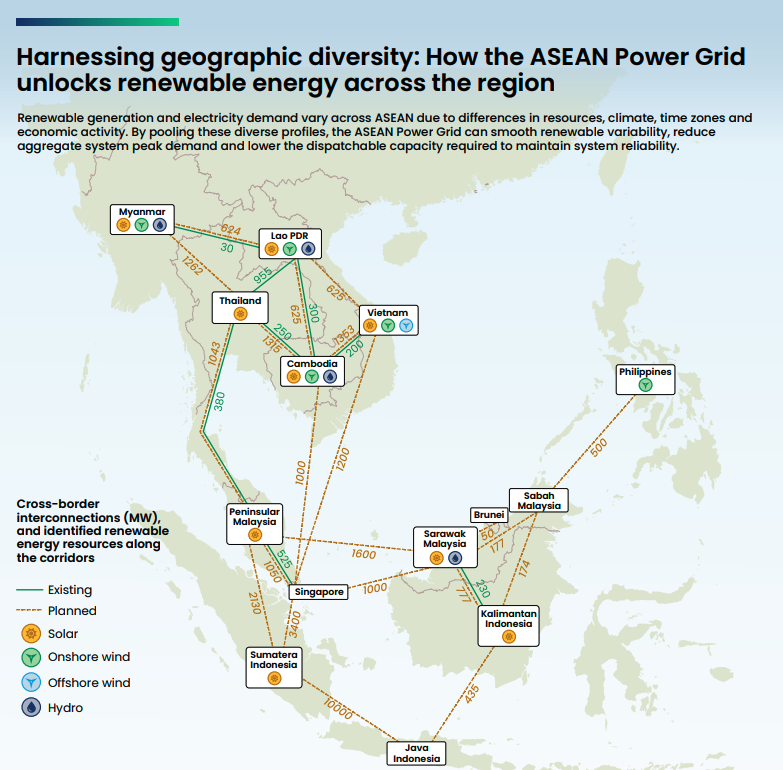
At the heart of Southeast Asian nations’ response is a longstanding infrastructure project to connect the region’s power grids by 2045 and enable cross-border trading of clean electricity through a network of underground and subsea interconnectors.
-
Southeast Asia’s fragile grids threaten billions in clean energy investment
Renewables developers need reliable electricity infrastructure and stable policies to help the region meet climate goals and surging demand for power -
UN backs push to upgrade grids slowing clean power uptake in Africa and SE Asia
The Global Grids Accelerator will help turn national and regional plans to expand electricity infrastructure into viable projects on the ground -
China keeps Indonesia’s battery dream afloat but future less certain
Chinese capital and technology turned Indonesia into the world’s top nickel supplier, but its dependence on China and the rise of nickel-free batteries could upset its battery ecosystem plans
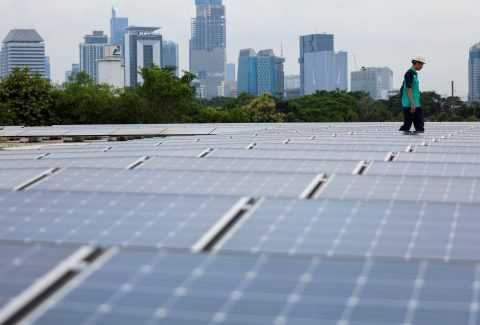
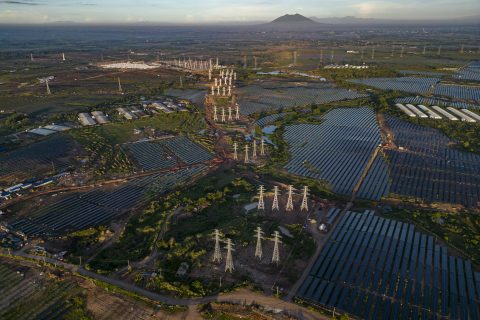
The plans will allow nations with high renewable energy generation potential to trade surplus power to their neighbours and major demand centres like Singapore, helping to integrate more renewables into the power mix and reduce reliance on fossil fuel imports.
“[It] will give us more energy security,” the Philippines’ energy secretary, Sharon Garin, told a press conference after a meeting of the Association of Southeast Asian Nations’ (ASEAN) energy ministers last week, when they discussed accelerating the delivery of the regional grid as part of measures to respond to the energy crisis.
“The Philippines is rich in solar power, Malaysia is rich in hydropower and Indonesia has geothermal: different countries have different resources. [The ASEAN Power Grid] will optimise the utilisation of renewables to the benefits of each member state,” said Garin.
But turning this decade-old political vision into a reality has been slow, held up by painstaking work to harmonise a patchwork of regulatory and legal frameworks and mobilise the private capital needed to build cross-border infrastructure.
More than $300 billion is needed to expand and modernise the region’s fragile grids to support the projected energy demand increase by 2050. This includes $27 billion required to deliver the cross-border interconnections by 2040, according to the International Energy Agency (IEA).
Every year of delay could cost the region billions of dollars in additional fuel costs and lock in new gas infrastructure for decades to come, according to analysis by global energy think-tank Ember.
The building block for energy security
With electrification high on the agenda of the COP31 climate talks in Türkiye next month, there is growing attention on the need to modernise and expand grid infrastructure to cope with growing electricity use and more renewables in the power mix.
Clean electrification and energy efficiency could deliver about a third of cumulative carbon emission reductions between 2026 and 2050, according to the International Renewable Energy Agency’s World Energy Outlook. But delivering that would require doubling annual global grid investment to $1 trillion between now and 2035.
Last month, the UN launched an initiative to accelerate investment into expanding and modernising grids in Southeast Asia and Africa.
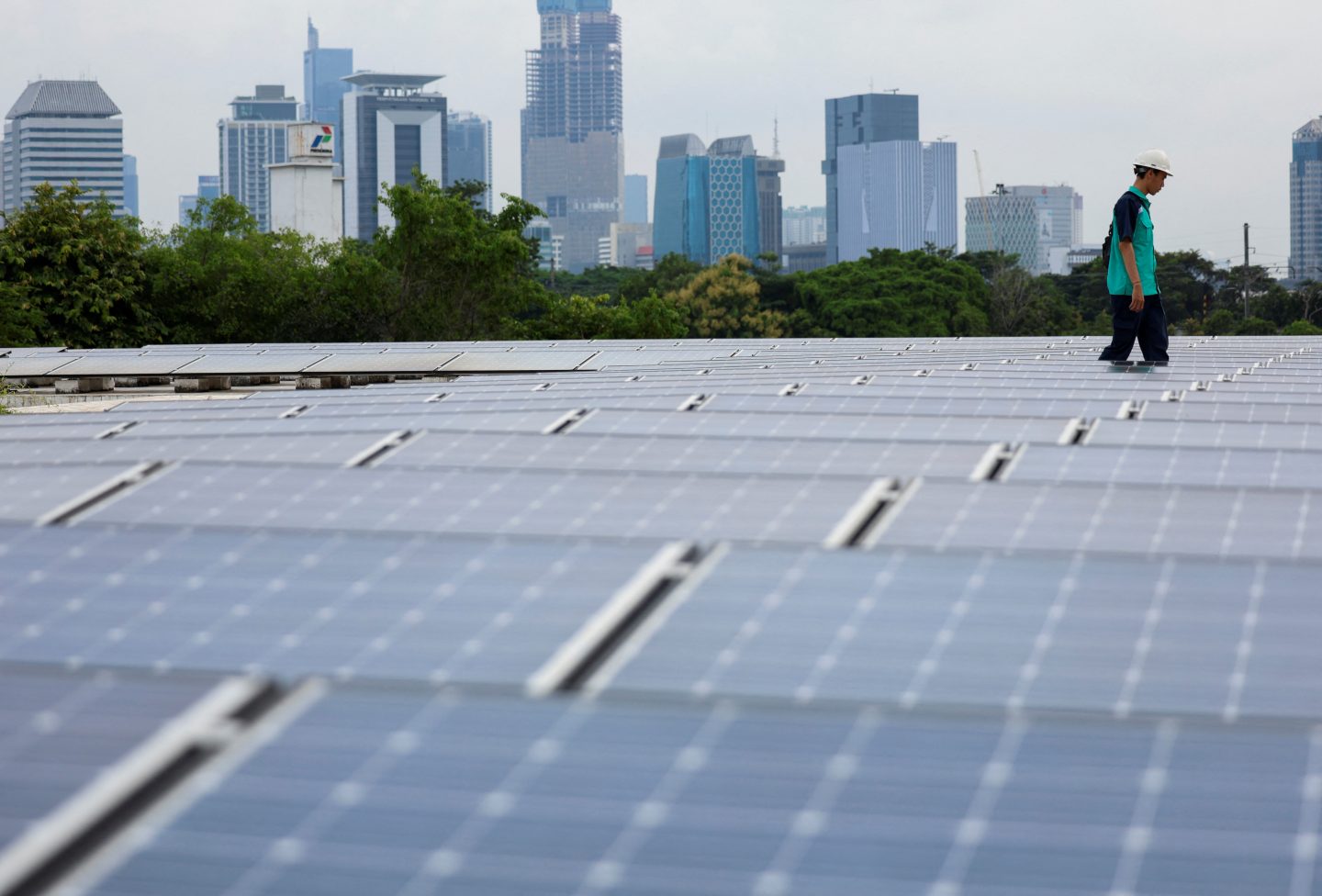
First conceptualised in 1997, the ASEAN Power Grid has gained fresh impetus in recent years as countries turn to renewables to cut their emissions and move away from volatile fossil fuel markets.
Energy supply disruption caused by wars in Ukraine and the Middle East has strengthened the case for regional grid connections. Before this year’s conflict began, the Middle East accounted for 60% of Southeast Asia’s crude oil imports. Competition for fewer, more expensive oil and gas shipments has left Southeast Asia facing a $160 billion energy import bill this year. Based on current policies, this could rise to $400 billion by mid-century.
In the Philippines last week, energy ministers agreed on an enhanced planning framework to deliver the ASEAN Power Grid and made progress on regulatory guidelines.
Garin said ministers were considering accelerating the project’s delivery. “The first study was to connect [by] 2045 – that’s too far,” she said.
A strong business case
The economic benefits of the plan have “captured the political imagination” of leaders in the region, Robert Cooke, grids advocacy lead at the Global Renewables Alliance, told Climate Home News. “The business case is stronger than ever,” he said.
“If countries were to go about building their own separate grids, of course that would be an expensive endeavour. But the discussion around the ASEAN Power Grid includes what costs could we share in building out this grid,” added Tiza Mafira, director of the Indonesia office for the Climate Policy Initiative.
Stronger grids would help the region meet collective targets to increase the share of renewable energy in total primary energy supply from 14% to 30% and in installed power capacity from 34% to 45% by 2030.
Connecting and pooling dispersed renewable resources would also help smooth local power shortages caused by daily and seasonal variations, reducing the need for backup gas plants and battery storage.
The IEA found the ASEAN Power Grid could help unlock some of the 20 terawatts of untapped solar and wind potential across Southeast Asia – an amount around 55 times the region’s current total power capacity.
From lines on a map to shovels in the ground
Rather than building a single unified network, the ASEAN Power Grid is developing cross-border links between neighbouring countries and smaller groups of nations.
As of 2025, nine of 18 priority interconnection projects are operational – accounting for around 10 GW of capacity with an additional 13.7 GW planned by 2040.
Source: Ember
A power line channelling up to 200 MW of clean electricity generated from hydropower in Laos to Singapore via Thailand and Malaysia has emerged as a key building block for grid-to-grid trading.
Progress on technical discussions will also help provide the clarity the private sector needs to invest in bankable projects, said Cooke.
In 2025, the Asian Development Bank and the World Bank announced a dedicated funding initiative to support the project.
“The enabling pieces are emerging,” said Monalisa Dimalanta, former chair of the Philippine Energy Regulatory Commission and the National Renewable Energy Board. “But the timelines remain unclear and a 2045 vision cannot answer today’s emergency,” she said.
“A power grid… that exists only on paper will not keep the lights on.”
Singapore: the delivery test
The implications of failing to deliver the ASEAN Power Grid are most acute in Singapore.
Constrained by space, with few renewable energy resources and dependent on gas for more than 90% of its electricity mix, Singapore has emerged as a leading proponent of a regional power grid as it seeks to achieve net-zero emissions by 2050.
To meet its power needs, the city-state aims to import 6 GW of low-carbon electricity by 2035, around one-third of its energy demand – a target which it is set to miss, however.
The plans heavily rely on building interconnectors to import solar power from Indonesia across the South China Sea. Around 40% of the ASEAN Power Grid’s planned interconnections are directed towards Singapore.
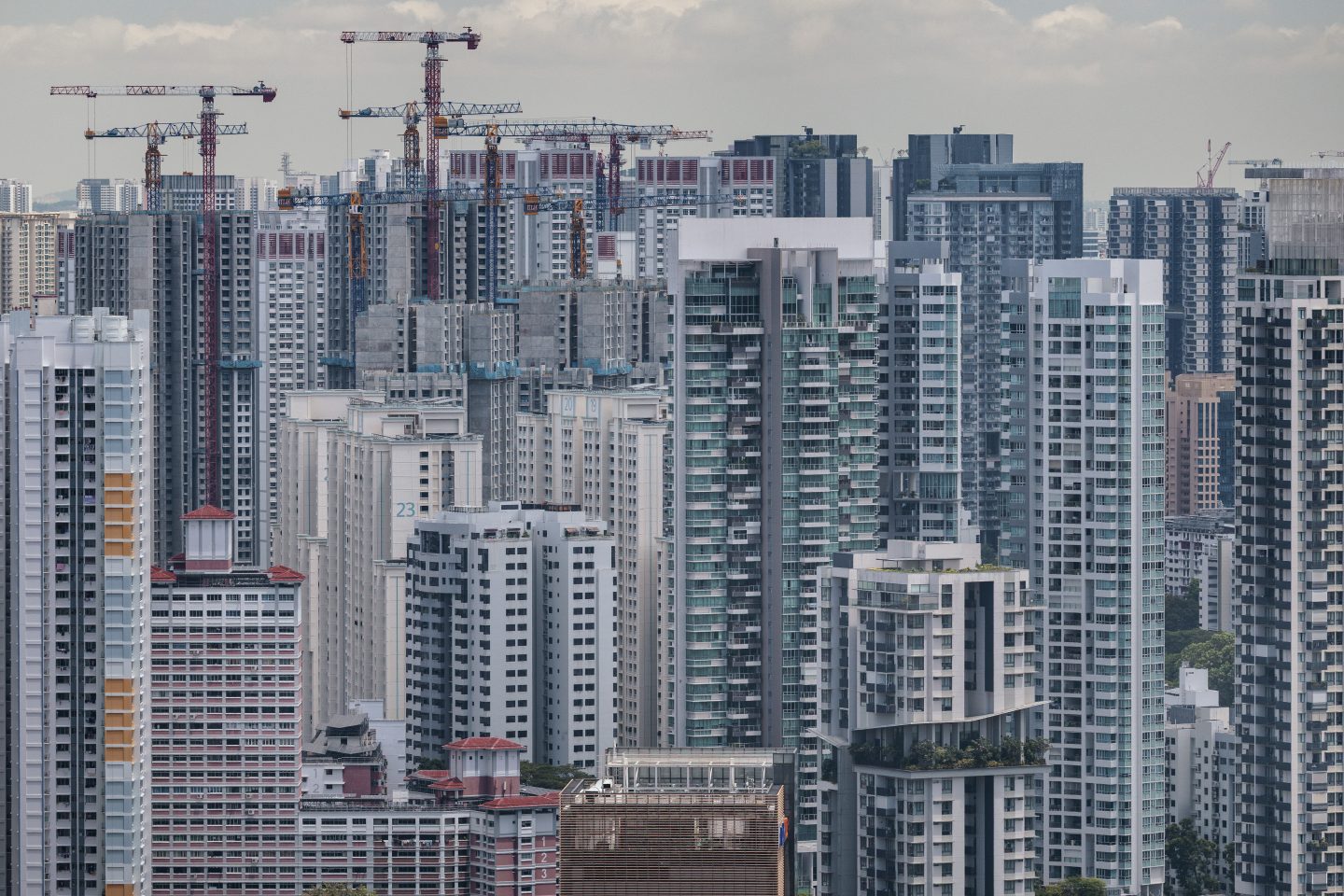
Ember’s analysis found that delivering the planned interconnectors by 2035 could enable renewables to meet nearly half of Singapore’s electricity demand. Delays could drop this to only a fraction of the country’s needs, and risk locking in new gas capacity until the 2050s. Without the ASEAN Power Grid, Singapore would need to install an additional 300 MW of gas-fired power capacity to bridge the gap by 2035.
Already home to the largest data centre capacity in Southeast Asia, Singapore’s electricity demand keeps rising, driven by the boom in AI infrastructure. “At one point, [it] either has to build a new gas plant, or it has to get the interconnection to supply that demand,” Lam Pham, an Ember energy analyst and the report’s author, told Climate Home News.
A region at a crossroads
With capital increasingly available, political will is now the biggest risk standing in the way of timely execution, said Pham.
But there are other challenges too, including the lack of frameworks on transmission tariffs and how to share the benefits of clean power trading. “It’s really hard to justify projects without that,” he said.
In addition, climate-fuelled weather events, including extreme heat and tropical storms, pose major threats to the region’s grid infrastructure. Experts say stronger grid interconnection can isolate damage and build the system’s resilience.
Efforts to deliver on the ASEAN Power Grid also come as ministers stressed the “continued importance of oil and gas” for economic development and seek to secure fossil fuel supplies and stockpile oil to prepare for the next crisis.
Despite an acceleration of renewable deployment, particularly solar, coal still generates nearly half the electricity supply in ASEAN member states and dominates the power mix in Indonesia, the Philippines and Vietnam, while Singapore and Thailand rely on gas.
While these measures might help the region with the immediate crisis, “the long-term answer is more domestic renewable energy, electrification, storage, efficiency and regional power trade”, Dimalanta said.
Main image: An aerial view of the MTerra solar project in the Philippines, set to become one of the world’s largest solar-and-battery developments (Photo by Ezra Acayan/Getty Images)
The post SE Asia speeds up plan for connected clean power grid after oil shock appeared first on Climate Home News.
SE Asia speeds up plan for connected clean power grid after oil shock
Climate Change
“Sink or swim”: WA Gov hugely underestimating decline in regional gas demand while sleeping on green exports, new report finds
PERTH, Tuesday 13 October 2026 — A new report from Greenpeace Australia Pacific and Springmount Advisory reveals green commodity exports are an untapped economic opportunity for Western Australia in a declining Asian gas market, while offering a genuine solution for decarbonising Asia.
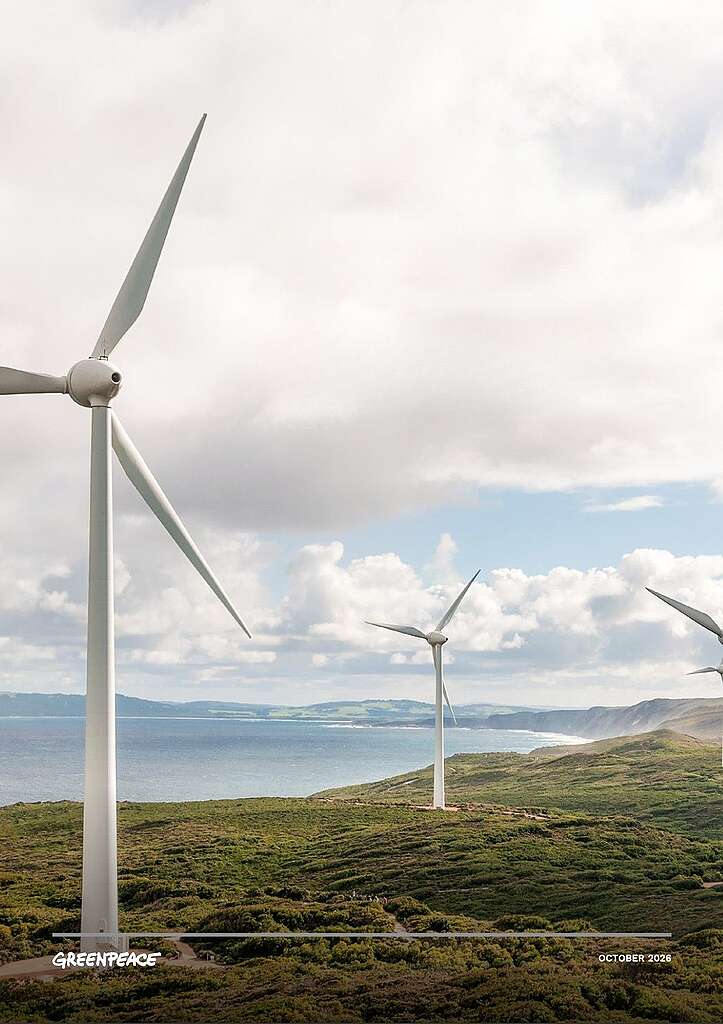
From Gas to Green: Building Western Australia’s Future State is a comprehensive analysis of the declining gas market in Asia, and the untapped economic opportunity for WA to become a global leader in green commodity exports while driving the regional shift away from fossil fuels.
The report offers key recommendations for the WA Government to support regional decarbonisation through an orderly phase out of gas exports in favour of green iron and other green exports. It comes as global climate leaders from across business, politics and advocacy prepare to meet for the Global Citizen Now: Perth event focused on decarbonising WA.
Key findings:
- Gas demand is falling across WA’s core markets in Asia: Gas demand fell in 2025 and is projected to continue to decline, driven by a combination of global geopolitical factors and domestic concerns.
- Policy shifts in key markets since the war on Iran now prioritise renewables and nuclear over gas: Japan, South Korea and China have legislated energy plans that prioritise renewables and nuclear over gas.
- New WA gas would arrive in a saturated, uncertain Asian market filled with cheaper gas: The US is now the world’s largest liquefied gas producer and plans to double its capacity as it also targets Asian markets.
- Green commodities offer a real solution to sustain WA’s economy: WA can lead Australia’s green commodity exports, which by 2060 could be worth almost a trillion dollars.
- Exporting more WA gas is likely to delay or impede Asia decarbonisation: Despite claims by the gas industry, there is no evidence that WA gas is displacing coal in Asia, and in fact diverts resources from genuine decarbonisation options.
Geoff Bice, WA Campaign Lead at Greenpeace Australia Pacific said: “As our export partners in Asia shift away from expensive and polluting gas, the WA Government has a golden opportunity to pivot our economy to green exports, like green iron, which is the most effective way to help our region to decarbonise.
“The writing is on the wall: gas is in decline, renewables are our future. In this context, it makes zero sense for the government to encourage high risk projects like Woodside’s reckless Browse gas proposal at Scott Reef.
“This report clearly shows that the WA Government faces a choice: sink or swim. They can either allow the gas industry to keep ripping off West Australians and continue propping up its decline, or choose the path that will deliver enormous benefits to the state and the world by becoming a leader in the rapidly expanding green economy.”
Tom Quinn, Managing Director of Springmount Advisory: “Western Australia prospers when it looks to the future and builds for future demand. Twenty years from now, what the world needs is green commodities made using WAs abundant renewable resources. Just like it did with iron ore in the 1950s and gas in the 1970s, WA should look to the future and build what the world will need, not sunsetting industries like gas that are already past their peak.”
-ENDS-
Media contact
Kate O’Callaghan on 0406 231 892 or kate.ocallaghan@greenpeace.org
Lucy Keller on 0491 135 308 or lucy.keller@greenpeace.org
A report from Greenpeace Australia Pacific and Springmount Advisory reveals the untapped green economic opportunity for Western Australia in a declining Asian gas market, which also offers a genuine solution for decarbonisation in Asia.
Is Western Australia clinging to a fading gas industry while a thriving green future passes it by? As major Asian trading partners rapidly pivot away from volatile gas imports toward cheap solar and battery storage, this report exposes a high-stakes choice: risk becoming stranded in an oversupplied fossil fuel market, or harness WA’s unmatched sun and wind to lead the global clean energy transition.
Summary
From Gas to Green: Building Western Australia’s Future State reveals that Western Australia (WA) faces a critical juncture as falling Asian gas demand, geopolitical gas supply volatility and accelerating renewable energy deployment undermine the long-term economic viability of gas exports. By harnessing its world-class wind and solar resources, the report demonstrates that WA can execute an orderly phase-out of gas and pioneer a green commodity export economy that could generate $987 billion in economic value by 2060, create 24,000 ongoing jobs, and drive a 9.6% reduction