

 Here’s conclusion from a recent report from my colleague Renaldo Brutoco on battery EVs (BEVs) and hydrogen fuel-cell EVs (FCEVs):
As we continue to advance towards a low-carbon future, both BEVs and FCEVs will play pivotal roles. By embracing both technologies, we can ensure a smoother transition to sustainable mobility, effectively mitigating the environmental impact of our transportation needs while satisfying the diverse requirements of consumers and industry. This dual approach not only maximizes the benefits of each technology but also exemplifies the innovative strategies needed to overcome modern energy challenges.
I respectfully disagree. Eventually, the winner will win and loser will lose. And, in particular, hydrogen will lose out, even though BEVs, as Renaldo correctly indicated in his piece, have challenges.
We’ve been talking with great enthusiasm about hydrogen since I was a teenager in the early 1970s, but with virtually no progress over the intervening period. At stake is the cost of producing H2 from the electrolysis of water or the reformation of methane, the cost and fragility of fuel cells, and, most importantly, the absence of a fuel delivery infrastructure and the enormous economic and logistical challenges associated with overcoming that issue.
What will eventually happen with hydrogen in transportation is exactly what happened to wave energy, ocean current energy, run of river hydrokinetics, biomass, and geothermal in renewable energy. Outside of niche applications, they all lost as the technology of solar and wind matured and the costs fell precipitously.
I know Renaldo is a huge fan of hydrogen, but it’s time to say goodbye.



 What kind of people are the celebrities in music and digital media as a whole? Not an easy question to answer.
Obviously, they’re talented. Most are well educated and many have the good looks that come from good genetics.
And yes, most of these people have the intelligence to see that Donald Trump is a criminal sociopath on target to destroy the U.S. while enriching himself beyond measure.
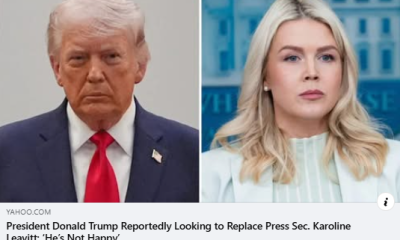
For every Jon Voight (see left) that are perhaps 1000 Robert Deniros, Bruce Springteens, and Leonardo Dicaprios.
But why are there any Jon Voights at all? The answer is unclear.
I once met a Princeton grad to whom I explained that a guy from my prep school in Philadelphia went to Princeton, and now is all over social media shouting, “Close the Borders!” and “English Only!”
My new acquaintance laughed hysterically, and said with a smile, “Yes, we have grads like this, perhaps one in a few thousand. What a waste of hundreds of thousands of dollars. You can get that level of education by dropping out of high school and driving a truck.”
 At left we see an example of a phenomenon that seems to be happening with increasing frequency: a life-long Republican saying “enough” and refusing vote for the current version of the GOP.
I applaud people who have both:
a) the intelligence to see where a party has crossed a moral line, and is now operating as a criminal enterprise.
b) the inner courage to do this, as it is hard for most people to admit they were wrong after a lifetime of kneejerk reactions, especially on a topic of such importance.
 Someone commented on the meme here: “Don’t forget your jihadi prayer group meeting.”



-
Climate Change1 year ago
Guest post: Why China is still building new coal – and when it might stop
-

 Greenhouse Gases2 years ago
嘉宾来稿:满足中国增长的用电需求 光伏加储能“比新建煤电更实惠”
-
Greenhouse Gases1 year ago
Guest post: Why China is still building new coal – and when it might stop
-

 Climate Change2 years ago
嘉宾来稿:满足中国增长的用电需求 光伏加储能“比新建煤电更实惠”
-

 Renewable Energy1 year ago
Sending Progressive Philanthropist George Soros to Prison?
-
Climate Change2 years ago
Bill Discounting Climate Change in Florida’s Energy Policy Awaits DeSantis’ Approval
-
Greenhouse Gases1 year ago
嘉宾来稿:探究火山喷发如何影响气候预测
-

 Climate Change2 years ago
Analysis: China’s CO2 falls 1% in Q2 2024 in first quarterly drop since Covid-19