

Last Updated on March 29, 2024
You’ve probably heard of silicone before: It’s in houseware, sealants, and medical devices. Think silicone baking molds, silicone utensil sets, etc.
But what exactly is it? And is silicone plastic? Not exactly.

First, it’s important to note silicone is a synthetic material, made from a combination of silica (sand) and oxygen (more on this later). The silicone-making process is complex and energy intensive, which contributes to emissions.
Silicone’s environmental footprint is worth discussing because it relies on non-renewable hydrocarbons for production and has challenges in recycling and biodegradability.
However, in terms of how silicone compares to plastic on an environmental impact scale, it is a better substitute. Here’s everything you need to know about silicone and if you should use it.
how is silicone made?
Silicone is made by extracting silicon from silica and passing it through hydrocarbons. It’s then mixed with other chemicals to create silicone.
However, to fully understand this process, it’s important to get the terminology right. Here’s a step-by-step break down:
silica
Silica is the raw material used to make silicone resins, aka sand. Beach sand is practically pure silica, as is quartz.
silicon
This is the base element that makes up silica, but silicon is not generally found in nature in this elemental form. It is made by heating silica at very high temperatures with carbon in an industrial furnace.
silicone
The silicon is then reacted with fossil fuel–derived hydrocarbons to create the siloxane monomers (alternating silicon + oxygen atoms) which are bonded together into polymers to form the backbone of the final silicone resin.

is silicone the same as plastic?
Silicone is not the same as plastic, but it is similar. Technically, silicone could be considered part of the rubber family.
However, silicone is something of a hybrid between a synthetic rubber and a synthetic plastic polymer. Silicone can be used to make malleable rubber-like items, hard resins, and spreadable fluids.
In a similar way to plastic, it can be shaped or formed and softened or hardened into practically anything.
However, here are its distinct differences from plastic:
- More temperature resistant and durable
- Has a low reactivity with chemicals
- Highly gas permeable, making it useful for medical or industrial applications
- Easy-to-clean, non-stick, and non-staining
is silicone recyclable?
Silicone shares another trait with plastic: It’s hard to recycle.
Silicone has a low recycling rate. This is because most silicone is not recyclable through your local municipal recycling program (though you should always double check). While silicone is technically recyclable, you would likely have to take it to a specialized private recycling facility.
Even then, silicone would likely be downcycled into oil used as lubricant for industrial machines. Like plastic, it can never be the same thing twice.
However, it’s worth noting there are some brands, like Stasher bag, that utilize silicone and have a recycling program in place.

does silicone give off microplastics?
Though silicone is technically a plastic polymer, its durable molecular structure keeps it from shedding microplastics in the way that common plastics do.
That said, silicone can still break apart into small pieces and enter our waterways.
To make it last as long as possible, be mindful of using it around sharp objects, like the blades of a food processor or sharp knife.
is silicone environmentally friendly?
Silicone isn’t the most environmentally friendly material to choose from, but it’s better than plastic. Just be mindful that producing silicone uses hydrocarbons derived from petroleum, which is a fossil fuel and non-renewable resource.
However, unlike plastic, silicone items don’t tend to be made into single-use items. For example, silicone baking sheets, molds, and utensils can be reused for years.
Stasher bags are a great example of this: One Stasher bag keeps 260 single-use plastic bags out of oceans per year. Plus, they’re durable, easy to use, and safe for the dishwasher, microwave, and oven (up to 425°F).
Here are some ways to lessen silicone’s environmental impact:
- Buy secondhand silicone items at local thrift stores, or Facebook marketplace
- Only get it if you plan to use it for years to come
- Only wash it when you need to, and when you do, use the dishwasher to save energy and water
- Look for high quality, food grade or medical grade silicone that does not contain any fillers
- Find a new home for gently used silicone, if you’re ready to get rid of yours

is silicone safer than plastic for food?
Silicone is a safer alternative to house food than plastic, as long as it’s food-grade silicone. I personally love using Stasher bags (which are made from food-grade silicone) to pop my popcorn in the microwave!
However, it’s important to note silicone is not completely chemically unreactive and can potentially release toxic chemicals over time.
Here’s some research that’s been conducted on silicone:
- One study tested the release of siloxanes from silicone nipples and bakeware into milk, baby formula and a simulant solution of water and alcohol. After 72 hours in the alcohol solution, several siloxanes were detected.
- Another study found siloxanes being released from silicone bakeware, with leaching increasing as the food fat content increased (such as using oils).
- The effects of common siloxanes shown in animal studies could lead to impaired fertility and potential carcinogenicity.
However, this doesn’t mean you have to toss out all your silicone items right now: Not enough research has been done to fully understand the health effects of using silicone.
That said, you may want to bake in something other than silicone if you have the option.
Though it is worth noting silicone cookware is likely safer than traditional non-stick varieties using Teflon coatings. If it’s a choice between the two, use silicone. Glass, ceramic, and stainless steel bakeware are best.
RELATED: 6 Best Non-Toxic Bakeware Sets For a Eco-Friendly Kitchen
Silicone items like spatulas, pot holders, etc. appear safe given the small amount of contact they make with food. Just don’t melt them! Wooden cooking utensils are also another alternative.
Natural rubber can be a good alternative for things like bottle nipples and soothers, if there is no risk of rubber allergy. More silicone alternatives are listed below.

alternatives to silicone
If you’d prefer not to use silicone, here are some sustainable silicone alternatives to consider. But remember: Using what you have will always be the most eco conscious choice, so only purchase new items if you really need them or can’t find them secondhand.
beeswax wraps
Instead of silicone lids for your bowls, try beeswax wraps. These are compostable at the end of their life. You just use the warmth of your hands to secure them into place.
unbleached parchment paper
You can use these to line baking sheets. I recommend If You Care’s parchment paper, as it’s fully compostable at the end of its life.
jars
Use upcycled glass jars to store leftovers, or even freeze food in. These also make great containers for on the go snacks or lunches.
plates
Place leftovers in a bowl and cover it with a plate. This is one of my favorites because it’s so simple!
wooden utensils
Opt for wooden cooking utensils where you can, like wooden spoons, ladles, spatulas, slotted spoons, and rice scoops.
glass storage containers
Try choosing glass snapware to store leftovers in. You can also freeze food in these, as well as heat up food in the microwave (just remove the lid first).
kitchen towels
Instead of potholders that often contain silicone, you could try using cotton kitchen towels – when folded they are heat resistant and multipurpose. Professional cooks prefer them!
So, is silicone plastic? Not quite, but it is a synthetic material.
What are your thoughts? Do you keep silicone products in your kitchen? Let me know in the comments!
The post Is Silicone Plastic? Here’s What You Need to Know appeared first on Going Zero Waste.

There’s something undeniably special about wearing uniquely handcrafted, fair trade jewelry that you can know was made slowly and thoughtfully with care. Equally special is wearing an elevated set of jewelry crafted with recycled materials and sustainable processes.
Whether you’re looking for an investment piece or more affordable pieces, there are options for any budget on this list. The aesthetics of these fair trade and sustainable jewelry brands also vary, so you’ll also be able to discover an ethical brand that matches your unique style.
What is Fair Trade Jewelry?
Fair trade can both be a general term used to describe a brand’s sourcing practices — like direct relationships with artisan cooperatives, wages above local standard rates, and safe working conditions — or a third-party “Fair Trade” verification through an organization like Fair Trade Federation, Fair Trade USA, or World Fair Trade Organization. When a brand doesn’t have a certification, we verify a brand’s practices by their own published information.
In the cases where brands do go the extra mile and get a third-party verification for their fair trade practices, we’ve noted it directly in their entries.
Note that this guide includes affiliate links and partners. As always, we only feature brands that meet high standards for responsibility we love, and that we think you’ll love too!
2. Ana Luisa
Best for: affordable everyday jewelry
Conscious Qualities: Recycled Gold, Lab-Grown Diamonds, Small-Batch Production, Direct-to-Consumer
Ana Luisa creates stunning, elegant jewelry from responsibly-sourced materials including 100% recycled gold and lab-grown diamonds. The sustainable jewelry brand also produces in small batches to minimize waste.
By using a direct-to-consumer model, Ana Luisa is able to provide luxury, high-quality jewelry at accessible prices.

3. Monica Vinader
Best for: recycled demi-fine jewelry
Conscious Qualities: Woman-Founded, Recycled Silver & Gold Vermeil, Traceable Gemstones, Lab-Grown & Conflict-Free Diamonds, Supply Chain Transparency
Price Range: $85 (studs) – $2,495 (diamond ring)
British jewelry brand Monica Vinader was one of the first brands to meet the gap between fashion jewelry and fine jewelry with their “demi fine” jewelry. The women-founded brand has necklaces, earrings, bracelets, and rings crafted from 100% recycled sterling silver and gold vermeil, fully traceable gemstones, and lab-grown or conflict-free diamonds. Monica Vinader also launched Product Passports, taking an active effort towards full supply chain transparency.

4. WorldFinds
Best for: unique statement jewelry with a story
Conscious Qualities: Fair Trade Verified, Upcycled Materials, Artisan-Made
WorldFinds provides sustainable employment and just wages for hundreds of women artisans in India and Bali. These artisans handcraft both sleek metal fair trade jewelry and unique recycled Kantha pieces. WorldFinds is Verified by the Fair Trade Federation, which assesses members against fair trade principles including fair wages, safe conditions, and transparent supply chains.
Plus WorldFinds’ signature Kantha jewelry is made from upcycling materials: wood scraps from a furniture factory and locally sourced Kantha fabric remnants.

5. Astor + Orion
Best for: drop earrings and charm necklaces with symbolism
Conscious Qualities: Certified Ethical Factory, Recycled Materials, Designed for Recyclability, Repair Program
Ethical jewelry brand Astor + Orion sources their jewelry from a factory with multiple certifications ensuring worker safety, fair production practices, and responsible environmental management. Astor + Orion’s stunning jewelry is made from recycled materials and designed in a way to make it easily recyclable! Their pieces also come with a quality assurance — the brand will repair any piece within 6 months of purchase.

6. Laura Elizabeth
Best for: non-toxic jewelry in organic shapes
Conscious Qualities: Locally Sourced Recycled Metals, Woman-Owned, Fair Wages, Safe Working Conditions
Price Range: $45 – $330
Crafted from recycled metals sourced locally in LA, Laura Elizabeth creates stand-out sustainable jewelry. All of the brand’s jewelry is sourced ethically from a small, woman-owned studio in Los Angeles that ensures reasonable working hours (35 hr/week), fair wages, and safe working conditions (such as proper ventilation). Check out more on Laura Elizabeth in this post!
The jewelry is also non-toxic, free of cadmium or lead.

7. Ten Thousand Villages
Best for: giftable fair trade jewelry
Conscious Qualities: Fair Trade Production, Artisan-Made
Price Range: $6 – $175
Founded in 1946, Ten Thousand Villages is one of the fair trade pioneers and a founding member of the World Fair Trade Organization (WFTO), the global network that verifies fair trade practices across its member organizations.
They’ve developed relationships with artisans around the world, providing valuable economic opportunities for thousands of makers in 30 countries around the world. Their marketplace has handmade necklaces, earrings, bracelets, and rings, along with a variety of other fair trade goods.
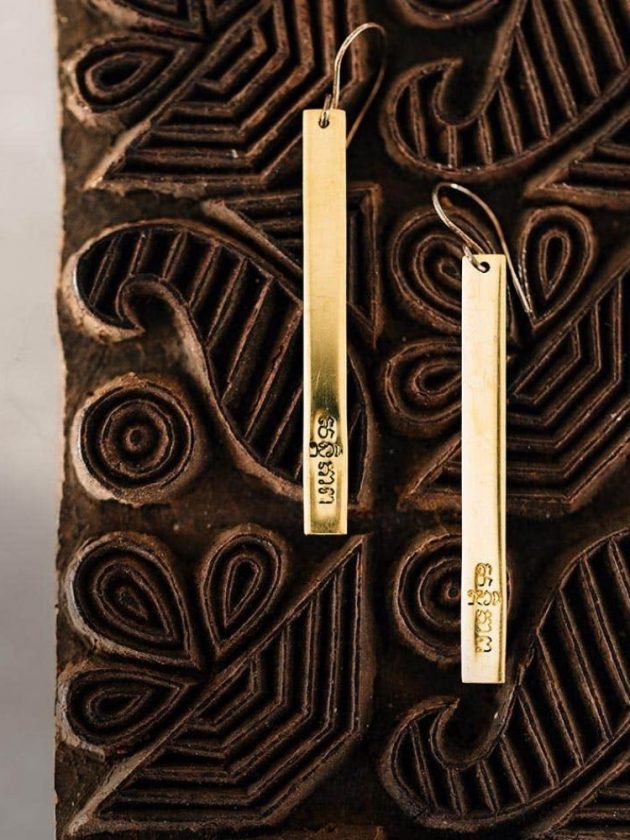
8. Edge of Ember
Best for: gemstone jewelry
Conscious Qualities: Recycled Gold & Silver, Artisan-Made, Ethical Production
Price Range: $49 (ear cuff) – $2,730 (diamond tennis bracelet)
Edge of Ember’s timeless jewelry is responsibly crafted by makers working in artisan groups and small-scale factories. Their delicate necklaces, bracelets, rings, and other pieces are crafted by skilled artisans in India, Hong Kong, Germany, and Thailand. The brand carries out independent social audits to ensure ethical working conditions and environmental responsibility.
Edge of Ember has a wide selection of recycled gold and silver rings, bracelets, and necklaces adorned with stunning gemstones, including many birthstone jewelry options perfect for gifting.

9. Aurate
Best for: ethical diamond fine jewelry
Conscious Qualities: 100% Recycled Gold, Lab-Grown & Conflict-Free Diamonds, Vintage Collection
Price Range: $18 (stainless steel chain) – $19,000 (diamond tennis necklace)
Responsibly-sourced quality jewelry — that’s Aurate’s promise. The jewelry brand’s sleek, timeless pieces are thoughtfully made by seventh-generation craftspeople using 100% recycled gold and lab-grown or conflict-free diamonds.
Aurate also has a curated collection of vintage fine jewelry from cocktail watches to signet rings up to 50% off.

10. SOKO
Best for: modern, minimalist artisan-made jewelry
Conscious Qualities: Above-Market Artisan Wages, Black-Owned
Price Range: $78 – $298
SOKO is an innovative Black-owned ethical jewelry brand using mobile tools to bridge the barriers for artisan entrepreneurs in Kenya. In partnership with SOKO, independent artisans can operate a “virtual factory”, earning 5x more than an average artisan workshop in their local areas.
The jewelry is made with 24K gold or silver-plated brass — an affordable metal that also happens to consist of 90% recycled content on average. Other materials include reclaimed horn and bone, locally-sourced teak wood offcuts, and ceramic beads made by a fair trade women’s collective in Kenya.

10. Raven + Lily
Best for: affordable artisan jewelry
Conscious Qualities: Fair Trade Verified, Artisan-Made, Women-Led
Price Range: $40 – $240
Raven + Lily is an ethical fashion and jewelry brand verified Fair Trade by the Fair Trade Federation. The women-led brand partners with artisan women around the world who use natural materials to craft both classic, elegant pieces and statement jewelry.

11. NAKIIT
Best for: one-of-a-kind, solo-handcrafted pieces
Conscious Qualities: Made-to-Order, Recycled Silver & Gold, Zero-Waste Scrap Recycling
Price Range: $21 – $485
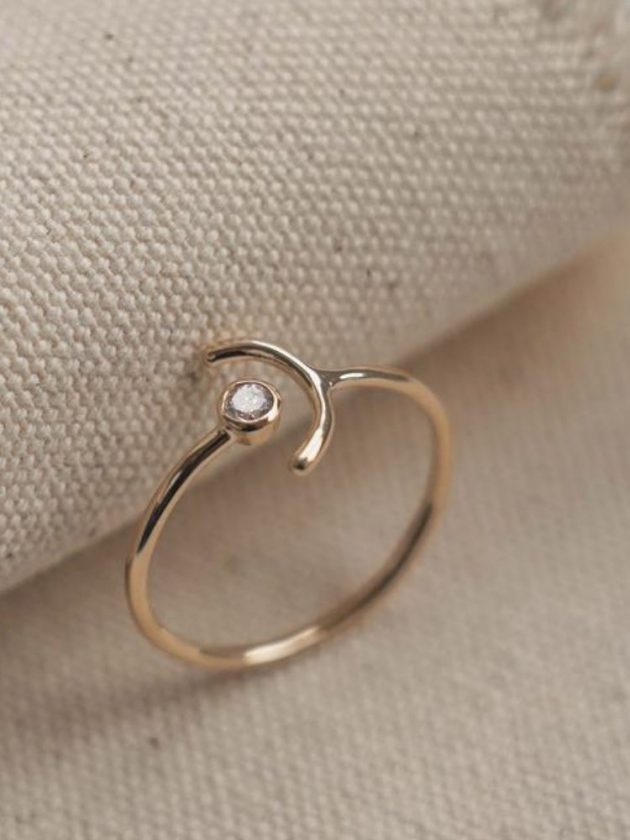
As a small, slow-minded jewelry brand, NAKIIT’s founder + owner handcrafts each piece with intention. In fact, every piece of jewelry the brand sells is made by the founder herself!
Nearly all of NAKIIT’s ethically-made jewelry is either made-to-order or one-of-a-kind, ensuring a minimal ecological impact and the highest attention to quality.
As if we could love this brand even more, NAKIIT also sources recycled sterling silver and gold, plus recycles any remaining metal scraps or dust after production.
You May Also Want to Check Out:
Best Fair Trade Fashion Brands With Style and Heart
Affordable Ethical Fashion Brands
Consciously Curated Marketplaces for One-Stop Ethical Shopping
The post 11 Best Fair Trade and Sustainable Jewelry Brands That Shine appeared first on Conscious Life & Style.
11 Best Fair Trade and Sustainable Jewelry Brands That Shine