When I was curating furniture and decor for my first home, I was well-prepared for sourcing furniture and textile-based decor like pillows given all of the research I’ve done over the years for my guides. But mirrors presented a new challenge: what makes a mirror “sustainable”? And are there any style-forward sustainable mirrors to choose from? And how do I source something like a full-length sustainable mirror within a reasonable budget?
This guide is the result of all of that research — mirrors from companies I purchased from and others I researched but didn’t ultimately select for my own space.
What to Look for in a Sustainable Mirror:
Most mirrors are made from glass and reflective metal with a frame. Some lighter weight or “shatterproof” mirrors use transparent acrylic or polycarbonate — in other words: plastic. If sustainability is something you’re looking for I’d avoid those materials, as they’re directly derived from fossil fuels.
Here’s what else to keep in mind.
Note that this guide includes affiliate links, meaning if you make a purchase through some of these links, we may earn a commission which enables us to keep creating resources just like this one. As always, these are brands that meet high standards for sustainability and are brands we truly love — and that we think you’ll love too!
Search for Secondhand Mirrors
Shopping for pre-loved mirrors keeps existing mirrors out of the landfill while reducing the need for new production. (Get tips for shopping secondhand home goods here.)
Local Secondhand Options:
- Local thrift shops and furniture resale stores
- Estate sales or garage sales
- Apps like Facebook Marketplace and OfferUp for local pickups
Online Secondhand Options:
While these options are typically priced a bit higher (and may involve shipping fees) they can be more convenient and curated than the above options. These resources do all the work of inspection, cleaning, and delivery for you.
- AptDeco is best for big name brands at lower prices. The resale site has gently used, mid-market furniture (think West Elm and Ethan Allen) for prices that are anywhere from 10-85% lower than new.
- Chairish is best for unique finds and investment pieces. The vintage site has a stunning, curated selection of everything from art deco mirrors to traditional 19th century mirrors.
- Happy Vintage Studio is best for vintage accent mirrors. This “star seller” on Etsy has plenty of one-of-a-kind mirrors of all shapes and sizes — and at quite reasonable prices for vintage, too. You can get the pieces delivered or do a local pickup if you’re near the Virginia-based seller.
Responsible Materials
If shopping new, look for mirrors with eco-friendly frames. As I mentioned, the mirror itself doesn’t vary all that much (just make sure it’s glass, not plastic!). The frames, though, can vary quite a bit. Most mass-production mirrors are made with metal frames or pressed wood, potentially sourced irresponsibly. Instead look for mirrors made from materials like sustainably-sourced or reclaimed wood, bamboo, rattan, or recycled metal.
Working Conditions & Craftsmanship
The people aspect of sustainability is just as important to consider. Does the brand publish information about how the mirror was made and if the makers earned fair, living wages? If they worked in safe conditions and had benefits? There are some certifications like Fair Trade Certified factories, though this is still rare among furniture companies unfortunately.
Where to Find Sustainable Mirrors
Sustainable home decor shopping isn’t easy, but I’ve done a lot of the heavy lifting for you. Check out the following vetted sources to find responsibly-made more sustainable mirrors.
1. Ethnicraft @ Urban Natural
Ethnicraft has mastered the art of creating stylish home objects with exceptional craftsmanship over the course of their 25 years in business. Their sustainable mirrors are crafted by artisans using materials like solid mahogany, walnut, oak and bronze.
The brand sources FSC-certified wood and repurposes waste, like recycling leftover wood into things like base material.
Best for: Elegant, artisan-made mirrors
Price range: $539 (wall mirror) – $1,269 (aged floor mirror)
2. Green Row
Best for: Artful mirrors that add real character
This sustainable furniture and decor brand is newer to the scene, and I only recently learned about it. Part of the Williams Sonoma family, Green Row was founded with sustainability at its foundation — with decades of design and sourcing experience behind it.
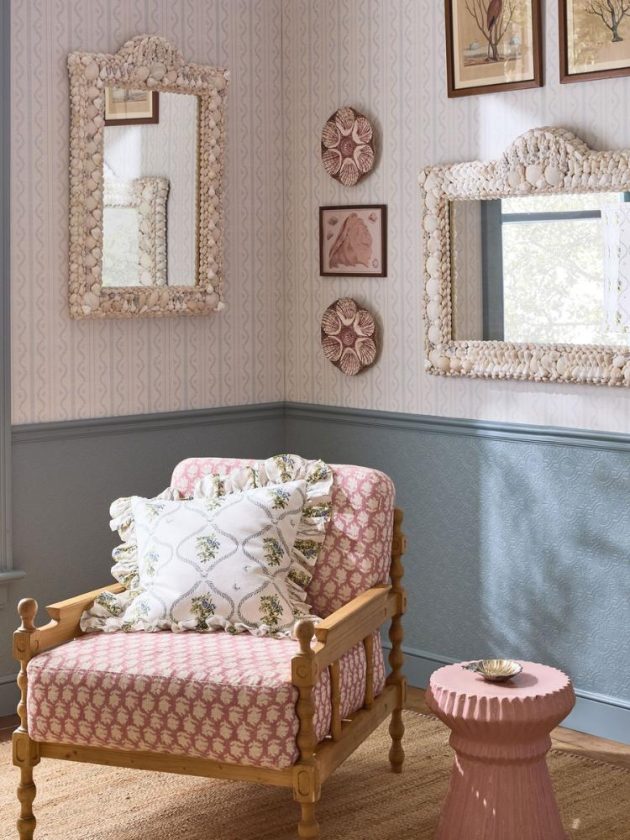
Green Row’s mirror collection leans into artisan techniques you don’t see often in mainstream home decor: from bone hand-inlaid onto mango wood frames and reverse-painted etched glass (made in India) to natural shell inlay(Philippines). Each piece is framed as an effort to preserve traditional handcraft techniques, so the natural variation between pieces is part of the character. (They do use MDF for backings, though.)
Conscious Qualities: Mango Wood and Rattan Frames, Artisan-Made, Cultural Craft Preservation
Price Range: $219 (accent mirror) – $5,000 (hand-sculpted Venetian glass mirror)
3. Village Thrive
Best for: Rattan mirrors in playful, artisan-made shapes
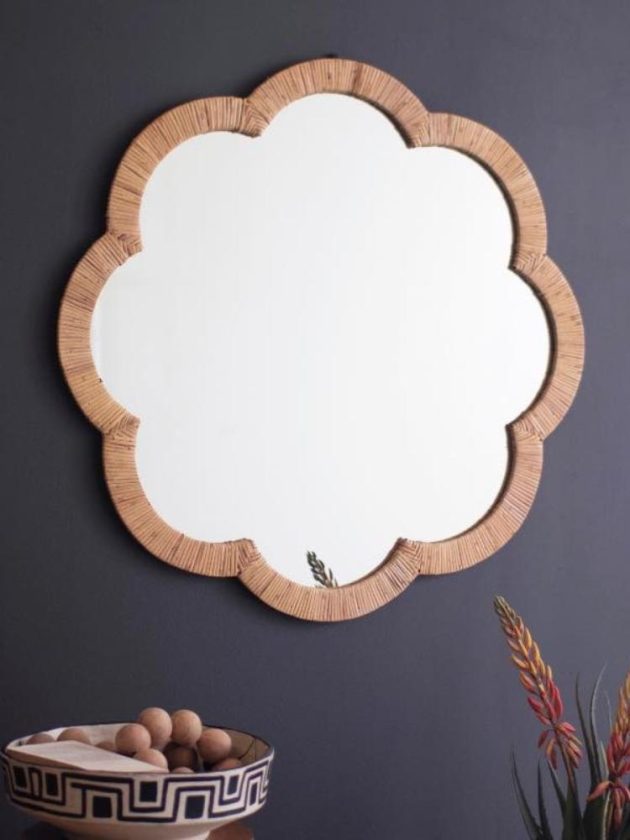
Village Thrive partners with an artisan collective of over 100 makers in Kerobokan, Bali, handcrafting rattan mirrors sustainably sourced on the island. Beyond the classic round and rectangle shapes, they offer genuinely distinctive silhouettes — think arches, crescent moons, blooms, an “opened eye” shape, and a rainbow.
One of the touches I appreciate is that Village Thrive sells “imperfect” mirrors with slight cosmetic damage at a discount, rather than discarding them — this is both a way to reduce waste from the handcraft process, and a good option if you’re not picky about flawless decor and want to save some money.
Conscious Qualities: Ethically Artisan-Made, Natural Materials
Price Range: $111 (imperfect option) – $285

4. VivaTerra
Best for: Organic and antique accent mirrors
Green lifestyle retailer VivaTerra offers a selection of sustainably-crafted home decor and furniture, including mirrors.
Among their current available options are a hand-hammered antique brass framed mirror made by their artisan partners and a woven flower-shaped mirror crafted from cane.
Conscious Qualities: Artisan-Made, Natural Frame Options
Price Range: $249 – $329
5. What We Make
Best for: handcrafted solid wood mirrors
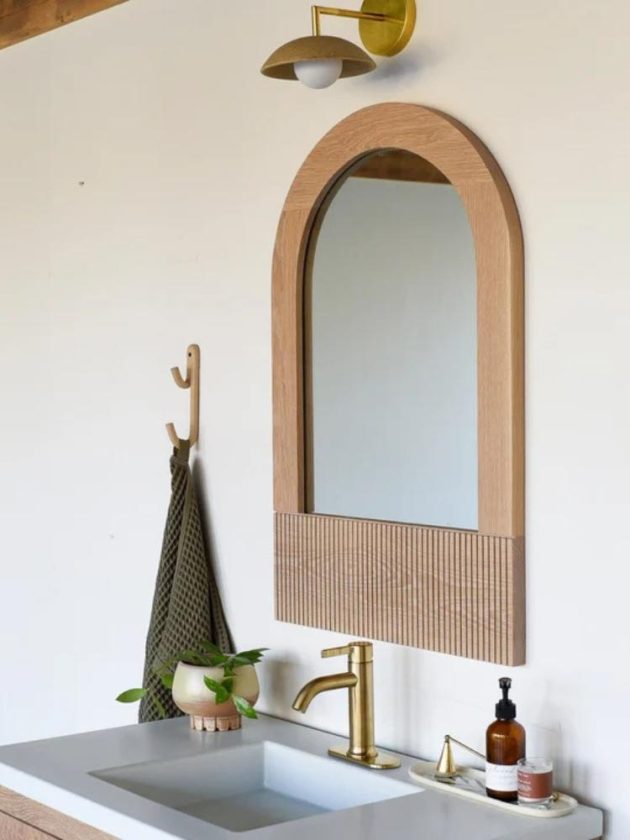
Made from sustainably-sourced American hardwood by a woodworking studio in Pittsburgh, these are not your average mirrors.
Each timeless mirror is handmade to order with heirloom quality joinery and a mirror glass with hardboard backing (to make it easily replaceable). Choose between Walnut, natural White Oak, or White Oak with a black finish.
Conscious Qualities: Sustainably-Sourced Hardwood, Made to Order in the US
Price Range: $995 – $1,495
Honorable mention:
West Elm – Natural Fiber Mirrors
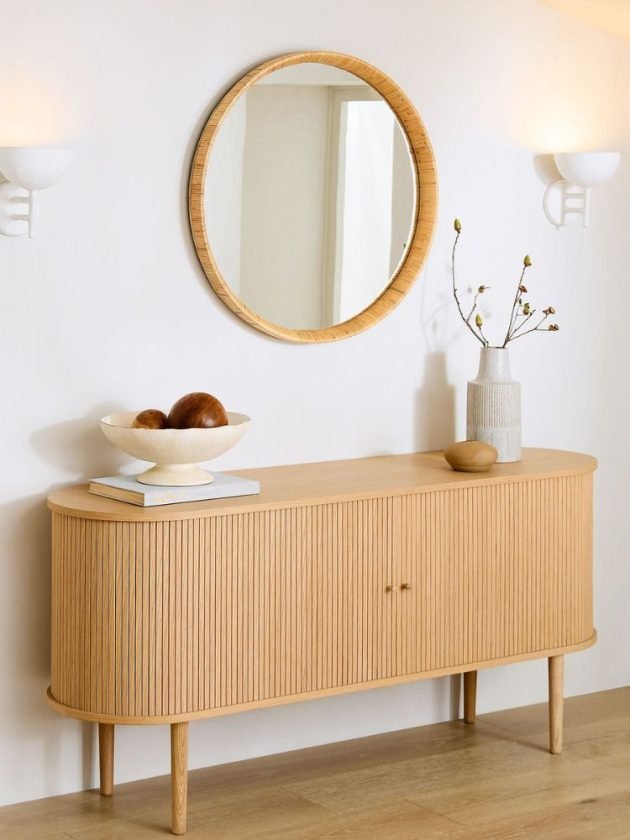
Furniture retailer West Elm has several accent mirrors made with natural rattan. The natural mirrors blend contemporary shapes with a textured frame for a beautiful modern on the boho interior aesthetic.
Best for: Contemporary mirrors with natural fiber frames
Price Range: $229 – $439
More Sustainable Home Decor Guides:
Ethical Home Decor Brands to Curate a Conscious Space
Sustainable Throw Pillows for Every Aesthetic
Fair Trade Baskets & Hampers to Store Everything and Anything
The post 5 Sustainable Mirrors That Make for Stunning Wall Decor appeared first on Conscious Life & Style.
Green Living
8 Sustainable and Non-Toxic Bed Frames for a Peaceful Slumber
Unwind and sleep easy with one of these non-toxic and eco-friendly bed frames that you know was sourced consciously, both in respect to your own health and the health of our common home: Mother Earth.
What is a Non-Toxic and Eco-Friendly Bed Frame?
Just as with other eco-friendly furniture, the key elements to consider when it comes to bed frames are the materials, finishes, general production practices, and durability.
Materials
If you’re looking for a natural bed frame and want it to be non-toxic, it’s typically best to go the solid wood route if you can.
Most plywood, particleboard, or engineered wood is made with glue that contains added formaldehyde. As a Volatile Organic Compound (VOC) and probable carcinogen, formaldehyde is an environmental and health risk for yourself and the workers producing that product. While all wood naturally contains formaldehyde, pressed wood contains higher concentrations of it.
Another material to consider if you’re looking for non-toxic furniture is solid metal, due to its durability, easy maintenance, and recyclability. However, this option isn’t as eco-friendly if that metal was newly mined, rather than recycled.
Sourcing
Of course, although wood is renewable, it’s not always sustainably sourced. Look at a company’s About or Sustainability pages to see what information they can provide about how the wood they use is harvested and where it is sourced from. Look for things like:
- Local sourcing. This minimizes the product’s carbon footprint and typically means that a company has more transparency into their supply chain.
- FSC-certified. While not perfect, the Forest Stewardship Council seal is the most widely used third-party verification for sustainably-sourced wood.
- Reclaimed wood. Finding a bed frame made from repurposed materials is a fantastic option if you can find it. Not only does using reclaimed wood reduce waste, but it minimizes the need to cut down additional trees.
Finishes
Most conventional finishes used on furniture contain VOCs, which can cause a myriad of short-term and long-term health impacts. Look for non-toxic bed frames with low-VOC or even better, zero-VOC finishes.
Other Production Practices:
- Renewable energy use. Does the company use wind or solar power for its operations? Do they purchase Renewable Energy Credits?
- Waste reduction. How does the company handle material waste such as leftover wood? Do they work to minimize water use and energy use?
- Donations. Does the company give back to an environmental organization through a group like 1% for the Planet? Do they plant more trees than the number of trees cut down to produce their products?
Durability
One of the all-too-often left out elements of sustainability is durability and longevity! The longer the bed frame lasts, the longer it stays out of the landfill, and the fewer new bed frames you’ll have to consume.
How can you determine durability? Look for sturdy materials, good construction, check out the reviews for the brand’s products, and see what sort of warranty the brand offers. Some brands offer 1-year or 5-year warranties, and some even include a lifetime guarantee! The longer a brand commits to standing behind its products, the better.
If you’re planning to move around often, you may also want to consider how well the bed frame can be deconstructed and reconstructed. Fast furniture brands with poor construction — and that may use plastic in places that should be supported with metal — may not hold up after a few moves.
A Quick Note on Certifications
Certifications aren’t the full story in sustainability, but they can provide an important added layer of verification to a company’s claims.
- FSC Certified = the wood sourcing was responsibly managed (not perfect but generally recommended as a stronger standard that Sustainable Forestry Initiative)
- GOTS Certified = the fabric meets strict organic and safety standards; this applies to the textiles only (like any upholstery on a bed frame), not the wood or any foam
- GREENGUARD / GREENGUARD Gold Certified = the finished product was tested for low chemical emissions, with Gold representing the stricter tier;
- LEED Certified = verifies the environmental performance of the building or manufacturing facility itself (energy use, water efficiency, indoor air quality); this is a facility-level certification, not a claim about the product’s materials or emissions
- Carbon Neutral Certified = verifies that a company has measured its greenhouse gas emissions and offset or reduced them to net zero; this is typically a company-level claim, not a guarantee about any single product’s individual footprint
How to Find Sustainable and Natural Bed Frames
As always, shopping secondhand is a great way to source furniture sustainably and more affordably! Sites like Facebook Marketplace, local Buy Nothing groups, and Craigslist can be resources for finding cheap eco-friendly furniture — sometimes, you can even get a piece for free if you’re willing to take care of the pick-up.
I also recommend checking out EstateSales.net to find local estate sales happening near you! I have found some of my absolute favorite pieces of high-quality, preloved furniture at estate sales.
For a more curated selection of secondhand bed frames, check out AptDeco.
And if vintage furniture (usually defined by being more than 40 years old) is more your style, take a look at Chairish, EBTH, or 1st Dibs.
If you can’t find anything preloved, or you’d prefer to purchase a verified non-toxic bed frame, check out these brands below for sustainable bedroom furniture!
Note that this sustainable bed frame guide contains affiliate links, meaning we’ll earn a small commission if you choose to purchase through one of these links, which helps us continue to run this site. As always, all brands meet rigorous criteria for sustainability and are brands we love — and that we think you’ll love too!
Brands with Sustainable and Non-Toxic Bed Frames:
Our Top Overall Pick: Savvy Rest
Savvy Rest has everything you need to sleep more restfully, from organic mattresses to non-toxic bedroom furniture. The brand’s timeless all-natural platform beds — The Afton is their flagship platform bed and The Esmont is a platform bed with a customizable headboard — are made in their own Virginia workshop. Each bed is crafted out of sustainably-sourced maple and poplar wood and is available unfinished or with a zero-VOC finish.
The non-toxic furniture company also has a sustainable adjustable bed frame crafted from responsibly-sourced solid red oak, featuring a mid-century modern headboard.
Conscious Qualities: Sustainably-Sourced Wood, Zero-VOC Finishes, Local Production
Price Range: $1,049 (Twin platform bed) – $4,799 (King adjustable bed frame) | Use code CONSCIOUSSTYLE20 for 20% off
Shipping: Free White Glove delivery within continental U.S.; contact for quotes outside 48 contiguous states
Best Reclaimed Wood Bed Frame Options: Avocado
Made in their own GOTS-certified Los Angeles factory, Avocado Mattress makes eco-friendly bed frames with high environmental, health, and social standards. Each bed frame is made out of reclaimed wood or solid FSC-certified timber and zero-VOC finishes.
For the bed frames made from new wood, Avocado Mattress uses non-toxic Titebond wood glues. The Certified B-Corporation also pays living wages and offers benefits, including family healthcare, to their production factory team members.
Conscious Qualities: Reclaimed or FSC-Certified Wood, Zero-VOC Finishes, Local Production in a GOTS-Certified Factory, Greenguard-Certified (Gold), Carbon Neutral Certified
Price Range: $750 (Twin platform bed) – $7,999 (California King frame with headboard)
Shipping: Ships furniture within the contiguous U.S.
Best Variety of Eco-Friendly Beds: Medley
Using only the highest quality non-toxic materials for their sustainable furniture, Medley has natural bed frames are made from domestically-sourced FSC-certified solid wood. Each wooden bed frame is made-to-order in Los Angeles using zero-VOC glue and zero-VOC all-natural furniture polish. (Note: Medley’s bamboo furniture uses low-VOC finishes.)
If you prefer an upholstered sustainable bed, check out Medley’s Nein bed which has the option to use organic natural latex.
Conscious Qualities: Local In-House Production, FSC-Certified Wood, Natural Finishes, Made-to-Order
Price Range: $2,495 (Twin bed with headboard) – $6,595 (King bed with headboard and storage)
Shipping: Contiguous U.S. (contact Medley for quotes outside of the U.S.)
Best for Sustainable Upholstered Beds: Saatva

Saatva is a sustainable mattress company that has expanded into eco-friendly bed frames too. The company uses responsibly sourced hardwood that has been kiln-dried for maximum durability for the bed frame as well as plywood slats for additional support. (Note: I asked Saatva’s customer support team about potential toxins in the plywood, and they have told me that their beds are free of formaldehyde.)
For upholstery, Saatva offers natural linen as an option, which would be the non-toxic fabric choice!
Probably the most impressive feature of Saatva’s beds is their attention to quality and proper support. They even offer a 180-day trial to make sure you love the bed, plus a lifetime warranty — a feature you definitely won’t find at most big box furniture stores.
Conscious Qualities: Sustainably-Sourced Hardwood, Natural Upholstery Option, Lifetime Warranty
Price Range: $795 (Twin platform bed) – $3,295 (King bed with leather headboard)
Shipping: Contiguous U.S; free in-room delivery
Best Design Forward Sustainable Beds: Cisco Home @ Urban Natural

Made to order with exceptional care in Los Angeles, Cisco Home is the real deal when it comes to quality sustainable furniture, including their eco-friendly upholstered or slipcovered beds. (Choose upholstered for a more classic style or select slipcovered for easy cleaning and maintenance.) Cisco’s cozy yet elegant beds will transform your bedroom into an aesthetically pleasing sanctuary.
Cisco Home’s default furniture options don’t automatically include their best eco materials. So for the most eco-minded and non-toxic option, select “Make it Organic” on the product pages which will ensure your bed gets made with only the highest quality earth-conscious materials: FSC-certified woods, organic latex, jute, hemp, organic cotton, and wool.
Conscious Qualities: Made In California, Made-to-Order, Low-VOC Stains, FSC-Certified Wood and Natural Materials (with “Inside Green” option)
Price: $3,588 (Twin upholstered bed) – $10,979 (King organic upholstered bed)
Shipping: Ships within contiguous U.S.; white glove delivery available with fee
Best Simple Sustainable Wood Bed Frame: Birch

Organic and eco-friendly mattress company Birch also has a natural wood bed frame made from responsibly-sourced hardwood. In fact, all of the wood in the Birch Wood Frame are from FSC-certified and LEED compliant sources, to verify their commitment to responsible wood harvesting and energy use.
Specifically, this sustainable bed frame is made up of Appalachian hardwood bed rails, solid Southern Yellow Pin wood slats, and Appalachian Maple legs. This minimal solid wood bed frame is finished with all-natural water-based VOC-free finishes.
And in case you needed more reasons to love this non-toxic bed frame: it’s handmade in the USA, ships free, and comes with a 5-year warranty.
Conscious Qualities: Solid Wood, Responsibly Sourced, Zero VOC Finishes
Price: $599 (Twin) – $978 (King)
Shipping: U.S. and Canada (feel applies to HI, AK, and Canada)
Best Affordable Eco-Friendly Bed Frame: Thuma
Minimal yet functional, Thuma’s eco-friendly beds are designed with intention — they are supportive and sturdy yet simple and easy to assemble.
Each minimalist bed is made from upcycled and repurposed rubberwood trees and is shipped out efficiently in recycled cardboard. (No styrofoam here!) With an average 4.9 star rating from nearly 21,000 reviews, there’s clearly a lot to love about Thuma’s sustainable bed frames.
Conscious Qualities: GREENGUARD Certified, Repurposed Wood
Price Range: $895 (Twin bed, frame only) – $2,595 (King bed with upholstered headboard)
Shipping: Ships within U.S. and Canada (international customers can use freight forwarder)
Best Untreated Non-Toxic Bed Frame: My Green Mattress
MyGreenMattress.com has a simple sustainable bed frame made in the US from untreated domestically-sourced Poplar wood. The non-toxic bed frame does not have any wood stains, adhesives, or toxic chemicals. This slatted platform bed also eliminates the need for a box spring.
Conscious Qualities: Domestically-Sourced Wood, Non-Toxic & Untreated, Made in the US
Price: $799 (Twin without headboard) – $1,899 (King with headboard)
Shipping: Free shipping within U.S.
And that’s a wrap on our guide to sustainable and non-toxic bed frames. Thanks for reading, and for taking the time to be thoughtful about your next bedroom furniture purchase. And I hope that this guide saved you some time and research and you’re on your way to finding the right sustainably-crafted bed that suits your needs and interior aesthetic.
Complete Your Bedroom: Non-Toxic Mattresses | Eco-Friendly Pillows | Organic Bedding | Non-Toxic Nightstands
Shopping For Other Furniture? Browse These Guides:
The Best Sustainable Furniture Brands
Non-Toxic Furniture Brands For A Healthy Home
Actually Sustainable and Non-Toxic Sofas for Restful Relaxation
The post 8 Sustainable and Non-Toxic Bed Frames for a Peaceful Slumber appeared first on Conscious Life & Style.
8 Sustainable and Non-Toxic Bed Frames for a Peaceful Slumber
Green Living
7 Sustainable Solid Wood Dining and Coffee Tables Built to Last
Whether the family is sitting down for dinner in the kitchen or you and your roommates are marathoning Netflix in the living room, the sustainable tables from these brands will be your new gathering places for enjoying meals, drinks, and conversations together.
The sustainable table brands featured in this guide have furniture for any of your living and dining places:
- Dining tables,
- Side tables,
- Coffee tables, and
- Bar tables.
But first, you might be wondering: what is a sustainable table anyway?
What to Look for in a Sustainable Table
The word “sustainable” is used frequently and in so many different contexts that it can be difficult to pinpoint what exactly sustainable means.
That said, here are some key elements to consider when looking for your next coffee table, dining table, or desk.
Eco-Friendly Materials
When it comes to eco-friendly tables, wood is the most common material used because it’s a natural, renewable, and durable material that works with nearly any room or interior design style.
Note: If you find a brand that uses engineered wood or pressed wood, make sure to look on their website or ask about what adhesives are used. These products are often made from wood pieces that are bond together with glue that contains formaldehyde, which the EPA classifies as a “probable human carcinogen”.
Here’s what to look for to ensure sustainably-sourced wood:
- Reclaimed Wood. Using existing resources reduces waste and the need to cut down additional trees. Plus, reclaimed wood — especialcan add authentic character to your table!
- FSC-certified. The Forest Stewardship Council’s certification is the most widely used verification for responsible forestry practices. Just like any other large certification, the FSC seal is not perfect but can be an additional seal of approval to look for.
- Traceability. Look to see if the brand can tell you where the wood was sourced from. Usually, smaller furniture brands will be able to have more transparency and traceability of their supply chain!
- Local sourcing. Locally-sourced wood (from native or climate-appropriate trees) is preferable because sourcing locally reduces emissions from transportation.
Zero-VOC or Low-VOC Finishes
Similar to paints, finishes can contain Volatile Organic Compounds (VOCs). Not only do VOCs create environmental hazards like air pollution and smog but they also pollute your indoor air too.
According to the EPA, health impacts of VOCs include:
- Eye, nose, and throat irritations
- Headaches and nausea
- Damage to the liver, kidney, and central nervous system
- Some VOCs are also known or suspected carcinogens
All too often we think of environmental sustainability as something separate from ourselves — something “out there in nature”.
But as with so many aspects of sustainability, what’s healthy for the environment is also often healthy for us as well — humans are, in fact, part of the environment. That’s why this sustainable table guide only includes non-toxic tables, too.
Other Sustainability Initiatives
Some other initiatives to look for from sustainable table brands include:
- Use of renewable energy to power their operations or the purchase of renewable energy credits to offset fossil fuel energy use.
- Take-back and/or repair programs to extend the life of their tables.
- Quality manufacturing that ensures durable products built to last.
- Trustworthy tree planting projects, especially if the company uses wood for their products.
Certifications
While not the end-all-be-all, certifications are third-party verifications that back up a company’s claim around sustainability, ethical sourcing, or non-toxic material use. Here are the certifications you might see for sustainable tables:
- FSC Certified = the wood sourcing was responsibly managed; this certification is imperfect but has a higher standard that Sustainable Forestry Initiative, as reported by environmental nonprofit Sierra Club
- GREENGUARD / GREENGUARD Gold Certified = the finished product was tested for low chemical emissions, with Gold representing the strictest tier
- Cradle-to-Cradle Certified = evaluates a product across material health, circularity, clean air/climate, water/soil stewardship, and social fairness; one of the only certifications that can assess a whole furniture product rather than a single material
Where to Find Sustainable Tables
Just as with fashion, looking secondhand first is a great way to find eco-friendly furniture at a more affordable price. Check out your local flea markets, secondhand stores, and keep an eye out for estate sales.
For online secondhand options, check out:
- Facebook Marketplace (owned by Meta of course, but does have the most options)
- OfferUp
- Chairish
- AptDeco
If you’re looking for a new eco-friendly table made from responsibly-sourced or reclaimed materials, take a look at the brands below!
Disclaimer: This guide includes affiliate links and partners, but as always all brands are vetted rigorously for sustainability and are brands we love, that we think you’ll love too
Best for Non-Toxic Dining Tables: Medley
Medley uses only FSC-certified walnut or maple hardwood for their solid wood eco-friendly dining tables and accent tables. Each table is finished with an all-natural furniture polish that consists of just beeswax, carnauba wax, and olive oil. And every table, just like the rest of Medley’s furnishings, is made in their own workshop in Los Angeles.
Conscious Qualities: FSC-Certified Wood, Transparent Local Production, Non-Toxic Finishes, Plants Trees
Price Range: $1,295 (coffee table) – $7,195 (extendable dining table)
Shipping: Contiguous U.S. (or contact Medley for a quote outside of the U.S.)
Best for Reclaimed Wood Dining Tables: What We Make

What We Make crafts their dining tables in Chicagoland from 100+ year old reclaimed planks salvaged from Midwestern barns. Each table is handcrafted with hand-welded steel legs and a metal side skirt, finished with a matte, VOC-free, plant-based finish. You can select from classic rectangular tables, or oval shaped and round tables. The small business has everything from pub tables and outdoor tables to modern and farmhouse style tables.
There are several tables with extendable designs too: each leaf adds 20 inches of length and seats two more people, and they’ll also sell you a matching bench sized specifically to slide beneath the table when not in use.
Because most of their tables are made with reclaimed wood (with a few exceptions — double check the product descriptions), expect some variations in the form of knots, splits, nail holes, weathering. It’s part of the character! Custom sizes are available on request, though lead times will vary based on when you order.
Conscious Qualities: Reclaimed Old-Growth Wood, Hand-Welded Steel, VOC-Free Finish, Handcrafted in Chicago
Price Range: $1,125 (bar table) – $5,185 (solid walnut trestle dining table)
Shipping: Ships within U.S.
Best for a Zero Waste Cofee Table: Avocado

Founded as a non-toxic mattress brand, Avocado has now expanded into a variety of sustainable and non-toxic furniture like beds, dressers, and of course tables.
Their collection of eco-friendly tables includes accent tables, side tables, benches & stools, and a beautiful zero waste coffee table. Every table is made to order in the company’s Los Angeles woodshop from either reclaimed wood, FSC-Certified solid wood, or even 100% upcycled wood (which is not particleboard or fiberboard).
The Sustainable Furnishings Council member also uses non-toxic finishes and glues, like zero-VOC stain and safe odorless glues. And, Avocado offsets more than 100% of their emissions and has several product- factory- and company-level certifications of note.
Conscious Qualities: Made-To-Order In Avocado’s Own LA Woodshop; Uses Reclaimed and Sustainably-Sourced Materials; Non-Toxic Finishes; Renewable Energy-Powered Operations
Price Range: $699 – $1,299 for coffee tables
Shipping: Ships furniture within the contiguous U.S.
Best Locally Sourced Coffee Table: Sylvan Craft

Perhaps you’ve heard of slow fashion or slow food — well Sylvan Craft is the epitome of slow furniture with their “Forest to Table” approach.
Sylvan Craft’s heirloom-quality tables (and other furniture) are all crafted with care from solid wood by their Amish business partner. And it’s not just any wood — this is wood that was sourced from Sylvan Craft’s own sustainably managed forest. Since their entire process from harvest to finished furniture takes place within a 5 mile radius, this “hyper-local” business also boasts a small carbon footprint and impressive average 8-10 week lead times on delivery. Blanket-wrapped shipping also minimizes packaging waste.
On a mission to preserve and restore forests through sustainable forestry and land management, Sylvan Craft has a meticulous forest management plan that centers on forest health. They employ selective harvesting (i.e. prioritizing damaged or dead trees for their wood), plant a variety of tree species to promote forest biodiversity, and use low-impact timber removal practices instead of heavy machinery.
Sylvan Craft’s selection of sustainably-crafted tables includes end tables, sofa tables, coffee tables, dining tables, and benches.
Conscious Qualities: Sustainable Forestry Management, Hyper-Local, Traceable Supply Chain, Heirloom Quality, VOC-Free Finish Option
Price Range: $975 – $1350 for coffee tables
Best For Extendable Dining Tables: Copeland
If you’re looking for an eco-friendly dining table with a bit more flexibility, Copeland is going to be your best bet. The sustainable furniture company has solid wood tables in walnut, oak, and cherry wood available with leafs. Some table styles even have a double leaf extension for accommodating extra large dinner parties.
Copeland’s furniture is made-to-order in Bradford, Vermont and the company sources most of their wood within 500 miles of the factory. Speaking of Copeland’s factory, the brand doesn’t stop at sourcing sustainable materials but also has a solar array installed on the factory’s property and uses wood waste to heat the building. And the tables are low-toxic with a GREENGUARD certified finish.
Conscious Qualities: Domestically Sourced Hardwood, Made in the US, Made-to-Order, Durable, GREENGUARD Certified Finishes
Price Range: $1,126 (dining table without extension) – $5,056 (double leaf extension table)
Shipping: Ships within contiguous U.S. (contact for quotes to ship elsewhere)
Best Non-Toxic Coffee Table: Savvy Rest
Non-toxic furniture brand Savvy Rest has a simple timeless coffee table made in Central Virginia from solid wood. Each table is made with responsibly-sourced maple — a durable yet lightweight hardwood — and is available unfinished or in a variety of zero-VOC finishes: linseed oil, walnut, cedar, or mahogany.
Conscious Qualities: Zero-VOC Finishes, Local Production, Sustainably-Sourced Wood
Price Range: $799 – $874 for coffee table (Use code CONSCIOUSSTYLE20 for 20% off)
Shipping: Free White Glove delivery within continental U.S.; contact for quotes outside 48 contiguous states
Best Affordable Coffee Table: Sabai

Sabai is a leader in sustainable furniture with their use of eco-conscious materials, ethical production practices, and low-waste shipping. Not to mention they’re committed to circularity with both a repair program and a resale program, called Sabai Revive.
Their City Table is so exception. This eco-friendly coffee table is made using recycled steel, wood sourced from urban fallen trees in Baltimore and a non-toxic, zero VOC water-based finish. Did we mention the brand is also a certified B-Corporation?
Conscious Qualities: Recycled & Natural Materials, Zero VOC Finish, Circularity Program
Price: $625
Shipping: Ships to U.S. and Canada
We hope you enjoyed this guide to sustainable tables! Looking for more furniture & home furnishings?
Check Out These Sustainable Home Guides:
15 Ethical Home Decor Brands for Your Conscious Space
The Best Places to Find Eco-Friendly Furniture
Sustainable Non-Toxic Sofas for Truly Restful Relaxation
The post 7 Sustainable Solid Wood Dining and Coffee Tables Built to Last appeared first on Conscious Life & Style.
7 Sustainable Solid Wood Dining and Coffee Tables Built to Last
Green Living
7 Sustainable Chairs That Are Actually Worth Your Money (2026)
Similar to sofas, finding sustainable armchairs is a tougher category than most other furnishings because there are just so many components to an upholstered chairs! There’s the wood frame and legs, but there’s also the foam, springs, upholstery fabric plus all the finishes on the fabric and wood.
So What Are More Sustainable Chairs?
Before we get into the brands, let’s talk about what I mean when I say “sustainable” — because there isn’t an objective definition to sustainable furniture, so it’s worth knowing how each writer or creator defines it.
Natural or Recycled Material Sourcing
Most armchairs are made with pressed wood (particleboard, MDF) made of glued wood pieces and virgin synthetic fibers derived from fossil fuels. When we think about sustainable armchairs, though, we’re looking for solid, responsibly sourced wood built to last; natural fibers like cotton and linen, or recycled synthetic options; and foam made from natural latex or at least from certified low-VOC synthetic foam.
Responsible and Sustainable Production Practices
Most armchairs are made in completely opaque conditions overseas by workers likely earning wages lower than a livable wage. A sustainable armchair will be made with transparent production practices — by a company’s own furniture workshop, or by a local domestic manufacturer. Or, if it’s abroad, there are other verifications for responsible sourcing made by the company, such as sourcing from Fair Trade Certified factories.
Certifications
While not strictly required from a company to be “sustainable” certifications are third-party verifications that the claims a furniture company is making are actually true. While not perfect, it’s an added layer of assurance and accountability. Here are the certifications you might see with chairs:
- Cradle-to-Cradle Certified = evaluates a product across five categories — material health, circularity, clean air/climate, water/soil stewardship, and social fairness — with Gold representing one of the higher achievement tiers. It’s one of the more comprehensive certifications available. In fact it’s the only one that can certify an entire furniture product.
- GOTS Certified = the fabric meets strict organic and safety standards (95%+ certified organic fiber, restricted chemical inputs, labor protections throughout the supply chain). This is a textile-specific certification, not a wood or foam guarantee, and does not apply to the full product.
- CertiPUR-US® = the foam is made without ozone depleters, PBDE flame retardants, mercury, lead, or formaldehyde, and meets low VOC emission standards. This is a synthetic foam certification, and not a claim that the foam is natural or organic. Natural latex foam made from the sap of rubber trees may not have a certification but could still be considered the more sustainable option, since it’s not from synthetic sources.
- FSC Certified = the wood sourcing was responsibly managed. This is not a finish, foam, or textile guarantee. And while it might apply to a full product on a wood piece of furniture, it is not a product certification for an armchair, which is made from several types of materials.
Where to Find Sustainable Lounge Chairs and Accent Chairs
Now, let’s get into where you can find eco-friendly chairs that meet some or all of this criteria! We’ll start off with some options to find used chairs and then get into the brands with sustainably-made chairs.
Note that this guide includes partners and affiliates. As always, all brands featured meet strict criteria for sustainability and are brands we truly love — and that we think you’ll love too!
Secondhand Sources
Facebook Marketplace and Craigslist are two classic options when it comes to finding used furniture! Here are some others to know:
OfferUp (buy and sell locally)
AptDeco (ships)
Chairish (vintage)
EBTH (like an online estate sale)
EstateSales.net (for finding in-person estate sales!)
Places With New Sustainably-Crafted Accent and Lounge Chairs
If you can’t find what you’re looking for secondhand, check out these brands and retailers with eco-friendly office chairs, lounge chairs, armchairs, and more.
Looking for outdoor chairs? I have a guide to outdoor furniture. Looking for dining chairs? Check out my guide to dining tables.
1. Savvy Rest
Best for: fully natural and organic certified armchairs
Savvy Rest has some seriously impressive sustainable chairs that have every element I mentioned above covered. Their Verona Organic Armchair is made using GOTS-certified organic cotton and/or hemp upholstery, organic wool batting, sustainably-sourced solid hardwood maple, Cradle-to-Cradle Gold Certified Natural Talalay latex foam, natural coir, jute webbing, and zero-VOC finishes.
Conscious Qualities: Organic & Eco Materials, Sustainable Wood, Non-Toxic Finishes, Locally Made
Price Range: $2,999 – $4,748 (Use code CONSCIOUSSTYLE20 for 20% off)
Shipping: White Glove delivery within contiguous U.S. Contact for shipping quotes elsewhere.
2. Sabai
Best for: repairable, recycled-material accent chairs
In addition to using recycled & upcycled fibers for their sustainable armchairs (and now even a sleeper chair), Sabai has two circularity programs: Repair Don’t Replace — where you can find individual parts — and Sabai Revive where you can sell back your Sabai furniture. This full lifecycle approach to sustainability makes them one of my top picks for sustainable seating.
It’s worth noting that their Recycled Velvet and Upcycled Poly upholstery options are both synthetic, though. So if you prefer natural fibers, select the (slightly more expensive) Hemp Blend, which is hemp and cotton.
Conscious Qualities: Recycled and Sustainably-Sourced Materials, Repair Program, Resale Program
Price Range: $795 – $1,875
Shipping: U.S. and Canada
3. Urban Natural
Best for: finding several sustainable chair brands in one place
Urban Natural is a mecca for all things eco-minded and non-toxic furnishings, including plenty of options for sustainable lounge chairs and accent chairs. I especially appreciate that they have recliners and swivel chairs among their selection — a rarity about sustainable seating options.
The brands they curate utilize a range of materials — the sustainable highlights are responsibly-sourced hardwood, organic cotton, natural latex cushions, and alternative materials like apple leather. That said, the convenience has a trade-off: the different brands have different standards. Some brands are made in the US but lack material transparency, for example.
Conscious Qualities: Eco-Conscious Materials & Processes, Many Brands are USA-Made
Price Range: $999 – $10,000
Shipping: Contiguous U.S. (free for orders $2,500+)
4. Medley
Best for: made-to-order non-toxic accent chairs
Furniture brand Medley creates quality furnishings from non-toxic materials and their armchair collection is no exception. You’ll find sustainable chairs crafted just for you in the U.S. using materials like FSC-certified hardwood, 100% linen, and organic natural latex.
Important to note, though: the less expensive non-toxic options for Medley’s chairs are synthetic with low-VOC certifications — like CertiPUR-US® certified foam or GREENGUARD GOLD certified polyester. I’d suggest browsing their swatches first to understand the fiber content of each option so you can opt for the natural fibers if you wish.
Conscious Qualities: Non-Toxic Materials, Domestic Production, Solid Wood, 100% Natural Options
Price Range: $1,615 – $5,450
Shipping: Ships globally; contact to get quotes for shipping outside of the U.S.
5. Green Row
Best for: sustainable armchairs with a cottagecore vibe
Green Row brings a distinctly different aesthetic to this list — think vintage wingback silhouettes with a cottagecore, cabin chic sensibility, a nice contrast to the more mid-century and minimalist options above.
The brand, part of the Williams Sonoma family, was founded with sustainability in mind from the get go. Green Row’s chairs are made with 100% FSC-certified solid wood, 100% linen or recycled poly/cotton blend (for a performance option) upholstery, and natural latex or CertiPUR-US® Certified foam fill cushions. I’ll be honest: I often go into sustainability claims from big brands suspicious, but consider me impressed.
Conscious Qualities: Responsibly-Sourced Solid Wood, 100% Natural Fiber Options, Low VOC-Certified Foam
Price Range: $749 – $5,099
Shipping: White Glove or Doorstep Delivery to U.S. (additional fee for HI & AK)
6. MasayaCo
Best for: reforested teak lounge chairs (some indoor-outdoor)
MasayaCo creates sustainable lounge chairs made from sustainably sourced teak wood that was reforested in Nicaragua. The company plants 100 trees for each order, with 1.3 million trees planted to date. And about 40% of those trees are left untouched to allow for the habitats to truly thrive.
Some of the chairs are also indoor-outdoor friendly (be sure to check the description). While these might not be as comfortable as some of the cushier armchairs in this guide, reviewers rave about the “unmatched” quality of MasayaCo’s signature lounge chairs.
Conscious Qualities: Sustainable Materials & Practices, Reforestation Projects
Price Range: $895 – $1,455
Shipping: Ships to U.S.
7. The Citizenry
Best for: artisan-made, fair trade armchairs
Handcrafted and made-to-order with materials like solid walnut and 100% cotton velvet, The Citizenry partners with artisans around the world for all of their pieces, ensuring fair trade conditions and wages for the makers behind their products. Their fair trade chairs are made in Indonesia (teak and rattan chairs) and Northern California (upholstered chairs).
Worth noting though: their Google Reviews are very mixed, with some customers loving the products, while others were left thoroughly disappointed by the customer service.
Conscious Qualities: Artisan-Made, Fair Trade
Price Range: $1,319 – $3,769
Shipping: Contiguous U.S.
And that wraps up my guide to sustainable chairs! I hope you found it useful. For outdoor chairs, check out this sustainable outdoor furniture guide.
Liked this guide to sustainable chairs? Check out these other furniture guides:
The Best Non-Toxic Sofas for Truly Restful Relaxation
Gorgeous Sustainable Tables to Gather Around
Ethical Home Decor Brands for Your Conscious Space
The post 7 Sustainable Chairs That Are Actually Worth Your Money (2026) appeared first on Conscious Life & Style.
7 Sustainable Chairs That Are Actually Worth Your Money (2026)
-
Climate Change12 months ago
Guest post: Why China is still building new coal – and when it might stop
-
Greenhouse Gases12 months ago
Guest post: Why China is still building new coal – and when it might stop
-
Greenhouse Gases2 years ago嘉宾来稿:满足中国增长的用电需求 光伏加储能“比新建煤电更实惠”
-
Climate Change2 years ago嘉宾来稿:满足中国增长的用电需求 光伏加储能“比新建煤电更实惠”
-
Climate Change2 years ago
Bill Discounting Climate Change in Florida’s Energy Policy Awaits DeSantis’ Approval
-
Renewable Energy10 months agoSending Progressive Philanthropist George Soros to Prison?
-
Greenhouse Gases1 year ago
嘉宾来稿:探究火山喷发如何影响气候预测
-
Carbon Footprint2 years agoUS SEC’s Climate Disclosure Rules Spur Renewed Interest in Carbon Credits