

I’ve been writing about sustainable fashion for over a decade — and furniture for about half as long. And I will tell you: finding sustainable, non-toxic sofas is one of the toughest categories to curate across the entire home, apparel, and textiles space.
While wood furniture — like tables or shelving — is fairly straightforward from a materials point of view, sofas include many materials to create the frame, cushions, and upholstery. And companies aren’t required to disclose every component.
So there is a lot of greenwashing happening in the furniture space. Let’s get into it.
What Makes a Sustainable and/or Non-Toxic Sofa?
Unsurprisingly, the same toxic chemicals that are unhealthy for us are just as terrible for the environment. After all we are part of — and interconnected with — the rest of the planet and natural world. Here’s what to look out for when shopping for a non-toxic sofa or sustainable couch:
Non-toxic sofas will be free of flame retardant treatments.
Flame retardants are toxic chemicals — once required by law — that were and continue to be used to treat polyurethane foam in sofas and other furniture. Now, many companies are shifting away from using flame retardants as awareness of their harmful effects grows. Toxic-Free Future has more information on toxic flame retardants.)
Sustainable sofas are made with responsibly-sourced and safely treated wood.
Wood is a renewable material, but it’s still important to ensure that the wood was harvested from responsibly-managed forests and is not contributing to deforestation. Deforestation is is a major contributor to climate change and biodiversity loss.
While not perfect, the Forest Stewardship Council (FSC) certification is the most widely recognized certification for sustainable forestry management. You may also see “Sustainable Forestry Initiative” (SFI) as a certification on wood, but leading environmental organizations like the Sierra Club conclude FSC has significantly stronger environmental standards than SFI.
What about plywood?
Pressed wood, such as plywood, is typically made with glue that contains formaldehyde, a chemical that has been linked to cancer risk in studies and listed as a known or probable carcinogen by multiple health groups.
Solid wood furniture is not always financially accessible, though (or realistic if you’re on the move often — it can be heavy!) so look for plywoods with no added formaldehyde if you go that route. You will never find zero formaldehyde wood — even if a company claims it. That’s because wood contains trace amounts of formaldehyde. To be clear: the naturally occurring levels are nowhere near the added levels, but it’s just something to be aware of.
Finally, look for low- or zero-VOC (VOC stands for volatile organic compounds) finishes on the wood. These might include synthetic finishes with zero emissions or natural finishes like linseed oil or beeswax.
Eco-friendly couches have upholstery made with organic, recycled, and natural fabrics.
Many companies make their sofas with harsh chemical-laden fabrics such as chrome-tanned leather and polyester. Watch out for “vegan leather” as this almost always means it’s made with plastic leather, or pleather. Polyvinyl chloride (PVC) is particularly toxic, plus it won’t last as long or be as repairable as leather.
When possible look for organic cotton, linen, or hemp fabric that is not treated with toxic chemicals. The top of the line label to look out for is GOTS (Global Organic Textile Standard) certification.
These fabrics are not widely available for sofas though, so you might also consider sofas made with recycled synthetic materials. Not ideal, but we can only purchase from what is available and what is within our budget and do the best we can.
But one term to watch out for? Blend.
There are companies calling their sofas “Performance Linen” or “Linen Blend” — and when you dig deeper or inquire about the material composition it’ll be 95% polyester and just 5% linen. (I wish I was exaggerating.)
I get that natural fibers on an entire sofa are expensive, and that couches need to be durable, but saying “linen blend” when there’s a marginal fraction of actual linen fibers feels beyond misleading to consumers. So I want to make sure you all are aware of this and can be smarter shoppers!
Non-toxic couches haveh natural and/or non-toxic foam.
Most foams are petroleum-based (poly-foam), which is as unsustainable as it sounds. You can look instead for natural fillers such as organic cotton, responsibly-sourced wool, and GOLS-certified organic latex where possible. If not feasible, look for the CertiPUR-US® seal on synthetic foam, a certification that tests for a host of toxic chemicals like formaldehyde, toxic flame retardants, heavy metals, among many others.
“Sustainable” and “eco friendly” mean nothing.
Be aware that vague terms like “sustainable”, “natural” or “eco friendly” with no further details don’t mean anything. These terms aren’t regulated and any brand can say it — I often see brands use one marginally lower impact material and then call the entire product “sustainable.”
What About Secondhand Sofas?
Investing in sustainably-made furniture can be quite expensive, but shopping used is a great way to find eco-friendly sofas and other furnishings for far less.
A sofa on the secondhand market is most likely not “non-toxic”. But since the most off-gassing happens when furniture is new, your exposure to many of these chemicals will be reduced compared to what it would have been if you bought that same piece of furniture new. That said, you’ll want to check if the sofa is coming from a smoke-free home. And pet-free, if you have allergies.
What are some places to find sustainable sofas secondhand?
Checking out your local furniture resale shops, consignment stores, and any nearby estate sales or garage sales is a great place to start. I found my sofa on Facebook Marketplace and have found many other furniture pieces on OfferUp and estate sales. (EstateSales.net is my go-to for finding sales near me.)
And if you’re in the US you’ve likely seen people leave their unwanted furniture out on their curb. This is called “stooping” and yup, it’s totally free. Of course you’ll want to do a thorough inspection of the sofa and you may have to be prepared to do some reupholstering since you never know exactly why someone left the sofa out. The condition might be less than desirable, but it’s free, so you may be willing to invest in some repair costs.
For more curated secondhand and vintage sofa options, check out:
Eco-Friendly and Non-Toxic Sofa Brands
If you’re in the market to purchase a new eco-friendly sofa, check out these sustainable and/or non toxic sofa companies.
To be clear: the brands in this guide aren’t necessarily perfect, especially if they’re on the more affordable side. But they are the top of the pack of the dozens of brands I researched for this guide. As I said: finding sustainable and non-toxic sofas is one of the toughest challenges I’ve had with my guides.
Since each brand uses a different set of materials and has slightly different standards, priorities, and values I’ve included those details next to each brand. Though I encourage you to also do your own research to find which brand would be best for you. Especially because some sofas were chosen for their sustainability credentials, some for their non-toxic credentials, and some for both.
Here’s the thing though: I will tell you when there are caveats or where a a brand might be falling short. That doesn’t mean you shouldn’t buy from them if you love their sofa, but I think it’s best if we’re honest about those limitations and discuss the nuances and range of sustainability rather than overpromising with broad claims and little to back it up.
This is something I’ve found to be lacking in virtually every sustainable product roundup and review across the internet and it’s frustrated me as a reader. So we’re changing that.
Note that this article includes affiliate links. As always, we only feature brands that meet high standards for sustainability that we love — and that we think you’ll love too!
Best Sustainable Sofa: Savvy Rest
Materials: Natural Talalay Latex, GOTS-Certified Organic Cotton or Hemp, Organic Wool Batting, Jute Webbing, Natural Coir, Zero-VOC Finishes, Maple Hardwood
Savvy Rest makes their sustainable organic sofa with the crème de la crème of natural and certified organic non-toxic materials. And each sofa is hand-crafted by skilled woodworkers in Virginia using Verified Sustainable Appalachian Hardwood.
The company also has a legal status as a Benefit Corporation and an employee-owned company.
Price Range: $3,999 – $6,148 (Use code CONSCIOUSSTYLE20 for 20% off)
Shipping: Free White Glove delivery in continental U.S. Contact for quotes outside 48 contiguous states.
Best Non-Toxic Sofas: Medley
Materials: FSC-Certified Wood, OEKO-TEX® STANDARD 100 Certified Fabric, CertiPUR-US® or Organic Latex Foam, VOC-Free Glue, Jute
Medley is another company walking the walk on sustainability. But it ranks at the top specifically for a non-toxic sofa option, rather than the top sustainable one, because they offer natural options — but also certified non-toxic synthetic options for a less expensive sofa.
For example, Medley’s sofas come with GOLS certified organic natural latex or CertiPUR-US® certified synthetic foam. And all of their fabrics are OEKO-TEX STANDARD 100 or GREENGUARD Gold certified, but you can select between 100% cotton, 100% linen or for a less expensive option: 100% polyester. Each sofa is made in the US.
Price Range: $2,295 – $4,595 (check out Medley’s “Re-Lounge” collection for discounted options)
Shipping: International; Contact Medley for a quote for shipping outside of the US
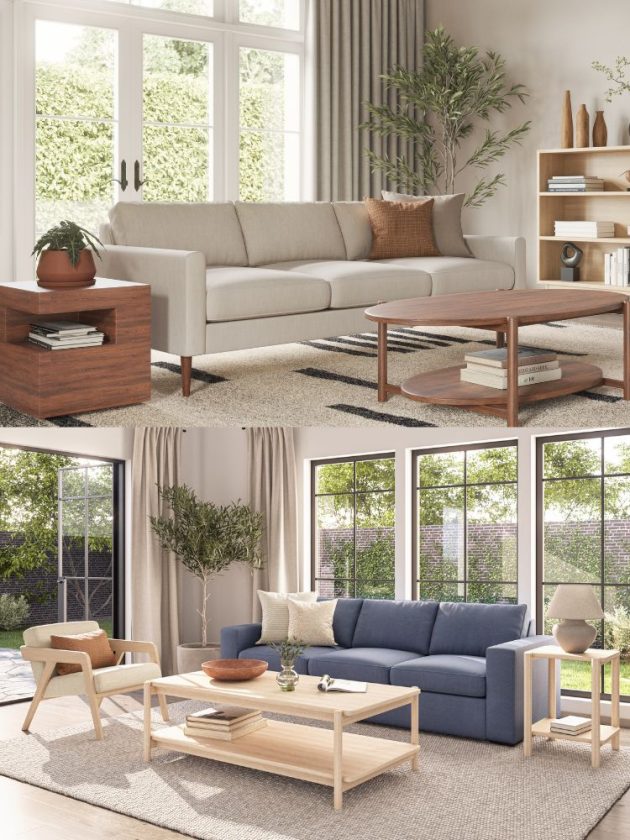
Best for Sleeper Sofas: Sabai
Materials: FSC-Certified Wood, CertiPUR-US® Certified Foam, Organic Cotton + Hemp Fabric Option, Recycled Polyester, or Cactus Leather
Beyond using more responsible and recycled materials, this B-Corp certified BIPOC-owned furniture brand has programs to extend the life of their couches with their Repair Don’t Replace program and Revive resale program. Worth noting: the default option for the sofas is usually their upcycled poly, so if you want a natural option, be sure to select “Hemp Blend” which is a 55% organic hemp, 45% cotton blend.
Their Sleeper Sofa is a highlight — Apartment Therapy ranks Sabai’s Eclipse sofa as the “Best Sleeper Sofa” for its streamlined design and fuss-free set up.
Price Range: $1,745 – $6,295
Shipping: Ships within the U.S. (shipping is carbon offset and packaging is 100% recycled)
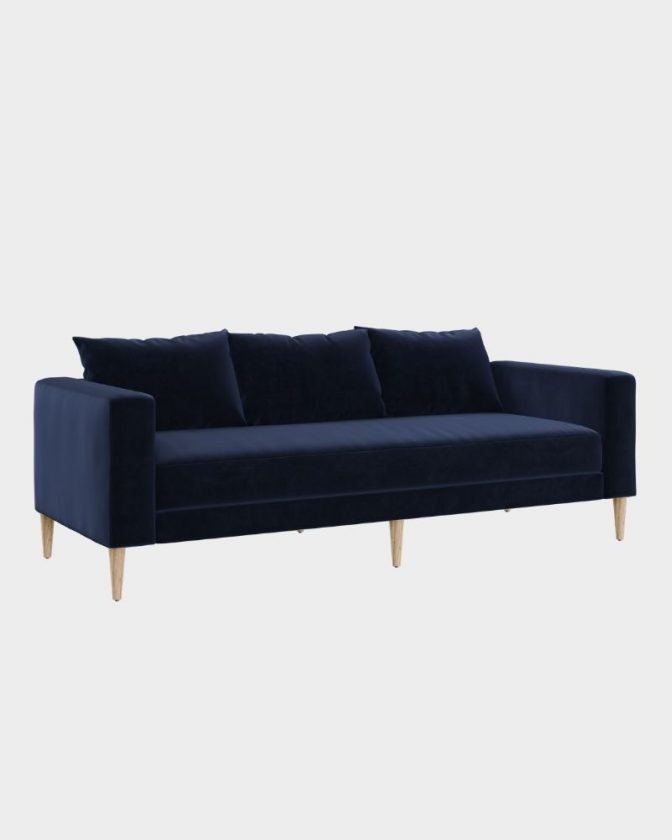
Best Organic Sofa: Cisco Home
Materials: FSC-Certified Wood, Organic Latex, Natural Jute/Hemp/Cotton/Wool Fabric
A leader in the eco-friendly furniture space, Cisco Home has been handcrafting organic sofas for decades and was a founding member of the Sustainable Furniture Council.
Something I want to call out though: you’ll need to select “Make it Organic” on the product page for your sofa (or sectional) to be made with their more sustainable materials like FSC-certified wood, organic latex, and other natural materials like jute, hemp, organic cotton, and wool.
Price Range: $3,850 – $14,379
Shipping: Ships within contiguous U.S.; white glove delivery available with fee
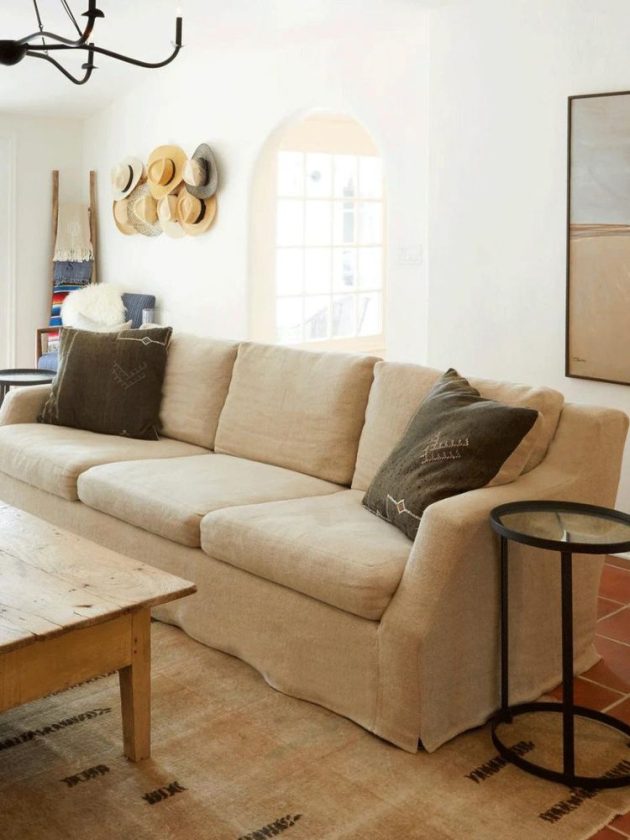
Best for Futons: The Futon Shop
Materials: Kiln-Dried Wood Frame, GOLS-Certified Organic Latex (optional upgrade), GOTS-Certified Organic Wool (optional upgrade)
The Futon Shop has an impressive set of organic sofas and non-toxic sectionals made from natural safe materials with the option to upgrade to organic materials like GOLS-certified organic latex and GOTS-certified organic wool.
Their sustainable couches and non-toxic sofa beds, all made in San Francisco, have frames made from responsibly-sourced kiln-dried wood and are available in fabrics like hemp and organic cotton.
Price Range: $1,525 – $5,500
Shipping: Ships within the continental U.S.
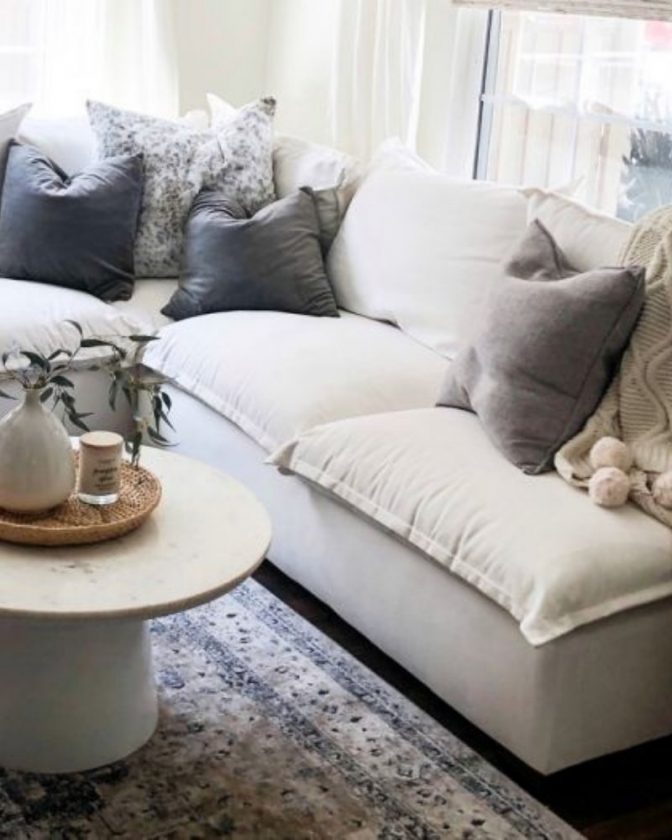
Are There Affordable Sustainable Non-Toxic Sofas?
You may have just gone through that list and thought: umm none of those are even remotely in my budget Elizabeth! And I feel you. That’s why I bought my own couch secondhand.
I do think if someone is going to spend $2,000+ on a couch, it should be a sustainable, non-toxic one — because they exist and there are beautiful options. So why not? But if you are not going to invest that much, here’s how you can still find a slightly more affordable and more eco-friendly option.
More Affordable Sustainable Sofas:
Secondhand is your friend. I’ve already listed plenty of options for finding secondhand furniture, but did you also know you can find open box sofas at many major retailers? This is an especially good option if you’re willing to pay more than typical secondhand prices for the convenience.
Wayfair’s Open Box section has returned sofas up to 40% off new. I also happen to live near the first-ever “Wayfair Outlet” that sells returned items. My husband and I have purchased several pieces there that have all been in good condition. (Though not everything at the outlet is.)
Ikea as an “As Is” selection of returned or gently used products. They do not ship these products, so you’ll have to check what’s available at the store near you. We bought a TV stand as well as outdoor furniture through Ikea’s As Is. Ikea also sells discontinued products that are in as-new condition.
West Elm Open Box Outlet Deals are similar to Wayfair offer discounts in that they offer up to 40% on returned items. Given West Elm’s furniture virtually never goes on sale, this can be a great opportunity to get a better price on the company’s pieces.
We purchased a genuine leather mid-century modern style recliner from West Elm’s Open Box section that was $500 off the original. The damage was very minor so we were happy with this purchase. Plus leather is very repairable — unlike “vegan leather” or pleather.
Medley Re-Lounge is my favorite option from this list because it’s one of the sustainable non-toxic sofa brands featured here! You can access their sofas for 25-40% off new prices. Plus since Medley is typically made-to-order furniture where you might need to wait for months, another benefit is that these returned sofas ship in just 1-2 weeks.
Most of the furniture on any of those sites won’t be in perfect condition — unless it’s simply a discontinued product — but you’re likely saving several hundreds if not over a thousand dollars. So for me it’d be a tradeoff I’m willing to make. The furniture will wear slightly in a few months anyway.
More Affordable Non-Toxic Sofas:
If your priority is non-toxic, and not sustainability, your options may expand to include cheaper fabrics like polyester that have been tested and certified for low toxicity. I would look for OEKO-TEX® STANDARD 100 certified fabrics. And it’ll probably have to be synthetic foam (again the certification for that is CertiPUR-US®).
Pottery Barn has a GREENGUARD Gold selection with options under $1,300. Their “Performance Linen” is likely a blend of primarily polyester, but again — for a more affordable low-tox option you are likely looking at a polyester that has been tested against some of the most toxic chemicals.
West Elm also has a GREENGUARD Certified selection with some sofas under $1,000 and many under $2,000. (Again, I’d check out their Open Box section for discounts.)
Crate & Barrel and Joybird also have GREENGUARD Gold certified sofas, but they are more expensive than Pottery Barn and West Elm.
IKEA is certainly not perfect, but they have some low-tox options. The company phased out PFAS in their textiles in 2016 and has been actively working towards lowering the formaldehyde emission levels from pressed wood products. Their Stockholm 2025 couch has solid wood legs and natural fabric upholstery (cotton and linen). The backrest and armrest are coir and natural latex though the seat cushion just says “latex foam” so we’ll assume that’s synthetic. The back and armrest cushions are recycled polyester.
Burrow is a company I used to include on the main list, but every time I went on their site, I saw less information about sustainability. They do use CertiPUR-US® certified cushions and do not intentionally add any PFAS to their products, but I noticed their claims around responsibly-sourced wood are gone. Nor do they have any further certifications about the fabrics such as OEKO-TEX® STANDARD 100. So its an option, but it would be low on my list.
More Guides for Your Sustainable Living Room
Ethical Home Decor Brands to Curate a Beautiful, Conscious Space
Furnish Your Home Sustainably with these Eco Furniture Brands
The Most Gorgeous Fair Trade Artisanal Rugs
The post 5 Actually Sustainable and Non-Toxic Sofas for Restful Relaxation (2026) appeared first on Conscious Life & Style.
5 Actually Sustainable and Non-Toxic Sofas for Restful Relaxation (2026)

Just like fashion has been overrun by fast fashion, home goods and furniture have similarly seen a rapid decline in quality. Rugs are no exception.
And similar to fashion, these cheap goods come at a high cost — namely, to the planet and to people. In fact carpet and rug production is rampant with exploitation.
On the other hand, fair trade rugs present the best of what a rug can bring to your home: artistry, craftsmanship, and heritage.
The brands featured in this guide are partnering with (and fairly paying!) skilled artisans who are using generations-old — and sometimes even centuries-old — techniques. These artisans are sustaining long lines of crafts, preserving their cultural diversity, and celebrating the richness of their time-honored crafts.
There’s simply no replacement for a timeless, quality artisan-made rug — they’re like pieces of art you can lay out on your floor or hang on your walls.
So, enjoy browsing through this guide to sustainable rug brands listed out below and best of luck on your search for the right fair trade rug!
Where to Find Ethical and Fair Trade Rugs
Note that this guide includes affiliates and partners. As always, brands must meet high standards for ethics and sustainability to be featured and all opinions are my own.
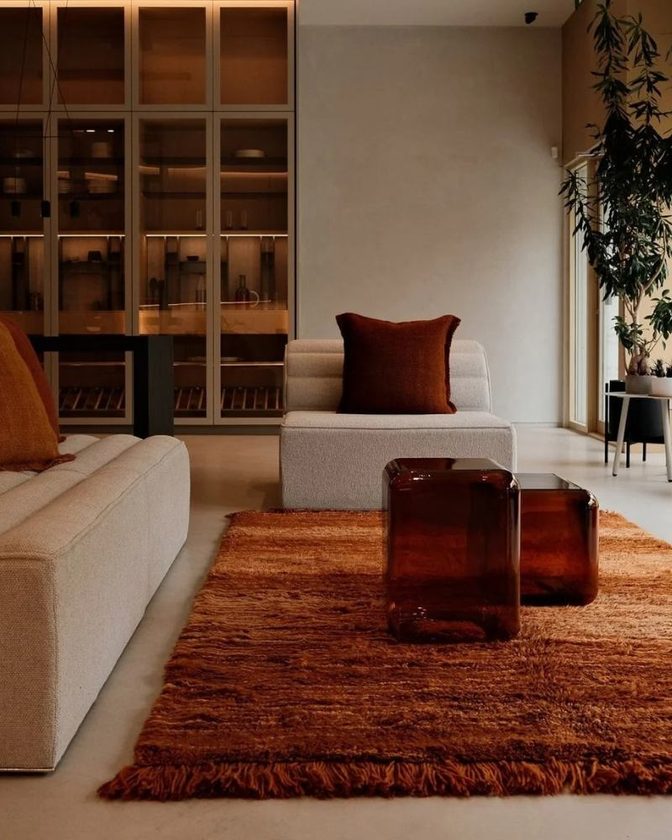
1. Obakki
Best for: warm-hued handwoven wool rugs
Categories: Area Rugs, Runners, Accent Rugs
Obakki partners with artisan weavers primarily in Oaxaca, Mexico — including individual makers like José — who hand-dyes and weaves rugs on a traditional pedal loom using locally sourced sheep’s wool and natural dyes derived from native plants. The brand also works with Rrres Design Studio, a Latin American studio dedicated to preserving traditional Oaxacan weaving techniques, and sources handwoven textiles from artisan communities beyond Mexico as well, including Morocco.
Each rug is made from 100% wool with no synthetic dyes or backing. Most pieces are made-to-order with a 4-8 week production window, shipped directly from the artisan partners.
Price Range: $460 – $4,159
Conscious Qualities: Natural Fibers, Natural Dyes, Craft Preservation
2. Kiliim
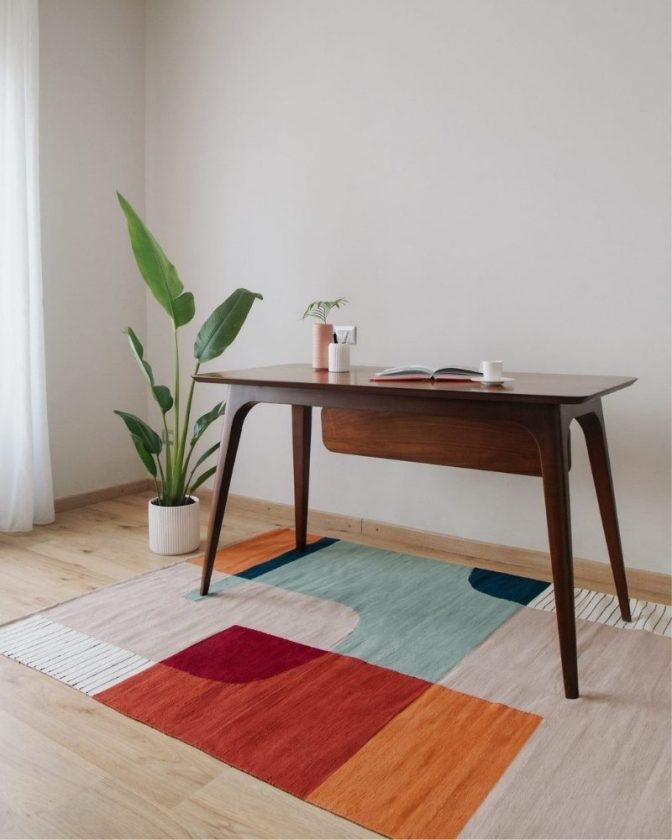
Best for: modern wool kilim rugs
Categories: Area Rugs, Accent Rugs
If you’re well-versed in rug terminology, you may recognize that this brand’s name looks similar to the word kilim.
Kiliim’s rug are made using authentic kilim rug craftsmanship by artisans in Egypt coming from generations of kilim artisans. To ensure ethical production and to support the preservation of this heritage craft, Kiliim pays living wages to all artisans.
Price Range: $95 – $4,812
Conscious Qualities: Ethical Production, Heritage Craft Preservation, Natural Fibers
3. Urban Natural
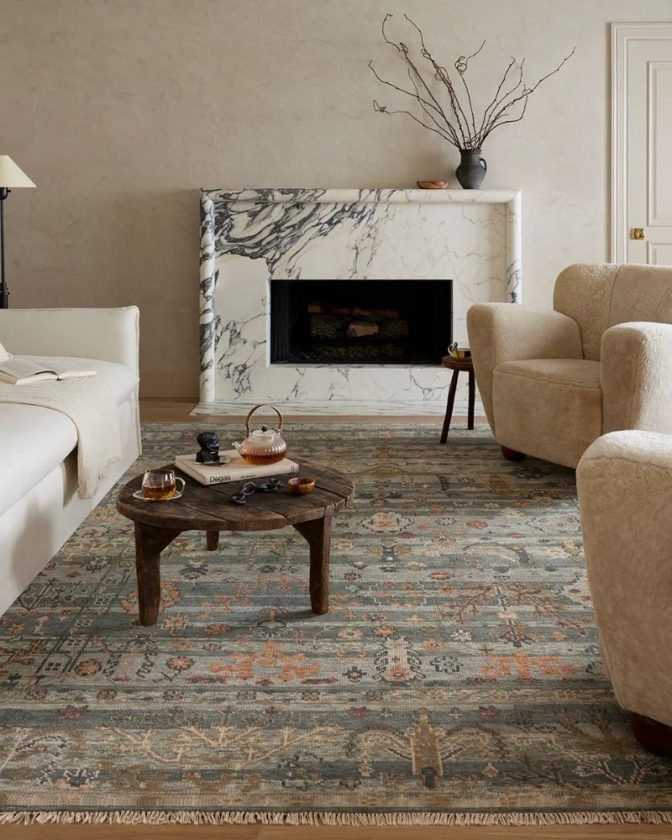
Best for: browsing fair trade rugs in lots of styles and sizes
Categories: Outdoor, Area Rugs, and Accent Rugs
This natural home and lifestyle retailer has a beautifully curated selection of sustainably-made rugs crafted with materials like jute, sisal, wool, and cotton.
Several brands on Urban Natural are also ethically hand-loomed or hand-knotted, such as Loloi — a GoodWeave partner — and Jaipur Living — a brand that partners with thousands of local artisans to sustain heritage crafts.
Price Range: $259 – $9,755
Conscious Qualities: Eco-Conscious Materials
4. LOOMY
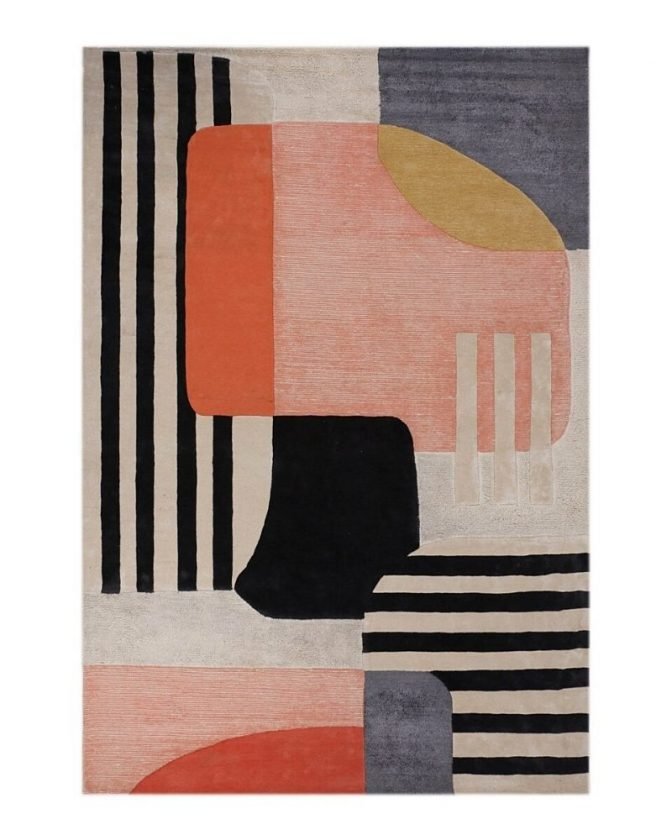
Best for: pet-friendly and performance rugs
Categories: Area Rugs, Accent Rugs, Runners, Outdoor Rugs
Founded by a weaver, LOOMY is dedicated to crafting beautiful artisan-made rugs that will last for decades to come.
LOOMY partners with highly-skilled artisan weavers who craft quality rugs made from eco-minded materials like banana silk, jute, and recycled cotton, plus performance options made from 100% recycled polyester built to withstand whatever life brings you.
Price Range: $298 – $8,298
Conscious Qualities: Natural Fibers, Craft Preservation, Vintage Options
5. West Elm
Best for: fair trade rugs in on-trend mainstream styles
Categories: Area Rugs, Accent Rugs
West Elm is bringing ethical rugs to a broader market with their collection of Fair Trade Certified wool and cotton rugs. While I recommend browsing the smaller shops listed above first, West Elm is supporting the movement to responsibly-made, fair trade rugs.
Price Range: $$$
Conscious Qualities: Fair Trade production, Majority Natural Materials
6. Jubi
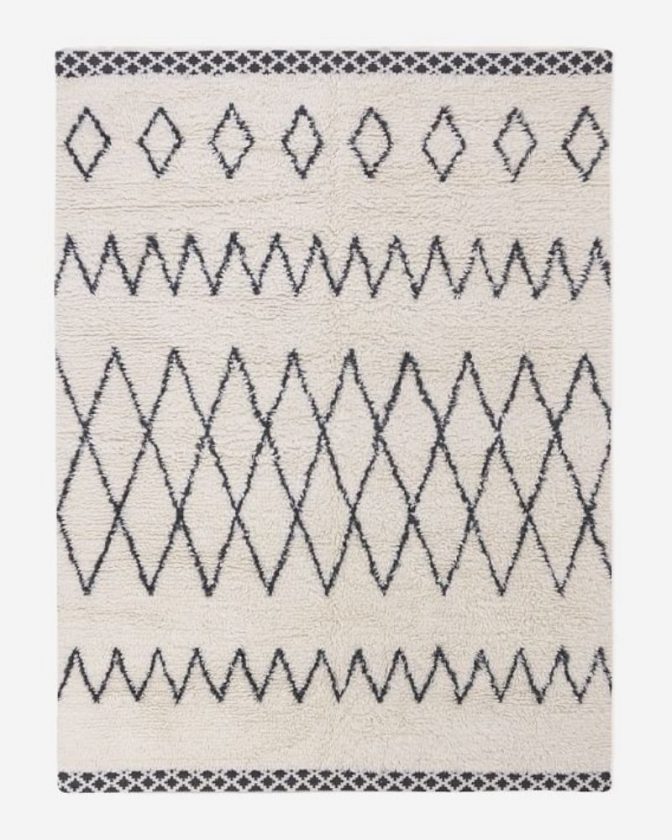
Best for: Modern rugs in vibrant prints
Categories: Accent Rugs, Circle Rugs, Runners
Jubi is a Brooklyn studio founded by textile designer Cassie Dagostino. Every rug is handmade from New Zealand wool by fourth-generation weaving families in Bhadohi, India using traditional techniques. Each rug is made-to-order, meaning no excess stock. Since everything is mad