

It’s time to leave fast fashion in the dust — with one-of-a-kind designs, quality fabrics, and the assurance your dollars are supporting a more responsible fashion industry, these slow fashion brands are sure to win you over.
Before we go any further, though, I think we need to clarify what exactly slow fashion is…
What Do We Mean By “Slow Fashion?”
Slow fashion is about being more mindful and thoughtful about how clothing (and other fashion items) are being produced, how they’re being purchased, and how they’re being used/worn.
Instead of mass-producing garments cheaply and quickly, slow fashion production is about creating a piece to last by using high-quality materials, transitional designs (i.e. not super “trendy”), and durable construction.
For individuals, slow fashion purchasing habits means buying less, but better. A slow fashion mindset is all about choosing well — it’s about picking well-made items that are built to last and also selecting pieces that fit your lifestyle and body well, to ensure they’ll not only be durable but will actually be useful for years to come.
Adopting slow fashion in your life, though, doesn’t necessarily have to mean spending money — this concept is also about slowing down to appreciate your clothes and closet. Slow fashion can mean wearing what you have as much as possible, mending and repairing worn clothing, or upcycling and DIY-ing.
Slow Fashion vs. Eco-Fashion vs. Ethical Fashion
While slow fashion is a term that’s often used quite generally, it’s important to note that some larger ‘green’ fashion brands use mass-production models to create their organic or recycled clothing to increase output and reduce costs.
Slow fashion companies to me — and the criteria used to select brands for this guide — are brands that produce in smaller batches, make most of their pieces by hand, craft each piece with attention to detail and quality, and ideally, partner with skilled artisans, sewers, and craftspeople (who are of course fairly paid).
Now without further ado, here are our picks for…
The Best Slow Fashion Brands
To be clear: you do not need to purchase from slow fashion brands to participate in slow fashion. However, when the time comes that you want to add a new piece to your wardrobe, you probably want your dollars to go towards supporting responsible brands that are doing things better; that are producing with quality and intention.
You want to invest in pieces for the long-haul — and pieces that have a positive impact. And these slow fashion brands will help you do just that.
Note that this article features affiliates and partners. As always, we only feature brands that meet high standards for sustainability that we love — and that we think you’ll love too!
1. Christy Dawn
Feminine and vintage-inspired, Christy Dawn’s dresses are a true dream. And so are their sweaters, jumpsuits, bottoms and every other garment they sell.
Each garment is ethically sewn in Los Angeles or India by makers earning living wages, and is made with regenerative cotton grown by their partners Oshadi Collective in India, organic cotton, or deadstock fabrics.
Conscious Qualities: Eco & Regenerative Fabrics, Ethical Production
Size Range: XS – 3XL + petite sizes
Price Range: $$$

2. Asket
Asket is upping the ante for slow clothing by offering a responsibly made timeless permanent collection that transcends trends.
The brand also details their ecological footprint in their Impact Reports, has 93% product traceability down to the raw material level, and shows the exact cost breakdown of each product.
This slow fashion label also has a care program, repair program, and revival program
Size Range: XXS – XXL
Price Range: $$

3. Kotn
Kotn creates timeless, high-quality essentials with a focus on traceability and social impact. The brand works directly with family-run farms in Egypt to source its premium, long-staple cotton, ensuring fair wages and ethical production. Beyond apparel, Kotn reinvests in the communities it works with, funding education initiatives and infrastructure projects.
Conscious Qualities: Ethically-Sourced Cotton, Direct Trade Partnerships, Fair Wages, Community Investment, B-Corp certified
Size Range: XS–XL
Price Range: $$

4. Solios Watches
Ask any watch owner and they’ll know just how much upkeep goes into maintaining a timepiece, especially when it comes to battery replacements. Fortunately, Solios’ watches will help wearers save on the waste of over 20 quartz batteries within the lifetime of the watch.
If most movements were powered by solar energy like Solios’ watches, 1 billion watch batteries would be saved each year.
Using materials like recycled stainless steel, eco vegan cork leather, and plastic-free packaging, these watches are both as elegant and sustainably-minded as they come.
Conscious Qualities: Powered by Renewable Energy, Sustainable Materials, Plastic-Free Packaging
Price Range: $$$

5. Oneoff
Affordability is one of the most commonly cited barriers to slow fashion. Oneoff is helping bridge this gap, while reducing pre-consumer fashion waste. As an off-price retailer, Oneoff sources excess inventory from slow fashion brands and sells them for up to 60% off. This helps brands reduce wastage and gives consumers access to responsibly-made garments at more accessible price points.
Conscious Qualities: Sources From Conscious Labels, Helps Reduce Clothing Waste
Size Range: XS – XXL
Price Range: $

6. Banai
If you’re in the market for a unique look that’ll help you stand out while supporting a heritage Indian craft, then you’ve come to the right place. Banai offers an array of timeless pieces that are treated with natural dyes and feature distinctive embroidered patches that have been crafted by artisans from Kutch, Gujarat.
Craftsmanship is at the center of everything that Banai does, so the expectation of receiving a well-made, high-quality item that’s sure to become a wardrobe mainstay isn’t too far-fetched!
Conscious Qualities: Handcrafted, Natural Dyes, Zero Waste, Small Batch production, Pays Fair Wages
Price: $$-$$$

7. Brook There
Founded with ethics and sustainability at the heart of their business, Brook There creates comfy organic cotton undergarments with care.
They keep their production close to home — their undergarments are cut and sewn in a small mill town in Massachusetts and their GOTS-certified organic cotton yarn is even milled and dyed in California.
Size Range: XS – XXL
Price Range: $
Conscious Qualities: GOTS-Certified Organic Fabrics, Domestic Production

8. GRAMMAR NYC
Your classic white shirt just got a major upgrade. GRAMMAR NYC crafts garments inspired by the classic wardrobe staple that are anything but basic.
Conscious Qualities: Uses Organic Cotton, Ethical and Small-Batch Production
Size Range: 0 – 12
Price Range: $$$

9. Valani
Plant-based clothing brand Valani creates feminine slow clothing for lighter living. Valani’s dreamy garments are made from low-impact fibers like hemp, Tencel, and banana viscose. Additionally, the brand uses strategic cutting techniques and reuses fabric scraps to minimize waste.
Conscious Qualities: Eco Fabrics, WOC-Owned, Sustainable Packaging, Gives Back
Size Range: 0 – 12
Price Range: $$$

10. ABLE
Ethical fashion brand ABLE has slow clothing and fair trade accessories made ethically by makers around the world.
ABLE is leading the way for transparency in the fashion industry by publishing their wages.
They have their ABLE Signatures, which are foundational wardrobe pieces like white t-shirts, alongside their pretty blouses, cozy knitwear, and detailed dresses.
Conscious Qualities: Transparent and Ethical Production
Size Range: XS – XL
Price Range: $ – $$

11. Eileen Fisher
Sustainable designer Eileen Fisher has long been ahead of the curve when it comes to earth-minded practices.
Their team produces minimalist slow clothing crafted with care from better fabrics like organic linen, hemp, and regenerative wool.
Conscious Qualities: Eco Fabrics, Circular Model (has take-back program)
Size Range: XS – 3XL + petite sizes
Price Range: $$$

12. Saya Designs
Level up your updo with a bit of help from the wooden hair accessories from Saya Designs. Handmade in Indonesia from waste root wood offcuts left over from plantations, you’ll find a range of hair forks, sticks, slides, and combs for all hair types and textures.
Made from the roots of rosewood, tamarind, and teak, these accessories are designed in natural shapes that are inspired by the flora and fauna in Indonesia and are sure to shower you with compliments every time you wear them.
Conscious Qualities: Natural Materials, Plastic-Free, Recyclable Packaging, Gives Back
Price: $$

13. Tradlands
Rather than following the trends of the moment, Tradlands designs classic, functional pieces that will become wardrobe staples. Many of Tradlands pieces are made with ecologically-minded fabrics like linen and Tencel, too.
Conscious Qualities: Ethical Production, Many Eco Fabrics
Size Range: XXS – 3XL
Price Range: $$

14. Covry
If you’re in the market for a new pair of sunglasses or looking to update your outdated prescription frames, then Covry has you covered! Using sustainable materials like plant-based acetate that come from cotton and wood pulp, their diverse range of eyewear is a far cry from any of the flimsy plastic or metal frames you’re bound to find in the market.
When it comes to eyewear, one size doesn’t fit all, which is why Covry eyewear boasts of an Elevated Fit® that has been designed to rest easy on all face shapes and sizes. No more headaches from tight frames.
Conscious Qualities: WOC-Founded, Natural Materials, Plastic-Free, Size Inclusive
Price: $$$

15. OhSevenDays
OhSevenDays is a sustainable slow fashion brand that creates gorgeous pieces out of would-be waste. While the label used to source from middlemen deadstock fabrics, the brand now sources certified organic and recycled fabrics directly from mills, which enables better transparency.
Their zero waste misfits collection features imperfect pieces for lower price points.
Conscious Qualities: Sustainable Fabric Sourcing, Intentional Production
Size Range: XS – XL
Price Range: $$

16. Kayu
Beach-ready accessories you just might want to wear all year long, Kayu creates straw bags and hats that’ll mentally transport you to a tropical destination, even if travel is not on your cards.
Using natural straw and raffia, Kayu’s bags and hats are handcrafted using time-honored techniques by artisans in the Philippines, Indonesia, Malaysia, and Ecuador, who earn a living wage. Their bags come in a covetable range of shapes and sizes to suit all your needs.
Our suggestion? Don’t just restrict these beauties to the beach, make like a chic Parisian and use them to store a baguette or bouquet of flowers next time you’re taking a stroll down the farmers market.
Conscious Qualities: Natural Materials, Fair Labor, Zero Waste
Price: $$-$$$

17. Santos by Monica
If you’re the kind of person who needs to carry your essentials at all times, then look no further. Santos by Monica’s handbags come in various deceptively spacious shapes and sizes, ranging from mini shoulder bags to XL totes.
Available in sculptural shapes and bold colors, even the tiniest bag seems roomy enough to hold at least four to five of your essentials.
Their vegan leather handbags are made using a cactus-based biomaterial and are lined with organic cotton.
Conscious Qualities: Biomaterials, Zero Waste, Small-Batch Production
Price: $$$

18. Not Perfect Linen
As the name implies, this conscious fashion brand produces garments made from linen! Linen is a favorite fabric in the slow fashion community because of its lower environmental impact, versatility (thermo-regulating so it works in cold and hot), and natural beauty.
Conscious Qualities: Eco Fabrics, Made-to-Order
Size Range: XS – XL + custom sizes
Price Range: $$

19. Brother Vellies
Shoes made with a soul, Brother Vellies is keeping traditional African crafts alive through their range of luxurious yet timeless footwear. Handcrafted using vegetable-tanned leathers, recycled tire soles, and hand-carved wood, their styles will take you from corporate hour to cocktail hour seamlessly.
If you’re looking for something to compliment their covetable range of shoes, Brother Vellies also offers a collection of small handbags and belts that are sure to transform even the most basic look.
Conscious Qualities: Fair Labor, Better Materials
Price: $$$

20. Apse
An appealing brand for sartorial minimalists, Apse creates unisex jewelry that doesn’t disappoint. From delicate rice pearl bracelets to subtle pendants that were made for not taking off, Apse creates its gorgeous pieces using recycled metals and responsibly sourced stones.
All of their jewelry is handcrafted on a made-to-order basis to eliminate excess inventory and waste, so expect to be patient with your orders when you shop with them.
Conscious Qualities: Slow Fashion, Recycled Materials
Price: $$-$$$

You May Also Want to Check Out:
Conscious Brands with Easy Breezy Linen Clothing
Organic Cotton Fashion Brands You’ll Feel Good in and Good About
What is Plant-Based Fashion? Plus, 3 Eco Vegan Fabrics to Know
The post 20 Best (Stylish!) Slow Fashion Brands That’ll Help You Leave Fast Fashion in the Dust appeared first on .
20 Best (Stylish!) Slow Fashion Brands That’ll Help You Leave Fast Fashion in the Dust

Make Earth Day 2026 the next step in your response to the environmental damage inflicted by recent U.S. policy reversals that have gutted decades of effort to preserve the climate our species—and all of nature—depends on. EarthDay.org has declared this year’s mission, to make “Our Power, Our Planet” the basis of celebrations on April 18th, a day of action, and April 22nd, the traditional date for Earth Day. Don’t just sit and savor nature, step up to the resist the forces dismantling the environmental protections that followed from the first Earth Day in 1970, which led to the creation of the Environmental Protection Agency, Clean Water Act, and Clean Air Act, among so many important national efforts.
Post and share Earth911 posters to help people think of the planet first, every day. Click the poster to get a larger image.

The post Earth911 Inspiration: Show Up for Planet Earth appeared first on Earth911.
https://earth911.com/inspire/earth911-inspiration-show-up-for-planet-earth/
The global market for natural health products now exceeds $300 billion, and parents are leading the charge — looking for gentler, plant-based alternatives to synthetic medicines for their kids. Some natural remedies have centuries of traditional use behind them. Others have meaningful clinical support. And a few carry real safety caveats that are easy to miss when you’re shopping for a more natural medicine cabinet.
Four ingredients cover a lot of ground: coconut oil, essential oils, honey, and apple cider vinegar. Here’s what the evidence says about each, including what to watch out for, especially with younger children.
| Note: A trained medical professional is always your best resource for treating serious ailments. This article provides general information, not medical advice. Never delay or ignore professional care based on something you read online. |
This article contains affiliate links that help fund our work.
1. Coconut Oil
Coconut oil earns its place in a natural medicine cabinet through sheer versatility. Applied topically, it works well as a balm for chapped cheeks, a diaper rash treatment for babies, a soothing after-bath moisturizer for dry skin, and as a carrier oil when diluting essential oils for topical use. It’s also a perfectly serviceable cooking oil — just keep separate containers to avoid cross-contamination between cosmetic and kitchen uses.
Look for unrefined, virgin coconut oil — it retains more of the naturally occurring medium-chain fatty acids (including lauric acid, which has demonstrated antimicrobial properties in lab studies) compared to refined versions. Nutiva Organic Virgin Coconut Oil is a consistently available option.
2. Essential Oils: Effective, But Use With Care
Essential oils are concentrated plant extracts potent enough to have real therapeutic effects, and potent enough to cause real harm if misused. For kids, the most useful are:
- Lavender oil soothes minor skin irritation, helps with relaxation, and has mild antiseptic properties. It’s one of the gentler oils for children. Plant Therapy Lavender Essential Oil is a reputable, widely available option.
- Tea tree oil (melaleuca) is a well-documented antiseptic useful for skin rashes and has shown effectiveness against head lice. NOW Tea Tree Oil is a reliable choice.
- Eucalyptus oil supports respiratory comfort when diffused and can be used in a natural chest rub for older children. Plant Therapy Eucalyptus Globulus is a good starting point. For children under 2, eucalyptus in any form should be avoided. For children ages 2–4, use only with extra caution and well-diluted.
Eucalyptus age limits: Eucalyptus age limits: The blanket warning “never use on children under 10” guidance circulating online is an overstatement. The European Medicines Agency concludes that eucalyptus used by inhalation, topically, or as a bath additive is appropriate from age 4, and that oral use is restricted to age 12 and up. Do not apply near the nose, mouth, or face of any young child. Robert Tisserand and Rodney Young’s Essential Oil Safety (2nd ed., 2014), the field’s standard reference, supports this more nuanced reading.
Lavender and tea tree and hormonal concerns with boys: Research published in the New England Journal of Medicine found a link between topical use of lavender and tea tree oils and hormonal disruption in prepubescent boys. Aromatherapy (diffusing) is the lower-risk alternative for this age group.
Always dilute essential oils. Undiluted oils should never be applied to a child’s skin. For children under 2, use a 0.5–1% dilution in a carrier oil (like coconut or almond oil). For ages 2–6, 1–2% is appropriate.
No peppermint for children under 30 months. Peppermint oil can increase seizure risk in very young children and should be avoided.
For a comprehensive reference, Johns Hopkins Medicine’s essential oil safety guide for children is a solid starting point. And check with your pediatrician before introducing new oils, especially for children with respiratory conditions.
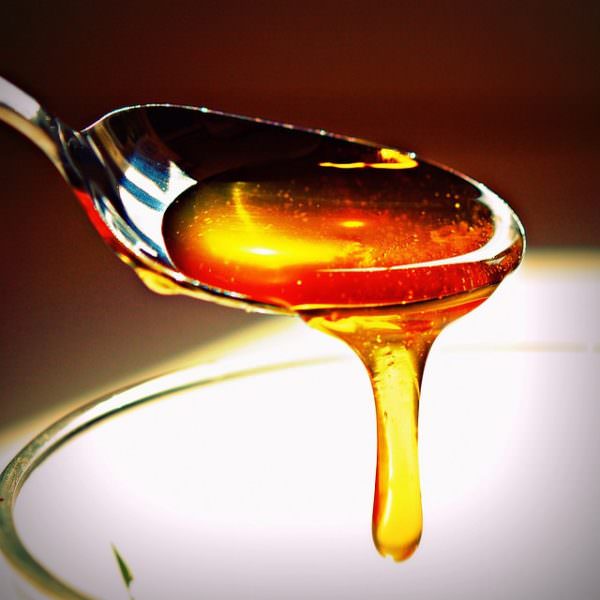
3. Honey: Powerful Medicine — With A Critical Exception
Raw honey does considerably more than sweeten tea. Applied topically, it’s an effective treatment for acne, particularly raw honey, which retains more antimicrobial compounds. Manuka honey from bees that pollinate the New Zealand mānuka bush has demonstrated well-documented antibacterial properties and is worth keeping on hand for wound care and throat soothing.
For throat relief, a spoonful of honey dissolved in warm water with lemon is effective for children over 1 year old. Look for raw Manuka honey rather than processed honey in a plastic squeeze bottle, which has been heated and filtered to the point of losing most of its beneficial properties.
| Critical Safety Warning — Honey and Infants: The FDA, CDC, and American Academy of Pediatrics all recommend that honey never be given to children under 12 months of age — in any form, including baked goods, cereals, or foods that contain honey as an ingredient. Honey can harbor Clostridium botulinum spores, which can cause infant botulism, a serious and potentially fatal illness. Infants’ digestive systems are not mature enough to neutralize the spores. This restriction applies to raw honey, pasteurized honey, and honey in cooked or processed foods. After age 1, honey is safe. |
4. Apple Cider Vinegar
Apple cider vinegar’s acidic properties make it useful for a handful of topical applications. Two cups diluted in bathwater can help soothe eczema flares; diluted 50/50 with water, it’s effective for sunburn relief and itchy skin.
Its strong taste makes internal use a tough sell for kids, but they can still benefit from external applications. As with honey, quality matters: get an unfiltered, unpasteurized brand that retains “the mother” — the strand-like protein-enzyme matrix that forms during fermentation. Bragg Organic Raw Apple Cider Vinegar is the go-to product and is widely available.
A note on internal use for older kids and adults: ACV is acidic enough to erode tooth enamel if taken undiluted or frequently. Always dilute in water and consult a healthcare provider before making it a regular supplement.
These four ingredients are a good starting point for your own natural healing remedies. Simple and straightforward, most will be readily available at your local health food store and are a cinch to apply or administer.
Building Your Natural Medicine Cabinet
These four ingredients give you solid coverage for common minor ailments — skin irritation, dryness, colds, scrapes, and more. Most are available at natural grocery stores; the essential oils are easy to find online from reputable brands like Plant Therapy, NOW, and Edens Garden, all of which publish third-party testing data.
Start simple, read the labels carefully (especially age guidance on essential oils), and keep products stored out of reach of young children. When in doubt, your pediatrician is the right call.
Editor’s Note: Originally written by Madeleine Summerville on April 8, 2015, this article was updated in March 2026 to reflect current pediatric safety guidance, including honey/infant botulism warnings and updated essential oil age recommendations.
The post Mother Nature’s Medicine: 4 Natural Remedies for Healthy Kids appeared first on Earth911.
https://earth911.com/living-well-being/mother-natures-medicine-4-natural-remedies-for-healthy-kids/
Spring is officially here, inspiring gardening plans as well as dread of lawn chores. Before you immerse yourself in another year of yard maintenance, we have a question for you: When was the last time you reevaluated your yard maintenance tactics and outdoor plant selections? An environmentally friendly approach to a low-maintenance yard can save you money, time, and effort while it benefits the local ecosystem.
By carefully selecting the right plants, including natives and perennials, you can minimize watering and yearly plantings — resulting in less work for you and a lower water bill. And by employing natural gardening techniques, such as composting and companion planting, you can keep your soil healthy and keep pests away — without chemicals.
Naturally, a healthy and biodiverse yard looks different depending on your climate and region. Are you familiar with the plants that are native to your region? It’s exciting to choose the optimal plants for your garden because you know you’re giving them the best chance of success — plus, you’re helping the surrounding ecosystem.
Before selecting your plants, be sure to check the noxious weed lists or your county extension office to make sure you don’t pick invasive plant species. Some low-maintenance plants may be invasive in your region. For example, English Ivy, an attractive, low-maintenance vine, is an aggressive invader and on the noxious weed of the United States list.
With careful plant selection and eco-friendly gardening strategies, you’ll enjoy a low-maintenance yard, save money, and benefit Mother Earth too! Check out the tips and plant recommendations in the following infographic from HomeAdvisor.

Editor’s Note: This article was originally published on March 31, 2021, and was updated in April 2026.
The post Infographic: Tips for an Environmentally Responsible, Low-Maintenance Yard appeared first on Earth911.
https://earth911.com/home-garden/infographic-eco-friendly-low-maintenance-yard/


A Lesson for America from West Africa
Virginia Republicans Want Tax Relief to Ease Gas Costs. There’s Also Electric Vehicles.
EPA Flags Microplastics as ‘Priority’ Water Contaminants, but the Move Doesn’t Guarantee Regulation
-
Greenhouse Gases8 months ago
Guest post: Why China is still building new coal – and when it might stop
-
Climate Change8 months ago
Guest post: Why China is still building new coal – and when it might stop
-

 Greenhouse Gases2 years ago
嘉宾来稿:满足中国增长的用电需求 光伏加储能“比新建煤电更实惠”
-
Climate Change2 years ago
Bill Discounting Climate Change in Florida’s Energy Policy Awaits DeSantis’ Approval
-

 Climate Change2 years ago
嘉宾来稿:满足中国增长的用电需求 光伏加储能“比新建煤电更实惠”
-
Climate Change Videos2 years ago
The toxic gas flares fuelling Nigeria’s climate change – BBC News
-

 Renewable Energy5 months ago
Sending Progressive Philanthropist George Soros to Prison?
-

 Carbon Footprint2 years ago
US SEC’s Climate Disclosure Rules Spur Renewed Interest in Carbon Credits