

Whether you’re not a fan of the way Amazon treats workers like robots, exploits people and the planet, aggressively avoids taxes in the U.S and globally, promotes overconsumption, is increasing their emissions despite a greenwashed “Climate Pledge”, or is on a mission to dominate literally every market on the planet, you might be looking for better alternatives to Amazon. And now that Target announced its rollback of diversity initiatives, perhaps you’re also looking for alternatives to Target too.
This guide contains sustainable alternatives for a lot of what you can find on Amazon or Target.
In this guide you’ll find better businesses to support for:
- Everyday Essentials
- Clothing & Home Goods
- Books
- Audiobooks (Amazon owns Audible)
- Book tracking (Amazon owns Goodreads)
- Food & Grocery (Amazon owns Whole Foods, and also has Amazon Fresh stores)
- Handmade
- Technology
- Beauty & Health
- Outdoors & Sports
Note that this guide includes partners and affiliates. As always, all brands meet rigorous standards for sustainability and are brands we love — and that we think you’ll love too.
Secondhand First!
Before we get into this guide I have to put out a huge call-out for secondhand options as these are often far cheaper. (You’ll also see secondhand options sprinkled throughout this guide.)
In addition to local thrift stores, consignment shops, and estate sales, there are many online options. Here are some apps to know:
- Buy Nothing
- OfferUp
- Marketplace (unfortunately on Facebook)
And here’s our guide to online secondhand clothing stores.
Everyday Essentials
While Amazon may sell some low waste products, there is no vetting process ensuring that what you’re purchasing was actually made in an environmentally responsible way. There’s a lot of sub-par and copy-cat products to sort through. These retailers, however, take that leg work out for you — plus they are all small businesses that are more holistically conscious of their entire supply chain (including packaging and shipping) and are all members of 1% for the Planet, donating one percent of revenue to environmental organizations.
EarthHero
Zero waste superstore EarthHero is a fantastic sustainable alternative to Amazon. Enjoy the convenience of shopping for plenty of categories of products like Amazon — from home + kitchen and audio + tech to beauty + care and baby + kids and even pets — but with the assurance that everything you see is vetted for quality and responsibility.

EcoRoots
EcoRoots is an amazing plastic-free mecca for finding everyday eco-friendly products. Discover vegan, low-waste, and non-toxic products for the kitchen and bathroom — from cleaning products and reusable coffee filters to skincare sets and safety razors — all in one colorful, aesthetically pleasing online shop!

DoneGood
DoneGood is an ethical online marketplace with over 100 responsible brands in one place.
They research and vet brands by things like sustainable materials and ingredients, supporting their local communities, and paying fair wages to you can shop with confidence.
Find everything from clothing and beauty to home and travel on this one-stop shop.

Clothing & Home
When it comes to exploitation in the fashion industry, Amazon is among the very worst offenders. The company came under fire for offering clothes made from dozens of Bangladesh factories that other retailers said were too dangerous or that were even blacklisted for how dangerous their working conditions were. These are factories that even big fast fashion brands don’t use.
Here are conscious retailers and marketplaces that consider ethics and sustainability in the brands they choose to offer.
VivaTerra
VivaTerra is a women-led and WOC-owned retailer with a vast selection of sustainable home goods, from seasonal decor and garden accessories to furniture and home accents. Find plenty of color and nature-inspired designs made from materials like recycled glass and reclaimed wood at this green lifestyle store.

AptDeco
AptDeco is an online marketplace for preloved furniture. They remove the hassle of buying and selling used furniture with their marketplace where you can can search by brand, category, style, or a whole host of other filters.
And for a fee, AptDeco takes care of the shipping to your home from the seller as well. I’ve had to rent trucks in the past to transport large secondhand furniture so this is a major convenience perk!

ourCommonplace
ourCommonplace is a WOC-owned eco and ethical marketplace with fashion, beauty & wellness, and home products for a mindful and non-toxic lifestyle. You can see what values each product or brand has by looking for badges like BIPOC-owned, Cruelty-Free, Ethical, Sustainable, Toxic Free and Cruelty-Free.

Books & Entertainment
Amazon currently has over half of the physical book market and at least 75% of eBooks. This level of control over the market has long had much of the book industry concerned.
In fact, the leading publishing industry professional organizations wrote to the US House of Representatives Antitrust Subcommittee warning of Amazon’s “extraordinary leverage over their competitors, suppliers, customers, the government, and the public”.
And, they also pointed out Amazon’s unethical practices of “systematic below-cost pricing of books to squash competition in the book selling industry as a whole.”
Some better solutions? Well, there’s always your local library where you can get books for free.
If a book isn’t at your library or if you’d like to own a particular book, though, try to support small businesses and independent bookstores!
You can do this by physically visiting your local bookstore, or, if you’d like to browse online, check out these options:
Bookshop (US, UK, Spain)
My personal favorite place to find books is Bookshop.org. You can pick an independent bookstore to support and then all of your purchases through Bookshop help raise money for that store! To pick out a store, you can find a local shop, Black-owned bookstore in your state, or other diverse-owned bookstore.

Better World Books (Global)
For a better way to buy used books, check out Better World Books, a certified B Corporation that values people and planet — and not just profit. The company has a Book for Book project, which donates 1 book for every book sold, a Grant Project where they fund nonprofits and libraries, and a number of other initiatives.

Hive Books (UK)
UK-based Hive books has a similar model to Bookshop where they support independent bookstores with each sale. Hive sends 10-25% of physical book sales and 8% of eBook sales to bookstores. You can also find entertainment products like DVDs, CDs, and Vinyls as well as gifts like stationary and puzzles on Hive.

Audible Alternatives
Amazon owns an even larger share of the audiobook market than they do of physical books — they control an estimated 63% of the audiobook market as of 2022. Support independent bookstores and small businesses instead!
Libro.fm
Just like Bookshop and Hive, Libro.fm enables you to support independent bookstores with each book purchase, but in this case, it’s for audiobooks! You can either buy audiobooks à la carte or through a monthly subscription. The membership is $14.99/month for 1 audiobook per month, plus 30% off any additional books!

Goodreads
Did you know that Amazon owns Goodreads? Ugh! Amazon makes it really difficult to avoid them completely, but there is, thankfully, a more ethical alternative to Amazon owned Goodreads.
The Storygraph
Storygraph is a Black woman-owned company with a site and app that operates similarly to Goodreads. What I love about Storygraph, though, is that their book suggestions and reading challenges are intentionally diverse, you can review books down to the quarter of a star, and readers can enter in content/trigger warnings for books.

Food & Grocery
Between Amazon Fresh locations and buying out Whole Foods, Amazon is actively working to get a slice of the grocery pie too. But, competitors like Wal-Mart are certainly not better when it comes to worker rights or traceability of their supply chains.
Some better alternatives?
- Finding local farmers’ markets and growing some of your own food in a garden
- Signing up for a CSA (community supported agriculture)
- Supporting small independent grocery stores (here’s a huge guide to zero waste stores by U.S. State!)
If you’d like to still shop online, here are some sustainable grocery store alternatives to Amazon and other big-box stores.
Aldi
Did you know discount chain Aldi has been ranked as one of the most sustainable grocers? While Aldi uses a lot of packaging for their produce, they use less plastic overall than all other supermarkets, according to Greenpeace. Aldi has also shifted 31,000 tons of packaging to recyclable alternatives and diverted 76% of operational waste companywide.
Personally, what I appreciate is that Aldi does not automatically give out single-use plastic or paper bags, encouraging the use of reusable bags. My local Aldi also has an impressive array of organic options, considering the size of the overall store.
Aldi takes EBT and does deliver in the US.

Thrive Market
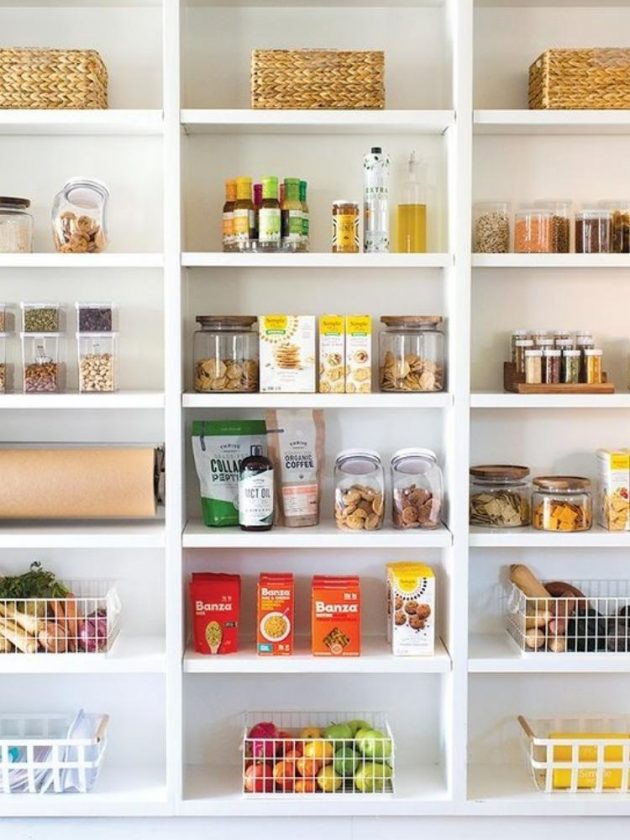
Thrive Market is essentially an online version of Whole Foods, except more affordable. The brand has natural foods, beverages, supplements, and even cleaning supplies that are shoppable by value: organic, gluten-free, vegan, kosher, dairy-free, among many others. *At the time of publishing, Thrive does not have fresh produce or much refrigerated goods.
Imperfect Foods
To fill in the gaps that Thrive Market leaves, head over to Imperfect Foods. You can get produce, meat, plant-based alternatives, dairy, and more delivered to your door. Originally founded to prevent “ugly” looking produce from heading to the landfill, Imperfect works to reduce waste and improve the system along the way.

Handmade
Amazon Handmade is essentially their response to Etsy. While all third-party platforms offer their pros and cons for independent sellers, Amazon treats brands like commodities, making it particularly difficult for small makers to compete with large companies.
If you want to shop handmade, boutiques, maker markets, and farmers’ markets may be great places to find goods made locally.
Or for online options, a great way to support independent makers is by shopping through their sites directly! If you’d like to shop with a bit more convenience, here are some more sustainable alternatives to Amazon.
Uncommon Goods
Uncommon Goods is a fantastic place to shop for thoughtfully-made unique gifts. You can sort by gift recipient or occasion and find plenty of ideas that you won’t see anywhere else. (Literally… many of the products have an “Only on Uncommon Goods” seal!) And, below each product, you can learn more about the maker of the product.

Local Markets
There are SO many handmade markets happening in cities around the world. Many farmers markets’ have started incorporating artisan goods.
Markets for Makers has pop-up events in many cities in the US. And if you’re also in Chicago, check out Handmade Market and the One of a Kind Show.
Not seeing your city? Search “handmade market” or “artisan market” + [your city] in your search engine to see if there’s something near you. Another hack is to follow local creators and see what markets they’re exhibiting at!

Prime Video
Ethical Consumer did a rating of many streaming services, and unsurprisingly, Amazon’s Prime Video was at the very bottom with a score of 0.
While none of the video streaming options are stand-out in terms of their responsibility, there are some better options than Amazon. For instance, though Apple is far from an ethical company, Apple TV+ makes use of the company’s data centers that are powered by 83% renewable energy. (By comparison, Amazon sources just 17% renewable energy.)
Check out Ethical Consumer’s Guide for More
Alternatively, you can check out streaming services for indie films. Some highlights are Docsville for documentaries and IndieFlix for contemporary selections.
Kanopy is a streaming service that’s free with your local public library or your university. So, it’s worth checking if you can get acess to this streaming platform!
Technology
From mining to labor issues in the supply chain, the tech industry is far from sustainable. Shopping for used tech, though, can be a bit of a gamble sometimes. These marketplaces are working to remove that barrier with certified pre-owned options.
BackMarket
On a mission to “restore trust and desire for refurbished devices”, Back Market sells like-new devices at secondhand prices. Each and every device is inspected and restored by experts, and comes with a totally transparent look into the device’s quality. Plus, Back Market has a 30-day return policy, 1 year warranty, and customer care team to address any disputes.

Beauty & Health
Credo
Credo is a clean beauty mecca with physical brick and mortar stores and an online shop. Find a wide variety of skincare, makeup, hair, fragrance, and bath & body care products all meeting the “Credo Clean Standard“.

BLK+GRN
This all-natural beauty marketplace sells beauty, haircare, supplements & superfoods, menstrual care essentials, and mom + baby care products, all from Black artisans. All products are free of the “Toxic 20” and go through an in-depth review process.

Detox Market
Detox Market is another clean beauty marketplace with high standards and a number of “banned” ingredients. The retailer also has a Natural Wellness collection with supplements, teas, powers, and aromatherapy for the brain, belly, and body.

Outdoors & Sports
REI
REI is a co-op marketplace for an outdoor lifestyle. With their member owned co-op structure, REI is able to “focus on shared values, not share value”. By putting purpose above profits, REI is able to invest in a variety of commitments like the circular economy, social equity, and fighting the climate crisis.

Pets
For eco-minded pet gear, EarthHero (mentioned at the top of this guide) has a great selection of choices! Here are a couple more that are dedicated exclusively to pet supplies.
Cycle Dog
Cycle Dog makes eco-minded dog products in Portland, Oregon out of recycled materials. They sell products like no-stink collars made out of recycled inner tubes and leashes made from recycled plastic bottles. Plus, Cycle Dog will repair any hand-sewn product free of charge!

Noggins & Binkles
London-based Noggins & Binkles creates vegan, eco-minded accessories for cats and dogs. They have collars and leashes made from materials like cork and Piñatex and pet beds made from organic cotton and recycled polyester filling.