

Raymond’s hands look worn from sourcing water for people in his community.
In an image, his left hand is shown draped over a block of wood, reflecting years of hard work and determination as he pushes a cart filled with pails of water through the streets.
The picture was taken by Danelle Fraser, a woman in her thirties who lives in Rose Town, Jamaica. She puts herself, and her family, into the photo essay, revealing how they must wake up early every day and travel to neighbouring communities to fetch water.
The residents of Rose Town, in West Kingston, have been forced to do this for decades after their own water pipes stopped working.
The photos are personal history, depicting the efforts of local people making do without access to a reliable water supply, leaving their community less resilient and more exposed to climate-related shocks.
“It has been over 23 years now since I saw water running through the pipes of my house in Gordon Lane,” writes Danelle in the essay.
Women’s lived experience
She is one of six women in Jamaica chosen to take part in the first phase of the Envisioning Resilience initiative in 2023. Led by the NAP Global Network and Lensational, a non-profit social enterprise, the project is designed to enable women to tell their own climate stories through photography.
So far, these stories have ranged from how street vendors are surviving extreme heat to the Rastafari community’s attempts to adapt to drought.
The project, extended to another seven women in 2025, was born out of an understanding that women and girls are more severely impacted by climate change. The UN estimates the crisis is pushing tens of millions more women than men into poverty and food insecurity around the world. Global warming is worsening gender inequalities and making it harder for women to survive and become more resilient to extreme weather events.
“Women are one of many vulnerable groups and one that often lacks agency when it comes to decisions of critical importance such as climate change,” explained Orville Grey, head of secretariat for the NAP Global Network.
“Empowering women to speak to their lived experience [and] capture that through creative communication tools such as photography is a unique way to get them involved in the process of developing adaptation plans that are fit for purpose and inclusive,” he added.

The power of individual action
Starting in 2021, Envisioning Resilience initially ran pilots in Ghana and Kenya before expanding to Jamaica in 2023. The initiative formed a new partnership with GirlsCARE, a feminist climate justice organisation, based in the Caribbean country. Ayesha Constable, founder of GirlsCARE, told Climate Home News that participants on the programme are selected through a targeted call shared across their national network.
“We intentionally focus on reaching young women and girls from vulnerable communities, including rural and inner city areas,” she said. “The selection process… ensures a cohort that is both engaged and reflective of the communities most impacted by climate change,” she added.
The group goes through a training programme of between four to six months, learning professional photography skills through workshops and individual assignments. Participants are also provided with policy training and a grounding in how their stories are connected to wider climate concerns.
Jamaica set for post-Melissa payout but experts warn of limits to hurricane insurance
“We sometimes say if you only had one day to tell this story, what words would you use, what actions would you take to do so?” explained Lydia Wanjiku, CEO of Lensational.
Envisioning Resilience offers a rare opportunity for women from different backgrounds to tell these stories, reach a wider audience, and gain valuable skills along the way. The photo essays are collected online and the stories have received widespread media attention.
“Ultimately, we want participants to embrace their own agency, and recognise the power of individual and collective action in driving change, and to carry forward the principles of justice, care and equity in whatever paths they choose,” added Constable of GirlsCARE.
From pilots to policy
The wider intention in Jamaica is that the photo essays influence the development and implementation of new climate policies. When the stories are complete, they are shared in a dialogue that brings the newly trained photographers together with adaptation policymakers.
According to Angie Dazé, director of gender equality and social inclusion at the International Institute for Sustainable Development (IISD), the policy dialogues “flip the script, allowing the conversation to be led by the women and their stories, placing the government representatives in listening mode”.
Lensational is seeing interest from some countries in using the programme as a core part of national policy processes. The essays have validated some issues that government departments have known about, while others have shone a light on new areas of concern.
Women must be a starting point, not an afterthought, for adaptation
“We have really tried to embed policy and storytelling elements into the training, ensuring the projects are more targeted and aligned with what policymakers are working on,” added Wanjiku. The intention is to support women to articulate their stories with policy concepts in mind, broadening their reach and impact.
The approach seems to be paying off in Jamaica. Wayne Robertson, permanent secretary at Jamaica’s Ministry of Water, Environment and Climate Change, said the initiative had “meaningfully supported the Jamaican government in strengthening climate adaptation policy development by bridging the gap between technical planning and lived community experience”.
He added that the photo essays are supporting Jamaica’s National Adaptation Plan process and contributing to existing efforts by reinforcing the need for “inclusive, locally informed and participatory adaptation planning” and allowing for “a more people-centred understanding of climate risk.”


Jamaica’s growing climate impacts
Jamaica is a natural choice to run an initiative of this kind. As a small island developing state in the Caribbean, it is vulnerable to rising sea levels, coastal erosion and intense cyclones and hurricanes. A 2024 USAID assessment found that these stressors are likely to increase due to climate change.
Grey, of the NAP Global Network, commented that Jamaica is “dealing with rising temperatures impacting ambient heat both in day and night-time, increased severity of hurricanes, longer duration droughts, increased variability in rainfall, increased impacts of coastal erosion due to storms… and warmer oceans”. These climate stresses all have economic impacts on agriculture, tourism, fisheries and productivity.
A tale of two women: What climate vulnerability actually looks like
Many Jamaicans now have direct experience of what it means to live in a hotter world. In October 2025, Hurricane Melissa, a Category 5 storm, battered the island, causing multiple fatalities and almost $9 billion in economic damages. Researchers rank Melissa as one of the strongest storms ever recorded – with winds of up to 185mph (295km/h) – and the costliest hurricane in Jamaica’s history.
Climate change played a direct role in making the storm worse, according to a study from Imperial College London. Its storm model, called IRIS, found that climate change increased Melissa’s extreme rainfall by 16%, with a hurricane of its kind made four times more likely due to rising temperatures.
Collective action for resilience
Surrounded by the devastation of Hurricane Melissa, the new recruits to the Envisioning Resilience initiative picked up their cameras to record the event.
Ashlee Gooden travelled to Treasure Beach on Jamaica’s south coast a few days after the hurricane made landfall. She spent time documenting how one family, the Ritchies, had prepared for what was to come. Fishermen tied down the zinc roof, with sandbags placed on top for extra support. Plywood was nailed to windows, and essential food items stockpiled in the days leading up to the storm.
Gooden’s essay demonstrates not only the physical impacts of Hurricane Melissa – destroyed businesses and beach debris – but how the close community has bounced back, although a full recovery could take years. “One member of the community even opened their backyard to be used as a makeshift trail, allowing residents to bypass the blocked main road,” she writes.


No one left behind
The UN reports that in recent years the development of National Adaptation Plans under the UN climate process has moved from formulation to “implementation readiness”.
As adaptation policy matures, the photo essays produced by women on the Envisioning Resilience initiative are supporting governments to create plans that are more sensitive to the climate-related issues communities are now facing.
Jamaican official Robertson said the initiative “strengthens gender-responsive adaptation by creating space for women, youth, and community members to share their experiences and priorities”.
While much work has been done to centre women’s issues and decision-making within the climate debate, researchers acknowledge it is still not a high priority for some countries. The photo essays can help change that, by providing an insight into stories that “don’t typically get heard in adaptation policy conversations”, according to IISD’s Dazé.
“The project is about a shift in mindset on the role that women are playing and their adaptive capacity. Women are resilient in their own right,” she added. “Women are already adapting to climate change, and policymakers are getting to see them as agents of change.”
Adam Wentworth is a freelance journalist based in Brighton, UK
The post Women in Jamaica are opening eyes with climate photography appeared first on Climate Home News.

Next week, diplomats from around the world will descend on Yerevan, Armenia, to negotiate a series of decisions under the UN Convention on Biological Diversity (CBD).
Between 19 and 30 October, 196 parties will gather to hammer out the precise wording of the dozens of legal texts that make up the decisions under the Conference of the Parties (COP) to the CBD.
This year’s summit is particularly significant, as it marks the halfway point between the agreement of the Kunming-Montreal Global Biodiversity Framework and the deadline for achieving its targets.
The CBD has found that countries are currently not on track to meet 22 out of the framework’s 23 targets.
During the fortnight, delegates will also be negotiating decisions relating to the two supplemental protocols to the CBD: the Cartagena Protocol, which covers biosafety; and the Nagoya Protocol, which covers access and benefit-sharing for the use of genetic resources.
(The Cartagena and Nagoya Protocols, which are each governed by a “meeting of the parties”, or “MOP”, have fewer parties than the CBD as a whole, with 173 and 141, respectively.)
Carbon Brief is tracking the progress of countries towards consensus on dozens of negotiating texts using the interactive table below.
The tracker includes texts from the COP, as well as the MOPs for the Cartagena and Nagoya protocols. It also includes draft decisions from the most recent subsidiary body meetings, as these form the starting point for the negotiations in Yerevan.
The CBD has three subsidiary bodies: the subsidiary body on scientific, technical and technological advice (SBSTTA), the subsidiary body on implementation (SBI) and the subsidiary body on article 8(j) and other provisions (SB8J).
SB8J focuses on issues related to the Indigenous peoples and local communities. It was established at COP16 in Cali, Colombia, in 2024.
The first two columns of the interactive tracker list the topic of each agenda item and the relevant body, with subsequent columns including dates, page counts and links to the original documents.
The table is searchable and can be sorted using the arrows in the header.
Areas of disagreement in UN draft texts are denoted by square brackets. Counting the brackets in a particular iteration of a text therefore gives a sense of how far parties are from reaching consensus.
The bracket column is colour-coded, with dark green indicating a low number of brackets and red indicating a high number of brackets remaining.
Texts can also present parties with choices using “options” or alternatives (“alt”), which are counted together in the sixth column of the table.
The key discussions in Yerevan will centre around two agenda items in particular. The first is the global review, which will assess progress towards the GBF and make recommendations for accelerating action.
The second is finance, which can be separated into two parts: resource mobilisation and the financial mechanism. On resource mobilisation, biodiverse global south countries are likely to push for an increased amount of international finance for conservation.
Disagreement over the creation of the financial mechanism led to the suspension of COP16 in Cali in October 2024, as parties failed to find agreement on the mobilisation of finance before the end of the summit.
Global south countries want the establishment of a separate financial mechanism under the control of the CBD; global north countries largely prefer to maintain the existing mechanism, which sits under the Global Environment Facility.
At the resumed session of COP16 in Rome in early 2025, countries agreed on a roadmap that would lead to the establishment of a permanent mechanism.
related
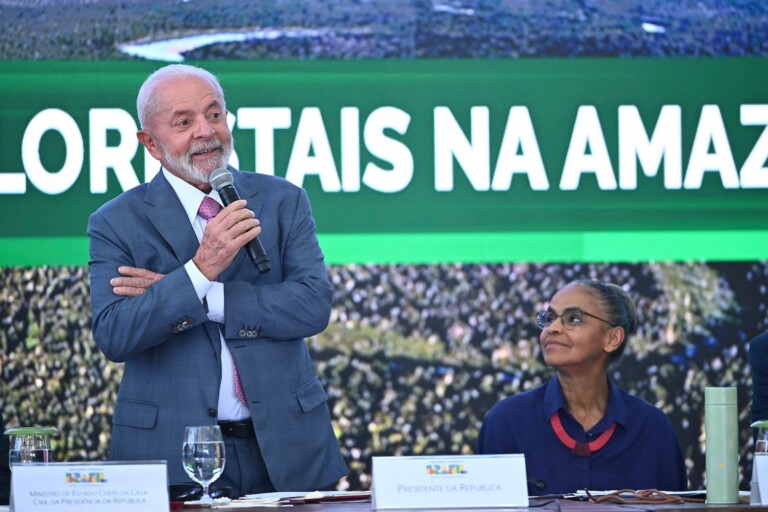
Analysis: Lula presidency saved at least 20,000km2 of Brazilian Amazon since 2022
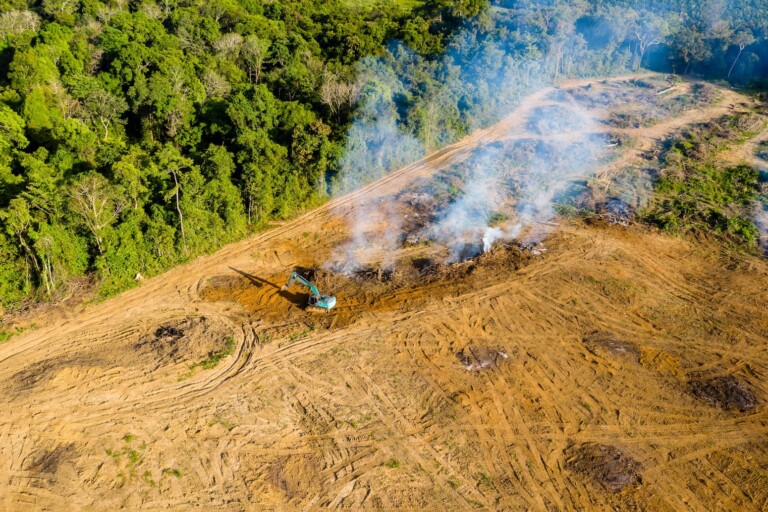
Why land-use emissions have fallen by a third this century – in six charts
Analysis: 84% of nations miss deadline to identify ‘nature-harming’ subsidies by 2025
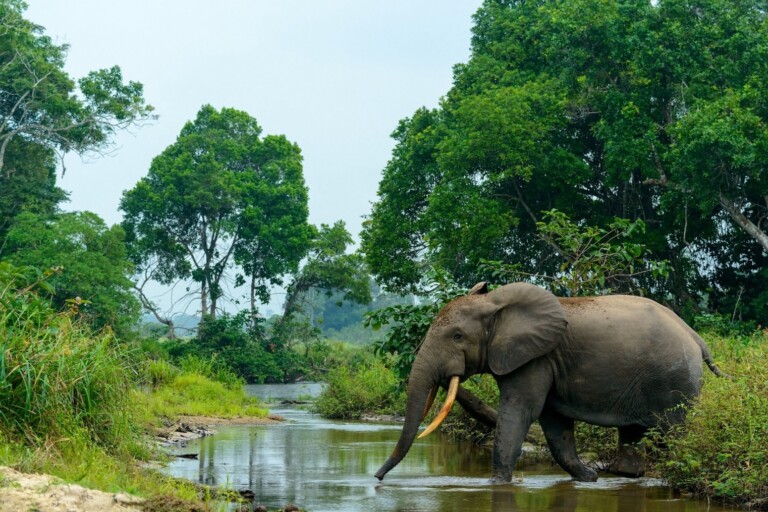
UK withdraws millions in funding from world’s second-largest rainforest in Congo
The post Interactive: Tracking negotiating texts at the COP17 biodiversity summit appeared first on Carbon Brief.
Interactive: Tracking negotiating texts at the COP17 biodiversity summit
A beacon of love
On an outer island of Fiji, two thousand nautical miles from Sydney, is a shining light of hope and resilience for our troubled world.
The island of Kioa is home to a Tuvaluan community who migrated from their atoll of Vaitupu in the late 1940s. It is a land of warm hearts, big smiles, and deep cultural roots; a place where the sound of a conch still summons the island together, where islanders paddle out to fish in carved outrigger canoes, and healthy happy children walk barefoot to school.
Here, culture is life. Kioans live sustainably through their traditional knowledge and practices. The island is alive with song, dance and the rhythms of a life tied to the tides, the winds, and the seasons.
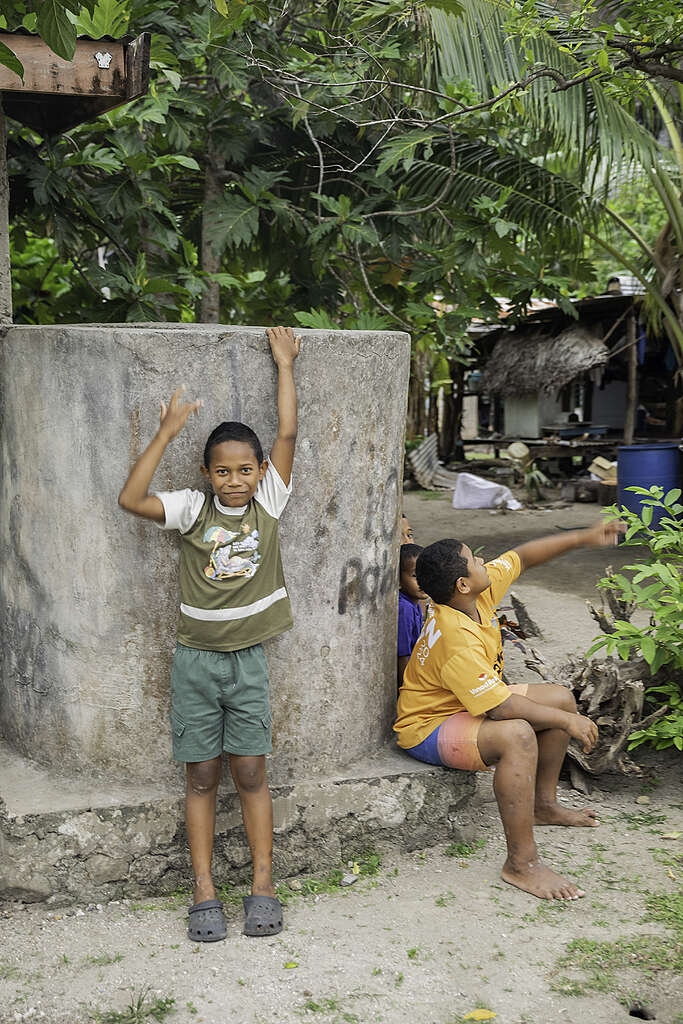
Facing the future
Greenpeace has been lucky to have a relationship with Kioa for a number of years now, and we are continually learning from this remarkable community.
Last week, as part of our Voyaging Oceania project, we returned to the island. Our purpose was twofold —- to carry messages from the island to leaders gathering in Nadi this week for the Pacific Pre-COP, and to support the Kioa community in their efforts to improve water security for the island.
Unlike Tuvalu itself, with its eight atolls, Kioa is a mountainous, forested and richly fertile island. It will remain habitable far into the future. Kioans did not initially migrate from Vaitupu due to climate change, but the move was prophetic. They now have a lifeboat.
However, even Kioa faces challenges on our rapidly warming planet, in particular when it comes to water. Climate change is shifting once reliable rainfall patterns. On top of this, the island is already feeling the effect of this year’s intensifying El Niño event, which for Fiji means reduced rainfall and prolonged dry spells.
Right now, fresh water has to be carefully rationed, and is only available for a few hours a day. During last week’s visit aboard our campaigning ship Oceania, Greenpeace was privileged to work with the Kioa community on a new solar-powered water distribution project for the island.
Designed and led by the island, the project involves using a solar pump to move water from a reliable source to a storage tank and then using gravity to distribute the water around the village.
It was a lesson in how local knowledge and ingenuity can be the backbone of today’s climate solutions. To build a dam around the source, the local community knew the exact spot where they could gather gravel at low tide to mix with the cement. They took only what was needed, knowing that all resources must be carefully conserved. Kioa has no roads and no machinery, and it was an all-of-island effort to carry the materials up to the project site, including many heavy bags of sand and rock.
Such projects truly bring to life the vision of a resilient, locally-led, fossil fuel free Pacific.