Connect with us

Published

on

Last Updated on January 18, 2024

I talk a lot about sustainable living – but what exactly is it, and why does it matter?

To understand why it matters, we need to discuss one major thing: Climate change. Many people start living sustainably because they’ve seen the effects of climate change, and want to take action.

The Ultimate Sustainable Living Guide

According to the United Nations, climate change refers to long-term shifts in temperature and weather patterns. While such shifts can be natural, human activity has been the main driver of climate change, primarily due to the burning of fossil fuels, like coal, oil, and gas.

Fossil fuels generate greenhouse gas emissions that act like a blanket wrapped around the Earth, trapping the sun’s heat and raising temperatures. The main greenhouse gases that cause climate change include carbon dioxide and methane.

The consequences of climate change include, but are not limited to: Intense droughts, water scarcity, severe fires, rising sea levels, flooding, melting polar ice, catastrophic storms and declining biodiversity.

One way to combat climate change is to prioritize sustainable living, both on an individual and collective level. We can do this through sustainable lifestyle swaps and mindsets shifts, along with holding our governments accountable and demanding climate action.

Sustainable living, along with combating climate change, can be a great way to improve your health, community, and even your finances.

If you’re ready to help the planet, and its people, here’s an in-depth beginners guide to sustainable living to get you started.

kathryn kellogg; The Ultimate Sustainable Living Guide

what is sustainable living?

Sustainable living is a lifestyle that positively impacts the environment, and its people. Essentially, you seek to return more than you take from the earth.

You seek to reduce your carbon footprint (aka, greenhouse gases) through eco-friendly choices both big and small.

Thing is, there’s no one size fits all approach to a sustainable lifestyle. There are many different strategies and actions you can take that will help you live more sustainably.

For example, I started my journey into sustainable living through the zero waste movement. Zero waste focuses on reducing trash and creating closed-loop cycles of production.

RELATED: The Beginners Guide to Waste Reduction

However, sustainable living as a whole focuses on large scale day-to-day activities that don’t necessarily just pertain to physical forms of waste.

Though the two lifestyles do overlap, sustainable living is much broader. For example, someone practicing sustainable living will probably opt for organic, locally grown produce that’s grown regeneratively. Whereas a zero waster would probably opt for plastic-free produce. The best of both worlds is doing both of course, if you can!

Some topics that encompass sustainable living include:

  • Regenerative agriculture
  • Renewable energy
  • Plant-based diets
  • Growing your own food
  • Sustainable building models
  • Focusing on walkable/bikeable cities
  • Self-sufficiency
  • Slow fashion
  • Conservation of natural landscapes
  • Growing native plants to support pollinators
kathryn kellogg; The Ultimate Sustainable Living Guide

how to live 100% sustainably?

Unfortunately, living 100% sustainably is hard to accomplish in the society we live in.

Why? Well, we currently live in a a throw-away society, aka a linear economy. This economy prioritizes profit over sustainability and products are made to literally be thrown away. A good example of this is a coffee cup – it’s designed to be used once, then tossed in the trash.

But beyond our trash problem, our society still runs on fossil fuels, pushes overconsumption, and consumes a lot of meat/dairy. This all contributes to climate change and various social issues.

In an ideal world, a circular economy would be the default, everything would run on renewable energy, everyone would compost, and the majority of diets would be plant-based.

But here’s the thing: You don’t need to be perfect, or live in a perfect society, to make a positive impact. You can just strive to do your best. And your best can look very different depending on what’s going on in your life.

It’s okay to be an imperfect environmentalist! In fact, it’s way more relatable and realistic.

In truth, the world’s problems cannot be solved by individual changes alone: It’s when we combine collective and individual action we see the most efficient results. They are not mutually exclusive.

So, lets keep doing our best and advocating for the rest.

kathryn kellogg; The Ultimate Sustainable Living Guide

how can we live a sustainable life?

You can live a sustainable life by making choices with the earth in mind. You can begin by examining your own lifestyle – are there any areas where you can make eco-friendly improvements? 

For example, perhaps you notice you eat a lot of meat. Instead of stopping overnight, why not start doing 1-2 meatless nights a week?

Or maybe you can make some sustainable low waste swaps at home, like switching to a shampoo bar, bamboo toothbrush, or ditching paper towels.

Fed up with your high water and electric bill? Look into ways to save energy and reduce water waste, such as turning off the faucet while brushing your teeth, shutting lights when you leave a room, or saving pasta water to water your houseplants. 

find your “why”, aka your motivation

Finding your “why” is also a great way to keep you motivated and stick with sustainable living. Ask yourself what’s the reason you’re interested in sustainable living, then write down your reasons to further solidify it.

Perhaps your why is because you care about nature, or want to improve your health. Maybe you want to save money and being thrifty is a good way to accomplish this.

Or, perhaps you’re concerned about climate change and the effects it could have on your neighborhood, crops, and current/future generations.

Whatever your reason, make sure to find it and jot it down. Refer to it whenever things get tough for some inspiration.

kathryn kellogg; The Ultimate Sustainable Living Guide

sustainable living tips:

There are so many examples of sustainable living to choose from. Lets dive into different categories.

You can pick and choose which you’re most interested in to follow. Or you can make small swaps in each category! Just remember, doing something is better than nothing.

1. vegan, whole-foods, plant-based lifestyle

Choosing to eat no meat and dairy (or even just less of it) has a huge impact on the environment. A vegan diet can reduce climate heating emissions by 75% compared to a diet that includes animal products.

Also, 80% of deforestation in the Amazon is due to the expansion of livestock farming and feeding animals.

Choosing a whole-foods approach to a vegan or plant-based lifestyle is the best choice. Try to incorporate fresh greens and veggies whenever possible, along with beans and legumes, over processed vegan foods.

Here are some plant-based recipes to get you started:

kathryn kellogg; The Ultimate Sustainable Living Guide

2. grow your own food

Up the eco factor by sourcing your food from your own backyard! First, assess the space you have to figure out how big a garden you’ll be able to have.

Even if you only have a patio, or just a windowsill that gets a lot of light, you can always start there. If you’re limited on space, consider growing an herb garden in pots.

If you have a lot of space, plan out your garden and do research into which plants will grow in your climate/soil. Grabbing some gardening books from your local library can help.

You can even make your own containers using upcycled egg cartons, yogurt pots, tin cans, toilet roll tubes and newspaper pots. These are all great for starting seeds in.

For larger plants and raised beds, consider upcycling tires, bricks and logs, buckets, pallets, cardboard boxes, and even old bathtubs.

You should try to stick with seeds and plants that are organic and heirloom varieties. These won’t be genetically modified or sprayed with pesticides/herbicides.

And if you find yourself with excess harvest, consider giving it away to neighbors and friends, donating it to local food banks, or selling it. Learning how to preserve it by freezing and canning is also great.

3. support regenerative farming

If you can’t grow your own food, make a point to support regenerative farming when you can.

Regenerative agriculture focuses on improving soil health through methods including crop rotation and reduced ploughing.

Soil health is actually very important for combating climate change because healthy soil sequesters carbon from the atmosphere (aka, sucks it back down into the ground where it belongs).

Unfortunately, conventional farming methods that rely heavily on pesticides and chemical fertilizers cause beneficial soil microorganisms to decline. Over time, this turns the soil into lifeless dirt.

Pesticides also contribute to water pollution. According to the EPA, pesticide runoff to streams can pose risks to aquatic life, fish-eating wildlife, and drinking water supplies. Pollutants from agricultural operations can also enter groundwater and degrade sources of drinking water.

For these reasons, it’s important we support regenerative agriculture that restores the land, instead of damaging it.

Farms can practice regenerative agriculture in a multitude of ways, such as:

  • Using cover crops
  • Composting
  • Intensive rotational grazing
  • Reduced or no pesticides/fossil fuel produced inputs
  • No till farming
  • Perennial plants and diversified crops
  • Planting hedgerows, trees and other conservation buffers
  • Use of solar panels

Head to a local farmers market and ask them about their regenerative practices. You can also sign up for a local CSA box if you have access to one.

kathryn kellogg; The Ultimate Sustainable Living Guide

4. compost

Composting is one of the best things you can do for the environment. Food scraps don’t break down in a landfill. Instead, they produce methane gas which is 30 times more potent than carbon dioxide.

Anyone can compost — even if you live in an apartment or have limited space. I highly recommend investing in a countertop kitchen compost pail, because you can just add your food scraps to it as you cook throughout the week. These compost liners will also help make cleaning your compost pail a bit easier.

At the end of the week, you can dump your bits and ends at your local food scrap drop off location. Typically, farmers markets, community gardens, and local farms will be happy to accept this. You can also make your own compost bin too.

RELATED: Your Guide to Backyard Composting

Curious as to what goes into a compost pile? Here are 125+ compostable household items you can add to your compost heap.

Lomi is also a good option if none of the above works for you. I have a whole review on Lomi, if you’re interested.

kathryn kellogg; The Ultimate Sustainable Living Guide

5. reduce food waste

Did you know in the US alone, we waste 40% of all food produced? Of that, more than half happens in our homes.

One way we can reduce food waste is by simply planning our meals, and grocery store trips, out better. Making a list before you hit the grocery store will keep you on the right path and help you reduce impulse buys.

Also, putting fresh food in the front of your fridge will remind you to use it (instead of forgetting about those strawberries in the back of your fridge).

Getting creative with food scraps, like making veggie broth from odds and ends of carrots, celery, garlic and onions, is also a great way to prevent waste.

food waste reduction tips:

  • Go through your pantry and make a goal to use up everything in it before buying more by the end of the month. Donate whatever you don’t finish to a food bank or community fridge.
  • Growing a surplus? Consider donating it to a food bank or community fridge.
  • Learn how to properly store your food. Certain foods need to go in the fridge ASAP (like strawberries) and others need a cool dark place (like potatoes). FYI, leafy greens fare much better when they’re treated like bouquets of flowers and stored in the fridge. You can also utilize your freezer to save food that you might not get to in time.
  • You can pretty much ignore the “best by, sell by and use by” expiration dates, unless it applies to baby formula.
  • See if there’s a reduced produce section in your grocery store. These produce items are often imperfect or going to spoil soon, so they put them up for sale. But they’re perfectly fine to eat, so grab them and use them in a meal ASAP!
  • Don’t toss something out just because it’s got a bad spot on it. Instead, cut off the bad part and eat the rest!
  • Use your scraps in cooking: Add herb stems and celery leaves to soups + stews; cook beet tops into a stir fry; use carrot tops to make pesto; save pumpkin seeds and roast them, etc.
kathryn kellogg; The Ultimate Sustainable Living Guide

6. slow, thrifted fashion

Every second, the equivalent of a trash truck load of clothes is burnt or buried in a landfill. Textile production contributes to climate change more than international aviation and shipping combined.  

Not to mention, fast fashion thrives on fossil fuels. Most of the clothes we wear today are made from synthetic fibers, like polyester, that’s fossil fuel derived. These shed microplastics in the wash which contaminate waterways.

Ditching fast fashion for slow fashion is a way to live a more sustainable lifestyle. You can choose to support sustainable brands that make timeless pieces from eco-friendly materials, like organic cotton, hemp, or modal.

You can also choose to thrift your fashion finds. Secondhand fashion helps keep clothes (and accessories) out of landfills. Plus, it saves you a buck.

But above all, we should strive to take care of the items we already have. Shopping our closet first and repairing/mending what we own is always the best choice.

Here are some articles all about sustainable fashion:

7. renewable energy

Currently, most homes, apartments and businesses are run on electricity that’s powered by fossil fuels. Fossil fuels contribute to the climate crisis because the burning of them emits greenhouse gases.

We can reduce our reliance on fossil fuels by pushing forward with renewable energy in its place.

Here are some examples of renewable energy:

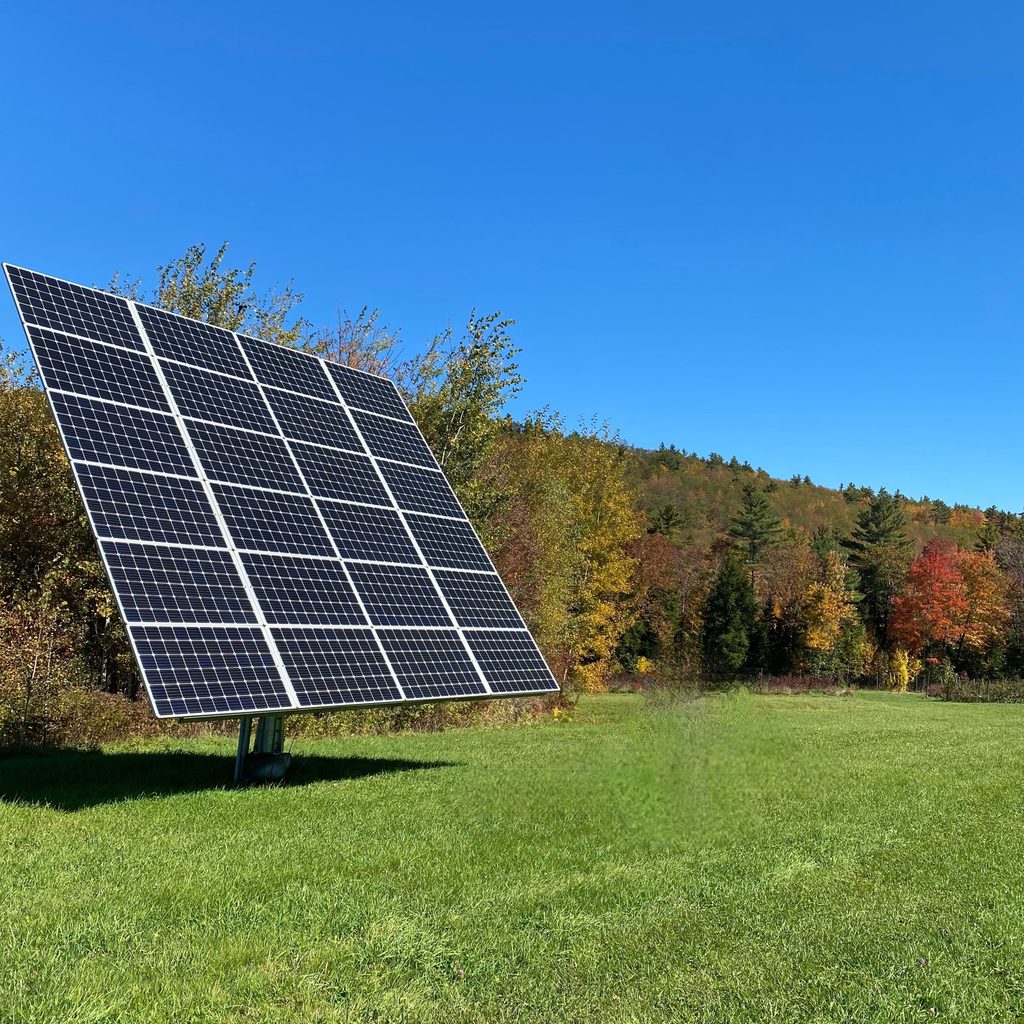
The most common are solar and wind energy, which are usually sourced from solar panels and wind turbines.

Here are some ways we can push the renewable energy transition forward: 

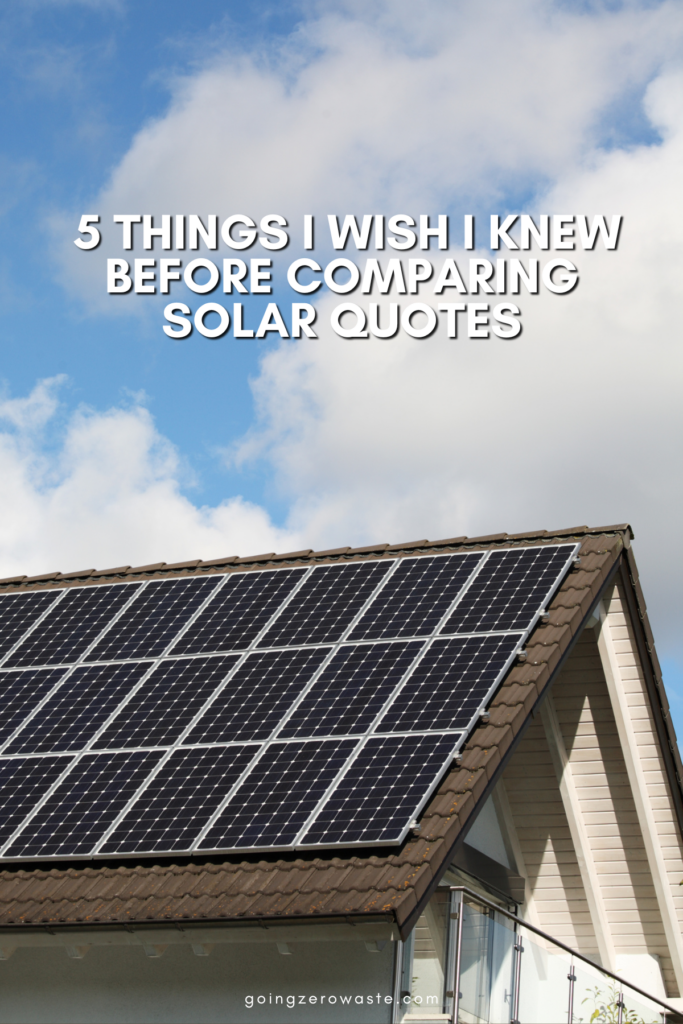
  • Have you considered switching over to renewable energy to power your home? If you’re a homeowner, installing solar panels may be worth your while. For apartment dwellers, consider looking into community solar projects that could power your home.
  • Consider switching from a gas stove to an induction cooktop.
  • Call your local reps and encourage them to support renewable energy projects.
  • Take your money out of banks that support the fossil fuel industry (the big bad four include J.P. Morgan Chase, Citibank, Wells Fargo, and Bank of America). Here are some ethical and sustainable banks to invest your money with instead. 
  • Ask your workplace or school if they’d consider switching to renewable energy. Consider starting a petition!
  • Vote for leaders who support renewable energy both on the local and big elections.
kathryn kellogg

8. use your voice

Advocating for a sustainable future is one of the best ways to help your community become more eco-friendly. This in turn makes it easier and more accessible for everyone to live a sustainable lifestyle!

Want to see more EV charging stations near you? Think community composting should be mandatory? Tired of seeing trash on your daily walks? Speak up about it!

Using your voice to advocate for sustainable living can be done in many ways. Here are a few:

  • Call your local representatives and ask them to support climate solutions.
  • Sign petitions pertaining to the environment in your local community.
  • Spread awareness online via social media.
  • Call or contact a business regarding their packaging or environmental impact.
  • Attend a march or environmental-themed protest.

What do you think of sustainable living? Which aspect of sustainable living is your favorite?

The post The Ultimate Sustainable Living Guide appeared first on Going Zero Waste.

The Ultimate Sustainable Living Guide

Continue Reading

Green Living

8 Best Linen Clothing Brands With Easy Breezy, Beautiful Pieces

Published

on

When the temperatures go up, all I want to reach for is natural fibers — specifically, my linen clothing. There’s nothing quite as breathable or breezy as linen. So in this guide I break down what to know about this quintessential summer fiber, and share my top selections for linen clothing brands. They’re all small to mid-sized brands, mostly women-led!

Some Background on Linen

Where does linen come from?

Linen fiber is extracted from the stalks of flax plants. This plant is also known for providing us with nutritious flaxseeds and linseed oil — talk about an overachiever!

In fact, linen is one of the oldest fibers known to man, dating back to the prehistoric era. Archaeologists and paleobiologists have discovered flax fibers during excavations that were twisted, indicating they were used to make ropes or strings among many proposed applications that must have been a great advantage to the hunter-gatherer society. In fact, linen wrappings were even used for mummification in ancient Egypt.

Linen fabric is then created by obtaining its fibers from the inner bark (or stalks) of the flax plant.

How is the linen cloth made?

Before the fibers are spun into the breezy linen you know and love, its fibers are loosened and separated from the rest of the stalk through a process known as “retting”. At that point, the fibers are still straw-like and coarse in texture.

To soften it, the fibers are broken up into small, short bits, while the actual fiber is left unharmed, and then “scutched”, where the straw is scraped off the fiber. After which they are then pulled through “hackles”, that comb the straw out of the fiber to finally prepare flax for spinning into linen fabric.

And linen clothing is, of course, garments comprised of linen fiber in its entirety or blended with other fibers. For this guide, I tried to select brands that only used 100% linen or at the minimum blended linen with other natural fibers like cotton.

The Benefits of Linen Clothing

Why wear linen? Known for being ideal during the summers, clothing made from linen will allow heat to escape from the body while absorbing moisture and drying relatively quickly. While linen may have a notorious reputation for wrinkling rather quickly, when blended with other fibers, the creases aren’t as discernible as they would be with pure linens.

While linen may be notorious for its high energy consumption owing to its need to be ironed more, linen clothing’s pros easily outweigh its cons.

Flax plants can be grown in the harshest of climate conditions that require minimum water. What’s more impressive is the plant’s ability to absorb carbon. The European Confederation of Flax and Hemp (CELC) states that one hectare of flax absorbs 3.7 tons of CO2 every year.

Is Linen More Sustainable Than Cotton?

While there are benefits and drawbacks to every fiber when it comes to environmental sustainability, there are a few points where linen stands out when compared to cotton.

First, we know that durability is a key aspect of sustainability, because it means our clothes will last, enabling us to keep our clothes longer and buy new clothing less frequently.

So how long does linen clothing last in comparison to cotton? Linen clothing is up to 12 times stronger than cotton, helping increase its longevity and taking away the need to be replaced so often.

Another question might be about flax’s water usage. While the irrigation needs of the crop are dependent on the region’s climate (just as with cotton), 450–750 mm of water per season is sufficient for flaxseed. In fact, some studies even indicate that flax could be regarded as a drought-tolerant crop.

How to Care for Linen Clothing

When it comes to caring for linen clothing, linen can be washed on a gentle machine cycle with a mild detergent. (Check out these low waste low-impact detergent options.)

In case you’re curious whether linen stretches or shrinks, then there isn’t much to worry about. Linen is mostly pre-shrunk during the manufacturing stages but pure linens may show about 4% shrinkage.

And when it comes to stretch, linens aren’t known to stretch out over time but can show some level of elasticity when blended with other fibers.

Finally, it’s no secret that linen clothing tends to wrinkle easily! You may choose to embrace the natural characteristics of linen and wear your linen clothing as is, or if you want a crisper look, you may either want to look for a linen blended fabric, or be prepared to steam and/or iron your garments relatively frequently.

Note: This guide includes partners and/or affiliates. As always, brands must meet high standards for sustainability and ethics — and I only share brands that I believe in.

How to Find Sustainable Linen Clothing

So of course, I’m a big advocate for “secondhand first” when it comes to all fashion, including linen clothing. While your local thrift store might not be filled with 100% linen clothes, online secondhand shops can be a great resource. For luxury and premium brands, Vestiaire Collective and The RealReal. For more affordable options, my favorite pick is ThredUp because you can filter by natural fibers only. To be clear: the listings aren’t always accurate, so I still double check the descriptions of any product that shows up with that filter, but it does save some time to start there.

When looking for new linen clothing, I always prioritize small to mid-size women-led businesses. And I check the product details to see if they use 100% linen or if they’re deceptively saying “linen blend” and then it’s actually 50% polyester!

And while not perfect you can also look for certifications. These are the ones most relevant to linen clothing and linen fashion brands.

OEKO-TEX Standard 100 certifies that the finished textile product has been tested for harmful substances (heavy metals, formaldehyde, pesticide residue). This is a chemical-safety certification, not a guarantee of fair labor or environmental practices. So it tells you the linen has been tested for potentially toxic chemicals, but it doesn’t tell you who made it or how. Note that some brands just say “OEKO-TEX certified” — that virtually always refers to OEKO-TEX Standard 100, the most common certification from OEKO-TEX.

GOTS (Global Organic Textile Standard) certifies that a textile contains a minimum percentage of certified organic fiber and meets environmental and social criteria through processing. It’s the standard for verifying a fabric is genuinely “organic,” not just marketed that way.

B Corp certifies the company as a whole against social and environmental performance standards (labor, governance, environmental impact). This is a business-level cert, not a product-level one, so it doesn’t speak to any single garment’s materials.

Fair Trade Certified verifies that the specific factory/facility producing the item meets standards for labor conditions, wages, and worker safety, and that a Community Development Premium is paid to workers. It’s a labor and production-facility certification. It doesn’t certify the fabric’s environmental footprint or chemical content (that’s what OEKO-TEX covers), so a garment can carry both certifications and they’re speaking to different things.

Where to Find Eco-Friendly Linen Clothing

I scoured through dozens of brands to find my top picks for brands with sustainably-crafted linen clothing for women (some have men’s clothing too). I’ve included their conscious qualities, what they’re best for, and any caveats so you can make the best decision for yourself. Keep in mind while shopping that 100% linen garments won’t have any stretch — so if you run between sizes, I’d default to sizing up. But of course, check the size chart and reviews for each brand!

1. Linen Handmade Studio

Best for: tailored, elevated linen clothing

A lot of linen clothing can feel quite casual. And while Linen Handmade studio does have relaxed-fit options, what differentiates the brand in my opinion is their tailored options. I often hear from conscious readers that they want to wear natural fibers to work, but they can’t find something nice enough. Enter in: Linen Handmade Studio’s tailored pieces.

The brand has linen blazers and jackets, linen vests, and linen pants elevated enough for work or an evening out. (They even have bridesmaid dresses.) I’ve been wearing their Evelyn Longline Linen Vest in red clay on repeat and gotten so many compliments on it.

Price Range: $68 – $305
Size Range: US 2-18 (runs slightly small, I’d size up!)
Based in: Lithuania | Ships: Internationally; free U.S. shipping on orders $300+

Navy linen long tailored vest from Linen Handmade Studio

2. MATE

Best for: casual GOTS-certified organic linen clothing

Prioritizing natural non-toxic materials, MATE has a collection of effortless linen shorts, button-downs, and pants made from GOTS-certified organic linen and colored with low-impact dyes.

That means that the color options at MATE are a bit more limited than you might see at other brands. They carry white, black, and “dune” — a soft beige.

I have their organic linen button-down in white and it’s been a reliable staple for me the past two years that’s held up beautifully.

Price Range: $88 – $178
Size Range: XS – XL
Based in: U.S. | Ships: Internationally

White organic linen button-down shirt from MATE

3. Linen Fox

Best for: romantic pastoral clothing in trend-forward colors and prints

Linen Fox is a Lithuanian small independent fashion brand — their team of 16 people make all of their linen clothing — including womenswear, menswear, and kids clothes.

The brand’s garments are made from OEKO-TEX Standard 100 certified linen fabric. The label follows fair trade principles to production and reduces fabric waste by selling their fabric scraps as samples, and crafting accessories like scrunchies. They also ship in 98% plastic-free packaging.

Price Range: $74 – $187
Size Range: XS – XL (several products fit oversized; check each description!)
Based in: Lithuania | Ships: Internationally

Butter yellow linen dress from Linen Fox

4. Magic Linen

Best for: linen separates plus matching home linens

From classic linen shirts to linen aprons and linen pajamas, Magic Linen is your destination for finding summer-ready sustainable linen clothing for men or women.

The small business’ linen clothing is made with European flax linen certified by OEKO-TEX Standard 100.

The Etsy shop also has plenty of linen home goods — I have linen curtains and bedsheets from Magic Linen and the quality of the fabric has been fantastic, with the sheets holding up well even after years of washing.

Price Range: $93 – $298
Size Range: XS – XXL
Based in: Lithuania | Ships: Internationally

Blue linen button-down dress from Magic Linen

5. Beaumont Organic

Best for: European-made linen clothing with full factory transparency

Looking for breathable garments perfect for your summer getaway to the English countryside or sea? Look no further than Beaumont Organic.

Beaumont Organic is a UK slow fashion brand with garments made from natural fabrics, like flax linen clothing! The brand publishes a directory of the factories they source from — 97% of production takes place in Northern Portugal.

They also have a repair program and are launching a resale program (currently available within the UK only).

Price Range: $211 – $300
Size Range: XS – L
Based in: UK | Ships: Internationally

Dark orange linen vest and linen skirt from Beaumont Organic

6. LoveAndConfuse

Best for: feminine style linen clothing

The linen clothing from this lovely small Lithuanian brand on Etsy are truly swoon-worthy!

From wrap dresses to ruffled midi’s to high-waisted linen shorts and linen crop tops, their collection of linen fashion will have you dreaming of a slow travel escape to somewhere warm and sunny.

Price Range: $116 – $225
Size Range: XS – XL
Based in: Lithuania | Ships: Internationally

Blue linen blouse from LoveAndConfuse

7. Neu Nomads

Best for: classic linen garments and resortwear

With a mission to create simple, sustainable luxury, Neu Nomads offers quality classics made from earth-minded materials, including 100% OEKO-TEX Standard 100-certified linen.

You’ll find linen trousers, effortless shirts, resort-ready kaftans, and tailored linen blazers in classic colors like white, black, olive, and bright coral.

Price Range: $159 – $359
Size Range: XXS – XXL
Based in: U.S. | Ships: Internationally

Black linen blazer and linen trousers from Neu Nomads

8. EILEEN FISHER

Best for: classic linen clothing with circularity programs

Slow fashion brand EILEEN FISHER has elegant, minimalistic garments made from eco-minded fabrics including organic linen. Several of the pieces are made in Fair Trade Certified factories.

This is the largest company on the list, but still considered a medium-sized enterprise — and, of course, this namesake label is woman-founded.

EILEEN FISHER’s organic linen clothing is timeless and made with quality, as part of their circularity efforts. In addition to ensuring their pieces last, the brand also has a resale program called Renew and a “third life” program that repurposes unwearable garments into unique artwork and other goods.

Price Range: $98 – $268
Size Range: XXS – XL
Based in: U.S. | Ships: Within U.S.

Blue organic linen tank from EILEEN FISHER

Your Questions, Answered:

What about Quince’s linen clothing?

While Quince offers more affordable linen clothing, in my experience their linen clothing is ok quality, but does not compare with the quality of some of the other brands on this list. Also, I personally want to prioritize women-led small businesses for my guides, not venture-backed billion-dollar companies.

Should I look for organic linen clothing?

While organic linen is wonderful, it is quite rare. Only two brands on this list use certified organic linen. Note that OEKO-TEX Standard 100 linen is not “organic” linen, but rather linen clothing that has been tested against common harmful substances. The most common certification for organic fiber clothing is Global Organic Textile Standard, or GOTS.

Is there any linen clothing that’s work-appropriate?

This one depends on your work place’s dress code, but there are a few options on this list with linen blazers, trousers, and other more tailored pieces like Linen Handmade Studio and Neu Nomads.

More Sustainable Clothing Guides:

The Best Organic Cotton Fashion Brands

What is Zero Waste Fashion?

Actually Fashionable Hemp Clothing Brands

The post 8 Best Linen Clothing Brands With Easy Breezy, Beautiful Pieces appeared first on Conscious Life & Style.

9 Best Linen Clothing Brands With Easy Breezy, Beautiful Pieces

Continue Reading

Green Living

9 Best Linen Clothing Brands With Easy Breezy, Beautiful Pieces

Published

on

Breezy, light, and breathable, we take a deep dive into how one of the best summer fabrics fares when it comes to sustainability while discovering these brands that are doing right by linen.

Some Background on Linen

Where does linen come from?

Linen fiber is extracted from the stalks of flax plants. This plant is also known for providing us with nutritious flaxseeds and linseed oil — talk about an overachiever! 

In fact, linen is one of the oldest fibers known to man, dating back to the prehistoric era. Archaeologists and paleobiologists have discovered flax fibers during excavations that were twisted, indicating they were used to make ropes or strings among many proposed applications that must have been a great advantage to the hunter-gatherer society. In fact, linen wrappings were even used for mummification in ancient Egypt. 

Linen fabric is then created by obtaining its fibers from the inner bark (or stalks) of the flax plant. 

How is the linen cloth made?

Before the fibers are spun into the breezy linen you know and love, its fibers are loosened and separated from the rest of the stalk through a process known as “retting”. At that point, the fibers are still straw-like and coarse in texture. 

To soften it, the fibers are broken up into small, short bits, while the actual fiber is left unharmed, and then “scutched”,  where the straw is scraped off the fiber. After which they are then pulled through “hackles”, that comb the straw out of the fiber to finally prepare flax for spinning into linen fabric.

And linen clothing is, of course, garments comprised of linen fiber in its entirety or blended with other fibers. For this guide, I tried to select brands that only used 100% linen or at the minimum blended linen with other natural fibers like cotton.

The Benefits of Linen Clothing

Why wear linen? Known for being ideal during the summers, clothing made from linen will allow heat to escape from the body while absorbing moisture and drying relatively quickly. While linen may have a notorious reputation for wrinkling rather quickly, when blended with other fibers, the creases aren’t as discernible as they would be with pure linens.

While linen may be notorious for its high energy consumption owing to its need to be ironed more, linen clothing’s pros easily outweigh its cons.

Flax plants can be grown in the harshest of climate conditions that require minimum water. What’s more impressive is the plant’s ability to absorb carbon. The European Confederation of Flax and Hemp (CELC) states that one hectare of flax absorbs 3.7 tons of CO2 every year.

Is Linen More Sustainable Than Cotton?

While there are benefits and drawbacks to every fiber when it comes to environmental sustainability, there are a few points where linen stands out when compared to cotton.

First, we know that durability is a key aspect of sustainability, because it means our clothes will last, enabling us to keep our clothes longer and buy new clothing less frequently.

So how long does linen clothing last in comparison to cotton? Linen clothing is up to 12 times stronger than cotton, helping increase its longevity and taking away the need to be replaced so often.

Another question might be about flax’s water usage. While the irrigation needs of the crop are dependent on the region’s climate (just as with cotton), 450–750 mm of water per season is sufficient for flaxseed. In fact, some studies even indicate that flax could be regarded as a drought-tolerant crop.

How to Care for Linen Clothing

When it comes to caring for linen clothing, linen can be washed on a gentle machine cycle with a mild detergent. (Check out these low waste low-impact detergent options.)

In case you’re curious whether linen stretches or shrinks, then there isn’t much to worry about. Linen is mostly pre-shrunk during the manufacturing stages but pure linens may show about 4% shrinkage.

And when it comes to stretch, linens aren’t known to stretch out over time but can show some level of elasticity when blended with other fibers.

Finally, it’s no secret that linen clothing tends to wrinkle easily! You may choose to embrace the natural characteristics of linen and wear your linen clothing as is, or if you want a crisper look, you may either want to look for a linen blended fabric, or be prepared to steam and/or iron your garments relatively frequently.

Note: This guide includes partners and/or affiliates. As always, brands must meet high standards for sustainability and ethics — and I only share brands that I believe in.

How to Find Sustainable Linen Clothing

So of course, I’m a big advocate for “secondhand first” when it comes to all fashion, including linen clothing. While your local thrift store might not be filled with 100% linen clothes, online secondhand shops can be a great resource. For luxury and premium brands, Vestiaire Collective and The RealReal. For more affordable options, my favorite pick is ThredUp because you can filter by natural fibers only. To be clear: the listings aren’t always accurate, so I still double check the descriptions of any product that shows up with that filter, but it does save some time to start there.

When looking for new linen clothing, I always prioritize small to mid-size women-led businesses. And I check the product details to see if they use 100% linen or if they’re deceptively saying “linen blend” and then it’s actually 50% polyester!

And while not perfect you can also look for certifications. These are the ones most relevant to linen clothing and linen fashion brands.

OEKO-TEX Standard 100 certifies that the finished textile product has been tested for harmful substances (heavy metals, formaldehyde, pesticide residue). This is a chemical-safety certification, not a guarantee of fair labor or environmental practices. So it tells you the linen has been tested for potentially toxic chemicals, but it doesn’t tell you who made it or how. Note that some brands just say “OEKO-TEX certified” — that virtually always refers to OEKO-TEX Standard 100, the most common certification from OEKO-TEX.

B Corp certifies the company as a whole against social and environmental performance standards (labor, governance, environmental impact). This is a business-level cert, not a product-level one, so it doesn’t speak to any single garment’s materials.

Fair Trade Certified verifies that the specific factory/facility producing the item meets standards for labor conditions, wages, and worker safety, and that a Community Development Premium is paid to workers. It’s a labor and production-facility certification. It doesn’t certify the fabric’s environmental footprint or chemical content (that’s what OEKO-TEX covers), so a garment can carry both certifications and they’re speaking to different things.

Where to Find Eco-Friendly Linen Clothing

I scoured through dozens of brands to find my top picks for brands with sustainably-crafted linen clothing for women (some have men’s clothing too). I’ve included their conscious qualities, what they’re best for, and any caveats so you can make the best decision for yourself. Keep in mind while shopping that 100% linen garments won’t have any stretch — so if you run between sizes, I’d default to sizing up. But of course, check the size chart and reviews for each brand!

1. Linen Handmade Studio

Best for: tailored, elevated linen clothing

A lot of linen clothing can feel quite casual. And while Linen Handmade studio does have relaxed-fit options, what differentiates the brand in my opinion is their tailored options. I often hear from conscious readers that they want to wear natural fibers to work, but they can’t find something nice enough. Enter in: Linen Handmade Studio’s tailored pieces.

The brand has linen blazers and jackets, linen vests, and linen pants elevated enough for work or an evening out. (They even have bridesmaid dresses.) I’ve been wearing their Evelyn Longline Linen Vest in red clay on repeat and gotten so many compliments on it.

Price Range: $68 – $305

Size Range: US 2-18 (runs slightly small, I’d size up!)

Based in: Lithuania | Ships: Internationally; free U.S. shipping on orders $300+

Navy linen long tailored vest from Linen Handmade Studio

2. MATE

Best for: casual GOTS-certified organic linen clothing

Prioritizing natural non-toxic materials, MATE has a collection of effortless linen shorts, button-downs, and pants made from GOTS-certified organic linen and colored with low-impact dyes.

That means that the color options at MATE are a bit more limited than you might see at other brands. They carry white, black, and “dune” — a soft beige.

I have their organic linen button-down in white and it’s been a reliable staple for me the past two years that’s held up beautifully.

Price Range: $88 – $178
Size Range: XS – XL
Based in: U.S. | Ships: Internationally

White organic linen button-down shirt from MATE

3. Linen Fox

Best for: romantic pastoral clothing in trend-forward colors and prints

Linen Fox is a Lithuanian small independent fashion brand — their team of 16 people make all of their linen clothing — including womenswear, menswear, and kids clothes.

The brand’s garments are made from OEKO-TEX Standard 100 certified linen fabric. The label follows fair trade principles to production and reduces fabric waste by selling their fabric scraps as samples, and crafting accessories like scrunchies. They also ship in 98% plastic-free packaging.

Price Range: $74 – $187

Size Range: XS – XL (several products fit oversized; check each description!)

Based in: Lithuania | Ships: Internationally

Butter yellow linen dress from Linen Fox

4. OhSevenDays

Best for: deadstock linen with custom sizing available

OhSevenDays was founded by Megan Mummery after seeing the vast supply of surplus fabrics (i.e. deadstock) in Istanbul, Turkey.

While originally sourcing their deadstock fabric from middleman sellers, OhSevenDays now sources their surplus fabrics (including linen) directly from OEKO-TEX fabric mills for better transparency.

Price Range: $$

Size Range: XS-XL + custom sizing options

Based in: Turkey | Ships: Internationally

model wearing ruffled blue linen dress from OhSevenDays

5. Magic Linen

Best for: linen separates plus matching home linens

From classic linen shirts to linen aprons and linen pajamas, Magic Linen is your destination for finding summer-ready sustainable linen clothing for men or women.

The small business’ linen clothing is made with European flax that means the pre-certification guidelines of OEKO-TEX Standard 100.

The Etsy shop also has plenty of linen home goods — I have linen curtains and bedsheets from Magic Linen and the quality of the fabric has been fantastic, with the sheets holding up well even after years of washing.

Price Range: $-$$

Size Range: XS – XXL

Based in: Lithuania | Ships: Internationally

Check Out Magic Linen

man wearing white linen top from linen clothing brand Magic Linen

6. Beaumont Organic

Best for: UK-made linen with full factory transparency

Looking for breathable garments perfect for your summer getaway to the English countryside or sea? Look no further than Beaumont Organic.

Beaumont Organic is a UK slow fashion brand with garments made from natural fabrics, like flax linen clothing! The brand publishes a directory of the factories they source from — 97% of production takes place in Northern Portugal.

They also have a repair program and are launching a resale program (currently available within the UK only).

Price Range: ££ – £££

Size Range: XS – L

Based in: UK | Ships: Internationally; covers EU customs & fees

Explore Beaumont Organic

orange linen top from UK linen clothing brand Beaumont Organic

7. LoveAndConfuse

Best for: ultra feminine style linen clothing

The linen clothing from this lovely small Lithuanian brand on Etsy are truly swoon-worthy!

From wrap dresses to ruffled midi’s to high-waisted linen shorts and linen crop tops, their collection of linen fashion will have you dreaming of a slow travel escape to somewhere warm and sunny.

Price Range: $ – $$

Size Range: XS – XL

Based in: Lithuania | Ships: Internationally

Check Out LoveAndConfuse

model wearing blue linen dress from linen clothing brand Love and Confuse

8. Neu Nomads

Best for: affordable linen garments

With a mission to create simple, sustainable luxury at affordable prices, Neu Nomads offers quality classics made from earth-minded materials, including organic linen.

You’ll find linen trousers, effortless shirts, chic blouses, summer dresses, and even linen blazers in a range of colors among Neu Nomad’s consciously crafted selection.

Price Range: $ – $$

Size Range: XS – XL

Based in: U.S. | Ships: Internationally

Check Out Neu Nomads

woman wearing mustard yellow linen trousers and linen top - sustainable linen clothing brands

9. EILEEN FISHER

Best for: investment-piece linen with a circularity program

Slow fashion label EILEEN FISHER has elegant, minimalistic garments made from eco-minded fabrics including organic linen.

EILEEN FISHER’s organic linen clothing is timeless and made with quality, as part of their circularity efforts. In addition to ensuring their pieces last, the brand also has a resale program called Renew and a “third life” program called Waste No More that repurposes unwearable garments into unique items.

Price Range: $$$

Size Range: XXS – XL

Based in: U.S. | Ships: Within U.S.

Check Out Eileen Fisher

White organic linen clothing from Eileen Fisher

Your Questions, Answered:

What about Quince’s linen clothing?

While Quince offers more affordable linen clothing, in my experience their linen clothing is ok quality, but does not compare with the quality of some of the other brands on this list. Also, I personally want to prioritize women-led small businesses for my guides, not venture-backed billion-dollar companies.

Should I look for organic linen clothing?

While organic linen is wonderful, it is quite rare. Only two brands on this list use certified organic linen. Note that OEKO-TEX Standard 100 linen is not “organic” linen, but rather linen clothing that has been tested against common harmful substances. The most common certification for organic fiber clothing is Global Organic Textile Standard, or GOTS.

More Sustainable Clothing Guides:

The Best Organic Cotton Fashion Brands

What is Zero Waste Fashion?

Actually Fashionable Hemp Clothing Brands

The post 9 Best Linen Clothing Brands With Easy Breezy, Beautiful Pieces appeared first on Conscious Life & Style.

9 Best Linen Clothing Brands With Easy Breezy, Beautiful Pieces

Continue Reading

Green Living

Earth911 Inspiration: The Beauty of the Natural World

Published

on

Today’s Earth911 inspiration is from Pulitzer-prize-winning journalist and science writer, Natalie Angier: “The beauty of the natural world lies in the details.”

Earth911 inspirations. Post them and share your desire to help people think of the planet first, every day. Click the poster to get a larger image.

Natalie Angier: "The beauty of the natural world lies in the details."

The post Earth911 Inspiration: The Beauty of the Natural World appeared first on Earth911.

https://earth911.com/inspire/earth911-inspiration-the-beauty-of-the-natural-world/

Continue Reading

Trending

Copyright © 2022 BreakingClimateChange.com