

In a new study, scientists analyzed UK crops and how the country’s agriculture could be affected by climate change and predicted what could be the top crops by 2080.
Led by the UK Centre for Ecology & Hydrology (UKCEH) in collaboration with the University of East Anglia (UEA), the study determined that a changing climate could mean that the UK will become more suitable for growing crops like soy, chickpeas, grapes, oranges and okra.
“Our climate is expected to change substantially over coming decades at a time when there will be rising demand for food due to population growth,” John Redhead, a spatial ecologist at UKCEH, said in a statement. “It is therefore essential that arable farming becomes more resilient; one possible solution is growing different crops that are more suited to the new local conditions.”
At the same time, the region could become less suitable to growing its current crops, including oats, wheat, onions and strawberries, meaning agriculture could face significant challenges and high costs to adapt to growing different crops.
Scientists explored how suitable 160 different crops — both currently grown in the UK and ones that would be new to the area — could be under two different scenarios: 2 degrees Celsius warming and 4 degrees Celsius warming compared to pre-industrial levels.
Under the 2-degree scenario, strawberries and onions would become less suitable to growing in the UK, while in the 4-degree scenario, strawberries, onions, wheat, oats, and apples could see declining suitability for growing in various parts of the UK.
Some current UK crops would become more suitable in both scenarios, including maize and broad beans. New crops that could become more suitable for growing include sorghum, okra, horseradish, chickpeas, soy beans and even avocado (in a 4-degree scenario). The scientists published their findings in the journal Climate Resilience and Sustainability.
As the study pointed out, introducing more crops and diversifying local agriculture could improve soil health and lead to improved natural pest and disease control; plus, high suitability for proteins like soy beans and chickpeas could reduce meat consumption and related emissions.
However, the team explained that introducing non-native crops could also lead to reverse effects, meaning these new plantings could lead to risks of new pests, disease outbreaks and negative impacts to pollinators. Transitioning to planting different crops would also come with high economic costs.
“Clearly, it’s unlikely to be feasible just to switch large-scale food production from Britain’s agricultural heartlands of southeastern England to Scotland, for example,” Redhead explained. “However, climate change is happening now, and its impacts will increase by 2080, so whatever action is taken will involve big challenges in terms of where our food comes from and the way our agricultural landscapes are managed.”
Already, extreme weather events linked to climate change are affecting agriculture in the UK and around the world. From October 2022 to March 2024, the UK recorded the wettest 18 months on record, as reported by Yale Climate Connections. According to UK’s House of Parliament, extreme levels of rainfall and flooding over the past two years could lead to decreased crop yields, including for staples like broccoli, cauliflower, potatoes and carrots, in 2025.
In February 2023, major supermarkets in the UK had to ration some produce, including tomatoes, lettuce and peppers, due to low supplies from extreme weather. The weather included higher-than-usual snow and rainfall in countries that UK sources some of its fruits and vegetables from in the winter months.
In fall 2024, the UK reported its second-worst harvest season ever recorded, with crops like wine grapes, wheat, barley, oats and oilseed rape all experiencing declining yields because of periods of flooding and drought throughout the year.
It’s uncertain what the future of farming in the UK will look like, but with impacts from climate change already affecting crops, the agriculture industry will need to consider ways to build resiliency in the face of these changes.
“Major changes to agricultural systems and diets can take decades to implement and so our long-term projections provide important information well ahead of time for farmers, supermarkets, researchers, policymakers and the public on the opportunities, challenges and trade-offs involved in adapting to the impacts of climate change,” said Rachel Warren, co-author of the study and professor at UEA’s Tyndall Centre for Climate Change Research.
The post Scientists Predict Top Crops of the Future for the UK Based on Climate Change appeared first on EcoWatch.
https://www.ecowatch.com/uk-climate-change-agriculture-crops.html

There’s something undeniably special about wearing uniquely handcrafted, fair trade jewelry that you can know was made slowly and thoughtfully with care. Equally special is wearing an elevated set of jewelry crafted with recycled materials and sustainable processes.
Whether you’re looking for an investment piece or more affordable pieces, there are options for any budget on this list. The aesthetics of these fair trade and sustainable jewelry brands also vary, so you’ll also be able to discover an ethical brand that matches your unique style.
What is Fair Trade Jewelry?
Fair trade can both be a general term used to describe a brand’s sourcing practices — like direct relationships with artisan cooperatives, wages above local standard rates, and safe working conditions — or a third-party “Fair Trade” verification through an organization like Fair Trade Federation, Fair Trade USA, or World Fair Trade Organization. When a brand doesn’t have a certification, we verify a brand’s practices by their own published information.
In the cases where brands do go the extra mile and get a third-party verification for their fair trade practices, we’ve noted it directly in their entries.
Note that this guide includes affiliate links and partners. As always, we only feature brands that meet high standards for responsibility we love, and that we think you’ll love too!
2. Ana Luisa
Best for: affordable everyday jewelry
Conscious Qualities: Recycled Gold, Lab-Grown Diamonds, Small-Batch Production, Direct-to-Consumer
Ana Luisa creates stunning, elegant jewelry from responsibly-sourced materials including 100% recycled gold and lab-grown diamonds. The sustainable jewelry brand also produces in small batches to minimize waste.
By using a direct-to-consumer model, Ana Luisa is able to provide luxury, high-quality jewelry at accessible prices.

3. Monica Vinader
Best for: recycled demi-fine jewelry
Conscious Qualities: Woman-Founded, Recycled Silver & Gold Vermeil, Traceable Gemstones, Lab-Grown & Conflict-Free Diamonds, Supply Chain Transparency
Price Range: $85 (studs) – $2,495 (diamond ring)
British jewelry brand Monica Vinader was one of the first brands to meet the gap between fashion jewelry and fine jewelry with their “demi fine” jewelry. The women-founded brand has necklaces, earrings, bracelets, and rings crafted from 100% recycled sterling silver and gold vermeil, fully traceable gemstones, and lab-grown or conflict-free diamonds. Monica Vinader also launched Product Passports, taking an active effort towards full supply chain transparency.

4. WorldFinds
Best for: unique statement jewelry with a story
Conscious Qualities: Fair Trade Verified, Upcycled Materials, Artisan-Made
WorldFinds provides sustainable employment and just wages for hundreds of women artisans in India and Bali. These artisans handcraft both sleek metal fair trade jewelry and unique recycled Kantha pieces. WorldFinds is Verified by the Fair Trade Federation, which assesses members against fair trade principles including fair wages, safe conditions, and transparent supply chains.
Plus WorldFinds’ signature Kantha jewelry is made from upcycling materials: wood scraps from a furniture factory and locally sourced Kantha fabric remnants.

5. Astor + Orion
Best for: drop earrings and charm necklaces with symbolism
Conscious Qualities: Certified Ethical Factory, Recycled Materials, Designed for Recyclability, Repair Program
Ethical jewelry brand Astor + Orion sources their jewelry from a factory with multiple certifications ensuring worker safety, fair production practices, and responsible environmental management. Astor + Orion’s stunning jewelry is made from recycled materials and designed in a way to make it easily recyclable! Their pieces also come with a quality assurance — the brand will repair any piece within 6 months of purchase.

6. Laura Elizabeth
Best for: non-toxic jewelry in organic shapes
Conscious Qualities: Locally Sourced Recycled Metals, Woman-Owned, Fair Wages, Safe Working Conditions
Price Range: $45 – $330
Crafted from recycled metals sourced locally in LA, Laura Elizabeth creates stand-out sustainable jewelry. All of the brand’s jewelry is sourced ethically from a small, woman-owned studio in Los Angeles that ensures reasonable working hours (35 hr/week), fair wages, and safe working conditions (such as proper ventilation). Check out more on Laura Elizabeth in this post!
The jewelry is also non-toxic, free of cadmium or lead.

7. Ten Thousand Villages
Best for: giftable fair trade jewelry
Conscious Qualities: Fair Trade Production, Artisan-Made
Price Range: $6 – $175
Founded in 1946, Ten Thousand Villages is one of the fair trade pioneers and a founding member of the World Fair Trade Organization (WFTO), the global network that verifies fair trade practices across its member organizations.
They’ve developed relationships with artisans around the world, providing valuable economic opportunities for thousands of makers in 30 countries around the world. Their marketplace has handmade necklaces, earrings, bracelets, and rings, along with a variety of other fair trade goods.
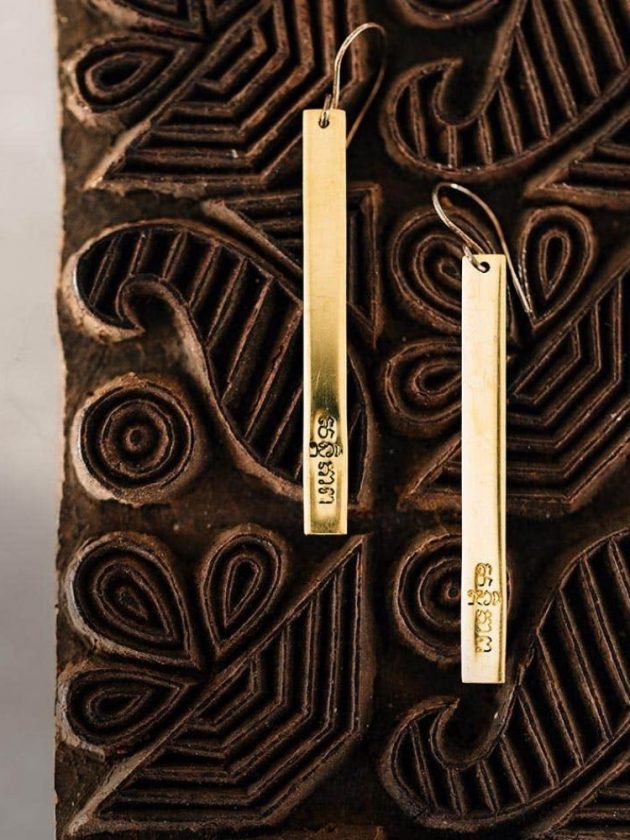
8. Edge of Ember
Best for: gemstone jewelry
Conscious Qualities: Recycled Gold & Silver, Artisan-Made, Ethical Production
Price Range: $49 (ear cuff) – $2,730 (diamond tennis bracelet)
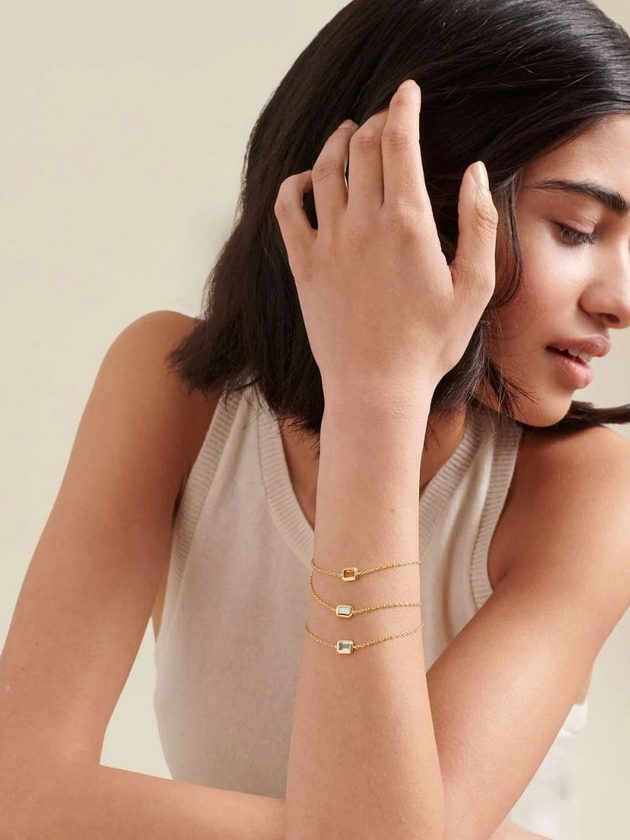
Edge of Ember’s timeless jewelry is responsibly crafted by makers working in artisan groups and small-scale factories. Their delicate necklaces, bracelets, rings, and other pieces are crafted by skilled artisans in India, Hong Kong, Germany, and Thailand. The brand carries out independent social audits to ensure ethical working conditions and environmental responsibility.
Edge of Ember has a wide selection of recycled gold and silver rings, bracelets, and necklaces adorned with stunning gemstones, including many birthstone jewelry options perfect for gifting.
9. Aurate
Best for: ethical diamond fine jewelry
Conscious Qualities: 100% Recycled Gold, Lab-Grown & Conflict-Free Diamonds, Vintage Collection
Price Range: $18 (stainless steel chain) – $19,000 (diamond tennis necklace)
Responsibly-sourced quality jewelry — that’s Aurate’s promise. The jewelry brand’s sleek, timeless pieces are thoughtfully made by seventh-generation craftspeople using 100% recycled gold and lab-grown or conflict-free diamonds.
Aurate also has a curated collection of vintage fine jewelry from cocktail watches to signet rings up to 50% off.

10. SOKO
Best for: modern, minimalist artisan-made jewelry
Conscious Qualities: Above-Market Artisan Wages, Black-Owned
Price Range: $78 – $298
SOKO is an innovative Black-owned ethical jewelry brand using mobile tools to bridge the barriers for artisan entrepreneurs in Kenya. In partnership with SOKO, independent artisans can operate a “virtual factory”, earning 5x more than an average artisan workshop in their local areas.
The jewelry is made with 24K gold or silver-plated brass — an affordable metal that also happens to consist of 90% recycled content on average. Other materials include reclaimed horn and bone, locally-sourced teak wood offcuts, and ceramic beads made by a fair trade women’s collective in Kenya.

10. Raven + Lily
Best for: affordable artisan jewelry
Conscious Qualities: Fair Trade Verified, Artisan-Made, Women-Led
Price Range: $40 – $240
Raven + Lily is an ethical fashion and jewelry brand verified Fair Trade by the Fair Trade Federation. The women-led brand partners with artisan women around the world who use natural materials to craft both classic, elegant pieces and statement jewelry.

11. NAKIIT
Best for: one-of-a-kind, solo-handcrafted pieces
Conscious Qualities: Made-to-Order, Recycled Silver & Gold, Zero-Waste Scrap Recycling
Price Range: $21 – $485
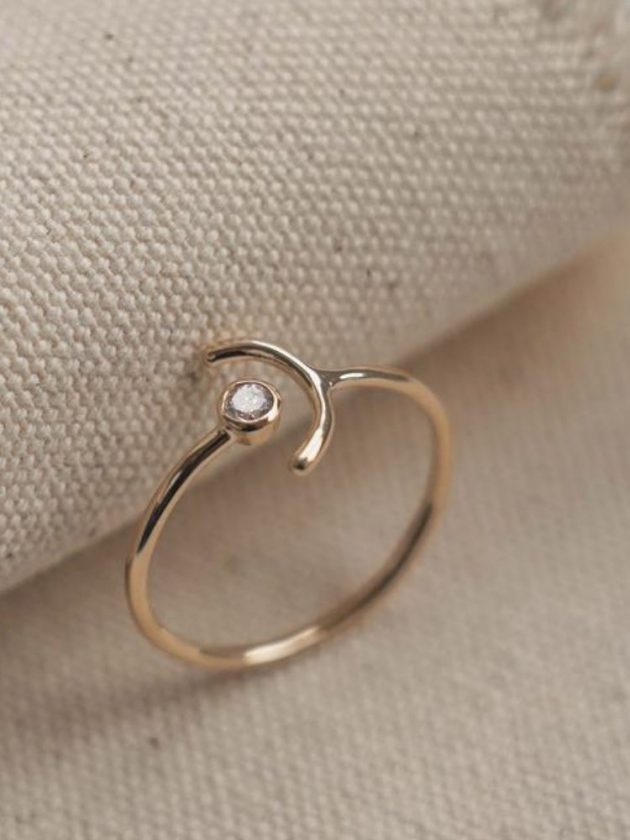
As a small, slow-minded jewelry brand, NAKIIT’s founder + owner handcrafts each piece with intention. In fact, every piece of jewelry the brand sells is made by the founder herself!
Nearly all of NAKIIT’s ethically-made jewelry is either made-to-order or one-of-a-kind, ensuring a minimal ecological impact and the highest attention to quality.
As if we could love this brand even more, NAKIIT also sources recycled sterling silver and gold, plus recycles any remaining metal scraps or dust after production.
You May Also Want to Check Out:
Best Fair Trade Fashion Brands With Style and Heart
Affordable Ethical Fashion Brands
Consciously Curated Marketplaces for One-Stop Ethical Shopping
The post 11 Best Fair Trade and Sustainable Jewelry Brands That Shine appeared first on Conscious Life & Style.
11 Best Fair Trade and Sustainable Jewelry Brands That Shine
It’s time to leave fast fashion in the dust — with one-of-a-kind designs, quality fabrics, and the assurance your dollars are supporting a more responsible fashion industry, these slow fashion brands are sure to win you over.
Before we go any further, though, I think we need to clarify what exactly slow fashion is…
What Do I Mean By “Slow Fashion?”
Slow fashion is about being more