

Editor’s Note: We invite artists and reuse enthusiasts to share their stories about growing a sustainable movement or small business while making a positive difference for the planet. The beautiful work in this article was created by Simone Cabral.
I’m an artist based in Bloomington, IN, and I give discarded aluminum coffee pods a second life by transforming them into handmade jewelry and small art pieces.
Each piece begins with used coffee pods collected from my community, materials that were never meant to last beyond a single use. Before any design work begins, the pods must be cleaned, sanitized, flattened, cut, folded, and shaped entirely by hand. They arrive dented, stained, and inconsistent, carrying the marks of their previous life. Learning how to work with those imperfections, rather than erasing them, was one of my first challenges.
Coffee pods are lightweight but sharp, fragile but stubborn. Early on, I spent a lot of time testing how the aluminum responds to pressure, movement, and long-term wear. The goal was never just to reuse the material, but to do so responsibly, creating pieces that are comfortable, durable, and meant to be worn often, not treated as fragile statements.

Crafting, Learning, and Building Trust
I’ve been intentionally learning and practicing upcycling since 2021, combining hands-on experimentation with my professional background as a technician in environmental sanitation. Along the way, I also received training with a Brazilian jewelry designer, which helped me refine my techniques, understand balance and movement, and translate raw, unconventional materials into intentional, wearable forms.
One ongoing challenge in working with reused materials is building credibility and helping people understand the value of the work. Because the material itself is familiar and often associated with waste, some people initially struggle to separate its origin from the skill, time, and knowledge required to transform it. I’ve learned that transparency is key. When people see the process, understand the training involved, and experience the finished piece firsthand, the conversation shifts from “What is this made from?” to “How was this made?”
While I’ve seen coffee pods reused by other artists online, since I started repurposing them, I haven’t encountered others working with this material at the in-person art fairs I’ve attended.

Story, Place, and the Human Side of Sustainability
Nature and place play a central role in my work. I draw inspiration from the northeast of Brazil, where I was born, and from Indiana, the place I now call home. These landscapes, one coastal and vibrant, the other grounded and quiet, influence the shapes, textures, and rhythm of my designs. The material may be industrial, but the inspiration is deeply organic.
Over time, I’ve learned that people connect most strongly to reuse through story and touch. Jewelry offers a unique entry point into conversations about sustainability. It’s personal and worn close to the body. When people learn where the material came from and how much time and intention went into transforming it, they begin to see waste not as an endpoint, but as something in transition.

I reach people primarily through in-person experiences at art fairs, workshops, and local retail spaces, where dialogue happens naturally. Sharing the full process, including the slow and often unglamorous steps, helps demystify reuse. Sustainability isn’t effortless, but it can be thoughtful, creative, and accessible.
What began as a small experiment at home has grown into a mindful, independent practice rooted in reuse, intention, and storytelling. When someone wears one of my pieces, they’re not just wearing jewelry. They’re engaging with a question: What if everyday materials still have something to offer?
My tagline is simple: Wear the change you want to see.
For me, that change starts small, with attention, care, and a willingness to look at waste differently.
About the Author
Simone Cabral is the founder of and artist behind By Soul & Hands. From the first sketch to the final package, Simone brings each creation to life through her own two hands — designing, crafting, and fulfilling every order with care.
The post Guest Idea: Wearing the Change—Transforming Coffee Pods Into Meaningful Jewelry appeared first on Earth911.
https://earth911.com/inspire/guest-idea-wearing-the-change-transforming-coffee-pods-into-meaningful-jewelry/

Make Earth Day 2026 the next step in your response to the environmental damage inflicted by recent U.S. policy reversals that have gutted decades of effort to preserve the climate our species—and all of nature—depends on. EarthDay.org has declared this year’s mission, to make “Our Power, Our Planet” the basis of celebrations on April 18th, a day of action, and April 22nd, the traditional date for Earth Day. Don’t just sit and savor nature, step up to the resist the forces dismantling the environmental protections that followed from the first Earth Day in 1970, which led to the creation of the Environmental Protection Agency, Clean Water Act, and Clean Air Act, among so many important national efforts.
Post and share Earth911 posters to help people think of the planet first, every day. Click the poster to get a larger image.

The post Earth911 Inspiration: Show Up for Planet Earth appeared first on Earth911.
https://earth911.com/inspire/earth911-inspiration-show-up-for-planet-earth/
The global market for natural health products now exceeds $300 billion, and parents are leading the charge — looking for gentler, plant-based alternatives to synthetic medicines for their kids. Some natural remedies have centuries of traditional use behind them. Others have meaningful clinical support. And a few carry real safety caveats that are easy to miss when you’re shopping for a more natural medicine cabinet.
Four ingredients cover a lot of ground: coconut oil, essential oils, honey, and apple cider vinegar. Here’s what the evidence says about each, including what to watch out for, especially with younger children.
| Note: A trained medical professional is always your best resource for treating serious ailments. This article provides general information, not medical advice. Never delay or ignore professional care based on something you read online. |
This article contains affiliate links that help fund our work.
1. Coconut Oil
Coconut oil earns its place in a natural medicine cabinet through sheer versatility. Applied topically, it works well as a balm for chapped cheeks, a diaper rash treatment for babies, a soothing after-bath moisturizer for dry skin, and as a carrier oil when diluting essential oils for topical use. It’s also a perfectly serviceable cooking oil — just keep separate containers to avoid cross-contamination between cosmetic and kitchen uses.
Look for unrefined, virgin coconut oil — it retains more of the naturally occurring medium-chain fatty acids (including lauric acid, which has demonstrated antimicrobial properties in lab studies) compared to refined versions. Nutiva Organic Virgin Coconut Oil is a consistently available option.
2. Essential Oils: Effective, But Use With Care
Essential oils are concentrated plant extracts potent enough to have real therapeutic effects, and potent enough to cause real harm if misused. For kids, the most useful are:
- Lavender oil soothes minor skin irritation, helps with relaxation, and has mild antiseptic properties. It’s one of the gentler oils for children. Plant Therapy Lavender Essential Oil is a reputable, widely available option.
- Tea tree oil (melaleuca) is a well-documented antiseptic useful for skin rashes and has shown effectiveness against head lice. NOW Tea Tree Oil is a reliable choice.
- Eucalyptus oil supports respiratory comfort when diffused and can be used in a natural chest rub for older children. Plant Therapy Eucalyptus Globulus is a good starting point. For children under 2, eucalyptus in any form should be avoided. For children ages 2–4, use only with extra caution and well-diluted.
Eucalyptus age limits: Eucalyptus age limits: The blanket warning “never use on children under 10” guidance circulating online is an overstatement. The European Medicines Agency concludes that eucalyptus used by inhalation, topically, or as a bath additive is appropriate from age 4, and that oral use is restricted to age 12 and up. Do not apply near the nose, mouth, or face of any young child. Robert Tisserand and Rodney Young’s Essential Oil Safety (2nd ed., 2014), the field’s standard reference, supports this more nuanced reading.
Lavender and tea tree and hormonal concerns with boys: Research published in the New England Journal of Medicine found a link between topical use of lavender and tea tree oils and hormonal disruption in prepubescent boys. Aromatherapy (diffusing) is the lower-risk alternative for this age group.
Always dilute essential oils. Undiluted oils should never be applied to a child’s skin. For children under 2, use a 0.5–1% dilution in a carrier oil (like coconut or almond oil). For ages 2–6, 1–2% is appropriate.
No peppermint for children under 30 months. Peppermint oil can increase seizure risk in very young children and should be avoided.
For a comprehensive reference, Johns Hopkins Medicine’s essential oil safety guide for children is a solid starting point. And check with your pediatrician before introducing new oils, especially for children with respiratory conditions.
3. Honey: Powerful Medicine — With A Critical Exception
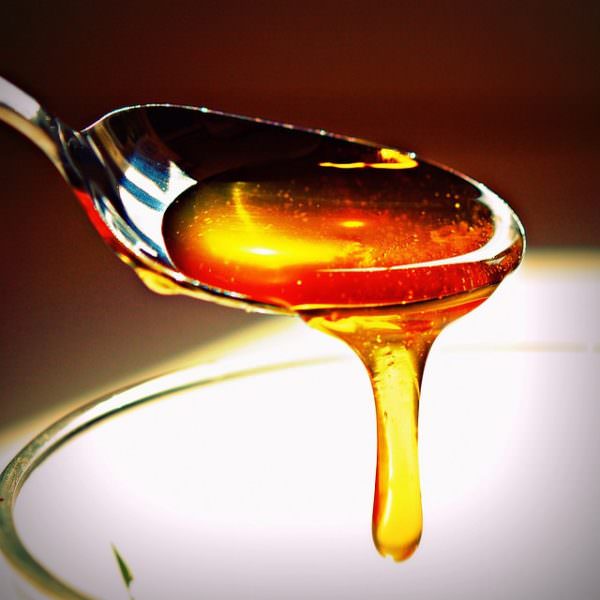
Raw honey does considerably more than sweeten tea. Applied topically, it’s an effective treatment for acne, particularly raw honey, which retains more antimicrobial compounds. Manuka honey from bees that pollinate the New Zealand mānuka bush has demonstrated well-documented antibacterial properties and is worth keeping on hand for wound care and throat soothing.
For throat relief, a spoonful of honey dissolved in warm water with lemon is effective for children over 1 year old. Look for raw Manuka honey rather than processed honey in a plastic squeeze bottle, which has been heated and filtered to the point of losing most of its beneficial properties.
| Critical Safety Warning — Honey and Infants: The FDA, CDC, and American Academy of Pediatrics all recommend that honey never be given to children under 12 months of age — in any form, including baked goods, cereals, or foods that contain honey as an ingredient. Honey can harbor Clostridium botulinum spores, which can cause infant botulism, a serious and potentially fatal illness. Infants’ digestive systems are not mature enough to neutralize the spores. This restriction applies to raw honey, pasteurized honey, and honey in cooked or processed foods. After age 1, honey is safe. |
4. Apple Cider Vinegar
Apple cider vinegar’s acidic properties make it useful for a handful of topical applications. Two cups diluted in bathwater can help soothe eczema flares; diluted 50/50 with water, it’s effective for sunburn relief and itchy skin.
Its strong taste makes internal use a tough sell for kids, but they can still benefit from external applications. As with honey, quality matters: get an unfiltered, unpasteurized brand that retains “the mother” — the strand-like protein-enzyme matrix that forms during fermentation. Bragg Organic Raw Apple Cider Vinegar is the go-to product and is widely available.
A note on internal use for older kids and adults: ACV is acidic enough to erode tooth enamel if taken undiluted or frequently. Always dilute in water and consult a healthcare provider before making it a regular supplement.
These four ingredients are a good starting point for your own natural healing remedies. Simple and straightforward, most will be readily available at your local health food store and are a cinch to apply or administer.
Building Your Natural Medicine Cabinet
These four ingredients give you solid coverage for common minor ailments — skin irritation, dryness, colds, scrapes, and more. Most are available at natural grocery stores; the essential oils are easy to find online from reputable brands like Plant Therapy, NOW, and Edens Garden, all of which publish third-party testing data.
Start simple, read the labels carefully (especially age guidance on essential oils), and keep products stored out of reach of young children. When in doubt, your pediatrician is the right call.
Editor’s Note: Originally written by Madeleine Summerville on April 8, 2015, this article was updated in March 2026 to reflect current pediatric safety guidance, including honey/infant botulism warnings and updated essential oil age recommendations.
The post Mother Nature’s Medicine: 4 Natural Remedies for Healthy Kids appeared first on Earth911.
https://earth911.com/living-well-being/mother-natures-medicine-4-natural-remedies-for-healthy-kids/
Spring is officially here, inspiring gardening plans as well as dread of lawn chores. Before you immerse yourself in another year of yard maintenance, we have a question for you: When was the last time you reevaluated your yard maintenance tactics and outdoor plant selections? An environmentally friendly approach to a low-maintenance yard can save you money, time, and effort while it benefits the local ecosystem.
By carefully selecting the right plants, including natives and perennials, you can minimize watering and yearly plantings — resulting in less work for you and a lower water bill. And by employing natural gardening techniques, such as composting and companion planting, you can keep your soil healthy and keep pests away — without chemicals.
Naturally, a healthy and biodiverse yard looks different depending on your climate and region. Are you familiar with the plants that are native to your region? It’s exciting to choose the optimal plants for your garden because you know you’re giving them the best chance of success — plus, you’re helping the surrounding ecosystem.
Before selecting your plants, be sure to check the noxious weed lists or your county extension office to make sure you don’t pick invasive plant species. Some low-maintenance plants may be invasive in your region. For example, English Ivy, an attractive, low-maintenance vine, is an aggressive invader and on the noxious weed of the United States list.
With careful plant selection and eco-friendly gardening strategies, you’ll enjoy a low-maintenance yard, save money, and benefit Mother Earth too! Check out the tips and plant recommendations in the following infographic from HomeAdvisor.

Editor’s Note: This article was originally published on March 31, 2021, and was updated in April 2026.
The post Infographic: Tips for an Environmentally Responsible, Low-Maintenance Yard appeared first on Earth911.
https://earth911.com/home-garden/infographic-eco-friendly-low-maintenance-yard/


-
Greenhouse Gases8 months ago
Guest post: Why China is still building new coal – and when it might stop
-
Climate Change8 months ago
Guest post: Why China is still building new coal – and when it might stop
-

 Greenhouse Gases2 years ago
嘉宾来稿:满足中国增长的用电需求 光伏加储能“比新建煤电更实惠”
-
Climate Change2 years ago
Bill Discounting Climate Change in Florida’s Energy Policy Awaits DeSantis’ Approval
-

 Climate Change2 years ago
嘉宾来稿:满足中国增长的用电需求 光伏加储能“比新建煤电更实惠”
-
Climate Change Videos2 years ago
The toxic gas flares fuelling Nigeria’s climate change – BBC News
-

 Renewable Energy5 months ago
Sending Progressive Philanthropist George Soros to Prison?
-

 Carbon Footprint2 years ago
US SEC’s Climate Disclosure Rules Spur Renewed Interest in Carbon Credits