

Weather Guard Lightning Tech
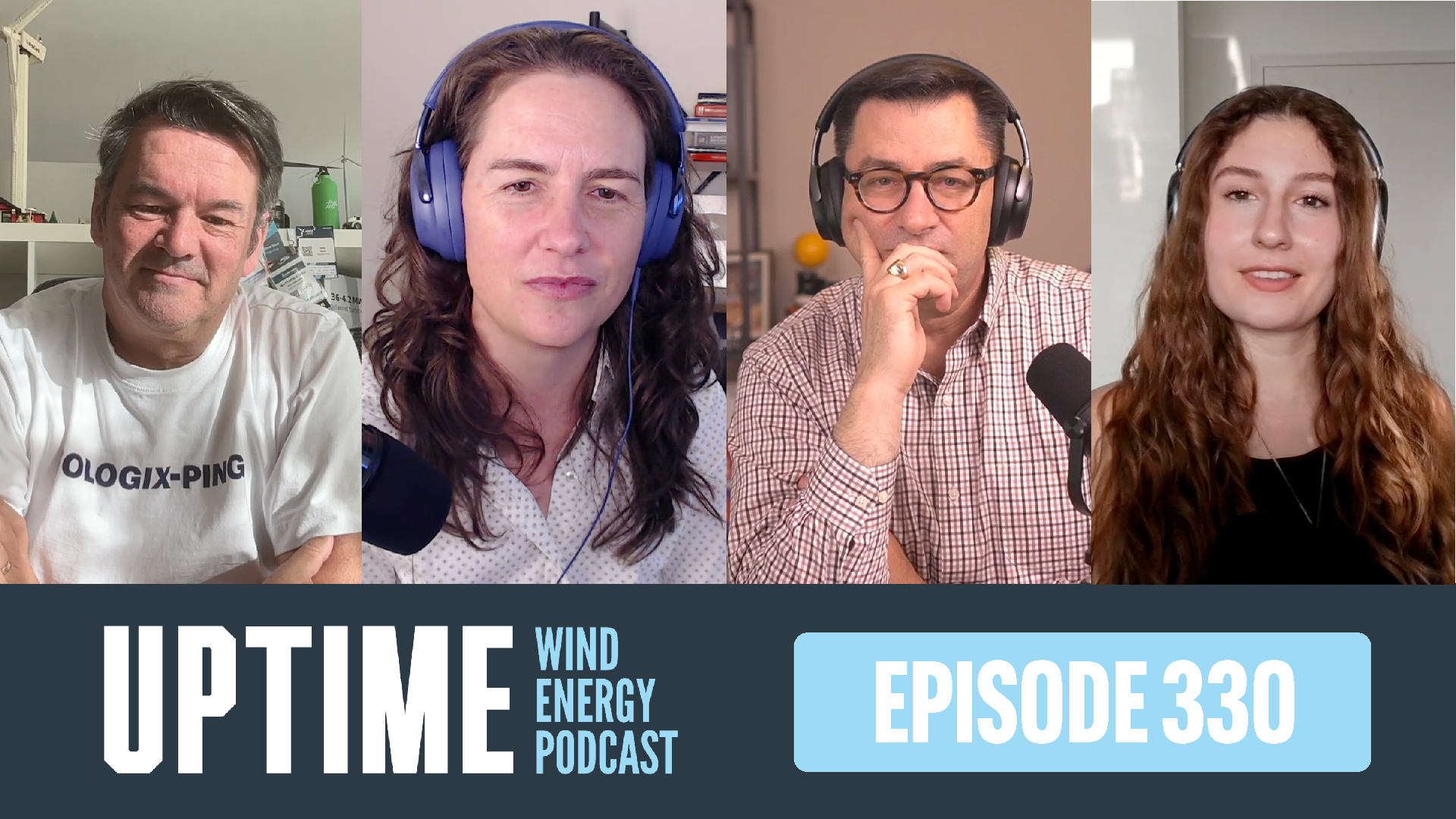
GE Vernova Q2 Wind Losses, Envision AI Turbine for Fortescue
GE Vernova posts a record quarter as gas and grid surge while wind orders drop 40%. Plus Envision grid-connects its first AI turbine for Fortescue. Visit https://woma2027.com/ to register speaking and sponsorship interest!
Sign up now for Uptime Tech News, our weekly newsletter on all things wind technology. This episode is sponsored by Weather Guard Lightning Tech. Learn more about Weather Guard’s StrikeTape Wind Turbine LPS retrofit. Follow the show on YouTube, Linkedin and visit Weather Guard on the web. And subscribe to Rosemary’s “Engineering with Rosie” YouTube channel here. Have a question we can answer on the show? Email us!
If you haven’t visited woma2027.com, you should do so right now because we are putting together all of the, uh, events at WOMA 2027, which is March 3rd through 5th in Melbourne at the Pullman, Matthew, Pullman East? Pullman East Melbourne. And it’s packed full. Our, in fact, actually, we have so many people applying to attend the event, we’re getting a little nervous on if the size of the venue is not large enough, and we, we have a lot of people already chime in wanting to be sponsors, which is great.
But I wanna talk about what you will experience at WOMA. We’ve done it for two years now, and the feedback has been great. And Yolanda, you’ve been to the one just this past February, and participated in panels and saw some of the, uh, workshops and was involved in a lot of WOMA 2026. What are you expecting in 2027, and what did you think of 2026?
Yolanda Padron: I thought [00:01:00] 2026 was great. I loved seeing everybody there. Uh, got to meet a lot of new people. It was, it was sweet. There was a lot of r- people returning from WOMA 2025, um, and a lot of new people that were told that that was the event to be at to learn about wind, which was really, really nice to hear. Uh, something that I loved, especially since we’ve been through quite a few conferences since then and before then, was just the fact that, like, you’re, you’re just talking about problems and just talking about solutions, and you’re talking about real stories, and it’s nothing that’s super, super public.
You know, like, you, you can have real conversations with real people. I know during a panel I mentioned a, a solution to an issue that I had seen that was kind of niche, and then, uh, like three minutes later, like I had had some people come up to me and we all talked about the problem that we saw and then [00:02:00]talked about their problem, and it was really similar, and obviously in a totally different continent.
And it was, it was good to, to be able to have those conversations that you usually wouldn’t have elsewhere, especially if everything’s just really, really public and just big and you’re having a lot of people sell at you, and it’s, it’s just something that we’ve really shied away from. What, what was your favorite part of it?
Matthew Stead: I, I think, um, it was really the fact that it was a a technical, useful, helpful conference rather than having some rando talking about things that they’re told to talk to you about
Allen Hall: It’s real answers from real problem solvers. And everybody’s gonna be in Melbourne on the 3rd through the 5th of March 2027.
If you’re interested in attending, you need to go to woma2027.com. If you’re interested in sponsoring, it’s also woma2027.com. There’s limited [00:03:00]sponsorship left, so if you wanna do something, you better get in quick. And if you wanna attend the event, and I suggest that you do, that you visit woma2027.com and get registered today
The Uptime Wind Energy podcast, brought to you by StrikeTape. Protecting thousands of wind turbines from lightning damage worldwide. Visit StrikeTape.com. And now, your hosts
Welcome to the Uptime Wind Energy podcast. I’m your host, Allen Hall. I’m here with Rosemary Barnes, Matthew Stead, and Yolanda Padron. It’s been a busy day as we record because GE just announced its second quarter earnings and a bunch of things about the business. They had an investor call early, early, early on the East Coast, and even earlier for those on the West Coast of the US, and it was a very good quarter for GE, but a really lopsided one.
Uh, GE Vernova reported second quarter orders of [00:04:00] $24.2 billion, up 88% with a backlog that has now climbed to $176 billion. Free cash came in at $5.1 billion. Man, $5.1 billion is a lot of cash, everybody, which is more than the company generated in all of last year. So they made more in one quarter in cash than made in all of last year, and management is raising its full year guidance, but the strength is coming from gas power and the electric grid, not from wind.
The wind segment saw orders fall 40% and revenue slip 10%, and the company still expects wind to lose about $400 million this year. Although in the investor call, they did say that the forecast for wind in Q3 and maybe even Q4 was to be essentially break even on the EBITDA scale. So that’s a, a, a good number.
It does seem like GE is being more [00:05:00] aggressive on pricing and selective on the projects they are choosing to participate with. Repowers was way down, if I remember correctly. Uh, they are not doing a lot of that at the moment. So there is a slowdown they’re seeing in wind, but they’re more than making up for it in gas turbines and electrification.
Orders for gas turbines are out to ’30, ’31, and I think they’re gonna close out all of ’30, ’31, um, book orders for gas turbines here shortly. So if you want a gas turbine, Matthew, you’re gonna have to get in line because your GE has a long list of, of clients in front of them. What does this mean for wind?
When I hear the discussion where GE is focused on gas and electrification because of the huge cash flow that comes in their door- Does that mean a good positive things for wind because they have the cash to kinda hang around wind? Or is it gonna be set aside for other [00:06:00] more profitable business segments?
I
Matthew Stead: mean, GE’s had a number of setbacks over the years. Um, you know, we know, we know all about them. We’ve been talking about them, you know, multiple times. But, you know, they’ve gotta just wait it out, don’t they? Um, you know, wind is not gonna go away, so they just need to wait it out, get their problems out of the way, get their cash flow in, build the order books again, just wait for things to improve.
Um, I, I think one thing I just wanna pull out, the Sands Ear, i- isn’t that a massive achievement?
Allen Hall: It is. It’s, it’s a colossal engineering achievement on its own. Forget about just delivering and manufacturing all those turbines and getting them installed. And that’s a pattern energy project, and Fairwind I think was involved with that in terms of project development, EPC items.
It’s huge. It’s gigantic. But it may be the last one we see in the United States for a while.
Matthew Stead: And but Vineyard, you know, they’ve gotta resolve that, don’t they? We’ve spoken about that before. Get that one out the way, clear out the decks and, yeah. That’ll come good.
Allen Hall: Rosemary, of our former GE [00:07:00] employees, I guess we have two of them here.
I’m one. Not of wind, but of another division. What’s your thoughts on GE Vernova at the minute?
Rosemary Barnes: These days I see them through the O&M lens. That’s how I work with them, is when my clients need support for all their wind farms and It’s just, it’s just never enough. It’s not a GE-specific thing. Uh, you know, across Australia, anybody with a full service agreement does not…
Uh, the, the company performing that agreement just gives the impression that they just do not have enough, um, uh, enough people. Y- you know? It’s just, just hands or maybe it’s budget. Uh, I guess it, it’s both at the same time. Yeah, I mean, I see some good things like their, the pace of new technologies has slowed and they’re consolidating, which was needed, but it’s just hard to imagine that it’s even gonna be enough considering how many fewer blade engineers that they’ve got now.
Like, how are they, [00:08:00] how are they going to get the, you know, the issues with the platforms that they are, uh, pushing, how are they gonna get all that under control with so many fewer engineers? And will they ever be able to, you know, go back to innovating a- again when they’ve lost so much of their, you know, institutional knowledge?
Allen Hall: Two things they did not mention during the phone call today or in any of the documents that I saw was TPI Composites and that EPC has acquired that and is now operating the factories, uh, making GE blades. And LM Wind Power was not discussed either, although LM Wind Power has been integrated into the overall financials of the company, so it’s not a standalone financial entity like it was last year.
So you can’t really r- read the tea leaves of what’s happening at LM, but nobody talked about or even asked on the investor call what was happening on the wind side. They were very interested in gas turbines and what the order rate was going to be, and GE was concerned [00:09:00] on their side, saying that they’re trying to ramp up production to make more gas turbines, but there’s limitations to how much they can do.
Rosemary Barnes: I guess that’s the s- the zeitgeist now, right? Or it’s the, I don’t know, like, it’s, it’s a sign of the times. Everyone’s obsessed with data centers, and for some reason, data centers are obsessed with gas turbines, um, even though, like, it’s not a fast solution to, uh, y- you know, to, to anything. So I don’t… You know, I’m not saying that building a, you know, a wind farm or solar farms, batteries, those are not without challenges.
But I really don’t think that the, yeah, gas turbine challenge is so much easier than the, um, yeah, than the renewables challenges. It’s a bit weird to me how everyone has just kind of latched onto, “Oh, you need new power, then it needs to be gas.” It’s just a bit weird to me.
Allen Hall: GE was predicting a peak of orders in gas turbines to happen sometime in 2026.
They, they think that the demand curve is gonna trend downward because everybody is already in [00:10:00] line essentially, and it’s five years out, so not many other people are gonna join that line to make it seven, eight years out That also indicates that sort of the d- the demand for gas turbines may be waning a little bit, or there’s just a backlog, they just can’t produce more.
Is that going to then maybe finally open up the best solar wind discussion for AI data centers?
Rosemary Barnes: Yeah, I wonder if it’s partly because y- you know, in a lot of cases… So people wanna build data centers, and then those data centers need power. You can’t just plug into the grid in an easy, timely manner. So then now they’ve gotta BYO their own power, and in fact, in Australia they’ve just announced a, a policy where you will have to…
You can bring your own power, and it will have to be renewable, actually, in Australia. So, um, at least that’s, at least that’s a win for, you know, generation source.
Allen Hall: Yeah. The, the AI data center discussion and gas turbines in the United States has more recently been focused [00:11:00] on, on the AI data centers that use those gas turbines, and the number of gas turbines that they’re choosing, and that they’re choosing gas turbines that fall under some sort of EPA threshold on size.
And what is happening, and which, uh, SpaceX has done and some others have done, is they go underneath that threshold on the size of the gas turbines, and then they, you know, and they daisy chain them together, right? So you, you… Instead of having one massive, I don’t know, two-megawatt generator of some sort, you have a bunch of 200 kilowatts, and you just stack them all together.
And the concern is, is that are some of these data centers violating EPA, the… If not the actual rule or the intent of the rule in terms of emissions, and it’s causing a little bit of a stink. It’s, it’s raised enough of, uh, the noise floor about it that you’re, you’re hearing it on podcasts, you’re hearing people involved in AI data ce- [00:12:00] data centers push back on it saying, “It’s all legal.
It’s all legal.” So it’s gonna come to a head pretty quickly in the United States.
Rosemary Barnes: It was some real, like, real sketchy loophole finding, right? Like, I can’t remember the exact wording, but you’re not supposed to be able to just chuck in a diesel generator or a gas turbine in without any kind of planning, right?
But they found a loophole where it’s like, okay, well, you know, it’s just like a truck except for that there’s no truck, and so it was called, like- off-road or non-road use or something. And it’s just, like, clearly not the, um, the meaning of the, of the law, right? The spirit of the law had, like, obviously been broken.
In Australia we have a saying, the pub test. It doesn’t pass the pub test. Like, if you said that to someone in a pub, then they would be like, “What the hell is that? That is not right.” They have closed the loophole. However, I think that they also kind of quietly just allowed them to keep the ones that they had or had planned or something, so [00:13:00] it’s, like, overall by far not ideal.
But I think that it’s just, like, you can, you can do that for a single site, but it’s obviously, like, the more that you do ridiculous stuff like that, that you lose the community ac- acceptance, which they barely had and definitely don’t really have anymore. Um, and secondly, yeah, like people, uh, people close the loophole and they respond.
It’s, it’s much better, and we see it with wind as well. Like, yeah, you can do things technically by the law, but if you wanna have a, you know, sustainable, uh, industry through the years, through the decades, you actually have to kind of, you know, think, “What happens if I do y- push to the furthest extent of the law, um, to get away with whatever I can?”
What’s gonna happen is regulation is gonna come down on you and you’ll lose the ability to kind of self-regulate.
Allen Hall: We’re gonna take a quick break, but when we come back we’ll meet a wind turbine that runs on artificial intelligence, Rosie.[00:14:00]
Delamination and bondline failures in blades are difficult problems to detect early. These hidden issues can cost you millions in repairs and lost energy production. CIC NDT are specialists to detect these critical flaws before they become expensive burdens. Their nondestructive test technology penetrates deep into blade materials to find voids and cracks traditional inspections completely miss.
CIC NDT maps every critical defect, delivers actionable reports, and provides support to get your blades back in service. So visit cicndt.com because catching blade problems early will save you millions
In the red dirt of Western Australia, a mining company and a Chinese turbine maker are trying something new. Envision Energy says it has grid connected its first [00:15:00] artificial intelligence wind turbine prototype for Fortescue’s Nullagine Wind Project in Pilbara. The full project will use 17 of Envision’s EN182 turbines, each rated for 7.8 megawatts and built to handle mining sites, desert heat, and tough grid rules.
The turbines- The turbines pair a self-erecting tower from Nabler Wind with a hub standing an astonishing 188 meters tall. Behind it all sits Envision’s Energy Foundation Model software that company calls the world’s largest physical AI system. The goal is to swap diesel and gas for wind across the mine’s fleet and processing sites.
So this is an effort by Fortescue to power mining operations with electricity. It’s a pretty ex- exciting [00:16:00] project if you’re watching. The Envision artificial intelligence piece is an aspect that I didn’t know much about, and I still am trying to gather more information on, because there’s not a ton of info about what AI means in terms of a physical system.
And maybe Rosie, you know a little bit more, or Yolande, you can brief us on what this really is.
Rosemary Barnes: We just need to start with a pronunciation lesson, Allen. Sorry.
Matthew Stead: Not Pilbara, Pilbara. Pilbara.
Rosemary Barnes: I, I don’t actually… I hadn’t heard that part about AI and that it doesn’t… I, I don’t know. It’s, it’s such a buzzword that it might not mean anything, you know.
However, there’s so many cool aspects to that project that aren’t related to AI. Um, yeah, the tower height, the tower erection technology. I’m interested to hear that they have taken the heat of the environment into [00:17:00] consideration, ’cause that’s one of the, my obsessions actually, as long as I’ve been working on wind turbines, and ever since I found out how, you know, the materials qualification and certification process works, that it just doesn’t take into account the really high temperatures.
That’s one of the projects that Padlo has going on at the moment, is, um, putting sensors on some turbines to, like, look into that more. Um, yeah, because we do see in Australia a lot of sites have, you know, even within a few years, they might have 20 years of operation left, but we already see a whole lot of cracks that look suspiciously like end of, end of life fatigue cracks on them.
So yeah, we are looking into that more, and it’s very interesting to hear that Envision have taken the heat into consideration. I hope it includes the blade structure as well as just, you know, other turbine components, electronics, and that sort of thing.
Allen Hall: It does sound like they’re pairing batteries or BESS with wind turbines, where the BESS is located at the base of the turbine.
That would make sense in [00:18:00] Australia, particularly around where mines are, because it tends to be very remote, and storing electricity would make sense. The Discussions I’ve seen on YouTube deal with more on the energy trading side, that the wind turbine stores energy, of course, and it does it very efficiently into the best system, and then the AI system sits on top of that to help arbitrage the energy that’s stored in the battery to make more money.
Not a bad way of doing it, but it does lead to a ton of questions about national security, the use of AI, the, uh, and how this is all going to integrate together from a asset manager side. Yolande, I know in the United States we have a lot of restrictions about the technology that is in wind turbines and the, and the firewalls that exist there, where you, you can’t even plug into a wind turbine without having a lot of approvals.
Is AI coming in wind [00:19:00] turbines in the US and the rest of the world, or is this mostly a Western Australia event?
Yolanda Padron: We talked a little bit about a trading company a couple episodes ago, right? And that was a… It sounded like it’s, it’s coming. Um, I, when I first read the article that we’re talking about for Fortescue, I thought this was more of, like, a SCADA self-learning AI type thing, where, like It, it kind of learns from the, from itself, and then maybe it, it tells you you’re more likely to be seeing some sort of blade issue that wasn’t shown before
Rosemary Barnes: I heard, um, Andrew Forrest speak at a smart energy conference earlier this year, and he was talking about not for, um, not for wind, but for the solar and battery projects that they’ve already got there.
He called it a self-healing grid, and AI was the technology that enabled that. And so he, [00:20:00] he was saying, and I can’t remember the, the details specifically either, but when there was a, a disturbance, something that would’ve caused the, you know, without the AI, um, you know, layer looking after everything, a fault that would’ve shut the whole site down was able to self, self-heal with no interruption to supply.
Um, and that that was the kind of AI that, uh, they were talking about. I believe that the new wind farm addition to that is the same sort of thing, where they’re looking at, you know, a very complex system with… I mean, they don’t have energy prices to deal with, uh, in that case because it’s self-contained.
They’re not conne- connected to any external grid. Um, but you know, they’ve got wind, they’ve got solar, they’ve got, uh, so obviously weather conditions related to those two going on. They’ve got batteries, they’ve got, you know, yeah, the, um, availability of every single different… of probably many [00:21:00] thousands of different components in that system that, um, y- you know, you need to make sure that if there’s a failure or when there’s a failure in any one or combination of those things, that you’re always going to be able to reroute around that and kind of heal itself.
So it probably does include some of, of what you were saying, Yolanda, but I think when they say this is the biggest physical AI, like, I think that that might be a little bit of a meaningless term because y- you know, like, there’s AI… It, it could be like… I, I don’t know. It, like, what, what does that mean?
Like, if you have AI that is, um, you know, playing some role in controlling America’s electricity grids, then that would be the biggest, the biggest one, even if it was, you know, like a tiny little, playing a tiny role. I, I, I don’t know what that specifically means and… Is it bad marketing ’cause it’s just confusing and makes you assume that it’s, um, just meaningless buzzword cool [00:22:00]sounding thing
Allen Hall: It’s probably genius marketing because they attach AI to whatever the product is.
So we have AI lightning diverters at Weather Guard. EOLOGIX-PING has AI CMS, and Partload has whatever Partload does, AI-Partload. So that’s the smart move, th- uh, because it does seem to raise the value
Rosemary Barnes: But you know what? Partload is anti-AI because 90% of our work is you get, you know, drone inspections, and they use AI, and then it w- and it works really, w- it works really…
I’d never wanna make it sound like it is bad technology because, you know, the status quo before we had drones with using AI was to just not inspect your blades. So, you know, like, we’re doing much better than that now. But everything that we do is where AI was not able to do it or AI did it wrong. So y- you know, um, like I- we use AI in that everything that comes into us is AI.
Allen Hall: Well, if the same AI [00:23:00] technology that is reviewing blade images is being applied inside of a wind turbine, what do you see as a likely outcome there, Rosemary?
Rosemary Barnes: Well, it’s not, I mean, it’s not the, it’s not the same. And like I said, uh, it’s very easy for me to be like, “Oh, AI, you know, makes all these mistakes,” but it, I only see the mistakes.
I don’t see the 90%-plus of correctly categorized things. I don’t, they’re not relevant to me. Um- Uh, but I think for controlling a complex system, like it, it is… That, that’s a really great application. I mean, I think it’s like with any like super hyped up technology, it’s like really useful in a few things, and that’s what leads to the hype, and then people start to just wanna apply it everywhere.
It becomes the, you know, like when the only tool you’ve got is a hammer, everything looks like a nail. Like, that’s where we’re at. Like AI is this, um, is this hammer that we’ve got, and everyone wants to solve every problem with it. And I do it myself, you know. Like I hate writing LinkedIn posts, and so I’ll work with, with Claude or, um, I [00:24:00] use NotebookLM as well to, you know, I draft my LinkedIn post.
And you’re like, “Well, th- no, that sucks. Do this, do this, do this.” And then, you know, like half an hour later, you’re like, okay, I could very easily have written my own post in less time, and I could… I, I try again and again because I just, I, uh, you know, hate that kind of writing so much. But yeah, I think that like economy-wide, that’s the problem, that everyone is just trying to whack every problem with AI regardless of whether it’s the right one.
Allen Hall: Okay, so there’s gonna be products that are gonna incorporate AI or have AI somewhere hyphenated in the name of the product. What products should not be using AI right now?
Matthew Stead: Yeah, I think there’s… Uh, I wanna add to the… You know, go back a few steps. That calling this the largest, you know, physical AI device is complete rubbish really.
That’s stupid, really. It’s like, like, like what you said, Rosie. It’s like putting an AI machine on a road, and then it becomes the world’s largest AI infrastructure. I mean, that was, that was pretty stupid, um, [00:25:00] really. And that, that’s just marketing. My, my view is if you can’t explain what it does, you shouldn’t be using the word AI So in marketing, you know, you can’t just say, “Oh, it’s AI ’cause I don’t understand what it does.”
You should actually be able to explain, “This is what this product does, and this is why it does it, and we use AI to help make that occur in a smart way.” Rather than just being randomly talking about, um, AI solving all of these complex issues and not actually knowing how it’s done is rubbish.
Rosemary Barnes: To answer your question, Allen, I think AI shouldn’t be used for most creative stuff.
Like video, um, creation, everybody hates it, and companies keep on pushing it, and it sucks. And I think also it’s kind of… It, it makes people so angry, I think it’s gonna backfire if it hasn’t already for most, [00:26:00] most people that are using it. Um, yeah, so that would be one thing. And also, uh, you shouldn’t use too much AI for, like, I see it heaps on LinkedIn now, and it’s, it’s kind of…
Like, at the first time you use AI, you’re like, “Whoa, th- this is pretty, pretty good. Like, this is something, you know, like I could… That’s very similar to the stuff that I, yeah, used to post on LinkedIn or the infographics that I used to make.” But the issue is that, like, it looks that way the first time, but then once you use it a bit and you can recognize that it’s AI, then you see it everywhere and it, it turns you, really turns you off whoever’s put it out there.
And so, like, there’s so much on LinkedIn now where it’s, like, just AI-generated things. It’s… Even if, you know, like, if an expert has created it and edited it afterwards and made sure that the output is accurate, then I wouldn’t call it AI slop. But it is also, like, it’s always too [00:27:00] wordy. It’s, um, you know, it’s just like the style is just clearly e- the h- if the point is that you’re trying to express, “I’m an expert.
These are my expert opinions. I know what I’m talking about,” AI is not doing that for you. Like, you write your post or create your graphic with AI, it’s just not doing that for you. So I think that that is another example of where people shouldn’t be using AI.
Allen Hall: That wraps up another episode of the Uptime Wind Energy podcast.
If today’s discussion sparked any questions or ideas, we’d love to hear from you. Reach out to us on LinkedIn. And if you found value in today’s conversation, please leave us a review. It really helps other wind energy professionals discover the show. And please, please, please don’t forget to subscribe so you never miss an episode.
For Rosie, Yolande, and Matthew, I’m Allen Hall, and we’ll see you here next week on the Uptime Wind Energy [00:28:00] podcast.
GE Vernova Q2 Wind Losses, Envision AI Turbine for Fortescue

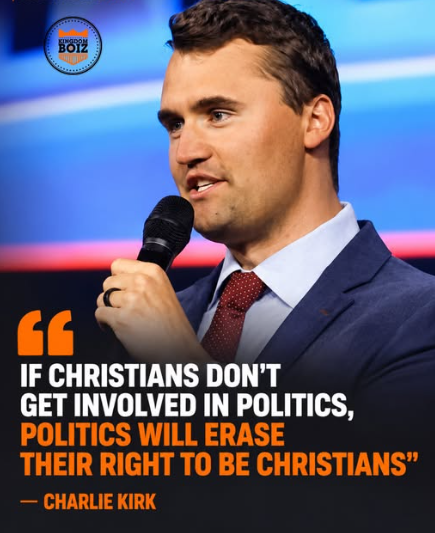 I suppose there are people who believe that the radical left is on a path to make Christianity illegal, and perhaps to install Islam as the official religion of the United States. This is remarkable for two reasons:
a) Every schoolchild in America learns about the First Amendment’s guarantee of freedom of religion at a very young age, and
b) This country made it successfully though 250 years with no one being ignorant enough to bring up this ridiculous concern.
One would hope that this figure of near 60% would indirectly translate into Trump’s ouster before he can take full control of the U.S. government.
We vote Trump’s stooges out of office in November and replace them people of honor. Trump is impeached, convicted and removed. From there, justice takes its course.
Nordex Q3 Orders Jump 30%, Vestas Bets on Australia
Nordex Q3 orders jump 30% and Vestas lands about a gigawatt in Australia. Plus why turbine factories skip Australia, high project costs, and whether batteries can replace coal.
The Uptime Wind Energy Podcast is brought to you by Weather Guard Lightning Tech, creators of the StrikeTape Ultra LPS retrofit. Subscribe to Uptime’s Substack newsletter. And check out Rosemary’s “Engineering with Rosie” Youtube channel. Have a question we can answer on the show? Email us!



