

Tourism now produces nearly one of every 11 tons of greenhouse gases the world emits. A 2024 analysis published in Nature Communications found that global tourism generated about 5.7 billion U.S. tons of carbon dioxide equivalent in 2019, or about 8.8% of total global emissions, and that the sector’s footprint grew 3.5% per year between 2009 and 2019, double the growth rate of the rest of the world economy.
The travelers behind those numbers keep multiplying. UN Tourism counted a record 1.52 billion international arrivals in 2025, up 4% from 2024 and well past the 1.4 billion recorded in 2018, when this article was last updated. The good news: the biggest sources of travel emissions are also the ones you control directly, and the data now lets us put numbers on each choice.

1. Choose Your Transportation — the Biggest Lever You Control
How you get there typically outweighs everything you do after you arrive. Per-kilometer comparisons compiled by Our World in Data from U.K. government emissions factors show how wide the gap between modes really is:
| Travel mode | Grams CO2e per passenger-km | Vs. a domestic flight |
|---|---|---|
| Domestic flight | 246 | — |
| Gasoline car, driver alone | 170 | 31% less |
| Short-haul international flight | 154 | 37% less |
| National rail | 35 | 86% less |
| Eurostar (electric high-speed rail) | 4 | 98% less |
| Source: Our World in Data, based on U.K. Department for Energy Security and Net Zero conversion factors. Figures include the added warming effect of aviation emissions at altitude. | ||
When you do fly, three choices shrink the damage.
Fly direct: takeoff and climb burn the most fuel, so every connection adds a second high-emission phase to your trip.
Fly economy: the International Council on Clean Transportation calculates that premium seats emit 2.6 to 4.3 times more CO2 per passenger-kilometer than economy seats because they occupy more of the aircraft — premium cabins accounted for nearly 20% of all commercial aviation passenger emissions in 2019.
And once you land, your choice of transit, walking, or biking rather than defaulting to a rental car, has a significant impact on your journey’s carbon impact.
2. Bring a Reusable Water Bottle — Because Two of Every Three Bottles You’d Buy Become Waste
The UN Environment Programme estimates the world purchases about 1 million plastic drinking bottles every minute, and travelers in unfamiliar places are reliable customers. In the U.S., only 30.2% of PET bottles were recycled in 2024, according to the National Association for PET Container Resources, which means roughly seven of every 10 bottles bought on a domestic road trip end up landfilled, burned, or littered.
A filled reusable bottle also gets you past airport water prices; most U.S. airports now offer refill stations beyond security. Where tap water isn’t potable, a bottle with a built-in filter or purifier still beats a week of single-use purchases.
3. Use Reef-Friendly Sunscreen — Up to 6,000 Tons Wash Into U.S. Reef Areas Each Year
The National Park Service estimates that up to 6,000 tons of sunscreen wash through U.S. reef areas annually. A 2022 Stanford study published in Science showed why that matters: corals and anemones metabolize oxybenzone, a common UV filter, into a compound that sunlight turns toxic, and bleached corals, already stressed by warming water, are the most vulnerable. NOAA research at Oahu’s Hanauma Bay found that a single day’s sunscreen pollution can linger in the enclosed bay for another two days.
However, regulation is catching up. Hawaii banned the sale of sunscreens containing oxybenzone and octinoxate beginning in 2021, and the U.S. Virgin Islands, Palau, and Bonaire have adopted similar restrictions; Maui County goes further, allowing only mineral sunscreens.
Because “reef safe” is a marketing term without a consistent labeling standard, read the ingredient list: look for non-nano zinc oxide or titanium dioxide as the active ingredients, and skip oxybenzone and octinoxate whenever you plan to swim.
4. Eat Local — for Your Plate’s Sake and the Community’s
Eating at farmers’ markets, street stands, and neighborhood restaurants keeps your travel dollars in the local economy and connects you to the place you came to see. On the climate side, the accounting is more specific than “local food equals low carbon.” Data from the largest global food-systems study, compiled by Our World in Data, shows transport accounts for only about 5% of food’s total emissions, because most food moves by ship. What you order matters far more, because producing a kilogram of beef emits about 60 kilograms of greenhouse gases, versus 1 kilogram for peas.
Local, in-season eating still delivers a real climate benefit in one specific case: it steers you away from air-freighted perishables. Flying food emits roughly 50 times more greenhouse gas per ton-mile than shipping it by sea, so the out-of-season berries and asparagus at a resort buffet carry an outsized footprint.
Order what grows where you are, lean toward plants and local seafood, and you cover both the carbon and the culture.
5. Treat Your Hotel Room Like You Pay Its Utility Bill
Heating and cooling account for almost 40% of the electricity and more than half of the natural gas that U.S. hotels and motels consume, according to the Deparment of Energy’s ENERGY STAR program, and the average guest room sits empty about 12 hours a day, often with the air conditioner running the whole time. Setting the thermostat back several degrees and switching off lights and the TV when you head out is the single most effective in-room habit a summer traveler has, especially in hot destinations where that electricity is likely generated with fossil fuels.
Smaller habits compound. Hang your towels and skip daily housekeeping so linens aren’t laundered after every night. And rather than dropping a single wrapper in the room’s trash can, which prompts housekeeping to replace the plastic liner, carry small trash out to public or lobby receptacles.
6. Slow Down and Stay Longer
Because transportation usually dominates a trip’s footprint, staying longer can lower the carbon cost of each vacation day. One 10-day trip produces far less travel-related carbon than three long weekends that use the same number of vacation days. The researchers behind the 2024 tourism-emissions study identify long-haul flight growth as one of the trends most at odds with climate goals. Fewer, longer trips closer to home — and the Pacific Northwest offers plenty — give you more vacation for each ton of carbon emitted.
Before You Go: A Quick Checklist
- Book direct flights in economy or take the train where routes allow.
- Pack a reusable water bottle (and filter, if needed) and a mineral-based, non-nano zinc oxide sunscreen.
- Plan one longer trip instead of several short flights.
- At the hotel: set back the AC when you leave, reuse towels, decline daily housekeeping.
- Eat what’s local and in season; go easy on beef and air-freighted produce.
Related Reading on Earth911
- 19 Ways To Reduce Your Environmental Impact While Overlanding
- Which Reef-Safe Sunscreen Should You Buy?
- How Big Is the Carbon Footprint of Your Transportation?
Editor’s Note: This article was originally published on June 2, 2015, and was most recently updated in July 2026.
The post Eco-Responsible Travel Tips for the Summer appeared first on Earth911.
https://earth911.com/travel-living/eco-friendly-travel-tips-summer/

There’s something undeniably special about wearing uniquely handcrafted, fair trade jewelry that you can know was made slowly and thoughtfully with care. Equally special is wearing an elevated set of jewelry crafted with recycled materials and sustainable processes.
Whether you’re looking for an investment piece or more affordable pieces, there are options for any budget on this list. The aesthetics of these fair trade and sustainable jewelry brands also vary, so you’ll also be able to discover an ethical brand that matches your unique style.
What is Fair Trade Jewelry?
Fair trade can both be a general term used to describe a brand’s sourcing practices — like direct relationships with artisan cooperatives, wages above local standard rates, and safe working conditions — or a third-party “Fair Trade” verification through an organization like Fair Trade Federation, Fair Trade USA, or World Fair Trade Organization. When a brand doesn’t have a certification, we verify a brand’s practices by their own published information.
In the cases where brands do go the extra mile and get a third-party verification for their fair trade practices, we’ve noted it directly in their entries.
Note that this guide includes affiliate links and partners. As always, we only feature brands that meet high standards for responsibility we love, and that we think you’ll love too!
2. Ana Luisa
Best for: affordable everyday jewelry
Conscious Qualities: Recycled Gold, Lab-Grown Diamonds, Small-Batch Production, Direct-to-Consumer
Ana Luisa creates stunning, elegant jewelry from responsibly-sourced materials including 100% recycled gold and lab-grown diamonds. The sustainable jewelry brand also produces in small batches to minimize waste.
By using a direct-to-consumer model, Ana Luisa is able to provide luxury, high-quality jewelry at accessible prices.

3. Monica Vinader
Best for: recycled demi-fine jewelry
Conscious Qualities: Woman-Founded, Recycled Silver & Gold Vermeil, Traceable Gemstones, Lab-Grown & Conflict-Free Diamonds, Supply Chain Transparency
Price Range: $85 (studs) – $2,495 (diamond ring)
British jewelry brand Monica Vinader was one of the first brands to meet the gap between fashion jewelry and fine jewelry with their “demi fine” jewelry. The women-founded brand has necklaces, earrings, bracelets, and rings crafted from 100% recycled sterling silver and gold vermeil, fully traceable gemstones, and lab-grown or conflict-free diamonds. Monica Vinader also launched Product Passports, taking an active effort towards full supply chain transparency.

4. WorldFinds
Best for: unique statement jewelry with a story
Conscious Qualities: Fair Trade Verified, Upcycled Materials, Artisan-Made
WorldFinds provides sustainable employment and just wages for hundreds of women artisans in India and Bali. These artisans handcraft both sleek metal fair trade jewelry and unique recycled Kantha pieces. WorldFinds is Verified by the Fair Trade Federation, which assesses members against fair trade principles including fair wages, safe conditions, and transparent supply chains.
Plus WorldFinds’ signature Kantha jewelry is made from upcycling materials: wood scraps from a furniture factory and locally sourced Kantha fabric remnants.

5. Astor + Orion
Best for: drop earrings and charm necklaces with symbolism
Conscious Qualities: Certified Ethical Factory, Recycled Materials, Designed for Recyclability, Repair Program
Ethical jewelry brand Astor + Orion sources their jewelry from a factory with multiple certifications ensuring worker safety, fair production practices, and responsible environmental management. Astor + Orion’s stunning jewelry is made from recycled materials and designed in a way to make it easily recyclable! Their pieces also come with a quality assurance — the brand will repair any piece within 6 months of purchase.

6. Laura Elizabeth
Best for: non-toxic jewelry in organic shapes
Conscious Qualities: Locally Sourced Recycled Metals, Woman-Owned, Fair Wages, Safe Working Conditions
Price Range: $45 – $330
Crafted from recycled metals sourced locally in LA, Laura Elizabeth creates stand-out sustainable jewelry. All of the brand’s jewelry is sourced ethically from a small, woman-owned studio in Los Angeles that ensures reasonable working hours (35 hr/week), fair wages, and safe working conditions (such as proper ventilation). Check out more on Laura Elizabeth in this post!
The jewelry is also non-toxic, free of cadmium or lead.

7. Ten Thousand Villages
Best for: giftable fair trade jewelry
Conscious Qualities: Fair Trade Production, Artisan-Made
Price Range: $6 – $175
Founded in 1946, Ten Thousand Villages is one of the fair trade pioneers and a founding member of the World Fair Trade Organization (WFTO), the global network that verifies fair trade practices across its member organizations.
They’ve developed relationships with artisans around the world, providing valuable economic opportunities for thousands of makers in 30 countries around the world. Their marketplace has handmade necklaces, earrings, bracelets, and rings, along with a variety of other fair trade goods.

8. Edge of Ember
Best for: gemstone jewelry
Conscious Qualities: Recycled Gold & Silver, Artisan-Made, Ethical Production
Price Range: $49 (ear cuff) – $2,730 (diamond tennis bracelet)
Edge of Ember’s timeless jewelry is responsibly crafted by makers working in artisan groups and small-scale factories. Their delicate necklaces, bracelets, rings, and other pieces are crafted by skilled artisans in India, Hong Kong, Germany, and Thailand. The brand carries out independent social audits to ensure ethical working conditions and environmental responsibility.
Edge of Ember has a wide selection of recycled gold and silver rings, bracelets, and necklaces adorned with stunning gemstones, including many birthstone jewelry options perfect for gifting.

9. Aurate
Best for: ethical diamond fine jewelry
Conscious Qualities: 100% Recycled Gold, Lab-Grown & Conflict-Free Diamonds, Vintage Collection
Price Range: $18 (stainless steel chain) – $19,000 (diamond tennis necklace)
Responsibly-sourced quality jewelry — that’s Aurate’s promise. The jewelry brand’s sleek, timeless pieces are thoughtfully made by seventh-generation craftspeople using 100% recycled gold and lab-grown or conflict-free diamonds.
Aurate also has a curated collection of vintage fine jewelry from cocktail watches to signet rings up to 50% off.

10. SOKO
Best for: modern, minimalist artisan-made jewelry
Conscious Qualities: Above-Market Artisan Wages, Black-Owned
Price Range: $78 – $298
SOKO is an innovative Black-owned ethical jewelry brand using mobile tools to bridge the barriers for artisan entrepreneurs in Kenya. In partnership with SOKO, independent artisans can operate a “virtual factory”, earning 5x more than an average artisan workshop in their local areas.
The jewelry is made with 24K gold or silver-plated brass — an affordable metal that also happens to consist of 90% recycled content on average. Other materials include reclaimed horn and bone, locally-sourced teak wood offcuts, and ceramic beads made by a fair trade women’s collective in Kenya.

10. Raven + Lily
Best for: affordable artisan jewelry
Conscious Qualities: Fair Trade Verified, Artisan-Made, Women-Led
Price Range: $40 – $240
Raven + Lily is an ethical fashion and jewelry brand verified Fair Trade by the Fair Trade Federation. The women-led brand partners with artisan women around the world who use natural materials to craft both classic, elegant pieces and statement jewelry.

11. NAKIIT
Best for: one-of-a-kind, solo-handcrafted pieces
Conscious Qualities: Made-to-Order, Recycled Silver & Gold, Zero-Waste Scrap Recycling
Price Range: $21 – $485
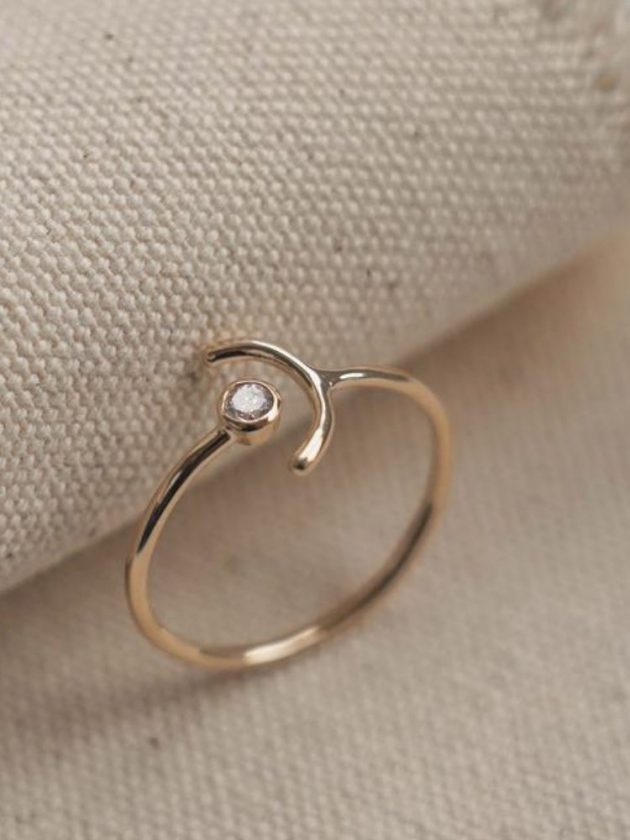
As a small, slow-minded jewelry brand, NAKIIT’s founder + owner handcrafts each piece with intention. In fact, every piece of jewelry the brand sells is made by the founder herself!
Nearly all of NAKIIT’s ethically-made jewelry is either made-to-order or one-of-a-kind, ensuring a minimal ecological impact and the highest attention to quality.
As if we could love this brand even more, NAKIIT also sources recycled sterling silver and gold, plus recycles any remaining metal scraps or dust after production.
You May Also Want to Check Out:
Best Fair Trade Fashion Brands With Style and Heart
Affordable Ethical Fashion Brands
Consciously Curated Marketplaces for One-Stop Ethical Shopping
The post 11 Best Fair Trade and Sustainable Jewelry Brands That Shine appeared first on Conscious Life & Style.
11 Best Fair Trade and Sustainable Jewelry Brands That Shine
It’s time to leave fast fashion in the dust — with one-of-a-kind designs, quality fabrics, and the assurance your dollars are supporting a more responsible fashion industry, these slow fashion brands are sure to win you over.
Before we go any further, though, I think we need to clarify what exactly slow fashion is…
What Do I Mean By “Slow Fashion?”
Slow fashion is about being more mindful and thoughtful about how clothing (and other fashion items) are being produced, how they’re being purchased, and how they’re being used/worn.
Instead of mass-producing trend-driven garments cheaply and quickly, slow fashion production is about creating a piece to last by using high-quality materials, transitional designs (i.e. they migth be contemporary but they’re not super “trendy”), and durable construction.
For individuals, slow fashion purchasing habits means buying less, but better. A slow fashion mindset is all about choosing well — it’s about picking well-made items that are built to last and also selecting pieces that fit your lifestyle and body well, to ensure they’ll not only be durable but will actually be useful for years to come.
Adopting slow fashion in your life, though, doesn’t nec