

Jacynta Fa’amau is a Pacific campaigner at global grassroots climate movement 350.org and a secretariat member of Pacific Climate Warriors.
The first thing that struck me was the sheer size of Queensland’s Saraji coal mine. Standing at the edge of the enormous pit, my brain scrambled for words as I scanned the earth’s open wound – a whole island could probably fit inside it.
Looking down, I noticed footprints of an emu and a koala, pressed and dried in what was once a puddle – signs of how drought had driven animals in desperate search of water, so dangerously close to the coal trucks and heavy machinery ahead.
Earlier this year, I joined a small group of Pacific Islanders on a journey through the Bowen Basin to learn from First Nations communities battling Australia’s mammoth coal industry. Of the more than 40 coal mines operating in the area, BHP & Mitsubishi Alliance’s Saraji mine is one of the largest. So it came as a painful shock to us when in August, the Australian government approved the mine’s extension just months after our visit.
-
As COP31 co-host, Australia should make its polluters pay for climate damage
With UN climate funds running short on cash, now is the time to start taxing the companies whose emissions are driving harm in the Pacific and other vulnerable parts of the world -
At pre-COP, UN climate chief warns of heat threat to mothers and babies
The spotlight on maternal health came on the first day of the pre-COP31 meeting in Fiji, where Pacific concerns are set to top the agenda as ministers gather for talks

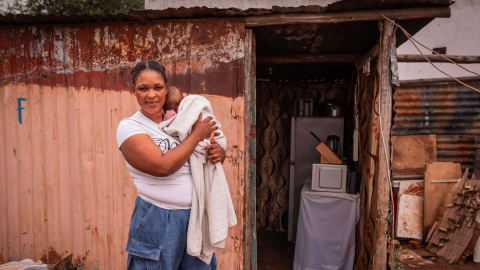
Witnessing coal extraction is devastating. It is bad enough to see what pillaging tonnes of coal can do to a mine’s immediate surroundings: dry creek beds, dwindling wildlife, denuded land. But to know that this coal will be shipped across the ocean, bring air pollution, and eventually lead to the destruction of Pacific islands thousands of miles away is another kind of heartbreak.
Rising ocean waters
I’m an Australian-born Samoan. In 2002, I visited my family home for the first time. My father took me to the rural community where generations of my family were raised. He did not have the words to describe how much has changed since rising ocean waters had taken away almost a third of the beach.
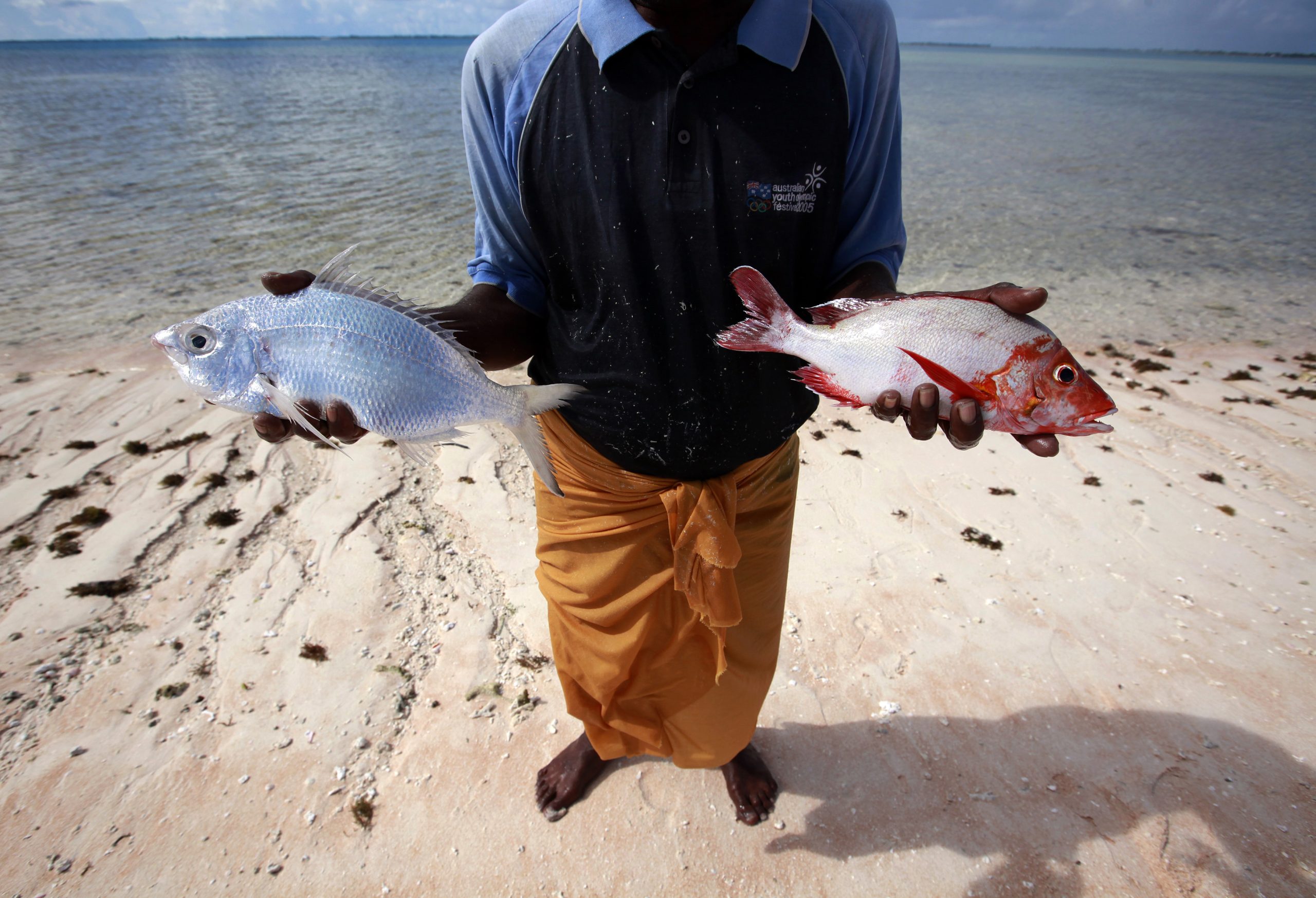
I learned of how we had to relocate my great‑great‑grandparents’ grave to higher ground twice in the last 15 years. Of how my cousins have to paddle out further to sea to catch fish, since warmer waters have destroyed much of the reef. Of how the ocean crashes so close to my uncle’s home that he had to build a new house further away.
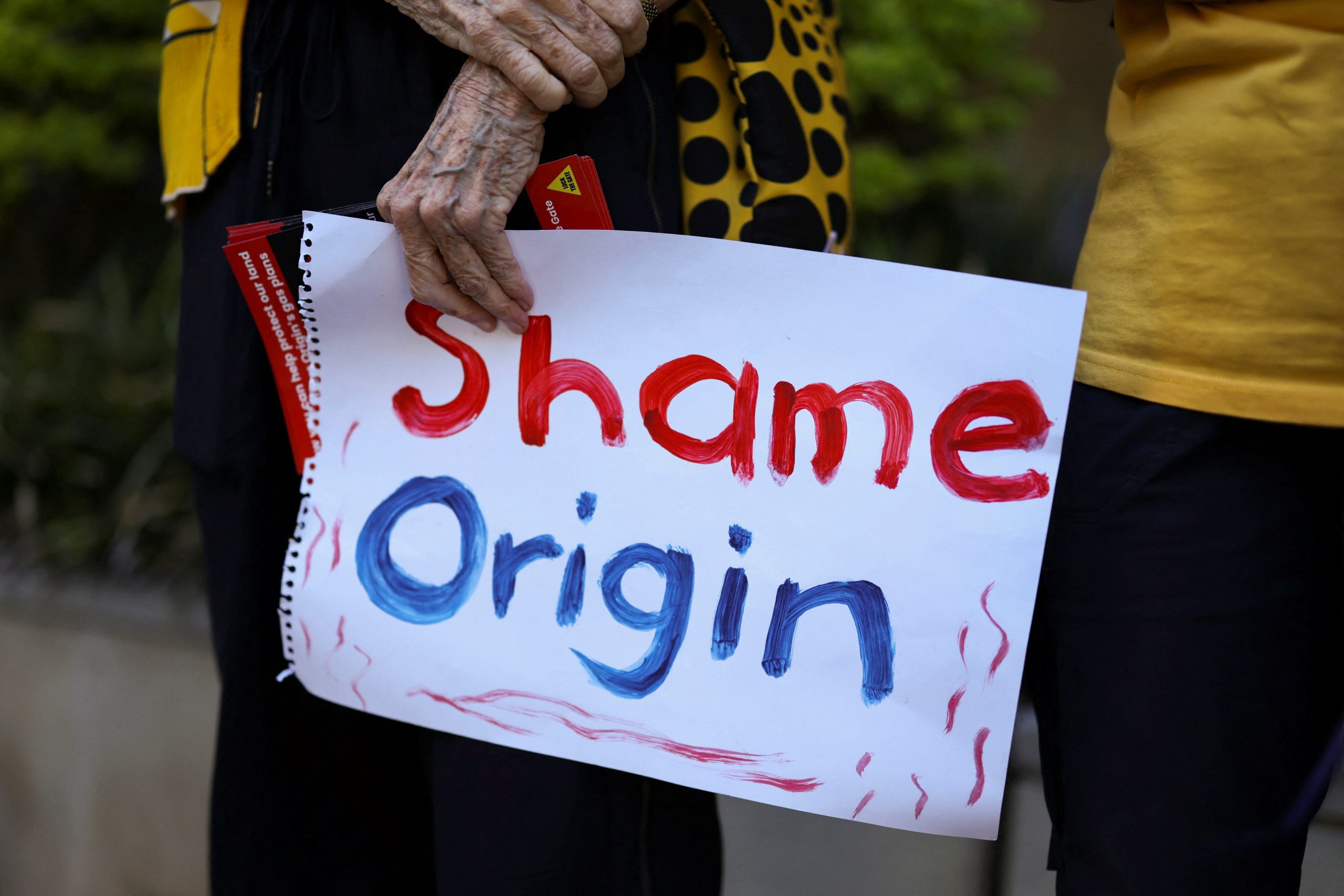
We saw reflections of our own climate destruction in the Pacific when we shared these stories with our First Nations relatives at the edge of the Saraji mine. Murrawah Johnson and Teila Watson, both Birri Gubba and Gangulu women, made clear connections between their struggles and ours. “We don’t get to inherit our land and we don’t get to inherit our traditional roles. We are fighting a war on extinction,” Murrawah said.
Coal extraction devastated their lands and cultures – totems have disappeared, fresh water has become scarce – while the effects of using it have devastated ours. “King tide, cyclones, all the violence that has been enacted on your country and people is because of the violence that has been allowed here, to us and our country,” Teila said.
Wearing the mantle of climate leadership
This week, Australia is assuming the mantle of climate leadership as co-president and head of negotiations of this year’s UN Climate Change Conference, COP31. It will lead on deliberating the summit’s priorities as world leaders and climate negotiators descend on Fiji and Tuvalu for the pre-COP meetings.
Ironically, just days before the pre-COP began, the New South Wales Independent Planning Commission approved the largest-ever coal project the state has seen, set to emit an extra 800 million tonnes of carbon emissions. I joined the Pacific Climate Warriors and other communities in submitting about 4,000 appeals to oppose the project – yet these all fell on deaf ears.
-
Fossil fuel expansion threatens COP31 hosts’ credibility, experts warn
Türkiye and Australia are pushing coal, oil and gas at home with no national timeline for their own fossil fuel phase-out -
This Australian coal community is co-designing its own green future
The mining town of Collie offers a promising example of how to survive – and even thrive – amid the global transition to net-zero emissions
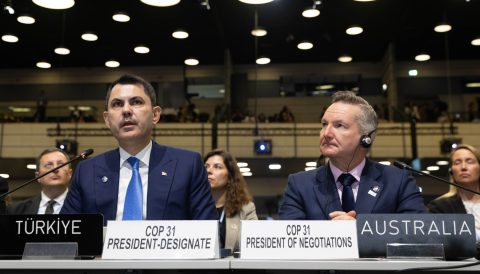

But the fight is not yet over. The project still requires federal approval to proceed, so every promise that Australia makes while at the helm of the climate talks counts. These promises will be measured against actual decisions it makes at home: to either lock us into more decades of climate pollution, or begin shutting down coal and gas once and for all.
Pacific leaders have made it clear that countries must align their policies with the 1.5-degree warming goal, a limit that we already know will be breached within the decade. Any chance of keeping this still within reach requires an immediate end to fossil fuel expansion and concrete plans to phase out existing projects. But success will be an uphill battle if COP31’s own head of negotiations refuses to lead by example.
Australia remains the second-largest coal exporter in the world. It is one of the very few industrialised countries under the Paris Agreement’s Annex I that still has no coal phase-out plan. Since 2022, the Albanese government has approved 37 new, expanded or extended coal, oil and gas projects. It is thus unsurprising that its own mitigation policies have been rated by Climate Action Tracker as “insufficient”, even without factoring in fossil fuel exports and related expansion.
Keeping 1.5C alive
Australia must course-correct to earn the mantle it has been given, especially by Pacific nations that backed the country’s bid for the COP31 co-presidency. As a first step, the government must end all coal expansion and explicitly declare a coal phase-out date. It’s the only way to show that it’s capable of leadership that moves beyond endlessly deliberating the “if”, and starts implementing the “how” of keeping the 1.5C target alive.
The dread I felt staring down at the abyss on the edge of that coal mine months ago still exists. I carry it with me as I show up at the pre-COP to demand that leaders heed the calls of Pacific people. But it is tempered with resolve to keep our lands and communities alive. We remain steadfast in our efforts to secure an outcome that protects people everywhere and brings us back below 1.5 degrees as soon as possible.
The post Coal mines and hypocrisy must not be Australia’s COP31 legacy appeared first on Climate Home News.
Coal mines and hypocrisy must not be Australia’s COP31 legacy

Dozens of countries – from big emerging economies to the world’s poorest nations – are calling for the UN’s new carbon market to reassess climate integrity rules, in a push that campaigners and researchers have blamed on industry lobbying.
At COP31 talks on the Paris Agreement Crediting Mechanism (PACM) this weekend, the Like-Minded Developing Countries – a group that includes Saudi Arabia, India and China – the Least Developed Countries (LDCs) and landlocked developing countries raised concerns about the requirements project developers must meet, according to sources familiar with the closed-door discussions.
They warned about the cumulative weight of those requirements developed under Article 6 of the Paris Agreement as barriers to implementation. Several countries, including Singapore and some Latin American states, said rules must keep projects financially viable, while South Korea asked for proportionate requirements, the sources said.
Their demands closely track arguments from carbon market industry groups, which claim PACM’s conservative approach to counting emission reductions is so strict that few projects will ever come to fruition.
Industry and NGOs lobby to weaken UN carbon credit rules in “coordinated” push
In a letter published ahead of COP31, the lobby groups asked governments to “raise implementation concerns” and to request that the Supervisory Body – the UN body that oversees the market – assess the “combined impact” of its rules on the feasibility of projects.
The letter was signed by the International Emissions Trading Association (IETA), a business group whose members include fossil fuel giants Shell, BP, Saudi Aramco and Chevron, along with the Project Developer Forum and the Wildlife Conservation Society, which develops forest conservation programmes.
Draft text reflects industry demands
Those demands are reflected in the first draft of the COP31 decision on the mechanism, published late on Saturday. To guard against over-crediting, PACM’s rules deliberately err on the side of issuing fewer credits when emissions cuts from projects are uncertain.
The document asks the Supervisory Body to look at how these cautious assumptions add up across its rules and what that means for the number of credits, project costs and prices. The aim, it says, is to avoid “excessive compounding of conservative adjustments”.
Other parts of the draft tell the body not to make its rules too cautious or too rigid. That includes efforts to guard against the risk that carbon captured by a project is later released. Most of these passages add that environmental integrity must be maintained.
Risk of another ‘failure’
“Weakening the rules is not climate ambition – it is a license to pollute,” said Erika Lennon, a senior attorney at the Center for International Environmental Law (CIEL). “As we are on the brink of permanently breaching 1.5C, we cannot afford to turn the carbon market into another loophole for polluters,” she added.
Axel Michaelowa, research director at Perspectives Climate Research, said that if attempts to weaken the rules succeed, it could lead to another failure of an international carbon market. Demand for credits rests on trust, he said, and the slightest doubt over integrity erodes buyers’ willingness to pay.
Calls to revise requirements “must be supported by scientific evidence, not unsupported claims of under-crediting – especially when these assumptions come from private actors whose revenues depend on the volume of transacted credits rather than real mitigation outcomes,” Michaelowa said.
The EU, Switzerland and Senegal are among a handful of countries pushing back against demands to re-assess the market rules, according to the sources, and are opposing requests to weigh up the profitability of projects or to lower standards.

Cookstove credits in focus
At the centre of the fight are new methodologies for projects that aim to cut emissions by distributing cleaner cookstoves – one of the carbon market’s most popular credit types and also one of its most criticised for overstating climate benefits. A 2024 study in Nature Sustainability found cookstove projects had been over-credited roughly tenfold.
Under the rules adopted by the Supervisory Body in October, cookstove project developers are required to set aside part of their credits in a buffer pool, in case the forests they claim to save later burn or are cleared.
The body rejected an exemption from this requirement sought by developers, corporate buyers, some conservation groups and the UN Environment Programme, in what critics called a coordinated lobbying campaign, as reported by Climate Home News.
Industry groups and some countries have seized on the cookstove methodologies to warn against excessively stringent requirements, which they say undercount emission reductions and deter developers. The LDCs told negotiators that developers had found some approved methodologies, including on clean cooking, difficult to apply.
Industry group calls for revisions
Industry representatives attacked the Supervisory Body’s approach in interventions that sources in the room described as very aggressive.
In a subsequent Linkedin post, IETA’s Andrea Bonzanni accused the regulator of following an unscientific approach that would deliver systematic under-crediting. He called on environmental integrity standards to be amended and rulebooks to be revised.
The mechanism “has had a false start”, he said, but countries in Antalya have a chance to agree on clear guidance that puts it back on track. “Unless the mechanism becomes workable across countries and activity types, its impact on the atmosphere risks remaining marginal,” he added.
IETA did not respond to a request for comment.
-
UN carbon market forces cookstove projects to protect against forest loss
Despite lobbying for an exemption, the UN regulator has for the first time made cookstove projects cover the risk that the trees they save are later destroyed -
Most “zombie credits” locked out of new UN carbon market after China and India snub
Fears of a flood of environmentally-dubious carbon credits have faded, with most old projects not able to transition to new UN market
Campaigners and researchers have pushed back on the claims. Arguing there is currently no evidence of under-crediting in the UN market, they stressed that more credits do not necessarily mean more emissions reductions if the rules underpinning them are not grounded on science.
“Having a Paris Agreement carbon crediting mechanism that cheats the atmosphere completely misses the point,” said Isa Mulder, a policy expert at Carbon Market Watch. “Countries should not allow Article 6 to become just another dangerous distraction from real, urgent climate action.”
The draft of the rules is an early version and will be negotiated during the COP31 summit’s final days. Under the Paris Agreement rules, the Supervisory Body must follow guidance that governments give through COP decisions.
The post Countries take up industry push to loosen UN carbon market rules at COP31 appeared first on Climate Home News.
Countries take up industry push to loosen UN carbon market rules at COP31
Mohamed Adow is director of Power Shift Africa.
International Energy Agency chief Fatih Birol celebrates the electricity demands of AI and electric cars, but the revolution must be about more than luxuries for the rich. It must bring clean, affordable power to the hundreds of millions still living without it.
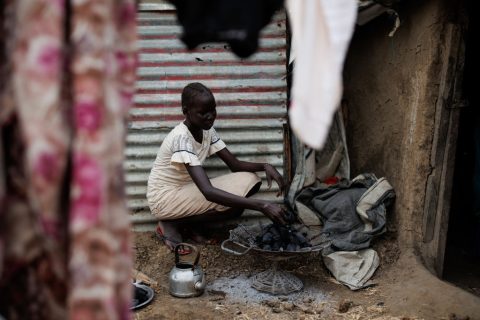
The world is entering the age of electrification. But while wealthy countries focus on powering AI data centres, electric cars and other energy-hungry technologies, hundreds of millions of people across Africa and the developing world still lack access to electricity.
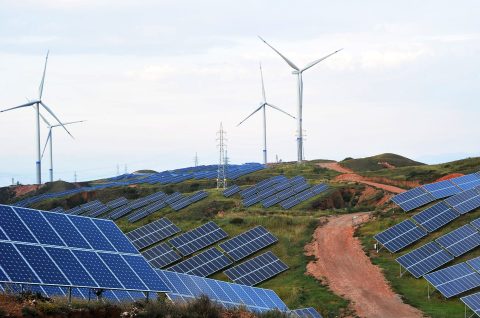
The real promise of the electricity revolution is not simply meeting the growing demands of those who already have plenty, but bringing clean, affordable power to those who have none.
So the decision by Türkiye and Australia to make electrification a flagship initiative at COP31 should be welcomed. Their proposed 35 by 35 goal, increasing electricity’s share of global final energy consumption to 35 per cent by 2035, could accelerate this transformation.
But who is this revolution actually for? Birol has celebrated the arrival of the electricity age, identifying AI data centres, electric transport and air conditioning as three major drivers of growing electricity demand.