

According to a new report by independent research group Climate Central, the climate crisis has driven weeks of hot temperatures in West Africa’s “cocoa belt,” where roughly 70% of the cocoa in the world is produced, impacting harvests and likely causing record chocolate prices.
Between July of 2022 and February of last year, cocoa prices jumped by 136 percent, partially due to climate extremes in the region, a press release from Climate Central said.
“Climate change, due primarily to burning oil, coal, and methane gas, is causing hotter temperatures to become more frequent in the four West African countries responsible for producing approximately 70% of the world’s cacao — the key ingredient in chocolate,” the report, Climate change is heating up West Africa’s cocoa belt, said. “While many factors, such as precipitation and insect-borne infections, can affect cacao trees, excessive heat can contribute to a reduction in the quantity and quality of the harvest — potentially increasing global chocolate prices and impacting local economies in West Africa.”
Climate change is melting our relationship with chocolate
In 2024 alone, human-caused climate change added 6 extra weeks of heat stress above the ideal temperature in many cacao-growing regions.
More from a new Climate Central attribution science report
www.youtube.com/shorts/eyKOk…— Climate Central (@handle.invalid) February 12, 2025 at 2:05 PM


The bean pods of the cacao plant are used to produce cocoa, and they thrive under specific ranges of rainfall and temperature. Warm to hot temperatures as high as 90 degrees Fahrenheit are best for cacao growth, but any higher and the quantity and quality of the harvest can be affected.
The analysis looked at how human-caused climate change has impacted the frequency of the cocoa belt’s daily maximum temperatures over the past decade (2015 to 2024).
The study focused on 44 of the major cacao-growing regions in the top four cocoa-producing countries: Ghana, Côte d’Ivoire, Cameroon and Nigeria. Other major producers of cocoa include Brazil, Chile, Peru, Indonesia and Ecuador, but they were not included in the analysis.
Climate change had the largest impact on cacao-growing regions in Ghana and Côte d’Ivoire — two countries which produce more than half the world’s cocoa, supporting millions of workers and farmers’ livelihoods. In both these countries, an average of roughly 40 days of daily maximum temperatures higher than 90 degrees Fahrenheit were added in the past 10 years due to climate change.
Nigeria and Cameroon saw an average of 14 and 18 more days, respectively, of cacao-limiting heat each year due to global heating.
Most — 28 of 44 — of the areas analyzed in the study experienced a minimum of six extra weeks of heat that limited cacao growth annually.
“Growing cocoa is a vital livelihood for many of the poorest people around the world and human-caused climate change is putting that under serious threat,” said Osai Ojigho, policy and public campaigns director at Christian Aid, as The Guardian reported.
Changing rainfall patterns can put additional strain on cacao growth, Climate Central said. Well-distributed and adequate rainfall is necessary for cacao plants, which do best in areas with yearly rainfall totals from 59 to 79 inches and with dry spells that last three months or less.
Much of the annual variation in cocoa production can be attributed to rainfall fluctuations. Climate change is predicted to increase frequent and/or large transitions between very wet and very dry conditions in many parts of the globe, including in West Africa, which could potentially affect cocoa production. Last year’s worldwide cocoa price increase was caused by inconsistent rainfall patterns.
Since late 2023, failed cacao harvests have contributed to a major jump in cocoa prices on the New York and London markets where cocoa is traded, reported The Guardian.
On Wednesday, cocoa prices on the New York exchange had soared to over $10,000 a tonne after a mid-December peak of more than $12,500. For decades, New York prices have mostly been steady at $2,000 to $3,000 per tonne.
Swiss chocolatier Lindt & Sprüngli said in January that it would raise prices once again to offset the rising cost of cocoa.
Future threats to cocoa production also include smuggling, illegal mining and cacao swollen shoot virus, which impact the quality and quantity of cacao harvests, creating added challenges for farmers and driving up the price of chocolate.

Heat above 90 degrees Fahrenheit not only limits chocolate production, but is dangerous for the farmworkers who harvest cocoa.
“Extreme heat compounds other dangerous and physically-demanding working conditions, including exposure to chemicals, lifting heavy loads, and long hours. Many cocoa farmers make less than $1 equivalent per day and are older adults or children — both groups that are at higher risk of heat-related illness,” the press release said. “Since about 90% of cocoa is produced by small-scale operations, the changing climate is a significant factor that directly harms the lives and livelihoods of cocoa farmers.”
Adaptations — including breeding more heat- and drought-resistant plants, shading cacao plants with taller trees and shifting production to locations that are likely to have more suitable future conditions — can help farmworkers cope with changing climate conditions, but can’t fully prevent the disruptions and challenges of cocoa production.
According to Narcisa Pricope, a geosciences professor at Mississippi University, cacao is facing an “existential threat” largely due to cacao-producing regions’ increasingly dry conditions.
Pricope said the biggest factor in the aridity was greenhouse gas emissions.
“Collective action against aridity isn’t just about saving chocolate – it’s about preserving the planet’s capacity to sustain life,” Pricope said, as The Guardian reported.
The post Climate Crisis Is Causing a Chocolate Market Meltdown: Study appeared first on EcoWatch.
https://www.ecowatch.com/climate-crisis-chocolate-market.html

There’s something undeniably special about wearing uniquely handcrafted, fair trade jewelry that you can know was made slowly and thoughtfully with care. Equally special is wearing an elevated set of jewelry crafted with recycled materials and sustainable processes.
Whether you’re looking for an investment piece or more affordable pieces, there are options for any budget on this list. The aesthetics of these fair trade and sustainable jewelry brands also vary, so you’ll also be able to discover an ethical brand that matches your unique style.
What is Fair Trade Jewelry?
Fair trade can both be a general term used to describe a brand’s sourcing practices — like direct relationships with artisan cooperatives, wages above local standard rates, and safe working conditions — or a third-party “Fair Trade” verification through an organization like Fair Trade Federation, Fair Trade USA, or World Fair Trade Organization. When a brand doesn’t have a certification, we verify a brand’s practices by their own published information.
In the cases where brands do go the extra mile and get a third-party verification for their fair trade practices, we’ve noted it directly in their entries.
Note that this guide includes affiliate links and partners. As always, we only feature brands that meet high standards for responsibility we love, and that we think you’ll love too!
2. Ana Luisa
Best for: affordable everyday jewelry
Conscious Qualities: Recycled Gold, Lab-Grown Diamonds, Small-Batch Production, Direct-to-Consumer
Ana Luisa creates stunning, elegant jewelry from responsibly-sourced materials including 100% recycled gold and lab-grown diamonds. The sustainable jewelry brand also produces in small batches to minimize waste.
By using a direct-to-consumer model, Ana Luisa is able to provide luxury, high-quality jewelry at accessible prices.

3. Monica Vinader
Best for: recycled demi-fine jewelry
Conscious Qualities: Woman-Founded, Recycled Silver & Gold Vermeil, Traceable Gemstones, Lab-Grown & Conflict-Free Diamonds, Supply Chain Transparency
Price Range: $85 (studs) – $2,495 (diamond ring)
British jewelry brand Monica Vinader was one of the first brands to meet the gap between fashion jewelry and fine jewelry with their “demi fine” jewelry. The women-founded brand has necklaces, earrings, bracelets, and rings crafted from 100% recycled sterling silver and gold vermeil, fully traceable gemstones, and lab-grown or conflict-free diamonds. Monica Vinader also launched Product Passports, taking an active effort towards full supply chain transparency.

4. WorldFinds
Best for: unique statement jewelry with a story
Conscious Qualities: Fair Trade Verified, Upcycled Materials, Artisan-Made
WorldFinds provides sustainable employment and just wages for hundreds of women artisans in India and Bali. These artisans handcraft both sleek metal fair trade jewelry and unique recycled Kantha pieces. WorldFinds is Verified by the Fair Trade Federation, which assesses members against fair trade principles including fair wages, safe conditions, and transparent supply chains.
Plus WorldFinds’ signature Kantha jewelry is made from upcycling materials: wood scraps from a furniture factory and locally sourced Kantha fabric remnants.

5. Astor + Orion
Best for: drop earrings and charm necklaces with symbolism
Conscious Qualities: Certified Ethical Factory, Recycled Materials, Designed for Recyclability, Repair Program
Ethical jewelry brand Astor + Orion sources their jewelry from a factory with multiple certifications ensuring worker safety, fair production practices, and responsible environmental management. Astor + Orion’s stunning jewelry is made from recycled materials and designed in a way to make it easily recyclable! Their pieces also come with a quality assurance — the brand will repair any piece within 6 months of purchase.

6. Laura Elizabeth
Best for: non-toxic jewelry in organic shapes
Conscious Qualities: Locally Sourced Recycled Metals, Woman-Owned, Fair Wages, Safe Working Conditions
Price Range: $45 – $330
Crafted from recycled metals sourced locally in LA, Laura Elizabeth creates stand-out sustainable jewelry. All of the brand’s jewelry is sourced ethically from a small, woman-owned studio in Los Angeles that ensures reasonable working hours (35 hr/week), fair wages, and safe working conditions (such as proper ventilation). Check out more on Laura Elizabeth in this post!
The jewelry is also non-toxic, free of cadmium or lead.

7. Ten Thousand Villages
Best for: giftable fair trade jewelry
Conscious Qualities: Fair Trade Production, Artisan-Made
Price Range: $6 – $175
Founded in 1946, Ten Thousand Villages is one of the fair trade pioneers and a founding member of the World Fair Trade Organization (WFTO), the global network that verifies fair trade practices across its member organizations.
They’ve developed relationships with artisans around the world, providing valuable economic opportunities for thousands of makers in 30 countries around the world. Their marketplace has handmade necklaces, earrings, bracelets, and rings, along with a variety of other fair trade goods.
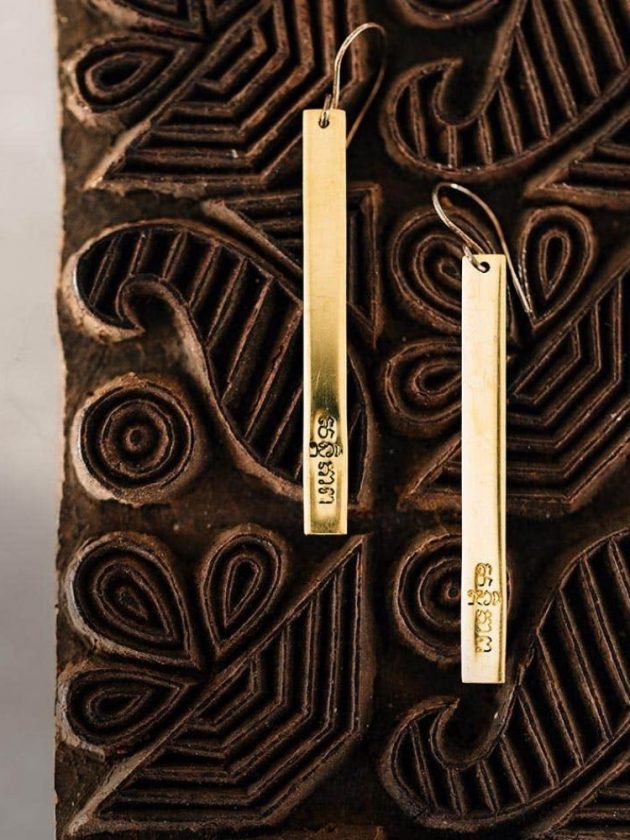
8. Edge of Ember
Best for: gemstone jewelry
Conscious Qualities: Recycled Gold & Silver, Artisan-Made, Ethical Production
Price Range: $49 (ear cuff) – $2,730 (diamond tennis bracelet)
Edge of Ember’s timeless jewelry is responsibly crafted by makers working in artisan groups and small-scale factories. Their delicate necklaces, bracelets, rings, and other pieces are crafted by skilled artisans in India, Hong Kong, Germany, and Thailand. The brand carries out independent social audits to ensure ethical working conditions and environmental responsibility.
Edge of Ember has a wide selection of recycled gold and silver rings, bracelets, and necklaces adorned with stunning gemstones, including many birthstone jewelry options perfect for gifting.
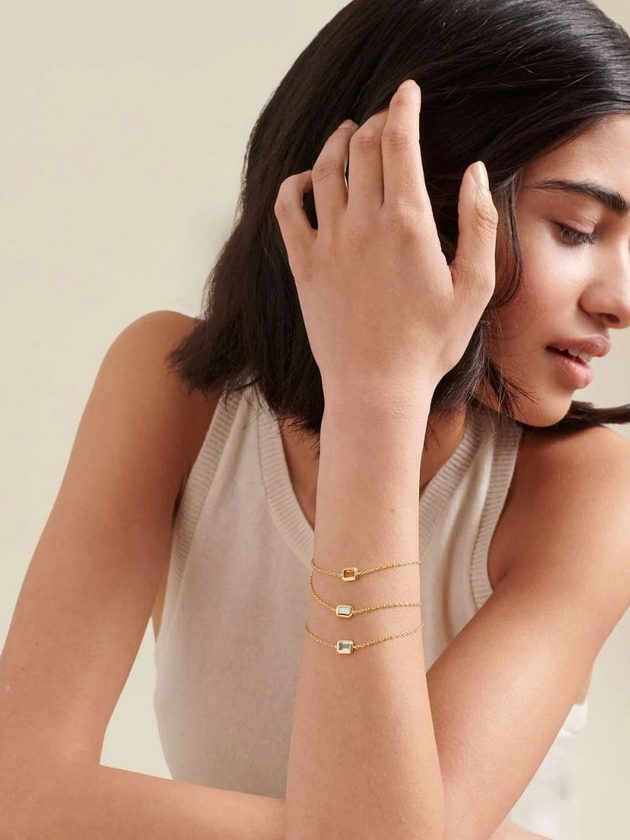
9. Aurate
Best for: ethical diamond fine jewelry
Conscious Qualities: 100% Recycled Gold, Lab-Grown & Conflict-Free Diamonds, Vintage Collection
Price Range: $18 (stainless steel chain) – $19,000 (diamond tennis necklace)
Responsibly-sourced quality jewelry — that’s Aurate’s promise. The jewelry brand’s sleek, timeless pieces are thoughtfully made by seventh-generation craftspeople using 100% recycled gold and lab-grown or conflict-free diamonds.
Aurate also has a curated collection of vintage fine jewelry from cocktail watches to signet rings up to 50% off.

10. SOKO
Best for: modern, minimalist artisan-made jewelry
Conscious Qualities: Above-Market Artisan Wages, Black-Owned
Price Range: $78 – $298
SOKO is an innovative Black-owned ethical jewelry brand using mobile tools to bridge the barriers for artisan entrepreneurs in Kenya. In partnership with SOKO, independent artisans can operate a “virtual factory”, earning 5x more than an average artisan workshop in their local areas.
The jewelry is made with 24K gold or silver-plated brass — an affordable metal that also happens to consist of 90% recycled content on average. Other materials include reclaimed horn and bone, locally-sourced teak wood offcuts, and ceramic beads made by a fair trade women’s collective in Kenya.

10. Raven + Lily
Best for: affordable artisan jewelry
Conscious Qualities: Fair Trade Verified, Artisan-Made, Women-Led
Price Range: $40 – $240
Raven + Lily is an ethical fashion and jewelry brand verified Fair Trade by the Fair Trade Federation. The women-led brand partners with artisan women around the world who use natural materials to craft both classic, elegant pieces and statement jewelry.

11. NAKIIT
Best for: one-of-a-kind, solo-handcrafted pieces
Conscious Qualities: Made-to-Order, Recycled Silver & Gold, Zero-Waste Scrap Recycling
Price Range: $21 – $485
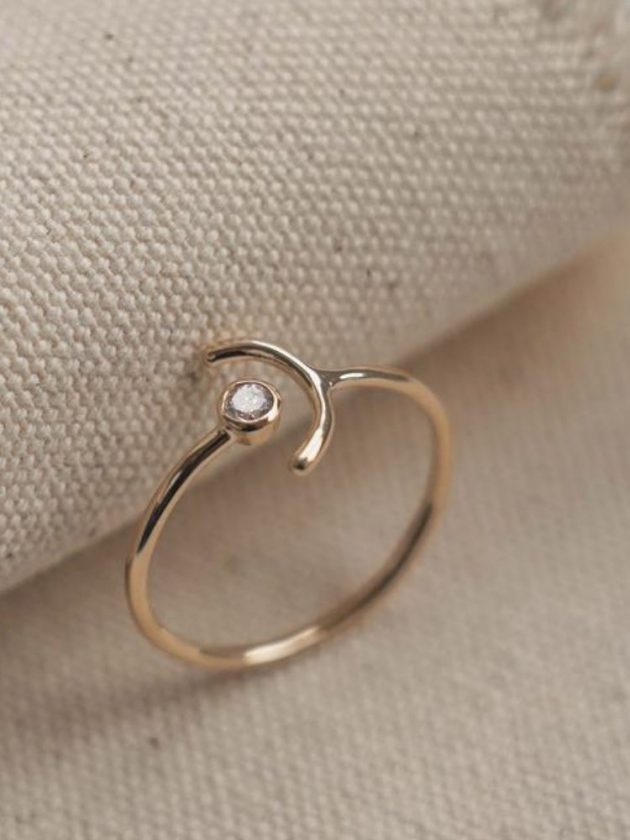
As a small, slow-minded jewelry brand, NAKIIT’s founder + owner handcrafts each piece with intention. In fact, every piece of jewelry the brand sells is made by the founder herself!
Nearly all of NAKIIT’s ethically-made jewelry is either made-to-order or one-of-a-kind, ensuring a minimal ecological impact and the highest attention to quality.
As if we could love this brand even more, NAKIIT also sources recycled sterling silver and gold, plus recycles any remaining metal scraps or dust after production.
You May Also Want to Check Out:
Best Fair Trade Fashion Brands With Style and Heart
Affordable Ethical Fashion Brands
Consciously Curated Marketplaces for One-Stop Ethical Shopping
The post 11 Best Fair Trade and Sustainable Jewelry Brands That Shine appeared first on Conscious Life & Style.
11 Best Fair Trade and Sustainable Jewelry Brands That Shine
It’s time to leave fast fashion in the dust — with one-of-a-kind designs, quality fabrics, and the assurance your dollars are supporting a more responsible fashion industry, these slow fashion brands are sure to win you over.
Before we go any further, though, I think we need to clarify what exactly slow fashion is…
What Do I Mean By “Slow Fashion?”
Slow fashion is about being more mindful and thoughtful about how clothing (and other fashion items) are being produced, how they’re being purchased, and how they’re being used/worn.
Instead of mass-producing trend-driven garments cheaply and quickly, slow fashion production is about creating a piece to last by using high-quality materials, transitional designs (i.e. they migth be contemporary but they’re not super “trendy”), and durable construction.
For individuals, slow fashion purchasing habits means buying less, but better. A slow fashion mindset is all about choosing well — it’s about picking well-made items that are built to last and also selecting pieces that fit your lifestyle and body well, to ensure they’ll not only be durable but will actually be useful for years to come.
Adopting slow fashion in your life, though, doesn’t necessarily have to mean spending money — this concept is also about slowing down to appreciate your clothes and closet. Slow fashion can mean wearing what you have as much as possible, mending and repairing worn clothing, or upcycling an even sewing your own clothes.
For more, read “What is Slow Fashion, Really?”
While slow fashion is a term that’s often used quite generally, it’s important to note that there are fast fashion brands that might have some organic or recycled clothing. Those did not make the list!
Slow fashion companies to me — and the criteria used to select brands for this guide — are brands that produce in smaller batches, make most of their pieces by hand, craft each piece with attention to detail and quality, and ideally, partner with skilled artisans, sewers, and craftspeople (who are of course fairly paid).
Now without further ado, here are our picks for…
My Top Picks for Slow Fashion Brands
To be clear: you do not need to purchase from slow fashion brands to participate in slow fashion. However, when the time comes that you want to add a new piece to your wardrobe, you probably want your dollars to go towards supporting responsible brands that are doing things better; that are producing with quality and intention.
You want to invest in pieces for the long-haul — and pieces that have a positive impact. And these slow fashion brands will help you do just that.
Note that this article features affiliate links which help us continue to run this independent site. As always, we only feature brands that meet high standards for sustainability that we love — and that we think you’ll love too!