

Weather Guard Lightning Tech
CanREA Operators Summit Tackles Aging Fleets
Allen and Joel are joined by Mathieu Cōté from CanREA to preview the upcoming Operators Summit in Toronto. With many Canadian wind projects reaching 17-20 years old, the industry faces critical decisions about extending, repowering, or decommissioning assets. Register now!
Sign up now for Uptime Tech News, our weekly newsletter on all things wind technology. This episode is sponsored by Weather Guard Lightning Tech. Learn more about Weather Guard’s StrikeTape Wind Turbine LPS retrofit. Follow the show on YouTube, Linkedin and visit Weather Guard on the web. And subscribe to Rosemary’s “Engineering with Rosie” YouTube channel here. Have a question we can answer on the show? Email us!
Welcome to Uptime Spotlight, shining Light on Wind. Energy’s brightest innovators. This is the Progress Powering tomorrow.
Allen Hall: Matt, welcome to the program. Thanks for having me. Well, the theme of this Year’s Operator Summit is coming of age and. There’s a lot of things happening in the renewable side up in Canada. What does that mean for Canadian renewable energy operators right now?
Mathieu Cōté: Well, we came up with coming of age because, um, the fleet in Canada is in a bit of a different space than it is in the States where, uh, right now we’ve got a lot of projects that are on the cusp of coming to their end of initial lifetime.
Right. They’re in that. 17 to 20 year range. There’s some that are a little bit past, and so you, as an operator, you gotta be asking yourself, is this the time to extend this project? What do I have to do [00:01:00] if I need to extend? Um, or am I repowering, am I taking things down, putting them up? And I mean, there’s a lot of different variables there.
Sometimes it’s just a re topping, sometimes it’s everything down to ground level and go again. Or it’s, maybe it’s a decommissioning and those decisions are on the cusp of being made in the operation space in Canada. So that’s, that’s a super important part of it. But the other side of it, and the reason we liked, uh, coming of age is from the industry perspective itself.
We are no longer the new kid on the block, right? We are now a reliable, uh, professional industry that can deliver power when you need it. Uh, so that’s what we’re trying to, to convey with this coming of age. And, and we’ve got some really good speakers who are gonna talk about that, uh, from. The grid operator’s perspective saying, why is it that renewables are one of the first things they reach for now when they realize they need more power?
Joel Saxum: I think it’s an interesting space and I think to, to [00:02:00]comment more deeply on that, right? That you guys are in that, you
Mathieu Cōté: know,
Joel Saxum: 2005, six you started installing a
Mathieu Cōté: lot of the, a lot of wind assets. There was a curve of, as it as every year you get more and more. Trickle and then becomes a flood quite quickly.
Joel Saxum: Yeah. And, and, and you know, from, from the operation standpoint, we deal with some of the wind farms in Canada. We love working with, uh, the operators up there because they do exude that professionalism. They’re on top of their game. They know they’ve gotta maintain these things. Whereas in the states, we’ve been a little bit nascent sometimes and, oh, we got PTC coming so we don’t have to do these certain things.
Little bit more cowboy. Yeah. Yeah. And up in Canada, they’re, they’re, they’ve been doing the right things for a long time. Um, and I think it’s a good, good model to follow, but you’re a hundred percent correct. We’re coming to that time when it’s like decision time to be made here. And I think we, in our, in our uh, kind of off air chat, you had mentioned that, you know, repower in Canada is.
Pretty early stages. I
Mathieu Cōté: only know about
Joel Saxum: one,
Mathieu Cōté: to [00:03:00] be honest, and I try and keep track of these things,
Joel Saxum: but that’s coming down the pipeline,
Mathieu Cōté: right? So there’s gonna be more and more of these happening. And I mean, there are a lot of operators that have one foot on either side of the border, so some people have some operational experience on what steps you need to take, but it’s also from the regulatory side, like what is your grid operator gonna insist on?
So on and so on. But, uh, so we’ve got some panels to talk about things like, one of my favorites is, uh, how much life is left in your machine? And that’s sort of a deeper dive from an engineering standpoint. Like what math do the engineers do to assess, is this foundation good to go for another 10 years?
Is this tower gonna stand up to whatever? Should we replace the blades and all those components? We, we’ve got a foundation expert, uh, someone who does. Digital twin sort of things as well as, um, a panelist from, uh, Nordex, so the OEM sort of perspective as well, and how they assess how much [00:04:00] life is left in a machine.
So like that’s the sort of panels that we’re trying to put together that we’re pretty excited about.
Joel Saxum: Well, I think that’s a good one too, because I know Alan and I we’re talking around the industry globally. A lot of it is around CMS. And when we say CMS, we’re not just talking drive train anymore, we’re talking everything you can in the turbine, right?
So the, the concept of remaining useful life, r ul, that always comes up, where are we at with this, right? Because from a global perspective in Europe, they have, you know, in Spanish wind farms are all, a lot of ’em are at that 25 year mark. What are we doing here? So you guys are bringing that conversation to the Canadian market at this operator summit in Toronto here in February.
It’s, it’s timely, right? Because it’s February and everybody’s getting ready for spring, so you got a little bit of time to come to the conference.
Mathieu Cōté: Well, and that’s one of the things that we actually used to do is show in April and we’ve moved it back after hearing feedback from our, from our audience that April’s almost too late, right?
Like, if you’re doing your assessments for your [00:05:00] blades, it where? Where’s your manpower coming up? Coming from in the summertime? Those contracts are already signed. By the time you hit April, February, you’ve still got time. Your RFP might be out so you can meet all the proponents on site at once. It, it just makes a lot more sense for us to do it in February.
Allen Hall: Well, there’s a wide range of technology in Canada in regards to wind to energy. That adds to the complexity where a lot of turbines, unlike the United States, are maybe even sub one megawatt, and with new turbines coming online, they’re gonna be in the five, six, maybe even seven megawatt range. That’s a huge dispersed.
Industry to try to maintain massive range. Yeah. Right. And I, and, and I think one of the dilemmas about that is trying to find people who understand that tho all those different kinds of machines and the intricacies of each one of them and how to operate them more efficiently, which is where Canada is.
Quite honestly. The, the thing [00:06:00] about that and the challenge for Canada Head, and this is why the conference is so important, is. If there’s someone in Canada that has the answer, as Joel and I have talked to a number of Canadian operators, you may not know them. I know it’s a smaller marketplace in general, but unless you’re talking to one another, you probably, uh, don’t realize there’s, there’s help within Canada.
And these conferences really highlight that quite a bit. Wanna talk about some of the, sort of the interactions you guys create at the conference?
Mathieu Cōté: Yeah. Oh, well, it’s one of the things that can RIA tries to do is play that connector role, right? Like, we don’t know everything, but like you say, we know someone who knows something and we can put you in touch with all.
I know a guy who knows a guy. Um, but we’re, we’re always able to, to, to connect those dots. And I mean, we, we do a lot of, uh. Things like working groups and uh, regional meetings. And, uh, we’ve even got, uh, different summits for different things. Getting a little bit outside of operations, but like we [00:07:00] have an Atlantic operators group that gathers together and has a chat just sometimes, usually there’s a focus topic, but then we have, oh, how do you guys deal with the storm that came through?
Or that sort of thing, or what, what do you do for if you need a new blade or has anyone got a good vendor for this thing or that thing? Those sorts of things always happen in the margins. And I mean, the ops summit is the, the best one of those because it’s the entire Canadian industry that gets together.
We’ve got folks from bc, we’ve got folks from Atlantic Canada, there’s gonna be people from Quebec, and there’s vendors from all those places as well. Right? So. It’s covering all your bases and it’s the one place that you can talk to everybody and meet everybody in like a 48 hour period.
Joel Saxum: Well, I think that if, you know, just doing a little bit of deep dive into the agenda and the program here, that’s one of the things that you guys are focusing on.
Targeted networking. So morning breakfasts, evening receptions, there, you know, structured and informal, uh, opportunities to actually connect with the o and m [00:08:00] community. Um, one of them that you had mentioned was kind of, um. Hands-on demonstrations and, and for me, when, when I see these things, ’cause I’ve seen them kind of slightly not, I don’t think I’ve ever seen anybody do it perfectly well.
I’m excited to see what you guys do. But you get, you get a group of people standing around, like you get people kind of standing around. Rubbing elbows going, like, what do you think about that? What is, does this, is this gonna work? And, and those to me are great, great conversations for networking and kind of figuring things out together.
The collaboration part.
Mathieu Cōté: Absolutely. Uh, well on those two points, the, the networking has always been a huge part of this show, and we’ve always built into the program. Okay. There’s some stuff on stage, but then there’s a break. And I mean, you can wander around the showroom floor and you can, but you can talk to the other people.
And, uh, that’s a big part of this. That’s an important part of this. And then on the, the demonstrations and so on, we used to have what we called, uh, elevator pitches, uh, where, and we’ve done it various different ways where people get five minutes, one slide, you’re on [00:09:00] stage, you say your piece, you give us your elevator pitch, and then you get off and someone else gets up and talks.
And we found that, that, and the feedback we got was that that was good because that condensed all of the salesy parts and kept it away from the panels. ’cause the panels, we want them to be informative, not. Selling you something. We want you to learn something. But the sales pitch is, there is some sense of like someone’s trying to sell you a thing.
But we’re evolving that a little bit this year where we’re going towards demonstrations. So on the showroom floor, there will be someone who will have a tangible thing, whether it’s here’s the new fireproof coat that we’ve come up with, or here’s how this, uh, sling works, or here’s this piece of kit that fits on your machine that catches bolts when they break, or whatever it is.
Here’s how it actually works, and they’ve got it in their hands and they can play with the go until it, uh, really, like you say, gets that light bulb moment that gets you to see how it works. And you can see that ROI [00:10:00] right away going, oh, okay. That if it catches the bolts when they break, then it doesn’t rattle around.
And then I’ve gotta spend X amount less time fixing, missed out. Or the other thing, like it’s, it, it’s a, it’s a better way of doing it is, uh, what we feel. And like you say, then you get. Being on the showroom floor, it’s in amongst the booths. So people who are on the showroom floor can just sort of look over their shoulder, see that, okay, I really gotta go check out that guy.
Joel Saxum: I like the idea of the format and there’s a couple other things like lessons learned track we talked about a little bit too. But one of the things for me for trade shows is when Alan and I went to ETC in Calgary a few years ago, two years ago I think. Yep. You actually had the. The conversations, the panel conversations, the discussions, the knowledge sharing happening on the showroom floor.
I don’t like going to a conference where I have to go in, like I’m talking with some people, but, oh, I gotta run across this thing across over here, a mile away into some back room to listen to someone talk about something. I like, I like being where the information is [00:11:00] happening and sharing, and I can stand off to the side and listen a bit and, and still engage.
Um, and you guys are doing some more of that too through the lessons learned track. Um, can you explain that a little bit to us?
Mathieu Cōté: Well, we’ve always had, uh, like a, some split in concurrent sessions and so on. But to your point of not running off to the other end, we’re in a pretty intimate space where we’ve got like a room for lunch and the plenaries, we’ve got a room for the exhibit hall, and then right next to it is any of the, uh, off to the side stuff.
It’s all within a one minute walk of, of itself, which is much better. So we’ve got the concurrent, uh, sessions and. This year we split them instead of into two. We split ’em into three though that then we’ve got one for specific to wind. We’ve got one specific to solar and storage. ’cause we are renewable energy, not just wind.
And then we’ve got one, uh, that’s a bit of a grab bag and it’s a bit of a different format. So instead of your traditional three [00:12:00] panelists plus a moderator, everyone’s got a slide, everyone’s gotta talk, blah, blah, blah. This thing, it, it’s much more focused. You’ve got one person who’s got a real important thing to say, whether it’s, here’s, uh, lessons learned on how our hub fell off and here’s what we learned from it.
Here’s our root cause analysis, or here’s, uh, a much better way of doing, uh, our health and safety program has worked much better for us. Here’s what we gain from it, or whatever happens to be. And then one moderator to ask them some questions, pick apart. So this part, how to, uh, and get a bit of a, a flow there.
So, and it’s much shorter. Instead of an hour long, it’s only a half hour. So then you don’t have to sit through two people. You don’t care about to listen to the one person that you do is the intent of these, uh, lessons learned? I,
Joel Saxum: I do really like the concept simply because when I go to an event or like, um, putting something together, I want people to be able to go.
Learn something, take it back to their respective [00:13:00] organization, be able to implement it tomorrow. And it sounds like you guys are really moving towards that with the lessons learned, the collaboration and the knowledge sharing.
Mathieu Cōté: That’s, that’s the intent. And that, and that’s really what it is, is I, I’m, I think I’m a smart guy, but I don’t have all the answers.
So we’re really trying to shine a light on the people who do, and like, here’s a thing that the industry as a whole should learn about. And give them some time to talk about it. And like you say, then you’ll get some of those conversations in the margins and in in between going, yeah, this guy had this thing to say.
We get that sort of dialogue going. That’s, that’s the intent. It’s all about, uh, discussions and learning from each other.
Joel Saxum: To me, it sounds like even, um, for lack of a, maybe a trip to get some poutine and maybe an American, American should go out there and listen to some of the stuff you guys have to say as well.
Mathieu Cōté: Honestly, it’s, it’s worth it for, uh, Americans to come by and we do have a significant number, proportion of the, the audience comes from the states as well. Because like you say, it’s, it’s worth it and it’s good information and it’s a good [00:14:00] portion of the thing. And it’s really not that far. And I mean, um, not to put it lightly, we do tend to lean a little heavier on some of the more, uh, Canadian elements like weather.
Like we do have a panel this year, um, on the solar side, solar operations and adverse conditions. And that one, um. Because that one came from, uh, I know a guy at, uh, natural Resources Canada, who was part of a working group at the International Energy Agency in their photovoltaic power systems group, where they came up with, uh, a report on operations in all kinds of adverse conditions around the world.
So he’s gonna present that report and we’ll have a panel discussion. The other panelists there, we’ve got, um. Ben Power, the CEO of ves, who is the number one installer of solar in the Yukon, right next to Alaska. So they know a lot about adverse conditions and then, uh, polar racking, they’ve got a lot of experience, uh, with that sort of thing too.
And they’ve got some data that they’re gonna bring to the [00:15:00] panel as well. So it should be a really good discussion about how do we deal with bad things happening in solar specifically.
Allen Hall: Well, sure. Uh, Canada’s been running assets a lot longer than we have been in the States. In fact, to Joel’s earlier point, we’re repairing.
Disassembling putting new stuff up all the time. Canada has been more focused on keeping existing equipment running in some crazy, harsh conditions. The US is moving that way. You wanna know about ice? We could tell you about ice. Exactly. Like how many times has the US run into trouble with icing on wind turbines and we should have been talking to, or her neighbors through the north, but in a lot of cases, yeah.
The I, I find that the time I went. I learned a whole bunch about Canadian operations, how to think about some of these problems differently. That was the beauty of a attending a Kria event, and I know there’s gonna be a lot of people attending this event. Who is it for in general? Obviously [00:16:00] it’s for operators, but is there some value here for like asset managers?
Some of the engineers, some of the service providers,
Mathieu Cōté: yeah. That our, our core market, if you want, is your site managers and your technical people, but engineers, 100%, they will learn something. Your asset managers will definitely have some value in it, whether it’s learning about the technology or learning about, uh, the, the latest things coming out or even just.
Best practices from other folks, right? We’ve also got, uh, more and more we’re getting people from the insurance industry getting involved because some of these, uh, lessons learned and so on, is really valuable to them. And we’re even running, um, if, if people are in insurance, we have a special meeting for insurance.
The, the day before where we’ll be having a, a dialogue between the insurance industry and the operators and like, here’s how we deal with this. This is why the prices are that. And, uh, talk about that risk transfer type stuff. There are the odd developer who comes out. Um, but it’s more for the, [00:17:00] like, once it’s in the ground, the technical people, uh, the tooling manufacturers, the service providers, the, all, all of those folks.
Joel Saxum: What about ISPs? Oh, a hundred percent. We know quite a few ISPs up in Canada. Every one of them that I’ve talked to is coming. So ev I’ve had the conversations and like I, you know, we’re, we’re doing some other things in February as well around here, and I was, Hey, what are you guys? Oh, we’re all going to the Candry Ops summit.
We’re going to the Candry Ops summit, so to Toronto and February. Um, bring your warm jacket. I suppose it could be cold. Yeah, the, the ISPs will be there in, in full force. And so I think that. To me, it’s like the, the, the cousin to the A-C-P-O-M-S. We like OMS in the states because that’s where the real discussions happen around operations and maintenance.
Mathieu Cōté: The technical stuff happens. Yeah. And it, I like to say it’s the, the, the younger cousin, if you will, and the maple syrup cousin.
Allen Hall: Well, I do think though, that when we’re at, uh, o, M and S Joel, that [00:18:00] those discussions are a little bit different than what I see up at Kria. Like Kria is a. Community OMS is, yeah, we, we all know one another and maybe it’s just there’s this, a bigger event or more people, but it, I don’t feel the sort of connection I do when I’m at Kria.
Like I know the people, I understand what’s going on at Kria. That’s what makes it fun that I get to see people that I, I know once in a while, but at the same time there is a huge, massive amount of. Sharing
Mathieu Cōté: that community that you speak to, that that’s really what we’re trying to, to gather in. And there’s a difference of scale too.
I mean, uh, the OMS is like 3000 people and we’re three to 400. So there, there’s a difference there. But that sort of intimacy leads to a fair bit more of that sharing that you’re talking about and like that Oh yeah, there’s that guy. Oh, there’s Derek from Capstone, or there’s Dan from EDF or there, you know, and then you.
You run into them and then you, you catch [00:19:00] up on all the latest and, um, what’s going on, how are things going? And so on and so on. And there’s time for all of that in the, in the two day show that we have.
Joel Saxum: Well, I think collaboration in a smaller, like the right size group is, is much easier and flows better.
Right? Once you get to that thousand two, three, 4,000, it’s like, yeah, you’re there, you’re seeing the people, but like it’s just not the same.
Mathieu Cōté: Et c is somewhere around 3000 people and it, it, it’s got that heft. It’s a different audience as well. Right? The o and m crowd isn’t there as much. It’s not quite as technical, so it it, it’s a speaking to a different group of people.
Allen Hall: Well, Canada is on a growth spurt for renewables. There’s a lot of wind energy
Mathieu Cōté: headed up towards Quebec. There are procurement’s open right now in Quebec, Nova Scotia, new Brunswick. Uh, Ontario, BC and Manitoba
Joel Saxum: Plus, what was it? Fi what was it? Five offshore lease areas off of Nova Scotia.
Mathieu Cōté: Yeah, they’re looking at up to five gigawatts offshore in Nova Scotia.
We don’t have [00:20:00] any yet in Nova in, uh, offshore. And there’s some, they need to figure out what the offtake is and where the transmission goes. Uh, but there’s a lot of people working in the background on MA putting that together. So it’s growing. Oh, a hundred percent. It’s growing and across the board, right.
And the. Wind or solar or storage or all three. And that, that a lot of the, the procurements these days are starting to move in a direction of, uh, sort of a technology agnostic where they say, we need megawatts. We don’t care how you make them. We just want electricity. Well, electricity, uh, but also electricity capacity.
So in the one case we figure wind and solar will do quite well, and in the other we’ll figure the battery storage will do quite well. So no matter what and in the timelines that they’re asking for, we’re looking at if you want it in the next five years, it’s probably gonna be wind and solar because anything else is gonna be a seven plus year timeline to get into the ground.
So [00:21:00] there, there’s a lot. There’s a lot coming.
Allen Hall: Well, up to 20% of the energy, electricity in Canada nationally is gonna be generated by renewables in less than 10 years.
Mathieu Cōté: Canada’s split up a lot, remember like, and Quebec is already at 90 plus with their hydro and bc same thing.
Joel Saxum: And I, and I think that that’s something to be, to be shared as well here is from an o and m standpoint.
The, the varied geographies of Canada and how spread apart it is, there’s specialized knowledge up there to, to, to, you know, till the cow come home. So it’s a great place to go and learn. I would encourage people, hey, if you’re, if you’re in anywhere around Michigan, the Great Lakes Toronto’s a three hour drive.
Go there, do the conference and learn something,
Mathieu Cōté: and hey, we’re right next to the airport. It’s quick flight. Almost anywhere from North America, right? So Toronto’s easy to get in and
Allen Hall: out of, and this is gonna be a great event. The Can Operators Summit. It’s February 11th and 12th at the Delta Hotel by [00:22:00] Marriott, Toronto, right at the airport.
So you, you can’t miss it. It’s easy to get in, easy to get out. You’re gonna have a great time. Matt, how do they connect and register for this event?
Mathieu Cōté: We have a registration link that I’m sure we’ll put somewhere. Um, or come to our website, kenia.ca?
Allen Hall: Yeah, just Google Can Operator Summit. That’s what I did.
And that takes you right to the registration. Get signed up there. It’s inexpensive in Toronto is a really cool city. February 11th and 12th. At the Delta Hotels by Marriott, right at the airport. The Canary Operator Summer is going to be a lot of fun. Matt, thank you so much for being on the podcast.
Really enjoyed having you. Well, thanks for having [00:23:00] me.

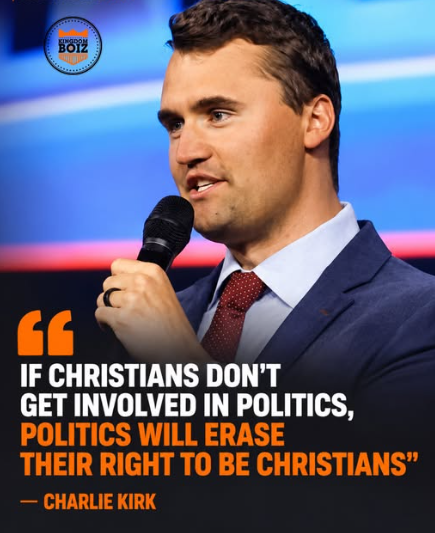 I suppose there are people who believe that the radical left is on a path to make Christianity illegal, and perhaps to install Islam as the official religion of the United States. This is remarkable for two reasons:
a) Every schoolchild in America learns about the First Amendment’s guarantee of freedom of religion at a very young age, and
b) This country made it successfully though 250 years with no one being ignorant enough to bring up this ridiculous concern.
One would hope that this figure of near 60% would indirectly translate into Trump’s ouster before he can take full control of the U.S. government.
We vote Trump’s stooges out of office in November and replace them people of honor. Trump is impeached, convicted and removed. From there, justice takes its course.
Nordex Q3 Orders Jump 30%, Vestas Bets on Australia
Nordex Q3 orders jump 30% and Vestas lands about a gigawatt in Australia. Plus why turbine factories skip Australia, high project costs, and whether batteries can replace coal.
The Uptime Wind Energy Podcast is brought to you by Weather Guard Lightning Tech, creators of the StrikeTape Ultra LPS retrofit. Subscribe to Uptime’s Substack newsletter. And check out Rosemary’s “Engineering with Rosie” Youtube channel. Have a question we can answer on the show? Email us!



