
Connect with us

Published

on

As we enter 2026, we all know that solar energy is not just an environmental choice for Australian businesses; it’s a smart commercial strategy.

Between rising energy costs, increasing ESG pressure, and attractive government incentives, of course, solar has become both eco-smart and economically powerful for Australian homes and businesses.

But before you order panels, sign contracts, or get excited about cleaner energy bills, it’s crucial to understand rebates, financing options, and the regulatory path that every business must follow.

However, from solar compliance regulations in Australia to safety standards, grid connection rules, and government incentives, navigating the legal landscape can feel complex without the proper guidance.

Also, falling behind on compliance can mean delays, penalties, or missed financial incentives, while staying ahead ensures smoother installations, long-term savings, and regulatory peace of mind.

As Australia accelerates its clean energy transition, this guide outlines the solar regulations every Australian business must know in 2026 to stay competitive, compliant, and future-ready.

So, if you are planning to install solar on your business property, let’s dive in!

Solar Rebates & Incentives| Get the Most Financial Support!

Undoubtedly, Australia’s solar boom is transforming the way businesses cut costs, reduce emissions, and future-proof operations, but staying compliant is just as important as going green.

Initially, the cost of solar panels and battery systems may seem high at first glance, but  Government support can dramatically cut upfront investment. So, knowing what rebates or incentives your business is eligible for can mean thousands of dollars saved.

Here we’ve penned down the available solar rebates for Australians:

Federal Rebates: Small-scale Renewable Energy Scheme (SRES)

The big headline rebate in Australia today is the Small-scale Renewable Energy Scheme (SRES).

Under this scheme, you earn Small-scale Technology Certificates (STCs) when you install eligible renewable energy systems, including rooftop solar and solar batteries.

These certificates have a tradable value and are typically sold by your installer to offset the system’s upfront cost.

STCs can significantly lower your installation cost. Wondering how much?

The actual savings depend on:

  • The size of your system (in kW),
  • Your geographic location,
  • The installation date and the remaining deeming years until 2030, when STCs will phase out.

You can also ask your retailer how many STCs your system will generate and what value they’re assigning to each. Sometimes it’s already reflected in your quote.

State & Local Government Incentives

Beyond federal support, many states and even local councils offer additional rebates, loans, or incentives, especially for businesses. For instance:

  • Some regions provide solar panel rebates or partial subsidies for commercial PV systems.
  • Battery rebates and interest-free loans are becoming more common to help businesses install energy storage along with solar.
  • In NSW, battery and Virtual Power Plant participation incentives have increased, offering bonus payments for grid-connected battery systems.

Moreover, rebates can often be stacked. You might be eligible for:

  1. Federal STCs,
  2. State rebates, and
  3. Local council grants are also available if you check early and apply correctly.

How to Finance Your Solar Panel Installation: Find Out!

Not long ago, financing was one of the most common barriers to solar installation. Not all businesses want to or can pay upfront for a solar system, especially larger organisations and commercial properties.

But the story has changed! Solar financing has evolved rapidly, unlocking new, flexible pathways for businesses to go solar without the upfront burden.

Let’s have a look at the top solar financing option for Australians:

Solar Loans & Leasing Options

Many businesses use tailored solar financing:

  • Commercial solar loans with competitive rates,
  • Lease or Power Purchase Agreements (PPAs), where you pay over time or only for the energy produced,
  • Environmental Upgrade Finance (EUF), where repayments are tied to council rates.

These funding options let you unlock solar savings without upfront capital, often making solar monthly costs lower than current energy bills.

Tax & Depreciation Benefits

Solar investments can also provoke tax benefits. It can result in immediate tax deductions in some cases and accelerate depreciation allowances for commercial systems.

However, tax strategies can vary by business size and structure, so it’s wise to seek professional advice before finalising anything.

Australia’s Solar Compliance Framework: Things You Must Follow

In Australia, getting rebates and finance is one thing, but meeting safety and regulatory requirements is another, and it’s mandatory.

Now you might be thinking what key requirements are set by bodies like the Clean Energy Council, local distributors, and state and federal governments.

The requirements list includes:

Accredited Installers & Tradespeople

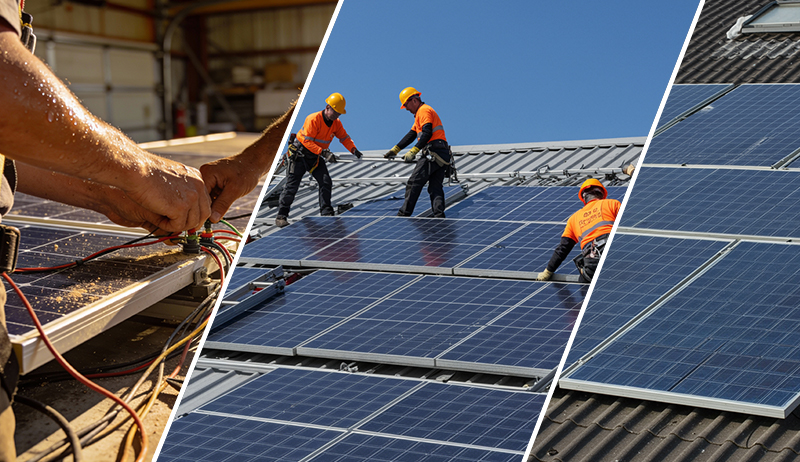
To qualify for STCs and many rebates, your system must be installed by appropriately accredited professionals such as Cyanergy. To become eligible:

  • Solar installers must be accredited through Solar Accreditation Australia (SAA) and often registered with the Clean Energy Council.
  • Electrical work must be carried out by a licensed electrician or contractor, as required by state law.

No accredited installer?

Cyanergy is here to help you with these solar financing options, making your journey hassle-free.

Australian Standards Business Must Follow

Australia has a robust set of standards that solar systems must comply with. These aren’t optional; they’re embedded in electrical and safety laws and often referenced in codes.

The key standards include:

  • Wiring Rules
  • Installation of Photovoltaic (PV) Arrays
  • Wind Loading and Structural Design Actions
  • Lightning Protection
  • Stand-alone systems
  • Grid connection of inverters and energy systems

Among these, installation of Photovoltaic (PV) Arrays has been revised specifically to support modern solar installations and is a fundamental standard for safe, compliant solar work.

If you don’t meet these standards, regulators or your energy network may refuse to connect you or even fine your business.

Network & Electrical Connections

Even after panels are on the roof, you can’t just switch them on. Your installation must be commissioned by the installer, tested against local network connection rules, and may require type-specific metering, such as digital smart meters.

In many cases, utilities may delay grid export until safety and connection standards are confirmed, so leave time in your project plan.

Building Codes & Local Council Requirements

Compliance at the federal and state levels doesn’t always summarise the whole story. Local planning, building codes, and council approvals can also affect your solar installation process.

How to build approvals?

In Australia, you may need a building permit or development approval, depending on your municipality and the system’s size or location.

Strata, body corporate, or planning rules may require additional approvals before installing panels on shared property or heritage buildings.

Must check with local authorities or your installer before proceeding.

Roof Load & Structural Engineering

Solar arrays add weight and stress to roof structures. Many councils and insurers might ask for:

  • Structural assessments,
  • Proper Documentation
  • Prove that the roof can safely support your system.

This is especially important for older buildings or double-storey structures.

Keep in mind that some installers even refuse to proceed without structural confirmation, which can delay installation if not planned for early.

Australian Safety Standards & Best Practices for Solar Panel Installation

While planning an energy upgrade, safety isn’t just a legal requirement; it protects lives and assets.

So let’s see what the safety rules are for the installation of solar PV systems in Australia:

Electrical & Fire Safety

Solar systems involve high voltages, batteries, and sometimes complex inverter setups. That’s why:

  • Installers must manage risks in accordance with Australian electrical safety and work health and safety (WHS) rules.
  • Battery installations have specific safety requirements, including proper ventilation and fire safety measures.

After installation, your electrician must also provide a Certificate of Compliance for Electrical Work to confirm that the system meets all electrical safety standards and is properly connected.

What are the Other Safety Measures?

Accreditation: Use CEC-accredited designers and installers.

Wiring: Maintain separation between AC and DC cables; protect all wiring from any physical damage.

Inverter Placement: Install your inverters in shaded, well-ventilated areas.

Panel Handling: Cover unpacked panels with opaque material to stop power generation. Also, wear insulated gloves.

Structural Integrity: Ensure proper mounting to withstand weather and prevent roof leaks.

Earthing: Essential for preventing shocks and managing fault currents.

Electrical Isolation: Isolate all power at the main switchboard before work begins.

Maintenance: Regular inspections by a licensed electrician can prevent failures.

Working at Heights: Take extreme care, especially near power lines; wear appropriate PPE, including a respirator, goggles, and gloves.

Documentation & Compliance Paperwork

If you are planning to install solar panels, don’t underestimate paperwork. Thorough documentation helps you:

  • Claim rebates,
  • Demonstrate compliance during inspections,
  • Protect your business in case of disputes.

Why Compliance Matters for Australian Businesses?

Now that you understand the rules and safety measures, it’s time to look at why compliance truly matters.

Following rebates, financing rules, and regulatory standards pays off in multiple ways:

Cost Reduction & Risk Avoidance

Non-compliance can:

  • Void rebates,
  • Lead to fines or permit pull-back,
  • Delay grid connection,
  • Result in expensive rework.

Staying compliant protects both your wallet and reputation. It’s a win-win for everyone.

Reliable Performance & Safety

Standards like AS/NZS 5033 weren’t written randomly; they’re based on decades of safety data. Compliance means your system is efficient, safe, and durable.

Insurance & Resale Value Boost

Properly installed and compliant solar systems often:

  • Improve business property value,
  • Support insurance claims,
  • Reduce liability exposure.

Final Checklist for Australian Businesses Installing Solar

Now that you understand the rules and safety measures, it’s time to look at why compliance truly matters.

Following rebates, financing rules, and regulatory standards pays off in multiple ways:

Cost Reduction & Risk Avoidance

Non-compliance can:

  • Void rebates,
  • Lead to fines or permit pull-back,
  • Delay grid connection,
  • Result in expensive rework.

Staying compliant protects both your wallet and reputation. It’s a win-win for everyone.

Reliable Performance & Safety

Standards like AS/NZS 5033 weren’t written randomly; they’re based on decades of safety data. Compliance means your system is efficient, safe, and durable.

Insurance & Resale Value Boost

Properly installed and compliant solar systems often:

  • Improve business property value,
  • Support insurance claims,
  • Reduce liability exposure.

Is Solar Worth It? Get It Right with Cyanergy

For Australian businesses in 2026, taking advantage of rebates, smart financing, and following the right regulatory path can transform solar from a cost burden into a long-term investment against volatile grid prices.

It also reduces our reliance on fossil fuels, lowering our carbon footprint.

Successful solar adoption happens when you leverage rebates intelligently, finance wisely, and comply meticulously with standards and codes. Ultimately, all you need to do is follow the guidance above.

For any further queries on solar installation, compliance, and regulatory measures, contact Cyanergy today!

Your Solution Is Just a Click Away

The post Solar Compliance & Regulations Every Australian Business Must Know appeared first on Cyanergy.

Solar Compliance & Regulations Every Australian Business Must Know

Continue Reading

Renewable Energy

It’s PEOPLE Who Vote

Published

on

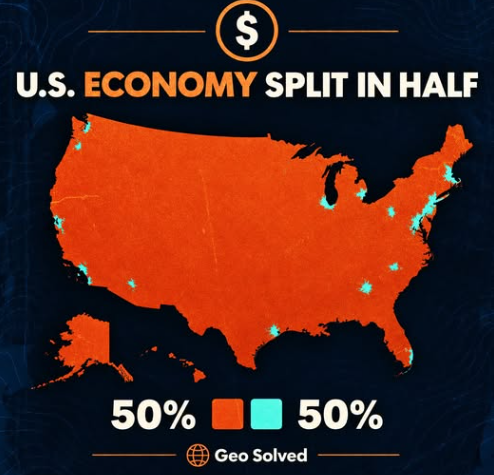
We often hear the MAGA folks claim that voting in the U.S. disproportionate favors the people in big cities, mostly along the coasts.

The obvious response: People vote, not acres of land.

And yes, it’s true that Trump has little appeal to the well-educated, highly productive people in Southern California, the Bay Area, the Mid-Atlantic, New England, other large cities like Chicago, Phoenix, Houston, and Seattle.

It’s PEOPLE Who Vote

Continue Reading

Renewable Energy

Global fleet, local knowledge: closing wind’s expertise gap

Published

on

Weather Guard Lightning Tech

Global fleet, local knowledge: closing wind’s expertise gap

This exclusive article originally appeared in PES Wind 3 – 2026 with the title, Global fleet, local knowledge: closing wind’s expertise gap. It was written by Allen Hall and other members of the Weather Guard Lightning Tech team.

As wind fleets expand across increasingly diverse operating environments, the expertise needed to solve their problems is becoming more dispersed. Closing the industry’s knowledge gap means connecting local challenges with specialist experience from across the global wind sector and beyond.

An operator finds something on a blade they have not seen before. Who do they call? The engineer who designed that blade moved on years ago. The service provider has not seen the problem either. Somewhere in the world, there’s probably a person who has spent 15 years working on precisely that failure mode. But there’s no reliable way to find them.

That scenario plays out again and again. It’s rare that a problem is unsolvable. A solution exists somewhere. The bigger problem is finding that solution, or the person close to solving it.

Wind has become a large, geographically dispersed industry with roughly 1.3 TW of installed capacity. The technical knowledge required to keep it running has dispersed with it. The knowledge is real, deep and often highly specialized, but it is scattered across the globe in small teams working in different markets.

This is not the first global industry to discover that no single organization can hold every discipline, and that different parts of the world present different problems.

Two answers, one problem

In January 2023, Andrew Billingsley took a call from Ørsted asking whether his company could recycle wind turbine blades. Billingsley is CEO of Plaswire, a polymer processor in Northern Ireland. It was not a wind company. Plaswire’s business had been built on finding a way to use plastics from aircraft seat manufacturing and other waste nobody else would handle: residue pulled out of biodigesters and municipal waste plants.

He said yes before he was certain the company could do it.

Plaswire had a proprietary process for combining polymers that materials engineers said couldn’t be combined. Ground blade fiber mixed well with the combined polymer. Plaswire says it now has capacity to process up to 11,000 tonnes of blades a year and has increased blade content in its product from ten percent to thirty percent. The company also reports that the resulting structural components can outperform the concrete and timber alternatives they replace.

The same waste stream produced an entirely different answer on the other side of the Atlantic. Everpoint Services in Houston, Texas decommissions wind and solar assets, leaving the company tasked with repurposing fiberglass blades. At a birthday party, Everpoint CEO Tyler Goodell put that problem to James Timmins, a drilling engineer who had spent his career planning and overseeing drilling operations for major oil companies.

Timmins realized that ground blade fiber might work as a fluid loss additive in oil, gas, and geothermal drilling, where fluid escaping into the formation can cost tens of thousands of dollars a day. Everpoint spent the next two years turning that idea into a product. The company says BladeBlok is patented and shipping globally from Houston.

Two regions, two answers, both effective. And in retrospect, it makes perfect sense. Northern Ireland has decades of depth in polymers and injection molding, so its answer was a polymer. Houston is a center of the global oil and gas industry, so its answer was drilling mud. Neither answer came out of the wind industry. Both came from regional industrial expertise meeting a problem that happened to land next to it.

Looking beyond Denmark

Modern wind turbine engineering grew up in Denmark, and in many ways it still lives there. The most prevalent turbine design was refined by Danish engineers. DTU Wind and Energy Systems still anchors much of the research on wind turbines. Ask a hard aerodynamic question today and there is a fair chance the answer comes from within Denmark.

What has changed is that designing turbines and operating them are different problems. They no longer happen in the same places. A machine is designed in a small number of locations. It is then operated wherever the wind blows: West Texas, Queensland, Gujarat, the North Sea, and the Spanish meseta.

The fleet is also getting older and more varied as it grows. Machines commissioned during the last boom are aging in ways nobody modeled, on sites with conditions nobody anticipated. That combination generates operational questions faster than any single organization can answer them. Those questions are local, specific, and urgent. Now, companies all over the world are being asked to solve wind’s problems with legacy knowledge, often from an adjacent industry, that originated a long way from where the turbine was built.

The same blade, four climates

The industry’s leading-edge erosion wisdom is shaped largely by northern European conditions. It is a real problem, well studied and well understood. It is also not the same problem in West Texas, where the air carries dust and insects, and where inspections routinely find turbines one to three years old that look as though they have run for far longer. Will Howell of Armour Edge describes one site near an open-cast mine where airborne marble particulates were destroying blades within two seasons.

India produces a variant that exists nowhere in Europe. During the northern dry season, a sticky, tar-like dirt builds on the blades until the flow separates and the blade effectively stalls. The monsoon washes it away. PowerCurve reports that the use of vortex generators in India has produced some of the largest energy gains it has recorded, exceeding five percent across a full year. India is now the fourth-largest wind market on earth, surpassing 56 GW; last year it added more capacity than Germany did.

Rosemary Barnes worked for a Danish blade manufacturer before returning to Australia in 2021 to work in operations. There, she found blades behaving unlike the ones she had known in Europe. The standard method of predicting erosion severity combines annual rainfall with tip speed. But when Barnes plotted Australian sites with known erosion problems against those two axes, she got a random scatter. The model had no predictive value in Australia.

Her firm, Pardalote Consulting, is now placing scientific-grade sensors in Australian wind farms to establish what actually drives erosion there. [Barnes is also a regular host of The Uptime Wind Energy Podcast.]

A library of experts

Today, finding the right specialist can be difficult.

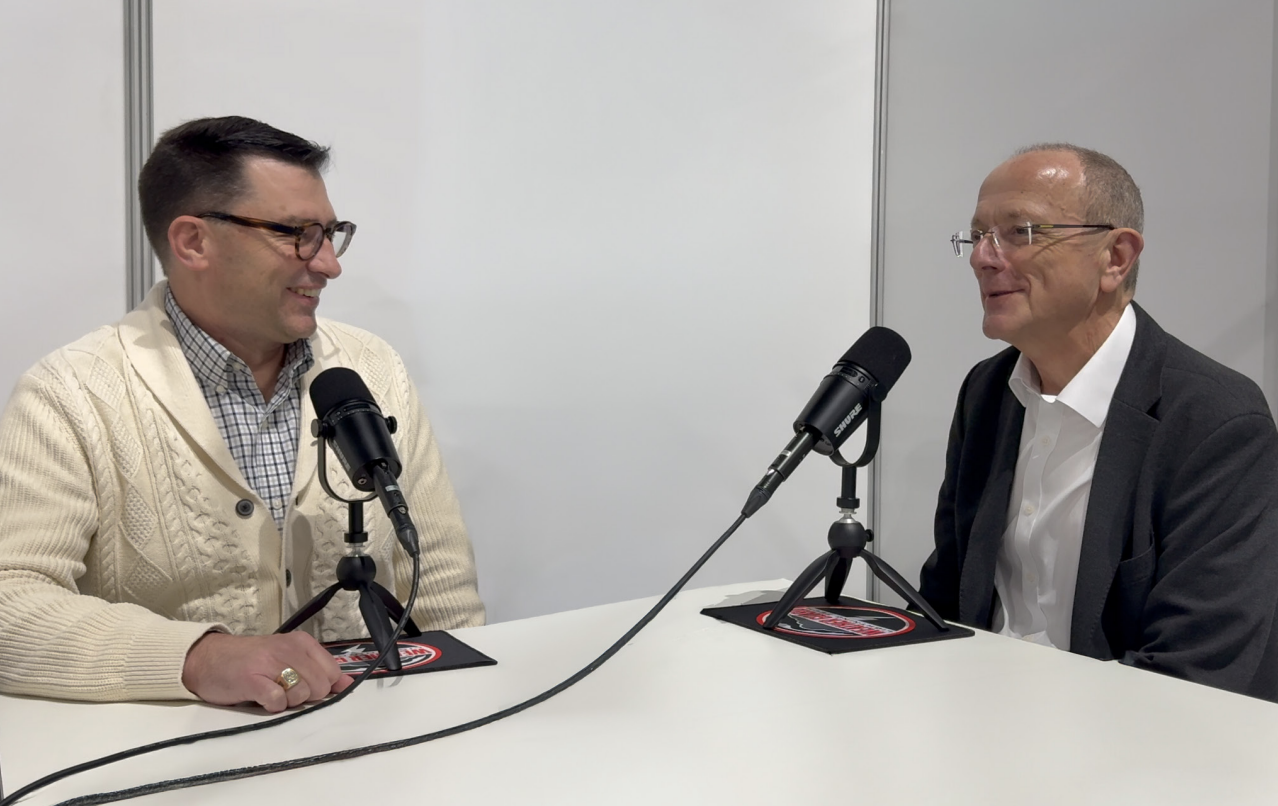
After six years hosting the Uptime Wind Energy Podcast, I increasingly think of the podcast as a library. In the past year alone, we’ve highlighted solutions from companies in Latvia, Denmark, Northern Ireland, Spain, Australia, Scotland, and the United States. As an organizer of the Wind O&M Australia event, one of our goals has been to bring international expertise to the local market. And similarly, to allow the global market to learn from knowledge that has been internal to Australia.

The answers are out there

The wind industry does not have time to solve the same problem twice. Fleets are aging, budgets are tight, and a blade defect that sits unresolved for a season costs real production. The pressure is to move faster, and the fastest way to solve a problem is rarely on your own. The fastest way to solve a problem is to find the person who has solved it. That search has to be a global one. The specialist who understands your failure mode may be in Copenhagen, Riga, Edinburgh, or Houston, working for a company you have never heard of. Geography is not a reason to rule them out. Increasingly it is the reason to go looking. The Uptime Wind Energy Podcast has become one way of documenting that dispersed expertise, bringing together specialists working on specific problems across different markets.
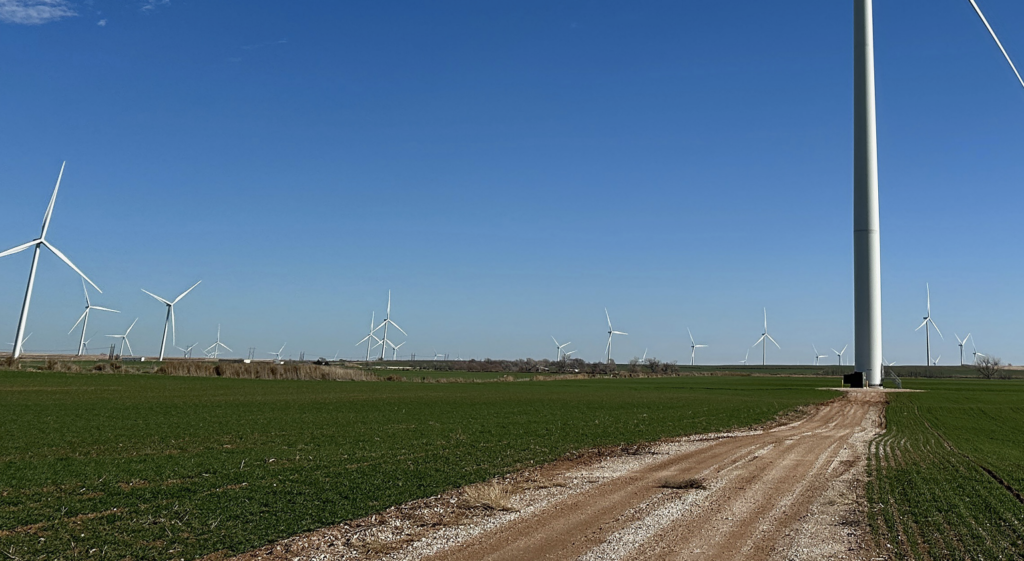
wind turbines operate in a variety of climates facing a variety of problems

The answers are out there.

Unless otherwise noted, images here are from The Uptime Wind Energy Podcast.

Contact us for help understanding your lightning damage, future risks, and how to get more uptime from your equipment.

Download the full article from PES Wind here. Previous articles you may want to read:

Find a practical guide to solving lightning problems and filing better insurance claims here

See how a cohesive operational strategy can dramatically improve reliability and profitability

Global fleet, local knowledge: closing wind’s expertise gap

Continue Reading