

To navigate through the sea of earth-minded and socially responsible brands, there are some well-curated sustainable fashion marketplaces handpicking beautiful products for the discerning and mindful shopper.
While the growth of ethical and slow fashion and lifestyle products is exciting, this growth has also led to a whole lot of greenwashing and “fair-washing”. That’s why I’ve curated this set of marketplaces that source truly responsibly-made products you can trust.
That said, the terms “ethical”, “sustainable”, and “conscious” can take on different meanings to different people based upon their own personal value systems, so each site curates and sorts their goods based on standards they specify on their site.
Each eco-friendly and ethical online shop in this guide offers up something a little different from the next with their aesthetics, ethical criteria, and price point.
Take a peek at the sites included here to find one that suits both your value standards and style!
Note that this guide to sustainable fashion marketplaces features affiliates and partners. As always I only include brands that meet high standards for ethics and style!
1. ourCommonplace


With everything from sleepwear to scarves and baskets to bedding ourCommonplace is an amazing curated online marketplace for shopping responsibly-made goods in sustainable fashion and home.
All products in the online shop meet at least two of the following six standards.
- BIPOC-Owned: supports inclusive representation in the conscious lifestyle space and helps reduce the racial wealth gap by empowering businesses owned Black, Indigenous, and People of Color brand owners and founders.
- Cruelty-free: ensures that no animals were killed, hurt, or tested on in the making of these goods.
- Ethical: these are products from brands that follow just production practices such as paying fair wages, ensuring safe working conditions, and more.
- Sustainable: brands using earth-minded materials (think natural fibers and recycled materials), processes, and packaging throughout their supply chain.
- Toxic-Free: products that have been thoroughly vetted and verified to not contain harsh chemicals.
- Women-Owned: supports women entrepreneurship and helps reduce the gender income and business owner representation gaps.
Pro Tip: you can “Shop Your Values” by sorting products by each of their standards using their top menu bar.
Categories: Clothing, Shoes, Accessories, Gifts, Jewelry, Home, Beauty & Personal Care
2. DoneGood


As your ethical shopping sidekick, DoneGood connects you with over 120 brands that are as committed to doing good as you are. Each brand on our platform is vetted for fair wages, sustainable materials, and community empowerment, ensuring your purchases contribute positively to people and the planet. By choosing DoneGood, you’re joining a movement that’s reshaping markets to meet the needs of conscious consumers like you.
You can shop by values like:
- 1% For The Planet Members
- Certified B Corporations
- Cruelty-Free
- Eco-Friendly
- Empowers Workers
- Recycled/Upcycled
- USA Made
- Vegan
- Women-Owned
Categories: Beauty & Care, Pantry, Clothing, Shoes, Jewelry & Accessories, Home & Living, Travel, Baby & Kid, Pets
3. Earthkind


Your go-to online marketplace for sustainable and ethical fashion, Earthkind brings together eco-conscious brands from around the globe. Offering a diverse selection of clothing and accessories for both men and women, Earthkind ensures that every product aligns with high standards of sustainability and ethical production. Their criteria includes:
- Transparency: Brands must openly share their production processes and sourcing practices to ensure consumers are well-informed.
- Fair Labor: Ensuring fair wages and safe working conditions is a prerequisite for all partner brands.
- Artisan Craftsmanship: Collaborations with artisans are valued to preserve traditional skills and support local communities.
- Organic Materials: Preference is given to brands using organic materials, minimizing environmental impact.
- Vegan Products: Offering animal-free products aligns with Earthkind’s commitment to cruelty-free fashion.
- Synthetic-Free: Brands that avoid synthetic materials contribute to reducing microplastic pollution.
- Circularity: Embracing circular fashion principles, such as recycling and upcycling, is encouraged.
Categories: Clothing, Accessories, Jewelry
4. Rêve En Vert


Rêve En Vert is a premier online platform dedicated to sustainable luxury fashion and lifestyle products. Founded with a commitment to environmental responsibility, the company curates a selection of items that embody both style and sustainability. Their ethos centers on promoting ethical practices within the fashion industry, offering consumers a conscious alternative to mainstream shopping.
Criteria for Selection:
- Organic: Prioritizing materials grown without harmful chemicals to protect both the environment and consumer health.
- Re-Made: Supporting brands that upcycle or recycle materials, giving new life to existing resources.
- Local: Emphasizing products made locally to reduce carbon footprints and support regional craftsmanship.
- Fair: Ensuring fair labor practices and ethical treatment of workers throughout the supply chain.
Categories: Clothing, Accessories, Gifts, Lifestyle, Beauty
5. IKKIVI


IKKIVI is your passport to a world where Indian tradition meets contemporary flair, offering a curated collection of ethically handcrafted fashion that’s as vibrant as it is responsible. Founded in 2015, IKKIVI celebrates the spirit of the modern creative woman, merging luxurious handwoven fabrics with intricate techniques to create stunning silhouettes that transcend fleeting trends.
You’ll be able to express your unique style with pieces that tell a story rich with heritage and craftsmanship with each purchase supporting ethical practices.
Here’s Why You’ll Love IKKIVI:
- Ethically Made: Each piece is crafted with care for both the environment and the artisans, ensuring fair wages and safe working conditions.
- Size-Inclusive: With offerings from 2XS to 5XL and custom sizing at no extra cost, IKKIVI believes everyone deserves to feel confident and comfortable, regardless of gender identity.
- Global Shipping: No matter where you are, IKKIVI ensures their beautiful creations reach your doorstep, making ethical fashion accessible worldwide.
- Mindful Community: Through their podcast on conscious living, IKKIVI connects you with inspirational voices from around the globe, fostering a community of thoughtful individuals.
Categories: Clothing — Dresses, Tops, Bottoms, Jumpsuits and Outerwear
6. Ten Thousand Villages
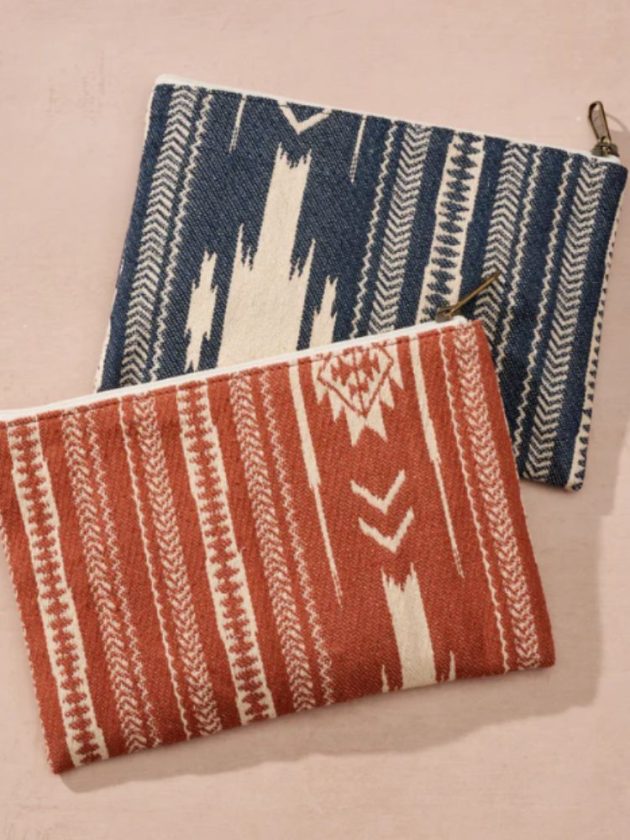

As a pioneer of fair trade goods, Ten Thousand Villages continues to operate with ethical practices at every point of their supply chain. The ethical company has both brick-and-mortar fair trade shops and an online fair trade store for finding all things handmade.
This fair trade store sources their products only from artisan groups that pay living wages and ensure safe working conditions and they make an intentional effort to partner with traditionally marginalized communities. By bringing artisan-made handcrafted goods to a global audience, Ten Thousand Villages is supporting the continuation of traditional crafts and providing sustainable economic opportunities. Today, the social enterprise works with over 20,000 artisan makers in 30 different countries.
Categories: Jewelry, Accessories, Home Goods, Gifts, Holiday Decor
7. Ivalo


IVALO.COM is your key to a world where fashion meets sustainability, offering a curated selection of over 150 “fact-checked sustainable brands” that cater to the modern, conscious dresser. Their collections are not only environmentally and ethically responsible but also contemporary, ensuring you won’t need to compromise on aesthetics to shop sustainably.
IVALO.COM 360° Sustainability Validation is their comprehensive vetting process that scrutinizes brands across multiple dimensions:
- Working Conditions & Labor: Brands must ensure ethical production practices, providing fair wages and safe working environments for all employees.
- Environmental Impact & Commitment to Sustainability: A strong dedication to reducing ecological footprints, encompassing efforts like minimizing waste, conserving resources, and implementing environmentally friendly practices.
- Sustainable Materials: Prioritizing the use of eco-friendly, responsibly sourced materials that have a lower environmental impact.
- Transparent Value Chain: Brands are vetted on their openness about their sourcing and manufacturing processes, ensuring consumers are well-informed about product origins.
- Design for Circularity: Emphasizing designs that promote longevity, repairability, and recyclability, brands contribute to a circular fashion economy.
- Inclusivity & Community: Supporting diversity and fostering a sense of community, brands are encouraged to engage in initiatives that promote inclusivity and social responsibility.
- Responsible E-Commerce: Implementing sustainable packaging solutions and mindful operational practices ensures that the e-commerce aspect aligns with environmental values.
Categories: Clothing, Shoes, Bags, and Accessories
Read Next: An Ever-Growing List of Online Zero Waste Shops
The post The Best Sustainable Fashion Marketplaces for All-in-One Conscious Shopping appeared first on .
The Best Sustainable Fashion Marketplaces for All-in-One Conscious Shopping

Last winter, we kept our house at 60 degrees and our electric bill was STILL $280. I’ve been interested in solar for a long time, but on the long list of house projects (especially when you’re restoring a 200 year old house on the historic registry) some are more pressing than others.
But with a few of those major projects wrapping up, and a daunting bill before me, I figured now was the time for a quick google search on solar panels, and let me tell you….. It can be very overwhelming.
Figuring out the rules (cough, cough, historic society), incentives or rebates if applicable, how much it would cost, how much we could save, etc. felt a little like a part-time job. But, one website made it really easy to compare things, and I am happy to be partnering with Aurora Solar to share that site with you.
Because I think you should be able to easily run the numbers on your house without a lot of hassle!
This post is sponsored by Aurora Solar, but all thoughts and opinions are my own.
If you’ve ever gotten a solar quote, there’s a good chance that Aurora Solar was involved. Aurora was founded in 2013 after its co-founders spent seven months trying to design a solar energy system using a patchwork of different tools.
Afterall, designing a solar system shouldn’t be harder than actually installing one. So they built software specifically for solar professionals. Today, more than 7,000 solar organizations use Aurora, and more than 20 million solar projects have been designed using the platform. They are also the largest solar software provider in the world. Their software is used by roughly 80% of the top 75 residential solar companies in the U.S.
All of this tech has been primarily used by professional installers to map your roof and then create a proposal, but now Aurora is offering this tech to us to help compare quotes.
So instead of having to call a bunch of different installers, I could use the Aurora Solar Marketplace to understand my solar potential, compare estimates, understand my possible savings, look into battery storage and other home electrification incentives, and map out different financing options.
1. know how much electricity the system will actually produce
Before you even get into the price, make sure you understand what you’re actually being quoted.
Two solar systems can have very different prices because they may not be the same size or produce the same amount of electricity. A cheaper system might simply have fewer panels and offset less of your electric bill.
With Aurora, you can compare solar estimates and see the system size, energy production, and how much electricity the system should offset.
You can also upload your utility bill to get a solar estimate based more closely on your actual energy usage, to make the quote accurate for you instead of a ‘generic household’.
2. understand the solar payback period
Aurora calculates things like payback period and lifetime savings, which makes it much easier to understand the long-term finances.
The solar payback period is basically how long it takes for your estimated savings to make up for what you spent on the system, and this is the number that surprised me most!
One estimate had a payback period of around 7 years, and another was closer to 11 years! Over 25 years, two of the estimates I looked at had almost a $13,000 difference in projected savings.
Of course, these are still projections as electricity rates can change (HELLO 2026) but when you’re trying to compare two options for the same house, knowing that one is projected to pay for itself four years sooner is pretty useful information.
3. look beyond the monthly payment
Depending on the installer, you may be looking at a cash purchase, solar loan, lease, or power purchase agreement.
But thankfully with Aurora you can compare the different financing options side-by-side which makes it a lot easier to see the trade-offs. One option may have a lower upfront cost, another may have a lower monthly payment, and another may give you better long-term savings.
4. find out which solar incentives actually apply to you
The minute you start Googling solar, you can find federal incentives, state incentives, utility programs, rebates, net metering, and a whole bunch of information that may or may not even apply to where you live.
And some of the articles ranking at the top of Google are several years old! (RIP to the federal incentives canceled at the end of 2025.) But, Aurora can account for solar incentives when calculating the cost and savings of a system, including state, local, and utility-specific programs.
I would still double check any incentive or tax benefit you’re planning to use before signing a contract, especially because programs and eligibility can change, but having all the relevant information in the same place makes the research process much less overwhelming.
5. research the installer, equipment, and warranties
Aurora lets you compare solar installers based on things like reviews, reputation, pricing, and financing options, which I think is just as important as the actual quote.
I’d also look closely at what equipment is included. What panels are they using? What kind of inverter? How long are the equipment warranties? Is there also a workmanship warranty from the installer? Who handles repairs if something goes wrong five or ten years from now?
And, I know I’ve said it a million times, but it’s nice to see it side-by-side without having to fill out a bunch of forms and be hounded on the phone just to get an idea of what solar may look like.
The post How to Compare Solar Quotes: What to Look For Before You Choose appeared first on Going Zero Waste.
How to Compare Solar Quotes: What to Look For Before You Choose
Green Living
Sustainability In Your Ear: XPRIZE’s David Babson on Why Climate Grand Challenges Need Buyers, Too
Buyers contracted nearly 30 million tons of durable carbon removal in 2025, more than triple the 2024 total, according to CDR.fyi data reported by Heatmap. About 90% of those purchases came from a single company, Microsoft, and suppliers delivered only about 450,000 tons during the year. That is a sliver of the six to 10 billion tons of removal a year that climate scenarios suggest the world will need by 2050. The technology to pull carbon out of the air works, but the customers needed to scale it remain scarce.
Our guest today, David Babson, is executive vice president of the Energy, Climate, and Nature domain at the XPRIZE Foundation. He calls the slow progress a market failure, because the technology is progressing faster than it is being adopted. Babson previously led MIT’s Climate Grand Challenges initiative and was a program director at the U.S. Department of Energy’s ARPA-E. His portfolio includes XPRIZE Carbon Removal, which drew 1,334 teams and whose participants have raised more than $3.3 billion. In April 2025, Mati Carbon won its $50 million grand prize for spreading crushed basalt on smallholder farms in India, where the rock locks away carbon dioxide. “If people could make money taking carbon out of the air and putting it underground, as opposed to only being able to make money taking it from underground and putting it in the air, we would be in a better place,” Babson says. Mati is weathering the slump in part because its rock dust also improves soil health and crop yields, giving farmers a reason to participate that doesn’t depend on carbon credit prices.

XPRIZE’s answer is to change what winners receive. Babson describes “mixed purses” that pair a cash award with a guaranteed buyer through an advance market commitment, a power purchase agreement, or an offtake contract. In one thought experiment, a carbon removal prize would come with a separate $1 billion fund raised from credit buyers, which qualified teams could draw on as they deliver verified tons. XPRIZE is applying the same thinking to a planned series of fusion energy prizes, pairing technical milestones with market mechanisms to build the supply chain that commercial fusion will require. The same gap between invention and adoption shows up in other XPRIZE competitions. On September 23, XPR