


Gothenburg, Sweden: Aims for 100% renewable energy by 2030
Gothenburg’s ambition to achieve 100% renewable energy by 2030 is indeed bold and impressive. Here are some aspects of their plan that make it noteworthy:
Focus on district heating: Gothenburg utilizes a well-developed district heating system, powered primarily by biofuels and waste heat. This significantly reduces reliance on fossil fuels for space heating in buildings.
Investment in wind and solar: The city is actively investing in both onshore and offshore wind farms, as well as large-scale solar energy projects. This diversification helps ensure a reliable and consistent supply of renewable energy.
Collaboration and innovation: Gothenburg works closely with local businesses, research institutions, and other stakeholders to develop innovative solutions for renewable energy production and integration into the grid. Some examples include the Gothenburg Green City Zone project, aiming for zero-emission transport, and the development of smart grid technologies.
Citizen engagement: Gothenburg recognizes the importance of public participation in achieving its ambitious goals. The city actively engages citizens through educational programs, awareness campaigns, and initiatives like rooftop solar leasing programs, empowering individuals to be part of the transition.
Here are some additional points to consider:
- Achieving 100% renewable energy by 2030 is a challenging goal, and unforeseen circumstances or technological limitations could present obstacles.
- The transition to renewables might require changes in infrastructure and consumer behavior, which could raise initial costs and require adaptation.
- The success of Gothenburg’s plan could pave the way for other cities to follow suit, providing valuable lessons and best practices for global renewable energy adoption.
Gothenburg’s ambitious renewable energy goal showcases its commitment to sustainability and serves as an inspiration for other cities worldwide. Their approach, emphasizing collaboration, innovation, and citizen engagement, offers valuable insights for accelerating the transition to a cleaner energy future.

Statistics of Renewable Energy in Gothenburg, Sweden
Gothenburg’s Renewable Energy Journey: Statistics and Insights
Gothenburg, Sweden, is a frontrunner in the global race towards renewable energy. Aiming for complete renewable energy dependence by 2030, the city boasts impressive statistics and innovative approaches. Here’s a glimpse into Gothenburg’s renewable energy journey:
Current Share of Renewables:
- 63%: As of 2021, renewables contribute a hefty 63% to Gothenburg’s total energy consumption. This surpasses the national average of 55% and places Gothenburg among the European leaders in renewable energy usage.
Breakdown by Source:
- Bioenergy: The champion, bioenergy, takes the lead, accounting for nearly 40% of Gothenburg’s renewable energy mix. This includes sustainable sources like wood pellets and biogas, often used in district heating systems.
- Hydropower: Sweden’s abundant hydropower resources contribute around 15% to Gothenburg’s renewables.
- Wind Power: With growing investments in offshore and onshore wind farms, wind energy currently provides about 10% of the city’s renewables.
- Solar Power: While still in its early stages, solar power is gaining momentum, currently contributing around 2% to the renewable energy mix.
District Heating System:
- 69% Renewables: Gothenburg’s district heating system, a key player in the city’s renewable energy success, boasts an impressive 69% reliance on renewables. This system efficiently distributes heat generated from biofuels and waste heat to buildings, significantly reducing dependence on fossil fuels for space heating.
Ambitious Goals:
- 100% Renewables by 2030: Gothenburg’s commitment to renewables is reflected in its ambitious goal of achieving 100% renewable energy dependence by 2030. This target covers electricity, heating, and transportation sectors.
- Climate Neutrality by 2045: The city’s vision extends beyond renewables, aiming for complete climate neutrality by 2045. This ambitious goal involves not only transitioning to renewable energy but also implementing energy efficiency measures and reducing overall carbon emissions.
Challenges and Opportunities:
- Technological Advancements: Achieving such ambitious goals requires continuous advancements in renewable energy technologies like efficient and cost-effective energy storage solutions.
- Public Engagement: Transitioning to a fully renewable city requires active citizen participation and changes in energy consumption patterns. Gothenburg’s initiatives for public education and community involvement are crucial in this regard.
Gothenburg’s renewable energy journey is a beacon of inspiration for other cities worldwide. Its impressive statistics, innovative approaches, and unwavering commitment to a sustainable future demonstrate the potential of transforming our energy systems and mitigating climate change.

Gothenburg’s Renewable Energy Statistics: A Glimpse into a Sustainable Future
Gothenburg, Sweden, is leading the charge towards a renewable energy future. Here’s a table summarizing the city’s impressive statistics and showcasing its commitment to sustainability:
| Aspect | Statistic | Significance |
|---|---|---|
| Current Share of Renewables | 63% | Above national average, placing Gothenburg among European leaders. |
| Breakdown by Source | * Bioenergy: 40% * Hydropower: 15% * Wind Power: 10% * Solar Power: 2% | Bioenergy reigns supreme, with hydropower, wind, and solar gaining momentum. |
| District Heating System | 69% Renewables | Efficiently distributes heat generated from biofuels and waste heat, reducing reliance on fossil fuels. |
| Ambitious Goals | * 100% Renewables by 2030 * Climate Neutrality by 2045 | Demonstrates unwavering commitment to a sustainable future, encompassing energy transition and emissions reduction. |
| Challenges and Opportunities | * Technological advancements in energy storage are crucial. * Public engagement and behavior change are key. | Continuous innovation and citizen participation are essential for success. |
Additional Insights:
- Gothenburg’s district heating system plays a vital role in its renewable energy success, contributing significantly to reduced reliance on fossil fuels for space heating.
- The city’s ambitious goals set a benchmark for other cities worldwide, showcasing the potential of transitioning to a fully renewable energy future.
- Overcoming challenges like technological limitations and fostering public engagement will be crucial for Gothenburg to achieve its ambitious goals.
Gothenburg’s renewable energy journey offers a glimpse into a brighter future where clean energy powers our cities. By showcasing its impressive statistics and innovative approaches, Gothenburg serves as an inspiration for other cities to embark on their own sustainable journeys.

Gothenburg’s Renewable Energy Mix: A Colorful Palette of Sustainability
Gothenburg, Sweden, is paving the way for a renewable energy future, boasting a diverse and dynamic mix of clean energy sources.
Here’s a closer look at the types of renewable energy powering this vibrant city:
1. Bioenergy: The Reigning Champion (40%)
Fueling the City: Bioenergy takes the crown in Gothenburg, accounting for a whopping 40% of its renewable energy consumption. This includes sustainable sources like wood pellets and biogas, often used in the city’s efficient district heating system.
2. Hydropower: A Reliable Backbone (15%)
Harnessing Nature’s Power: Sweden’s abundant hydropower resources contribute a steady 15% to Gothenburg’s renewables. This clean and mature technology provides a reliable backbone for the city’s energy needs.
3. Wind Power: Catching the Breeze (10%)
Embracing the Wind: With growing investments in both onshore and offshore wind farms, wind energy is rapidly gaining traction in Gothenburg. This clean and versatile source currently provides about 10% of the city’s renewables, and its contribution is expected to grow in the coming years.
4. Solar Power: Rising Star (2%)
Soaking Up the Sun: While still in its early stages, solar power is a rising star in Gothenburg’s renewable energy mix, currently contributing around 2%. The city actively promotes rooftop solar installations and large-scale solar projects, aiming to harness the sun’s potential to a greater extent in the future.
Beyond the Mix: Innovation and Collaboration
Gothenburg’s commitment to renewables extends beyond simply diversifying its energy sources. The city actively fosters innovation and collaboration to accelerate its green transition:
- District Heating System: This efficient network distributes heat generated from biofuels and waste heat to buildings, significantly reducing reliance on fossil fuels for space heating.
- Gothenburg Green City Zone: This ambitious project aims to create a zero-emission district, testing and implementing cutting-edge renewable energy technologies and sustainable transportation solutions.
- Public Engagement: Gothenburg recognizes the importance of citizen participation in achieving its ambitious goals. The city actively engages residents through educational programs, awareness campaigns, and initiatives like rooftop solar leasing programs, empowering individuals to be part of the transition.
By embracing a diverse mix of renewable energy sources, fostering innovation, and engaging its citizens, Gothenburg is setting a shining example for cities worldwide. Its journey towards a 100% renewable future serves as an inspiration and a roadmap for others to follow.

Table of Gothenburg’s Renewable Energy Mix
Gothenburg, Sweden, is a frontrunner in the global race towards renewable energy, boasting a diverse and dynamic mix of clean energy sources.
Here’s a table summarizing the types of renewable energy powering this vibrant city:
| Renewable Energy Type | Percentage (%) | Significance | Image |
|---|---|---|---|
| Bioenergy | 40% | Reigning champion, fueling the city with sustainable sources like wood pellets and biogas. | |
| Hydropower | 15% | Reliable backbone, harnessing Sweden’s abundant water resources for clean and mature energy. | |
| Wind Power | 10% | Catching the breeze, with growing investments in onshore and offshore wind farms. | |
| Solar Power | 2% | Rising star, gaining traction through rooftop installations and large-scale projects. |
Beyond the Mix: Innovation and Collaboration
Gothenburg’s commitment to renewables extends beyond simply diversifying its energy sources. The city actively fosters innovation and collaboration to accelerate its green transition:
- District Heating System: This efficient network distributes heat generated from biofuels and waste heat to buildings, significantly reducing reliance on fossil fuels for space heating.
- Gothenburg Green City Zone: This ambitious project aims to create a zero-emission district, testing and implementing cutting-edge renewable energy technologies and sustainable transportation solutions.
- Public Engagement: Gothenburg recognizes the importance of citizen participation in achieving its ambitious goals. The city actively engages residents through educational programs, awareness campaigns, and initiatives like rooftop solar leasing programs, empowering individuals to be part of the transition.
Gothenburg is setting a shining example for cities worldwide. Its journey towards a 100% renewable future serves as an inspiration and a roadmap for others to follow.

Conclusion Gothenburg, Sweden: Renewable Energy Mix
Gothenburg, Sweden: A Beacon of Renewable Energy Ambition
Gothenburg, Sweden, stands as a testament to human ingenuity and commitment to a sustainable future. This vibrant city, nestled on the western coast of Sweden, has set its sights on an audacious goal: achieving 100% renewable energy dependence by 2030.
This ambition transcends mere rhetoric; Gothenburg is actively paving the way with groundbreaking initiatives, diverse energy sources, and unwavering community engagement.
A Tapestry of Renewables:
Gothenburg’s energy landscape is anything but monotonous. It’s a vibrant tapestry woven from the threads of various renewable sources:
-
Bioenergy (40%): The champion, burning brightly with sustainable wood pellets and biogas, often powering the city’s efficient district heating system.
-
Hydropower (15%): A reliable backbone, harnessing Sweden’s abundant water resources to provide clean and mature energy.
-
Wind Power (10%): Catching the breeze with growing investments in both onshore and offshore wind farms, promising a future powered by the wind’s whispers.
-
Solar Power (2%): A rising star, soaking up the sun’s rays through rooftop installations and large-scale projects, destined to shine brighter in the years to come.
Beyond the Mix: Innovation and Collaboration
Gothenburg doesn’t just rely on a diverse energy mix; it fosters a culture of innovation and collaboration to accelerate its green transition:
A Beacon for the World:
Gothenburg’s journey towards 100% renewable energy is not just about achieving a local goal; it’s a beacon of hope for cities worldwide. It demonstrates that transitioning to a sustainable future is not only possible but also achievable with ambition, innovation, and community engagement.
As Gothenburg strides towards its 2030 target, the world watches with anticipation. This Swedish city is not just powering its homes and businesses with renewables; it’s powering our collective hope for a cleaner, brighter future.
https://www.exaputra.com/2024/01/gothenburgs-sweden-renewable-energy-mix.html


 Have we hit the tipping point on climate change? For example, has the melting permafrost in the Arctic released so much methane that a runaway feedback loop has been established?
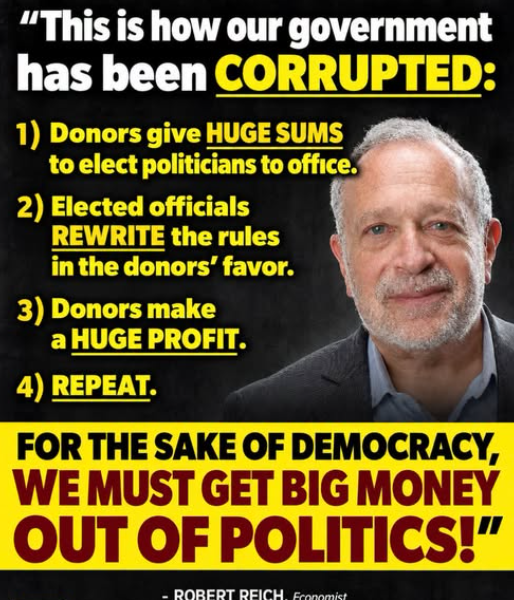
As suggested at left, an analogous question could be asked about the level corruption in the U.S. government.
Weather Guard Lightning Tech

Nordex Outsells Vestas, GE Vernova Rebuilds Wind Team
Nordex closes in on Vestas in onshore orders, GE Vernova rebuilds its wind team, Nexxis buys BladeBug, and wooden blades draw doubts.
The Uptime Wind Energy Podcast is brought to you by Weather Guard Lightning Tech, creators of the StrikeTape Ultra LPS retrofit. Subscribe to Uptime’s Substack newsletter. And check out Rosemary’s “Engineering with Rosie” Youtube channel. Have a question we can answer on the show? Email us!
Weather Guard Lightning Tech

Siemens Gamesa Builds Hornsea Blades, NEMS Invests in Perth
Siemens Gamesa starts Hornsea 3 blade production in Hull, Germany approves an Offshore Wind Act amendment, and Nexxis buys BladeBUG.
The Uptime Wind Energy Podcast is brought to you by Weather Guard Lightning Tech, creators of the StrikeTape Ultra LPS retrofit. Subscribe to Uptime’s Substack newsletter. And check out Rosemary’s “Engineering with Rosie” Youtube channel. Have a question we can answer on the show? Email us!
Episode Transcript
Uptime News Flash
September 7, 2026
Happy Monday, everyone. Well, let’s talk about the biggest wind farm on earth. It doesn’t exist yet, but its blades are being built right now. Over in Hull, England, Siemens Gamesa just started making blades for Ørsted’s Hornsea 3 offshore wind farm. That’s two point nine gigawatts, one hundred and ninety-seven turbines. Each blade is longer than a football pitch. Fourteen hundred workers build blades in that factory, turning raw materials into finished product. When complete, Hornsea 3 will power more than three million British homes. It’s the single largest offshore wind farm in the world.
And if we slide over to Germany for a moment, the German cabinet just approved an amendment to the Offshore Wind Act, the WindSeeG. It’s headed to the Bundestag next. The goal? New rules by January first, twenty twenty-seven. But the Offshore Wind Energy Foundation says the draft does not go far enough. Sixteen gigawatts of awarded projects are still waiting on final investment decisions. Sixteen — that’s quite a few. The foundation wants a new way for developers to hand back sites they can’t build, so those sites can be re-tendered quickly under conditions that actually work. Sort of a use-it-or-lose-it approach. That’s the idea.
We’ll head a little further east to India. India ranks fourth in the world for installed wind power, but probably not for long. A government official said this week that India will overtake Germany and become the world’s third-largest wind energy nation by twenty thirty — one hundred seven gigawatts of installed capacity. India added a record six gigawatts last year alone, shattering their previous record of a little over four gigawatts. And twenty-eight more gigawatts are under construction right now. Impressive.
Let’s head down to Western Australia, because a company called National Electric Motor Services, NEMS for short, is building a one million dollar facility in Perth to test and repair wind turbine generators. Right now, Australian wind farm operators ship their broken generators overseas for repairs, and that takes months. NEMS is the only authorized service center for ELIN Motoren in all of Western Australia. This is the fifth project funded through Australia’s Wind Energy Manufacturing Co-investment program. Local repair, faster turnaround, and homegrown capability — that’s all good.
And staying in Australia, Perth-based Nexxis Technology just bought a British robotics company, BladeBUG. BladeBUG is a robot that uses suction cups to crawl across wind turbine blades. Nexxis already has a robot called Magneto that uses electromagnetic adhesion to climb steel structures. If you put the two together, you can inspect almost any surface on a turbine, or about anything else. Add AI and machine vision, and you have robots that can see what human eyes might miss, from places human hands shouldn’t have to reach. It’s safer, faster, and it’s going to be a lot smarter.
One more story before we finish today. Siemens Gamesa has now installed more than 300 recyclable blades in six countries. The secret is a new resin. Unlike conventional resins, this one lets you separate the blade components at end of life, so you can separate the fabric from the resin. Cool stuff. Jonas Pagh Jensen, head of sustainability at Siemens Gamesa, says the technology is ready for full-scale use. And Siemens Gamesa has already installed 36 GreenerTower units — steel towers with 63% lower carbon emissions. So although sustainability may have faded from the headlines, it’s still in tender documents, and it’s showing up more than ever. In Denmark, the Netherlands, and France, buyers are all asking about recyclability and decarbonization before they award contracts.
So what should you be watching this week? Recyclability is no longer a nice-to-have — it’s a must-have, and it’s showing up in tender scoring. If your blades can’t be recycled at end of life, you may not win the contract to begin with. And a lot of supply chains are going local. Australia doesn’t want to ship generators overseas anymore. India is building its own turbine factories. The countries buying wind power want it built at home. For professionals in the wind industry, the competitive edge is shifting — it’s not just who can build the best turbine, it’s who can build it locally, recycle it fully, and inspect it without putting a person in a harness.



-
Climate Change1 year ago
Guest post: Why China is still building new coal – and when it might stop
-

 Greenhouse Gases2 years ago
嘉宾来稿:满足中国增长的用电需求 光伏加储能“比新建煤电更实惠”
-
Greenhouse Gases1 year ago
Guest post: Why China is still building new coal – and when it might stop
-

 Climate Change2 years ago
嘉宾来稿:满足中国增长的用电需求 光伏加储能“比新建煤电更实惠”
-

 Renewable Energy11 months ago
Sending Progressive Philanthropist George Soros to Prison?
-
Climate Change2 years ago
Bill Discounting Climate Change in Florida’s Energy Policy Awaits DeSantis’ Approval
-
Greenhouse Gases1 year ago
嘉宾来稿:探究火山喷发如何影响气候预测
-

 Carbon Footprint2 years ago
US SEC’s Climate Disclosure Rules Spur Renewed Interest in Carbon Credits