

Article Contents


Welcome to Carbon Brief’s DeBriefed.
An essential guide to the week’s key developments relating to climate change.
This is an online version of Carbon Brief’s weekly DeBriefed email newsletter. Subscribe for free here.
FOSSIL FAILURE: At the UN’s 78th general assembly in New York, secretary general António Guterres said that “the fossil fuel age has failed”, but “stopped short of calling on specific countries”, the New York Times reported. On Wednesday, Guterres invited leaders from 34 countries to speak at the first-ever “climate ambition” summit “in recognition of their strong action on climate change” – notably omitting China, the US and the United Arab Emirates, Reuters reported.
FINANCING THE FIGHT: Nigerian president Bola Tinubu told the general assembly that Africa’s fight against climate change must happen “on our own terms”, namely, alongside “overall economic efforts”, reported Nigerian daily the Premium Times. Surangel Whipps Jr, president of Palau, called for “scaled-up climate finance that adequately recognise[s] the context” of small island developing states, Pacific News Service wrote.
BREAKING THE BANK: On Sunday, an estimated 75,000 people took to the streets of New York to demand stronger action on climate change. The protest was “far more focused on fossil fuels and the industry than previous marches” had been, the Associated Press wrote. The next day, more than 100 protesters were arrested outside New York’s Federal Reserve Bank, Inside Climate News reported.
UK U-TURN: UK prime minister Rishi Sunak has made a “major shift on green policies”, announcing “exemptions and delays” to a range of plans and programmes, BBC News reported. Among them is a five-year postponement of the ban on new petrol and diesel cars, originally set for 2030. The prime minister “denied he was ‘watering down’ the government’s net-zero commitments”, the outlet added.
‘IN JEOPARDY’: Carbon Brief analysis showed that these policy changes “could put the UK’s legally binding emissions targets in jeopardy”, as well as its commitment under the Paris Agreement. Carbon Brief has also just published an in-depth Q&A which includes a factcheck of Sunak’s claims and policy announcements. Despite Sunak’s emphasis on being “honest with the public” about the “unacceptable costs” of net-zero, the assessment makes it clear that many of his statements were misleading and his policy changes could cost consumers billions of pounds.
Number of countries that saw marches, rallies and other actions over 15-17 September to demand fossil fuel phase-out, according to the campaign group the Global Fight to End Fossil Fuels.
(For more, see Carbon Brief’s in-depth daily summaries of the top climate news stories on Monday, Tuesday, Wednesday, Thursday and Friday.)

The sea ice extent around Antarctica is more than 1.5m square kilometres lower than the September average, satellite data has revealed. This extent is much smaller than has ever been measured in the austral winter, a record that goes back to 1979. “It’s so far outside anything we’ve seen, it’s almost mind-blowing,” Dr Walter Meier, senior research scientist at the US National Snow and Ice Data Center, told BBC News. Meier is “not optimistic that the sea ice will recover to a significant degree”, the outlet added.
A new report from the OSPAR Commission, which is responsible for protecting the marine environment of the north-east Atlantic, assessed the status and health of that part of the ocean and its neighbouring seas. Here, Carbon Brief unpacks three key takeaways from the report.
A range of climate impacts are already being felt across the north-east Atlantic, from marine heatwaves and sea-level rise to deoxygenation and changes in the ocean circulation. “While the root cause is global, the effects are felt at more local scales,” the report said. For example, it identified the Arctic waters as warming more rapidly than elsewhere in the region.
Local changes can have knock-on effects, it added, such as shifts in wind patterns and strength due to changes in Arctic sea-ice extent. Warming also affects ecosystems, with the report providing evidence of changes in plankton, “which, in turn, trigger changes at other trophic levels”.
Ocean acidification is also having both direct and indirect impacts on marine ecosystems in the region, “with significant negative impacts for calcareous or shelled organisms”, the report concluded.
While supporting improved ocean resilience is important, it cannot come at the expense of broader climate action, said Dr Bee Berx, one of the lead authors of the climate change assessment within the report.
She told Carbon Brief: “Reducing global warming in compliance with the UNFCCC Paris Agreement would be the main way to ensure the impacts of marine climate change and ocean acidification are minimised.”
Besides climate change, the world’s oceans face a multitude of other human impacts. Some of these pressures have eased over the past several decades.
Pollution from the oil and gas industries operating in the north-east Atlantic has waned and the amount of marine litter has diminished, despite increasing use of plastics overall. Excessive nutrient inputs from agriculture and wastewater have also decreased over much of the OSPAR region – although not everywhere.
At the same time, pressures, such as noise pollution from shipping traffic and contamination by pharmaceuticals, have increased. According to the report, such pressures weaken marine ecosystems and make them less resilient to the effects of climate change and ocean acidification.
There is “emerging understanding of the complex interactions between cumulative pressures”, Berx told Carbon Brief. Managing those pressures will be a “critical tool for the OSPAR countries to support climate change resilience”, she added.
Understanding ecosystem change “is crucially important for developing effective and efficient management”, the report said. It noted that “collective trends” indicate continuing biodiversity decline and ecosystem degradation, despite measures that OSPAR countries have taken.
The report did note some bright spots for biodiversity. For example, the introduction of invasive alien species – one of the five major drivers of biodiversity loss – to the OSPAR region has slowed.
But, at the same time, the status of most of the threatened species assessed by OSPAR was either “not good” or “unknown”. Species are harmed by both direct and indirect pressures, with localised pressures such as habitat loss exacerbated by climate change.
THREE STRIKES: The historic labour action by the US United Auto Workers union is inextricably linked to the future of electric vehicles, Grist wrote.
PAKISTAN’S PROGNOSIS: The Third Pole interviewed Sherry Rehman, former climate minister of Pakistan, on the challenges her country faces under increasing uncertainty.
OLD FOREST, NEW APPROACH: Garry Merkel, a Canadian forester and a member of the Tahltan Nation, discussed holistic forest management on the YourForest podcast.
DeBriefed is written in rotation by Carbon Brief’s team and edited by Daisy Dunne. Please send any tips or feedback to debriefed@carbonbrief.org
The post DeBriefed 22 September 2023: UN’s first ‘climate-ambition’ summit; UK govt’s climate U-turn; How to protect the north-east Atlantic appeared first on Carbon Brief.
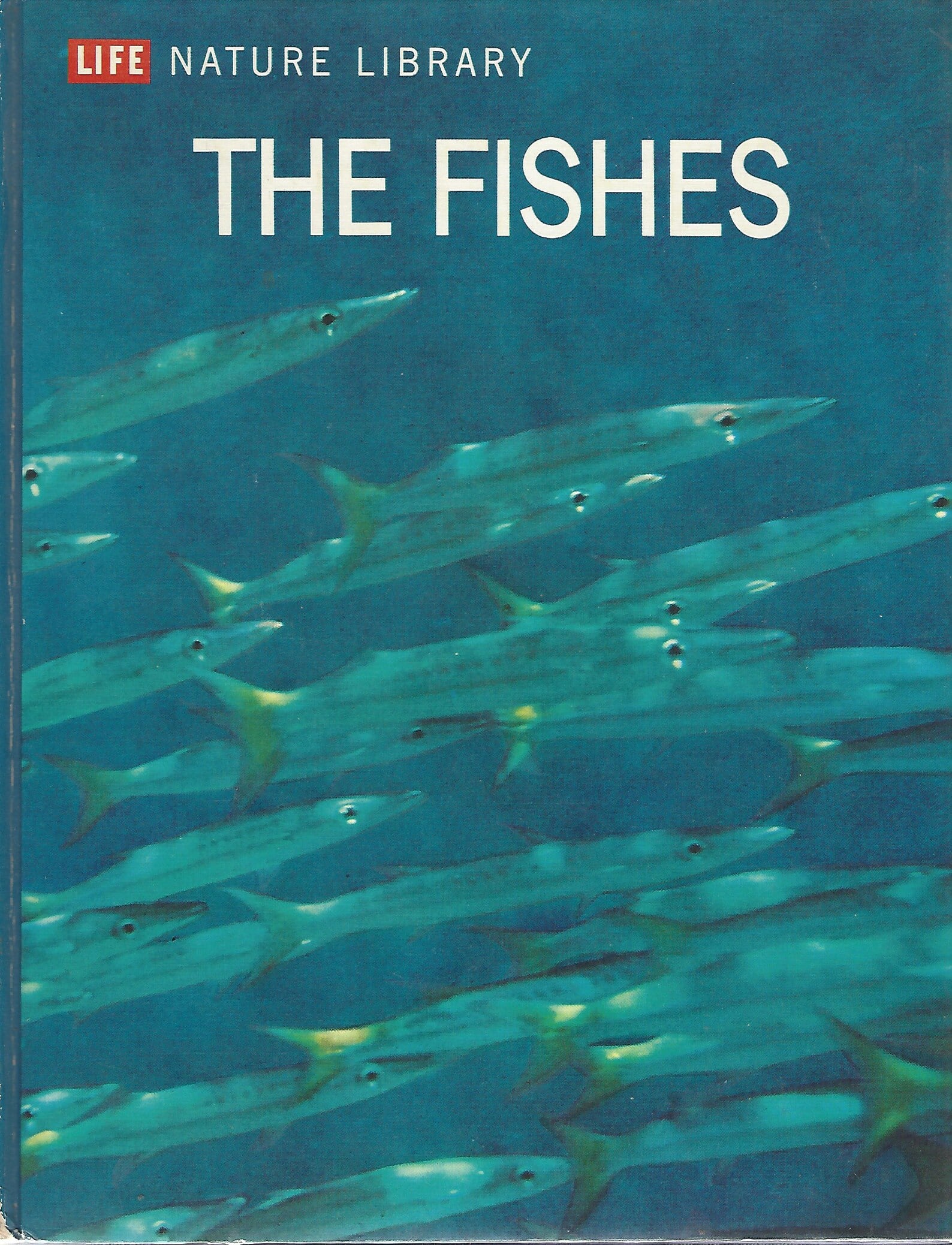
When I was very small, it was the TimeLife book of The Fishes, by F. D. Ommanney, which I remember endlessly poring over, my child’s mind gripped, in total fascination. The cover illustration showed a shoal of barracuda, mid-water and heading upwards, lit up as an iridescent blue by a column of sunlight. Oddly, it is only the cover and the illustrations of the deep sea creatures which I now remember—but I loved that book, as the weakened spine, blunted pages and dog-eared corners attested.
The Fishes has been on my mind recently, because I’ve been working with some dear friends on our own illustrated oceans book, to be published by Upswell Publishing. The book is called Scott Reef: Like Nowhere Else on Earth, and I want to share with you a bit of the story behind its creation.
Scott Reef is absolutely magnificent: Australia’s largest freestanding oceanic reef, brimming with life, including rare and threatened species such as a genetically distinct population of green sea turtles, pygmy blue whales and the wonderfully elegant dusky sea snake. But Scott Reef isn’t near our capital cities; it is way off the north-west coast of WA. And it is threatened with devastation by Woodside, which wants to drill up to 57 toxic wells at the Reef for its vast, dirty Browse gas project.
One of the main challenges in the fight to save Scott Reef from being turned into an industrialised gas zone by Woodside is bringing this incredible location to life for people who haven’t actually experienced it first hand. Because despite its ecological significance and dazzling beauty, ‘Scott Reef’ is also—at least not yet—exactly a household name.
To help get over this barrier, Greenpeace has enabled a number of photographers to travel to Scott Reef by boat (including the Rainbow Warrior) to document its astonishing diversity of colour and life. We then brought these images together in a remarkable photobook, produced by our talented in-house team, which we’ve been putting into the hands of as many leaders as possible—including the MPs whose decisions can determine the Reef’s future.
Back in June this year, I was sharing a copy of our in-house book at a business gathering in Perth when someone pulled me aside. Had we thought about publishing the book commercially? Apart from anything else, he wanted to buy a copy himself! He had a point. We were proud of what we’d created, but a commercially published version could reach a much wider audience and have even greater campaign impact. I immediately turned to my dear friend, Terri-ann White, who runs Upswell Publishing in WA, for advice.
Terri-ann has a huge heart and terrific vision. So many wonderful things in WA owe their existence to her doings, and, true to form, she was immediately encouraging and enthusiastic. “But,” she said, “it would add a whole new dimension if we had some words to accompany the incredible pictures.”
Fair enough, I thought. I could ask a few authors.
“And when would you like it published?” she asked.
“Ideally November,” I answered sheepishly.
Now, in publishing terms, nobody goes from idea to finished work, beautifully produced by a commercial publisher, in just four months. It. Just. Doesn’t. Happen. A book of this scale would ordinarily take nine months, I was told. But Terri-ann was undeterred. “If you can get a rapid turnaround on the writing, I will give it a shot.”
Over the following few days, I sent out 24 emails to prospective writers. To my joy and surprise 23 of them responded almost immediately with an enthusiastic yes!
Terri-ann was somewhat alarmed and perplexed when I told her the good news… we’d discussed a few authors, not more than twenty! “Impossible,” she texted. “Editing is important and you are talking about thousands of words!” But I also know Terri-ann. She does the impossible. And so, here we are… Terri-ann is going to hit that improbable deadline. Scott Reef: Like Nowhere Else on Earth will be on shelves in November.
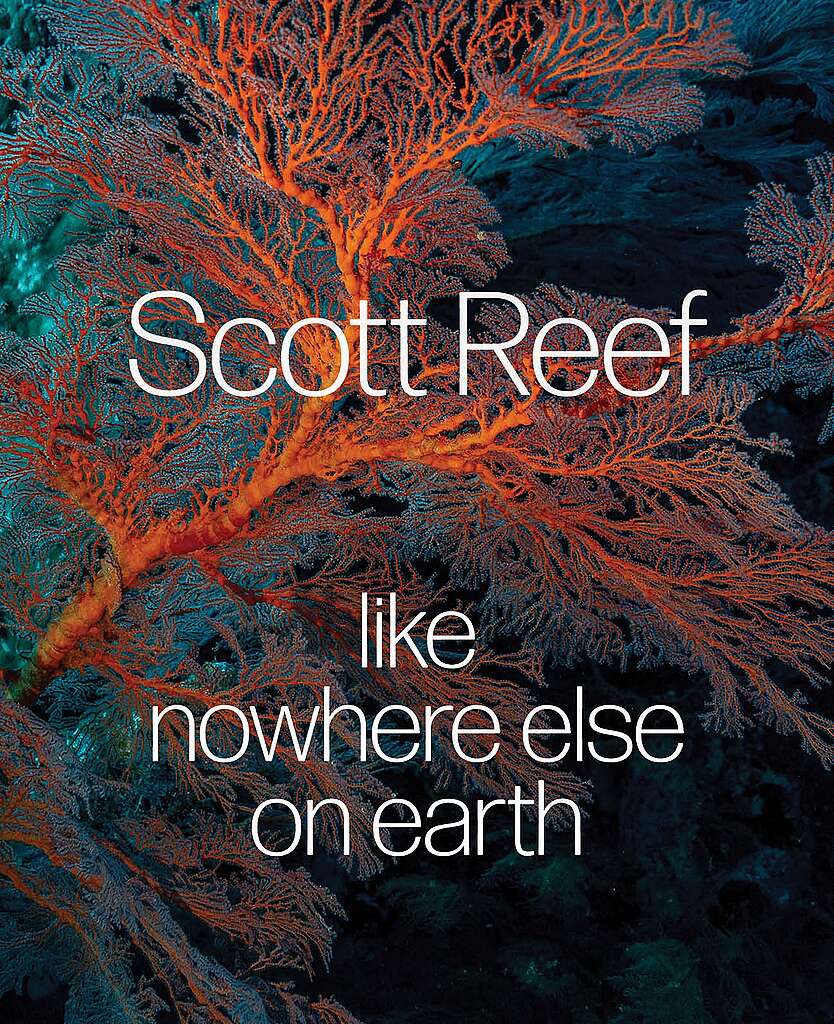
The contributors are a wonderfully diverse bunch, united by their enthusiasm for Scott Reef — and their extraordinary speed!
It’s a brilliant mix. The book brings together national icons like Peter Garrett, Tim Winton, Mick Dodson, Janet Holmes à Court and Fiona Stanley; the intellectual heft of professors Frank Bongiorno, Jessica Meeuwig, Rick Steiner and Samantha Hepburn; the poetic vision of Prema Arasu, Berndt Sellheim and Saadiah Freeman; the field expertise and passionate first hand witnessing of Imogen Zethoven, Tooni Mahto, Ben Fitzpatrick, Geoff Bice, Olaf Meynecke, Paul Gamblin, Sarah Gittoes and Hayley Baillie; and the determination of emerging activist voices Jackson Reid and Emma Sangalli.
Their elegant words wrap themselves around the sheer wonder of the underwater world, brought to life by the work of the photographers — of whom one, Wendy Mitchell, has also contributed a wonderful essay.
Terri-ann showed me the full physical proofs this week and they are breathtaking. This book contains some of my absolute favourite images of wildlife beneath the waves -– and believe me, after almost 20 years at Greenpeace, I’ve been privileged enough to see some remarkable shots! The essays bring a whole new depth and richness to the story of Scott Reef.
If I am being honest, and maybe a bit sentimental, I hope that a four or five-year-old child somewhere in Australia will spend part of their summer holidays turning the pages of this book, wide-eyed with curiosity and awe at the beauty and strangeness of the creatures that call our oceans home.
Our shared commitment is to make sure that, as those children grow up, the wonders of Scott Reef will exist not just in the pages of the book, but out there in the wild waters off north-western Australia—alive, thriving, and every bit as extraordinary as they are today; a living wonder beneath the waves.
Pre-orders of Scott Reef: Like Nowhere Else on Earth are available here.

Q & A
Sometimes you get asked a question so often that you decide to produce a report to answer it!
We know there is strong public opposition to voter opposition to gas drilling at Scott Reef and fracking in the Kimberley in Western Australia. But I am frequently asked whether, even if people don’t want it, more gas drilling is a necessary evil to sustain WA’s prosperity?
The short answer is an unequivocal ‘No’. The longer answer is our new report, From Gas to Green: Building Western Australia’s Future State, which makes the comprehensive case that Asia’s gas market is declining — while WA has an enormous untapped opportunity to become a global leader in green industries and exports, helping drive the region’s shift away from fossil fuels. The faster that WA embarks on a decisive shift away from gas—and that includes no fracking in the Kimberley, or drilling at Scott Reef — so much the better for the state’s people, ecology and economy.