

Ahead of the Paris Olympic Games this summer, the organising committee was concerned about two principal diseases: Covid, which Europe is fully familiar with, and dengue fever.
Dengue, a climate-sensitive infectious disease spread by mosquitoes, is traditionally considered a “tropical” infectious disease.
But authorities closely monitored and prepared for dengue in Paris due to its potential to spread in the increasingly warm climate of the region.
A great deal of progress has been made over recent decades in the fight against some infectious diseases, such as malaria, yet this progress is at risk due to climate change.
Mosquitoes carrying the dengue virus are now a threat in France and other European countries because of warmer summers.
Extreme weather events and warming temperatures are giving many infectious diseases opportunities to expand to new regions, putting billions of people at risk.
Climate-sensitive infectious diseases
Any infectious disease whose transmission and spread are influenced by changes and variations in climate and weather is considered a climate-sensitive infectious disease (CSID).
These include diseases that are spread by air, food, water or vectors.
The CSIDs that have received most media attention are vector-borne. They are caused by pathogens that have been transmitted to a human by a vector, such as a snail, fly, tick or mosquito.
Vector-borne diseases include dengue, Zika virus, malaria, Chikungunya and yellow fever.
Ideal breeding conditions
Almost all vector-borne diseases have a climate dimension. Both pathogens – the microorganisms that cause the disease itself – and vectors are very sensitive and highly responsive to the environments they live in. Changes in temperature and rainfall can have significant impacts on their spread.
In 2024, global temperatures reached record highs. These extreme conditions have been linked to a surge in dengue fever cases worldwide and contributed to the spread of other infectious diseases.
Pathogens and vectors typically thrive in warmer climates – in part because there is a longer season in which the vectors can live, breed and pass on the disease.
Higher temperatures change the behaviour of insect vectors. Adult mosquitoes reproduce more quickly and bite more frequently in warmer weather.
Pathogens also multiply faster within the vector in warmer conditions. This means there is a higher concentration of the disease-causing pathogen transmitted within insect bites, increasing the chance of infection. In turn, this leads to quicker and more intense disease outbreaks.

Temperature is only one part of the picture. Changes in rainfall patterns contribute to creating ideal breeding conditions for mosquitoes and other vectors too.
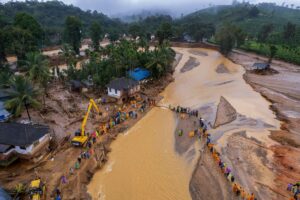
Pakistan, for example, has had increasingly heavy monsoon seasons – linked to climate change – that result in severe flooding. When the floods recede, stagnant water pools are left creating ideal breeding sites for some mosquitos.
Flooding in 2024 has seen 1.3m cases of malaria recorded in Pakistan so far, with cases likely to continue rising. In 2021, there were 500,000 cases recorded in total.
Unequal risks
Vulnerable populations are typically at greater risk from CSIDs – including children, the elderly, pregnant women and people with weakened immune systems.
Additionally, communities with limited healthcare, inadequate housing and poor sanitation are more susceptible to outbreaks of CSIDs due to reduced capability to prevent, detect and treat infections.
Currently, lower-income countries – particularly those in tropical regions – bear the higher burden of CSIDs. Tropical regions are more exposed to vector-borne diseases for several reasons – from the warm and humid climate and the existence of disease-carrying insects to inadequate housing, infrastructure and healthcare.
This combination of factors leads to heightened risk and less resilience against the spread of such infectious diseases in many tropical countries.
However, as temperatures rise, cooler regions, such as Europe, are also becoming more vulnerable to climate-sensitive diseases.
Warmer temperatures increase the geographic range where vectors – such as mosquitoes and ticks – can survive and breed.
This pattern is exemplified by Lyme disease, an illness transmitted by ticks. Increasingly prevalent throughout the UK, it is also steadily moving into northern areas of Canada and even the Arctic – where it was previously absent as ticks could not survive the cold temperatures.

Due to climate and land-use change, ticks can now spread Lyme disease into these new areas and could lead to year-round tick seasons, which could be expected in areas of Scotland and elsewhere.
Reducing risks
While curbing the spread of CSIDs requires global action to slow climate change, there are adaptation measures that can be put in place now.
These measures are particularly important in lower-income countries, where the impacts of climate change on health are most acutely felt.
Wellcome is funding 24 research teams from both climate and health backgrounds in 12 countries to develop new digital tools to respond to the emerging threat of CSIDs.
Integrating climate data with health information can improve the prediction and management of disease outbreaks to, for example, create better early warning systems.
For example, a research team based in Vietnam is developing a new digital tool called E-DENGUE to predict dengue outbreaks as early as two months in advance. It will be tailored for the Mekong Delta region of Vietnam.
This will allow public health practitioners to be one step ahead of dengue outbreaks, giving them time to mobilise resources and concentrate interventions to the most affected areas.
Reducing the ability of mosquitoes to transmit viruses is another promising approach being used to regain control of CSIDs.
The World Mosquito Program is releasing mosquitoes infected with Wolbachia, an extremely common bacterium that occurs naturally in 50% of insect species. This bacterium was found to reduce the ability of tiger mosquitoes to transmit viruses such as dengue and Zika.
However, extreme heat can reduce the effectiveness of this method, highlighting the need for heat-resistant strains of the Wolbachia bacterium in future control programmes.
Recent advances in vaccine development also offer hope. A vaccine for dengue fever has been approved in several countries and more effective vaccines are under development.
For malaria, the vaccine Mosquirix has been recommended by the World Health Organization for use in moderate- and high-transmission areas, and a second-generation malaria vaccine, known as R21/Matrix-M, has demonstrated high efficacy in trials. This summer, Ivory Coast became the first country to roll out R21/Matrix-M.
These vaccines represent strides forward in preventing these diseases and complement other control measures.
Addressing the most acute problems
Climate change is reshaping the global landscape of infectious diseases, with vector-borne diseases at the forefront of this shift.
As temperatures rise and extreme weather becomes more severe, the risk of disease outbreaks increases – both for regions where a disease is already endemic and for those that are experiencing it anew.
Countries that have made the smallest contribution to greenhouse gas emissions are often the ones most affected by climate change’s health impacts and the least well equipped to deal with them.
Ensuring that these countries have access to tools and resources and the support needed to strengthen their health systems will help stem the spread of CSIDs. But much more will be needed to ensure that they can adapt to and mitigate the wider health effects of climate change.


The post Guest post: The growing threat of climate-sensitive infectious diseases appeared first on Carbon Brief.
Guest post: The growing threat of climate-sensitive infectious diseases

Drought and heatwaves occurring together – known as “compound” events – have “surged” across the world since the early 2000s, a new study shows.
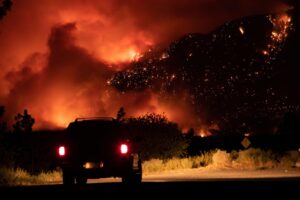
Compound drought and heat events (CDHEs) can have devastating effects, creating the ideal conditions for intense wildfires, such as Australia’s “Black Summer” of 2019-20 where bushfires burned 24m hectares and killed 33 people.
The research, published in Science Advances, finds that the increase in CDHEs is predominantly being driven by events that start with a heatwave.
The global area affected by such “heatwave-led” compound events has more than doubled between 1980-2001 and 2002-23, the study says.
The rapid increase in these events over the last 23 years cannot be explained solely by global warming, the authors note.
Since the late 1990s, feedbacks between the land and the atmosphere have become stronger, making heatwaves more likely to trigger drought conditions, they explain.
One of the study authors tells Carbon Brief that societies must pay greater attention to compound events, which can “cause severe impacts on ecosystems, agriculture and society”.
Compound events
CDHEs are extreme weather events where drought and heatwave conditions occur simultaneously – or shortly after each other – in the same region.
These events are often triggered by large-scale weather patterns, such as “blocking” highs, which can produce “prolonged” hot and dry conditions, according to the study.
Prof Sang-Wook Yeh is one of the study authors and a professor at the Ewha Womans University in South Korea. He tells Carbon Brief:
“When heatwaves and droughts occur together, the two hazards reinforce each other through land-atmosphere interactions. This amplifies surface heating and soil moisture deficits, making compound events more intense and damaging than single hazards.”
CDHEs can begin with either a heatwave or a drought.
The sequence of these extremes is important, the study says, as they have different drivers and impacts.
For example, in a CDHE where the heatwave was the precursor, increased direct sunshine causes more moisture loss from soils and plants, leading to a drought.
Conversely, in an event where the drought was the precursor, the lack of soil moisture means that less of the sun’s energy goes into evaporation and more goes into warming the Earth’s surface. This produces favourable conditions for heatwaves.
The study shows that the majority of CDHEs globally start out as a drought.
In recent years, there has been increasing focus on these events due to the devastating impact they have on agriculture, ecosystems and public health.
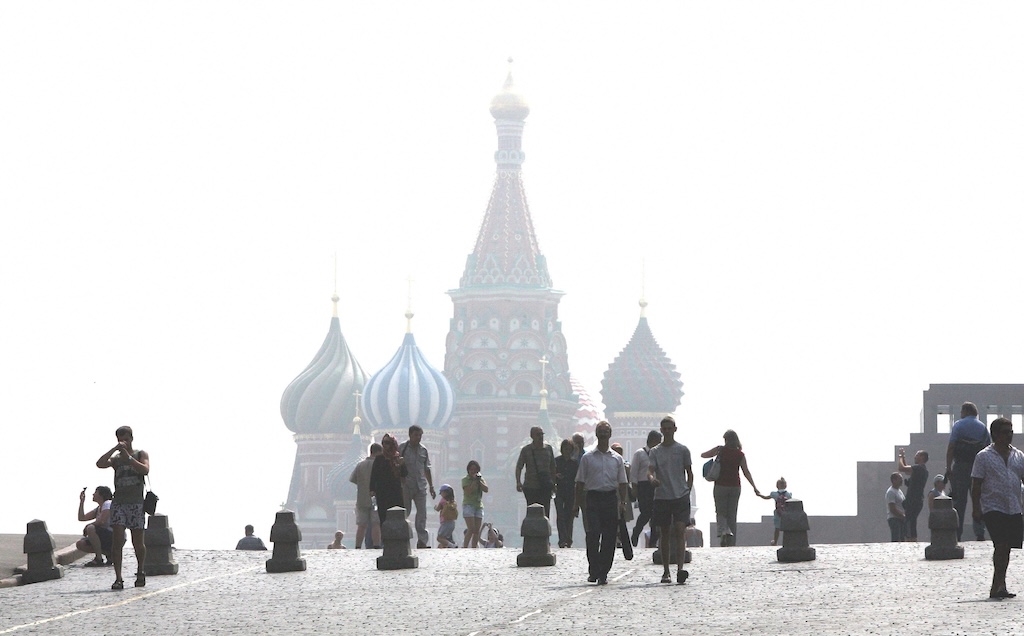
In Russia in the summer of 2010, a compound drought-heatwave event – and the associated wildfires – caused the death of nearly 55,000 people, the study notes.
The record-breaking Pacific north-west “heat dome” in 2021 triggered extreme drought conditions that caused “significant declines” in wheat yields, as well as in barley, canola and fruit production in British Columbia and Alberta, Canada, says the study.
Increasing events
To assess how CDHEs are changing, the researchers use daily reanalysis data to identify droughts and heatwaves events. (Reanalysis data combines past observations with climate models to create a historical climate record.) Then, using an algorithm, they analyse how these events overlap in both time and space.
The study covers the period from 1980 to 2023 and the world’s land surface, excluding polar regions where CDHEs are rare.
The research finds that the area of land affected by CDHEs has “increased substantially” since the early 2000s.
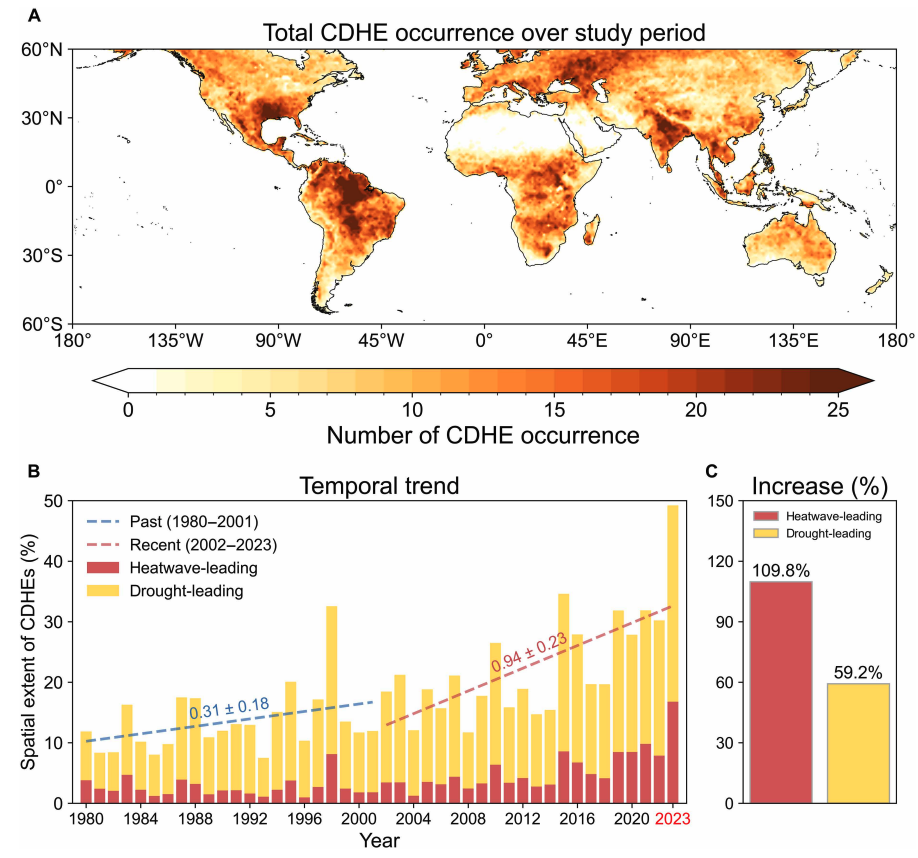
Heatwave-led events have been the main contributor to this increase, the study says, with their spatial extent rising 110% between 1980-2001 and 2002-23, compared to a 59% increase for drought-led events.
The map below shows the global distribution of CDHEs over 1980-2023. The charts show the percentage of the land surface affected by a heatwave-led CDHE (red) or a drought-led CDHE (yellow) in a given year (left) and relative increase in each CDHE type (right).
The study finds that CDHEs have occurred most frequently in northern South America, the southern US, eastern Europe, central Africa and south Asia.
Threshold passed
The authors explain that the increase in heatwave-led CDHEs is related to rising global temperatures, but that this does not tell the whole story.
In the earlier 22-year period of 1980-2001, the study finds that the spatial extent of heatwave-led CDHEs rises by 1.6% per 1C of global temperature rise. For the more-recent period of 2022-23, this increases “nearly eightfold” to 13.1%.
The change suggests that the rapid increase in the heatwave-led CDHEs occurred after the global average temperature “surpasse[d] a certain temperature threshold”, the paper says.
This threshold is an absolute global average temperature of 14.3C, the authors estimate (based on an 11-year average), which the world passed around the year 2000.
Investigating the recent surge in heatwave-leading CDHEs further, the researchers find a “regime shift” in land-atmosphere dynamics “toward a persistently intensified state after the late 1990s”.
In other words, the way that drier soils drive higher surface temperatures, and vice versa, is becoming stronger, resulting in more heatwave-led compound events.
Daily data
The research has some advantages over other previous studies, Yeh says. For instance, the new work uses daily estimations of CDHEs, compared to monthly data used in past research. This is “important for capturing the detailed occurrence” of these events, says Yeh.
He adds that another advantage of their study is that it distinguishes the sequence of droughts and heatwaves, which allows them to “better understand the differences” in the characteristics of CDHEs.
Dr Meryem Tanarhte is a climate scientist at the University Hassan II in Morocco, and Dr Ruth Cerezo Mota is a climatologist and a researcher at the National Autonomous University of Mexico. Both scientists, who were not involved in the study, agree that the daily estimations give a clearer picture of how CDHEs are changing.
Cerezo-Mota adds that another major contribution of the study is its global focus. She tells Carbon Brief that in some regions, such as Mexico and Africa, there is a lack of studies on CDHEs:
“Not because the events do not occur, but perhaps because [these regions] do not have all the data or the expertise to do so.”
However, she notes that the reanalysis data used by the study does have limitations with how it represents rainfall in some parts of the world.
Compound impacts
The study notes that if CDHEs continue to intensify – particularly events where heatwaves are the precursors – they could drive declining crop productivity, increased wildfire frequency and severe public health crises.
These impacts could be “much more rapid and severe as global warming continues”, Yeh tells Carbon Brief.
Tanarhte notes that these events can be forecasted up to 10 days ahead in many regions. Furthermore, she says, the strongest impacts can be prevented “through preparedness and adaptation”, including through “water management for agriculture, heatwave mitigation measures and wildfire mitigation”.
The study recommends reassessing current risk management strategies for these compound events. It also suggests incorporating the sequences of drought and heatwaves into compound event analysis frameworks “to enhance climate risk management”.
Cerezo-Mota says that it is clear that the world needs to be prepared for the increased occurrence of these events. She tells Carbon Brief:
“These [risk assessments and strategies] need to be carried out at the local level to understand the complexities of each region.”



The post Heatwaves driving recent ‘surge’ in compound drought and heat extremes appeared first on Carbon Brief.
Heatwaves driving recent ‘surge’ in compound drought and heat extremes
Greenhouse Gases
DeBriefed 6 March 2026: Iran energy crisis | China climate plan | Bristol’s ‘pioneering’ wind turbine
Welcome to Carbon Brief’s DeBriefed.
An essential guide to the week’s key developments relating to climate change.
This week
Energy crisis
ENERGY SPIKE: US-Israeli attacks on Iran and subsequent counterattacks across the Middle East have sent energy prices “soaring”, according to Reuters. The newswire reported that the region “accounts for just under a third of global oil production and almost a fifth of gas”. The Guardian noted that shipping traffic through the strait of Hormuz, which normally ferries 20% of the world’s oil, “all but ground to a halt”. The Financial Times reported that attacks by Iran on Middle East energy facilities – notably in Qatar – triggered the “biggest rise in gas prices since Russia’s full-scale invasion of Ukraine”.
‘RISK’ AND ‘BENEFITS’: Bloomberg reported on increases in diesel prices in Europe and the US, speculating that rising fuel costs could be “a risk for president Donald Trump”. US gas producers are “poised to benefit from the big disruption in global supply”, according to CNBC. Indian government sources told the Economic Times that Russia is prepared to “fulfil India’s energy demands”. China Daily quoted experts who said “China’s energy security remains fundamentally unshaken”, thanks to “emergency stockpiles and a wide array of import channels”.
‘ESSENTIAL’ RENEWABLES: Energy analysts said governments should cut their fossil-fuel reliance by investing in renewables, “rather than just seeking non-Gulf oil and gas suppliers”, reported Climate Home News. This message was echoed by UK business secretary Peter Kyle, who said “doubling down on renewables” was “essential” amid “regional instability”, according to the Daily Telegraph.
China’s climate plan
PEAK COAL?: China has set out its next “five-year plan” at the annual “two sessions” meeting of the National People’s Congress, including its climate strategy out to 2030, according to the Hong Kong-based South China Morning Post. The plan called for China to cut its carbon emissions per unit of gross domestic product (GDP) by 17% from 2026 to 2030, which “may allow for continued increase in emissions given the rate of GDP growth”, reported Reuters. The newswire added that the plan also had targets to reach peak coal in the next five years and replace 30m tonnes per year of coal with renewables.
ACTIVE YET PRUDENT: Bloomberg described the new plan as “cautious”, stating that it “frustrat[es] hopes for tighter policy that would drive the nation to peak carbon emissions well before president Xi Jinping’s 2030 deadline”. Carbon Brief has just published an in-depth analysis of the plan. China Daily reported that the strategy “highlights measures to promote the climate targets of peaking carbon dioxide emissions before 2030”, which China said it would work towards “actively yet prudently”.
Around the world
- EU RULES: The European Commission has proposed new “made in Europe” rules to support domestic low-carbon industries, “against fierce competition from China”, reported Agence France-Presse. Carbon Brief examined what it means for climate efforts.
- RECORD HEAT: The US National Oceanic and Atmospheric Administration has said there is a 50-60% chance that the El Niño weather pattern could return this year, amplifying the effect of global warming and potentially driving temperatures to “record highs”, according to Euronews.
- FLAGSHIP FUND: The African Development Bank’s “flagship clean energy fund” plans to more than double its financing to $2.5bn for African renewables over the next two years, reported the Associated Press.
- NO WITHDRAWAL: Vanuatu has defied US efforts to force the Pacific-island nation to drop a UN draft resolution calling on the world to implement a landmark International Court of Justice (ICJ) ruling on climate, according to the Guardian.
98
The number of nations that submitted their national reports on tackling nature loss to the UN on time – just half of the 196 countries that are part of the UN biodiversity treaty – according to analysis by Carbon Brief.
Latest climate research
- Sea levels are already “much higher than assumed” in most assessments of the threat posed by sea-level rise, due to “inadequate” modelling assumptions | Nature
- Accelerating human-caused global warming could see the Paris Agreement’s 1.5C limit crossed before 2030 | Geophysical Research Letters covered by Carbon Brief
- Future “super El Niño events” could “significantly lower” solar power generation due to a reduction in solar irradiance in key regions, such as California and east China | Communications Earth & Environment
(For more, see Carbon Brief’s in-depth daily summaries of the top climate news stories on Monday, Tuesday, Wednesday, Thursday and Friday.)
Captured
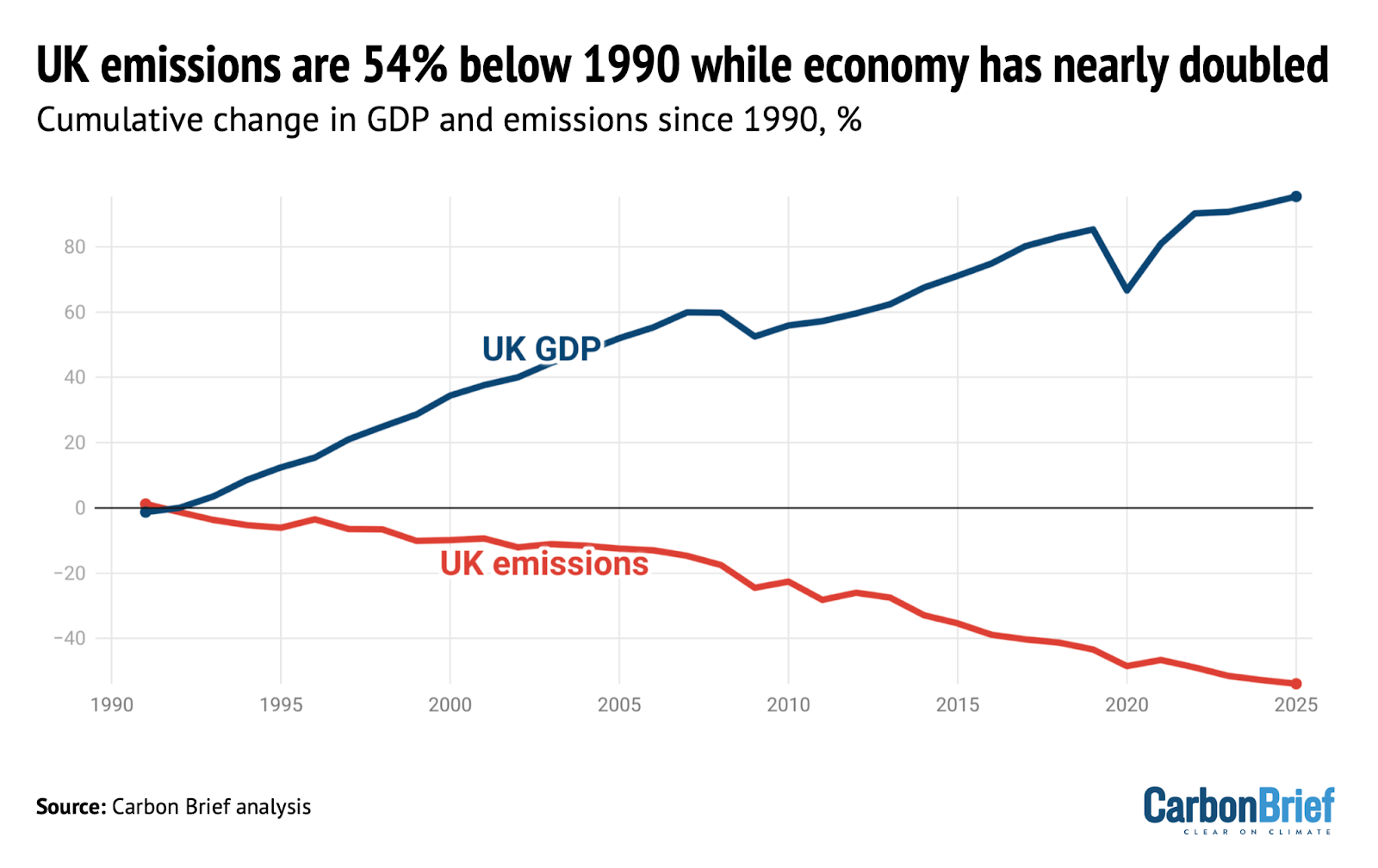
UK greenhouse gas emissions in 2025 fell to 54% below 1990 levels, the baseline year for its legally binding climate goals, according to new Carbon Brief analysis. Over the same period, data from the World Bank shows that the UK’s economy has expanded by 95%, meaning that emissions have been decoupling from growth.
Spotlight
Bristol’s ‘pioneering’ community wind turbine
Following the recent launch of the UK government’s local power plan, Carbon Brief visits one of the country’s community-energy success stories.
The Lawrence Weston housing estate is set apart from the main city of Br