

Australia’s new environmental standards are supposed to protect wildlife. Right now, they don’t.
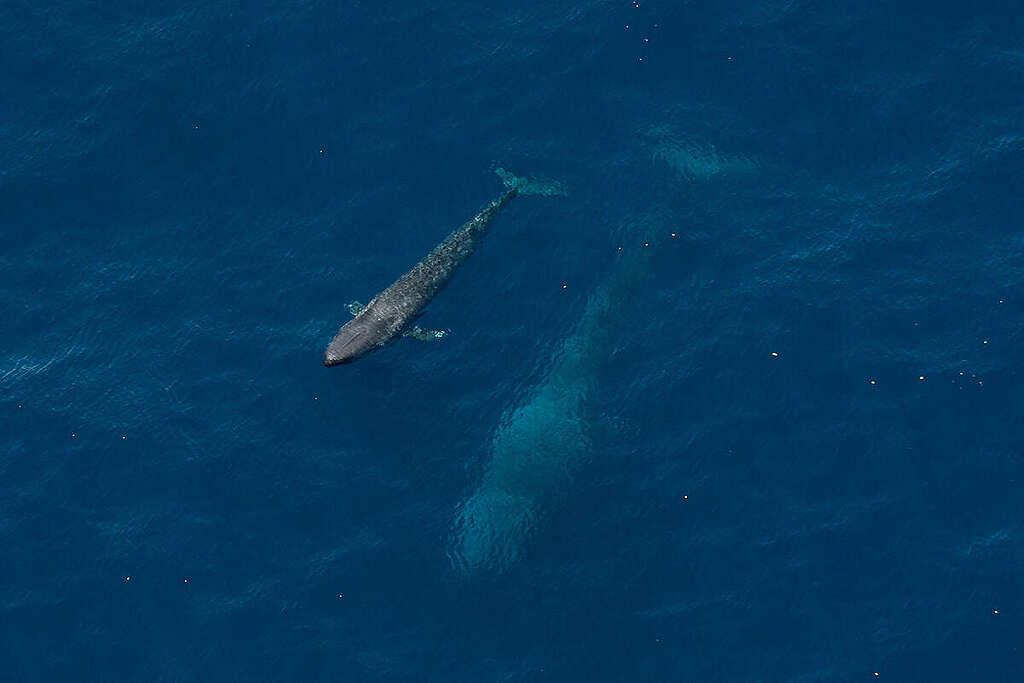
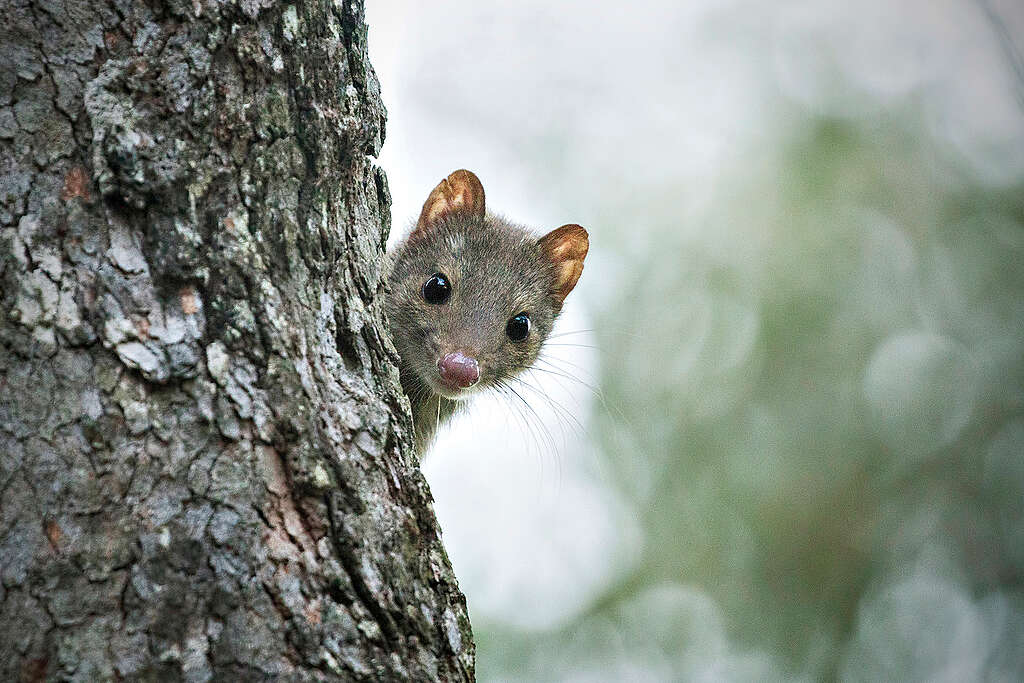
We have one of the worst mammal extinction rates in the world. We’ve already lost 39 species, including the Christmas Island Shrew and the desert rat-kangaroo, while iconic species like the Hairy-Nosed Wombat, Pygmy blue whale and Swift Parrot continue to slide towards extinction. Forests are still being bulldozed at an alarming rate. Rivers and reefs are under serious pressure.
Fixing this sorry state of affairs was why the Federal Government promised to fix Australia’s broken national nature laws—a promise that culminated in the nature law reforms passed late last year.
A big part of these reforms is the creation of new “National Environmental Standards” — rules intended to guide decisions on projects that could damage nature.
But the Government’s latest draft standards—open for consultation until May 29th—fall dangerously short.

Instead of setting clear environmental guardrails, the draft rules risk making it easier for damaging projects to get approved, while nature continues to decline. Legal experts are warning that unless the standards are changed, they could weaken protections rather than strengthen them.
So what are these standards, exactly?
The new standards are a centrepiece of major reforms to the Environment Protection and Biodiversity Conservation Act (EPBC Act), which were passed late last year and are designed to fix a broken environmental regulatory system. They are meant to set clear rules for what environmental protection should actually look like.
In simple terms, they’re supposed to answer questions like:
- What measures should developers be made to put in place to protect threatened species?
- How do we ensure the most important habitats and natural places are not hacked away, “death-by-a-thousand-cuts”-style, from ongoing development proposals?
- When should a project simply not go ahead?
- What rules should states follow if they’re in charge of assessing development projects?
- How do we make sure nature is actually improving, not just declining more slowly?
If designed and implemented properly, these standards could become the backbone of strong, effective reformed nature laws.
But right now, they leave huge loopholes open.

The biggest problem: process over outcomes
The biggest problem with the draft standards is that they focus too heavily on whether companies follow a process—not whether nature is genuinely protected in the end. That might sound technical, but it has real-world consequences.
Imagine a company wants to clear critical habitat for a threatened species. Under a strong system, the key question should be: Will this project cause unacceptable or significant environmental harm?
But under the current draft standards, if the company follows the required steps and paperwork, the project could still be considered acceptable — even if the damage to nature is clear.
This is deeply ineffective. Destruction that checks bureaucratic check-boxes is still destruction. The standards should enforce the protection of nature—not just the ticking of procedural boxes.
A smaller definition of habitat could leave wildlife exposed
Another alarming change in the draft standards is the narrowing of how “habitat” is defined, which could have serious consequences for wildlife protection.
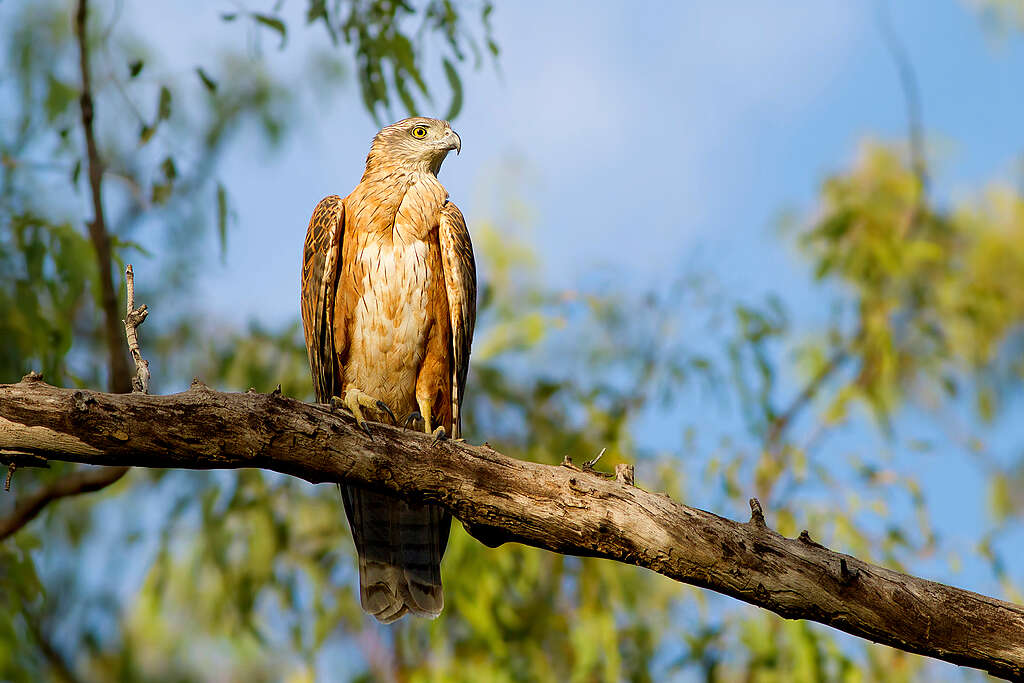
Habitat is more than just the exact spot where an animal is seen sleeping, nesting or feeding today; we need to think more holistically about habitat as a connected network of ecosystems that species may rely on to survive, including breeding grounds, migration corridors, areas used during drought or fire, and places they may need to move to as the climate changes.
But the draft standards effectively shrink the areas considered important enough to protect by defining habitat as only very small areas that if destroyed would certainly send the species extinct, rather than habitat which maintains and restores healthy populations able to thrive well into the future.
For animals already under pressure from habitat destruction and climate change, protecting only the bare minimum is a dangerous approach. In practice, that could mean that places which are essential for threatened species to recover and survive long term are destroyed just because they are not classified under the standards as ‘habitat’—a lose-lose outcome for biodiversity and the Australian government’s nature protection goals.
Offsets are still doing too much heavy lifting
Australians have heard the promise before: “Yes, this area will be damaged — but it’ll be offset somewhere else.” In practice, environmental offsets have severely failed to replace what was lost.
You can’t instantly recreate a centuries-old forest. You can’t quickly rebuild complex wildlife habitat. And some ecosystems simply cannot be replaced once destroyed. Yet the draft standards still rely heavily on offsets rather than prioritising avoiding harm in the first place.
The standards must reduce their reliance on offsets, and instead prioritise actual habitat protection. Because once extinction happens, there’s no offset for it.
Australia cannot afford another backwards step on nature
The Albanese Government came to office promising to end Australia’s extinction crisis and repair national nature laws. But this will be a broken promise if the huge loopholes in the National Environmental Standards aren’t addressed.
Right now, Australia is losing wildlife and ecosystems faster than they can recover. Scientists have warned for years that incremental change is no longer enough.
Strong standards could help turn things around by:
- stopping destruction in critical habitat,
- setting firm limits on environmental harm,
- requiring genuine recovery for nature,
- and making decision-makers accountable for real outcomes rather than process.
If the Government locks in rules that prioritise process over protection, Australia risks entrenching the very system that caused the crisis in the first place.
What needs to change?
The Government still has time to fix the draft standards before they are finalised over the next month.
Greenpeace Australia Pacific is calling on the government to:
- ensure decisions are based on outcomes, not just process
- ensure that all important habitat is protected, not just narrow areas
- ensuring that death-by-a-thousand-cuts is avoided by considering the “cumulative impacts” of multiple projects in a region
- ensuring offsets are only used as an absolute last resort
Australians were promised stronger nature laws—not more loopholes. Australia’s wildlife cannot afford another missed opportunity.You can help ensure the Federal Government’s final standards put to parliament are as strong as possible by putting in a quick submission here.

Wealthy nations are expected to take the lead in topping up the UN’s Green Climate Fund (GCF) over the coming year, even though using taxpayers’ money for international climate finance is a hard sell in today’s political climate, the fund’s head, Mafalda Duarte, told Climate Home News.
As the GCF kickstarts its replenishment push for the 2028-2031 period, many governments in rich countries are redirecting their overseas aid budgets towards domestic priorities, including military spending amid ongoing conflicts in Ukraine and the Middle East.
At COP31 last week, the Solomon Islands made waves by becoming the first country to contribute to the GCF’s fourth fundraising round. It is also the first small island developing state (SID) and the first least developed country (LDC) to put money into the fund, which helps poorer nations cut their emissions and adapt to climate change.
COP31 Bulletin Day 8: EU dubs draft cover text “a shopping list” and endorses electrification goal
Speaking in an interview during the UN climate summit in Antalya, Duarte told Climate Home News the Solomon Islands’ $400,000 donation does not let richer countries off the hook. All nations are being invited to pledge, while “recognising that leadership is to be provided by developed countries”, she added.
“A country that is an LDC and a SID – which are the most vulnerable and the most impacted – they are basically signalling that this is a collective effort,” Duarte said. “If a country like the Solomon Islands can take this leadership, why shouldn’t others?”
Traditional donors tighten purse strings
Since it started operating 12 years ago, the GCF has backed 379 projects and programmes with $22.3 billion across Africa, the Asia-Pacific region, Latin America and the Caribbean, Eastern Europe, Central Asia and the Middle East.
In the last couple of years, wealthy governments have scaled back new commitments for international climate finance, and the UK has cut its current GCF contribution in half. Under climate-change sceptic President Donald Trump, the US has refused to deliver billions promised to the GCF under Democratic administrations.
Besides rich donor nations, higher-income developing countries have also contributed to the fund, including South Korea, Indonesia and Mongolia, although Duarte said that has tailed off somewhat since the fund’s initial fundraising round in 2014.
After approving a record $1.97 billion for 21 new projects last month, the GCF has about $3.7 billion left to allocate through the end of 2027, after managing to boost its available funds by more than $4 billion this year through reducing the amount of money it keeps in reserve to cover potential losses.
It is also planning to open up to contributions from non-government sources of funding such as philanthropic foundations and carbon markets, Duarte said, in a move that was approved by the fund’s board in October.
-
Pacific leaves empty handed from COP31 “pledging event” for new fund
With developed countries only re-announcing old pledges, the facility remains $300 million away from meeting its 2026 target of $500m for resilience projects -
Jordan’s mega-plan for water security risks locking in fossil gas demand
A giant desalination plant will help Jordan confront water scarcity, but solar power’s limited role in the energy-hungry project has raised questions about how climate adaptation finance is being spent

However, she insisted that the efforts to leverage the GCF’s balance sheet more effectively and find new contributors should not be interpreted as easing pressure on rich donor countries.
“Our intent is to maximise the resources that are available to developing countries,” she said, adding that the changes in managing the GCF’s reserves have enhanced the case for putting money into it. With every dollar that comes in, it now can programme 30% more for projects, she noted.
“We are putting all of the efforts we can to make sure that developed countries are as ambitious as possible,” she added. That is being done, she said, through showing them the return on their investment and explaining “why they should care” about financing climate action overseas.
Case for collective climate action
She pointed to the extreme heat that hit Europe this summer, causing billions of dollars in damage from heatwaves, droughts and wildfires, as a clear justification for such spending.
“If this is going to become the new normal, people need to understand that if nothing is done collectively… then how do we cope with this?” she said, adding that politicians often shy away from making the case for spending their budgets on international climate action.
She conceded that “it’s a very difficult sell when people are facing rising living costs”, warning that it could become even more challenging in parts of Europe due to a rising wave of nationalist politics.
Despite these obstacles, Duarte said there was no question of rowing back on a target she set in 2023 to boost the fund’s portfolio to $50 billion by 2030.
It “still feels realistic” and the GCF will “find a way”, she said. The board could go still further in squeezing more out of its balance sheet for projects, for example.

Making the system more efficient
Increasing the amount of money the GCF has to spend on projects to cut emissions and adapt to climate impacts is not the only way it can do more on the ground.
Through reforms to its internal organisation and how it works with developing countries, Duarte has cut the time it takes to approve projects from years to a matter of months and has streamlined bureaucratic hurdles for the countries it works with. For example, a $25-million grant supporting climate–affected farming and pastoral communities in Chad was developed, approved and the first instalment paid out in around eight months this year.
Making international climate finance easier to access for SIDS and LDCs is a key topic the COP31 co-presidencies want the Antalya summit to address.
Duarte said there is a lot more that can be done to make the system more efficient. For example, climate funds can align their administrative checks of implementing agencies and their projects with multilateral development banks so that each funder does not require countries to jump through similar hoops.
Developing countries face climate finance deficit as loan payments soar
They can also use the growing number of “country platforms” such as that set up by Brazil with support from the GCF, which bring together projects seeking funding into a pre-vetted pipeline, making it easier for funders to identify bankable projects.
Brazil, for example, has concentrated on energy transition, industrial decarbonisation and nature-based solutions, identifying a pipeline of $25 billion, and has approved GCF financing of over $300 million, with co-financing from other partners of $1.4 billion.
“It encourages the countries to define their strategic priorities,” Duarte said. “Instead of just thinking of 100 flowers blooming – focusing on where do you really want to see transformation.”
The post Rich countries must step up to replenish Green Climate Fund, Duarte says appeared first on Climate Home News.
https://www.climatechangenews.com/2026/11/17/rich-countries-must-step-up-to-replenish-green-climate-fund-duarte-says/
Climate Change
Australia-Korea decarbonisation deal fast tracks green exports; must be coupled with action to end fossil fuels
Antalya, Türkiye, Tuesday 17 November 2026 — Greenpeace Australia Pacific and Greenpeace East Asia Seoul office have welcomed the Memorandum of Understanding on decarbonisation cooperation announced today at the COP31 climate summit, which commits Australia and the Republic of Korea to cooperate on low-emissions steelmaking and green hydrogen supply.
Australian Minister for Climate Change and Energy Chris Bowen and the Republic of Korea’s Minister for Climate, Energy and Environment Kim Sungwhan, announced the MOU on Tuesday, a significant agreement between the major trading partners that will drive emissions reductions and economic benefits for the region as it seeks to decarbonise from polluting and volatile fossil fuels.
Australia is South Korea’s largest supplier of gas. Greenpeace affirms that accelerating renewable exports is incompatible with gas expansion, leading to competition in areas like skills, investment and labour, and urged both governments to couple the announcement with steps towards phasing out fossil fuels, including exports.
Speaking from Antalya, Dr Susie Byers, Head of Advocacy at Greenpeace Australia Pacific, said: “As our export partners in Asia shift away from expensive and polluting coal and gas, this agreement offers a clean, green path forward that will deliver enormous benefits to the region, and enable Australia to become a leader in the rapidly expanding green economy.
“The writing is on the wall: fossil fuels are in decline, renewables are our future. Australia has a golden opportunity to pivot our economy to green exports, like green iron and steel, which is the most effective way to help our region to decarbonise. This must be coupled with urgent action at home to accelerate the transition away from fossil fuels, and to stop the expansion of new coal and gas projects that are incompatible with a 1.5°C-aligned future.”
Also in Antalya, Justin Jeong, Senior Campaigner at Greenpeace East Asia Seoul, said: “In South Korea, the steel industry is one of the major polluters contributing to the climate crisis. So Korea’s efforts to promote green steel in partnership with Australia, the negotiating president of COP31, represent an important step forward.
“Alongside this, South Korea should also work to decarbonize its power sector. The country still imports massive amounts of gas from Australia, and concerns remain that gas-fired power generation will be even expanded currently. I look forward to seeing South Korea demonstrate climate leadership by promptly establishing a decarbonization roadmap to phase out gas power.”
ENDS
COP31 images and video available here in Greenpeace Media Library
Media contact: Kate O’Callaghan in Antalya (GMT+3) on +61 406 231 892 (Whatsapp/Signal)
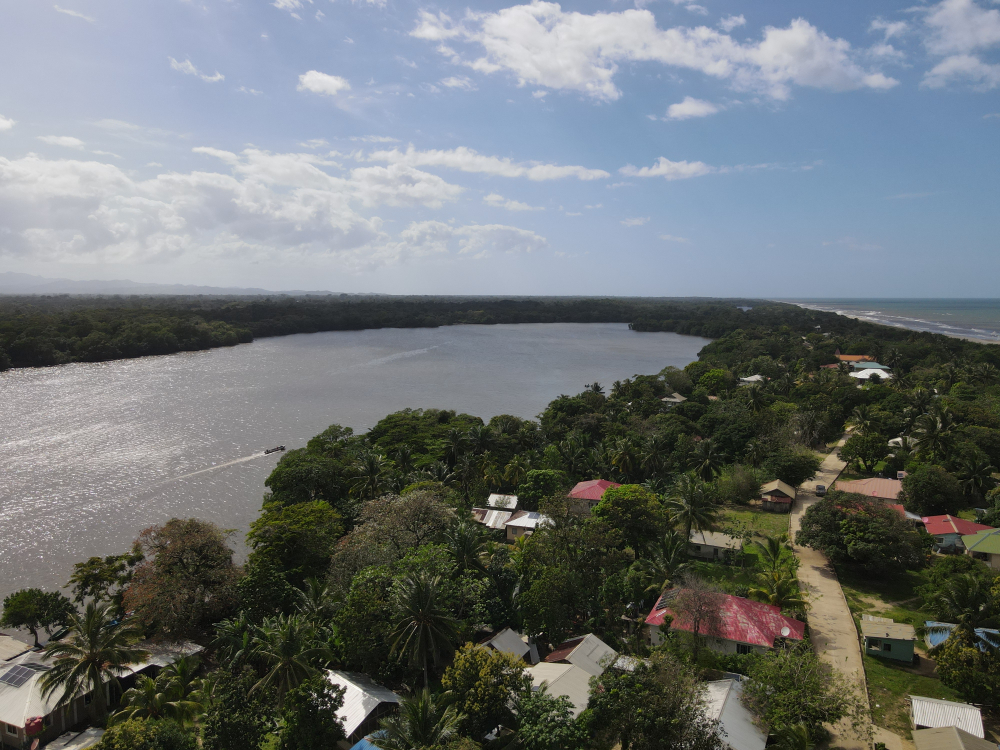
There is a remote corner of Honduras where tropical rainforests and vast lagoons are commonplace.
In the Gracias a Dios department, stretching across the country’s southeast coastline, the weather is hot and humid all year round. The region forms part of the Mosquito Coast and is known for its natural beauty, significant biodiversity and intricate waterways that almost touch the Atlantic Ocean.
The people who live here are few and far between, numbering around 100,000 across a huge landscape of almost 7,000 square miles. The Indigenous population has long built its life and culture from within this remote landscape, working with nature to serve their essential needs.
But it is this inaccessibility and close reliance on the natural environment which is now posing a serious challenge to the health and wellbeing of local people. As the climate crisis intensifies, people are being forced to find innovative solutions to maintain their way of life.
“The Indigenous and Afro-descendant communities…live in a territory highly exposed to the effects of climate change,” said Kevin Santos, a project manager at the Comisión Acción Social Menonita (CASM), a non-profit Honduran organisation with offices across the country.
“Their location combined with limited connectivity, the fragility of the infrastructure, and a strong dependence on natural resources means that climate events have direct impacts on daily life and livelihoods,” he commented.
Giving people direct control
The threats these communities now face include flooding, hurricanes, coastal erosion, drought and rising sea levels.
“When an emergency occurs, difficulties with transport, communication and access to services can delay the response and increase the impacts. For communities, adaptation therefore means not only preparing for a climate event, but also strengthening their ability to anticipate, respond and recover,” said Santos.
To tackle this crisis, local people have developed a series of interventions to build resilience and protect their families.
Push for ocean roadmap that informs next global stocktake grows at COP31
The project is being implemented by CASM and developed under the Adaptation Fund’s locally led adaptation programme. The initiative gives local institutions the ability to implement climate solutions with direct control over their financing needs.
The project is now approaching the midpoint of its four-year, US$4-million grant programme to support the Indigenous people in the Juan Francisco Bulnes and Brus Laguna municipalities adapt to these ever-present climate risks. A large proportion of the financing is being directed towards building adaptation across four areas: disaster preparedness, resilient infrastructure, ecosystem restoration and sustainable agriculture.
One tailored solution includes restoring mangroves and forests to act as natural barriers and reduce the impact of flooding and erosion. In addition, communities saw the need to combine both water and renewable electricity, with a plan to invest in solar systems to keep essential water systems running during extreme weather events.
Locally led priorities
Overall, the evolving plan has a target to reach 18,000 people, roughly the combined populations of both districts, with 60% of beneficiaries being women.
According to CASM, one of the main priorities identified by local people was to strengthen community-based early warning systems. The ability to have timely information when exposed to hurricanes and flooding makes all the difference in allowing people to prepare and evacuate. New emergency shelters are being created an