

The global energy system is changing in two big ways: it is moving from centralized fossil-fuel generation to distributed renewables, and it is becoming more digital in how energy is measured, traded, and optimized. Steve Wilhite, Executive Vice President of Advisory Services at Schneider Electric, works at the intersection of these complementary yet challenging transitions. Schneider supports more than 40% of the Fortune 500 with energy procurement and sustainability strategies, managing over $50 billion in annual energy spending. His experience shows something that pledges and press releases often miss: the biggest challenge for corporate sustainability is not money, technology, or political will. The real issue is the gap between ambition and the ability to deliver. Companies are making Science-Based Targets commitments faster than they are building the infrastructure to meet them. Scope one and two emissions are being managed better, but scope three emissions, which come from a company’s supply chain, still present a systems problem that no single company can solve alone. Schneider’s zero-carbon supplier program suggests what it takes to close this gap. When the company started its own effort to cut emissions from its top 1,000 suppliers by 50% in five years, all 1,000 signed up within two weeks. However, about 84% of them did not fully understand what they had agreed to. Achieving success meant creating measurement tools, education programs, and action plans to help the whole ecosystem, not just individual companies.

This critical conversation explores how renewable energy is bought, including the difference between physical and virtual power purchase agreements. Steve also explains why the Power Purchase Agreement (PPA) market became more complex as it grew, and why 10% fewer renewable deals closed in 2025 compared to 2024, as tech companies used up available clean energy. He also addresses a key question in clean energy: is AI helping the environment overall, or do its energy needs still outweigh its efficiency benefits? Schneider processes over a million energy invoices each month, and about 50,000 of them had issues that took 10 to 15 business days to resolve. Now, a team of AI systems can handle these in seconds. Accurate energy consumption and billing data directly affect emissions reporting, energy efficiency, and money-saving market decisions. He describes Schnieder’s approach as “frugal AI”: using the right-sized models for each task, running them on clean energy, and choosing simple solutions over complex ones. Looking ahead, electrification is building a global digital energy network in which every meter and adjustment contributes to a new system independent of central plants. As intelligence spreads, power can shift to consumers, communities, and businesses. Schneider is enabling this shift by building a mesh grid in which each point both produces and consumes energy, coordinated by AI. These changes fundamentally reshape the global energy landscape. The central question: will we intentionally build this new, distributed system, or will we repeat centralized patterns digitally?
To learn more about Schneider Electric’s sustainability efforts, visit se.com.
- Subscribe to Sustainability In Your Ear on iTunes
- Follow Sustainability In Your Ear on Spreaker, iHeartRadio, or YouTube
Interview Transcript
The post Sustainability In Your Ear: Schneider Electric’s Steve Wilhite Maps the Renewable Energy Transition appeared first on Earth911.
https://earth911.com/podcast/sustainability-in-your-ear-schneider-electrics-steve-wilhite-maps-the-renewable-energy-transition/

Shopping consciously during Black Friday and Cyber Week isn’t easy! This time of year practically encourages overconsumption, impulse purchases, and buying things destined for the landfill within months (or sometimes days).
But sustainable living doesn’t look just one way. Black Friday and Cyber Week deals can actually help you access better-quality products at more affordable prices while supporting small businesses during their most critical sales period of the year.
If you’re planning to participate, here are some ways to engage more sustainably:
1. A deal isn’t a deal if you won’t use it long-term. It’s easy to get swept up in the excitement and buy something you’d never consider otherwise. (We’ve all been there!)
2. Sales can be strategic. If you’ve been waiting to invest in ethical clothing or eco-friendly gifts, these discount periods offer a chance to support conscious brands more affordably.
3. Take your time. The dopamine rush of a “good deal” can cloud your judgment, so give yourself space to make intentional decisions.
4. You can opt out anytime. If Cyber Week feels overwhelming or you’re buying more than you intended, step away. Turn off notifications, get outside, spend time with people you love. You don’t need to buy of ALL of your holiday gifts over the course of a couple of days.
If you’re ready to make a mindful purchase or want support shopping small and consciously, check out our curated list of the best sustainable and ethical Black Friday and Cyber Week deals.
Transparency note: We only feature brands meeting our high sustainability standards. Some links are affiliate links, meaning we may earn a commission on purchases, which helps us keep this site running. Thanks for your support!

Sustainable Homewares & Furniture Sales
Medley
Made-in-theUSA sustainable, non-toxic furniture
Discount: 10% off sitewide now through Dec 3 (The sale will include new styles such as the Chloe Bed Frame at up to $480+ off, as well as bestsellers such as the Rio Bumper Sleeper Sectional at up to $1500+ off and the Burr Accent Chair at up to $260+ off.)
Avocado
Non-toxic brand with low-waste manufacturing offering your bedroom a sustainable upheaval with organic mattresses and bedding
Discount: Save up to 20% on organic mattresses, pillows, bedding, beds, and furniture going on now
Circadian
Organic pillows for all types of sleepers (side, back, stomach) and sleep needs plus organic bedding
Discount: 10% off orders $200+, 15% off orders $350+, and 20% orders $500+ from Nov 27 – Nov 30; no code needed
Urban Natural
Sustainable home decor and furniture retailer with top brands like Copeland, Cisco Home and East Fork
Discount: Save up to 20% off furniture and home decor with Black Friday Early Access
Boll & Branch
Fair trade and organic-certified bedding and bath products
Discount: 25% off sitewide with code CYBER25
Coyuchi
Sustainable bedding, bath, home goods, and pajamas made with GOTS-certified organic cotton or regeneratively-sourced fibers
Discount: 25% off sitewide now through Nov 30
MasayaCo
Artisan handcrafted indoor and outdoor furniture made from reforested teak wood
Discount: Up to 50% off going on now, no code needed
My Green Mattress
Non-toxic organic mattresses, bed frames, and accessories
Discount: Save up to $300 on organic mattresses | save 15% on bedding, bases & other bedding accessories right now through Dec 1
Saatva
Eco-friendly memory foam mattresses and organic bedding
Discount: Get 15% off orders $1,000+ until November 12; Black Friday TBA
Sabai
Sustainably-made seating, tables, and beds made from recycled or natural materials and designed for repairability
Discount: $400 off orders $1,500+, $850 off orders $3,500+ and $1,5000 off orders $5,000+
Savvy Rest
Organic mattress and non-toxic furniture retailer using sustainable natural materials
Discount: Save 20% off with code BLACKFRIDAY starting November 13, 2026
Ethical & Sustainable Fashion Holiday Sales
Christy Dawn
Slow fashion brand with dreamy dresses and other clothing made responsibly from deadstock fabric, organic cotton, or regenerative cotton grown by Oshadi in India
Discount: Up to 50% off favorite pieces from past seasons
Kotn
Responsible clothing brand offering everyday essentials made from natural fibers with a traceable origin
Donation: Gives a portion of sales towards building schools in Egypt, where the cotton for Kotn’s collections is grown
Mate The Label
Loungewear and basics made with non-toxic and organic materials
Discount: 25% off sitewide right now
Mightly
Mother-founded organic kidswear brand with clothing made in Fair Trade Certified faactories
Discount: Up to 40% off going on now
Monica Vinader
Quality jewelry made from 100% recycled gold vermeil and 100% recycled sterling silver made in traceable supply chains
Discount: up to 50% off sitewide, new flash sales drop daily until Dec 2
PACT
Organic cotton basics and loungewear plus home textiles made in Fair Trade Certified factories
Discount: Daily deals from $10 and sitewide sale up to 40% off through Nov 30
Passion Lilie
Fair trade artisan-crafted fashion brand using natural fibers
Discount: 20% off with code SHOPEARLY2026 Nov 6 – Nov 25; 30% off with code BFCM2026 from Nov 25 – Dec 4
Encircled
Versatile clothing in super-soft natural fabrics ethically cut and sewn in Canada
Discount: Up to 70% off now through Dec 1
JulieMay
Organic cotton and silk lingerie certified by AllergyUK
Discount: Up to 15% off sale items starting Nov 27
The RealReal
Luxury fashion consignment site for finding pre-loved designer apparel and accessories
Discount: Up to 80% off now through Nov 30
Thesus
Ethical footwear brand with vegan boots and sneakers made from sustainable, traceable materials, including large percentage of recycled materials (my personal favorite boots!)
Discount: 25-50% off sitewide
Vestiaire Collective
Luxury fashion resale site
Discount: Up to 70% off during early Black Friday Sale active now
tentree
Eco-minded clothing and accessories brand that plants 10 trees with every order
Discount: Up to 50% off sitewide now through Dec 1
ThredUp
Online secondhand marketplace
Discount: 50% off + free shipping with code 50WELCOME
Subset
Organic cotton underwear and bralettes
Discount: 30% off sitewide and up to 50% off select styles
Brook There
Comfy organic cotton undergarments: underwear, bralettes, and nightgowns cut and sewn in the U.S.
Discount: Up to 25% off sale items
ColieCo
Ethically made lingerie manufactured to order from natural, recycled, and reclaimed fabrics
Discount: 20% off the entire ColieCo collection from November 27 to to November 30, plus a donation to garment worker advocacy organization Awaj Foundation
EILEEN FISHER
Timeless, high quality slow fashion brand with circularity programs
Discount: 50% off sale items now through Nov 30
HYER GOODS
Wallets, bags, and other accessories made from upcycled materials
Discount: TBA
Toad&Co
Eco-friendly men’s and women’s outerwear and casual clothing
Discount: Up to 70% off sitewide, no code needed now through Nov 30
Reformation
Sustainably-minded apparel brand actively working towards 100% circularity and building a Climate Positive business
Discount: 25% off sitewide expected Nov 27 – Nov 30
Organic and Low Waste Beauty Sales
100% Pure
Fruit-pigmented makeup and plant-based non-toxic skincare
Discount: $5 – $25 Skincare Deals Nov 23 – Nov 29, plus free gift with $75+ purchase
Activist Skincare
Woman-owned brand creating high-performing vegan skincare that comes in plastic-free and refillable packaging
Discount: TBA
ILIA
Clean makeup brand — personally I love their Limitless Lash and Super Serum Skin Tint
Discount: 20% off sitewide, plus free Complexion Stick
Detox Market
Clean beauty and wellness retailer
Discounts: $20 off + an Irene Forte gift when you spend $200+
Henry Rose
Fine fragrances with 100% ingredient transparency; EWG Verified and Cradle to Cradle Certified
Discount: 25% off sitewide now through Nov 29
Kjaer Weis
Natural makeup brand with low-waste refillable packaging
Discount: TBA
Sustainable Cookware, Cleaning & Daily Essentials
360 Cookware
Non-toxic stainless steel cookware crafted in Wisconsin in the U.S.
Discount: Up to 36% off going on now with code BF2026
Blueland
Plastic free cleaning supplies, including dish soap and laundry detergent
Discount: 20% off sitewide, 30% off new auto-ship subscriptions going on now
Our Place
Non-toxic non-stick pans made in ethical factories; WOC-owned
Discount: Sitewide sale of 6% – 68% across cookware, tableware, appliances, and kitchen tools
Enviroscent
Non-toxic, cruelty-free refillable home scents
Discount: Buy 3, save 15%; buy 4, save 20%
XTREMA
Non-toxic ceramic cookware
Discount: Save at least 20% off sitewide, up to 30% off
Dropps
Biodegradable laundry and dishwashing pods
Discount: 25% off sitewide with code BIGDEALS2026
We’re continuing to update this post so be sure to bookmark it for later!
In the meantime, check out our gift guide: Sustainable and Ethical Gift Ideas for Everyone On Your List
The post Our Top Picks for Black Friday and Cyber Week Sales From Sustainable Brands (2026) appeared first on Conscious Life & Style.
Our Top Picks for Black Friday and Cyber Week Sales From Sustainable Brands (2026)
Last year, I followed a cardboard box through the recycling process to see what actually happens after we toss it into the recycling bin. And someone left me a comment:
“Love it. Can you do one on plastic water bottles, please?”
I responded, “I’ll see what I can do.  ”
And, what can I say, I aim to serve. Somehow, I managed to turn that comment into a sponsored trip to Michigan, to attend the RECYCLE BOWL and follow the full journey of a bottle.
Lemme tell ya, I learned a lot about recycling, deposit programs, and football.
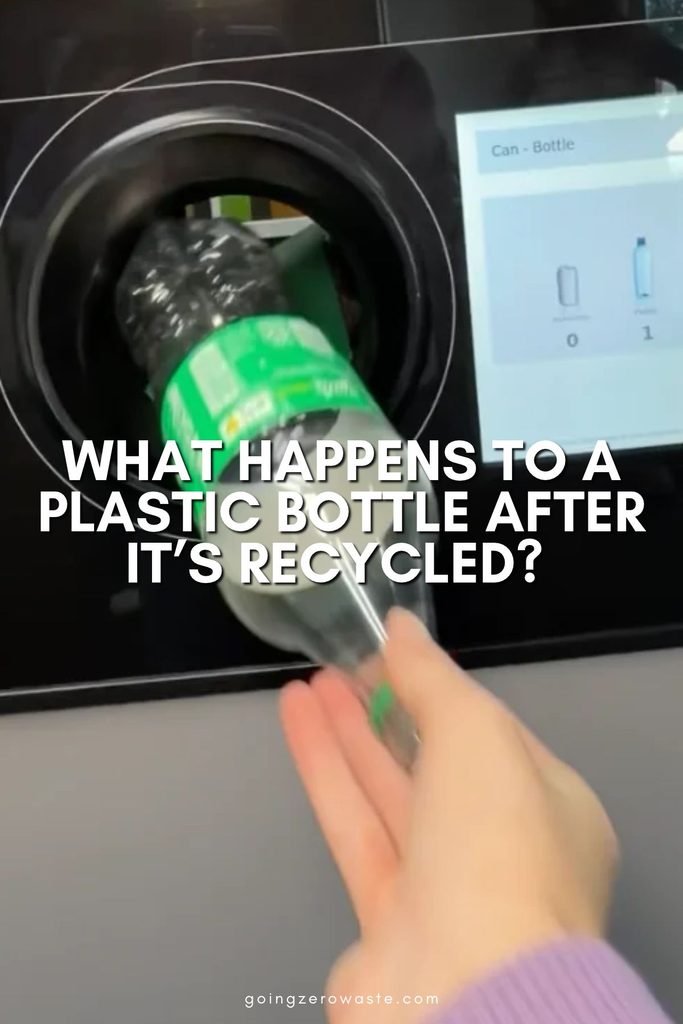
bottle deposits
I live in Maine, where we have a bottle deposit program, and I’ve been a big advocate for bottle bills for years.
If you’re unfamiliar, when you purchase certain beverages, you pay a small deposit, usually 5 or 10 cents, on the container. Once you’re finished with your drink, you return the empty bottle or can to a redemption center or participating retailer to get your deposit back.
It’s pretty simple, but it’s incredibly effective.
This is for things like aluminum cans, glass bottles, and different types of plastic beverage containers. And while each of these materials goes through its own recycling process, collecting them separately creates a cleaner, more reliable supply of material that manufacturers can use to make new products.
Which is really important, because recycling is a business!! REPEAT AFTER ME! RECYCLING IS A BUSINESS.
PEOPLE HAVE TO BUY WHAT YOU PUT IN YOUR BIN. Next time you go to your bin, I want you to ask yourself, ‘Would I buy this??’
When you start viewing your recycling in this way, it really changes how you approach the whole process in a good way. No more wishcycling!
That’s what makes these programs so exciting. It’s creating a reliable infrastructure that can almost guarantee a reduction in virgin material needed!
And Michigan has an incredibly effective system where you can go bottle to bottle in a 30 mile radius. This is an incredibly effective process I’d love to see replicated.
Michigan offers a 10-cent deposit on eligible beverage containers, and historically, the state has had some of the highest redemption rates in the country at almost 70%.
But, Germany’s deposit system collected approximately 96% beverage bottles in 2023, with an overall PET bottle collection rate of 98.7% across its different collection systems… so how do we increase this?
Because if we compare it to the United States, where the average is only 29% of PET bottles, that’s a LOT of valuable material we’re not collecting.
Which means we’re losing it to landfills, incinerators, litter, or other disposal routes.
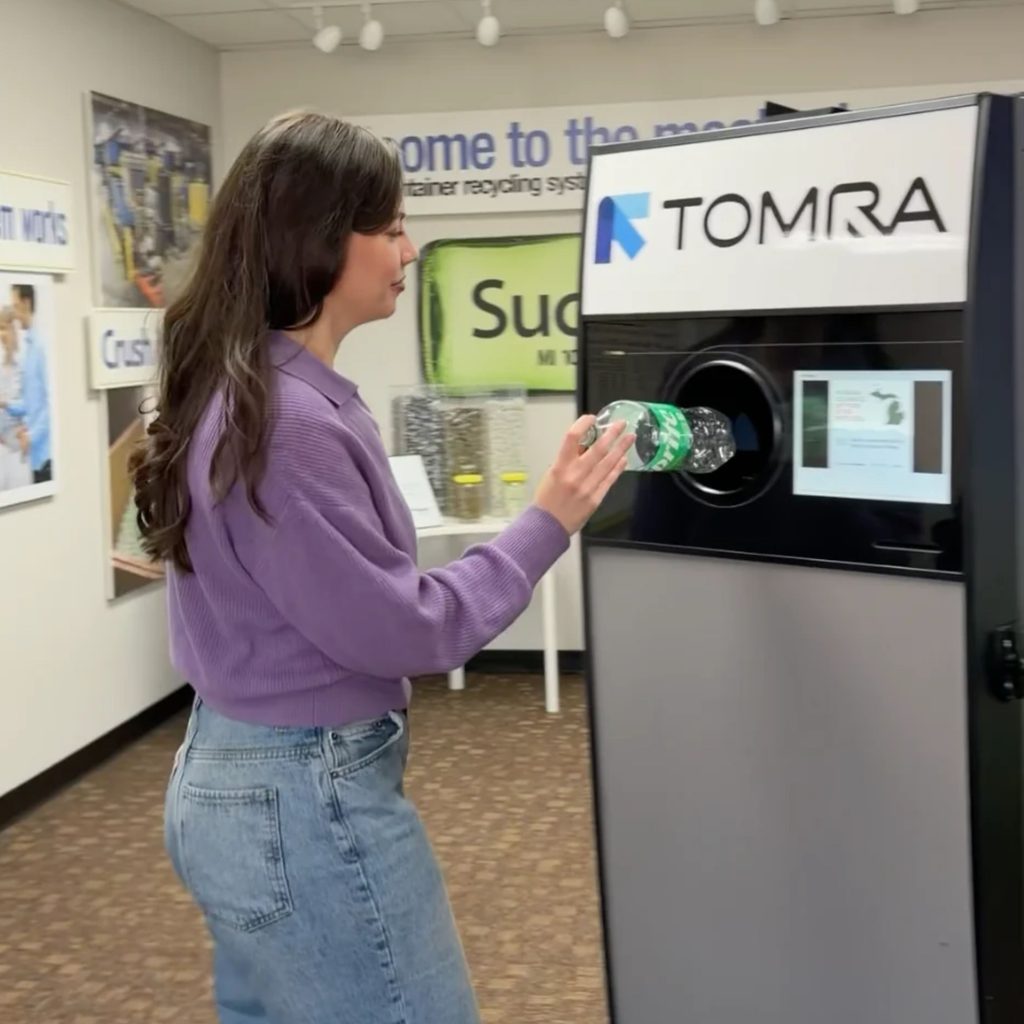
following a plastic bottle through the recycling process
While I was in Michigan, I visited Shcupan, Clean Tech, and Plastipak which is the full journey after you return your bottles at the grocery store or at a UM football game.
Now, I knew plastic bottles could be recycled into other materials like fabric or carpets, but did you know PET (plastic #1) could actually become another food-grade plastic bottle with 100% recycled material?
collecting and sorting
So after you drop your bottle or can into the beverage deposit machine at the grocery store, a truck comes and picks it all up. Where everything is sorted into like material. Glass is with glass, PET is with PET, HDPE is with HDPE. Aluminum is with Aluminum, you get the idea.
And, this is a very impressive process. Each material goes on it’s own journey. Once all the PET bottles were gathered, their first stop was my favorite machine – the label remover. When you recycle a plastic bottle you don’t need to remove the label and keep the cap on because they have machines to handle all of that for you.
shredding, washing, and separating
After the label is removed the bottles are shredded into small pieces, and they are passed through a machine that contains water. The lids of plastic bottles are made from HDPE (plastic #2) which floats while PET sinks so they can be separated and recycled with their own material.
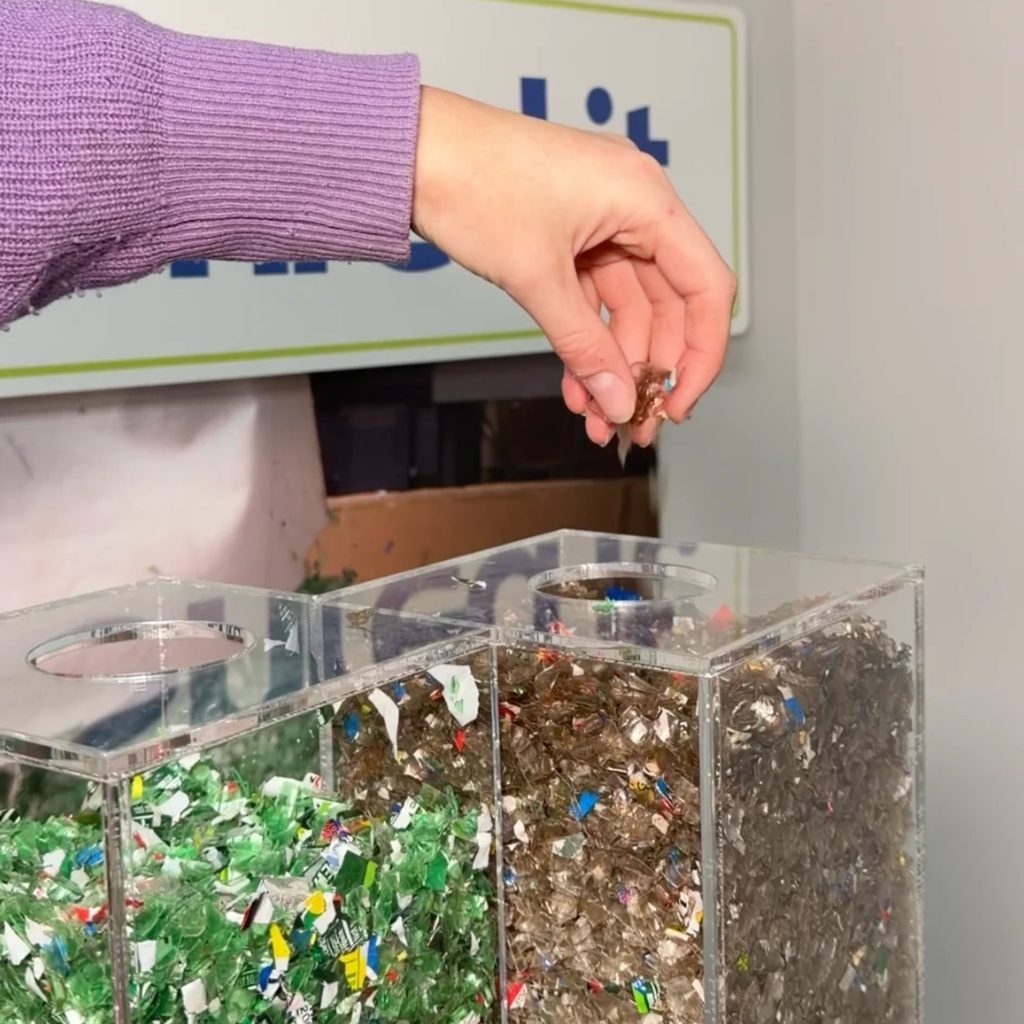
from plastic flakes to brand-new bottles
The clean PET flakes go through additional process to ensure it meets food safety requirements set by the FDA. This flake material is then turned into something called a preform, and these preforms are heated and blown into molds to create full-size bottles.
And just like that, an old plastic bottle has become a new plastic bottle, and I think that’s pretty cool! When I started my zero-waste journey, so much of the conversation around plastic recycling focused on downcycling, where materials are turned into products that might not be recycled again.
And while that still happens, It’s really nice to see bottle-to-bottle recycling that’s done mechanically and efficiently. (because chemical recycling is a whole ‘nother can of worms)
zero waste football stadium?
Part of my sponsored trip was to go to the University of Michigan RECYCLE BOWL!! UM has a zero waste football stadium and it’s one of the largest in the world.
Now, I love a good opps tour at a sporting event. Most people are excited to go to the game but I am thrilled to dig through the trash. There are really unique opportunities at arenas for education and really effective design.
Because if you can control what comes into the stadium, you can control what goes out and WHERE it goes. Essentially you can have a full end of life plan for every item sold or offered inside guaranteeing a massive diversion from landfill.
Michigan Stadium has a substantial recycling and composting program, with the university reporting that it typically diverts around 70-80% of game-day waste from landfills.
That’s an impressive undertaking when you consider just how much packaging, food waste, and other material can be generated during one football game with more than 100,000 fans in attendance.
In fact, we just got the results from the 2026 Recycle Bowl! Recycling is up 2,434 more pounds than last year, and 5 tons more than the very first Recycle Bowl.
Almost 50,000 pounds of material were collected for recycling, composting, reuse, and food donation. That’s nearly 25 TONS equivalent to almost 5 elephants. Not too shabby for a football game, but I have a confession to make. I actually bought a plastic bottle of water while I was there.
I could probably count on two hands the number of plastic water bottles I’ve purchased in the last decade. But you can’t bring your own bottles into the stadium, and I was thirsty.
The reality is that we’re not always going to have a reusable option available. Sometimes we’re going to forget something, find ourselves in a situation where reusables aren’t allowed, or simply need to buy a drink.
Thankfully, they had water refill stations, so I was able to refill my bottle instead of purchasing another one, but I feel a little less bad knowing that the stadium has a dedicated recycling program and I got to see the whole journey of my bottle.
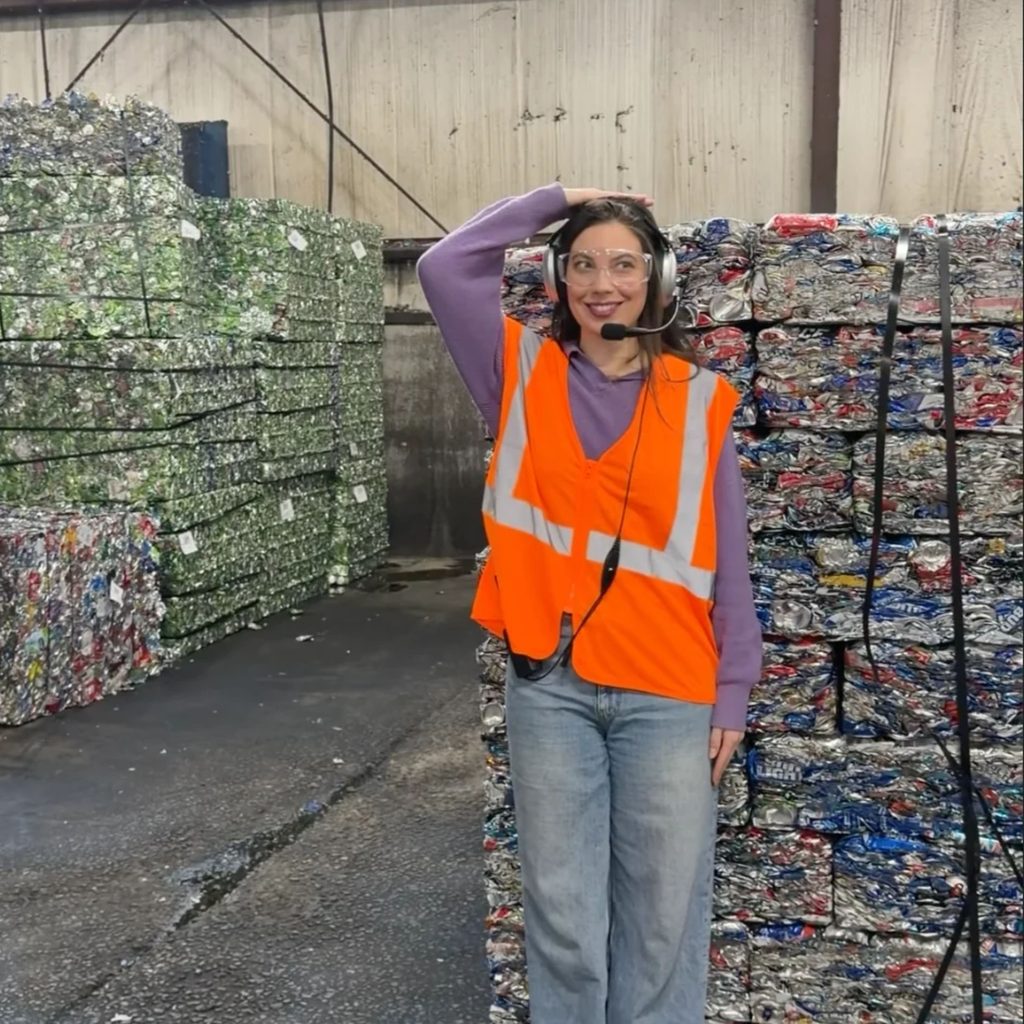
we need to reduce plastic AND recycle more of it
Now look, I’m not planning on buying more plastic bottles. I still believe we should reduce first, reuse second, and recycle as a last resort. But I don’t think reducing plastic consumption and improving plastic recycling are competing goals.
I wrote a blog post several years ago about whether glass or plastic is better for the environment, and it challenged a lot of my assumptions about packaging.
Glass is often viewed as the obvious environmentally friendly choice, but it’s also heavier to transport, and manufacturing it requires significant energy. The truth is that packaging has a lot of trade-offs, and we have to consider how it’s manufactured, transported, reused, and recycled.
And this trip has added another layer to that conversation for me.
I have family members who are never going to give up their bottled soda. And while I will always encourage people to reduce unnecessary packaging, I’d much rather see those bottles collected and turned into new bottles than have them end up in a landfill.
so how do we keep the bottles out of the landfill and environment?
BOTTLE BILLS. We desperately need more bottle bills. Since we’re capable of turning used plastic bottles into new, food-grade bottles, why aren’t we collecting more of them?
Germany’s collection rates show us what’s possible. We already have so much valuable material in circulation so let’s make sure we’re actually getting it back. We need more convenient redemption locations, and better infrastructure to reclaim the materials we’re already producing.
The post I Followed a Plastic Bottle Through the Recycling Process. Here’s What I Learned. appeared first on Going Zero Waste.
I Followed a Plastic Bottle Through the Recycling Process. Here’s What I Learned.