

Put your feet up and relax with the eco-friendly and non-toxic ottomans, benches, and poufs from these incredible sustainable furniture brands.
What makes an ottoman, pouf, or bench sustainable?
There are a lot of considerations that go into making sustainable furniture. Some brands may meet more of these criteria than others, and some criteria may be more or less important to you.
You might also engage with sustainability differently depending on your lifestyle, budget, aesthetic preferences, among other factors. But here’s a general idea of what to look for:
Look Secondhand
Used ottomans and benches are going to the most sustainable option since these furniture pieces have already been produced! Plus you’re preventing that furniture from heading to a landfill. You could browse an app like OfferUp or check your local Facebook Marketplace.
You can also check secondhand furniture sites like AptDeco and Chairish
Shopping for new sustainably-made ottomans and benches? Check out the following tips:
Eco-Conscious & Durable Materials
With the rise of fast furniture, the quality (and the sustainability) of materials used in furniture has declined. I’m consistently blown away by the incredible condition of so much vintage mid-century modern (1930s-1970s) furniture out there!
A sustainable ottoman (or sustainable bench) would be made durably so it lasts and would be constructed from responsibly sourced materials such as FSC-Certified and/or locally sustainably-harvested wood, recycled fabrics and organic natural fabrics for the upholstery, and non-toxic — ideally zero VOC — finishes. This guide has more non-toxic furniture brands.
Responsibly Made
Look into where the brand is producing their ottomans, benches, and/or poufs. Is it in their own workshop or a nearby production facility? Is it in a fair trade artisan workshop? A brand should have full transparency and traceability of their supply chain.
They also should ensure workers are earning living wages and work in safe environments. (This is where the overlap with non-toxic comes in — when there are toxic chemicals used in furniture, supply chain workers are exposed to these toxins in far greater quantities than consumers.)
Circular Practices
The EPA estimates that 12 million tons of furniture are thrown out annually. Yikes. A brand selling sustainable benches and ottomans would ideally consider the following:
- Quality construction so the furniture lasts a lifetime (or several)! If you’re moving a lot, it’s also worth considering how easy that piece of furniture is to move around and deconstruct/reconstruct if necessary. Though this probably is less of a concern with a smaller piece of furniture like a pouf, bench, or ottoman.
- Repairability. Is that material repairable? Does that brand have replacement parts? Is it a material that could be refinished or reupholstered easily? For example “vegan leather” (typically plastic) is very difficult to keep up or repair.
- Secondhand program or resellability. It would be incredible if the brand had a resale program for their furniture. Not many brands do, though. So you might also just think about if the style and quality of the piece would make it easy to sell again if you do think you might outgrow it.
Where to Find Sustainable Ottomans, Benches, and Poufs
Phew, that was a lot! But don’t worry: we’ve done the hard work of sifting through brands to curate the best options available right now. Check them out!
Note that this guide includes affiliate links, which means we may earn a small commission at no additional cost to you if you make a purchase which helps us continue to run this site. We only feature brands that meet strict standards for sustainability we love, and that we think you’ll love too.
1. Medley
Best for: non-toxic ottomans and poufs
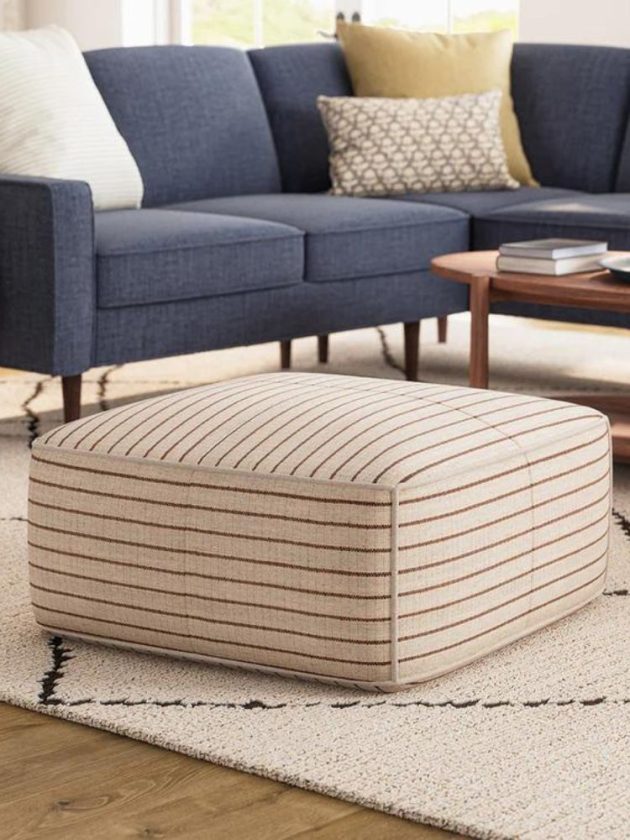
Medley has sustainable poufs, ottomans (including storage ottomans!), and benches handcrafted in the US to the highest quality standards. To back up their claims, Medley has a lifetime warranty on frames, 10-year warranty on fillings, and a 5-year warranty on fabric upholstery. Their benches and ottomans are made from domestically-sourced FSC-certified Alder hardwood and non-toxic fabrics (including GREENGUARD certified fabrics and natural fabrics like cotton and linen.
Conscious Qualities: US-Made, Quality Warranty, Natural Materials
Price Range: $595 – $1,985
Ships: International
2. Savvy Rest
Best for: organic ottoman made with all-natural materials
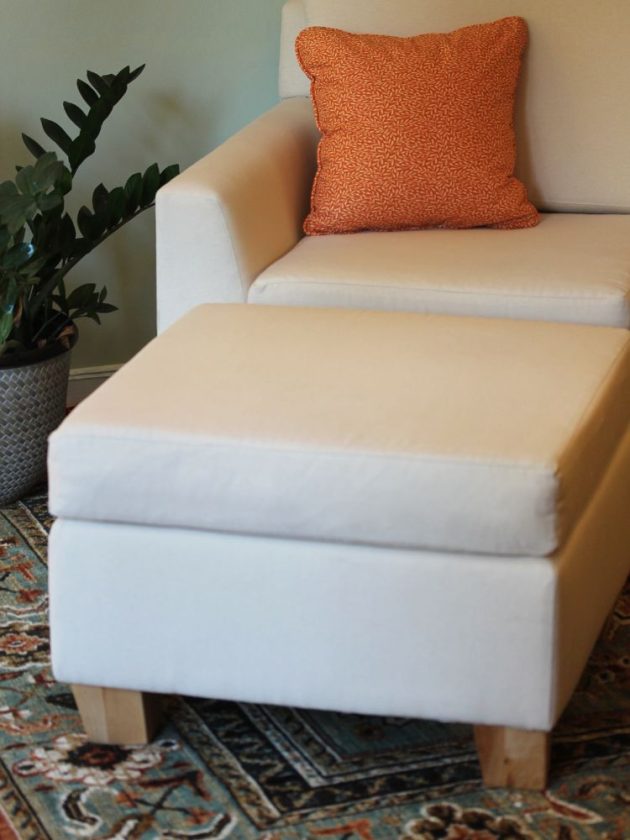
Savvy Rest has a non-toxic ottoman made from solid maple hardwood, GOTS-certified organic cotton and/or hemp upholstery, and Cradle to Cradle GOLD-certified Talalay latex. The brand also has a sustainable bench crafted by skilled woodworkers in Charlottesville, Virginia from sustainably-sourced maple. All of their furniture is available unfinished or with zero-VOC finishes.
Conscious Qualities: Non-Toxic, Organic & Natural Materials, Built In Virginia
Price Range: $1,149 – $1,498
Ships: Internationally
Use code CONSCIOUSSTYLE20 for 20% off!
3. MasayaCo
Best for: sustainable wood benches
Originally founded as a reforestation project, this sustainable furniture company is committed to responsibly-made furniture. They’ve planted 1.2 million trees to date!
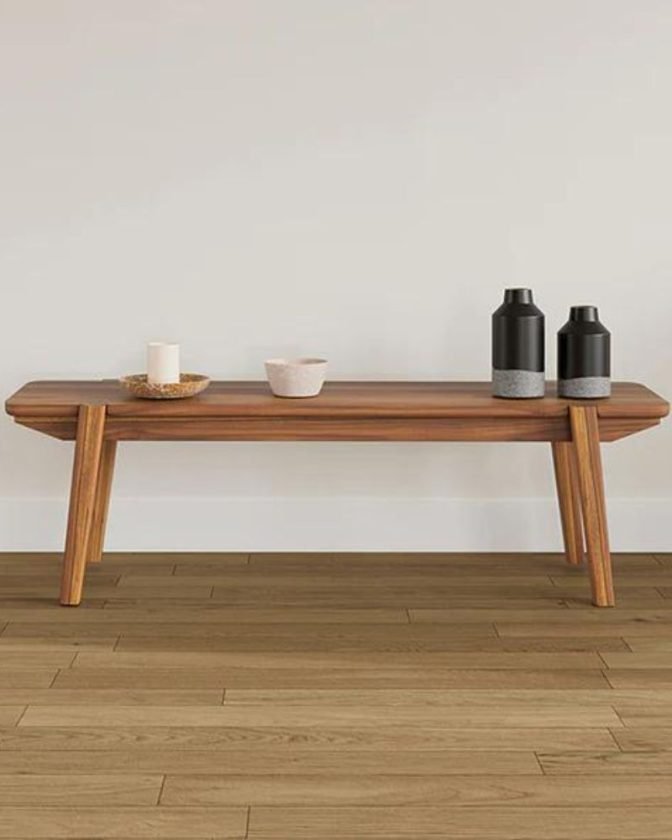
MasayaCo’s teak ottomans and benches are handcrafted to order by skilled artisans in Nicaragua. Many of the pieces are suitable for outdoor use as well. Note, though, that MasayaCo doesn’t include information on the finishes they use.
Conscious Qualities: FSC-Certified, Reforestation Projects, Artisan Handmade to Order
Price Range: $295 – $995
Ships To: US States & Territories
4. Urban Natural
Best for: design-forward sustainable benches and ottomans
This sustainable furniture and home retailer has a beautiful selection of functional ottomans, cozy poufs, and elegant benches.
Among their selection are reclaimed teak benches from Ethnicraft and organic ottomans made with all-natural materials from Cisco Home (select “Inside Green”). You’ll likely be able to find whatever you’re looking for on Urban Natural, from an ottoman with storage to a swivel pouf.
Conscious Qualities: Eco-Minded Materials
Price Range: $419 – $5,595
Ships to: Contiguous US; contact for overseas shipping
5. Sabai
Best for: repairable sustainable ottoman
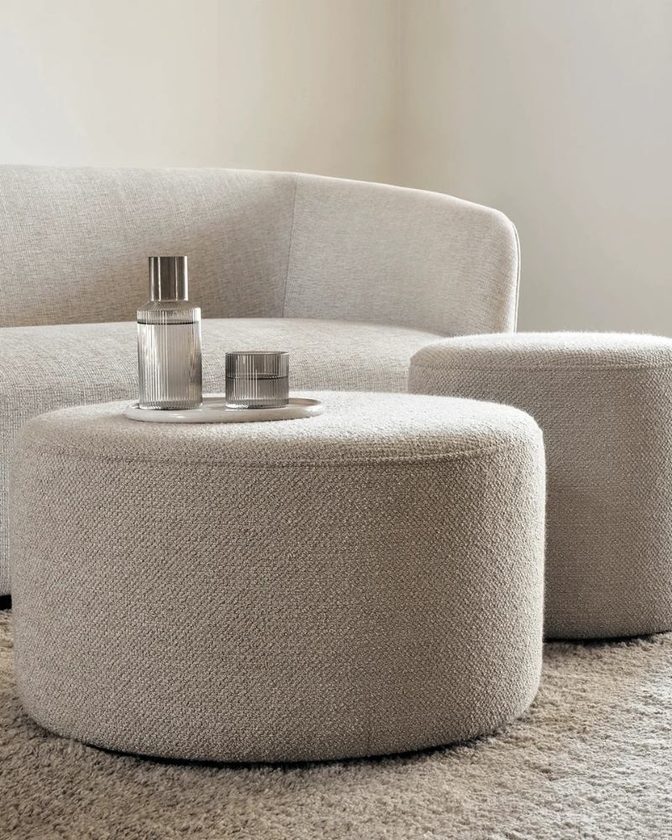
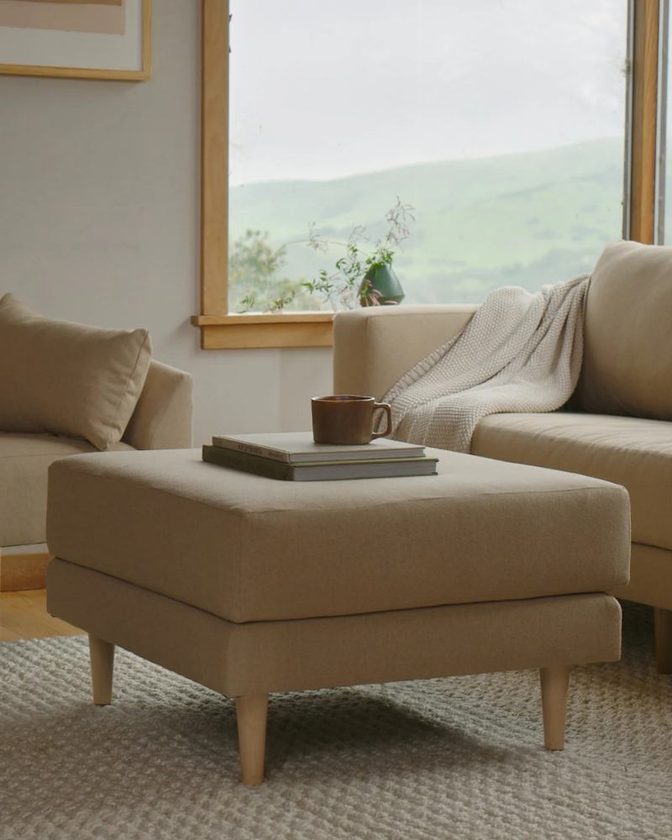
Sabai’s sustainable seating and ottoman considers not only the production practices (like using recycled fabrics, FSC-certified wood, and CertiPUR-US certified foam) but also its use and end-of-life. The company offers replacement parts and has a buy back & resale program.
Conscious Qualities: Recycled & Natural Materials, Secondhand & Repair Program
Price: $425
Ships To: All US States + Canada
6. Emeco
Best for: quality benches with lifetime warranty
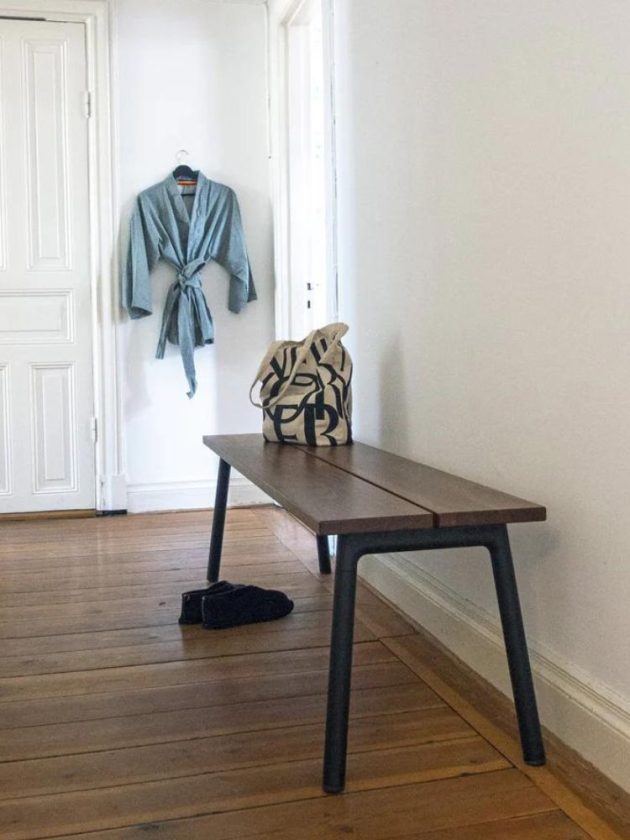
Handcrafted in Pennsylvania from recycled aluminum and responsibly-harvested Accoya wood, Emeco’s eco-friendly benches are built to last. In fact, every product passes commercial grade standards — so you know it’s durable. Emeco’s benches are also Cradle to Cradle Gold certified and are free of VOCs.
Conscious Qualities: Recycled & Sustainably Sourced Materials, Durable, Made in the US
Price Range: $1,435 – $2,395
Ships to: US
7. Natural Home
Best for: modular non-toxic ottomans
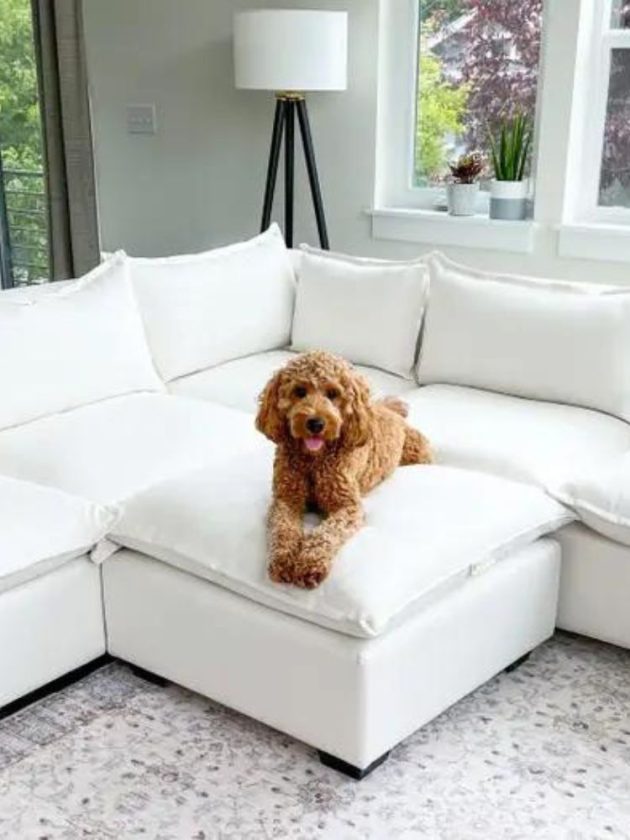
Natural Home by Futon Shop has non-toxic ottomans made from 100% natural materials. Their NBJ modular ottomans are crafted with natural Dunlop latex, coconut coir base, and wool upholstery. They also have a vegan ottoman made with potato-based PLA fiber. And if you want to go the extra mile, you can upgrade to organic latex fill for your custom ottoman.
Conscious Qualities: Non-Toxic, Natural & Organic Materials, Woman-Founded, Gives Back
Price Range: $699 – $2,125
Ships To: Contiguous US States
8. Loll Designs
Best for: sustainable outdoor ottomans
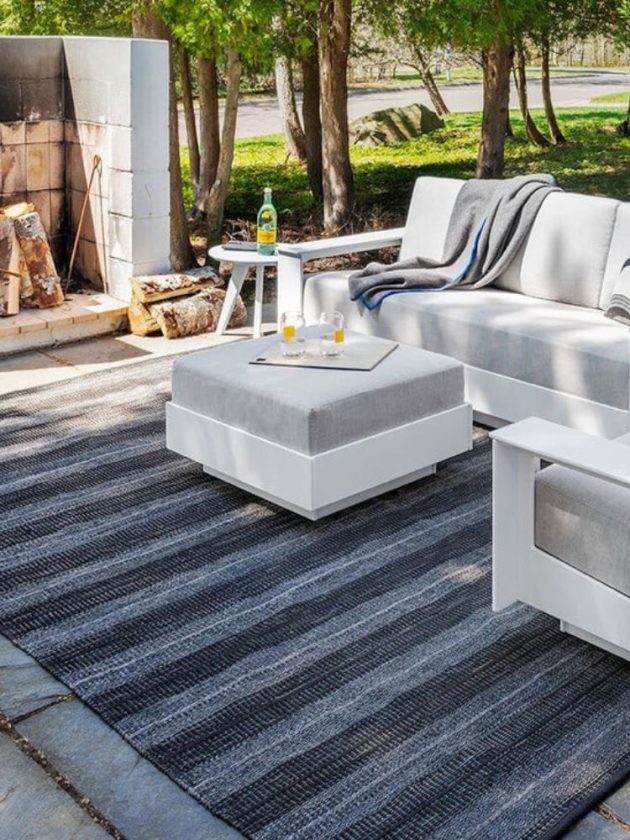
Loll Designs creates outdoor furniture (including an outdoor ottoman) from partially recycled high-density polyethylene (HDPE) — mostly from milk jugs – and the upholstery is made from Sunbrella acrylic, a long-lasting performance fabric. All of Loll’s materials are purchased within the US and the furniture is produced in Duluth, Minnesota.
Conscious Qualities: Recycled Materials, Made in the US
Price: $245 – $1,795
Ships to: US
More Sustainable Furniture Guides:
Sustainable & Non-Toxic Sofas To Relax In
Eco-Friendly Chairs To Take A Sustainable Seat In
Gorgeous Sustainable Tables To Gather Around
The post 8 Best Sustainable and Non-Toxic Ottomans, Poufs, and Benches appeared first on Conscious Life & Style.
8 Best Sustainable and Non-Toxic Ottomans, Poufs, and Benches

Think about what goes into your bathroom trash: empty toothpaste tubes, worn toothbrushes, floss containers, and the occasional mouthwash bottle. Together, they make oral care worth a second look.
Packaging is a good place to begin. Lumineux® Whitening Mouthwash, for example, comes in a bottle made with BPA-free recycled plastic. Choosing products with recycled packaging can help support more sustainable oral care habits. Check local recycling guidelines to ensure proper disposal.
There are other simple changes you can make without sacrificing dental hygiene.
7 Simple Tips for a Greener Oral Care Routine
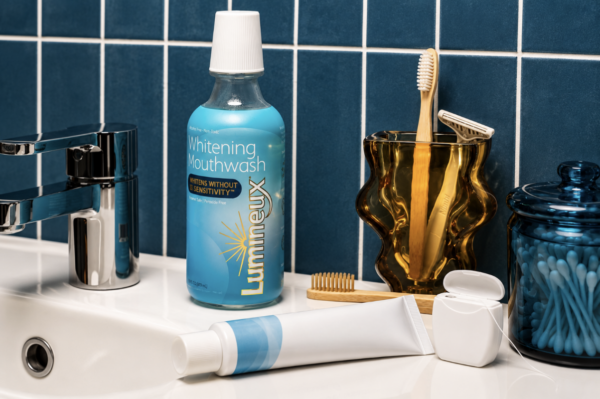
1. Choose Mouthwash With Recycled or Reduced Packaging
Before picking up a new bottle, look at its packaging. Does the manufacturer state how much recycled material it uses? Is there an extra box or wrapping that serves no obvious purpose?
A 2023 life-cycle study published in Environmental Research found that making bottle-grade PET resin from used PET bottles could cut greenhouse gas emissions by around 60% compared with virgin PET production in the scenarios studied. That’s a comparison of manufacturing processes, not a verified saving for a particular mouthwash bottle.
There’s also an important distinction: recycled means a product contains recovered material; recyclable means it can go through an appropriate recycling process after use.
A recycling symbol is no substitute for checking what your local program actually accepts.
2. Turn Off the Tap While Brushing
You don’t need a new product to save water. You only need to stop letting it run down the drain.
According to the U.S. Environmental Protection Agency, turning off the tap while brushing can save up to eight gallons a day. For someone who currently leaves the water running, that could add up to approximately 2,920 gallons over a year.
Wet your toothbrush, turn off the faucet, and turn it back on only when you need water. Rinse the sink once when you’re finished rather than leaving the tap running throughout your routine.
3. Switch to Bamboo or Replaceable-Head Toothbrushes
When bristles wear out, the handle often remains perfectly usable. A toothbrush with a replaceable head lets you keep that handle for longer.
Bamboo-handled brushes offer another option. A 2020 British Dental Journal study compared four toothbrush designs over five years. Bamboo and replaceable-head manual brushes had the lowest environmental impacts across the categories studied. The electric toothbrush examined had 11 times the climate-change impact of the bamboo model.
That isn’t a reason to throw out a working electric brush. Use what you already have, and explore alternatives when it’s time for a replacement.
Choose a brush that cleans your teeth comfortably and effectively. Replace worn heads or brushes when the bristles fray. For bamboo handles, check whether the bristles must be removed before composting the untreated handle. Don’t assume the entire brush is compostable.
4. Choose Toothpaste More Thoughtfully
Toothpaste tubes aren’t all made alike. Some use layers of different materials, while others use plastics that certain recycling programs can process. Check the manufacturer’s packaging instructions and your local rules before assuming a tube belongs in the recycling bin.
You may also come across toothpaste tablets, powders, or products sold with less packaging. Consider the complete package rather than the format alone. A product isn’t automatically better for the environment because its ingredients are described as natural.
Read the ingredient label, too. Oral care still needs to work. Choose toothpaste with proven cavity protection, including fluoride when appropriate, rather than making a choice based only on an environmental slogan.
5. Explore Lower-Waste Dental Floss Options
Think about the floss dispenser before you throw it away. If you’re buying a new plastic case every time you finish a spool, a refillable container could reduce that packaging.
Alternative floss materials, including silk, are also available. But words such as biodegradable and compostable deserve a closer look. Coatings can affect whether a material breaks down, and some products need industrial composting conditions.
Check the instructions before deciding where used floss belongs. Most importantly, keep cleaning between your teeth every day, whether you use floss or another suitable interdental cleaner.
6. Recycle Oral Care Products Responsibly
An empty mouthwash bottle may be accepted in curbside recycling while a toothbrush isn’t. Toothbrushes combine different components, and leftover paste or layered materials can complicate recycling toothpaste tubes.
Earth911’s guide to recycling toothbrushes and toothpaste tubes explains these challenges and describes take-back options for products that local recyclers may reject.
Start with your community’s recycling instructions. Empty and rinse bottles where required, and keep unaccepted items out of the bin. Then search for a nearby collection site using Earth911’s Recycling Search or check whether a manufacturer offers a mail-back program.
Recycling works better when the right materials reach the right facilities. Guessing can make the job harder.
7. Support Brands With Meaningful Environmental Initiatives
A company can put a leaf on its packaging without explaining what it’s actually doing for the environment. Look for specifics instead: recycled-content figures, reduced packaging, clear targets, and progress reports.
Tree planting is another initiative worth examining. Through the Lumineux® mouthwash subscription program, one tree is planted for every new subscription. That’s a concrete commitment, but it doesn’t necessarily mean that each purchase delivers a specific carbon benefit.
If tree planting matters to you, look for information about where trees go, how they’re cared for, and whether the company reports on their survival.
Ask similar questions about packaging improvements. The clearer the evidence, the easier it is to judge a brand’s claims.
Build a Greener Oral Care Routine, One Habit at a Time
Start with what you already have. Turn off the tap. Finish products before replacing them. When it’s time to shop, compare packaging and choose options that make sense for your needs and your local recycling system.
You don’t have to make every change at once. A few habits you can stick with will do more good than a bathroom full of replacements you didn’t need.
The goal is to reduce unnecessary waste while continuing to give your teeth and gums the care they need.
About the Author
This sponsored article was written by Dr. Kourosh Maddahi, DDS, a Beverly Hills cosmetic dentist and graduate of the University of Southern California School of Dentistry. He is the founder of Lumineux® and has written several books about the relationship between oral health and overall wellness. Learn more about his work on his official author page.
Title image courtesy of Canva.
The post Guest Idea: 7 Simple Tips for a Greener Oral Care Routine appeared first on Earth911.
https://earth911.com/health/guest-idea-7-simple-tips-for-a-greener-oral-care-routine/
Whether you’re planning to be a guest at a wedding, or attend a prom, gala, or any other special occasion, these ethical and sustainable formal dresses will be just the fit.
A lot of formalwear is made from irresponsibly sourced silk or polyester and is worn just once. It’s time to turn that around!
This guide will share sustainable formal dress options that have frocks you can rock to weddings, dances, galas, concerts, or any other event you have coming up.
How to Find Sustainable Formal Dresses
The most sustainable garment is the one already in your closet!
Do you have a special occasion dress or piece of formalwear that could fit the bill? While wearing an outfit only once to an event has unfortunately become the norm with social media, we can help counteract the culture by normalizing outfit repeating to special occasions again!
Another sustainable option is to make the most of what already exists by borrowing from a friend or family member or swapping with someone you know has a formal dress. This is something my friends and I did for high school dances like homecoming and prom. A friend’s Junior Prom dress became my Senior Prom dress the next year!
If there’s no one with your style and size, you can also expand your search of formalwear by browsing online resale platforms. Vestiaire Collective has a fabulous selection of dresses from designer brands for great prices, as does The RealReal. I’ve used The RealReal site to purchase dresses for weddings and other occasions.
If you just need a special occasion dress for one event, consider rental sites like Rent the Runway that offer affordable ways to get formalwear for a limited time.
If none of these options are available to you or you really feel ready to invest in an extra-special garment that you can wear for years to come, keep scrolling for our list of brands with sustainable and ethical formal dresses.
Brands With Sustainable Formalwear & Special Occasion Dresses
These brands have party-perfect minis, chic cocktail dresses, elegant evening gowns, and even pieces that would make for fabulous sustainable prom dresses! (You might also want to check out this guide for sustainable wedding dresses or this guide for more causal eco-friendly dresses.)
Price Key:
$ = Under $120
$$ = Under $250
$$$ = Under $400
$$$$ = $400+
Note that this guide contains partners and affiliate links. As always, all brands meet rigorous standards for sustainability and are brands we truly love — and that we think you’ll love too!
1. The RealReal
Best for: secondhand designer gowns and cocktail dresses
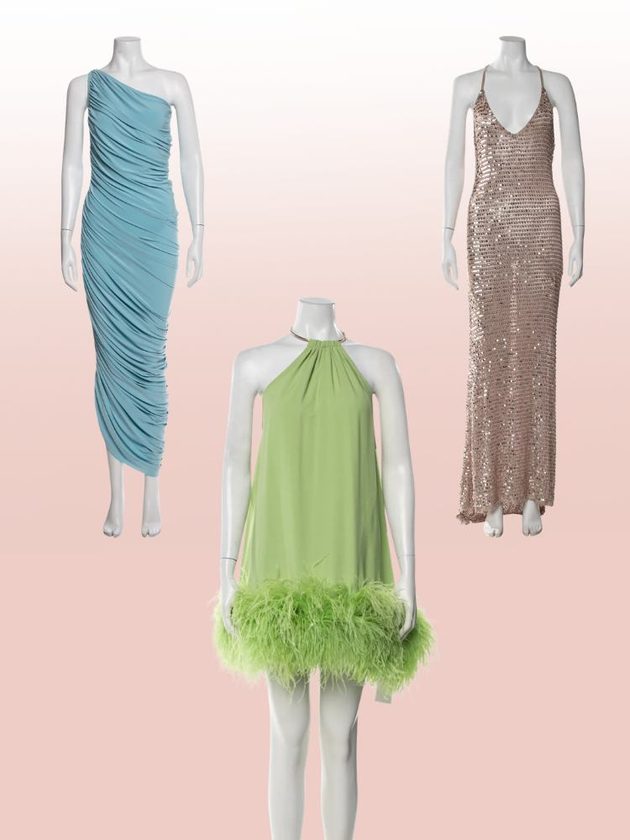
Whenever I’m looking for a wedding guest outfit or dress for another special occasion, The RealReal is my first stop. From gowns to cocktail attire, mini to maxi dresses, designer to contemporary, The RealReal is a mecca for dresses that sparkle and shine — at up to 70% off original prices.
Though you should expect an equally wide array of prices, from steals at under $70 to vintage designer looks coming in at $10K+. Be sure to use the price filter to find something that suits your budget.
Conscious Qualities: Secondhand
Size Range: XXS – 5XL
Price Range: $ – $$$$
2. Ninety Percent
Best for: affordable special occasion dresses
A responsibly-made occasion dress doesn’t have to break the bank. UK-based Ninety Percent has dresses made from lower impact materials like MicroModal and better practices like solar-powered production coming in at just around $100.
Most pieces are made at EchoTex, a facility in Bangladesh owned by the brand’s co-founder for maximum transparency. Best yet, 90% of the brand’s profits are shared across five causes and the workers behind the brand.
Conscious Qualities: Traceable P