Connect with us

Published

on

In the past, energy costs in Australia were low, but rising energy bills are making homeowners seek ways to save energy. 

One effective method is using energy-efficient windows and doors. Hence, we have compiled 7 benefits of energy-efficient windows and doors.  

Australia’s rapid growth has highlighted many homes that were built long ago. These homes now fall short of current energy standards.  

Old windows and doors contribute significantly to energy loss, letting out about 40% of a home’s heat in winter and allowing in heat during summer.  

These inefficient windows and doors increase energy costs by easily transferring heat compared to walls and roofs.  

What is Energy-efficient Window and Doors?

An energy-efficient door has several key features: multiple glass panels (if applicable), better materials, and an improved frame.  

It keeps your home’s temperature stable and blocks out noise. Various quality levels and manufacturers exist, so research to find the best option for your needs. 

Energy-efficient windows have high-quality frames and seals, double glazing, and gas filling. They regulate your home’s temperature, reduce energy bills, and minimise noise pollution, benefiting both your wallet and the environment. 

Best Energy-efficient Window and Door

The best energy-efficient windows include options like double-glazed and gas-filled windows, which improve energy efficiency. Factors like glass thickness and the distance between panels affect the quality.  

For doors, double glazing is more efficient than single glazing. The chamber between the panes, ideally filled with gas, and the coating on the panes enhance energy efficiency. The U Value, indicating heat transfer, should be low for better insulation and energy efficiency.  

Choosing high-quality windows and doors with these features can significantly improve your home’s energy efficiency. 

How Can I Reduce Heat Loss With Windows and Doors in My Home?

A home can lose up to 40% of its heat through door and window openings. In the winter, this is a significant loss, resulting in decreased comfort and increased heating costs. What is required to minimise heat loss? 

First and foremost, a high-quality energy-saving door installation is required. It all begins with measurement.  

It evaluates the quality of the opening, the masonry joints surrounding it, the lintels over the openings, and other structural features that an experienced specialist will undoubtedly consider.  

One of the most important factors in ensuring the door’s long-term and trouble-free operation is proper opening preparation.  

The adjustment of the door is an equally important factor that has a direct impact on the door’s ability to perform its function, as well as its energy efficiency. 

The weak point in doors is a faulty seal. The seal must be elastic, soft, and resilient, and these properties must be maintained throughout use. It is a sealant that protects against drafts, cold bridges, and condensation. 

Next, it is worth discussing the operation of the door itself, specifically its regular opening and closing, especially during the colder months.  

Here, it is critical to ensure that the energy-efficient door closes tightly, which can be accomplished by using a door closer. The door closer ensures that the door closes tightly. 

If you take all of the above into account, you will not lose heat through the entrance door opening.  

Understanding Double Glazing Windows and Doors

Double glazing involves using two panes of glass separated by a space filled with gas, which helps insulate homes. This method is used in windows and doors to improve energy efficiency by reducing heat loss in winter and heat gain in summer.  

Double-glazed windows and doors also reduce noise pollution, enhance security, and require less maintenance. They are made with high-quality materials and seals to ensure durability and effectiveness, providing a comfortable and energy-efficient living environment. 

How Double Glazing Works:

Double-glazed windows keep your home warm in several ways: 

Stopping heat transfer: Heat moves from hot places to cold places. The air or gas between the glass layers slows down this movement, keeping your home warm in winter and cool in summer. 

Blocking drafts: Double-glazed windows are sealed tightly, so air can’t get in or out easily. This helps maintain the indoor temperature and saves energy. 

Reflecting heat: Some double-glazed windows have a special coating that bounces heat back. This keeps heat out in summer and keeps it in during winter, making your home more comfortable. 

Cutting down noise: The gap between the glass layers also blocks noise, making your home quieter.  

Are Double-glazed Windows Worth it?

double glazing

Yes, they are! They save you money, reduce noise, and help control the temperature in your home.  

Did you know that 40% of your home’s energy is lost through doors and windows? Switching to double glazing is the easiest way to fix this and make your home comfortable all year round.  

Double glazing can cut noise by up to 70%, which is great if you live in a busy or noisy area.  

You’ll save money on bills in the long run, giving you more to spend on what matters to you and your family. Plus, energy-efficient windows are good for the environment, protect your furniture and floors from heat damage, and need less maintenance.  

7 Benefits of Energy-Efficient Windows and Doors

Double-glazing your windows and doors makes them more energy-efficient, and it’s become very popular because of its benefits. They have two panes of glass separated by a vacuum or gas, which helps with insulation. 

1. Reducing Heat Loss and Gain

Double-glazed windows reduce heat loss in the winter and heat gain in the summer. This keeps your home at a comfortable temperature year-round without relying heavily on heating and cooling systems.  

This also helps protect your home’s interior surfaces from temperature damage, extending the life of your furniture and finishes.

2. Decreasing Energy Consumption and Costs

By reducing heat loss and gain, double-glazed windows cut down on the energy needed for heating and cooling, saving you money on utility bills.  

This also extends the life of your heating and cooling systems, reducing maintenance costs. Additionally, you might qualify for energy efficiency incentives, further offsetting installation costs.  

3. Lessening CO2 Emissions

Using less energy for heating and cooling reduces greenhouse gas emissions, such as CO2, helping fight climate change. By installing double-glazed windows, you’re reducing your carbon footprint and the environmental impact of your home.  

4. Top-Notch Thermal Insulation

Double-glazed windows provide excellent thermal insulation, keeping your home warm in winter and cool in summer by minimising heat transfer. The insulated glass unit significantly reduces the amount of hot air escaping in winter and prevents heat from entering in summer. 

5. Increase Home Value

Energy-efficient windows and doors increase the value of your home. Prospective buyers are increasingly interested in the eco-friendliness of a property. 

Double-glazed windows with thermal breaks offer even better insulation and efficiency, further boosting your property’s market value. 

6. Condensation Control

Double-glazed windows help control condensation by keeping the inner glass pane warmer. This reduces the risk of condensation, which is more common with single-glazed windows. However, an efficient heating system is necessary for optimal performance. 

7. Massive Cost Savings

In the long run, double-glazed windows save you money by reducing energy bills, maintenance costs, and repairs from condensation damage. The amount you save depends on factors like property size, window type, and your energy supplier. 

In summary, double-glazed windows offer many benefits, such as reducing heat loss and gain, lowering energy consumption and costs, and decreasing CO2 emissions. They improve comfort and save money, making them a worthwhile investment for your home or building. 

What to Consider When Installing Energy-efficient Windows and Doors

Professional installation is required to ensure that the energy-efficient door operates smoothly. It is also worth considering where the door was manufactured, as quality production is important.  

Only with professional equipment and quality control at every stage of production, you achieve a high level of energy efficiency.  

But also ensure that the doors are made of high-quality raw materials and professionally treated to be as environmentally friendly as possible.  

A quality certificate proves that the door is both environmentally friendly and of high quality, but it can only be issued by a legitimate company. 

For more energy-efficient tips and information, keep an eye on Cyanergy. You can also talk to an expert through us!

Your Solution Is Just a Click Away

The post 7 Benefits Of Energy-Efficient Windows and Doors appeared first on Cyanergy.

7 Benefits Of Energy-Efficient Windows and Doors

Continue Reading

Renewable Energy

As Europe Shuns Chinese Turbines and Components, Who Will Fill the Gap?

Published

on

Weather Guard Lightning Tech
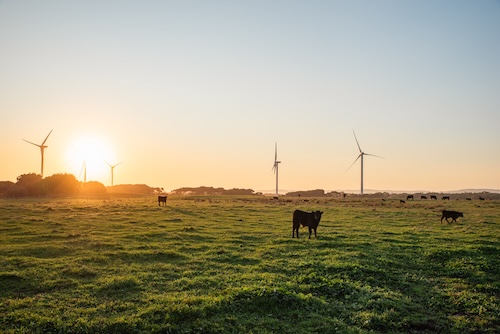
As Europe Shuns Chinese Turbines and Components, Who Will Fill the Gap?

While most of Europe has spent most of this year itemizing reasons it cannot, should not, and will not use Chinese wind turbines or components, accusations and arm-twisting tactics have garnered most of the attention.

But we invite you to consider a future – maybe just five, or ten years from now?- in which those same countries and companies are eagerly awaiting orders from wind turbine manufacturing facilities in… India.
What?!
You know that the country has a lot of installed wind.

You may think – and many in the industry would agree – that India’s blade manufacturers are a few revs behind blade-makers elsewhere in the world. But the country is newly committed to manufacturing and it’s busy installing more – provided that it’s made in India, with Indian technology, by Indian workers.
Of course, similar domestic-focused policy currents are running through European countries – where wind OEMs are almost inarguably a decade ahead of Indian manufacturers. But there’s an important reason why we say, “watch India” in wind turbine manufacturing.

It’s because you might learn something.

If you follow The Uptime Wind Energy Podcast, you probably heard this discussion a few weeks ago. It wasn’t the headline story – we try to highlight as many major news items and trends that we can, and follow up as credible information becomes available. India’s quiet moves to strengthen its own renewable energy industries didn’t grab the headlines. But it comprised a good bit of our panelists’ discussion.

With India’s expanding manufacturing capacity, and Suzlon’s strategic offerings for the European market (Blue Sky), there are reasons for European developers to take a closer look at Indian manufacturers.

If Europe continues to squelch deals with Chinese manufacturers due to data security issues, India is a relatively obvious candidate to fill the void, for several reasons:

  • The country has depth and breadth in R&D: India (Suzlon, specifically) has a track record of involvement and relationships across the continent, as it operates research and development centers in Germany, the Netherlands, and Denmark.
  • Indian service providers have reach: Inox and Adoni Wind operate multiple wind turbine manufacturing plants and wind farms throughout several Indian states, and Apraava Energy has been commissioning wind projects, working with multiple OEMs, for more than 16 years.
  • The country’s energy sector has size: Tata Power is estimated to be worth about US$16 billion and employs 22,000 people.

And major manufacturers from other countries have had a strong presence in the country for years:

  • GE Vernova has turbine blade and nacelle manufacturing operations and multiple tech/R&D centers in India;
  • Vestas has a R&D technology center in Chennai; and
  • China’s SANY Wind has had assembly facilities in India since 2017, and in 2024, it signed a licensing agreement with JSW allowing SANY to manufacture blades and generators for JSW – enabling JSW Neo Energy to produce wind turbine generators and major components in-country.

So while there is hard data suggesting that India is already a global hub for wind turbines, sometimes the real strength comes from soft skills. Like sharing information.

We’ve noticed that Indian manufactures aren’t stingy with information. They share what they learn in the field and on the shop floor, so that the whole industry can move faster to solve problems. That bodes well for the industry overall, and particularly well for companies who figure out how to solve problems that some manufacturers aren’t even ready to admit to having.

We’ll be watching India with a great deal of interest in the coming months. Subscribe to The Uptime Wind Energy Podcast and follow along with us.

We’re not financial analysts. We’re engineers who watch the wind industry very closely. This is what we’ve noticed, and we thought it was worth sharing.

Where do you think you’ll be looking for solutions, components, and service providers in the next few years or the next decade? Tell us what you think. We’d love to hear from you.
Uptime Wind Energy Podcast Logo

As Europe Shuns Chinese Turbines and Components, Who Will Fill the Gap?

Continue Reading

Renewable Energy

When You Write for Idiots, You Can Get Away with Anything

Published

on

To the author of the meme here:

“Either” refers to two choices; “any” refers to three or more.

More importantly, it’s amazing how shamelessly the ultra-right wing exaggerates.  The left side of the Democratic party would like to see the United States look like social democracies in places like Scandinavia.  Having government programs that benefit the common person, e.g., Social Security, public schools, emergency relief, libraries, environmental responsibility, etc., does not equate to Stalinism.

When You Write for Idiots, You Can Get Away with Anything

Continue Reading

Renewable Energy

Are Muslims “Dangerous?”

Published

on

Some of my old prep school chums from the Class of 1973 convene