

A durable set of eco-friendly dinnerware is a solid ingredient for a sustainably set table! But…
What is Sustainable Dinnerware?
Well looking for secondhand and vintage dinnerware is always a good start, whether that’s your grandmother’s porcelain dining sets or a pre-loved set of colorful plates and bowls at your local thrift store.
Another great place to look is estate sales. You can likely find full sets of dinnerware! If none of those options are available to you (or your just not finding something you love) you can check out a site like Etsy Used or Chairish.
*Important note on used dinnerware: the FDA started regulating the use of lead in dinnerware in 1971. So you might want to avoid any dinnerware produced before 1971, unless it’s just for display!
Here are some qualities to look for when shopping for new sustainable dinnerware:
Sustainably sourced materials: such as responsibly-harvested bamboo and recycled glass.
Quality: when it comes to products you’re going to potentially use and wash daily, durability is an important factor to keep in mind. Also consider your lifestyle! Perhaps glass and porcelain aren’t the best choices if you have little ones, or you tend to drop things often. (Guilty!!)
Usefulness: You might also want to consider if you will be hand-washing or dishwashing your dinnerware. Some materials are too fragile for the dishwasher, so consider if you’ll have the time (and willingness) to hand wash them all the time. Because part of sustainability is that you’ll actually use the products and they won’t just sit and collect dust! 
Ethical production: this could look like transparent local manufacturing or artisan-made and fair trade. In any case, an ethical dinnerware brand would prioritize fair living wages for the workers, ensure safe healthy conditions (this includes no toxic chemicals used in production!) and go above and beyond to consider the wellbeing of the people who work for them and/or produce their products.
Ownership and Equity: this means looking at who owns and profits from the brands we’re supporting; if a brand is owned by a person of color, it will be indicated in their description below (BIPOC-owned stands for Black, Indigenous, Person of Color-owned and WOC-owned stands for Woman of Color-owned).
Your Values: you may have other elements you look for in a brand, such as traditional craft preservation. Or perhaps it’s really important to you that a brand is giving back to their local community.
Where to Find Eco-Friendly Dinnerware
The eco-friendly tableware and sustainable dinnerware brands featured below meet at least one (though most of them meet several) of the above criteria.
In this roundup, you’ll find sustainable pottery (including ceramic plates, sustainable mugs, and more), recycled glassware, artisan-made ethical dinnerware, and everything in between to suit your needs. I hope that this variety of brands will help you set the table, whether that’s for fancy dinner parties, Friday night pizza, or something in between.
This article features affiliates and partners. As always, we only feature brands that meet strict standards for sustainability that we love — and that we think you’ll love too!
1. Made Trade
For elegant, well-crafted sustainable dinnerware that will transition from Monday morning breakfast to Saturday’s dinner party with ease, look no further than the ethical dining products on Made Trade.
In addition to ceramic drinkware, bamboo dinnerware, and recycled glassware, you can find artisan kitchen textiles in Made Trade’s collection to complete your gram-worthy tablescape.
Categories: Plates and Bowls, Drinkware, Salad Bowls, Placemats and Coasters, Table Linens
Conscious Qualities: Sustainable Materials, Handcrafted, Made in USA, Woman-Owned, Climate Neutral
Price Range: $-$$$
Use code CONSCIOUSSTYLE for $20 off your first order of $150+

2. Zungleboo
Lightweight, shatterproof, and made from corn starch + bamboo fiber, Zungleboo creates family-friendly and eco-friendly dinnerware!
Their versatile plant-based bowls and plates are also dishwasher and microwave safe, making them easy to care for no matter how busy mealtime is. As Zungleboo writes on their website, their sustainable dinnerware is “from real plants, for real life”.
Categories: Bowls, Plates
Conscious Qualities: Eco Materials, WOC-Owned
Price Range: $$
Use code CONSCIOUS15 for 15% off!

3. Our Place
From the same brand that brought us their cult-favorite Always Pan, comes a gorgeous collection of non-toxic dinnerware and sustainable pottery.
Our Place has hand-painted main plates and side bowls made with recycled and virgin porcelain ceramic and dinner glasses handmade from recycled glass and colored with natural dyes.
Categories: Glassware, Bowls, Plates
Conscious Qualities: Eco Materials, Gives Back, WOC-Owned
Price Range: $$

4. Fable
Prioritizing timelessness and sustainability, Fable sources quality materials and simple designs that last the test of time.
The eco-minded dinnerware company partners with makers in Portugal, Germany, Italy, Japan, and the US that use conscious practices, like ethical employment, craftsmanship, and low-waste practices (like sourcing recycled clay).
Categories: Dinnerware, Drinkware, Cutlery, Serveware, and Decor
Conscious Qualities: Quality Craftsmanship, Low Waste Practices, Responsibly Sourced
Price Range: $$$

5. East Fork
East Fork’s ethically-made dinnerware and tableware is next level — their gorgeous sustainable ceramics, glassware, mugs, and other goods are exquisitely designed and built for durability.
Committed to creating local manufacturing jobs, all of East Fork’s eco-friendly pottery is made in Asheville, North Carolina and is working to center equity and inclusion throughout their business.
Categories: Plates, Bowls, Cups, Drinking Glasses, Flatware/Silverware,
Conscious Qualities: Locally-Made, Transparent Production
Price Range: $$$$

6. Bibol
Born and raised in Vietnam, Bibol founder Little Moon returned to her homeland in adulthood to found a company that could offer fair employment for the craftspeople in an ecologically responsible way. Today, Bibol’s elegant bamboo bowls, plates, servers, and tumblers are all handcrafted from sustainably-harvested bamboo and colored with natural pigments by artisans in Vietnam.
Categories: Plates, Bowls, Cups, Dishes, Salad Bowls and Servers
Conscious Qualities: Eco Materials, Ethical Production, WOC-Owned
Price Range: $$$

7. Urban Natural
Green home retailer Urban Natural has stunning eco-friendly tabletop goods from leading contemporary brands like Farmhouse Pottery and Ethnicraft.
The brands Urban Natural curates source natural materials, use time-honored processes, and take quality craftsmanship seriously.
Categories: Plates, Bowls, Cups & Mugs, Flatware
Conscious Qualities: Artisan Goods, Natural Materials, Locally and Ethically Made
Price Range: $$ – $$$

8. Ekobo
Ekobo’s colorful eco-friendly dinnerware is available in a variety of colors and sizes, perfect for mixing and matching to create a unique sustainable table setting for any space.
The eco-friendly diningware from Ekobo is made from upcycled bamboo and the result is durable, dishwasher-safe, and non-toxic diningware.
Categories: Plates, Bowls, Cups, Trays, Baby Diningware
Conscious Qualities: Eco Materials
Price Range: $$

9. Middle Kingdom
Rooted in rich heritage and honoring traditional artistry, Middle Kingdom’s porcelain sustainable dishes is made with exceptional care in the ancient kiln city of Jingdezhen, China.
To ensure they’re producing only the highest quality sustainable pottery, every artisan begins their time at Middle Kingdom in training as an apprentice. Each artisan earns fair, well-above-average salaries.
Categories: Plates and Bowls
Conscious Qualities: Ethical Production, WOC-owned, Craft Preservation
Price Range: $$$

10. Ames
Founded by native Colombian Ana María Calderon Kayser, Ames is an artisan-made home decor brand collaborating with local Colombian craftspeople to bring their handmade goods to a broader market.
Each exceptionally designed and richly hued piece is made using traditional techniques and natural materials like palm fibers and terracotta.
Categories: Plates, Trays, Placemats
Conscious Qualities: Ethical Production, Craft Preservation, WOC-Owned
Price Range: $$$$

11. The Bright Angle
At first glance, The Bright Angle has stunning porcelain dinnerware — and when you look deeper, the story behind the products is even more beautiful.
Each piece — from the brand’s sustainable mugs to timeless vases — is made by makers earning living wages in Asheville, North Carolina. And the brand sources their raw natural materials for their porcelain locally in North Carolina too.
Categories: Plates, Bowls, Mugs, Olive Oil Bottles
Conscious Qualities: Handcrafted, Locally Made, Ethical Production
Price Range: $$$

12. Fable New York
Sustainable dishes that add a pop of color to your table! Made from organic bamboo, non-GMO corn starch, and food-grade melamine binding, Fable New York’s eco-friendly dinnerware is as durable as it is aesthetically pleasing.
Plus, their colorful bamboo plates are dishwasher safe (though not microwave safe).
Categories: Plates, Bowls, Tumblers
Conscious Qualities: Locally-Made, Transparent Production
Price Range: $$

More Guides For An Eco-Friendly Kitchen:
9 Fair Trade and Eco-Friendly Tablecloths
Your Sustainable and Zero Waste Kitchen Guide
The Best Zero Waste Food Storage Options
The post 12 Ethical & Eco-Friendly Dinnerware Brands To Set Your Table Sustainably appeared first on Conscious Life & Style.
12 Ethical & Eco-Friendly Dinnerware Brands To Set Your Table Sustainably

Last winter, we kept our house at 60 degrees and our electric bill was STILL $280. I’ve been interested in solar for a long time, but on the long list of house projects (especially when you’re restoring a 200 year old house on the historic registry) some are more pressing than others.
But with a few of those major projects wrapping up, and a daunting bill before me, I figured now was the time for a quick google search on solar panels, and let me tell you….. It can be very overwhelming.
Figuring out the rules (cough, cough, historic society), incentives or rebates if applicable, how much it would cost, how much we could save, etc. felt a little like a part-time job. But, one website made it really easy to compare things, and I am happy to be partnering with Aurora Solar to share that site with you.
Because I think you should be able to easily run the numbers on your house without a lot of hassle!
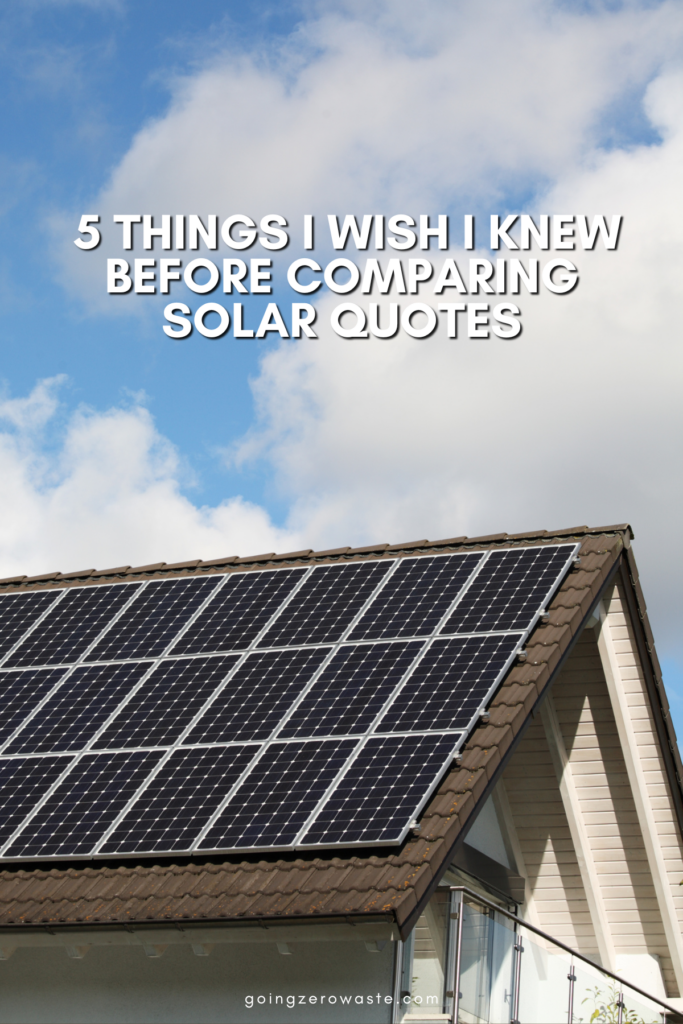
This post is sponsored by Aurora Solar, but all thoughts and opinions are my own.
If you’ve ever gotten a solar quote, there’s a good chance that Aurora Solar was involved. Aurora was founded in 2013 after its co-founders spent seven months trying to design a solar energy system using a patchwork of different tools.
Afterall, designing a solar system shouldn’t be harder than actually installing one. So they built software specifically for solar professionals. Today, more than 7,000 solar organizations use Aurora, and more than 20 million solar projects have been designed using the platform. They are also the largest solar software provider in the world. Their software is used by roughly 80% of the top 75 residential solar companies in the U.S.
All of this tech has been primarily used by professional installers to map your roof and then create a proposal, but now Aurora is offering this tech to us to help compare quotes.
So instead of having to call a bunch of different installers, I could use the Aurora Solar Marketplace to understand my solar potential, compare estimates, understand my possible savings, look into battery storage and other home electrification incentives, and map out different financing options.
1. know how much electricity the system will actually produce
Before you even get into the price, make sure you understand what you’re actually being quoted.
Two solar systems can have very different prices because they may not be the same size or produce the same amount of electricity. A cheaper system might simply have fewer panels and offset less of your electric bill.
With Aurora, you can compare solar estimates and see the system size, energy production, and how much electricity the system should offset.
You can also upload your utility bill to get a solar estimate based more closely on your actual energy usage, to make the quote accurate for you instead of a ‘generic household’.
2. understand the solar payback period
Aurora calculates things like payback period and lifetime savings, which makes it much easier to understand the long-term finances.
The solar payback period is basically how long it takes for your estimated savings to make up for what you spent on the system, and this is the number that surprised me most!
One estimate had a payback period of around 7 years, and another was closer to 11 years! Over 25 years, two of the estimates I looked at had almost a $13,000 difference in projected savings.
Of course, these are still projections as electricity rates can change (HELLO 2026) but when you’re trying to compare two options for the same house, knowing that one is projected to pay for itself four years sooner is pretty useful information.
3. look beyond the monthly payment
Depending on the installer, you may be looking at a cash purchase, solar loan, lease, or power purchase agreement.
But thankfully with Aurora you can compare the different financing options side-by-side which makes it a lot easier to see the trade-offs. One option may have a lower upfront cost, another may have a lower monthly payment, and another may give you better long-term savings.

4. find out which solar incentives actually apply to you
The minute you start Googling solar, you can find federal incentives, state incentives, utility programs, rebates, net metering, and a whole bunch of information that may or may not even apply to where you live.
And some of the articles ranking at the top of Google are several years old! (RIP to the federal incentives canceled at the end of 2025.) But, Aurora can account for solar incentives when calculating the cost and savings of a system, including state, local, and utility-specific programs.
I would still double check any incentive or tax benefit you’re planning to use before signing a contract, especially because programs and eligibility can change, but having all the relevant information in the same place makes the research process much less overwhelming.
5. research the installer, equipment, and warranties
Aurora lets you compare solar installers based on things like reviews, reputation, pricing, and financing options, which I think is just as important as the actual quote.
I’d also look closely at what equipment is included. What panels are they using? What kind of inverter? How long are the equipment warranties? Is there also a workmanship warranty from the installer? Who handles repairs if something goes wrong five or ten years from now?
And, I know I’ve said it a million times, but it’s nice to see it side-by-side without having to fill out a bunch of forms and be hounded on the phone just to get an idea of what solar may look like.
The post How to Compare Solar Quotes: What to Look For Before You Choose appeared first on Going Zero Waste.
How to Compare Solar Quotes: What to Look For Before You Choose
Green Living
Sustainability In Your Ear: XPRIZE’s David Babson on Why Climate Grand Challenges Need Buyers, Too
Buyers contracted nearly 30 million tons of durable c