

Last Updated on July 25, 2024
By now, you’ve probably seen the label “Fairtrade” on a lot of products. But what exactly does it mean? And how does it correlate to sustainability?
Coffee is perhaps the most well-known Fairtrade item. But many items can be certified Fairtrade, such as bananas, ice cream, rice, flowers, cotton and sports balls – to name a few.

The Fairtrade certification essentially means workers are paid living wages and work in safe environments.
As an environmentalist, people matter just as much as planet: We can’t save one without the other. So that’s why it’s important to approach environmental living from an intersectional point of view. Everything is connected.
For our items to be truly sustainable, the people who make them must also be accounted for. That means fair working hours that pay the bills, adequate work breaks, and safe environments where workers can unionize or be protected.
Many workers in the garment industry are required to put in 14 to 16 hours per day, seven days a week, and endure verbal and sometimes even physical abuse from managers. Oftentimes, workers are exposed to harmful substances while working without enough ventilation.
But we can change this by voting with our dollars and supporting brands that treat workers right. That’s why looking for the Fairtrade certification matters. Here’s everything you need to know about the Fairtrade certification. Plus, my favorite brands that sport it!

what is fairtrade in simple terms?
In simple terms, the Fairtrade certification ensures that workers in a company’s supply chain are paid and treated fairly.
While the Fairtrade certification is mostly used on food items, like bananas, cocoa, and coffee, it can also be used to certify certain materials, like cotton.
There are rigorous standards set in place for the Fairtrade certification. After thorough evaluation, such as in-person meetings with workers and work-site inspections, the certification is earned. This must be repeated annually to maintain the Fairtrade certification.
Here’s a look into the three main standards that must be met to hold a Fairtrade certification.
economic
Producers know that regardless of what is happening with the market, they can cover their costs of production because manufacturers will at least pay the Fairtrade Minimum Price. This includes traceability of the product through record-keeping as well as transparency in trade relations.
Also, providing a fixed Fairtrade Premium is required to provide farmers and workers with additional money to invest in improving the quality of their business and community. They can use this premium to build schools for children, libraries, or even bridges that make it easier to cross dangerous areas.
This certification also requires pre-financing to producers who request it, which helps stabilize their operations.
environmental
This emphasizes ecological and agriculturally sound practices, such as responsible water and waste management, preserving soil fertility and biodiversity, and minimal use of pesticides and agrochemicals.
Fairtrade prohibits the use of several hazardous materials and GMOs. While Fairtrade does not require organic certification, it does promote organic production by rewarding with higher Fairtrade minimum and premium prices for organically grown products.
social
Fairtrade ensures workers have a voice within their companies. Democratic self-organization (typically in cooperatives), transparency, participatory decision-making, and non-discrimination (including gender equality) are required.
However, forced labor and child labor are strictly prohibited under the Fairtrade standards.

why is fairtrade important?
Fair trade is important because it helps address these issues within the trade industry. Lets dive into just a few, and the ways Fairtrade is helping. All the statistics below are taken directly from the Fairtrade website.
gender inequality
Women in the agricultural communities often don’t have control of the money the earn. They down own any land or crops, and have limited access to education, training or supplies. Plus, when they try to apply for credit, they are often discriminated against.
Fairtrade is changing this by focusing on increasing women and girls’ human, social, financial and physical capital.
They do this through:
- No discrimination on the basis of gender or marital status
- Zero tolerance of behavior that is sexually intimidating, abusive or exploitative
- No testing for pregnancy when recruiting workers
- Programs to support historically marginalized groups like women
- Developing a gender policy, over time
child labor rights and safety
160 million children are involved in labor globally. Child labor stops young people from being able to go to school, play with their friends and get the nutrition and care they need.
However, the Fairtrade Standards prohibits children under the age of 15 from being employed. Additionally, minors below the age of 18 cannot undertake work that jeopardizes their education or development. Children are only allowed to help on family farms under strict conditions. And the work must be deemed age-appropriate and done outside of school hours.
workers rights
An estimated 40.3 million people are in modern slavery. Workers—people working on large farms or in factories that do not own the business—face incredible adversity in the Global South.
Thankfully, Fairtrade actively works to prevent forced labor through local and international prevention policies. They also train farmers, workers and managers on human rights. Additionally, they support the creation of local youth-inclusive, community-based monitoring and remediation systems.
poverty
736 million people are living in extreme poverty worldwide. Many farmers and workers live on less than $2 per day and depend on a single source of income from a cash crop. On top of that, farmers typically just get one paycheck per year—after the harvest. This means that they have to stretch this one payment for all business and household needs like transportation, food, clothing and school fees for the entire year.
To reduce poverty, fairtrade certification provides a minimum price that aims to cover the cost of sustainable production. It’s a safety net for farmers and workers in case market prices fall below sustainable levels.
Plus, they offer Fairtrade Premium, an additional lump sum that producer organizations receive. Members democratically decide how to spend the money to better their local communities. From upgrading equipment, to creating clinics – this puts power back in the hands of the people.
climate change
Climate studies predict that by 2050 coffee, tea, cocoa and cotton will be so severely affected that production in some areas will even disappear.
Fair trade helps mitigate climate change by:
- Providing Fairtrade Premium – which is often used to plant trees, transition to clean energy, or better prep farms for climate change.
- Offering Fairtrade Carbon Credits so farming communities can access carbon finance to tackle the effects of climate change through renewable energy, energy efficiency and forestry projects.
- Sticking to strict environmental standards (as stated above).
gzw approved fairtrade brands
I’ve rounded up a list of brands that utilize fairtrade ingredients, materials, and/or factories in their production process that get the Going Zero Waste seal of approval. All these brands make alcohol that tastes great and reduces the impact on the planet.
I’ve gone ahead and highlighted some of my favorite features of each brand, but it isn’t an exhaustive list. Be sure to check out their websites for more information.

1. conscious step
- Sustainable sock company for men + women
- Fairtrade cotton
- Vegan-certified
- Global Organic Textile Standard (GOTS) certified
- For every pair sold, $1 is donated to a charity of your choice

2. terra thread
- Sustainable bag brand
- Fairtrade certified factories + cotton
- Handmade from organic GOTS certified cotton
- Each purchase gives back to Feeding America
- Made without GMOs, toxic dyes or chemicals
- B Corporation

3. pact
- Clothing basics, underwear and socks for both men, women, kids, and babies
- Manufactured in Fairtrade certified factories
- Made from organic cotton which uses up to 95% less water than conventional cotton, and doesn’t contain the harsh chemicals, bleaches or dyes that conventional cotton uses
- Recyclable paper bags for packaging products

4. cotopaxi
- Sustainable adventure gear
- Most of their logowear and hats are made in a Fairtrade certified facility
- Made from deadstock + recycled materials
- Net zero commitment
- Repair + trade-in programs
- Every bag is one of a kind – employees are given creative control to determine its unique color scheme

5. kooshoo
- Sustainable + plastic-free hair accessories
- Fairtrade rubber + cotton
- GOTS certified organic cotton + non-toxic dyes
- Plastic-free packaging + shipping
So, what do you think of this certification? Will you be looking for it from here on out? Let me know in the comments!
The post What is Fairtrade? Is It Sustainable? appeared first on Going Zero Waste.

Just like fashion has been overrun by fast fashion, home goods and furniture have similarly seen a rapid decline in quality. Rugs are no exception.
And similar to fashion, these cheap goods come at a high cost — namely, to the planet and to people. In fact carpet and rug production is rampant with exploitation.
On the other hand, fair trade rugs present the best of what a rug can bring to your home: artistry, craftsmanship, and heritage.
The brands featured in this guide are partnering with (and fairly paying!) skilled artisans who are using generations-old — and sometimes even centuries-old — techniques. These artisans are sustaining long lines of crafts, preserving their cultural diversity, and celebrating the richness of their time-honored crafts.
There’s simply no replacement for a timeless, quality artisan-made rug — they’re like pieces of art you can lay out on your floor or hang on your walls.
So, enjoy browsing through this guide to sustainable rug brands listed out below and best of luck on your search for the right fair trade rug!
Where to Find Ethical and Fair Trade Rugs
Note that this guide includes affiliates and partners. As always, brands must meet high standards for ethics and sustainability to be featured and all opinions are my own.
1. Obakki
Best for: warm-hued handwoven wool rugs
Categories: Area Rugs, Runners, Accent Rugs
Obakki partners with artisan weavers primarily in Oaxaca, Mexico — including individual makers like José — who hand-dyes and weaves rugs on a traditional pedal loom using locally sourced sheep’s wool and natural dyes derived from native plants. The brand also works with Rrres Design Studio, a Latin American studio dedicated to preserving traditional Oaxacan weaving techniques, and sources handwoven textiles from artisan communities beyond Mexico as well, including Morocco.
Each rug is made from 100% wool with no synthetic dyes or backing. Most pieces are made-to-order with a 4-8 week production window, shipped directly from the artisan partners.
Price Range: $460 – $4,159
Conscious Qualities: Natural Fibers, Natural Dyes, Craft Preservation

2. Kiliim
Best for: modern wool kilim rugs
Categories: Area Rugs, Accent Rugs
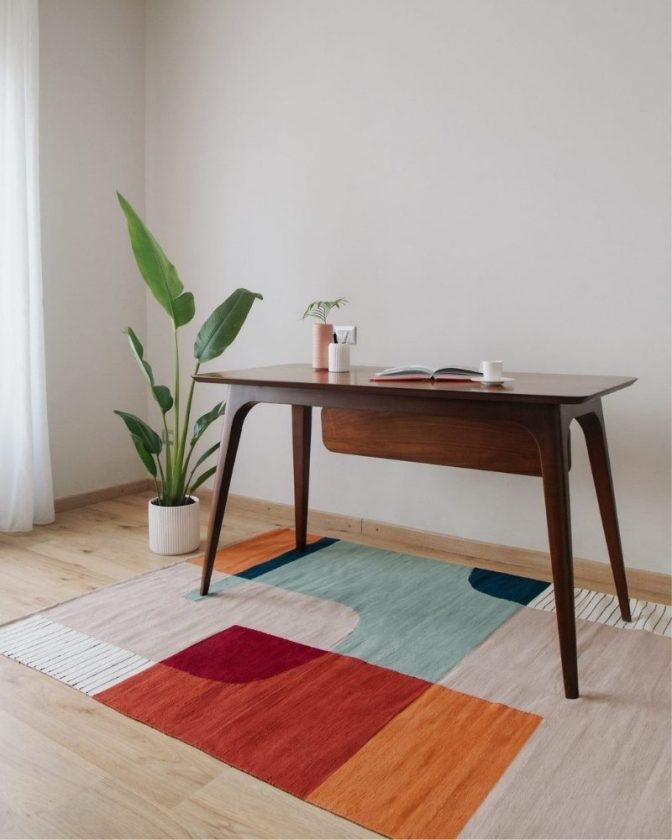
If you’re well-versed in rug terminology, you may recognize that this brand’s name looks similar to the word kilim.
Kiliim’s rug are made using authentic kilim rug craftsmanship by artisans in Egypt coming from generations of kilim artisans. To ensure ethical production and to support the preservation of this heritage craft, Kiliim pays living wages to all artisans.
Price Range: $95 – $4,812
Conscious Qualities: Ethical Production, Heritage Craft Preservation, Natural Fibers
3. Urban Natural
Best for: browsing fair trade rugs in lots of styles and sizes
Categories: Outdoor, Area Rugs, and Accent Rugs
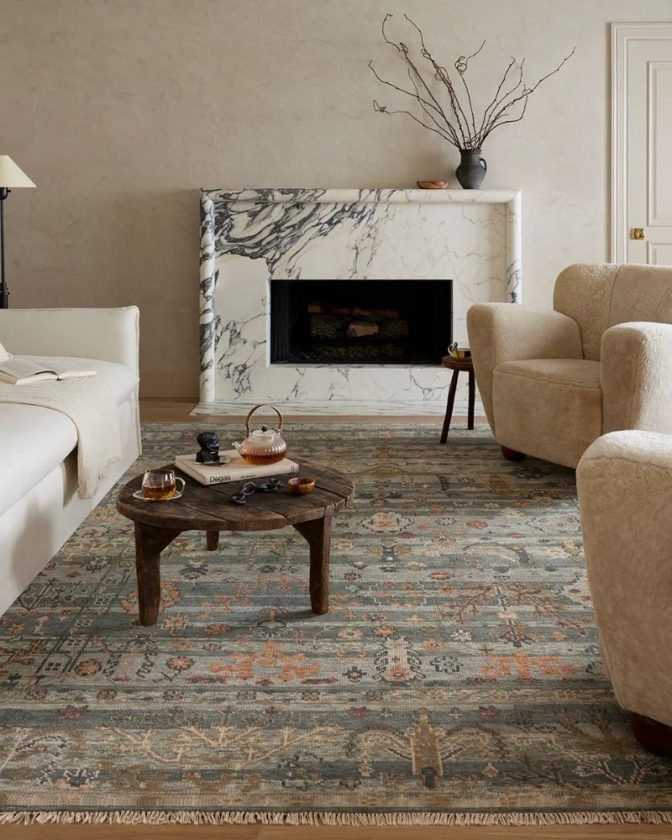
This natural home and lifestyle retailer has a beautifully curated selection of sustainably-made rugs crafted with materials like jute, sisal, wool, and cotton.
Several brands on Urban Natural are also ethically hand-loomed or hand-knotted, such as Loloi — a GoodWeave partner — and Jaipur Living — a brand that partners with thousands of local artisans to sustain heritage crafts.
Price Range: $259 – $9,755
Conscious Qualities: Eco-Conscious Materials
4. LOOMY
Best for: pet-friendly and performance rugs
Categories: Area Rugs, Accent Rugs, Runners, Outdoor Rugs
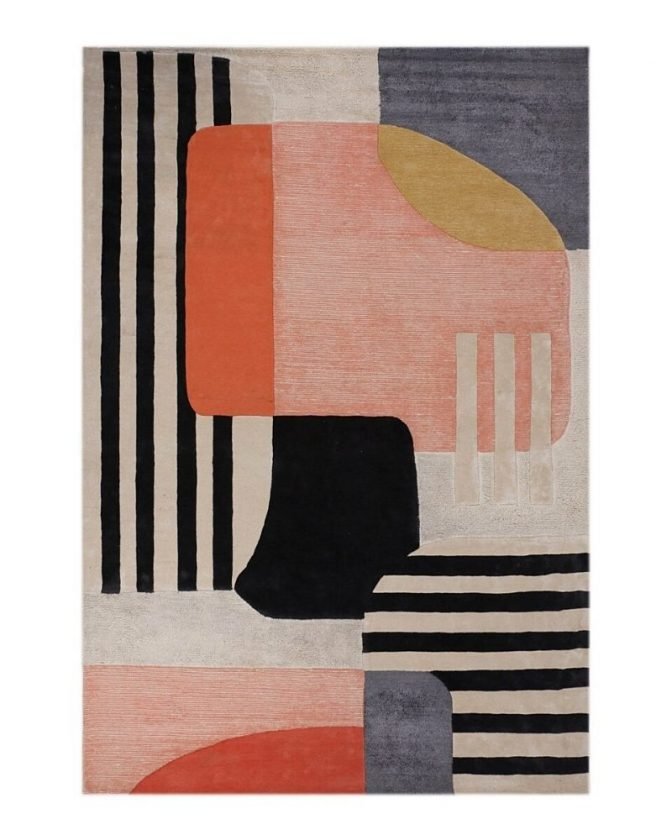
Founded by a weaver, LOOMY is dedicated to crafting beautiful artisan-made rugs that will last for decades to come.
LOOMY partners with highly-skilled artisan weavers who craft quality rugs made from eco-minded materials like banana silk, jute, and recycled cotton, plus performance options made from 100% recycled polyester built to withstand whatever life brings you.
Price Range: $298 – $8,298
Conscious Qualities: Natural Fibers, Craft Preservation, Vintage Options
5. West Elm
Best for: fair trade rugs in on-trend mainstream styles
Categories: Area Rugs, Accent Rugs
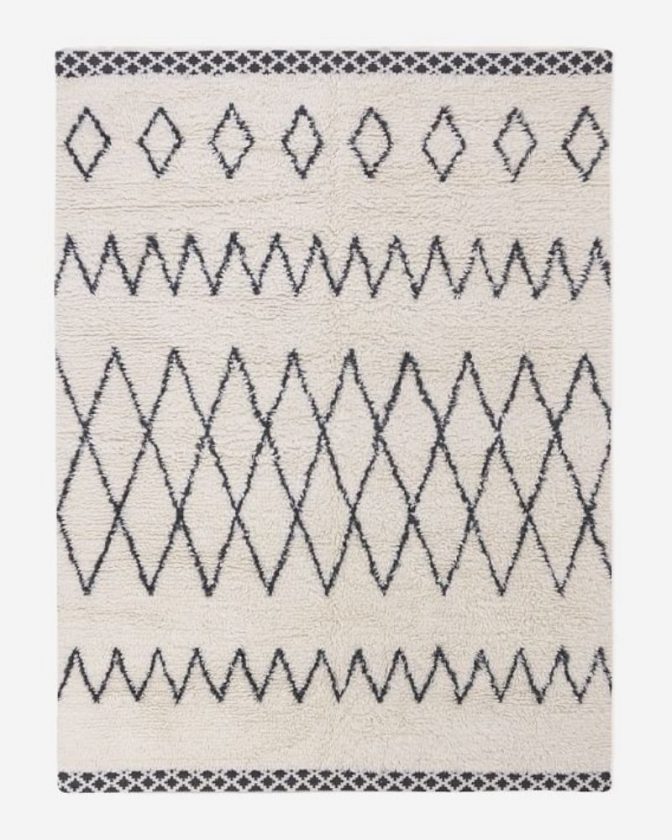
West Elm is bringing ethical rugs to a broader market with their collection of Fair Trade Certified wool and cotton rugs. While I recommend browsing the smaller shops listed above first, West Elm is supporting the movement to responsibly-made, fair trade rugs.
Price Range: $$$
Conscious Qualities: Fair Trade production, Majority Natural Materials
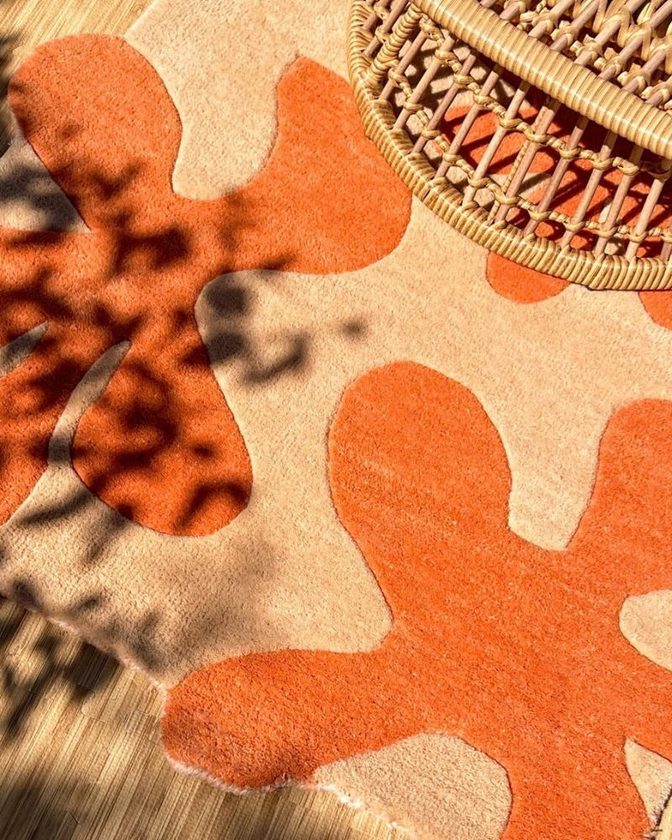
6. Jubi
Best for: Modern rugs in vibrant prints
Categories: Accent Rugs, Circle Rugs, Runners
Jubi is a Brooklyn studio founded by textile designer Cassie Dagostino. Every rug is handmade from New Zealand wool by fourth-generation weaving families in Bhadohi, India using traditional techniques. Each rug is made-to-order, meaning no excess stock. Since everything is made to order, expect between 3 and 7 weeks for your rug, depending on the technique used.
Conscious Qualities: Pays Above Market Rates, 100% Wool, Made-to-Order
Price Range: $228 – $668
Shipping: Free worldwide shipping
7. Rejuvenation
Best for: Classic rug styles made in Fair Trade factories
Categories: Accent Rugs, Runners, Area Rugs
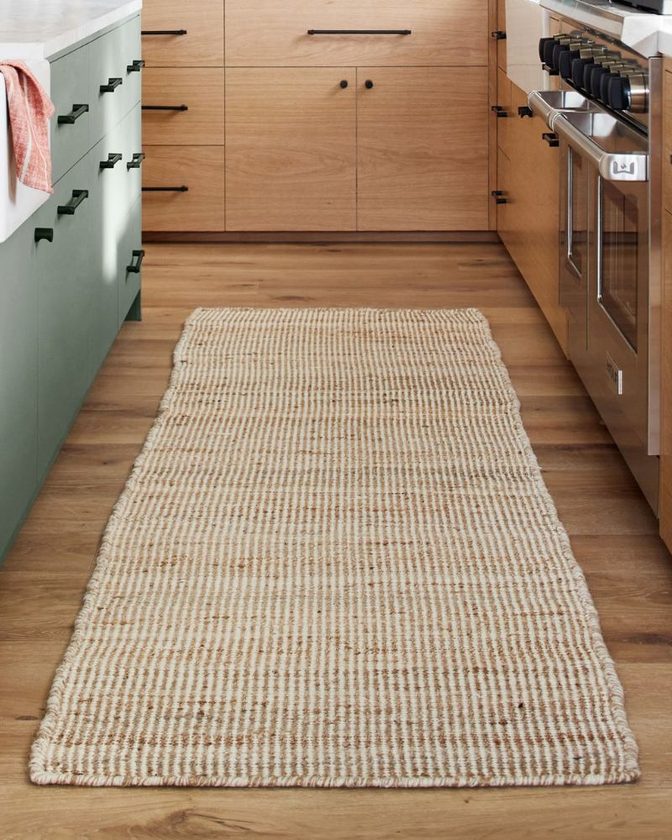
Home retailer Rejuvenation has a selection of rugs made in Fair Trade Certified factories. Their collection includes undyed hand-loomed rugs to geometric flatwoven wool rugs. And while I’d typically avoid synthetics, it tends to be unavoidable for outdoor rugs — so Rejuvenation’s Fair Trade 100% recycled poly rug is a good option.
Conscious Qualities: Fair Trade Certified, Mostly Natural Materials
Price Range: $79 – $1,649
Shipping: Contiguous U.S. shipping for 10% of product price (add $20 for HI, AK, and US. territorries)
Liked this guide to ethical rugs? You might also enjoy:
Ethical Home Decor Brands to Curate a Beautiful, Conscious Space
Eco-Friendly Furniture to Furnish Your Home Sustainably
Fair Trade and Eco-Friendly Blankets to Cozy Up With
The post 5 Best Ethical Fair Trade Rugs to Elevate Your Space appeared first on Conscious Life & Style.
As a longtime book lover, I may be biased, but I think a full bookshelf is one of the most beautiful additions to a space. There’s nothing better than seeing a showcase of your favorite reads alongside a TBR list.
A bookcase, though, can of course be used for all sorts of purposes from placing your favorite photos of family and friends to showcasing treasured vintage finds.
Whatever the case, this guide will help you find the right sustainable bookshelf for your living room, office, or wherever you like to cozy up with a good read!
So what make a bookcase more sustainable? What makes a bookshelf non-toxic?
First of all: sustainable and non-toxic are two overlapping — but distinct — criteria. And both of those terms can come with a lot of opinions and varying definitions.
When it comes to sustainable bookcases, I look for:
- Responsibly Sourced Materials: most bookshelves are made primarily with wood. While natural, unsustainable wood sourcing can be a cause of deforestation, so we want to see that the wood was from responsibly managed forests or made from reclaimed or repurposed wood. Some bookshelves may feature metal, in which case recycled materials here are important.
- High Quality Construction: sustainability includes longevity — how long will you be able to use that furniture piece before it goes to the landfill and gets replaced? Look for transparency around craftsmanship and woodworking processes. Another sign of quality is the length of warranty a company has for its products.
- Ethically Made: this one is straightforward in theory — were the people making it paid fairly and working in safe conditions? — but is unfortunately not always easy to find information. In this category, I look for transparency in practices, what relationship the brand has with the manufacturer (some produce in-house which is the best case scenario for transparency!), where it was made, and how well the makers were paid.
Ideally a sustainable bookshelf would also be non-toxic — as toxic chemical fumes aren’t exactly sustainable! But this isn’t always the case. For example, if a company prioritizes upcycled materials, they don’t necessarily have control over what inputs were part of the original materials. And sometimes a company focuses more on ethical artisan partnerships and sustainable wood sourcing, more than, say, using non-toxic finishes.
But when it comes to non-toxic bookshelves, this is what I look for. (Note that non-toxic doesn’t necessarily mean safe for all chemical sensitivities. Nor does it mean zero potentially irritating chemicals.)
- Solid Wood (where possible): MDF or pressed wood contains glue to stick the various wood pieces together, which can contain added formaldehyde. I prefer solid wood, or if it is engineered wood, I’d make sure the company is transparent around the type of glue used and/or they at least have a product certification like GREENGUARD. (More on that in a second.)
- Low or Zero VOC Finishes: most wood furniture is completed with some sort of finish to provide a protection against scratches or moisture. Many of these finishes are synthetic, and some can contain high levels of toxic chemicals. Look for a natural finish like linseed oil or beeswax or a low VOC synthetic finish.
Relevant Certifications
You’ll see a few certifications referenced throughout this guide. Here’s what each one covers:
- FSC Certified = the wood sourcing was responsibly managed; this is not a finish, foam, or textile guarantee.
- GREENGUARD / GREENGUARD Gold Certified = the finished product was tested for low chemical emissions, including VOCs, with Gold representing the stricter tier.
- Fair Trade Certified