

When it comes to shopping responsibly for furniture, one of the key decision factors to consider is locally-made — so if you’re in the United States, you might be looking for American made furniture companies.
Why Does Locally-Made Furniture Matter?
The first element that comes to mind is reducing shipping emissions. International shipping alone accounted for 2% of global energy-related CO2 emissions in 2022. So it’s crucial that we start to buy more locally and regionally made in general, and furniture is likely among the most bulky items we are going to buy so it feels like a particularly impactful area to focus on.
Additionally, when a product is locally made there is often more transparency. This is not always the case, but several of the US-made furniture companies here even have their own furniture workshops or partner with hyper-local manufacturers that they can regularly visit.
And with audit deception commonplace, it’s vital that a company visits their factories or has close relationships with their manufacturers to ensure social responsibility.
Another benefit is that you’ll contribute to supporting your local economy, especially if you’re purchasing from an American-made furniture brand that is based in your own state or region.
It goes without saying that American-made furniture is likely going to be more expensive than your standard mass-market furniture retailer.
However, there are several direct-to-consumer brands in this guide that avoid retailer markups to deliver more accessibly-priced furniture than some of the mid-tier to higher end furniture companies you might be familiar with that produce abroad.
Without further ado, let’s dive into this guide!
Our Top Picks for American Made Furniture Brands
Note that the following includes affiliate links, which means we may earn a small commission if you make a purchase, at no additional cost to you. As always we only feature brands that meet strict criteria that we love!
1. Medley
Categories: Living, Bedroom, and Dining Furniture
Made in: California
Founded by two brothers, Medley combines traditional craftsmanship with modern ecological sensibility. Each sustainable furniture piece is meticulously made-to-order in California ensuring quality, supporting local manufacturing, and reducing their carbon footprint. Medley uses some of the best eco-certified materials in furniture too, like GOLS + GOTS-certified organic latex foam and OEKO-TEX® Standard 100-certified wool.

2. Avocado
Categories: Bedroom and Living Room Furniture
Made in: California
Rooted in a commitment to sustainability, Avocado has their own FSC®-certified (C156318) woodshop in Los Angeles! Among their offerings, you’ll find living room and bedroom furniture crafted from reclaimed wood or FSC-certified wood. Whether your aesthetic is minimal, Scandi, boho or MCM, you’ll find a beautiful piece to add to your home on this California-made furniture company’s site.

3. Maiden Home
Categories: Living, Dining, and Bedroom Furniture
Made in: North Carolina
Based in North Carolina, each of Maiden Home’s timeless pieces — ranging from sofas to beds — is meticulously handcrafted locally by skilled artisans using premium, thoughtfully sourced materials. This American-made furniture company’s commitment to transparency and direct-to-consumer pricing ensures exceptional quality without the retail markups.

4. Cisco Home @ Urban Natural
Categories: Living and Bedroom Furniture
Made in: California
Founded in Los Angeles by Cisco Pinedo, Cisco Home focuses on environmentally responsible practices and local craftsmanship. Each piece, made in their Los Angeles workshop, combines modern elegance with rustic charm using materials like FSC-certified hardwoods and natural fabrics like hemp and organic cotton. Cisco Home’s three decades of experience in making quality sustainable furniture, makes them a top choice for American-made furniture.

5. Copeland @ Urban Natural
Categories: Living, Bedroom, and Office Furniture
Made in: Vermont
Copeland Furniture, based in Bradford, Vermont has been making heirloom-quality pieces since 1976. The USA-made furniture company sources their hardwoods like cherry, maple, and walnut from sustainably managed forests in the Northeast. Their collections blend traditional craftsmanship with elegant, contemporary design and functionality. You’ll find pieces like extendable tables and sit-stand desks from Copeland.

6. Savvy Rest
Categories: Bedroom and Living Room Furniture
Made in: Virginia
Savvy Rest’s commitment to organic materials and sustainable production practices is unmatched. The Northeast US-made furniture company crafts each piece of furniture with only the best non-toxic materials like GOTS-certified organic fabrics, Cradle-to-Cradle Natural Talalay latex foam, and zero-VOC finishes. Made in their Central Virginia wood shop, Savvy Rest exemplifies a dedication to creating non-toxic and sustainably-minded American-made furniture that is built to last.

7. What WE Make
Categories: Dining, Living, Office, and Bathroom Furniture
Made in: Illinois
A Midwest-based furniture brand, What WE Make crafts environmentally-conscious tables, vanities, and more from old-growth reclaimed wood. And ensuring the furniture brings in minimal to no toxins, the pieces are finished with zero-VOC finishes.
Each piece is made-to-order and you can even get a vanity, table, or other furniture piece fully customized to your liking!

8. Sabai
Categories: Living Room Furniture
Made in: Tennessee (go behind the scenes)
As “a better furniture brand”, Sabai’s American-made furniture collection focuses on environmental consciousness and accessible pricing. Sabai’s sofas and chairs are made crafted from 100% recycled fabrics and FSC-certified wood and are free of the icky stuff like PFAS and flame retardants. And as a DTC brand, Sabai can provide this all affordably, too. The best part about Sabai, though, might be their Repair Don’t Replace program so you can ensure your sofa makes it for the long haul.

9. Maple Corner Woodworks @ Urban Natural
Categories: Bedroom, Living Room, Office, and Dining Room Furniture
Made in: Vermont
Maple Corner Woodworks is dedicated to crafting heirloom-quality, timeless furniture in Vermont, which is well-known for its quality woodworking.
With their most popular styles inspired elements by the best of furniture design from the mid to late 1800s, it’s safe to say that MCW prioritizes the longevity of their solid hardwood furniture.

10. Loll Designs @ Made Trade
Categories: Outdoor Furniture
Made in: Minnesota
Loll Designs has everything you need for your patio redesign, from coffee tables and cabinets to benches and lounge chairs.
Made using recycled high-density polyethylene (HDPE), Loll Designs creates USA-made furniture build to last. The furniture is designed to not rot, splinter, or require any re-staining.

That wraps it up for our guide to American made furniture companies! I hope you find a quality piece or two that will last you a lifetime in this guide.
You Might Also Want to Check Out:
15 Non-Toxic Furniture Companies
The Best Sustainable Tables to Gather Around
10 Eco-Friendly Chairs for Sustainable Seating
The post Top 10 American Made Furniture Companies Prioritizing Quality Over Quantity appeared first on Conscious Life & Style.
Top 10 American Made Furniture Companies Prioritizing Quality Over Quantity

Just like fashion has been overrun by fast fashion, home goods and furniture have similarly seen a rapid decline in quality. Rugs are no exception.
And similar to fashion, these cheap goods come at a high cost — namely, to the planet and to people. In fact carpet and rug production is rampant with exploitation.
On the other hand, fair trade rugs present the best of what a rug can bring to your home: artistry, craftsmanship, and heritage.
The brands featured in this guide are partnering with (and fairly paying!) skilled artisans who are using generations-old — and sometimes even centuries-old — techniques. These artisans are sustaining long lines of crafts, preserving their cultural diversity, and celebrating the richness of their time-honored crafts.
There’s simply no replacement for a timeless, quality artisan-made rug — they’re like pieces of art you can lay out on your floor or hang on your walls.
So, enjoy browsing through this guide to sustainable rug brands listed out below and best of luck on your search for the right fair trade rug!
Where to Find Ethical and Fair Trade Rugs
Note that this guide includes affiliates and partners. As always, brands must meet high standards for ethics and sustainability to be featured and all opinions are my own.
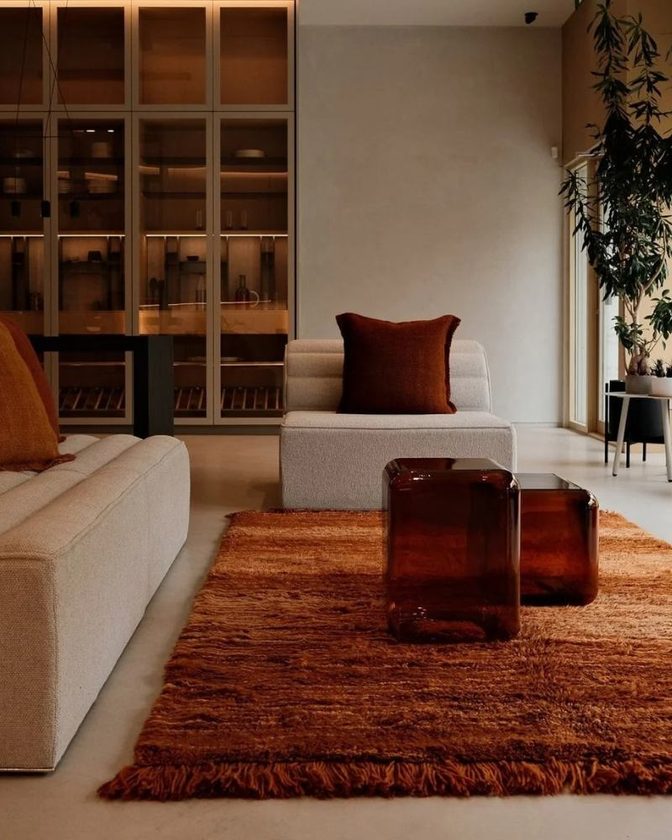
1. Obakki
Best for: warm-hued handwoven wool rugs
Categories: Area Rugs, Runners, Accent Rugs
Obakki partners with artisan weavers primarily in Oaxaca, Mexico — including individual makers like José — who hand-dyes and weaves rugs on a traditional pedal loom using locally sourced sheep’s wool and natural dyes derived from native plants. The brand also works with Rrres Design Studio, a Latin American studio dedicated to preserving traditional Oaxacan weaving techniques, and sources handwoven textiles from artisan communities beyond Mexico as well, including Morocco.
Each rug is made from 100% wool with no synthetic dyes or backing. Most pieces are made-to-order with a 4-8 week production window, shipped directly from the artisan partners.
Price Range: $460 – $4,159
Conscious Qualities: Natural Fibers, Natural Dyes, Craft Preservation
2. Kiliim
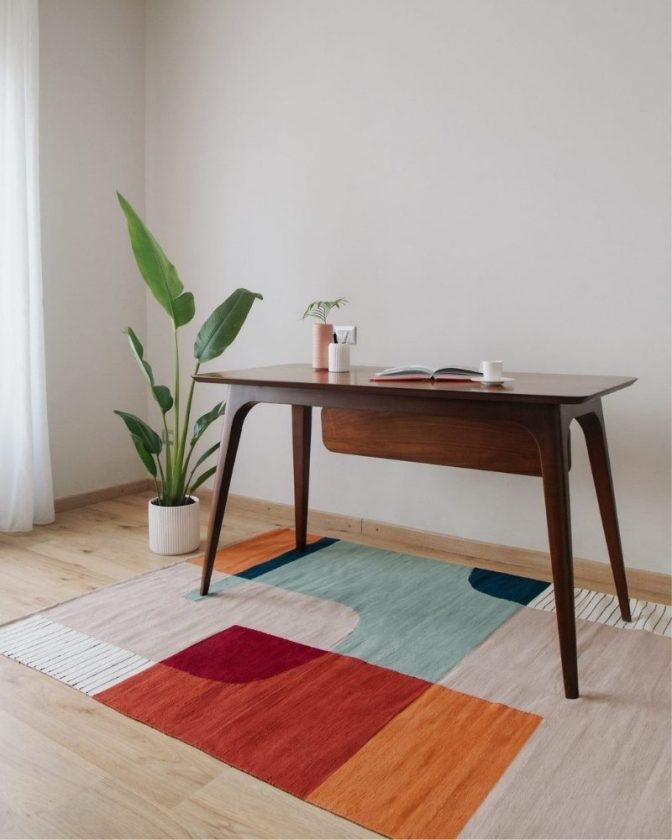
Best for: modern wool kilim rugs
Categories: Area Rugs, Accent Rugs
If you’re well-versed in rug terminology, you may recognize that this brand’s name looks similar to the word kilim.
Kiliim’s rug are made using authentic kilim rug craftsmanship by artisans in Egypt coming from generations of kilim artisans. To ensure ethical production and to support the preservation of this heritage craft, Kiliim pays living wages to all artisans.
Price Range: $95 – $4,812
Conscious Qualities: Ethical Production, Heritage Craft Preservation, Natural Fibers
3. Urban Natural
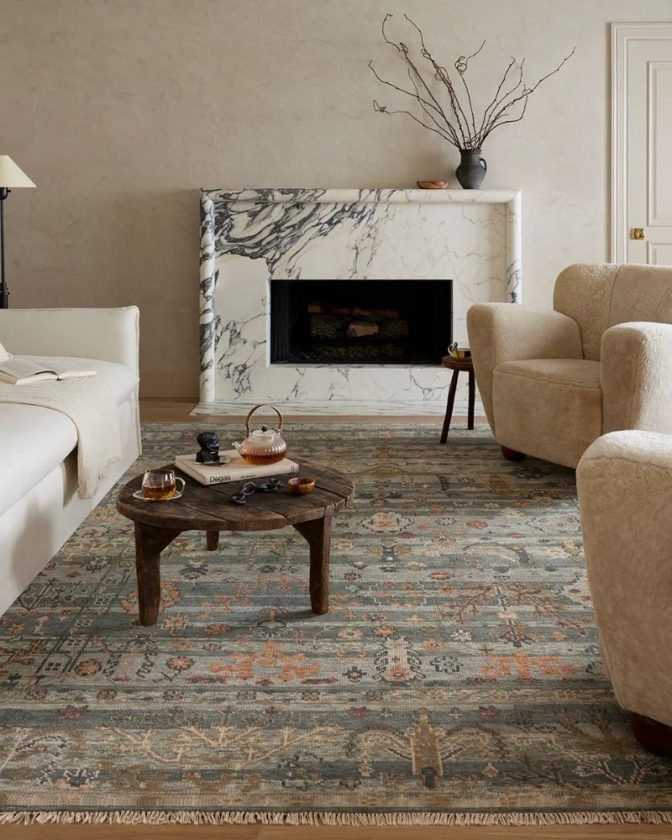
Best for: browsing fair trade rugs in lots of styles and sizes
Categories: Outdoor, Area Rugs, and Accent Rugs
This natural home and lifestyle retailer has a beautifully curated selection of sustainably-made rugs crafted with materials like jute, sisal, wool, and cotton.
Several brands on Urban Natural are also ethically hand-loomed or hand-knotted, such as Loloi — a GoodWeave partner — and Jaipur Living — a brand that partners with thousands of local artisans to sustain heritage crafts.
Price Range: $259 – $9,755
Conscious Qualities: Eco-Conscious Materials
4. LOOMY
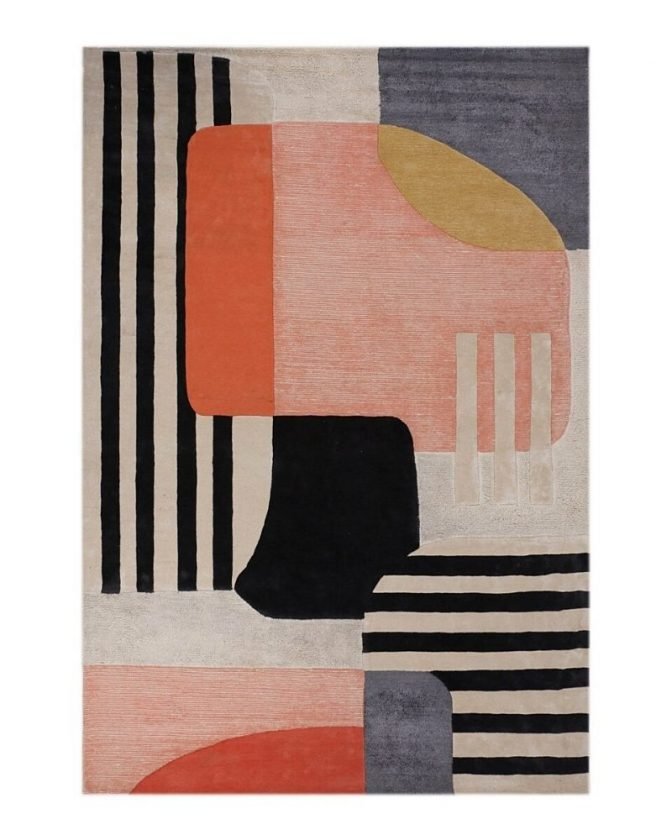
Best for: pet-friendly and performance rugs
Categories: Area Rugs, Accent Rugs, Runners, Outdoor Rugs
Founded by a weaver, LOOMY is dedicated to crafting beautiful artisan-made rugs that will last for decades to come.
LOOMY partners with highly-skilled artisan weavers who craft quality rugs made from eco-minded materials like banana silk, jute, and recycled cotton, plus performance options made from 100% recycled polyester built to withstand whatever life brings you.
Price Range: $298 – $8,298
Conscious Qualities: Natural Fibers, Craft Preservation, Vintage Options
5. West Elm
Best for: fair trade rugs in on-trend mainstream styles
Categories: Area Rugs, Accent Rugs
West Elm is bringing ethical rugs to a broader market with their collection of Fair Trade Certified wool and cotton rugs. While I recommend browsing the smaller shops listed above first, West Elm is supporting the movement to responsibly-made, fair trade rugs.
Price Range: $$$
Conscious Qualities: Fair Trade production, Majority Natural Materials
6. Jubi
Best for: Modern rugs in vibrant prints
Categories: Accent Rugs, Circle Rugs, Runners
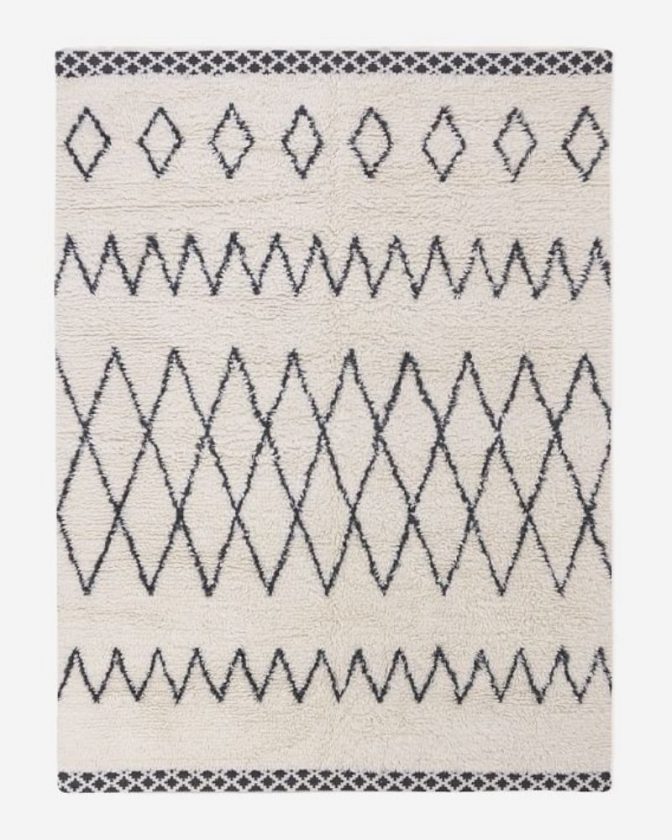
Jubi is a Brooklyn studio founded by textile designer Cassie Dagostino. Every rug is handmade from New Zealand wool by fourth-generation weaving families in Bhadohi, India using traditional techniques. Each rug is made-to-order, meaning no excess stock. Since everything is made to order, expect between 3 and 7 weeks for your rug, depending on the technique used.
Conscious Qualities: Pays Above Market Rates, 100% Wool, Made-to-Order
Price Range: $228 – $668
Shipping: Free worldwide shipping

7. Rejuvenation
Best for: Classic rug styles made in Fair Trade factories
Categories: Accent Rugs, Runners, Area Rugs
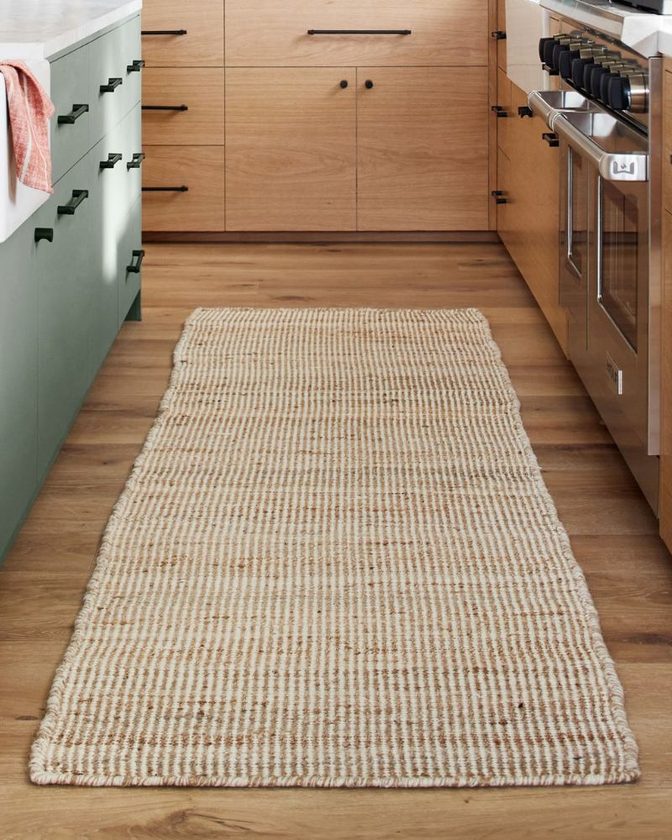
Home retailer Rejuvenation has a selection of rugs made in Fair Trade Certified factories. Their collection includes undyed hand-loomed rugs to geometric flatwoven wool rugs. And while I’d typically avoid synthetics, it tends to be unavoidable for outdoor rugs — so Rejuvenation’s Fair Trade 100% recycled poly rug is a good option.
Conscious Qualities: Fair Trade Certified, Mostly Natural Materials
Price Range: $79 – $1,649
Shipping: Contiguous U.S. shipping for 10% of product price (add $20 for HI, AK, and US. territorries)
Liked this guide to ethical rugs? You might also enjoy:
Ethical Home Decor Brands to Curate a Beautiful, Conscious Space
Eco-Friendly Furniture to Furnish Your Home Sustainably
Fair Trade and Eco-Friendly Blankets to Cozy Up With
The post 5 Best Ethical Fair Trade Rugs to Elevate Your Space appeared first on Conscious Life & Style.