

Cozy sweaters are the cornerstone of any cool-weather wardrobe. So make it a conscious choice with our curation of sustainable sweaters.
Most of the conventionally available sweaters are made from cheap acrylic fibers that are often itchy, don’t keep you warm, and are yes: plastic. Since sweaters are often the kinds of investments you can wear season after season — often decades! — with the proper care, these are the pieces worth getting right.
With this in mind, we’ve rounded up some fashion-forward options of sweaters made from natural fibers and recycled fibers ranging from turtlenecks and crewnecks to cardigans and sweater vests, so you can find the right pieces for your cool weather wardrobe.
Note that the guide contains affiliate links. As always, we only feature brands that meet strict criteria for sustainability we love, that we think you’ll love too!
Why Choose Natural Fiber Sweaters?
Put simply, acrylic, polyester, and other synthetic knits are made from fossil fuels — and these kinds of fabrics are one of the leading causes of rising carbon emissions in this industry. Plus every time you wash a synthetic sweater, they shed microplastics into our waterways.
Natural fibers also tend to be more breathable and better at regulating temperature, so you’re less likely to shiver the second you step outside the door. (If you’ve worn an acrylic sweater, and then a wool one: you know exactly what I mean.) That said, “natural fibers” doesn’t automatically mean perfectly sustainable. How the fiber is farmed, processed, and dyed matters as much as what it’s made from. That’s why I’ve also included the relevant certifications, additional process information, or sustainability criteria for each brand below, so you know exactly what you’re getting.
Certifications Cheat-Sheet
Since natural fiber sweaters made from wool, cashmere, or cotton are only part of the sustainability picture, here’s how to make sure those fibers are responsibly sourced too.
GOTS (Global Organic Textile Standard) certifies that a textile contains a minimum percentage of certified organic fiber and meets environmental and social criteria through processing. It’s the standard for verifying a fabric is genuinely “organic,” not just marketed that way.
Regenerative Organic Certified (ROC) goes beyond standard organic certification by also requiring regenerative farming practices (soil health, biodiversity), high standards for animal welfare, and fair labor practices for farmers and workers. It’s currently one of the most rigorous certifications available, layering environmental, animal welfare, and social criteria into a single standard. But honestly right now it’s pretty rare to see this from a fashion brand! Only a few sweater brands have this.
B Corp certifies the company as a whole against social and environmental performance standards (labor, governance, environmental impact) — a business-level cert, not a product-level one, so it doesn’t speak to any single garment’s materials.
Fair Trade Certified
verifies that the specific factory/facility producing the item meets standards for labor conditions, wages, and worker safety, and that a Community Development Premium is paid to workers. It’s a labor and production-facility certification, not a materials one.
Where To Find Eco-Friendly Sweaters Made with Natural Fibers
1. Kotn
Best for: timeless sweaters with thoughtful details and polished silhouettes
Kotn has seriously stepped up its style game this season. They’ve always been on my list for sustainable basics (I have a turtleneck and sweatshirt from the brand that are great quality) but their recent sweaters and cardigans are elevated without losing their timeless, relaxed core aesthetic.
And with garments made of 100% direct trade cotton and 100% merino wool or alpaca in colors like Cardamom, Tawny Port, and Chocolate Plum, you don’t need to sacrifice color to shop your values. Note that some pieces include recycled nylon in a blend, so if you’re looking for fully natural fiber sweaters, those might not be for you.
Conscious Qualities: Ethically Made, Natural Fibers (Egyptian cotton, alpaca, merino wool), B-Corp Certified
Size Range: XS–XL
Price Range: $88 – $228
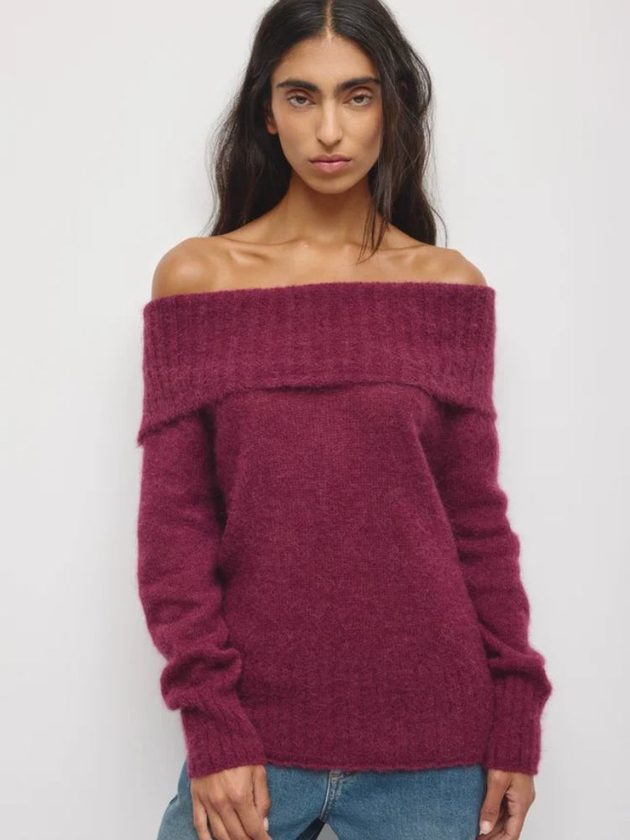
2. Outerknown
Best for: organic cotton sweaters for outdoor living
A brand built for coastal living, Outerknown’s minimalist sweaters in classic colors are perfect for throwing over, no matter the adventure. And if simple isn’t your style, their Nostalgic Sweater incorporating the ’70s rainbow is a fun retro piece.
Outerknown’s sweaters are made from natural fibers, like 100% organic cotton, 100% responsibly-sourced wool, or organic cotton/recycled cashmere blend. And the brand is equally committed to fair compensation with a compliance program accredited by Fair Labor Association and improving their purchasing practices.
Conscious Qualities: Lower Impact Materials, Ethically Made, Supply Chain Transparency, Resale Program
Size Range: XS–XXL
Price Range: $118 – $258
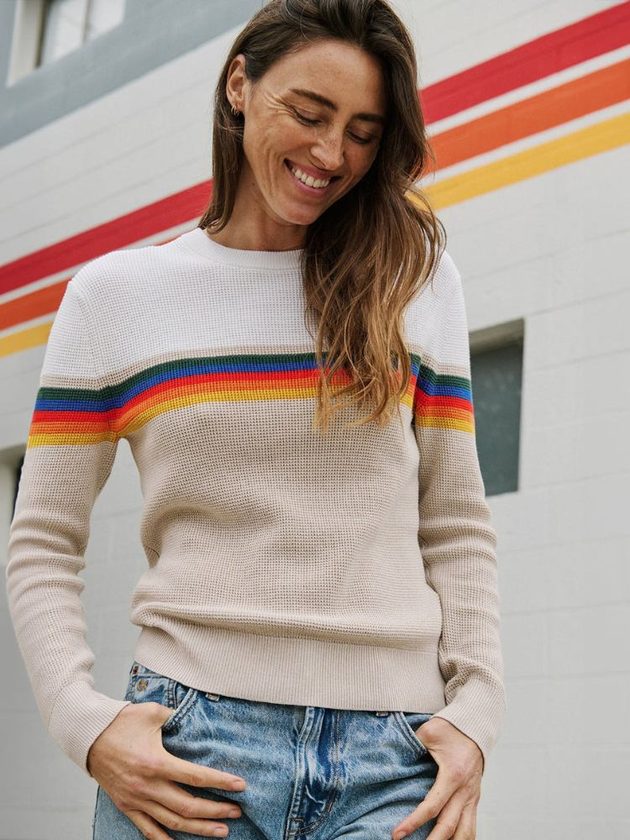
3. Toad & Co
Best for: bold-pattern sweaters with a give-back mission
If your style leans a bit bolder or on the quirky side, the printed sweaters at Toad & Co might be right up your alley. Toad & Co’s sweaters feature everything from feminine florals to classic stripes — with some ’90’s inspired prints thrown in for good measure — in the classic sweater styles you’d expect: cardigan, crew sweaters, v-necks, sweater dresses, and sweater vests.
The brand uses materials like organic cotton, recycled cotton, RWS-certified merino wool. Note that some sweaters do contain a percentage of recycled synthetics mixed in.
Since the brand was founded in 1996, Toad & Co has partnered with a facility that employs and trains individuals with developmental disabilities, while facilitating outdoor adventures for them.
Conscious Qualities: Natural & Recycled Materials, Responsible Production Practices
Size Range: XS–XL
Price Range: $112-$240
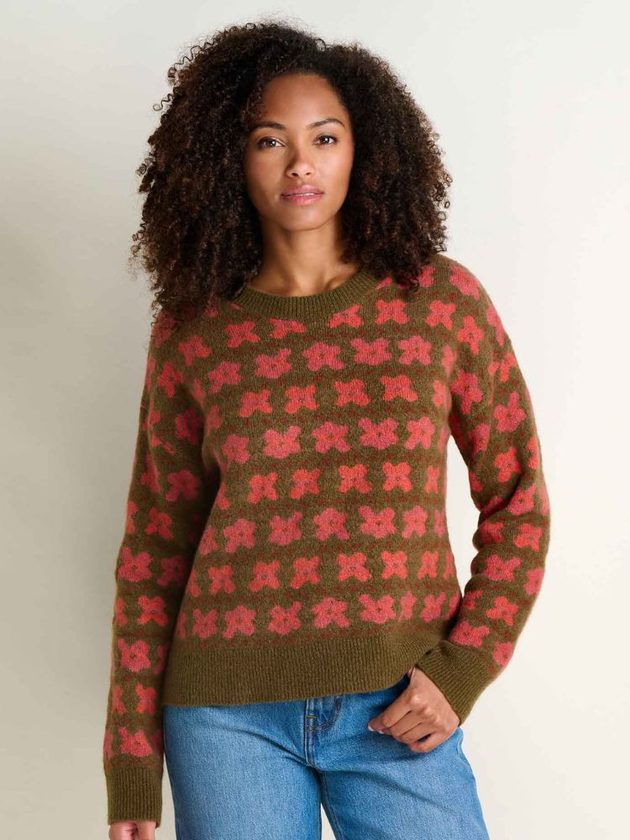
4. Christy Dawn
Best for: luxurious organic cotton and alpaca knits
The coziest of natural fiber sweaters, Christy Dawn’s vintage-inspired organic cotton cardigans, oversized wool knits, and après-ski inspired pullovers will transport you to a countryside cottage.
The brand’s winter knits are made from alpaca wool sourced from the Peruvian highlands, organic cotton, and pima cotton and the yarns are colored with organic dyes. Each sweater is ethically hand-knit by makers earning living wages in Peru.
Conscious Qualities: 100% Natural Fibers, Non-Toxic Dyes, Ethically Made, Resale Program
Size Range: XS–XXL
Price Range: $138 – $478
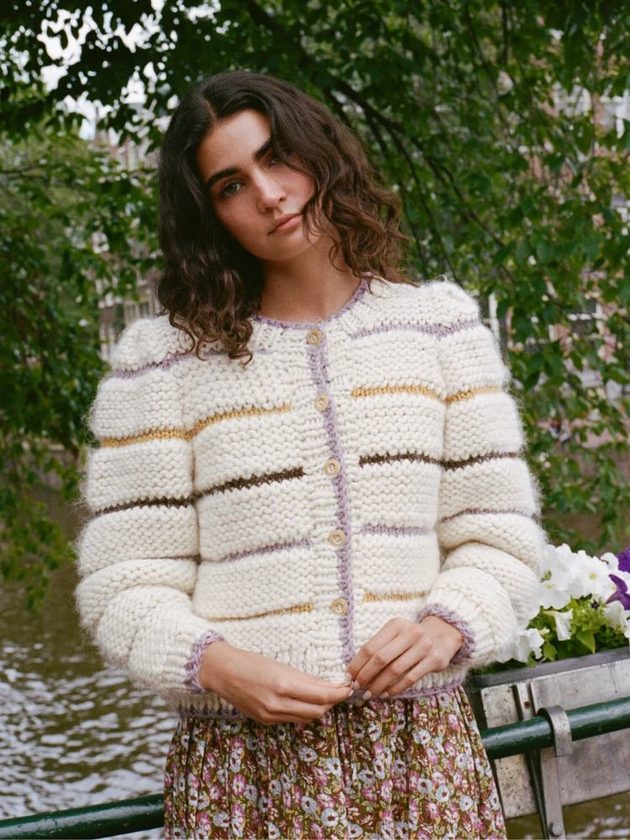
5. Cottonique
Best for: comfy sweaters safe for those with skin sensitivities
Made from 100% GOTS-certified organic cotton in the brand’s own B-Corp and GOTS-certified factory, Cottonique’s organic sweaters are free from synthetic knit fibers, latex, synthetic dyes, bleach or other harsh chemical finishes. Even the label is 100% cotton and the cuffs are elastic free, to ensure comfort even for those with severe skin sensitivities.
I tried their close neck knitted sweatshirt in Natural and it was super comfortable, even when worn alone without a layer underneath. While limited in colors, I like that the brand doesn’t use synthetic dyes, and I found the natural cotton to be a beautifully warm soft cream color.
Conscious Qualities: B-Corp & GOTS-Certified Factory, 100% Organic Cotton
Size Range: S-XL
Price Range: $45 – $55

6. The RealReal
Best for: preloved designer sweaters
When it comes to finding quality secondhand pieces, The RealReal has been my personal go-to for years. Sort by anything from color and style to price and condition — and, of course, designer to find the perfect addition to your fall wardrobe.
Find everything from a classic Ralph Lauren crew neck to an eccentric, artful sweater from Marni, or just about anything in between, on The RealReal’s authenticated curation. Pro Tip: while you can’t filter by fiber on TRR, you can search terms like “100% cashmere sweaters” to help surface natural sweaters.
Conscious Qualities: Secondhand, Natural Sweater Options
Size Range: XXS–4XL
Price Range: $8 – $10,000+ (the range of secondhand!)
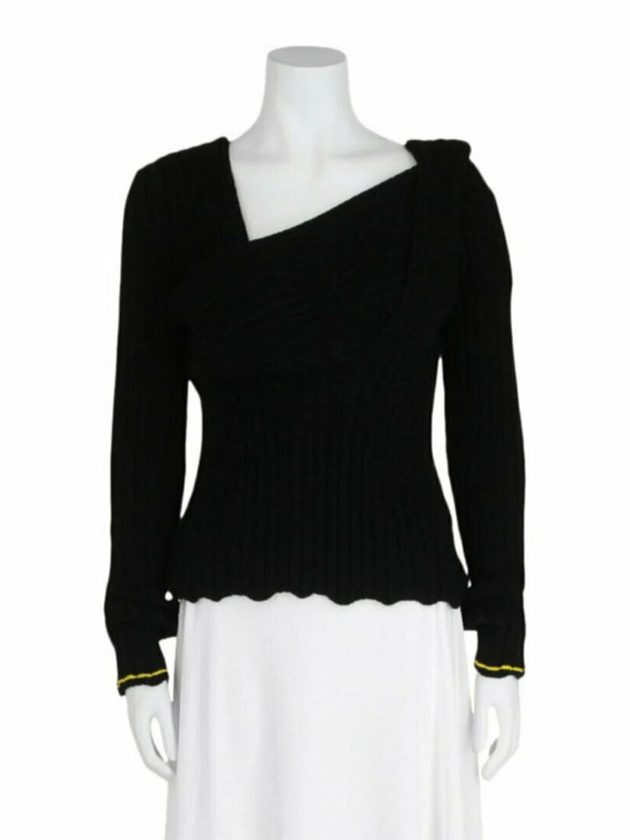
7. tentree
Best for: versatile everyday knitwear
For classic sweaters — think turtlenecks, chunky cardigans, cable knit crew pullovers — tentree is a sure bet. Ideal for everyday wear, from lounging at home to going out for Sunday brunch, tentree’s sweaters are as versatile as they are cozy.
The brand’s sweaters are made from preferred materials like RWS-certified wool and organic cotton. Most pieces are primarily natural fibers blended with a percentage of recycled polyester, though there are a couple of 100% natural fiber pieces.
Conscious Qualities: Lower Impact Materials, Plants Trees
Size Range: XS–XL
Price Range: $88 – $148
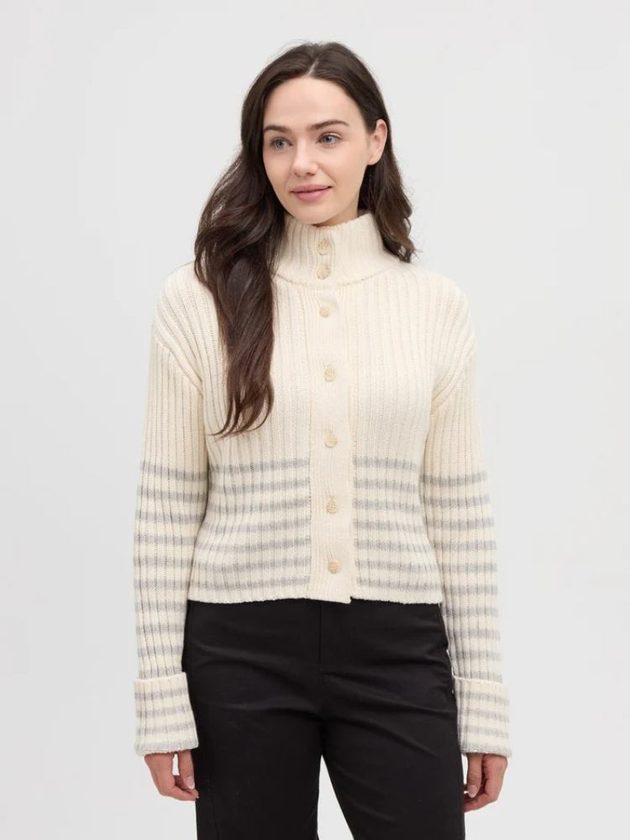
8. Patagonia
Best for: cozy recycled wool sweaters for the cabin
Imagine the sweater you’d thrown on to cozy up by the fireplace staying in a cabin surrounded by woodland. That is exactly what you’ll find in Patagonia’s sweater collection — from a Fisherman Cableknit made from recycled wool to a 100% Regenerative Organic Certified® cardigan with a “sweatshirt experience”. Several of the sweaters are also made in Fair Trade Certified factories.
Note that a few of the sweaters are blended with recycled nylon, while others are 100% natural fibers.
Conscious Qualities: Recycled Materials, Fair Trade Certified Factories, Secondhand & Repair Programs
Size Range: XXS–XXL
Price Range: $125 – $209
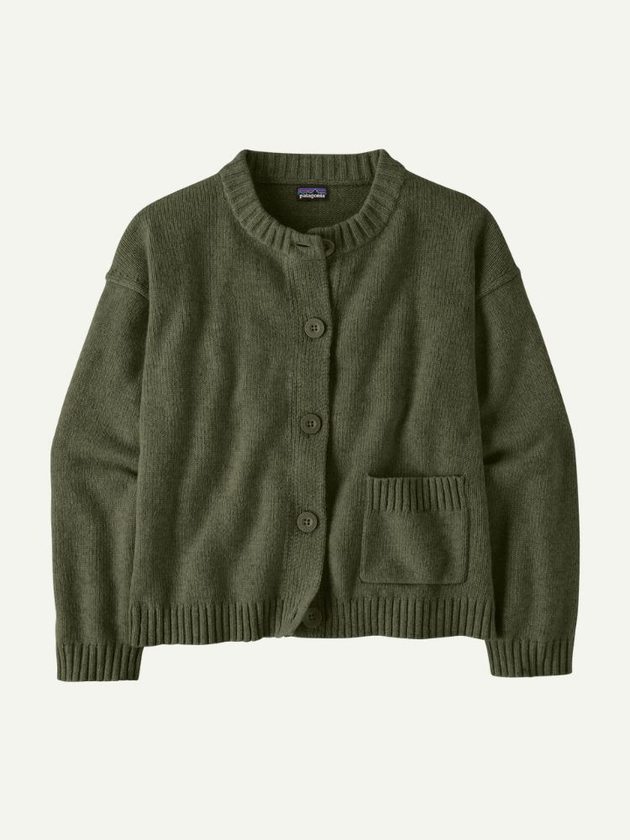
9. EILEEN FISHER
Best for: classic luxe sweaters in generous fits
Eileen Fisher is a contemporary brand with a commitment to sustainability from fiber to end-of-life. Most of the designer’s sustainable sweaters are crafted exclusively from natural fibers like Peruvian organic cotton, Italian cashmere/silk blends, and recycled cashmere — and many are made in Fair Trade Certified factories. (There are only a few pieces blended with recycled synthetics.)
And the brand has one of the longest standing resale programs in the industry, called RENEW, and a program to reuse unwearable or damaged textiles into wall art.
Conscious Qualities: Organic & Regenerative Fibers, 100% Natural Fiber Options, Fair Trade Certified Factories, Circular Fashion Practices
Size Range: XXS–3XL
Price Range: $268 – $548

10. Bare Knitwear
Best for: elegant natural alpaca sweaters
Minimalist yet sumptuous, Bare Knitwear’s Andes baby alpaca (certified by the Responsible Alpaca Standard) and Peruvian Pima cotton sweaters are ethically made in Lima, Peru. The natural sweaters are either left undyed or colored with OEKO-TEX Standard 100-certified dyes.
With understated styles and an exceptional attention to quality throughout the handmade process, Bare Knitwear’s sweaters are designed to last for many years to come.
Conscious Qualities: Slow Crafted, Ethically Made, Natural Fibers
Size Range: XS–L
Price Range: $200 – $556
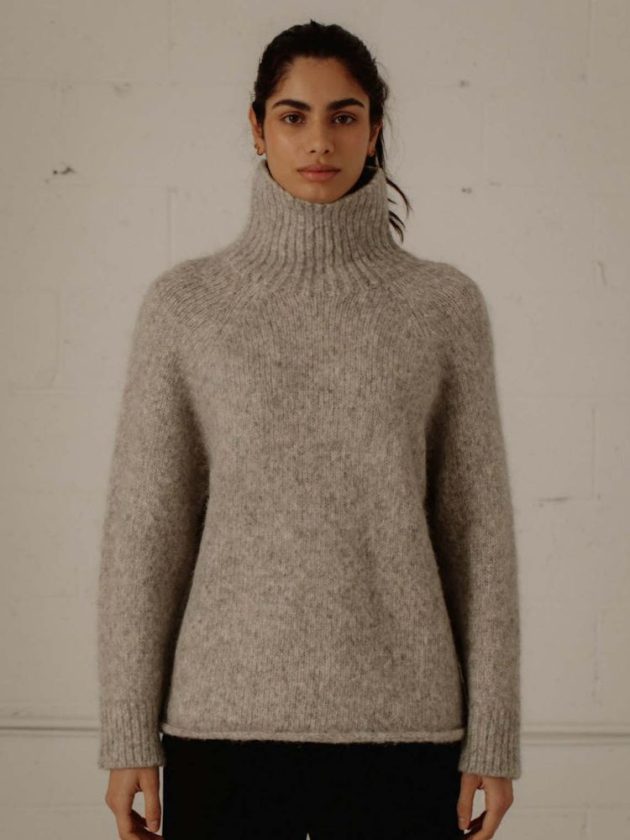
11. Reformation
Best for: recycled cashmere sweaters in trendy styles
Using materials like traceable regenerative merino wool, recycled cashmere, and organically grown cotton, Reformation uses the crème de la crème of sustainable sweater materials.
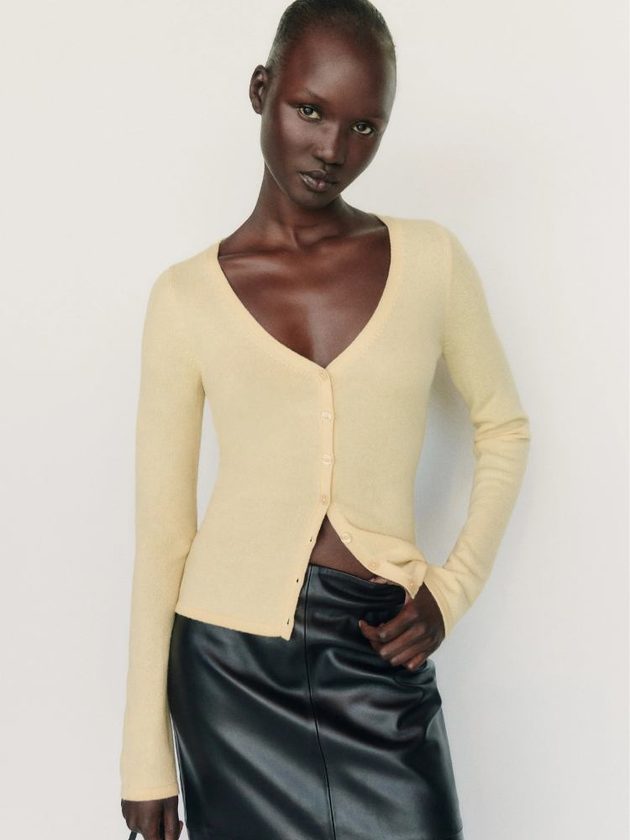
But if you know Ref, you know that environmental consciousness doesn’t equal boring or crunchy. Their cropped crew sweaters, sheer cardigans, boyfriend sweaters, and cashmere turtlenecks are designed to turn heads. The brand does lean on the trendier side and releases new styles frequently, so they’re not a “slow fashion” brand per se, but I’ve added them to this list because their one of the most responsible mid-size to larger brands in the industry.
Conscious Qualities: Sustainable Materials, Supply Chain Transparency, Circular Practices
Size Range: XS–XL
Price: $98 – $398
 For More Slow Fashion Content:
More Cool-Weather Guides Like This:
Responsibly-Made Coats to Keep You Toasty
Sustainable Slippers to Get Cozy In
Bundle Up With These Cozy Conscious Winter Accessories
The post The Coziest Sustainable Sweaters Made with Natural Fibers appeared first on Conscious Life & Style.

Doorframes decorated with fresh pine garlands are downright magical. But they sure cost a pretty penny.
Why spend all that money when you can make your own for free (or at a discount)? Not to mention, you’ll have way more fun getting creative and making it your own.

I’m all about slowing down and getting crafty during the holidays. After all, is it really the gifts we remember every year, or the memories we make with people we love?
Speaking of, it’s even better if you invite friends or family to help make a DIY garland! Put on some Christmas tunes, grab some hot cocoa, and it’s a Christmas memory you’ll be talking about for years.
Pine is also zero waste decor because it’s all compostable at the end of the season. Here’s how to make a DIY garland you’ll never forget.
materials you’ll need:
- Evergreens (you can get these while foraging, at a local nursery, or some from your own tree)
- 22-gauge floral wire (or dyed green twine)
- Heavy duty scissors
- Gloves (to protect your hands)
step 1 – measure your space
Where do you want your garland to hang? Above a doorway? A window? A fireplace? Measure the space so you know how long the garland will need to be. This will give you a better idea of how much pine you’ll need to bring your vision to life.
step 2 – find your pine
Now’s the time to decide if you want to forage or buy your pine. Faser Fir is a great option when it comes to garlands because of how sturdy the pine is, but any Fir will hold up great.
If you’re planning on foraging, try renting a book from the library that identifies the different types of native pine near you. This will help familiarize you on what to look for and what kind of effect different pines will have for your garland.
Generally, pines, firs, boxwoods and cedars make for good indoor decoration because they dry out more slowly.
Fraser fir, red pine, eastern white pine, and western red cedar are some great choices. You can use a mix of them to achieve a whimsical effect.
It’s a good idea to know how to identify different pine if foraging outdoors. Bring a reusable bag, gloves and heavy duty scissors with you while foraging. Be aware some pine trees are spikey and their needles can hurt! And never take too much off one plant.
If foraging isn’t for you, try hitting up a local nursery. They will likely have excess pine they’ll be happy to sell you for your garland. Christmas tree lots will often have a bunch of leftover greens they’ll likely part with for free too.
When in doubt, trimming some off your own tree works too (just be careful not to leave any bald spots).

step 3 – organize
Now’s the fun part – once you have all the evergreens you want, you’ll want to lay it out before you in the style of your choosing. The beauty of foraging for pine is that everything won’t be uniform – so embrace the imperfection.
You’ll want to make sure the sturdiest pieces are in the center. And make sure to pick which pine goes on the end – something with the right drip is always good. And don’t be afraid to prune them as needed.
When you have a structure you like, start layering and lining up your pieces properly. Then use the floral wire to secure them in place. You can also use dyed green twine if you’d like to compost the whole thing without hassle of removing the wire. But note that twine may be less subtle compared to wire.
Also, you’ll want to secure each end with a knot so nothing unravels. To make it easier to mount your garland, create loops with your wire or twine. Do this by simply making a loop and twisting the base until the loop is securely closed.
You can also add decorative elements if you wish, like upcycled ribbons, dried citrus, pinecone, and winter berries. It’s good to add these to any gaps you discover to help fill it in.
step 4 – hanging and display
Now you’ll want to mount your garland. You should set your hooks first (try two for single doorways, three for double, and four for triple width doorways).
Once your hooks are set in place, mount your garland using the loops you created earlier. Or, just by the wire you find – letting things shape naturally.
Don’t be afraid to add to it as needed. If you notice any gaps, this is a good time to fill them with more pine or decorative elements. And if you’d like, you can even entwine some battery operated string lights into the garland for added wow.
Have you ever made a DIY garland before? Drop your tips in the comments!
The post Easy DIY Garland: Step-By-Step Instructions appeared first on Going Zero Waste.