

October is National Seafood Month, a time to celebrate the incredible diversity of ocean life and the hardworking communities that rely on the ocean for food, livelihoods, recreation and other benefits. At Ocean Conservancy, we are dedicated to protecting these marine ecosystems and supporting the sustainable fisheries that rely on them. However, this year, we must also recognize the severe challenges facing one of Alaska’s most iconic and most valuable fisheries: Bering Sea snow crab. In 2022, for the first time in history, this fishery was closed due to a sudden, dramatic decline in the abundance of adult and juvenile crabs. While it was recently announced that the fishery will be reopened for the upcoming season—a welcome relief for the fishers and communities hit hard by the closures—this remains a climate-vulnerable stock. The reopening brings hope, but the collapse serves as a stark reminder of the ongoing threats climate change poses to marine ecosystems.
See more wonderful ocean animals!
Enter your email and never miss an update
What happened to the crabs?
The collapse of the Bering Sea snow crab population was swift and devastating. Following the 2018-2019 marine heatwave, nearly 47 billion crabs (yes, that’s 47 billion) disappeared from the region by 2021, representing population declines in excess of 90%. This event represents a catastrophic loss of marine life due to climate change, resulting in profound consequences for communities and marine systems in Alaska. Especially impacted is the island of St. Paul, home to the world’s largest crab processing plant. This mostly Indigenous community is highly dependent on the snow crab fishery and declared a cultural, economic and social emergency in the wake of the plant’s closure. In some cases, town officials turned to external fundraising to maintain critical municipal functions such as emergency medical services.

Understanding the mortality event
Research from NOAA Fisheries links the snow crab fishery collapse to a marine heatwave that struck the Bering Sea between 2018 and 2019. Temperature rise and associated ecological changes emerged as the key culprits. While snow crabs could tolerate the warmer waters caused by the heatwave, warmer temperatures meant higher metabolisms, requiring them to consume nearly twice as much food to meet the increased metabolic demands. At the same time, those warmer waters meant both less suitable habitats and reduced prey availability—this pushed the crabs into smaller, more densely populated areas. The combination of higher caloric demands and increased competition for limited resources led to mass starvation, which scientists have determined was the immediate cause of snow crab deaths. Bycatch and habitat impacts from the trawl fleet (which uses large trawl nets to fish on the bottom of the ocean for groundfish) are also contributing factors, and continued harvest of crab by the trawl fleet when the directed fishery is closed impedes recovery.
Borealization: an ongoing ecological shift
The changing environmental conditions and subsequent collapse of the snow crab fishery are indicative of a larger ecosystem trend known as borealization: an ecological shift poleward from Arctic to sub-Arctic—or boreal—conditions, in this case driven by anthropogenic climate change. The southeastern Bering Sea is what’s known as a marginal ice zone, meaning its ecology is deeply influenced by the presence or absence of winter sea ice. As sea ice continues to retreat due to rising temperatures from climate change, the region is shifting toward conditions more characteristic of boreal (sub-Arctic rather than Arctic) ocean ecosystems. A recent study showed that, compared to the pre-industrial era, this change to boreal conditions is more than 200 times more likely to occur now, highlighting the profound impact of climate change on these kinds of marine ecosystems.
The implications of borealization are significant for the future of marine life and resources, as evidenced by what’s happened to the snow crab fishery. With studies anticipating a future with more boreal-condition years in the Bering Sea region, the traditional grounds of this fishery may continue to shift northward. As other fish stocks move northward there is pressure from industrial fishing fleets to move north with the fish, bringing devastating impacts from bycatch, habitat destruction and disruption to predator/prey relationships. In Alaska this is particularly harmful to Alaska Native Tribes whose lives and cultures are deeply connected to a healthy ocean ecosystem.
The path forward: adaptation and resilience
A 2022 bottom-trawl survey revealed some encouraging signs for the short-term recovery in the abundance of snow crab, namely lower seafloor temperatures and a higher population of juvenile crabs. This optimism is further reinforced by the announcement that the fishery will reopen for the 2024/25 season. While this news is heartening for fishing communities, NOAA Fisheries anticipates that Arctic conditions in the southeastern Bering Sea will not persist, suggesting a double-edged sword of short-term recovery and long-term uncertainty. And to date, NOAA Fisheries and the North Pacific Fishery Management Council have not taken any steps to reduce impacts on snow crab from the trawl fleet. This reality emphasizes the need for adaptive management that can secure the future of snow crab—and other marine resources—for future generations of fishing communities, subsistence users and consumers.

Particularly, the snow crab collapse underscores the need for adaptive management strategies that account for rapid ecological changes. Traditional management models, which rely on the assumption that the future will roughly resemble the past, are increasingly unreliable in a world where climate change is driving major paradigmatic shifts across ecosystems. Instead, forward-looking scientists and managers are advocating for a more integrated and climate-ready approach that takes into account the interconnectedness of species and their habitats and for climate change. For example, the borealization index developed for the snow crab study combined several ecological indicators (including ice cover and temperature) to track the ecosystem’s transition from Arctic to boreal conditions. This kind of study could provide a template for determining the impacts of ecosystem changes on other commercially important species, a critical input for management considerations.
The collapse of the Bering Sea snow crab population is a stark reminder of the urgent need to adapt quickly and secure the future of our seafood. For fishing communities in Alaska, the closure of the snow crab fishery has been a devastating blow, but it is also a wake-up call for policymakers and managers. As we observe National Seafood Month, let us not only celebrate what the ocean provides but commit ourselves to protecting it. That means that NOAA Fisheries must continue to rebuild fisheries and provide better tools to help managers and fishers adapt to increasing climate impacts. At Ocean Conservancy, we are actively working with NOAA and other managers, scientists and communities to develop those adaptive strategies for sustainable management. By advocating for evidence-based policies and supporting conservation efforts, we are striving to protect marine biodiversity and the livelihoods of those who depend on a healthy ocean. Please consider donating to Ocean Conservancy to make a difference today.
The post The Bering Sea Snow Crab Collapse: A Climate-Driven Crisis appeared first on Ocean Conservancy.

Ocean Acidification
Dr Heidarzadeh’s TV interview with SkyNews on the massive M7.7 Panama earthquake on 9 October 2026
Dr Heidarzadeh’s TV interview with SkyNews on the massive M7.7 Panama earthquake on 9 October 2026. Click here for the full story.

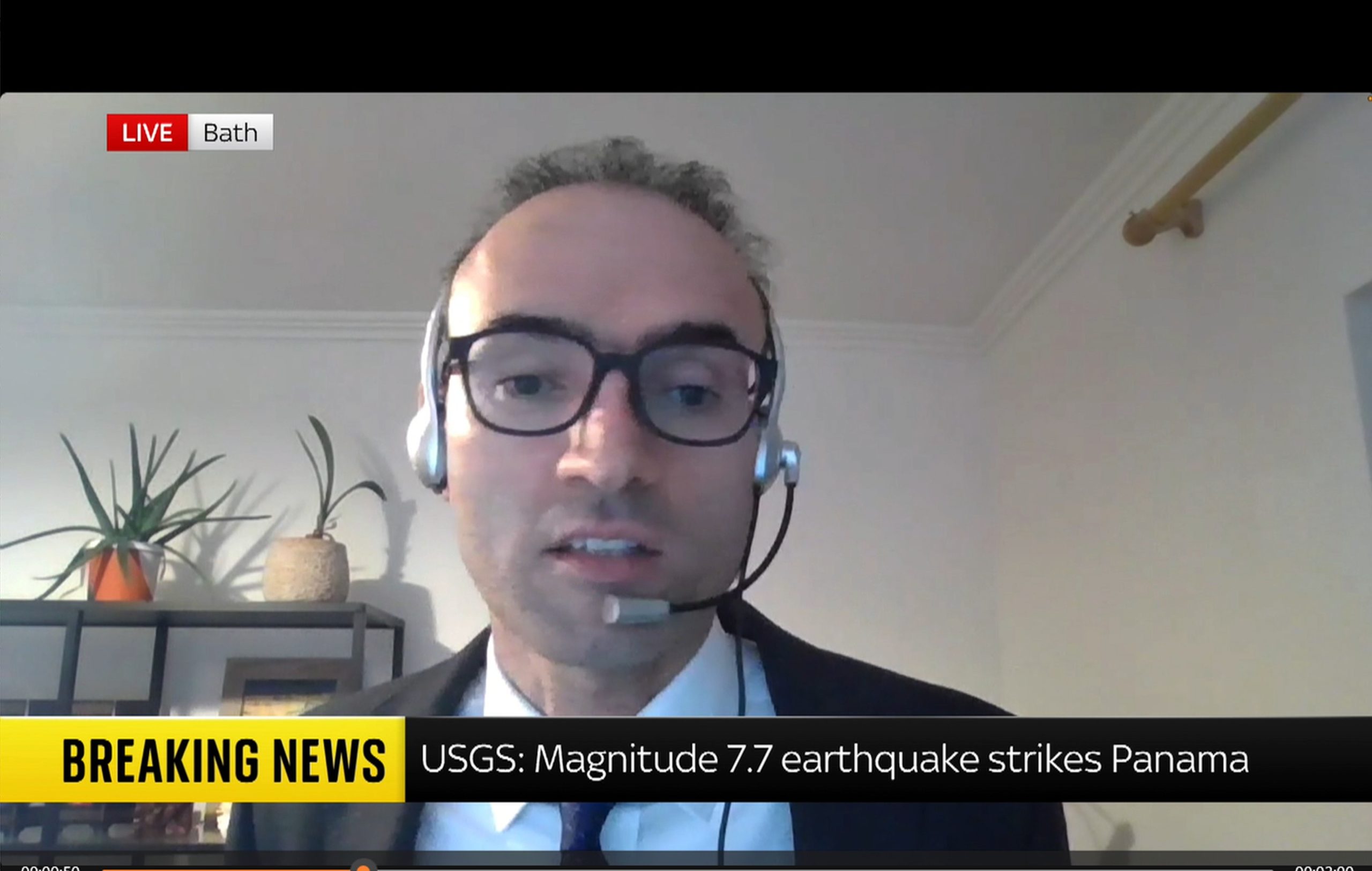
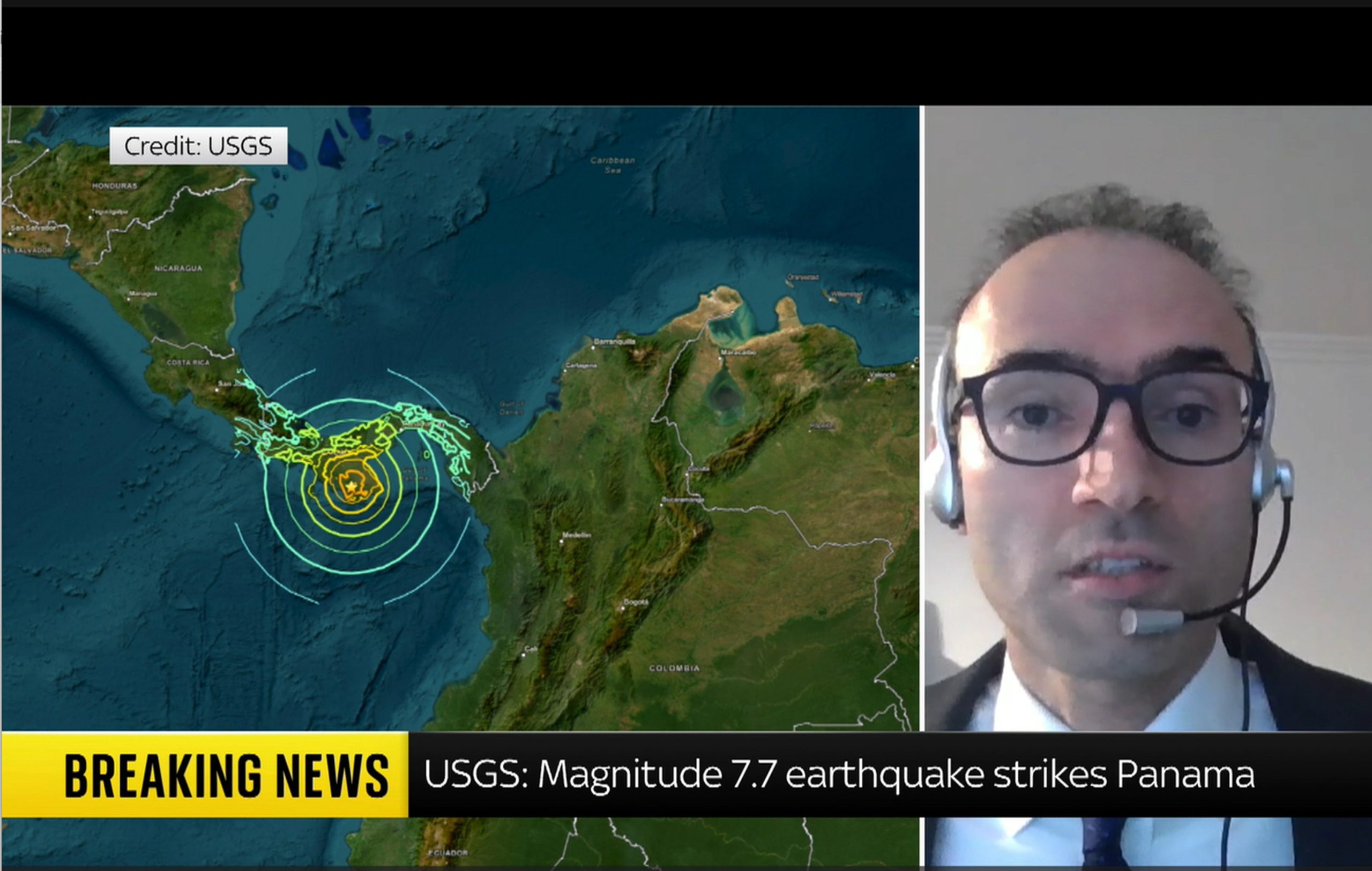
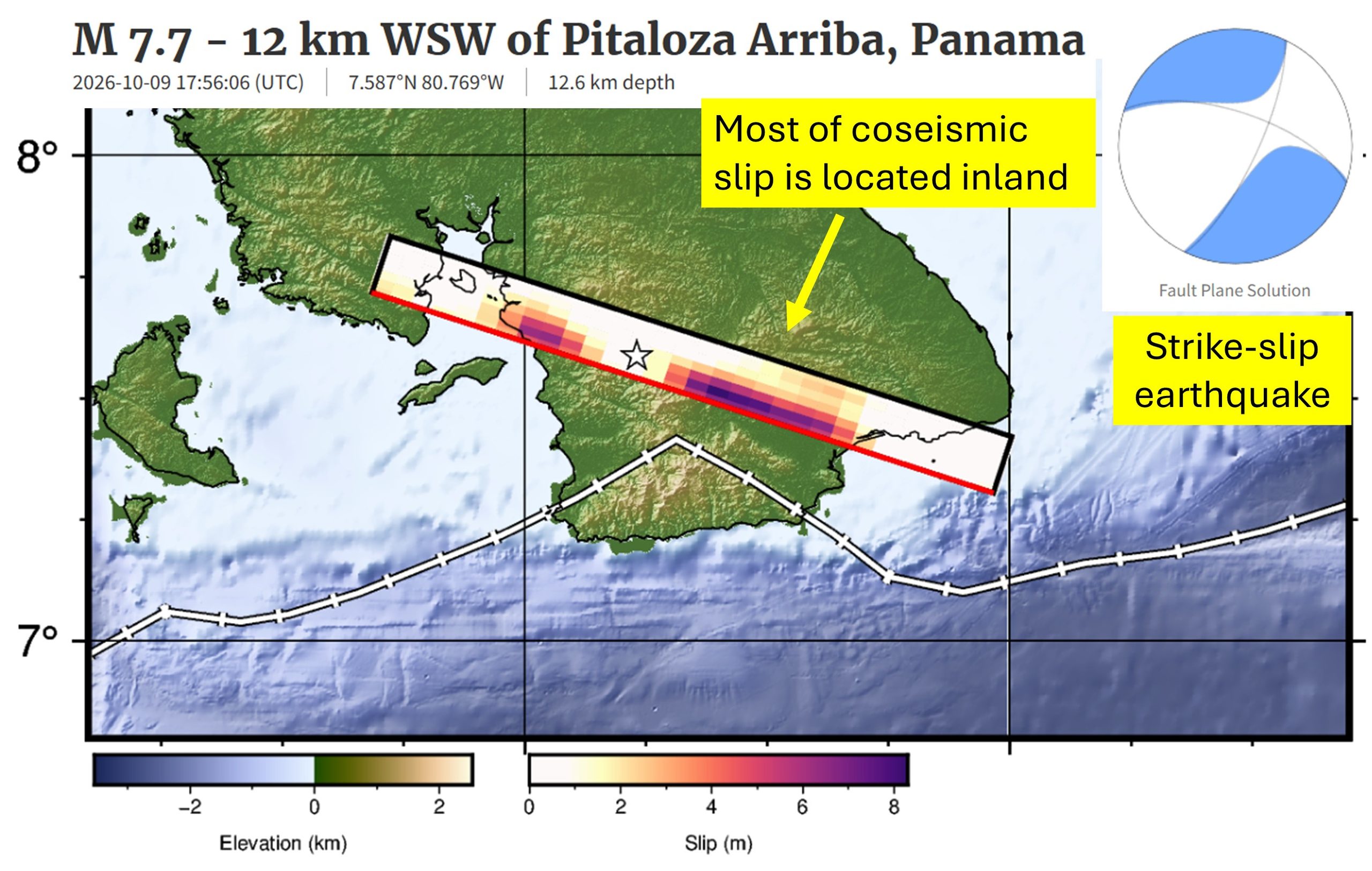
Dr Heidarzadeh’s TV interview with SkyNews on the massive M7.7 Panama earthquake on 9 October 2026
Our ocean is an incredibly vast and mysterious place. And there is no place where that is more evident than the deepest ocean area in the world: the legendary Mariana Trench. Located east of the Philippines, the Mariana Trench lies in the Mariana Archipelago in the western portion of the North Pacific. The greater area of the Mariana Trench Marine National Monument is made up of more than 95,000 square miles of ocean. Beneath these waters lie incredibly complex aggregations of submerged islands and volcanoes … and of course, an astoundingly massive trench.
Dive in with us to have your biggest questions answered about the famed Mariana Trench.
How deep is the Mariana Trench?
The deepest part of the Mariana Trench, known as Challenger Deep, is almost 36,000 feet below the ocean’s surface. For context, Mount Everest is about 29,000 feet above sea level, so the Mariana Trench is about 7,000 feet deeper than Mount Everest is tall. For one more comparison, the RMS Titanic lies at a depth of about 12,500 feet below sea level. The Challenger Deep is in waters nearly three times deeper than this ship’s final resting place.
Due to its enormous size, the Mariana Trench has at times been affectionately nicknamed the Grand Canyon of the ocean. This is certainly a picturesque image, but don’t let the mammoth size of this U.S. national terrestrial park fool you into thinking the Mariana Trench matches its size. The trench’s footprint is estimated to be 120 times larger than the Grand Canyon’s, and to reach the bottom of Challenger Deep, you’d need to descend through almost six Grand Canyons stacked on top of each other before you’d reach the seafloor.
Oh … and did we mention it’s five times wider than it is deep? It’s about 43 miles wide!
What is Challenger Deep, and how long would it take to reach it?
Challenger Deep is the deepest point of the Mariana Trench. Fewer than 30 people have ever journeyed to this area. The trek below the surface is long, dark and time-consuming, and it’s not an expedition considered lightly by scientists and explorers.
The first people to descend into the depths of this area in 1960 were oceanographers Jacques Piccard and Don Walsh, and it took them close to five hours to reach Challenger Deep. Since then, more advanced submersibles have been created, but it still takes two to four hours for modern vessels to reach such depths. For example, explorer and filmmaker James Cameron reached the seafloor in a little more than 2.5 hours in the first documented solo submarine dive to the area, and it took oceanographer Dr. Dawn Wright about four hours in 2022. It is crucial that these submersibles descend slowly and steadily beneath the surface, as the immense water pressure compounds with every mile a submersible descends. Speaking of pressure …
Get Ocean Updates in Your Inbox
Sign up with your email and never miss an update.
What is the water pressure at the bottom of the Mariana Trench?
If you thought the depth of the Mariana Trench was its only jaw-dropping feature, think again. Water pressure is one of the most important factors affecting deep-sea life. In the ocean, pressure increases by one atmosphere for every 33 feet (10 meters) of depth. One atmosphere (a unit of measurement for pressure equivalent to average air pressure at sea level) is equal to about 14.7 pounds per square inch (PSI), which is the approximate standard atmospheric pressure at sea level. If you were to convert atmospheric pressure into weight, one atmosphere is about the weight of a bowling ball. Stay with me, friends.
If a vessel were to dive 2,000 feet below the surface, the pressure would equal that of 60 bowling balls stacked atop every square inch of that submersible. But 60 bowling balls is simply nothing compared to the pressure in the Mariana Trench. The atmospheric pressure at the depths of Challenger Deep is equal to about 16,000 PSI. That pressure is about the same as the weight of an entire full-grown elephant on every square inch of a submersible!
Need a more extreme comparison? If a human were to be placed at the bottom of the Mariana Trench, the pressure would be equal to that of 50 jumbo jets piled on top of a person!
Do any animals live in the Mariana Trench?
The depths of the Mariana Trench come with immense pressure and extreme darkness, but somehow, life finds a way to survive. Organisms that live at an extreme depth, like that of Challenger Deep, have to be highly adapted to low temperatures (typically just above freezing), high pressure and virtually no light at all.
Species found in the depths of the Mariana Trench might look vastly different from animals from other ocean depths because their anatomy has been refined to thrive in harsh conditions. At such great depths, these animals typically depend on chemosynthesis (using nutrient-rich waters being pumped out of hydrothermal vents) or descending detritus (dead matter that has fallen from higher parts of the ocean) for food, such as whale falls. Just a handful of these animals include species of octopuses and squids, sea cucumbers, amphipods, sea jellies, shrimp, sea worms and some wild-looking fish!
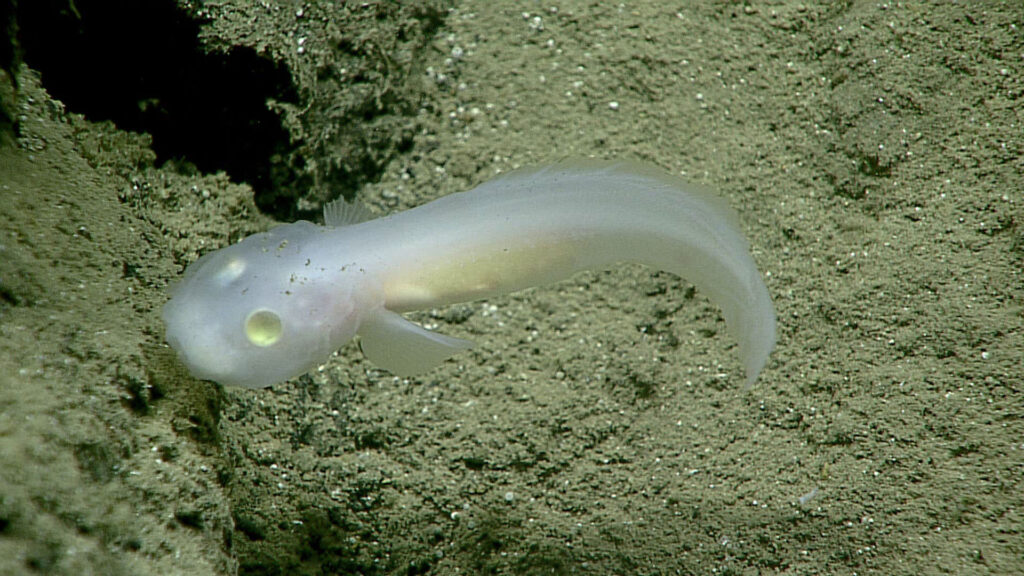
In 2025, more than 7,000 new species were discovered in the Mariana Trench, including the hadal snailfish (Pseudoliparis swirei). This is the deepest-dwelling fish currently known to science. Now, the fish has been dubbed “the Mariana snailfish.”
How was the Mariana Trench formed?
The process by which the Mariana Trench was created is a geologically fascinating one known as subduction. On the Earth’s surface, there are thin plates that cover the planet’s mantle, which is made of molten rock. If two of these plates collide, one pushes down into the Earth’s mantle while the other is pushed over the bottom plate. When this happens, a trench is formed from the drag of the bottom plate. This process can sometimes create incredibly strong earthquakes. The plates that forged the Mariana Trench’s creation are estimated to be up to approximately 180 million years old.
This trench was unknown to scientists until 1875. It was then that a team of explorers on the HMS Challenger measured the depth of the sea by simply lowering a weighted rope into the water. They were baffled when they measured that first portion of the seafloor to be five miles below the surface. And so was born the origin of some of the most daring deep-sea explorations known to mankind to date.
Is the Mariana Trench protected?
The Mariana Trench is in waters off Guam and the Mariana Islands. The region is protected from some human activities under its status as a marine monument. The creation of the Mariana Trench Marine National Monument signified that international, national and local leaders all recognize the importance of protecting this area.
However, just because the region is protected does not mean it’s not vulnerable to modern threats to ocean health. Plastic bags have been spotted in the Mariana Trench during several expeditions, highlighting the far-reaching impact of the marine debris problem. No corner of our ocean is safe from the ever-present threat of plastic pollution. The reality of a changing climate makes the future well-being of wondrous places like the Mariana Trench uncertain. What’s more: More than 70% of the global ocean has yet to be mapped. And what we don’t yet know about, we cannot wisely work to protect.
It’s up to us to work together to defend our ocean, from the sandy shores of our favorite beaches to the deepest, darkest parts of the sea. Together, we can work to protect our ocean as a whole, which ultimately helps protect treasured places like Challenger Deep.
Find out how you can join Ocean Conservancy’s wave of momentum to secure a healthy ocean and a thriving planet, forever and for everyone!
The post The Mysteries of the Mariana Trench appeared first on Ocean Conservancy.