

Gill Einhorn is head of the Forest Future Alliance and Natalie Çilem is community lead of the Global Wildfire Leadership Network.
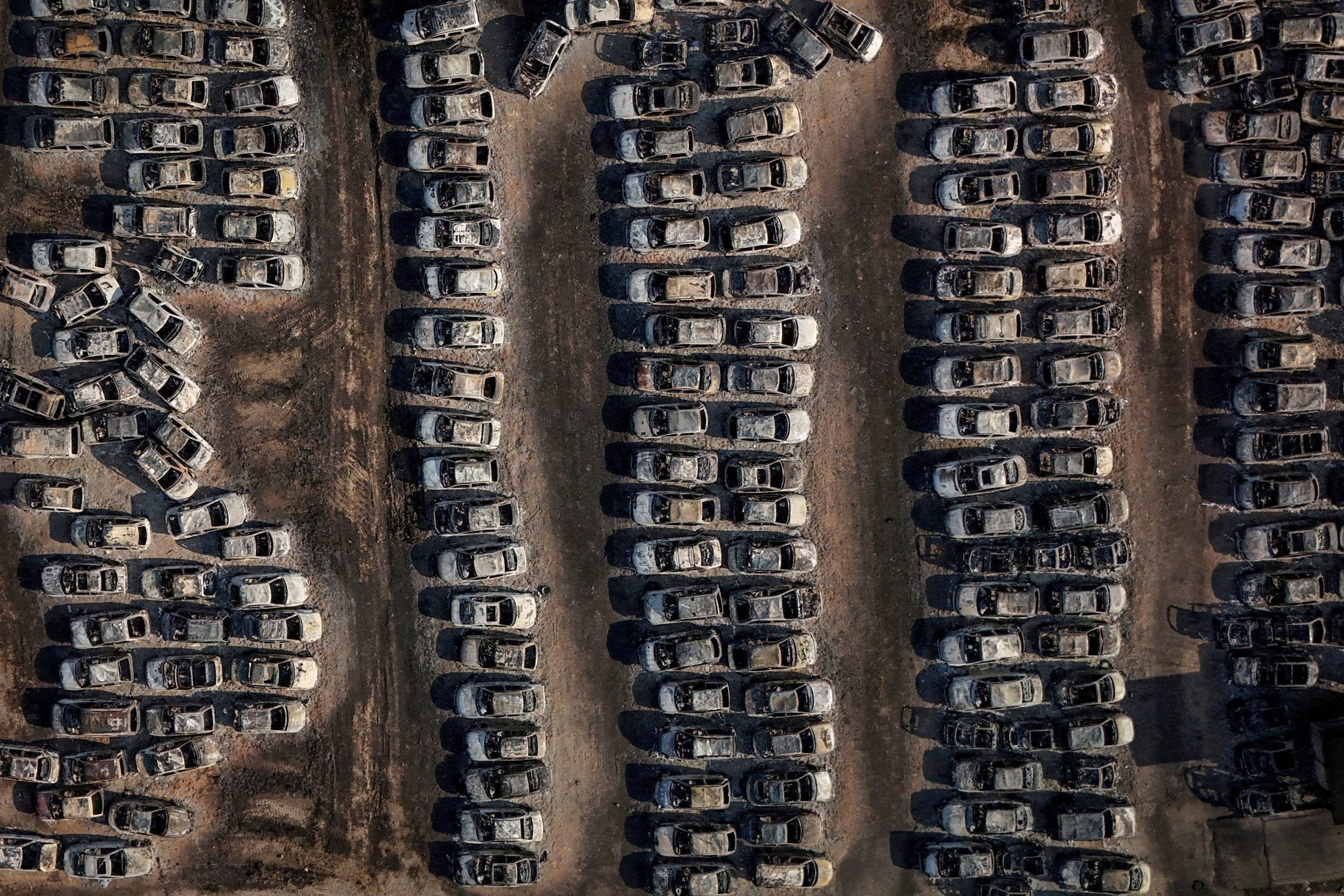
Wildfires have devastated communities across the world this summer, claiming lives, displacing thousands of people and leaving billions in economic damage in their wake. In Europe alone, wildfires have already caused an estimated €19 billion in losses this year.
They are an economic, financial and public health challenge that is growing faster than many governments and markets are prepared for – and exposing the real costs of poor land management.
A system built for recovery, not resilience
Far more money is currently spent responding to the disastrous effects of wildfires than preventing them in the first place. The United Nations Environment Programme estimates that more than half of wildfire-related spending goes towards response, while planning receives only around 0.2 percent. This problem is not limited to wildfires; over 95 percent of disaster aid between 2005 and 2017 was allocated to response, and less than 4 percent was directed towards prevention or preparedness.
Forests are critical, but without investment in how land is managed and protected, their value is neither stable nor guaranteed. Protecting forests requires investing not only in conservation, but in the conditions that keep forests standing.
-
As fires burn and temperatures soar, it’s time to imagine a world beyond GDP
Environmental destruction, like clear-cutting a forest, can boost gross domestic product but it reduces a country’s real wealth -
Battle over cleaning up shipping set to resume at London talks
The US and Saudi Arabia want to scrap shipping’s Net-Zero Framework and have swung behind a far less ambitious alternative -
Pacific islands seek backing for new regional fund ahead of COP31
Pacific leaders will launch the first call for proposals next week for a new regional fund designed to swiftly channel climate finance to local communities
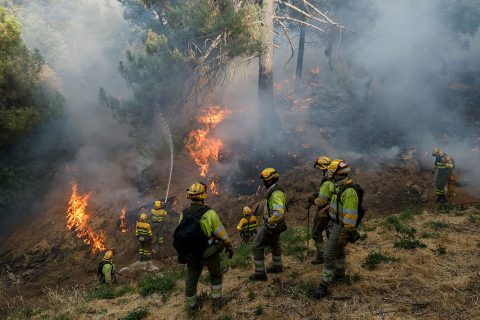

Each dollar invested in wildfire-resistant construction could save around $210 in avoided future economic losses, according to a report by the World Economic Forum and Forest Future Alliance. Despite this evidence that prevention can significantly reduce future costs, wildfire resilience remains chronically underfunded.
This spending discrepancy is creating significant challenges for insurers, asset owners and financial institutions. Global insured losses from natural catastrophes reached $107 billion in 2025, with wildfires, floods and storms accounting for 92 percent of claims.
In this context, insurers are reassessing where and how they are willing to underwrite risk. Around 56 percent of global wildfire losses between 2000 and 2023 were uninsured. In some high-risk areas, insurers are scaling back coverage altogether, leaving homeowners, businesses and governments to shoulder a growing share of the costs – making it increasingly difficult to break even.
Proven solutions are already paying off
In many regions, wildfires are driven not by natural causes but by the deliberate clearing of land for agriculture. Degraded landscapes are becoming drier, more flammable and increasingly vulnerable to catastrophic loss, creating a vicious cycle of deforestation, economic damage and rising emissions.
The answer is not simply stronger firefighting capacity. Governments, investors and businesses must work together to shift capital upstream into prevention, resilience and long-term landscape stewardship of healthy forests. That means planting appropriately, investing in heat-resistant species, exploring approaches that minimise fire footprints through active management, and exploring the AI and technology solutions that are burgeoning.
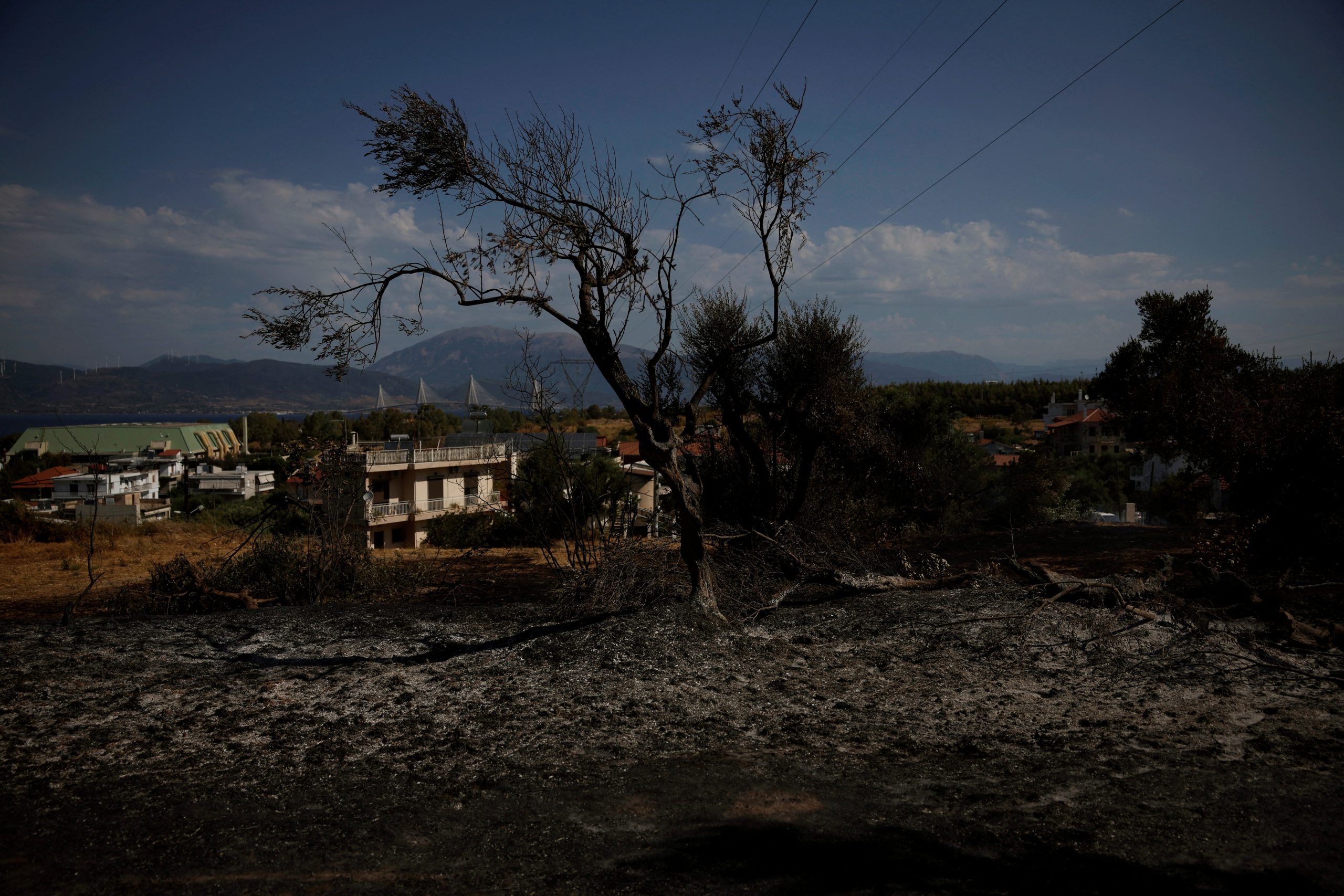
Solutions to this already exist and are proven to have an impact. Following devastating wildfires year-on-year, Portugal shifted its approach to wildfire management, increasing prevention spending within its national rural fire management system from around 20 percent in 2017 to approximately 60 percent in 2022. While many countries remain locked in a reactive cycle of disaster response, public policy can shift investment upstream and make resilience a priority before fires occur.
Indigenous communities have long used proactive land stewardship to reduce wildfire risk while supporting healthy and productive landscapes. For example, the Cheslatta Carrier Nation in British Columbia traditionally managed fuels through cultural fire practices but now implements mechanised fuel removal methods under commercial agreements. By combining Indigenous stewardship with sustainable forest management, Cheslatta is generating community benefits while also boosting wildfire prevention.
Resilience can also be strengthened through finance and technology. FireSat, a partnership led by Earth Fire Alliance with Google.org, the Gordon and Betty Moore Foundation and Muon, is a satellite constellation designed for rapid wildfire detection. Scanning every 20 minutes, it can detect fires 400 times smaller than current systems and track them through smoke and darkness in almost real time. In California alone, FireSat could prevent up to 350,000 acres from burning each year. It has recently received significant new investments allowing it to expand towards a constellation of more than 50 satellites that will monitor every point on Earth every 20 minutes or less.
In Brazil’s Pantanal, the Embrace the Forest initiative uses AI-powered detection towers across 2.5 million hectares to support earlier intervention and faster response. During the severe 2024 fire season, the initiative contributed to a 40 percent reduction in burned area compared to 2020.
These examples illustrate what is possible when resilience is treated as an investment priority rather than a recovery cost. But we must ensure funding for these measures is scaled before disaster strikes. Initiatives like the Global Wildfire Leadership Network (GWLN) are key, bringing together corporate decision-makers, investors, insurers, governments and Indigenous leaders to direct investment towards prevention and align finance, technology and stewardship to protect nature, safeguard communities and strengthen future economic stability. With a goal of doing more together than the sum of our parts, the network focuses on Forest Future Alliance GWLN Solutions Labs – where partners sign up with the intent to collaborate.
Rewarding prevention
Financial incentives must be created that reward prevention. This can be done by scaling public-private partnerships, supporting long-term landscape stewardship, investing in community capacity including Indigenous wisdom and technology. Ultimately, our terrestrial natural reserves are critical infrastructure that support resilient economies and thriving communities.
One in three people are dependent on forest services, goods and economic opportunities for survival, so it’s in all our interests to protect what we have. Forests support cooling, water and food security – and are a very cost-effective way of removing carbon dioxide from the atmosphere, where done appropriately.
UN chief warns climate crisis “in overdrive” as El Niño threatens to fuel the fire
No sector can solve this challenge alone. The benefits of wildfire resilience are shared across communities, governments, insurers, investors, utilities and businesses. A single intervention can protect homes and livelihoods, reduce insurance claims, secure water supplies and lower future public costs. Because the benefits are shared, the solutions must be too. Coalitions of actors can take proven approaches further than any one individual or organisation could alone.
As wildfires continue to burn at an unprecedented scale, the opportunity now is to roll out solutions, shift investment upstream and build a future where resilience, rather than recovery, becomes the foundation of thriving economies.
The post From firefighting to future-proofing: Preventing wildfires must be the priority appeared first on Climate Home News.
From firefighting to future-proofing: Preventing wildfires must be the priority

A beacon of love
On an outer island of Fiji, two thousand nautical miles from Sydney, is a shining light of hope and resilience for our troubled world.
The island of Kioa is home to a Tuvaluan community who migrated from their atoll of Vaitupu in the late 1940s. It is a land of warm hearts, big smiles, and deep cultural roots; a place where the sound of a conch still summons the island together, where islanders paddle out to fish in carved outrigger canoes, and healthy happy children walk barefoot to school.
Here, culture is life. Kioans live sustainably through their traditional knowledge and practices. The island is alive with song, dance and the rhythms of a life tied to the tides, the winds, and the seasons.

Facing the future
Greenpeace has been lucky to have a relationship with Kioa for a number of years now, and we are continually learning from this remarkable community.
Last week, as part of our Voyaging Oceania project, we returned to the island. Our purpose was twofold —- to carry messages from the island to leaders gathering in Nadi this week for the Pacific Pre-COP, and to support the Kioa community in their efforts to improve water security for the island.
Unlike Tuvalu itself, with its eight atolls, Kioa is a mountainous, forested and richly fertile island. It will remain habitable far into the future. Kioans did not initially migrate from Vaitupu due to climate change, but the move was prophetic. They now have a lifeboat.
However, even Kioa faces challenges on our rapidly warming planet, in particular when it comes to water. Climate change is shifting once reliable rainfall patterns. On top of this, the island is already feeling the effect of this year’s intensifying El Niño event, which for Fiji means reduced rainfall and prolonged dry spells.
Right now, fresh water has to be carefully rationed, and is only available for a few hours a day. During last week’s visit aboard our campaigning ship Oceania, Greenpeace was privileged to work with the Kioa community on a new solar-powered water distribution project for the island.
Designed and led by the island, the project involves using a solar pump to move water from a reliable source to a storage tank and then using gravity to distribute the water around the village.
It was a lesson in how local knowledge and ingenuity can be the backbone of today’s climate solutions. To build a dam around the source, the local community knew the exact spot where they could gather gravel at low tide to mix with the cement. They took only what was needed, knowing that all resources must be carefully conserved. Kioa has no roads and no machinery, and it was an all-of-island effort to carry the materials up to the project site, including many heavy bags of sand and rock.
Such projects truly bring to life the vision of a resilient, locally-led, fossil fuel free Pacific.
Gallery photos taken by Raeed Ali, Pacific Community Mobiliser at Greenpeace Australia Pacific
Voices of wisdom
During our four precious days on Kioa, Greenpeace’s Pacific team sat with the island’s elders as they shared stories and experiences for us to carry with us to the Pre-COP. During a fun filled morning at the island’s school, Kioa’s children shared what they love about their life on Kioa and what they want to see nourished and protected. They wrote these messages on flags which will fly proudly from Oceania in Nadi.

It is hard to describe the warmth and generosity we experienced once again in Kioa. Meals were lovingly prepared for us, each one the product of many hours and many hands needed to fish, to grow, and to prepare. In the evenings we were entertained with traditional songs and dances, each one pulsing with an indescribable energy. For Kioans, these rituals are of course more than entertainment. This is how they have encoded and kept alive countless generations’ worth of traditional knowledge, and the wisdom that has enabled them to flourish sustainably and peacefully.
We are now sailing on to Nadi, inspired by the warmth and wisdom of Kioa, and determined to help take the voice of Pacific climate justice to the world.
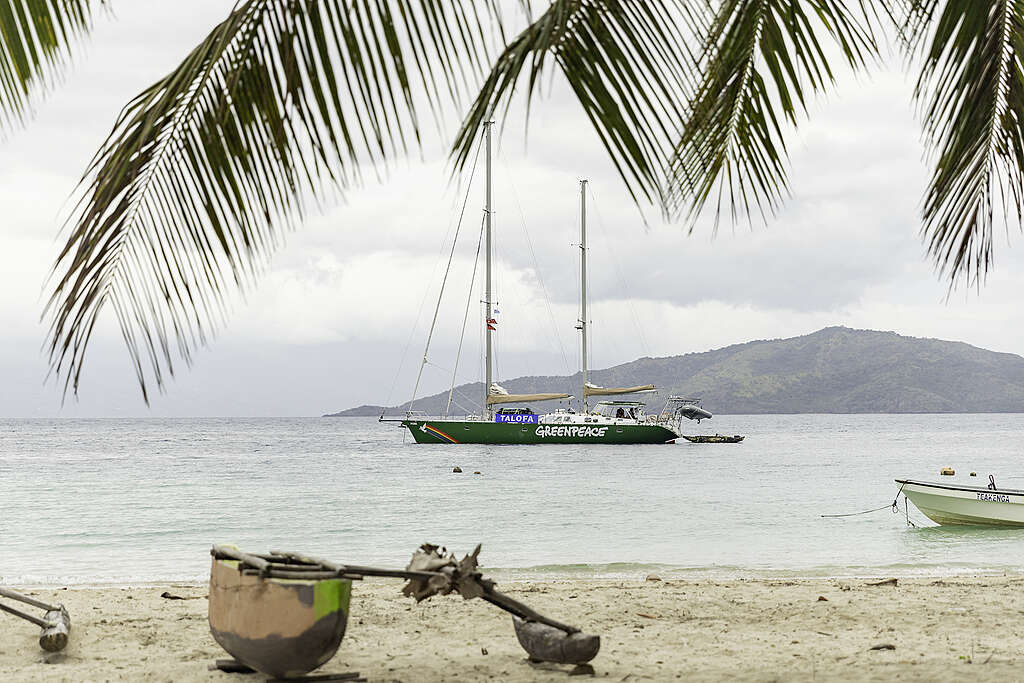
A visit to Kioa is a reminder of what life can and should be. It is a reminder of what we are all fighting to protect. It is a reminder of the power of local knowledge and culture, and of listening to those on the climate front line. And it’s a reminder that tackling climate change is above all about building community, and respecting and loving each other.