

Weather Guard Lightning Tech

Danish Wind Power Academy’s Turbine-Specific Training
Alex Øbell Nielsen, CEO of Danish Wind Power Academy, discusses their customized, on-site, hands-on training programs for wind turbine technicians. The academy’s comprehensive approach improves wind farm efficiency and technician retention through targeted assessments and real-world problem-solving.
Sign up now for Uptime Tech News, our weekly email update on all things wind technology. This episode is sponsored by Weather Guard Lightning Tech. Learn more about Weather Guard’s StrikeTape Wind Turbine LPS retrofit. Follow the show on Facebook, YouTube, Twitter, Linkedin and visit Weather Guard on the web. And subscribe to Rosemary Barnes’ YouTube channel here. Have a question we can answer on the show? Email us!
Welcome to Uptime Spotlight, shining Light on Wind. Energy’s brightest innovators. This is the Progress Powering tomorrow.
Allen Hall: Alex, welcome to the show.
Alex Øbell Nielsen: Thank you. Good to be on the show.
Allen Hall: You’ve been in wind about 20 years, and, uh, when we had talked a couple of weeks ago now, uh, you were highlighting some of the challenges that exist in wind energy, especially on the training side. What are those challenges? What do you see as, uh, Danish Wind Power Academy as challenges out in the world
Alex Øbell Nielsen: from a training provider perspective?
Uh, of course, uh, the. The, the great demand for technicians, not only now, but also in the future, and not having a formal training, if you like, for wind turbine technicians. Um, we see that as a challenge. Uh, but of course it’s also an opportunity for us as a training provider. [00:01:00] Um, but, um, I mean, as you mentioned, Danish Wind Power Academy has delivered training for more than 20 years.
Uh, we do so globally, um, headquartered in Denmark, but, um. Before I, you know, deep dive into all our, our trainings, uh, as an example, we deliver troubleshooting training. Uh, a lot of customers are asking for that, but we quickly learned that many of the participants didn’t have the skillset to enter or join a troubleshooting training.
So what we begun doing two and a half years ago is to assess, uh, technicians before they actually go on one of our trainings to make sure that they have the right skillset. From that, then we’ve learned, uh, assessing more than I think 1500, maybe two, uh, yeah, more than 1500 technicians. Now that we see two or or more challenges.
One is hydraulics. They always score low on hydraulics and the others and controls where they also score low. So those are some of the challenges we see and we do [00:02:00] these assessments globally
Joel Saxum: and I think that’s an important point there globally, right? Because Danish Wind Power Academy of course, like when you think wind, you think the Danes, right?
The Danes know what they’re doing, right? Uh, we’re, we’re over here on uh, wind sites in the US all the time and they’re like, yeah, some Danish guy was here last week fixing this. Like that happens all the time. But I, I, I wanna focus on that a little bit, saying like, we talk about, okay. The, the, the, the podcast here, of course, we’re based in the states.
You can hear it by our voices, but we cover things globally, right? So we cover from the eu what’s going on offshore, onshore, India, Australia, apac, down in Brazil, Mexico, you name it. We’re, we’re covering it. We’re talking to people. The, the tech, the global technician problem in wind. Is not localized. It is everywhere.
It doesn’t matter what locale you’re in, where there’s wind turbines, there is a shortage of qualified, trained, and good people. And I think, um, kudos to you guys for, you know, exporting your knowledge around the world. But that’s something to focus on here, is that this [00:03:00] is a global issue and you guys are working to solve that.
Alex Øbell Nielsen: We try to at least, but, but as you said, it is global and we have done these assessments, uh, globally in 2024. We delivered training in more than 19 countries. Uh, the assessments we’ve done for technicians that work both in North North America, uh, Europe and, and, and the APAC region. Uh, so, so we do get, uh, you know, uh, assessments from around the world, uh, covering all these technicians and yeah, repeating myself, hydraulics and controls are big challenges for sure.
Joel Saxum: What’s the, what’s the best region? Who’s got the best text?
Alex Øbell Nielsen: Yeah, it, I’m not gonna go into that. What I can say though is that, uh, I mean, just briefly the assessment, it’s one hour. We ask 40 questions, uh, and, uh, whoever participates has a link where they, they can spend this one hour. We asked 40 questions within hydraulics, controls, mechanics, and electrics.
Uh, and, and based on this, uh, we do see some patterns, uh, also on we ask how many years of, uh, industry [00:04:00] experience do these participants have? And, and funnily enough, or maybe not, uh, but those, uh, with more than 15 years experience score the lowest. So, and there could be a wide range of, uh, reasons for that, but they score the lowest.
Uh, usually we see the technicians that have between two and four years experience. They score the best. So, so we, we, we can see, and I’m sure we can deep dive into the regions, but I don’t have those numbers in front of me, so, um, maybe not, but what I can say is it’s the same challenge. It doesn’t matter North America, Europe, far east.
Hydraulics and controls.
Allen Hall: So what are some of the real world consequences when, uh, wind farm operators don’t invest in training for their people?
Alex Øbell Nielsen: I’m sure there are multiple, but at least from our point of view, what we want to do is help asset owners improve performance of their turbines, of their wind farms, and we believe you can do so by training.
And we have data to back that up, that between. Point four and one [00:05:00]point per, uh, 2%, uh, uh, performance increase you can expect from following training. And, and what we do is that we, um, we look at performance data before we enter training. We provide training over X amount of time. Uh, and then of course we look at performance data from the wind farms following the training, and we can see a drop in again, let’s say it’s hydraulics or any other.
Areas that we’ve focused on, and then we can see an increase in performance. So I think as an asset owner, you want performance out of your turbines, out of your assets, and, and if you do not train your technicians, if they don’t have the right skills, um, yeah, then you, then you potentially will lack performance and.
I also think there’s a lot of talk about troubleshooting being a good troubleshooter, which is great, but in our point of view, maintenance is where you need to excel. If you’re good at maintaining your turbines, if you’re good at maintaining your assets, then you will require less troubleshooting, of course.
[00:06:00] So maintenance is very much where we would like to focus. So if you’re good at that. You have less spare parts consumptions. You spend less downtime if you have, uh, malfunctions or what whatnot and whatnot on your turbine, and then you increase performance away.
Joel Saxum: I think that’s something that Alan and I both, we talk about regularly and we can get on board with, and we want to talk to the uptime listeners and the uptime family uptime network about this back your business up with a good business case.
And that’s what Danish Wind Power Academy has done here, right? They’ve taken the performance data, looked at training, and then showed the increase, boom, business case built. Uh, I love to hear that and I know a Alan does too. ’cause we, we harp on people about that all the time.
Allen Hall: Well, there’s an performance improvement aspect, right?
That you can get the turbines operating, uh, more efficiently and have more uptime. There’s also, I think what I see a lot of times in the United States is you don’t see the, uh, ohs and the cost of the U lows. A hydraulic lines are [00:07:00] leaking down all over the place onto the tower, right? So now you gotta clean up, you gotta do the same thing for like, uh, some pitch motors or hydraulic pitch motors where there’s just hydraulic fluid down the blade.
Uh, and some of the more. Catastrophic ones. If you can get more uptime, yes, but there’s also stopping some of the more expensive downtime events that occur because of maintenance issues.
Alex Øbell Nielsen: Exactly.
Allen Hall: From a training standpoint, then you’re going deep into how turbines operate and there is that quiz or test that you provide to potential trainees before you get into the the details of training.
I am not sure that we have seen a lot of that in the United States at all. Uh, like if you have basic, fundamental skills, you know how to repair cars, you’ve, you’ve welded before, you’ve played around in hydraulics in a previous job. That usually is the qualifications to get started in the United States, but that doesn’t really trend out too well as you [00:08:00] get further down the line because wind turbines 10 years ago, pretty standard.
You can move between turbines. I think today when we’re talking about. Six and seven megawatts being the platforms. Those turbine are a lot more complicated than 10 years ago. And the challenges that brings to technicians and maybe wanna explain. How much more a technician needs to know now than even maybe even five years ago.
Alex Øbell Nielsen: Yeah, uh, for sure. And yes, the, the machines are getting bigger and they’re definitely getting more complicated as well. Um, I have a commercial background, so I can’t go into, uh, specific details, but what I can tell you is that the course curriculum that we develop over time is getting. Uh, just by the number of pages they need to go through.
Um, on the latest, uh, eight megawatt turbine that we’ve developed training for is an offshore turbine. They need to go through, uh, just over 400 pages in one week. So if they don’t have the fundamentals to [00:09:00] go into that training, then uh, then, uh, yeah, then, then they fall behind. Right? And we don’t want that.
Joel Saxum: You’re gonna struggle.
Alex Øbell Nielsen: But we know these technicians, right? They are used to working outside, uh, up in the l you know, outdoors. And for him, for them to sit in a classroom for, for a full week can be a challenge of course. So we as a training provider also invest a lot of. Time and money and, uh, in, in our trainers, putting them through Train the Trainer program so they can actually share this knowledge and knowhow that they have.
And, and we try to, for all our trainings, have more than 50%, uh, in the training as as active teaching methods. So where the delegates or the participants. Are taking part of the training so we’re not just using PowerPoint slides and whatnot. Um, we spend a lot of time and focus on that because just for, you know, having an engagement from the participants, but also for learning retention.
We know that if they are part of the training, then they will remember and then they can actually start using these, [00:10:00] uh, the, the learning when they go back and work on these turbines.
Joel Saxum: I think too much industrial training, and this is wind, you name it, whatever. Is delivered by PowerPoint. It’s delivered by stuff that bores people sit in a classroom for eight hours and that’s, I mean, regardless of who’s sitting in there.
Like, if you’re not, if that’s not your normal job to digest this stuff, like it, it doesn’t soak in, it doesn’t take like, it’s kind of, eh, you check the box. Yeah. You might have that certificate, you might have that training. I mean, I, I’ve learned from people, I’ve seen this happen. I saw this happen last summer.
Someone who went to lotto training for a week. And on left there on Friday on a plane, showed up on site on Monday and couldn’t lotto the turbine like that. What’s the point? Right? And that what it was is they sat in the classroom for how many days in a row learning this theory, uh, and not actually activating it.
That, and that that’s a problem. Right. And I, but I think that, so, so, but Danish Wind Power Academy, you guys focusing on, hey, as a use case, right. Alan and Joel, uh, wind Farm Company, we have just bought a [00:11:00] Siemens G Mesa, G nine x site. Hey, Danish Wind Power Academy. Can you send someone here and get these, these guys up to speed on everything that you know about the G nine X platform?
Is that, is that, is that the calls you get?
Alex Øbell Nielsen: Yeah, it is for sure. Um, we are very, um, uh, we have outlined a pathway that we use, uh, and where we start with the assessment and get an understanding of, of the, of the skills and, and, and lack of skills or lack of competencies from the technicians. And from that, we can build an individual training plan for each of them.
So depending on how you want to put your team together, uh, and then, uh, following this pathway, I mean the, the, the beginning of it is, is generic. It’s theory where we either come to you and sit in a meeting room or in a classroom or actually use one of our studios. I’m standing in one of our studios now.
But then when once we pass that and the technicians have the fundamentals in place, that they have passed the assessment there. Then we deep dive into specific turbines, and that could be very specific turbines from GE or [00:12:00]Siemen esa or vistas, uh, and, and a wide range of other turbines. And, and we can do so because we have a good collaboration with asset owners, of course, that, that own these turbines.
Um, and, and our trainers on average have 17 years experience from the industry. So not only are they various skills, I mean, they’ve done this for many years, um, but again. Coming back to our own Train the Trainer program where we teach them how to teach, uh, basic skills as using whiteboards or overhead, uh, what do you call ’em, flip over charts and whatnot.
And also having their participants being engaged and spent, you know, more than 50% in the training being active. Um, so, so yes, if you have a specific GE turbine, we can come train your technician and. We’re not biased either, so we tell it as we see it
Allen Hall: in the training program, it does seem like there’s a little bit of feedback of what’s happening in the field and some of the issues that are occurring on particular [00:13:00] turbines do get incorporated into your training because it’s gonna be a routine issue for technicians to, to manage that.
I, I don’t see that in a lot of training programs. They’re very specific. They’re coming. Coming right from the book from GE or Vestas, like This is how you operate the turbine. Anything that’s outside of that isn’t covered. But the vast majority of the time that I’ve seen, they’re dealing with the outside of the textbook problems.
How do you incorporate that into your training? Is that just because you have so many people with a lot of experience in the field that are coming back and are really tied to industry? Is that the differentiator? Maybe. And maybe,
Alex Øbell Nielsen: I, I, I, I think I thank you for the question and, and it, the way we, we approach training is that, um, if you are looking for maintenance or let’s say troubleshooting on a specific turbine, then we would ask our customer for the performance data.
Over the past 12 months. Then we look at the 10 most common faults and issues they have on these turbines. And that varies from, of course, turbine, from turbine, but also wind farm and so on. And then we incorporate that, those [00:14:00] faults and issues into the training. And when we deliver maintenance training or troubleshooting, then we come to you, we come to our client, uh, day one, and day two is usually in a classroom.
And then day two or three and four is in the turbine itself. So not only are we working with the faults and issues that they. They work on a daily basis on this wind farm, but we actually train them on them as well, so they improve performance of these assets
Allen Hall: with the training happening on site. Then they’re actually debugging or learning hands on onto their particular turbines, which I think is remarkable because a lot of times, as Joel’s pointed out, a lot of this training happens.
Maybe I Schenectady, where there’s not a lot of turbines, honestly, or onsite for some of the OEMs where they’re not near a turbine. Danish Wind Power Academy has flipped this model where you are on site training the folks on site with their own turbines, with their own problems. That has gotta have a [00:15:00] remarkable return on investment,
Alex Øbell Nielsen: and it shows, as I said before, between 0.4 and 1 performance increase. We see that on these wind farms. and, the training we’re delivering is not compliant, so our customers come to us because they see value in what we deliver and this approach. is, definitely maybe a different approach. We don’t see many out there doing the, same, and we don’t have training centers.
we have offices and studios like this where we can do some online training if needed. But other than that, we always come to our customers, again, just repeating myself, but using their nacelles their turbines, where we also deliver part of the training. we believe that hands-on approach is much better for learning retention. and, we’ve done it for more than 20 years now, and, have a profitable business, so we know it’s working. Of course.
Joel Saxum: Alex, I’ve gotta ask you a question about value here. and because this is what’s coming into my, head, is [00:16:00] the value that you guys can provide for clients in training, training on site.
Like, to me, that’s, I’d pay for that all day. Boom. Done. However you guys are training for 20 years understanding the serial problems that may not be in the notebook, in the maintenance manual from the OEM and all these different things. You, you, I think you rest on the capability of having a ton of really smart troubleshooters maintenance people as your trainers.
Do you ever get people that call and say, Hey, we’ve got this problem out here. Can you help us solve the problem?
Alex Øbell Nielsen: Yeah, we do that and we do, we get those questions. Um, and, and we stick to the business of training. So, so if, if you are looking at the installation, quality inspection or in the warranty, uh, that all is also training that we provide.
So, so, so we want to be the, the, the training provider. So, but again, if you have bought X amount of turbines, they’re coming out of warranty. How can you [00:17:00] challenge the OEM, uh, on, on what they are telling you? If you do not have that expertise in house, we can, we also have trainings to, to, to, to mitigate that challenge for these asset owners.
So again, if you’re coming, if you’re looking, you know, at an end warranty. Or if it’s the before that with installation, we also have trading programs to, to cover those areas as well. So we, we put our customers in a much, you know, better position to ask the OEM, the right questions and to make sure that they hand over the turbines in the best possible condition to them.
Of course.
Joel Saxum: Yeah. You’re, you’re enabling success at that, at that level. Right. So. Like you answered my question there is instead of sending out, for lack of a better term, sending out mercenaries to figure out problems, you’re sending them out to team, to team up with the actual operator or the asset owner, the whoever that may be.
Maybe it’s an ISP, I don’t know.
Alex Øbell Nielsen: We teach a utility company or an asset owner on how to do it yourself. Right. That’s, that’s the method we prefer. I mean, again, our, our trainers with this, uh, long [00:18:00] experience could do the work, but that’s not why we are here. We are here to train. Our customers so they can do the work themselves.
Allen Hall: So who are your typical clients and when do they tend to call you in the lifetime of their wind farm?
Alex Øbell Nielsen: I would say 80% of our clients are asset owners. So the big utility companies, those that are out of a service agreement within OEM, there is usually, that’s where we provide most of our business. So if you are looking at a brand new offshore turbine on the US East Coast.
That’s not us. We usually come in after they’re out of these service agreements. So, um, so, so those are typically our customers. Um, we do work with ISPs, um, um, but often they tend to stick to the training matrix they get from an OEM. But we do see some variations in the us, uh, with EPCs and ISPs where we get more work there than we do in Europe.
And I think it’s the nature of business in the us. Uh, but I would say roughly 80% is with asset owners, has
Allen Hall: a change in the IRA bill. Increase the [00:19:00] number of phone calls that you’re getting just because the repowering may be limited. So if a wind farm that’s five years old that they’re planning to take to 10, and then repower now has to live to 20 to 25 years old.
Is that changing the marketplace for the, for training like yours?
Alex Øbell Nielsen: We haven’t seen that impact yet. Uh, there may be, uh, an impact on our business, but we, we expect not to. We are still a small company, so for us it’s still a big world out there. So, so we see opportunities in that. And if it’s in, in Repowering or any other projects, I mean, we definitely see some opportunities there.
These turbines are, you know, they, they will operate for 20, maybe 30 years. Uh, and, and they continue to want to get the most out of these assets. And, and, uh, I’m certain we can, uh, help our customers and improve that. Not only, you know, asset performance, but also another subject that we didn’t really cover is retention of your technicians.
Uh, we see a lot of movement from technicians moving from maybe one ISP to another, but we truly believe that if you, if you invest in your. [00:20:00]Technicians, they get better at what they do. They get a greater job satisfaction. I mean, then, then we see that they want to stay as well. Of course. So, so that’s another, uh, you know, I mean, that goes for me as well.
I continuously want to learn and be better at what I do. And if my company is investing me, great. I mean, I, I want to give back on that, of course. But, uh, but for now, we don’t see an impact on the IRA for us.
Joel Saxum: Well, one of, one of the things I think we’ll we’re gonna start to see here in the US because of this, is you’re going to see, there’s a, there’s an ISP boom right now, right?
Like if you’re an ISP and you’re established, like you’re, you’ve got requests coming in the door left and right, and we’ve heard this across the market just ’cause of what’s happening. Um, so you’re going to see, like I know right now there’s multiple competitive RFPs out in the US world for ISPs to come and run wind farms.
So if I’m doing that, if I am again, Joel, Joel and Alan Wind, ISP, and I’m in a competitive [00:21:00] RFP for a couple of wind farms for an operator, and I know what technology’s on those, of course I do. I’m gonna include this in my bid. I’m gonna say, Hey, if we, if we’re awarded this bid, we’re bringing DWPA in here, we’re training up our guys and we’re gonna come in there day one with some of the best knowledge in the industry to make sure that this thing is running at a high, at peak performance.
Uh, because when you do have technicians shifting around and new, because it’s always gonna be new people, right? That happens even at the OEMs, the new, new people going from Wind Farm to wind farm. If you can go in there and say, here’s, here’s our competitive edge. This is our value add to you guys. I’m bringing in some of the best to train our people up.
I would be doing that and, and, and the same, at the same course. If I’m an O operator in the United States and I’m starting to take over from some of the OEM FSAs and I’m looking at this timeline going, you know what? PTCs are running out. Uh, I need to make sure that I’m running at peak performance on this wind farm.
[00:22:00] What are some levers I can pull? Um, Alan and I’ve talked about this for the last two months, right? Since this stuff’s been shaken out in the states. Well, he, there’s certain things, there’s hardware you can add to your blades. There’s CMS things you can do here. There’s digitization strategies. However, a foundational thing is make sure the guys and the ladies in the field know what the hell they’re doing to make sure these things are running right.
So to me that is, um, you know. That would be a, a lever I would pull, I would be calling it the Danish Wind Power Academy.
Alex Øbell Nielsen: And, and we are working with ISPs and asset owners where we provide training to both their crews. And we know they have won business with asset owners because they, because they’ve done training with us because.
I believe it’s because they’ve done it with us, of course, but they actually went to the asset owner, the utility, and said, we know our technicians don’t have the right skillset. We have a system with Danish Wind Power Academy. We are putting them on a training pathway, uh, with Danish Wind Power Academy on this specific turbine that we want to.
Service and [00:23:00] maintain on your behalf. And that was one of the reasons why they won the bid. So if they are moving in that direction, that is definitely something we, uh, we can help ISPs with. And as you mentioned before, with asset owners, when they’re stepping out, if they want to operate on their own and not on operate under a service agreement within an OEM.
We also have the right tools to help them with the end of warranty and also training their technicians so they have the right skillset to maintain these turbines. I’m really impressed by this
Allen Hall: because this doesn’t really exist all that often in terms of training. If you have to get specific training on a turbine, you’re essentially calling the OEM and begging to have that happen.
And we don’t have time to do that. They’re not in the business of doing that globally at the scale that is needed at the minute. And, and that’s where the Danish Wind Power Academy comes in.
Joel Saxum: If you’re, if you’re calling the OEM for support, the problem they, they’re gonna run into there is they, they don’t have enough bandwidth to even train their own people, let alone bring others in and get them up to [00:24:00]speed.
And, and at the end of the day. The, the things that Danish Wind Power Academy has uncovered about specific models through experience, through field trials, through, you know, time soaking in, in, out, in production. The OEM isn’t gonna give you that. They’re not gonna, they’re not gonna lift the bonnet on the problems that they know are serial problems with these machines.
Which, like we, we hear about, we know about like after a while, people, but you guys are the aggregate of that, right? So you’re aggregating this specific model X, y, Z from X 1, 2, 3, OEM, from around the world. All the knowledge that you’ve gained there, boom. Now it’s in a package to deliver to.
Alex Øbell Nielsen: Exactly. Exactly.
And also, I mean, from previous meetings in, in Japan, it could have been anywhere speaking with the utility or an asset owner. Um, they wanted to go in and, and self perform on their assets. Uh, but the OEM would not teach them how to troubleshoot. And the challenge they then had was that the lender would ask them questions on, but if you can’t troubleshoot your own turbines.[00:25:00]
I, I, I, you are putting us in a difficult position as lender. Right. So then they had an opportunity to work with us and they, they had a, they had a, a means to overcome that challenge. Of course. What countries have you trained in, Alex? So again, far east, uh, Japan, Taiwan, Australia, uh, quite a bit. Um, New Zealand.
Um, we’ve been to Sri Lanka of all places. We didn’t see that coming. Um, of course, uh, most of the countries in Europe, uh, north America, and then we also get requests from South America. Again, we are a fairly small company, so, so we focus our efforts on, on, on Europe, north America, and Far East. I mean, we are headquartered in Denmark, but we do have offices in Italy and Portugal.
We are also in Atlanta and the us So that’s from where we sort of cover, uh, cover, you know, a big world of, of wind turbines.
Allen Hall: If you’re an experienced trainer, how do you reach out to the Danage Wind Power Academy?
Alex Øbell Nielsen: Go on our website. But again, I mean, um, the, [00:26:00]the network is pretty big. I mean, of course our, our trainers come from the industry, right?
And they’ve done it for many years, so they know a lot of people in the industry. And, and I think it takes a, a special mindset to, to step out of this, uh, technician role where you are a troubleshooter or a commissioner and you’re very good at what you do. But I think the guys and girls we have as trainers, they really enjoy standing in front of a classroom and, and sharing their knowledge and, and, and, and, and having a good conversation with the participants and then, you know, come back to them.
I mean, uh, a lot of our clients have the, the same trainer coming back, you know, with three or six months in between and they pick up that conversation and I know they really enjoy that. So, so if you like to. Teach or be a teacher and share your knowledge, uh, we’re a good place to be and you will have to like to travel as well.
So, but I think most of the guys and girls in the industry, I mean, they’re traveling as it is anyways.
Allen Hall: And if you’re an operator anywhere around the world and you want to train up your group of technicians and local [00:27:00] experts. How do they get ahold of Danish Wind Power Academy? How do they find you? Danish wpa.com.
Alex Øbell Nielsen: That’s our website.
Allen Hall: Thanks Alex for being on the podcast. And if you wanna reach out to the Danish Wind Power Academy, go to the website, danish wpa.com, or you can find them on LinkedIn. Just look up Danish Wind Power Academy. Alex, thank you so much for being on the program.
Alex Øbell Nielsen: Love having you on. Thank you for inviting me and, uh, I’m happy to share about what we do and, and, and thanks a lot.
https://weatherguardwind.com/danish-wind-power-academy/

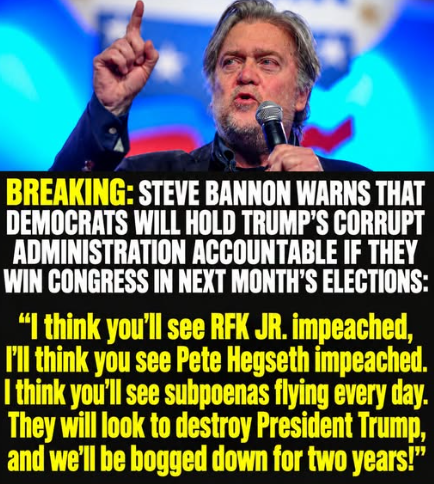 Yes, Hegseth and RFK, Jr. will be gone, but I think what’s going to happen first is the decapitation of the snake itself, i.e., the removal of Trump from the presidency.
Based on the news on social media, this could happen via the 25th Amendment, based on Trump’s mental deterioration. In my view, that’s a shame. If he’s not criminally prosecuted, this nation will be deprived of letting the American people and the rest of the world know that rule of law still matters in the United States.
Steve Bannon on the Consequences of a Blue Tsunami in November
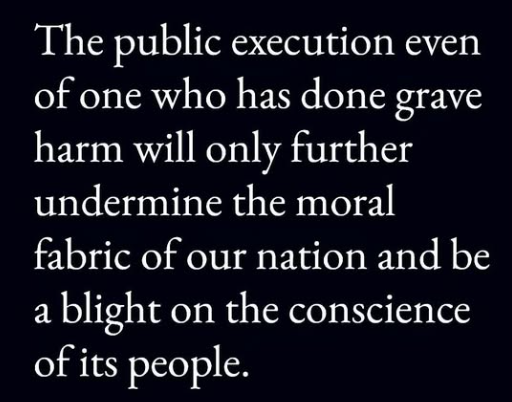 When I was young, I heard someone say, “The first execution this country televises will be the last one ever performed here.”
I think he was right at that time. You’d have millions of people watch that barbarism and realize that it was done in their name.
But today, we’re a far more insensitive, brutal, and stupid people that we were 50 years ago. If you doubt that, just look at the quality of the people at the top of the federal government–people like RFK, Jr., Hegseth, and Trump.
 As suggested at left, the world will never forget that the launch pad for all the destruction during Trump’s second term was our nation’s failure to prosecute the criminal sociopath for his attempted overthrow of the U.S. federal government on January 6, 2021.
Had these acts of treason been dealt with swiftly, all of this would have been avoided.


Steve Bannon on the Consequences of a Blue Tsunami in November

