

Brazil has proposed a voluntary timetable to speed up the world’s transition away from fossil fuels (TAFF), fulfilling the promise it made to draw up the first global roadmap at last year’s UN climate summit in Belém.
Through a “TAFF Mutirão”, named after the Indigenous Brazilian term for collective effort, the COP30 presidency sets out three stages for cutting the world’s reliance on oil, gas and coal up to 2033.
Countries are first encouraged to draw up national transition plans by 2028 in time to feed into the next global stocktake, the UN’s five-yearly review of progress on climate action. During the same period, Brazil’s blueprint suggests governments could take early steps such as reforming fossil fuel subsidies or stopping methane leaks at oil and gas sites.
-
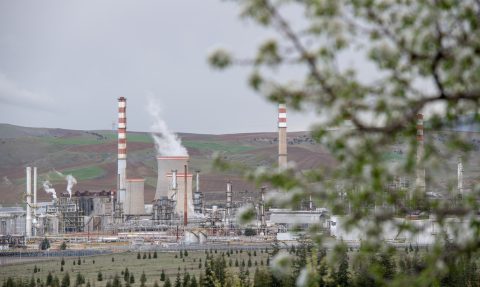
Turkish giant sponsoring COP31 cut climate goals then cashed in on oil boom
COP31 sponsors should be screened for “climate integrity”. Yet Koç Holding has become a top partner while its oil refiner runs flat out and its climate targets slip -
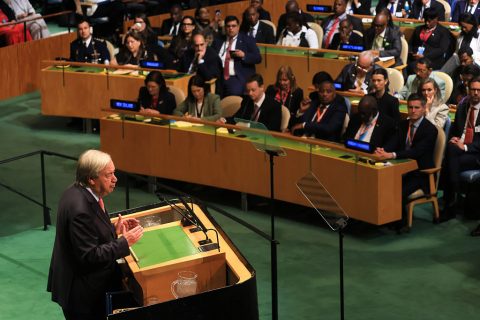
UN chief urges countries to adopt fossil fuel transition plans with timelines
In his last speech to the UN General Assembly, António Guterres for the first time called on every nation to deliver a plan to phase out coal, oil and gas while protecting workers -
European, island states seek clear future for global roadmap to cut fossil fuels
Some European, small island and other nations argue the forthcoming roadmap should be part of UN climate talks, while Russia has resisted this idea

In 2029 and 2030, Brazil sees the focus shifting to building an alternative energy system, by prioritising clean power, electric transport and heating, more efficient energy use and by rolling out the power grids and batteries that support them.
Only in the final stage, from 2031 to 2033, does the roadmap expect the main push to reduce fossil fuel production. By then, it argues, falling use of fossil fuels should allow producers to “adjust and diversify supply in step with demand”.
The roadmap acknowledges that fossil fuel demand must fall “substantially faster” to meet the 1.5C temperature goal, but warns that cutting supply too early would drive up prices and risk “losing societal support for the transition”.
Coordinated agenda
Pedro Brancante, a senior official at the Brazilian Foreign Ministry and one of the authors of the roadmap, said the document proposes both a global, coordinated agenda and accelerated action at the national level.
He told a webinar hosted by Climate Home News that Brazil sees the roadmap as a tool to organise the discussions around the fossil fuel phase-out and help that debate develop further without getting stuck on definitions or the different responsibilities of particular countries.
The COP30 presidency offered to draw up the roadmap in the dying hours of the Belém summit. A push by about 80 countries to start that work within the formal negotiations had been blocked by some fossil fuel-producing nations.
The 182-page document does not name any countries and it sets no deadlines for winding down fossil fuel production. But it offers countries a self-assessment tool to score themselves on how heavily they depend on fossil fuels and what capacity they have to move away from them.
Fossil fuel “archetypes”
Across energy demand, supply and the wider economy, countries can place themselves in one of 12 “archetypes”, each with its own suggested first steps.
For example, countries where transport, industry and homes still run mostly on fossil fuels, and where energy demand is growing fast, are urged to meet that growth with electric and other low-emissions options rather than locking in new fossil fuel use. Major oil and gas producers with strong institutions and good renewable resources are told to manage an “orderly transition” of their production while expanding clean energy, then to redirect their infrastructure and skills toward new energy industries.
COP30 President André Aranha Corrêa do Lago told journalists on Tuesday that countries need to recognise themselves in the categories and use the frameworks as “food for thought” to plan the next steps.
COP30 CEO Ana Toni added that the presidency limited its time horizon to 2033 and did not try to think about 2050 or 2060 because “there is an urgency and these are short-term measures” that all countries can act upon now.
Lula’s election win in Brazil raises hopes for zero deforestation drive
Brazil has yet to publish its own national roadmap away from fossil fuels. Officials said on Tuesday it had been expected by the end of last year and is still awaiting approval from President Luiz Inácio Lula da Silva.
Lula, who was recently re-elected, has backed the expansion of oil and gas exploration. In August, after Petrobras struck oil off the coast near the mouth of the Amazon River, he said drilling along Brazil’s northern coast could be “a passport to the country’s future”.
“Valuable blueprint”
The release of the roadmap was largely welcomed by analysts and campaigners.
Romain Ioualalen, global policy lead at Oil Change International, said Brazil has offered “a valuable blueprint” for the fossil fuel phase-out, adding that while “there is not one-size-fits-all pathway”, all countries need to plan their transition now.
But he warned that suggesting that a reduction in fossil fuel supply could wait until the 2030s would be “a grave mistake” and guarantee a “chaotic transition”.

Kat Paterson, programme lead for Global Clean Power Diplomacy at E3G, said the roadmap puts the fossil fuel transition at the heart of both global climate cooperation and national economic planning.
“As governments head to Antalya, the task is now for the COP31 Presidency to carry Brazil’s work forward, and for countries to demonstrate their own plans to develop national roadmaps as pathways towards clean, resilient economies,” she added.
Turkey, which hosts COP31 from next Monday, and Australia, which will preside over the negotiations, have not said whether or how they will take the roadmap forward at the summit.
At the press conference in Brasilia, the Brazilian officials stressed that the roadmap represents a call for action and not a formal document that needs to be adopted in the official talks.
“We are not suggesting negotiations, we are not suggesting the creation of a new entity,” said Corrêa do Lago. “Everything is around implementation, around institutions and processes in place that already exist and have been agreed beforehand.”
The post Brazil’s fossil fuel roadmap sketches out first global timetable appeared first on Climate Home News.
Brazil’s fossil fuel roadmap sketches out first global timetable

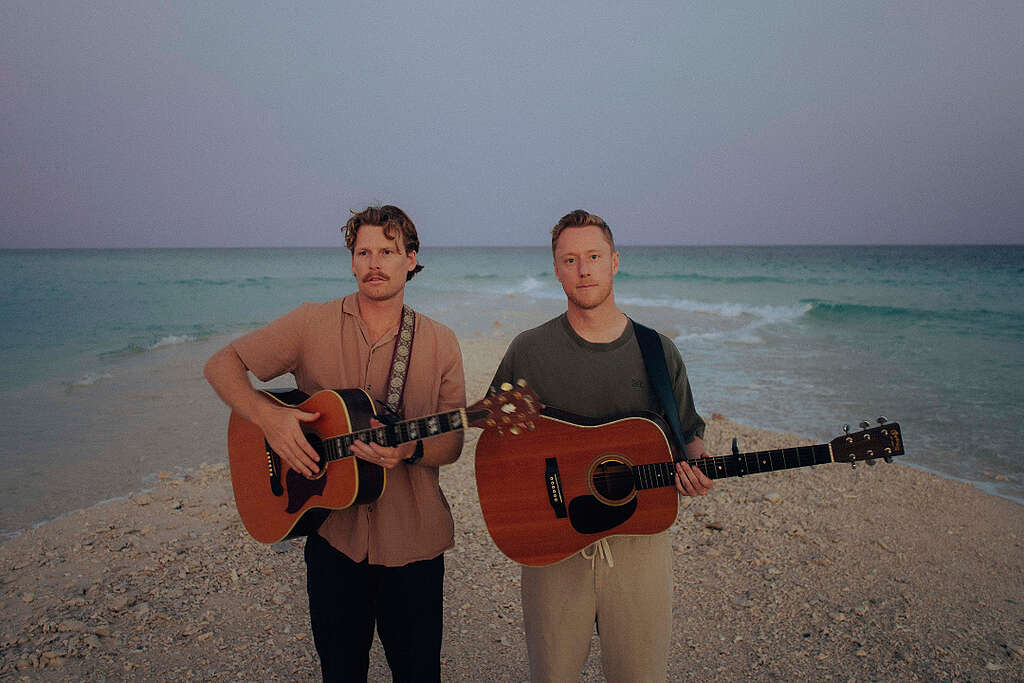
Australian indie-folk duo Hollow Coves have found a special way to combine their love of music and the natural world. They have lent their, very soothing, voices to the Save Scott Reef campaign by recording a music video of their much-loved song Coastline at the reef.
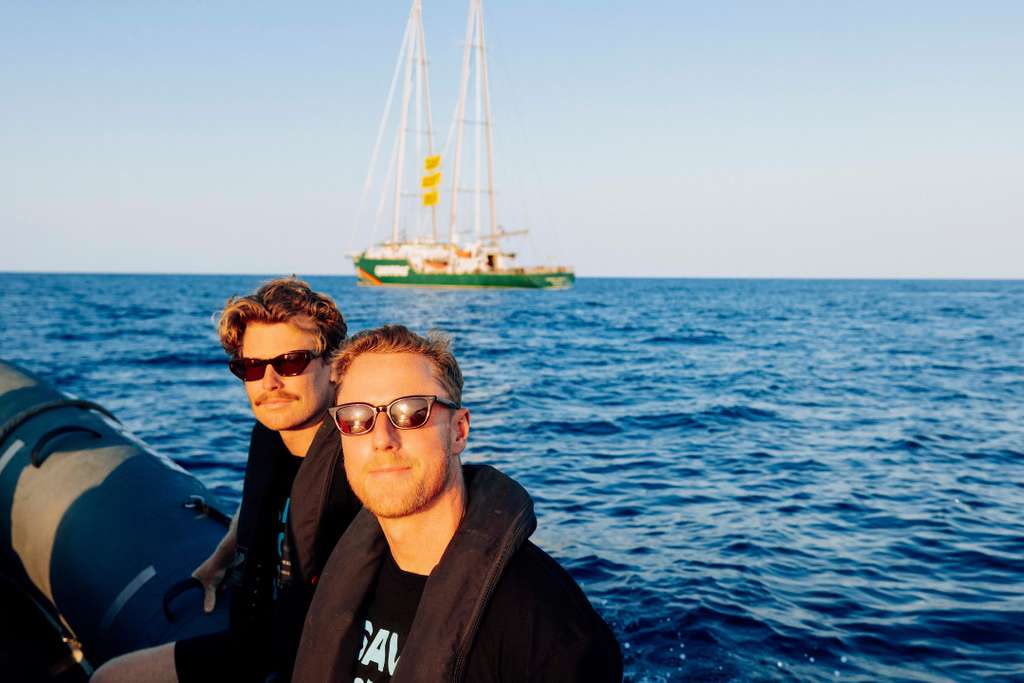
We sat them down on the Rainbow Warrior to talk about their musical inspiration, their experience on the reef, and why they believe it’s so important to protect these incredible places for future generations.
1. Tell us a little about Hollow Coves and the music you make.
Matt: Our music is acoustic indie folk. We like bands like Angus and Julia Stone, Ben Howard, Mumford and Sons – acoustic music like that.
Ryan: Historically, a lot of our music has been inspired by travelling and seeing beautiful places in nature, and just writing about experiences in the world.
We both live on the east coast of Australia, on the Gold Coast, and we’re surrounded by nature. We’ve got beautiful oceans, amazing hinterland spots and some really cool rock pools.
2. Your music is often inspired by nature and the outdoors. What is your personal connection to the ocean?
Matt: I’m in the ocean as much as I can. I surf, and I’ve always loved the ocean. I grew up just outside Brisbane, and we would catch the ferry across to North Stradbroke Island. A lot of our mates would just camp over there on the weekends. It’s been a natural part of my life.
Ryan: I don’t surf, but I have an appreciation of the ocean. When we were writing Coastline, I was actually living in Canada, and being away from the ocean made me realise how much I missed it. There’s something about living near the ocean and being able to go and be by the ocean. It’s just a different feeling.

3. You recently joined Greenpeace aboard the Rainbow Warrior to visit Scott Reef and film a music video for Coastline. What made you want to get involved?
Ryan: We’ve been so fortunate to have the success that we’ve had with our music, and when this opportunity came up, we were like, man, it just feels so fitting to give back in whatever way we can. The music has been so inspired by these places of beauty, and so we just want to do our part to protect and preserve these places so that future generations can appreciate them in the same way that we do.
Matt: Collaborating with Greenpeace has just been so aligned with our mission as well. We love nature, we love singing about it, and I think it’s so important to protect these places that are vulnerable and unique to the world. They really are just a natural wonder.
4. What was it like seeing Scott Reef for the first time?
Matt: The first time was really magical. I didn’t realise there was even this amazing coral shelf out off the Kimberley Coast. Just being able to go snorkelling every day and see the wildlife and what’s actually underneath the water – the whole world around is just something else.
Ryan: The first day we arrived at the reef, the sun was rising and this pod of about 50 dolphins greeted us as we entered. It was like, wow, this place is just so brimming with life. It was really beautiful to see, and the colour of the water – everyone was just like, oh my gosh, this water is insane!
Matt: You just always forget that when you’re sailing, it’s obviously beautiful, and every sunset’s magical, but you forget there’s this whole world underneath the ocean and just how lively and vibrant it is.
5. Tell us about filming the Coastline music video. What was it like performing on that tiny island?
Matt: It was an amazing opportunity to be alongside this project and get on the Rainbow Warrior, see Scott Reef and go play on this amazing little sandbank island in the middle of the ocean. We were losing our minds with the beauty of it.
It was a big team effort. The island only comes out at low tide, and on the day we arrived it was completely submerged. We had to wait for the right opportunity to get onto the island safely.
Ryan: When we first got on there, the waves were still crashing over it from either side. As the tide kept going down, a bit more of the island was revealed.
Matt: There was a whole film crew, with a drone flying around to capture the scale of how small this little island is and how big the ocean is. It was just so magical, like a pinch-me moment. Something we’ll remember for the rest of our lives.

6. What surprised you most about Scott Reef and the marine life you discovered?
Matt: The third day was the highlight for me. I got to see a turtle swim by, a little reef shark and another sea snake which tried to chase me, which was pretty scary! But it was cool.
Ryan: Just the colours, all the coral and so many beautiful, colourful fish. It’s such a crazy experience to be down there.
Matt: I think you just forget there’s this whole world underneath the ocean. It just felt really cool to be down there and a part of it.
7. Before this trip, how much did you know about Scott Reef, and why do you think it’s important to raise awareness about it?
Ryan: Prior to this trip, we knew very little about Scott Reef, and I think that’s part of the problem. It hasn’t been very common for people to know about this place. Part of the trip is to bring awareness to how beautiful Scott Reef is and to show people that it is something worth protecting.
If we don’t stand up and protect these places, then we are at risk of losing them. It just sets a really bad precedent for coral reefs in Australia.
Matt: Scott Reef doesn’t really have the name like a lot of other places. I think that’s the key, to spread the word and tell people about what’s happening out here and how beautiful it is.
8. What is at stake if the proposed drilling project near Scott Reef goes ahead?
Ryan: Currently there’s a proposal for a drilling project that would take place near Scott Reef. If that was to go ahead, it would be a massive risk for the reef, and it would put a lot of the wildlife at risk as well.
Having been out there and seeing the beauty there, it just doesn’t feel right. It doesn’t feel like it’s a risk that we need to take. Particularly with these places that are so beautiful, why would we want to risk losing them?
Matt: I think it’d be an absolute tragedy. Just experiencing it yourself, it’s like, wow, this place is incredible. There are so many endangered sea creatures. I think for anyone that would come out here and experience it, everyone would be aligned with how important it is to keep this place.
9. What was your experience like aboard the Rainbow Warrior and getting to know the Greenpeace crew?
Matt: I didn’t really know what to expect, but everyone was so lovely and passionate. It was cool just being part of the process of running the ship. We had very strict schedules, and we did cleaning at eight o’clock every day! It was really cool to see how the ship operates.
Ryan: We were welcomed like family to the crew on board. Everyone’s been so encouraging and helpful. It was really special to see the amount of effort that goes into trying to protect these places.
I hadn’t really explored Greenpeace too much before this trip, so it’s been cool to learn more about the organisation and the people involved and hear more of their heart towards preserving these beautiful places.
10. What message would you like to share with people who want to help protect Scott Reef?
Matt: I think anyone that loves the ocean or finds nature a big part of their life should get behind this campaign. It’s about raising awareness, sharing the word of what Scott Reef is and how beautiful it is.
Being a father myself, it’s just made me even more passionate about these places that we have, how fragile they are and how important it is to pass them on to the next generation. I just want my kids to see it and future generations, because it really is a spectacular thing.
Ryan: I think it’s important to be on the right side of history with things like this. You can sit back and do nothing and just see these beautiful places be lost. Or you can stand up and fight for what’s right.
We’re at this point in history where we have an opportunity to make a difference. These places are constantly being put at risk, and if we do nothing, then we’ll just see them go. We’ve already lost so much, and so it’s important to stand up and fight for these places that we want to keep.
Matt: Absolutely, we’ve got this. Let’s spread the word. We can absolutely win this campaign!
Climate Change
‘Ode to Scott Reef’: Indie-folk duo Hollow Coves performs at famous Australian reef in call for protection
SCOTT REEF, Tuesday 24 November 2026 — Released today, a new music video with Gold Coast duo Hollow Coves performing onboard the flagship Rainbow Warrior at Scott Reef calls for protection of the ancient ecosystem from oil and gas drilling proposed by multinational Woodside.
- Watch ‘Coastline’ shot at Scott Reef here and see visuals from the shoot at sea here
The new music video, in collaboration with Greenpeace Australia Pacific, captures a performance of Hollow Coves’ viral single ‘Coastline’, joining a nationwide push by Australian artists to protect heritage-nominated Scott Reef, located 270 kilometres off WA’s Kimberley coast. The video was shot on multiple cameras including a Bolex 16mm vintage movie camera, and boasts original underwater and aerial footage of Scott Reef.
Scott Reef is home to thousands of marine species, genetically unique green sea turtles and endangered pygmy blue whales but is threatened by oil and gas drilling proposed by multinational corporation Woodside, the Browse project.
Matt Carins, Hollow Coves musician, said: “It would be such a tragedy if gas drilling happened at Scott Reef. It’s such an incredible part of the world and is something that we want to pass on to future generations. Being a father myself, I want to share these places with my kids.
“There’s still hope in saving Scott Reef. I think it’s our time now to spread the word of how beautiful this place is. It may not have the same fame as other reef systems, but it’s just as amazing and just as important.”
Ryan Henderson, Hollow Coves musician, said: “Scott Reef is incredible. We were greeted by a pod of dolphins the first day we arrived. The whole place is brimming with wildlife.
“It would be such a shame to allow gas drilling to go ahead at Scott Reef. We wouldn’t allow drilling at the Great Barrier Reef so why should we allow it at Scott Reef which is also so beautiful and so precious. We want to preserve these places.
“There’s still hope. The Australian Government has an opportunity now to save Scott Reef and be on the right side of history.”
Hannah Schuch, Senior Campaigner at Greenpeace Australia Pacific, said: “It was a privilege to witness Hollow Coves playing their iconic single ‘Coastline’ live from Scott Reef, surrounded by wildlife and tranquil blue water.
“The ecological significance of Scott Reef to thousands of species, many of which are threatened, cannot be understated, but its surreal beauty is something that is so easy to capture and makes a perfect setting for a song like Coastline.
“Hollow Coves’ work is a perfect example of the symbiosis between Australian music and nature, and we are so excited to present this musical and cinematic ode to Scott Reef in collaboration with them.
“Drilling at Scott Reef is an unacceptable proposal, and Environment Minister Murray Watt has a generational opportunity to write a legacy of nature protection by putting a stop to Woodside’s plans and saving Scott Reef.”
Minister Watt is expected to decide if Woodside will be allowed to drill at Scott Reef for the Browse gas project in the coming months.
-ENDS-
Media contact
Emma Sangalli on 0431 513 465 or emma.sangalli@greenpeace.org
High res images and footage of Scott Reef can be found here