

Carbon Brief’s editorial team is supported by an international group of academics, each specialising in various areas of climate science, biodiversity, energy and policy.
As contributing editors, they help to keep Carbon Brief up-to-date with the latest scientific and policy developments, as well as providing advice, when required, on matters of scientific accuracy.
The contributing editors, who will serve a term of two years in the role, are not paid by Carbon Brief and do not endorse its content.
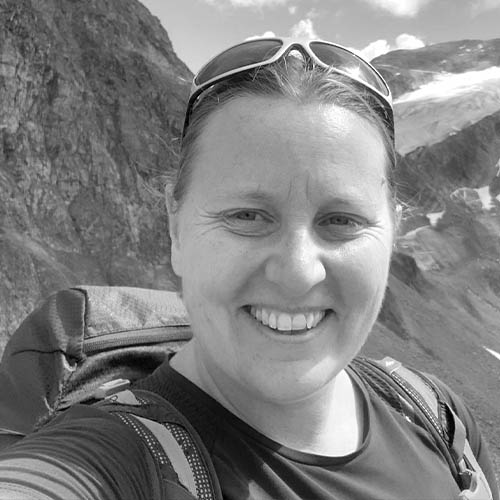
Prof Bethan Davies (@iceybethan.bsky.social)
Prof Bethan Davies is a professor of glaciology at Newcastle University. She specialises in the response of glaciers and ice sheets to climate change, with recent work focusing on the
British-Irish Ice Sheet, Patagonia, Antarctica, the Andes, Alaska, Svalbard and Austria. She is currently editor for the journal Quaternary Science Reviews, chair of the UK Arctic-Antarctic Partnership and co-chair of Diversity in Polar Science Initiative. She is a lead author on the Intergovernmental Panel Climate Change’s (IPCC) upcoming IPCC seventh assessment report (AR7). She also established the website AntarcticGlaciers.org.
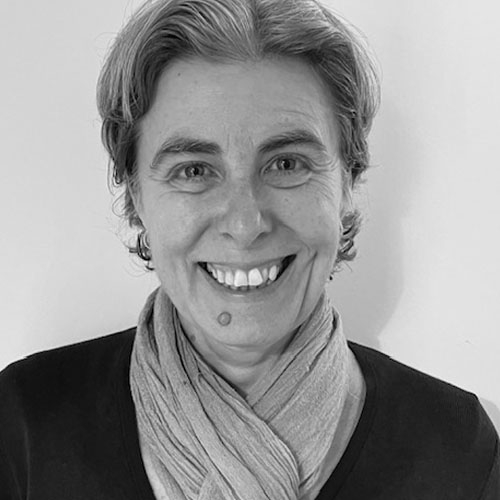
Dr Joanna Depledge (Joanna Depledge)
Dr Joanna Depledge is a fellow at the Cambridge Centre for Environment, Energy and Natural Resource Governance (CEENRG) at the University of Cambridge. She has been following climate change and wider environmental negotiations for more than 25 years, including as a staff member at the secretariat of the UN Framework Convention on Climate Change (UNFCCC) and a reporter for the Earth Negotiations Bulletin. Joanna has been on the editorial team of the journal Climate Policy since 2014. She is also a founding member of Cambridge Zero, a member of the research network Climate Strategies, and sat on the steering committee of the production gap report for 2020 and 2021.
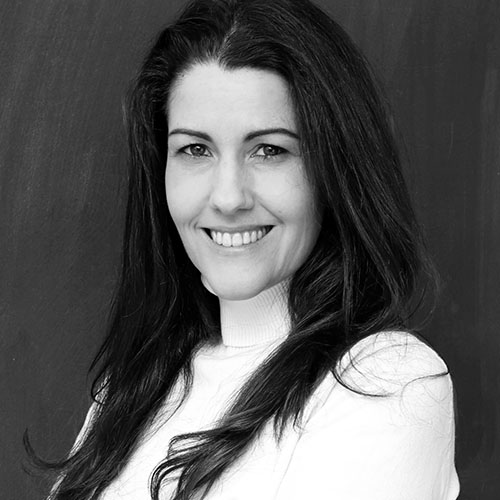
Dr Gabriela Di Giulio
Dr Gabriela Di Giulio is an associate professor at the University of São Paulo. She holds a BA in journalism, an MSc in science and technology policy and a PhD in environment and society from the University of Campinas. Her research explores the interactions between environment, society and science–policy dynamics, with a particular focus on how environmental crises affect socio-cultural contexts. Her current work addresses climate change and adaptation, the governance and communication of risks and uncertainties, and pathways toward sustainability transitions.

Prof Erich Fischer (@erichfischer.bsky.social)
Prof Erich Fischer is climate scientist at ETH Zurich. His research interests include changes in weather and climate extremes, detection and attribution, climate variability, constraining uncertainties in global-to-regional model projections, and the human impacts of warming. He is a lead author on both the IPCC sixth and seventh assessment report. He is co-chair of the World Climate Research Program (WCRP) Lighthouse Activity on Explaining and Predicting Earth System Change (EPESC). He is an associate editor on the journal Science Advances and a co-editor of Weather and Climate Dynamics.
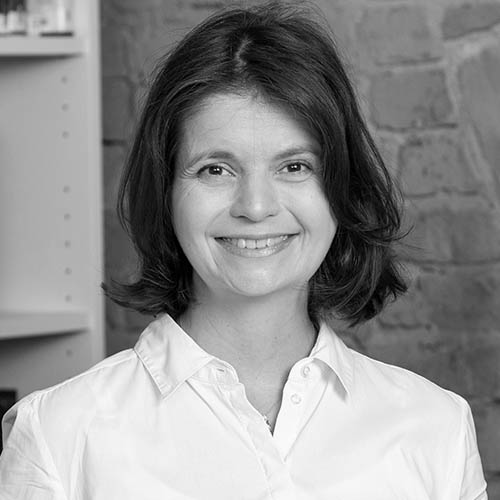
Prof Sabine Fuss
Prof Sabine Fuss is a working group leader and head of research department at the Potsdam Institute for Climate Impact Research (PIK). She holds a professorship in sustainable resource management and global change at Humboldt-Universität zu Berlin Her expertise is in sustainable development, tropical rainforest conservation and climate change mitigation, with a particular focus on carbon dioxide removal. She was a lead author on the IPCC’s special report on 1.5C and was appointed to the European Academy of Sciences in 2021. She received her PhD in international economics from Maastricht University in 2008.
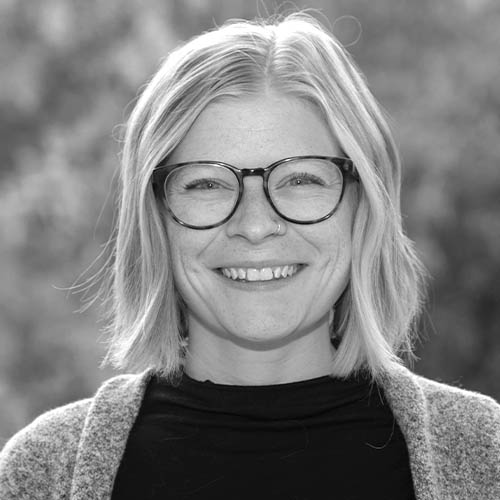
Dr Kirsten Mayer (@kirstenjmayer.bsky.social)
Dr Kirsten Mayer is a scientist at the US National Science Foundation National Center for Atmospheric Research (NSF NCAR). Her research uses machine learning to explore sources of predictability within the Earth System, particularly focused on subseasonal and longer timescales. She is also an active member of the WCRP ESMO Working Group on Subseasonal to Interdecadal Prediction (WGSIP). She has a PhD in atmospheric sciences from Colorado State University.

Dr Albert Salamanca
Dr Albert M Salamanca heads the secretariat of the Adaptation Research Alliance (ARA) and is a senior research fellow at the Stockholm Environment Institute (SEI) Asia centre. His work focuses on climate change adaptation, disaster risk reduction and sustainable development, with particular attention to strengthening the research–policy interface in south-east Asia. He holds a PhD in geography from Durham University.
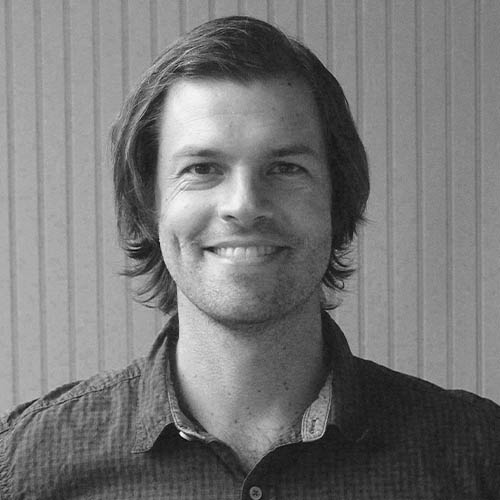
Dr Christopher Trisos (Christopher Trisos)
Dr Christopher Trisos is the director of the Climate Risk Lab and of the African Synthesis Centre for Climate Change, Environment and Development (ASCEND) at University of Cape Town. He holds the AXA research chair in African climate risk at the African Climate and Development Initiative. His work focuses on understanding risks from climate change to enable communities to adapt for a better future, with a particular focus on Africa and the global south. He has served as a coordinating lead author for the IPCC, a negotiator at the UNFCCC, and has advised several international organisations and governments on climate change risks and adaptation.
Carbon Brief is grateful for the support of its earlier cohort of contributing editors:
Second cohort: Dr Céline Guivarch; Prof Frank Jotzo; Dr Zachary Labe; Dr David Lapola; Dr Friederike Otto; Prof Lisa Schipper; Dr Chandni Singh; and Dr Portia Adade Williams.
First cohort: Prof Richard Allan; Prof Mark Brandon; Prof Piers Forster; Prof Gabriele Hegerl; Prof Simon Lewis; Prof Tim Osborn; Prof Camille Parmesan; and Prof Peter Stott.
The post Introducing Carbon Brief’s 2026 cohort of contributing editors appeared first on Carbon Brief.
Introducing Carbon Brief’s 2026 cohort of contributing editors

Greenland has now marked the 30th consecutive year where it lost more ice than it gained.
This guest post is by:
Dr Martin Stendel, climate scientist at the Danish Meteorological Institute (DMI), part of the Polar Portal
Prof Ruth Mottram, climate scientist at DMI and honorary professor at Aarhus University
Over the 12-month period to August 2026, the world’s second-largest ice sheet lost around 135bn tonnes of ice.
This major ice loss came as the region experienced a relatively cool start to summer and less surface melt than in previous years.
In other words, it was not an “extreme” year for weather in Greenland – and, yet, the ice sheet ended firmly in the red.
Three decades of continuous ice loss in Greenland is significant, given that scientists typically need 30 years of data to separate the “fingerprint” of human-caused climate change from natural variations in the climate.
In Greenland, the direction of travel has been the same – downward – every single year for 30 years.
These latest figures come as a new report highlights that ice melting processes seen for decades in Greenland are increasingly being replicated in Antarctica.
Greenland, therefore, is not only the largest present-day source of ice-driven sea level rise – but offers a preview of what is in store for the world’s largest ice sheet.
(For our previous analyses of Greenland’s ice cover, see coverage in 2025, 2024, 2023, 2022, 2021, 2020, 2019, 2018, 2017, 2016 and 2015.)
Surface mass balance
One way that scientists track the health of the Greenland ice sheet is by tracking changes to its “surface mass balance”.
This is the difference between ice gains from snowfall and losses from melt at the surface of Greenland’s ice sheet.
Greenland’s annual ice cycle runs from 1 September through to the end of August. The surface mass balance at the end of this period has, to date, always been positive, because the surface accumulates more snow than it loses from melting ice.
The ice sheet typically gains mass during the colder months of autumn, winter and spring. Then, as temperatures increase from around mid-June, the ice sheet begins to lose more ice through surface melt than it gains from snow.
(Greenland also loses ice when icebergs break off – or “calve” – into the sea, as well when the front of glaciers melt when they meet warm sea water. These losses are included in the “total mass balance” – see below.)
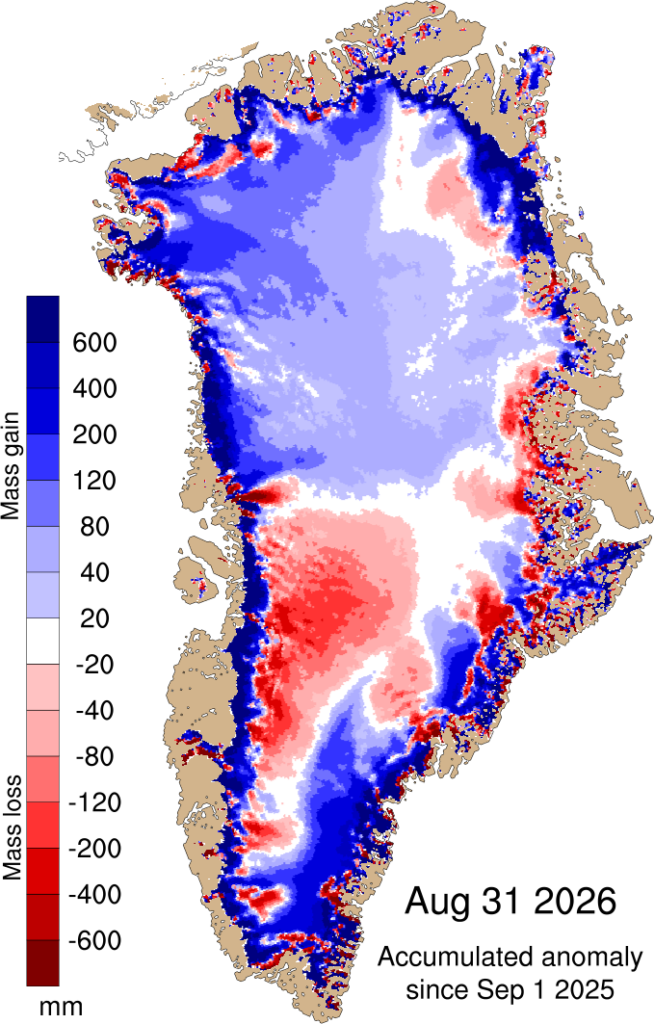
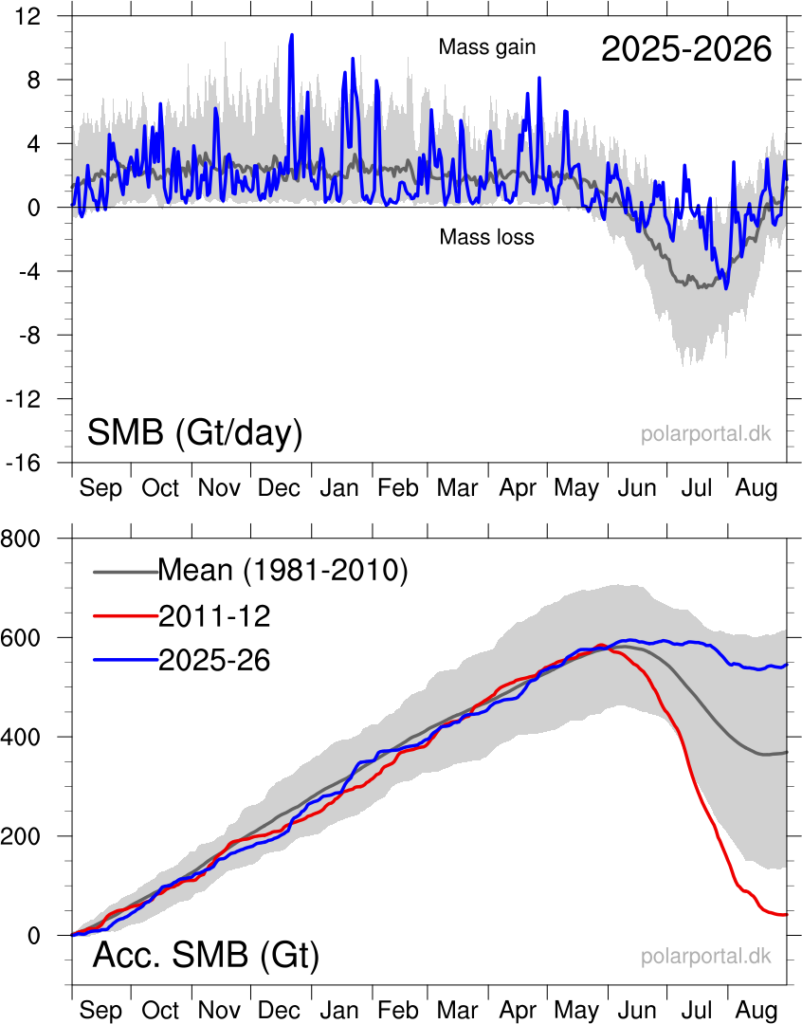
Greenland ended 2025-26 with an overall surface mass balance of 519bn tonnes.
This is the sixth highest in a dataset stretching back 46 years and about 178bn tonnes above the 1981-2010 average of roughly 350bn tonnes.
The map below shows the difference between the surface mass balance in 2025-26 and the 1981-2010 average, where blue shows ice gain and red shows ice loss.
The blue lines in the charts below show the surface mass balance throughout 2025-26 for individual days (top) and cumulatively throughout the year (bottom). They highlight how Greenland gained ice between September 2025 and May 2026, before starting to lose ice from June onwards.
Total mass balance
Another way scientists measure the health of the Greenland ice sheet is by looking at its “total mass balance”.
This calculation accounts for ice loss at the surface, as well as the calving of icebergs and the melting of glacier fronts where they meet warm seawater. The latter two components are known as the “marine mass balance”.
It also accounts for a small amount of ice melt at the underside of the ice sheet. This is known as the “basal mass balance”.
In recent decades, Greenland’s total mass balance at the end of the ice cycle year has been negative.
The 12 months to August 2026 were no different. Once all these factors are considered, Greenland lost around 135bn tonnes of ice.
We reached this figure using the same method featured in previous Carbon Brief analyses of Greenland ice cover. This approach is based on an average of three climate models.