Carbon Footprint
India and South Korea Sign Article 6.2 Deal as Global Carbon Trading Gains Momentum



India and South Korea have signed a cooperation agreement under Article 6.2 of the Paris Agreement. This is a key step for creating cross-border carbon markets between these two major Asian economies.
The deal was signed when the South Korean president visited India. More than a dozen agreements were made about clean energy, trade, and industrial cooperation. It reflects growing global interest in carbon trading as countries seek cost-effective ways to meet climate targets.
The agreement allows both countries to cooperate on emissions reduction projects and exchange carbon credits. This could open up new sources of climate finance and help decarbonize sectors like energy, industry, and transport.
How Article 6.2 Unlocks Cross-Border Carbon Trading
Article 6.2 of the Paris Agreement allows countries to trade emission reductions through bilateral or multilateral deals. These are known as “internationally transferred mitigation outcomes” (ITMOs).
Each ITMO represents one tonne of carbon dioxide equivalent (tCO₂e) reduced or removed. Countries can invest in emissions-cutting projects abroad and count those reductions toward their own climate targets.
A key rule is the “corresponding adjustment.” The host country must add the sold emissions back to its carbon balance. This prevents double-counting and ensures transparency.
This system improves on older carbon markets under the Kyoto Protocol. It links carbon trading directly to national climate targets and strengthens accountability.
Although Article 6.2 is still new, activity is growing quickly.
- Around 58 bilateral Article 6.2 agreements have already been signed globally.
- At least 68 pilot ITMO projects are under development worldwide.
- More than 100 countries have signaled interest in using Article 6 mechanisms.
Here are key examples of these agreements, as shown in the World Bank carbon pricing dashboard:
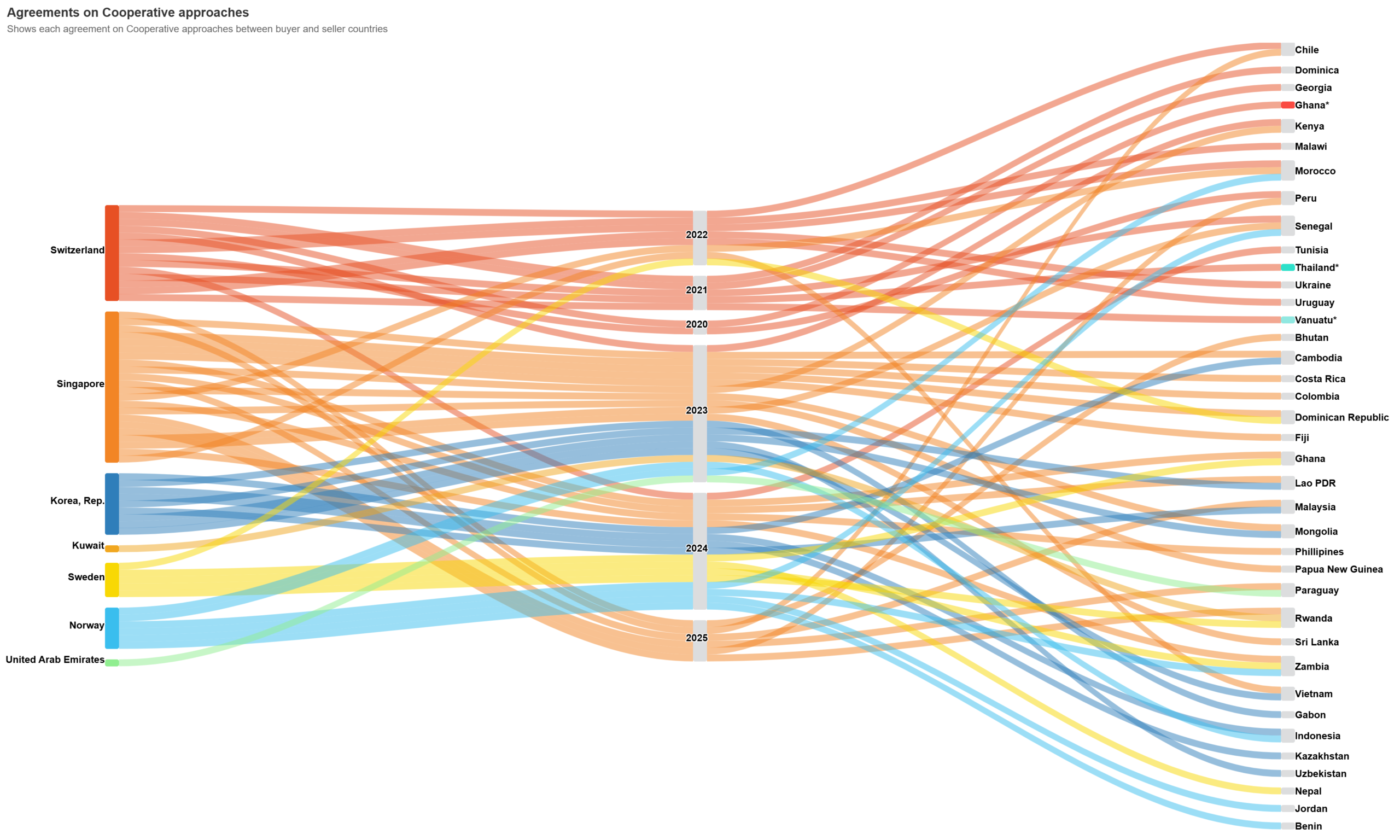

Most early projects are in developing countries. These nations can supply carbon credits while receiving investment and technology. Buyers are often developed countries with stricter climate targets and higher costs of domestic emissions reduction.
India and South Korea confirmed that their agreement will support:
- Investment-driven mitigation projects,
- Development of carbon markets, and
- Cooperation in renewable energy and low-carbon technologies.
This is a major step because global carbon markets are still in early stages. Many countries are now building bilateral agreements to operationalize Article 6 mechanisms.
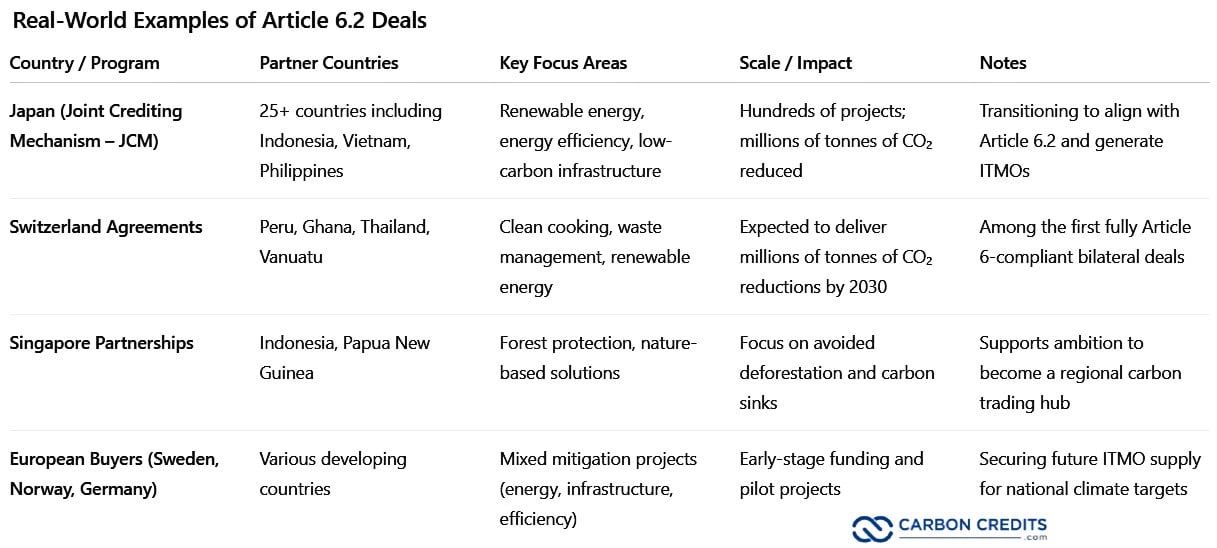

The deal also aligns with a broader shift toward market-based climate solutions. These mechanisms are seen as a way to lower the cost of achieving national climate targets.
Net Zero Targets Drive Bilateral Climate Cooperation
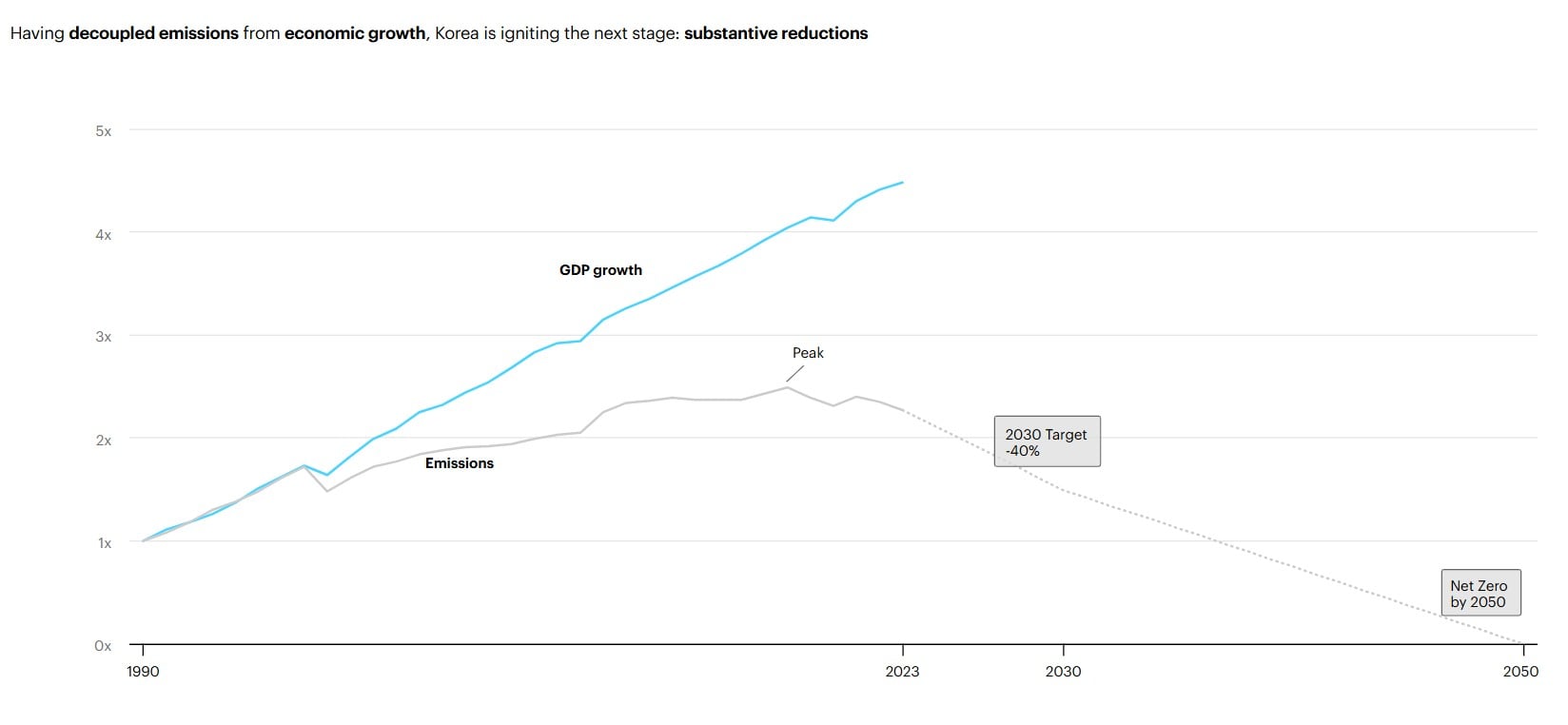
The agreement is closely tied to both countries’ long-term climate goals. India has committed to reaching net-zero emissions by 2070. South Korea has set an earlier target of 2050.

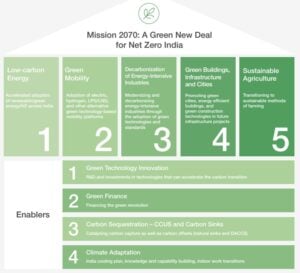
These timelines create both challenges and opportunities. South Korea is a developed economy with limited land and resources. So, it may look for cost-effective ways to cut emissions abroad.

India, as a fast-growing economy, offers large-scale opportunities for clean energy and carbon reduction projects. This creates a natural partnership. The two countries also agreed to expand cooperation in:
- Renewable energy,
- Green hydrogen, and
- Low-carbon industrial technologies.
These sectors are critical for reducing emissions in hard-to-abate industries such as steel, cement, and heavy transport. Both countries also reaffirmed their commitment to the Paris Agreement and global climate action.
Carbon Markets Poised for Rapid Global Growth
The India–South Korea deal comes as global carbon markets are expected to expand significantly over the next decade.
Carbon pricing systems already cover about 28% of global emissions, according to the World Bank’s 2025 State and Trends of Carbon Pricing report. At the same time, voluntary carbon markets and compliance markets are evolving rapidly.
Analysts expect carbon markets to grow into a multi-billion-dollar sector by 2030, until 2050, driven by:
- Net-zero commitments from over 140 countries,
- Increasing corporate climate targets, and
- Rising demand for carbon offsets.

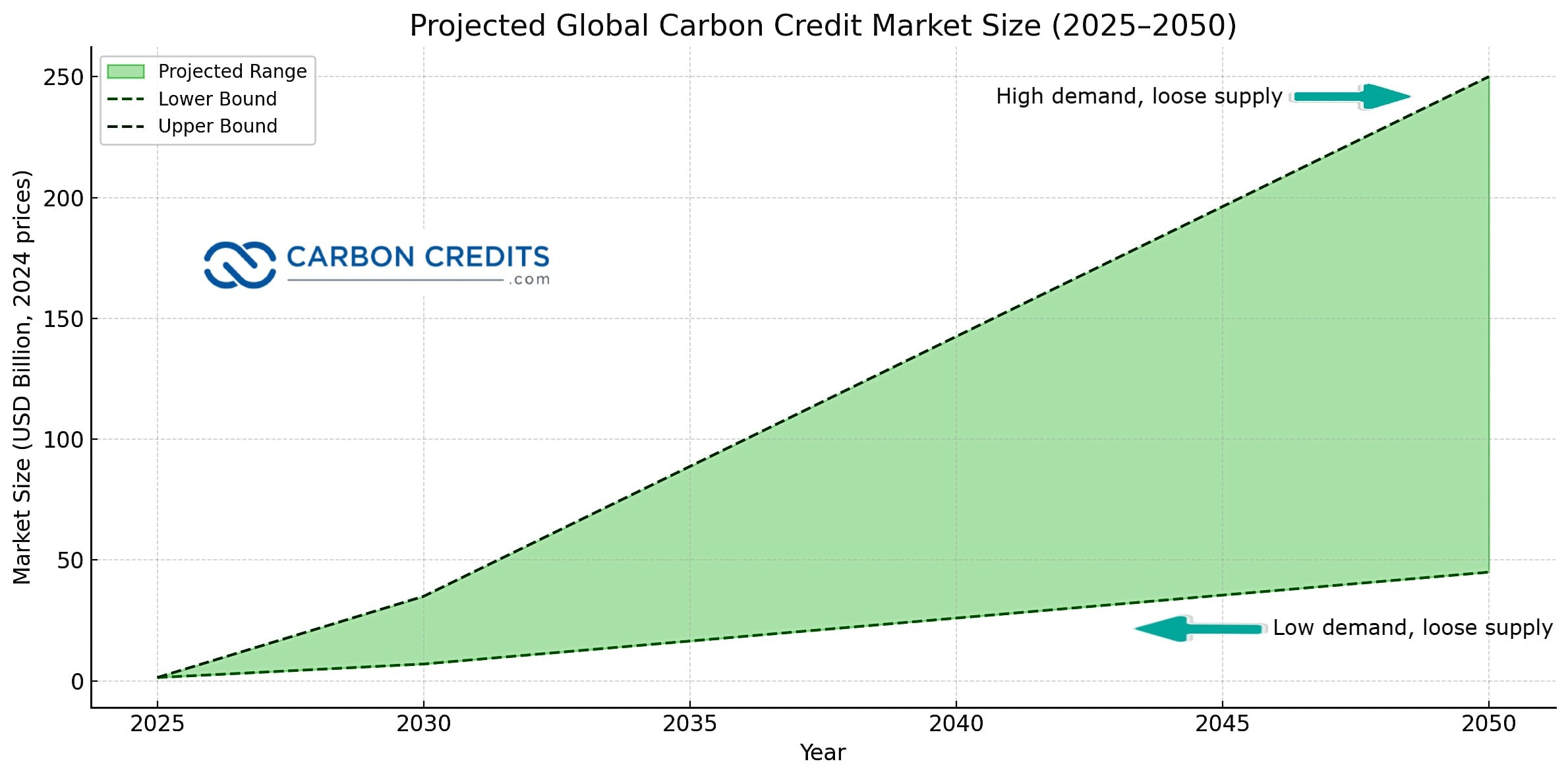
Article 6 agreements are expected to play a key role in this growth. They provide a formal framework for cross-border carbon trading, which has been limited in the past.
For emerging economies like India, this could unlock new sources of climate finance. For developed economies like South Korea, it offers flexibility in meeting emissions targets.
Economic Ties Expand Alongside Climate Cooperation
The carbon agreement is part of a broader expansion in India–South Korea relations. The two countries aim to double bilateral trade from about $27 billion today to $50 billion by 2030.
They also signed multiple agreements covering clean energy and critical minerals, shipbuilding and manufacturing, and semiconductors and digital trade. This reflects a wider strategy to align economic growth with sustainability goals.
Both countries are working to build resilient supply chains in key sectors such as batteries, energy, and advanced manufacturing. These industries are essential for the global energy transition.
The partnership also includes efforts to improve energy security. This is especially important as global energy markets face volatility due to geopolitical tensions.
A Strategic Shift in Global Climate Cooperation
The signing of the Article 6.2 agreement marks a broader shift in how countries approach climate action. Instead of relying only on domestic measures, governments are increasingly turning to international cooperation. This allows them to share technology, reduce costs, and accelerate emissions reductions.
For India, the agreement opens new opportunities to attract climate finance and scale up clean energy projects.
For South Korea, it provides access to cost-effective mitigation options and supports its net-zero strategy.
The deal also strengthens the strategic partnership between the two countries. It links climate action with trade, technology, and industrial policy.
As more countries adopt similar agreements, Article 6.2 could become a central pillar of global carbon markets. This would reshape how emissions reductions are financed and delivered worldwide.
The Big Picture: Carbon Markets Move From Concept to Reality
The India–South Korea Article 6.2 agreement is more than a climate deal. It is part of a larger shift toward market-based decarbonization and international cooperation.
With global carbon markets set to expand and net-zero targets tightening, such partnerships are likely to increase.
For both countries, the agreement offers a pathway to balance economic growth with climate goals. It also signals growing momentum behind carbon trading as a key tool in the global energy transition.
As implementation begins, the real impact will depend on how quickly projects are developed and how well carbon markets scale. But the signal is clear: cross-border climate cooperation is moving from theory to practice.
The post India and South Korea Sign Article 6.2 Deal as Global Carbon Trading Gains Momentum appeared first on Carbon Credits.