You can choose two ways when deciding to go off the grid.
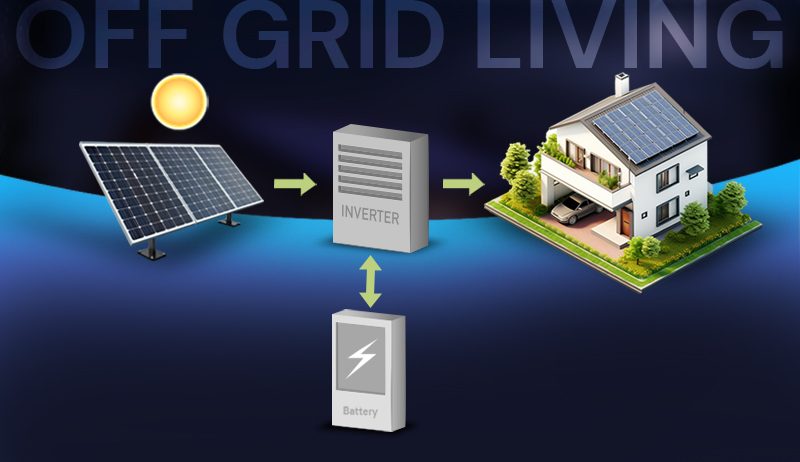
First, you can convert your current residence into an off-grid system. Technically, off-grid living means cutting off your reliance on the mass-used power grid.
As energy prices are at their peak nowadays, and they only seem to be getting worse, you can cut off your reliance on the public shared grid and generate your own power through sustainable and renewable sources like solar, wind, water, etc.
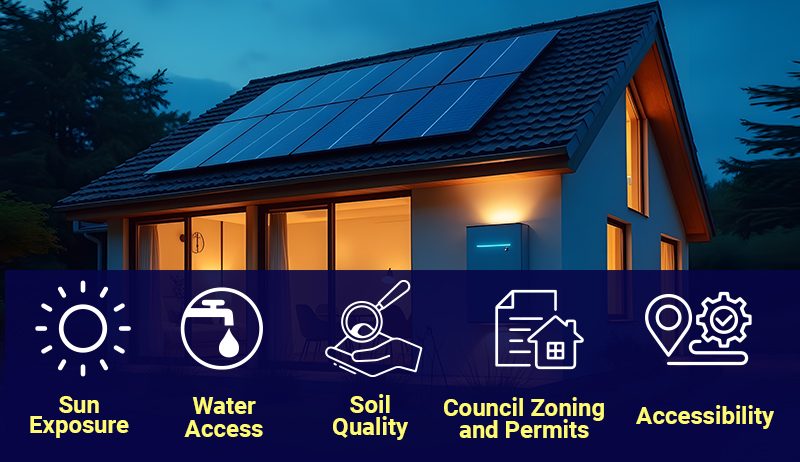
Before you do that, you must check with the authorities, as different councils may have different regulations.
Also, when you decide to go for certain renewable energy sources like solar, you may be eligible for government rebates for an off-grid solar system. Make sure you explore all the benefits of off-grid solar living, like the rebates, or consult a solar expert.
The second way to live off the grid is to relocate. That comes with a completely different set of challenges, as not only power, but you may also need to build every repetitive cycle management, like power generation, from scratch.
There are many remote locations in Australia where you do not need a permit to live or build; you can relocate to those areas to create your own sustainable lifestyle.
In short, there are three aspects in which you need to look out regarding legal obligations, which are:
- Zoning and housing permits
- Land allocation and ownership
- The government provided rebates and incentives
Keep in mind that relocating somewhere remote does give you complete freedom, and being one with nature may seem tempting, but if you are heavily reliant on city life and the convenience of a town, this might just not be your call.