Green Living
How I Cut My Grocery Bill to $300 a Month
Last Updated on April 21, 2026
Did you know the average couple spends $800 a month on groceries (USDA)? That’s approximately $200 a week on food!
And it’s only going to get worse. According to the USDA, in 2026, prices for all food are predicted to increase 3.6 percent.

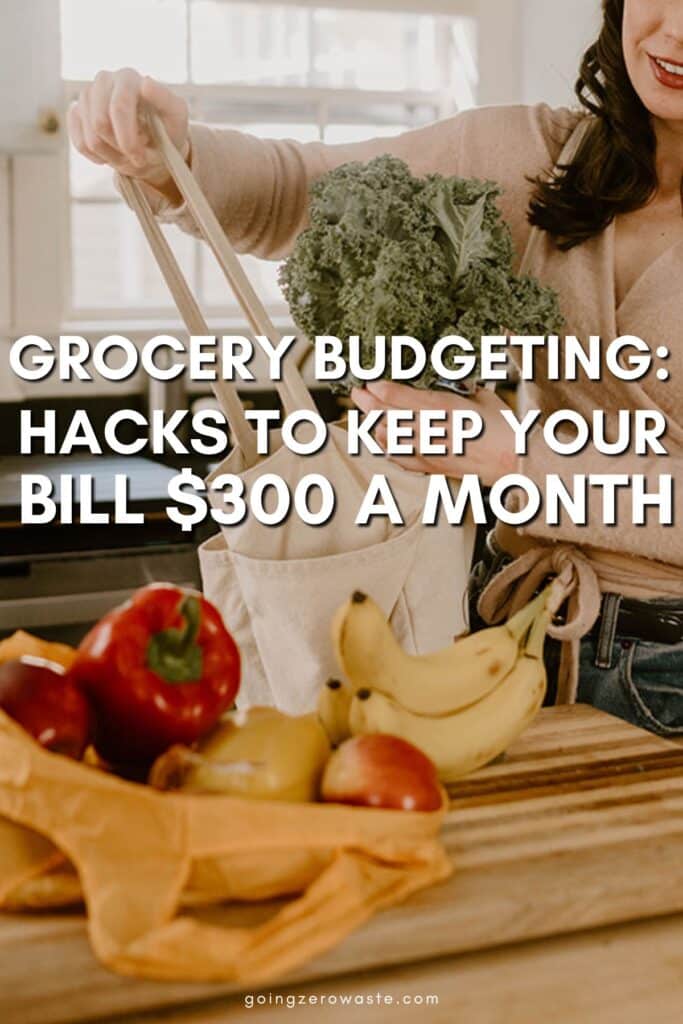
But there’s hope – my husband and I eat a low waste, nutrient-dense, plant-forward diet that comes to $300 a month. And yes, there are a few major hacks that make a difference *ahem – dry beans.*
But the truth is, it all starts with a solid grocery budgeting plan. If you want to lower your grocery bill too, here are all my tips, including grocery budgeting, where to shop, what to make yourself, and more!
grocery budgeting
Creating a budget for groceries is the first step to understanding where all your money is going. Ask yourself, how much are you willing to spend on food each week? How much can you feasibly put aside?
This will vary depending on how many mouths you have to feed, how often you cook from home, and what you like to make. It helps knowing your specific eating habits too. For example, I know I’m going to want Mexican-inspired dishes at least once a week, so I prepare for that.
I find sticking to cash helps me budget better. Instead of simply putting everything on a card, I’m making sure I don’t go over budget by having a physical limit.
Before you leave the house, remind yourself how much you’re going to spend at the grocery store. If you plan on going to multiple spots (ex: farmers market, bulk bins, grocery store, etc.), designate how much you feel comfortable spending in those areas.
For example, if you like to visit the farmers market year-round, you’ll probably notice there’s more of a selection in the summer/fall months, so your budget for that may go up. Because who doesn’t want in-season strawberries? So setting aside $50 for the market during peak seasons, and $20 for the rest of the year, may help.
I also recommend always counting how much you have left after each store visit. Did you spend more or less than your budget accounted for? Will you put any leftover money towards next week’s grocery haul?
Example grocery budget for family of 2 for $100 per week:
- $30 for protein (tofu, black beans, eggs, etc.)
- $25 for produce (bananas, apples, carrots, celery, onion, potatoes, etc.)
- $20 for grains (Rice, pasta, oatmeal, etc.)
- $15 for dairy (Gallon of plant-based milk, coconut yogurt, etc.)
- $10 for pantry/snacks (crackers, popcorn, seasonings, etc.)
*This is just an example to give you a visual on how much you may want to spend on different categories. But every family’s needs are different and will vary!
Pro tip: If you eat meat, try to buy them in bulk packs, and get inexpensive cuts, like ground meat, or bone-in chicken. Buying bone-in, skin-on means you’re not paying someone to do the trimming, making it more economical. Also, shredded cheese tends to be pricer than blocked for the same reason – you’re paying someone to do the work for you!

where to shop
Knowing where to shop is half the battle: We buy our spices at a local market and they’re so much cheaper there. We also buy a lot of our foods in bulk from Costco where you can buy a giant bag of rice or flour.
It’s so much cheaper to buy dry beans than canned. I’ll make a giant batch of beans, pop them in the freezer, and pull them out any time I want. Same level of convenience, but with less than half the cost.
Hitting up local farmers markets for in-season produce can save a buck too.
It takes more water and resources to grow a tomato in the winter (think greenhouse expenses) than it does during the summer when they’re prolific. When there’s an abundance, farmers tend to sell at lower rates to entice us to buy!
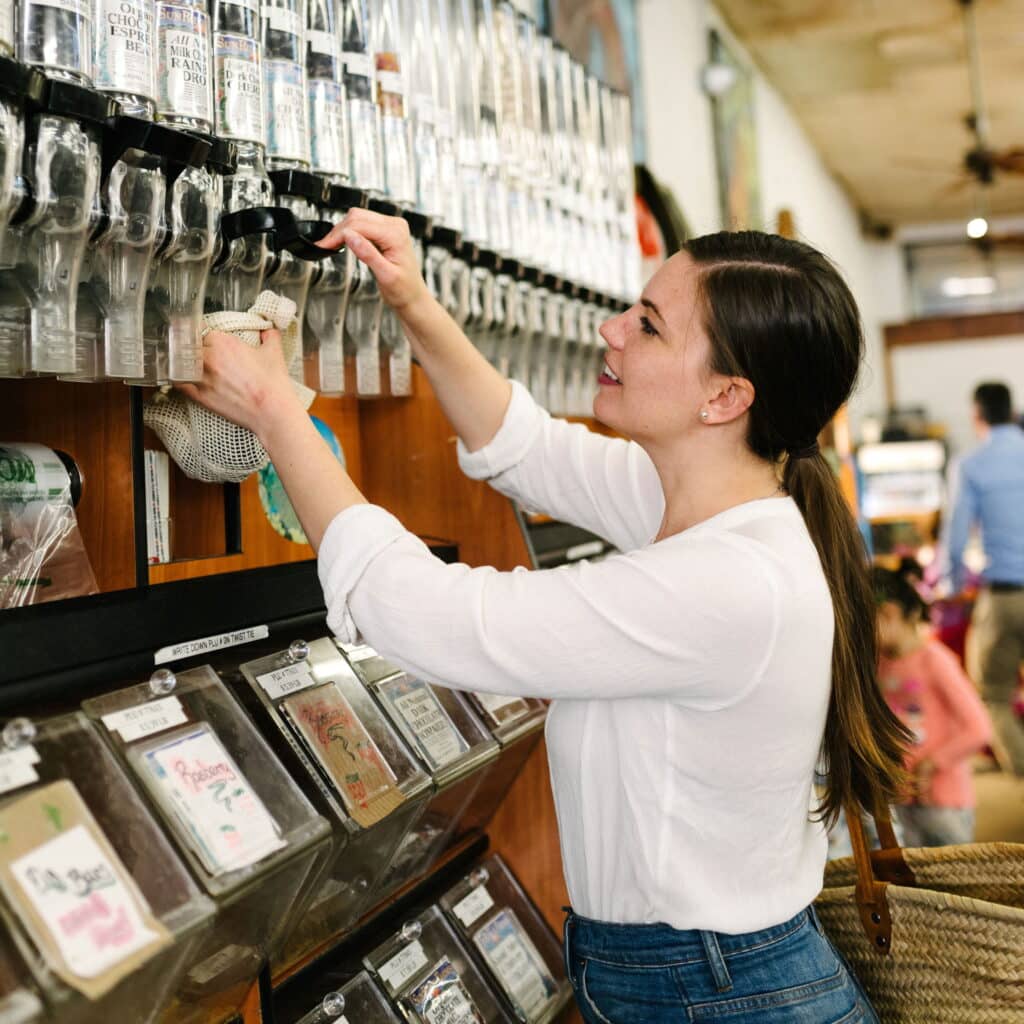
Shopping at bulk bins can reduce cost too, because you can get only what you need. For example, instead of buying a huge pack of quinoa for a recipe you’re making, you can grab a cup’s worth. Or whatever the recipe entails!
make it yourself
We make a lot of kitchen staples too, like bread. We love supporting local bakeries but buying half a loaf of sourdough bread, sometimes twice a week, would cost $7. Which is $14 a week on bread, $700 a year.
Our appliances like our breadmaker, crockpot, and instantpot all came from our Buy Nothing group. We use them constantly which massively lowers our grocery bill.
My breadmaker makes delicious loaves of bread in just a few hours. I just add everything into it, adjust the settings, and let it handle things from there. Here’s my go-to recipe:
- 2 tsp of bread machine yeast
- 3 TBSP of olive oil
- 2 TBSP of Sugar
- 1 cup + 2TBSP of water
- 3 Cups of flour
- tsp of salt
I also make a lot of other kitchen staples like broth, vinegar, vanilla which leads to tons of savings. You can make your own condiments and nut butters too if you have the time.
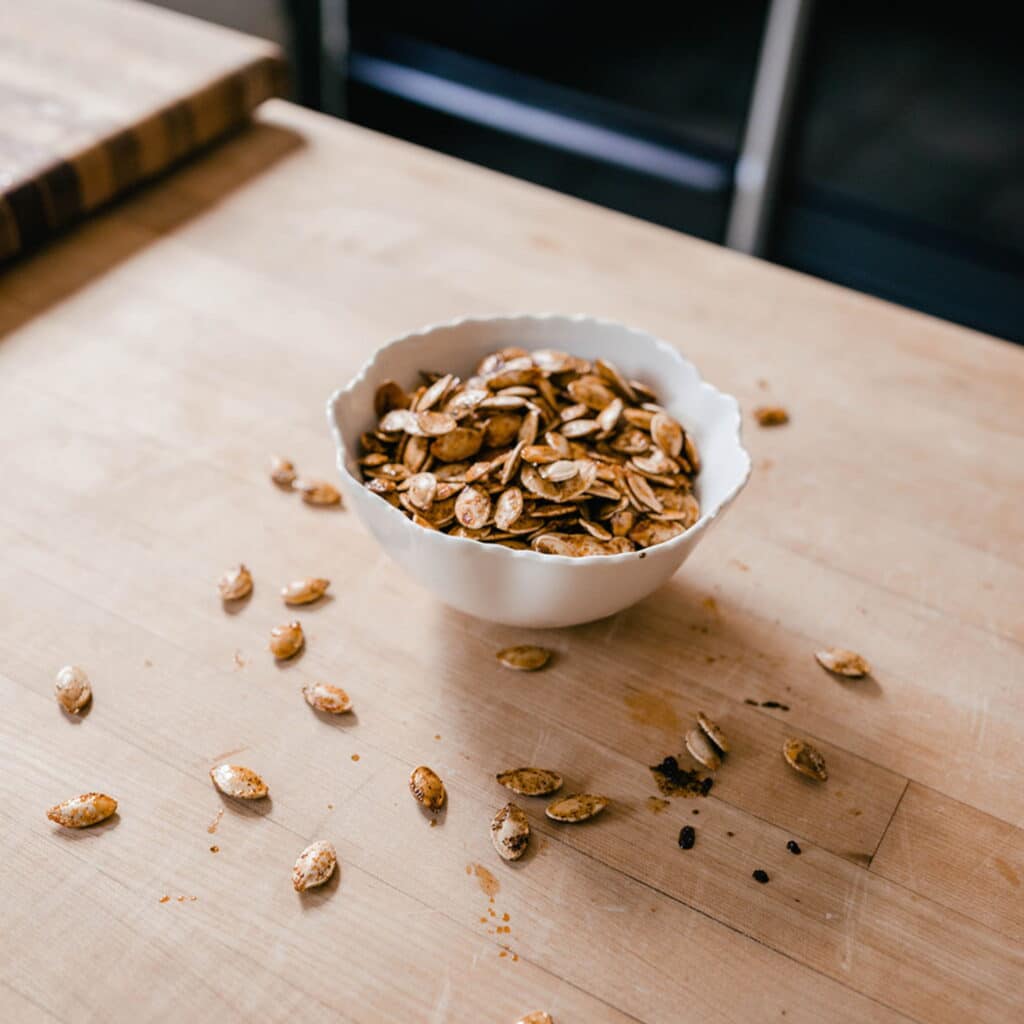
I also love versatile produce/pantry items! For example, in fall I always get a pumpkin for decor, which I end up cooking to make homemade pumpkin puree. It can be used in so many different recipes like pumpkin pie and pumpkin bread. And I also get roasted pumpkin seeds out of it!
Year round, some pantry staples are ridiculously easy to make, like powdered sugar (literally just blend granulated sugar in a blender) and brown sugar (mix white sugar with molasses).
If you’re in a pinch, you can also make your own oat flour. Just blend oats in a food processor until the particles are a fine powder. You can store it in an air-tight container for 3 months and use it in all kinds of recipes.
RELATED: 20 Things To Make At Home Instead of Buying
use coupons and sales
Look for discounts wherever you can find them. You may be able to download your local grocery store’s mobile app for exclusive deals.
At the very least, it can be easier to see the price difference between brands. You can plan meals around what’s on sale, like that half-priced can of tomato sauce.
My grocery store often runs sales on basic things like $2 for 5lbs of potatoes, carrots, and onions at the end of the month. I always stock up when they’re on sale.
There are also some grocery stores that sell discounts on ‘imperfect’ produce. AKA, produce that’s still perfectly good but doesn’t meet grocery store beauty standards (maybe it has a blemish or a wacky shape).
These ‘blemished’ produce items may come wrapped in plastic, but keeping food out of landfills kind of cancels out the packaging waste.
Also, be sure to check out resources like Too Good To Go – their app is the world’s largest marketplace for surplus food. You can help rescue food near you, all at half price or less.
choose low-cost staples
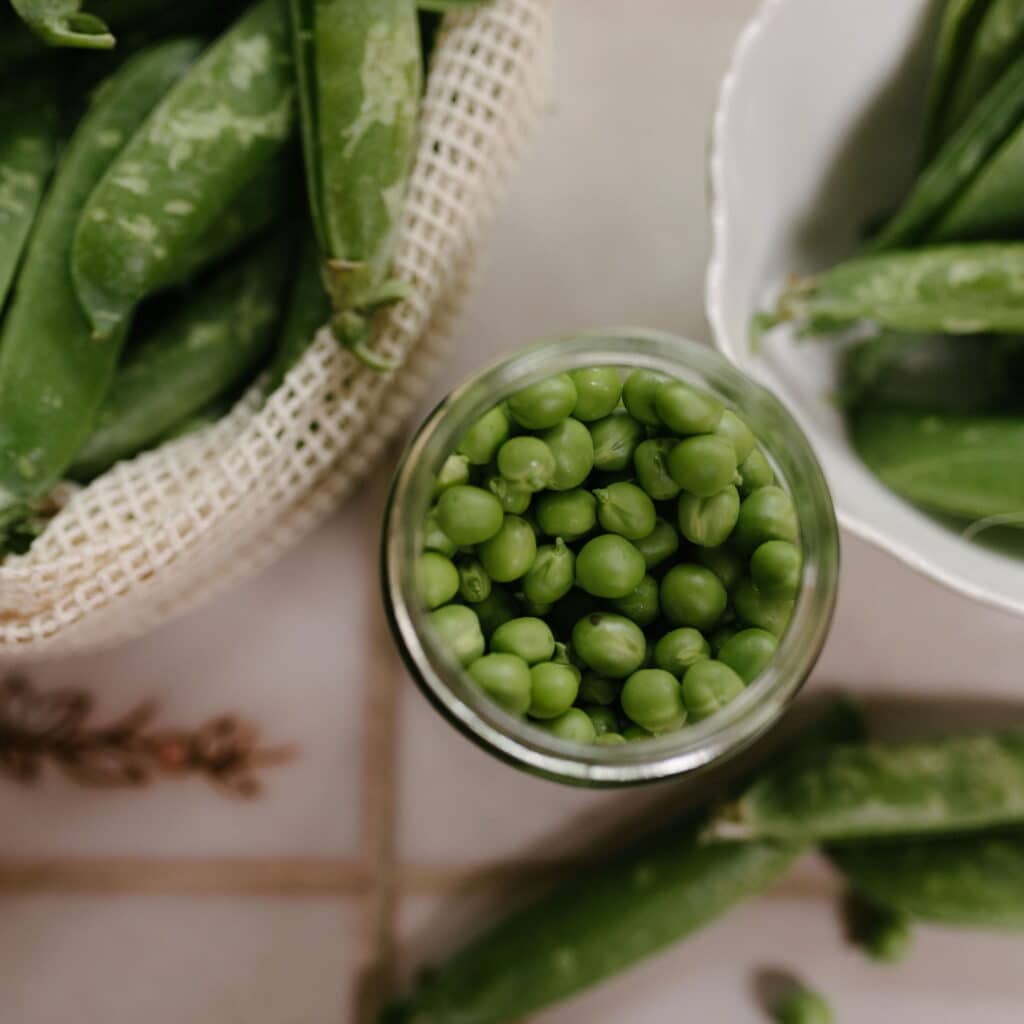
Meat is one of the more expensive items. Alternatively plant based sources of protein are less expensive, provide more fiber, are one of the most consumed foods in the blue zones, and they happen to be the best bang for your buck.
Choosing low-cost staples like beans, rice and frozen produce will help you stretch your bills. These items are also incredibly versatile as they can be used in so many dishes, from burritos to soups to stir fries.
Here’s a list of low cost staples you should consider stocking your pantry with:
- Grains + pasta (brown rice, oats, quinoa, popcorn kernels, whole wheat pasta, etc.)
- Beans (black, pinto, garbanzo, cannellini beans, etc.)
- Legumes (red, green or brown)
- Oil (coconut, olive, avocado oil, etc.)
- Nuts and seeds (peanuts, sunflower seeds, etc.)
- Canned goods (peeled tomatoes, cut vegetables, etc.)
- Baking staples (flour, sugar, baking powder, baking soda, maple syrup, coco powder, etc.)
- Spices + seasonings (onion + garlic powder, paprika, etc.)
Pro tip: For snacks, you can cut down on a lot of money if you make your own, using what’s in your pantry. For example, making homemade chocolate muffins from your baking stash or using popcorn kernels instead of bagged popcorn. Melted butter and salt goes a long way!
What do you think of these grocery budgeting hacks? Let me know in the comments!
The post How I Cut My Grocery Bill to $300 a Month appeared first on Going Zero Waste.