Climate Change
How Climate Change Is Affecting Agriculture


Are you curious about how climate change is impacting agriculture? Well, you’re in the right place!
In this article, we’ll explore the ways in which climate change is affecting the agricultural industry. From reduced crop yields to changes in growing seasons, increased pests and diseases to water scarcity and soil erosion, we’ll delve into the various challenges that farmers face due to the changing climate.
So, let’s dive in and uncover the impacts of climate change on agriculture!
Key Takeaways
- Rising temperatures, changing precipitation patterns, and extreme weather events contribute to reduced crop yields.
- Changes in growing seasons require farmers to be flexible and adapt to unpredictable weather events.
- Rising temperatures and erratic weather patterns create favorable conditions for pests and diseases.
- Rising temperatures and unpredictable rainfall patterns limit water availability for agriculture.
Reduced Crop Yields
If you’re a farmer, you may be experiencing reduced crop yields due to the impact of climate change. Rising temperatures, changing precipitation patterns, and extreme weather events are all contributing factors.
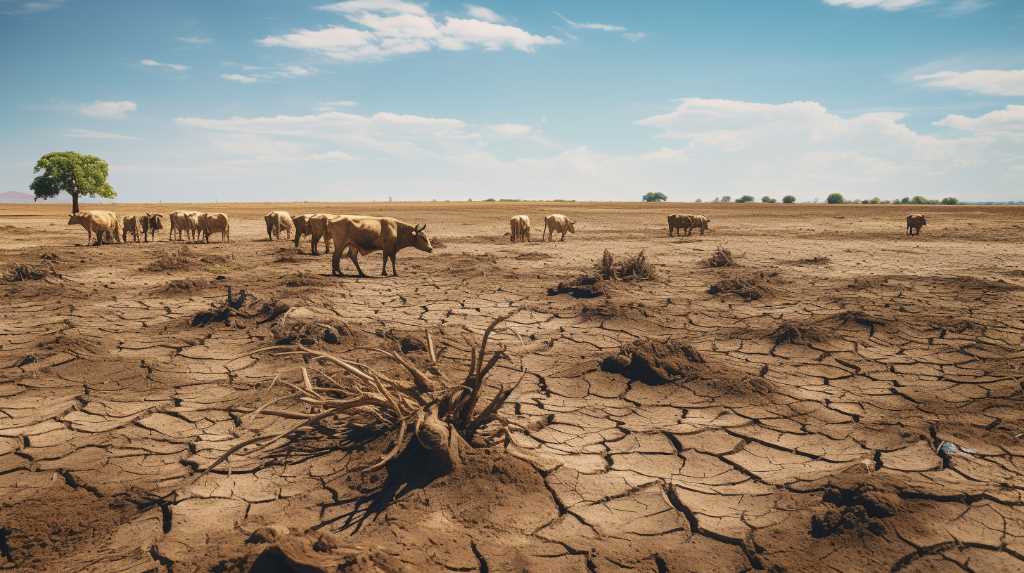
Heat stress can negatively affect crop growth and development, leading to lower yields. Increased frequency and intensity of droughts can result in water scarcity, further impacting crop production. Additionally, changes in pest and disease patterns can also affect crop health and productivity.
Climate change is causing shifts in the availability and distribution of resources that crops need to thrive. These reduced crop yields not only pose challenges for farmers, but also impact food security and the global economy. Understanding the effects of climate change on crop production is vital for developing strategies to mitigate its impact and ensure sustainable food production for the future.


Transitioning into the subsequent section, let’s now explore the changes in growing seasons caused by climate change.
Changes in Growing Seasons
As a farmer, you’ll notice that climate change isn’t only impacting your crop yields, but it’s also causing significant changes in your growing seasons.
Warmer temperatures and shifting weather patterns are altering the length and timing of both planting and harvesting periods. Spring is arriving earlier, causing crops to flower and mature sooner than usual. This can be challenging, as it may coincide with the lingering threat of frost or other unpredictable weather events.
Additionally, summers are becoming hotter and drier, leading to shorter growing periods and limited water availability. These changes require you to adapt your farming practices, such as adjusting planting dates and implementing irrigation systems.
As we explore the effects of climate change on agriculture, it’s important to also consider the subsequent impact on increased pests and diseases.
Increased Pests and Diseases
The impact of climate change on agriculture extends to the increased prevalence of pests and diseases affecting your crops. As temperatures rise and weather patterns become more erratic, pests and diseases are thriving. Warmer temperatures create favorable conditions for insects and pathogens to reproduce and spread rapidly.
Additionally, changes in rainfall patterns can lead to increased humidity, providing a conducive environment for the growth of fungi and bacteria. This can result in crop infestations and disease outbreaks, causing significant yield losses and economic damage.

Farmers are now facing new challenges in pest and disease management, as traditional methods may no longer be as effective. They must adapt and implement innovative strategies to mitigate the impact of these growing threats and ensure the sustainability of their crops.
Water Scarcity
You will face the challenge of managing water scarcity in agriculture due to climate change’s impact. As temperatures rise and rainfall patterns become more unpredictable, water availability for agricultural purposes is becoming increasingly limited. This poses a significant threat to crop growth and food production.
With reduced water resources, you’ll need to implement efficient irrigation techniques such as drip irrigation or precision sprinklers to maximize water usage. Additionally, adopting water-saving practices like mulching to reduce evaporation and implementing water storage systems can help mitigate the effects of water scarcity.
It’s crucial to prioritize water management strategies in agricultural planning and invest in technologies that promote water conservation. By addressing water scarcity head-on, you can ensure the sustainability and resilience of agricultural systems in the face of climate change.
Soil Erosion
To combat the effects of climate change on agriculture, it’s crucial to address the issue of soil erosion and take proactive measures to mitigate its impact.
Soil erosion is a significant concern in farming as it leads to the loss of topsoil, which is essential for plant growth. Climate change exacerbates soil erosion by increasing extreme weather events such as heavy rainfall and strong winds. These events can wash away or blow away the top layer of soil, leaving behind infertile land. Additionally, rising temperatures can intensify the drying of soil, making it more susceptible to erosion.
To combat soil erosion, farmers can implement conservation practices such as contour plowing, terracing, and cover cropping to protect the soil and reduce erosion.

It’s essential for farmers and policymakers to prioritize soil conservation efforts to ensure the long-term sustainability of agriculture in the face of climate change.
Conclusion
Climate change poses significant challenges to agriculture. Reduced crop yields, changes in growing seasons, increased pests and diseases, water scarcity, and soil erosion all impact the productivity and sustainability of our food systems.
As you navigate these changes, it’s crucial to adapt and implement sustainable practices. By prioritizing resilient farming methods, efficient water management, and proactive pest control, we can mitigate the effects of climate change on agriculture and ensure food security for future generations.