Carbon Footprint
Google Pledges $50M to Fight Superpollutants by 2030: A Near-Term Climate Game Changer


Google has announced a new climate finance commitment. The company pledged $50 million by 2030 to fund projects that aim to eliminate superpollutants. These are greenhouse gases (GHGs) that heat the atmosphere much faster than carbon dioxide (CO₂) .
Google said it will work alongside other corporations in a collective effort called the Superpollutant Action Initiative. In total, participating companies have committed $100 million to this cause.
Short-lived GHGs include methane, fluorinated gases like hydrofluorocarbons (HFCs), and black carbon. These gases trap heat in the atmosphere far more effectively than CO₂ in the short term, making them a key target for near-term climate action.
Randy Spock, Google’s Carbon Credits and Removals Lead, stated:
“As we continue to support superpollutant elimination projects, we’ll ensure our impact is catalytic and accurately measured and pave the way for additional companies and governments to follow. Since common superpollutants like methane are shorter lived than CO2, taking action against them helps address near-term rather than long-term warming, complementing our ongoing carbon removal efforts.”
What Are Superpollutants and Why They Matter
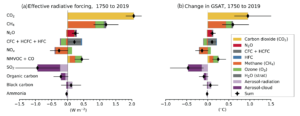
Superpollutants are greenhouse gases with high global warming potential (GWP). This means that each ton of these gases can trap much more heat in the atmosphere than a ton of CO₂.
Methane (CH₄), for example, warms the planet about 80 times more than CO₂ over a 20-year period. Other short-lived GHGs, such as HFCs used in refrigeration, can be thousands of times more potent per ton than CO₂.
Unlike CO₂, which can stay in the atmosphere for centuries, many short-lived GHGs break down much faster. Reducing them can deliver significant cooling benefits in the near term due to their high potency and short lifespan.
Scientists say that superpollutants, like methane and black carbon, cause almost half of all global warming observed so far.

How Google’s Bold Pledge Fits Into Broader Climate Goals
Google will spend $50 million to fund projects that remove short-lived GHGs worldwide by 2030. The company plans to back initiatives that make a real difference for the climate. It also aims to help more companies and governments take similar steps.
The pledge focuses on both methane and fluorinated gases, which come from sources such as:
- landfills and waste operations
- refrigeration and air-conditioning systems
- industrial leaks and fuel systems
This funding boosts the tech giant’s climate work. It includes buying carbon removal and investing in clean energy.

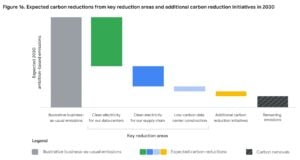
The company aims to reach net‑zero emissions across all operations and its supply chain by 2030. This includes running on carbon‑free energy 24/7 and cutting emissions from data centers, offices, and supply chains.
By 2024, Google’s data centers ran on an average of 64% carbon‑free energy, even as electricity use grew 27% due to AI and other services. The company has also avoided 44 million tonnes of CO₂-equivalent emissions since 2011 through renewable energy and efficiency measures.


In 2024, Google added 2.5 GW of clean energy from new projects and signed contracts for 8 GW more, the largest annual total in its history. These projects include geothermal and nuclear SMRs in Asia and the U.S.
- SEE MORE: After $102B Quarter Revenue and Record Stock, Google Turns to Nuclear to Power the AI Boom
The $50 million superpollutant pledge complements these efforts. Reducing superpollutants gives fast climate benefits while Google continues long-term CO₂ reductions and clean energy expansion.
Partnership Power: Corporates Team Up for Global Impact
Google is not acting alone. A group of top global companies, including Amazon, Salesforce, Autodesk, Figma, JPMorgan Chase, and Workday, launched the Superpollutant Action Initiative with Google. They will invest $100 million through 2030 to reduce superpollutants.
The initiative will fund high-impact projects worldwide that cut these short-lived but potent pollutants. The goal is to deliver climate, health, and economic benefits while accelerating progress where it’s most needed.
The tech giant has also signed partnerships with third‑party organizations that focus on reducing these planet-warming GHGs.
In 2025, Google teamed up with Recoolit and Cool Effect. Their goal is to cut over 25,000 tons of superpollutants by 2030. These partnerships focus on capturing and destroying harmful gases. This includes HFCs from cooling systems in Indonesia and methane from landfills in Brazil.
- READ MORE: Google Bets Big on Next-Gen Nuclear and Carbon Credits from Superpollutants For a Greener AI
Recoolit, an Indonesian company, has partnered with Google. They will sell 250,000 carbon credits. These credits come from destroying refrigerant gases found in HVAC systems.
Moreover, Google and its partners backed a project with Vaulted Deep. This project aims to permanently remove 50,000 tonnes of CO₂ and methane emissions. They use technology that injects organic waste underground for storage.
The tech giant’s partnerships aim to reduce superpollutants. They also strengthen the science behind measuring and certifying these efforts.
Near‑Term Impact, Long‑Term Strategy
Climate scientists emphasize that reducing the pollutants can produce rapid climate benefits. Because these gases are potent but short‑lived, cutting them can slow warming quickly, within years rather than decades.
Analysts and climate assessments show that cutting methane quickly can slow warming. Some studies suggest that strong reductions could lower global temperature rise by about 0.4–0.5 °C by 2050. This is compared to a scenario without these cuts.

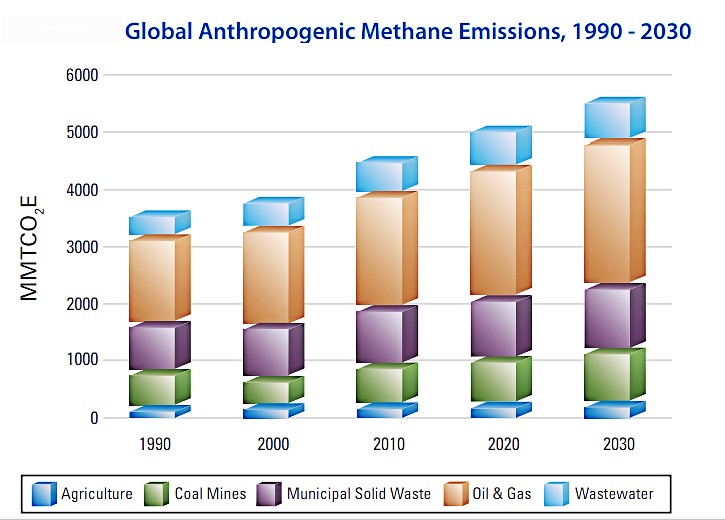
A peer-reviewed study found that cutting global methane by 40% by 2050 could lower warming by about 0.4 °C by mid-century. Bigger reductions might push this down to 0.5 °C during that time.
Superpollutant mitigation also has public health benefits. Methane and black carbon contribute to ground‑level ozone and air pollution, which can cause respiratory and cardiovascular issues. Cutting them can improve local air quality while also addressing climate change.
Google and its partners plan to track and report the impact of funded projects regularly. The Superpollutant Action Initiative will work with scientists and research groups. They aim to create global plans to boost action.
Markets and Money: Carbon Credits Meet Corporate Action
Google’s pledge comes at a time of rising corporate climate commitments worldwide. Many companies are boosting their spending on carbon credits. They are also investing in carbon removal technologies and emissions measurement tools.


Many corporate climate efforts aim to cut CO₂ emissions. However, superpollutants are now in the spotlight. Reducing them can quickly improve the climate, while also supporting long-term CO₂ strategies.
Compliance systems like emissions trading schemes now also recognize the role of powerful greenhouse gases beyond carbon dioxide.
Google teaming up with big companies shows that corporate collaboration on climate issues is increasing. This group aims to scale funding and knowledge sharing on superpollutants at a global level.
A Tactical Move for Near‑Term Climate Impact
Google’s $50 million pledge to reduce the GHGs through 2030 highlights a growing focus on near-term climate action.
Superpollutants, though short-lived, have outsized warming effects that make them a critical target for climate mitigation. Google and its partners fund elimination projects and work with experts and non-profits. They aim to speed up progress on global warming beyond what CO₂ reductions can achieve alone.
This initiative also reflects corporate climate strategy trends. As markets for carbon credits and climate solutions expand, companies are committing capital and resources beyond traditional carbon focus areas. In doing so, they aim to bring scalable, measurable progress in areas that can deliver both immediate and long-lasting climate benefits.
- FURTHER READING: Meta, Amazon, Google, and Microsoft Dominate Clean Energy Deals as Global Buying Slips in 2025
The post Google Pledges $50M to Fight Superpollutants by 2030: A Near-Term Climate Game Changer appeared first on Carbon Credits.