Carbon Footprint
Global EV Sales Set to Hit 50% by 2030 Amid Oil Shock While CATL Leads Batteries


The global electric vehicle (EV) market is gaining speed again. A sharp rise in oil prices, triggered by the recent U.S.–Iran conflict in early 2026, has changed how consumers think about fuel and mobility. What looked like a slow market just months ago is now showing strong signs of recovery.
According to SNE Research’s latest report, this sudden shift in energy markets is pushing EV adoption faster than expected. Rising gasoline costs and uncertainty about future oil supply are driving buyers toward electric cars. As a result, the EV transition is no longer gradual—it is accelerating.
Oil Price Shock Changes Consumer Behavior
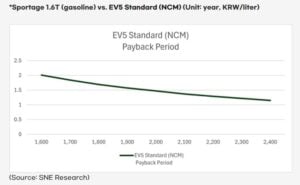
The conflict in the Middle East sent oil markets into turmoil. Gasoline prices jumped quickly, rising from around 1,600–1,700 KRW per liter to as high as 2,200 KRW. This sudden spike acted as a wake-up call for many drivers.
Consumers who once hesitated to switch to EVs are now rethinking their choices. High and unstable fuel prices have made traditional gasoline vehicles less attractive. At the same time, EVs now look more cost-effective and reliable over the long term.
SNE Research noted that even if oil prices stabilize later, the fear of future spikes will remain. This uncertainty is a key driver behind early EV adoption. People no longer want to depend on volatile fuel markets.
EV Growth Forecasts Get a Major Boost
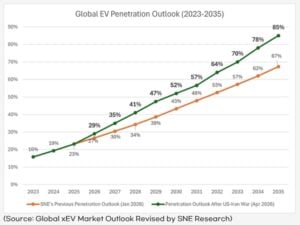
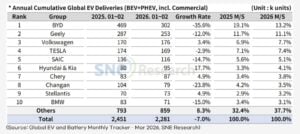
SNE Research has revised its global EV outlook. The firm now expects faster adoption across the decade.
- EV market penetration is projected to reach 29% in 2026, up from an earlier estimate of 27%.
- By 2027, the share could jump to 35%, instead of the previously expected 30%.
- Most importantly, EVs are now expected to cross 50% of new car sales by 2030, earlier than prior forecasts.




The post Global EV Sales Set to Hit 50% by 2030 Amid Oil Shock While CATL Leads Batteries appeared first on Carbon Credits.