This is where it all starts: before panels, inverters, or roof space are even discussed, the most important piece of the puzzle is your energy usage, not just how much you use, but when you use it.
Most businesses start by looking at their electricity bill and focusing on the total kilowatt-hours (kWh) used per month or year.
While that number matters, it’s only part of the story. Look beyond the total kWh because, for solar, the timing of your energy use is critical.
Consider an office, manufacturing facility, medical centre, or retail business that uses most of its electricity between 9 am and 4 pm; it is far more “solar-friendly” than one that uses most of its power overnight, such as cold storage or 24/7 operations.
Daytime vs After-Hours Usage
Before installing solar in your commercial property, ask yourself these:
- Are your main operations running during daylight hours?
- Do heavy machines, HVAC systems, or production lines operate while the sun is up?
- Does usage drop significantly after business hours?
The more energy you use during the day, the more of your business solar power you’ll consume directly, which is where the biggest savings are.
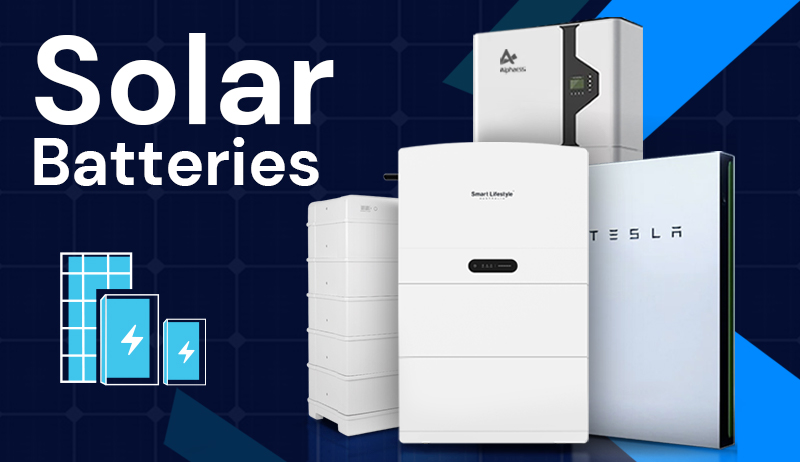
However, in some cases, exporting excess energy back to the grid is beneficial, but feed-in tariffs are usually much lower than what you pay for electricity. For greater financial outcomes, it’s better to install battery storage.
Interval Data: A Standard Method
In Australia, for a proper load analysis, solar professionals typically review interval data, typically 15 or 30 minute usage from your electricity retailer.
This data shows your:
- Daily load patterns
- Peak demand times
- Seasonal variations like summer vs winter
This level of detail allows system sizing to be tailored specifically to your business, rather than depending on rough averages.