Climate Change
Broken debt system must be fixed to confront future climate shocks

Mae Buenaventura is the manager of the debt justice programme of the Asian Peoples’ Movement on Debt and Development, a regional alliance of peoples’ movements, community organizations, coalitions, NGOs and networks
A potentially historic shift in public debt governance is set to unfold in Washington DC this week as Global South governments take a collective stand to stop a “silent killer” of development financing.
The first-ever UN-hosted borrowers’ forum will officially be launched on April 15 on the sidelines of the 2026 Spring Meetings of the International Monetary Fund (IMF) and the World Bank. Led by five convening countries – Zambia, Egypt, Nepal, the Maldives and Pakistan – the initiative is one of the key wins of last year’s 4th Financing for Development Conference (FFD4) in Sevilla, Spain.
The forum’s mandate is to establish a platform for borrower countries, supported by a UN secretariat, “to discuss technical issues, share information and experiences in addressing debt challenges, increase access to technical assistance and capacity-building in debt management, coordinate approaches and strengthen borrower countries’ voices in the global debt architecture”.
Instead of facing lenders alone, these countries will now use a UN-backed platform to share technical expertise and coordinate their approach to a global debt system that is fundamentally broken.
Debt grips climate-vulnerable nations
The human cost of the current debt architecture is staggering. According to the UN trade and development agency, UNCTAD, more than 40% of the global population – roughly 3.4 billion people – live in countries where the government is forced to spend more on debt payments than on the health, education and social protection of its citizens.
In so-called low-income countries, governments spend an average of 7.5% of their total budgets on debt service, with interest payments consuming up to 20% of total government revenue in these regions.
The Philippines is a case study in this financial stranglehold. It is part of a global majority forced to watch its public services crumble and infrastructure lag while its wealth is siphoned off to satisfy foreign lenders.
The policy of automatic appropriations – a legacy of the rule of late former President Ferdinand Marcos Sr. – mandates that debt servicing takes precedence over any other public expenditure, effectively placing the demands of lenders above the needs of the Filipino people. Even as it faces a $1.5 trillion regional financing gap to achieve the Sustainable Development Goals (SDGs) by 2030, its hands remain tied by a legal framework that values credit ratings over human lives.
-
GEF raises $3.9bn ahead of funding deadline, $1bn below previous budget
Amid aid cuts, donor governments pledge less nature and climate funding to the Global Environment Facility (GEF), with the four-year package to be finalised in late May -
Charging worries, high prices put brakes on EV growth in Bangladesh
Sales of e-bikes and rickshaws are up amid queues at fuel stations, but a lack of charging infrastructure and high prices still deter many Bangladeshis from going electric



As a “middle-income country” (MIC), the Philippines is stuck in a frustrating purgatory. It is often deemed “too wealthy” for the G20’s debt-relief framework, yet too poor to absorb global economic shocks. Last year, Finance Undersecretary Joven Balbosa hit the nail on the head when he called for support that goes “beyond the simplistic income categorization” that ignores a country’s actual vulnerabilities.
Without an inclusive and equitable global debt architecture, nations including the Philippines are left to navigate catastrophic climate risks and economic shocks with zero fiscal breathing space.
No respite during climate disasters
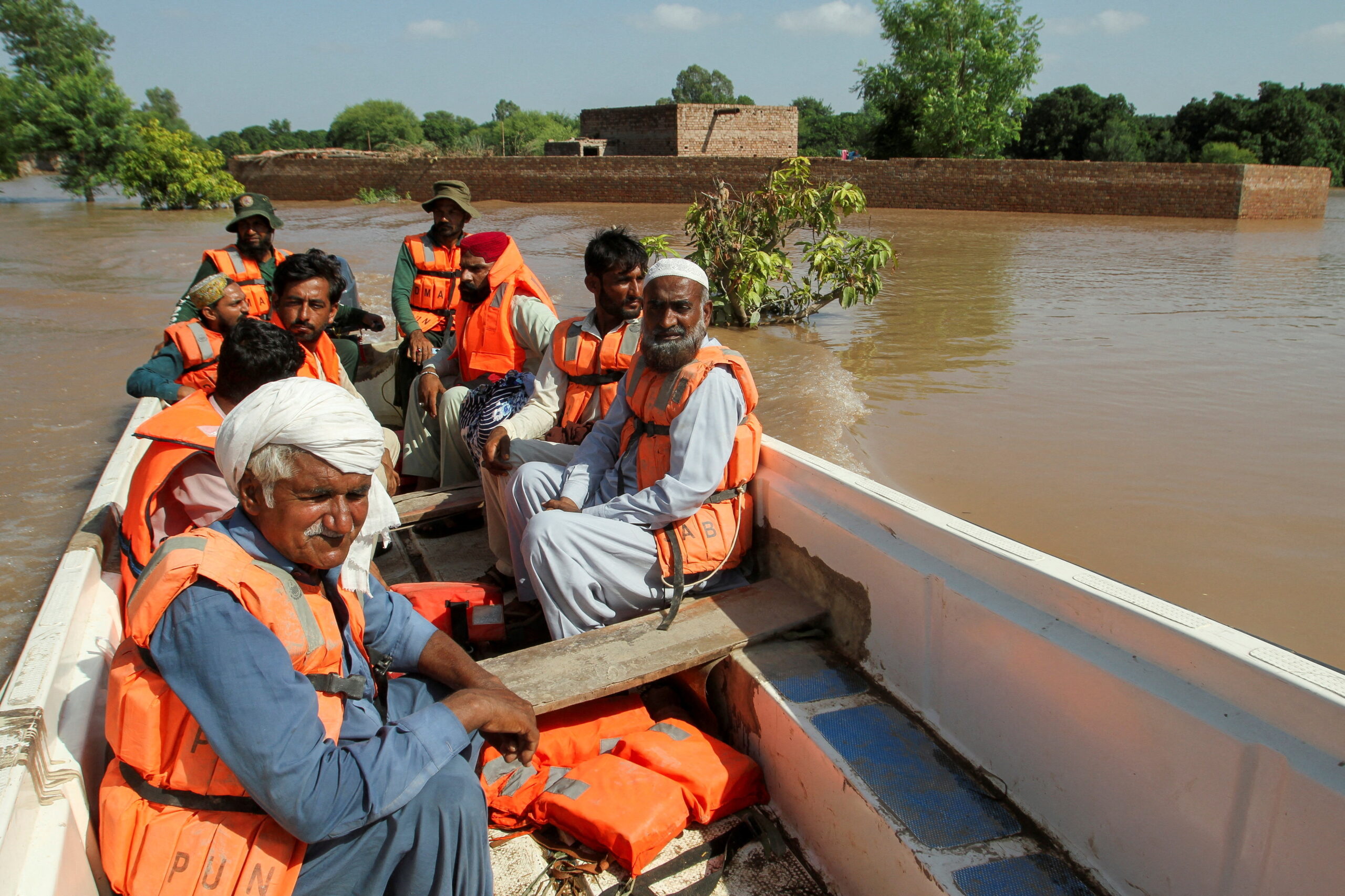
The regional evidence of this systemic failure is everywhere. Take Pakistan, which in 2022 was hit by catastrophic flooding that submerged a third of the country and caused billions in losses. Despite this climate-driven disaster, World Bank data shows that Pakistan made payments in 2023 of $11.8 billion for public and publicly guaranteed (PPG) external debt, while its PPG external debt reached $93 billion that same year, surpassing pre-pandemic debt of $87 billion (2020).
Sri Lanka followed IMF prescriptions throughout 16 lending programs since 1991, only to become the first Asian country this century to default. Its MIC status prevents application for debt relief and restructuring measures. Today, the Sri Lankan people bear the brunt of harsh conditionalities, including raising VAT from 8% to 15%, slashing food and fuel subsidies, and the erosion of hard-earned worker pensions.

Currently, the global rules of lending and borrowing are set by a “creditors’ club” composed of the IMF, the World Bank and the Global Sovereign Debt Roundtable it set up, and the Paris Club.
These institutions measure “debt sustainability” through a narrow lens of a country’s capacity to make timely repayments. They largely ignore internal economic inequalities, gender disparities and the existential threat of climate change.
Crises should trigger debt service cancellation
By organising the new borrowers’ forum, the Global South is signalling that the era of passive “standard-setting” by lenders is over.
The ultimate goal for global civil society and debt justice movements is the establishment of a UN Debt Convention; a democratic, binding and inclusive framework that governs both lenders and borrowers. This mechanism would ensure that debt restructuring and cancellation are sufficient to allow countries to fulfill their international human rights obligations and implement necessary climate actions.
Green Climate Fund picks locations for five developing country hubs
To be truly transformative, debt sustainability analyses must align with human rights and sustainable development needs. This means conducting impact assessments – both before and after loans are issued – to identify “illegitimate” debts that do not benefit the public.
Crucially, we need an automatic debt service cancellation mechanism that triggers during extreme climatic, environmental or health shocks. We also need a binding global debt registry to ensure that every loan is transparent and subject to public scrutiny.
Whether the borrowers’ forum becomes a true milestone depends on its courage to challenge the status quo. We can no longer allow debt to act as a “silent killer” of our future. It is time to demand a financial system that serves humanity, not just the balance sheets of the powerful.
The post Broken debt system must be fixed to confront future climate shocks appeared first on Climate Home News.
Broken debt system must be fixed to confront future climate shocks