

In 2018, devastating rains hit Mike Tidwell’s community of Tacoma Park, Maryland, leading to a loss of tree canopy the following year unparalleled in the city’s history. After the torrential rainfall, Tidwell went on a kind of detective’s quest to find out what was killing the trees of Willow Avenue and elsewhere in Tacoma Park, and to try to connect the dots to climate change.
“One theory is that the ground was soaked for so long that it triggered the explosion of a latent underground mode called Phytophthora,” he said. “It forced the trees to begin borrowing nutrients and carbohydrates stored in their trunks.”
As a result, ambrosia beetles began to attack the weakened trees.
“When the tree started to die in 2019, everyone in this neighborhood was aware of it. You could not not be aware of it,” he said.

Tacoma Park resident Pat Neill next to the remains of her gigantic willow oak. Mike Tidwell
A result of his observations and reportage is his new book The Lost Trees of Willow Avenue, which starts on his block and then expands into other parts of the state and the world. Tidwell writes about tree burial, solar reflection and the scourge of Lyme disease that is on the rise, and that he personally suffered from.
“I want to tell the story of climate change through the trees on my block,” he said. “By keeping a record for one year of the credible impacts of climate change on my one block, I was able to see in microcosm the same sort of impacts we’re seeing worldwide to humans and ecosystems from a warming planet.”
In the book’s first section, Tidwell writes about the emotional impact of losing the massive trees that provided a huge and cooling canopy for the neighborhood.
“There are literally hundreds of households in my little town of Tacoma Park who’ve lost a dear friend,” he said. “I could have written a whole chapter about just the ceremonies people organize when their tree dies.”

A tree stump at the home of the Miller family on Willow Avenue. Mike Tidwell
As he dug deeper into his neighborhood, Tidwell also became of aware of a local church building a flood berm due to a flooded basement from the incessant rainfall. Ironically, the church had solar panels on its roof.
“That just blew me away,” Tidwell said. Out of this, flooding became another story to tell in his book.
“I was starting to see cascading impacts of climate change on my block,” he said. “These moments of surprise and discovery and cascading events and interlocking narratives — I didn’t know I was going to find that out. But as I really paid attention for a year and a half on this really small area, it was clear that that was what’s happening.”
Recent books such as The End of Eden by Adam Welz, Hope Dies Last by Alan Weisman, and recent documentaries like Sea Change and Earth Protectors are exposing the drastic impacts of climate change on the hyperlocal – local impacts that in turn, affect the globe.
“Climate change has gotten so bad you could throw a dart at a spinning lacquer globe, and wherever that dart lands, you can write a whole book about that one little spot,” Tidwell said. “People may push back and say, how in the world could you claim that you can see climate change within a one or two square block area? I think it’s very compelling and parallels climate trends throughout the nation.”
Tidwell’s book is like a climate change memoir, exploring the topic through his own local story and observations, but also through scientists, activists and politicians. Another main character is Ning Zeng, a climate professor at the University of Maryland. Zeng is proposing burying dead and mature trees, a form of carbon sequestration, rather than letting them be turned into wood chips, or burned. Scientists have found that trees can store their carbon for thousands of years underground.

Mike Tidwell’s author photo
Tidwell also writes about “solar radiation modification,” an idea that entered the climate solutions dictionary more forcefully after the famous letter from climate scientists in 2023 that stated that drastic climate warming could no longer be reversed. To this end, Tidwell thinks that reflecting sunlight away from the Earth is a viable solution.
“The metaphor is if the actual tree canopy, the protective shade of trees is disappearing in our neighborhood, is there a way to create an artificial solar shade in the stratosphere? We just haven’t managed the clean energy transition fast enough,” he said. “If we can’t store the carbon, and we started the clean energy revolution too late, what other options do we have?
“But — any efforts by human beings to artificially cool the planet by reflecting sunlight away from the Earth must only be done after years of careful research and through an international process of deliberation and decision making,” he added.
In addition to solar reflections, he writes about the idea of putting sulfur dioxide into the atmosphere as another way to reduce global warming, like the cooling effect on the atmosphere after a volcano erupts.
“Dr. James Hansen says the world’s countries must come together to do research on how we might mimic the natural cooling effect created when volcanoes erupt and emit sulfur dioxide into the stratosphere,” he said. “The question is, can humans artificially emit sulfur into the stratosphere for a few decades, slightly cooling the planet enough to give us time to complete the clean energy revolution? That will take years of careful research and international debate and inclusive decision making.”
Tidwell, as director of both the Chesapeake Climate Action Network and the CCAN Action Fund and the author of books on coastal flooding, has dedicated the last two decades of his life to promoting clean energy solutions.
🌳 Tune into the latest @wdcgardener episode as author and climate activist Mike Tidwell shares the moving story behind his new book, "The Lost Trees of Willow Avenue." Discover why we're losing our trees & there’s still hope rooted in our communities.
🎧 Listen here: open.spotify.com/episode/7wbH…— Chesapeake Climate (@chesapeakeclimate.bsky.social) May 19, 2025 at 12:55 PM
Chesapeake Climate Action Network has had success in banning fracking in Maryland, stopping the Atlantic Coast pipeline, and helped pass legislation to help make offshore wind a reality. Of course, with the new Republican administration, some of these gains might be reversed in the short term. But Tidwell remains optimistic.
“Donald Trump can do whatever he wants right now. It’s not going to change the fact that half of all new cars in China are going to be electric this year,” he said. “It can’t change the fact that Australia is going to reach 80% clean electricity for the entire country by 2030. It’s not going to stop the fact that the European Union is reducing emissions every year. It’s not going to change the fact that California and New England states and Minnesota all have policies that are pretty dramatic in terms of clean energy transition.”
The post All Climate Change Is Local: A Story of Tacoma Park’s Trees With Author Mike Tidwell appeared first on EcoWatch.
https://www.ecowatch.com/mike-tidwell-trees-of-willow-avenue-ecowatch.html

When it comes to establishing a “natural” skincare routine there are a few relatively simple swaps you can make: shampoo, skincare, deodorant, makeup and makeup remover — but, there’s one category that most people tend to struggle with and that’s non-toxic and eco-friendly perfume.
In this post, Madeleine of The Wise Consumer dives into what fragrance really is, if we should avoid all perfumed products, and how one goes about selecting an eco-conscious and natural perfume!
What is Fragrance Anyway?
For years I avoided any kind of perfume, eau de toilet, or spray — not because I didn’t love these kinds of products but because I was intentionally trying to avoid anything fragranced. And perfume is, in a word, just that — fragrance.
But what is “fragrance” actually?
As you’re most likely aware, fragrance is used to make things smell better, to mask unwanted odors, or to give something a more pleasant smell. According to the International Fragrance Association (IFRA), “fragrance is a chemical mixture that has a smell or odor…The mixtures that make a fragrance may include natural aromatic raw materials, obtained from plants using distillation, expression, and extraction, or synthetic materials.”
And, fragrance is everywhere!
It’s in our shampoo, our deodorant, candles, cleaning products, laundry detergents, and even in certain menstrual hygiene products. Sometimes, even “unscented” products can contain fragrance. As the FDA explains, this is because the manufacturer may add just enough fragrance to mask the unpleasant smell of other ingredients, without giving the product a noticeable scent. Like, I said, it’s everywhere.
As a whole, the concept of fragrance isn’t bad. In fact, could you imagine how dull life would be without scents? I am the first to admit that I love soaking in a warm eucalyptus or lavender-scented bubble bath. But, as a conscious consumer, I also like to know what ingredients are in my lavender-scented bubble bath, or any cosmetic product I use for that matter.
Unfortunately, when it comes to fragranced products it’s not always clear what chemical mixtures and ingredients go into making these scented products, even “naturally” fragranced products don’t always disclose their ingredients.
Why is the Ingredient “Fragrance” So Opaque?
Generally speaking, any cosmetic product sold to a consumer must display a list of ingredients. But according to the FDA, “under U.S. regulations, fragrance and flavor ingredients can be listed simply as “Fragrance” or “Flavor.”
This is because “fragrance and flavor formulas are complex mixtures of many different natural and synthetic chemical ingredients, and they are the kinds of cosmetic components that are most likely to be ‘trade secrets’”.
In a way, this makes sense. If a company spends hours of research, time, and money formulating the perfect fragrance for their product, they’re not going to want to disclose the list of ingredients that went into making that product.
But, this can be especially problematic for people with skin sensitivities and/or allergies.
If you’re allergic to a certain ingredient being used in the fragranced product but that ingredient isn’t disclosed, then it’s going to be much harder to know which products to avoid.
In these cases, the FDA recommends that you choose products that are fragrance-free, and check the ingredient list carefully.
Easier said than done seeing that, as I mentioned above, even unscented products can contain small amounts of fragrance to mask unpleasant odors!
As Made Safe shares, “without information about what ingredients actually make up a fragrance, it is difficult to understand the true extent to which our health is compromised by fragrance ingredients.”
This can get even more challenging if you’re extremely sensitive to certain fragranced products and their scents. Products such as laundry detergents, shampoos, cleaners, and body splashes make me nauseated and give me headaches. As it turns out I am not alone.
A 2016 study found that approximately 35% of the population studied reported health problems — such as migraine headaches and respiratory difficulties — when exposed to fragranced products.
According to their research, “fragranced consumer products, such as cleaning supplies, air fresheners, and personal care products, are a primary source of indoor air pollutants and personal exposure….even those called green and organic emitted hazardous air pollutants.”
Not to mention that over the years certain fragranced products have been found to contain ingredients such as phthalates, synthetic musks, formaldehyde, and allergens, just to name a few, that have been shown to have negative health impacts, especially on pregnant women.
Are “Natural” Fragrance and Essential Oils Non-Toxic?
Even “natural” extracts, such as essential oils, can trigger allergic reactions and skin sensitivities. In fact, according to the Environmental Working Group, certain essential oils, such as several citrus oil extracts or rose flower oil, which the European Commission has categorized as established allergens, “may trigger an allergic reaction after a few contacts or can cause someone to develop an allergy over a longer period of time”, EWG reports.
Additionally, a 2018 study found that essential oils, similar to certain synthetic fragrances, have also been found to emit numerous volatile organic compounds (VOCs).
According to the report, “some of these VOCs are considered as potentially hazardous under federal regulations. However, essential oils are exempt from disclosure of their ingredients on their label. Thus, the public may lack information on emissions and potential hazards from essential oils.”
What I’ve learned over the course of my research is that sometimes a synthetic ingredient may actually contain fewer allergens than a “natural” ingredient. As discussed in a previous post about non-toxic skincare, the word natural doesn’t always mean better.
And, when it comes to fragrance, the Breast Cancer Prevention Partners shares, “It is important that companies look for safer alternatives where available and report all ingredients in their fragrances, both natural and synthetic, so that consumers are able to avoid potential allergic reactions and other health consequences.” We can all agree on that!
The good news is today more perfume brands are creating products that are not only free of potentially harmful ingredients but that are also eco-friendly, ethically manufactured, and, best of all, provide complete ingredient transparency so consumers can know what they’re buying!
How to Choose a Non-Toxic and Eco-Friendly Perfume
Check the brand’s website for a list of ingredients. What ingredients are being used? Are the ingredients safe? Are they phthalate-free?
If you have any concerns or doubts about a specific ingredient you can always get more information on the EWG Skin Deep Database.
If the brand doesn’t list the ingredients on their website, feel free to contact them directly and ask them to share their list of ingredients with you. If they don’t, it may be time to find an alternative brand.
Ideally, an eco-friendly perfume brand will not only be transparent about its ingredients as well as conform to IFRA guidelines but will also focus on low or zero waste packaging and ethical manufacturing.
To help save you time on your hunt for a sustainably-made non-toxic perfume, check out the brands below!
Editor’s note: this guide includes affiliate links, which means we may earn a small commission if you choose to make a purchase through these particular links. As always, all product and brand selections meet rigorous standards for sustainability and are brands we genuinely love — and that we think you’ll love too!
The Best Eco-Friendly Perfume Brands
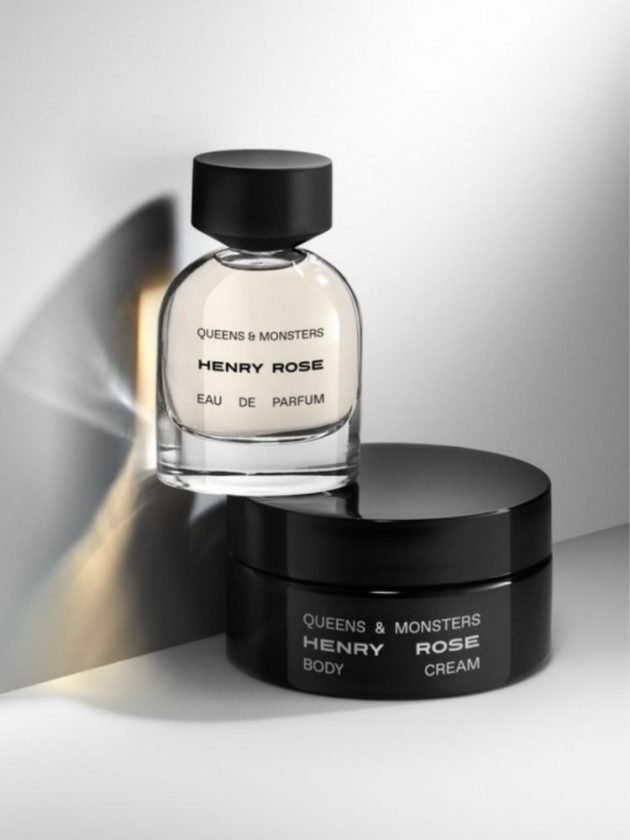
1. Henry Rose
This sustainable perfume brand provides an array of fragrances that are EWG and Cradle to Cradle Certified. Henry Rose perfumes are made of a combination of both safe synthetics and natural ingredients and are free of harmful ingredients such as phthalates, formaldehyde, and styrene. This nearly zero waste perfume brand also uses 90% recycled and 100% recyclable packaging.
Conscious Qualities: 100% Ingredient Transparency, EWG-Verified, Cradle to Cradle Certified (Gold), Eco Packaging, Gives Back
Scent types: Clean, Smooth, Spicy, Earthy
Price: $$
2. PHLUR
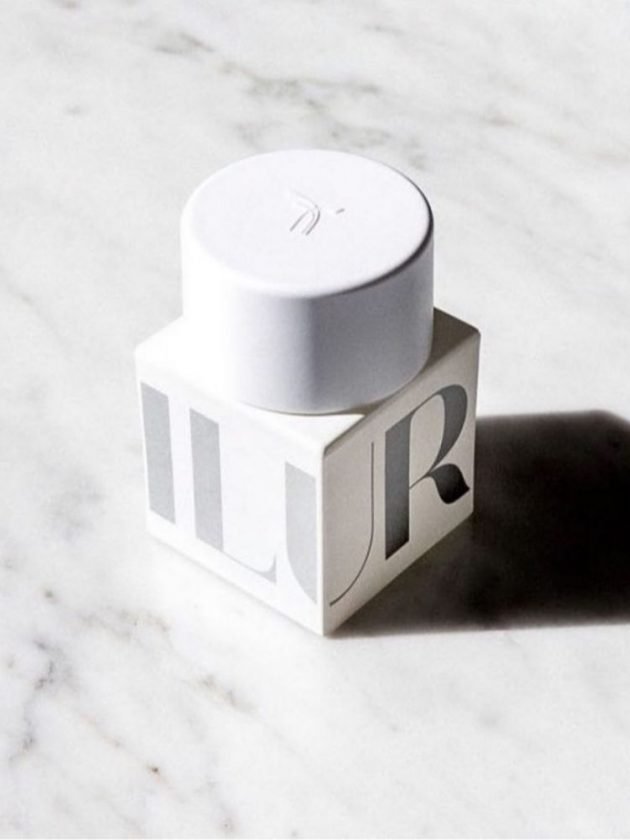
This certified B-Corp and eco-friendly perfume brand crafts their fragrances using only clean and safe ingredients. In fact, they vow to never use materials listed on the International Union for the Conservation of Nature’s Red List of threatened plants so as to ensure that their ingredients are always responsibly sourced. PHLUR is fully transparent about the ingredients used within their fragrances, both botanical and synthetics.
Conscious Qualities: 100% Ingredient Transparency, Gives Back, Recycled Packaging, Made Safe Supporter
Scent Types: Floral, Crisp and Fresh, Spicy
Price: $$
Check it Out: PHLUR | Credo Beauty | Sephora
3. One Seed
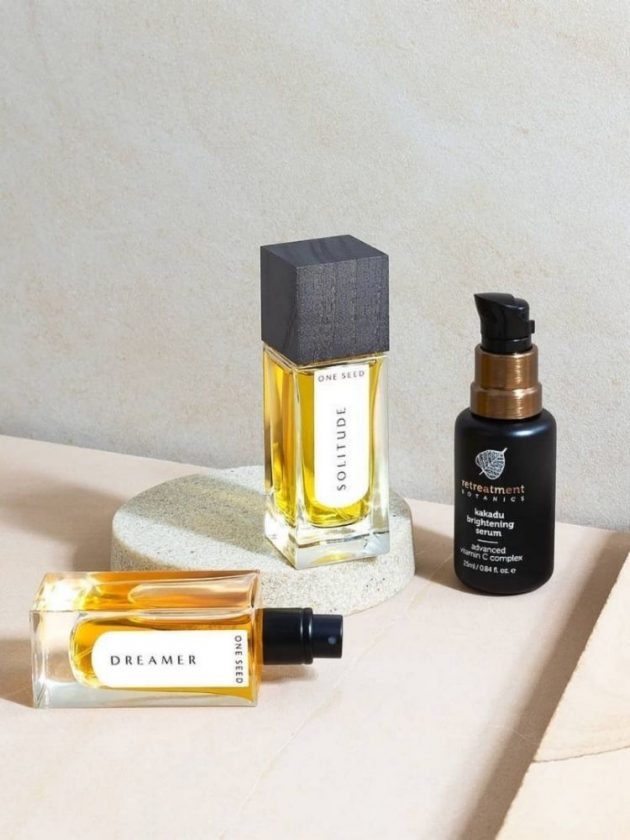
One seed makes honest natural and eco-friendly perfume from plants and tells you exactly what’s in it. Fully transparent about their ingredients, One Seed, uses no synthetic ingredients and is packaged in recyclable and reusable materials. In addition to working closely with their suppliers to ensure all their ingredients and materials are sustainably sourced. One Seed also offers customized fragrance blends of their sustainable perfume!
Conscious Qualities: 100% Ingredient Transparency, Only Natural Ingredients (80% Organic), Eco Packaging, Gives Back
Scent Type: Woodsy, Floral, Fresh, Warm
Price: $$
Check it Out: One Seed | Nourished Life
4. Leland Francis
Reviewed by CL&S Editor Elizabeth Joy
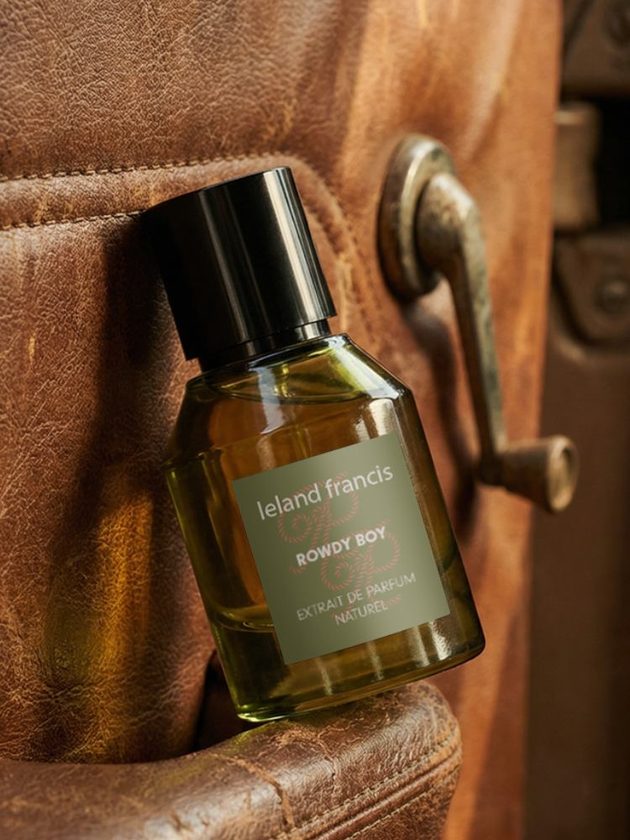
Crafted in small batches in Los Angeles with full ingredient transparency, Leland Francis fragrances are made entirely with plant-derived ingredients. Any sprays are blended with organic sugarcane alcohol.
When I read the scent profile of their fragrance, Rowdy Boy — made in collaboration with a queer-owned farm in Oklahoma City — of bergamot, clary sage, sandal wood, and vetiver, I was in. Their fragrances are unisex, but this one is an extrait de parfum which is more intense, so it was a better fit for my husband. We both love the scent!
Conscious Qualities: Cruelty-Free, Ingredient Transparency, 100% Naturally Derived Scent
Scent Type: Woody & Warm, Earthy, Herbal
Price: $$
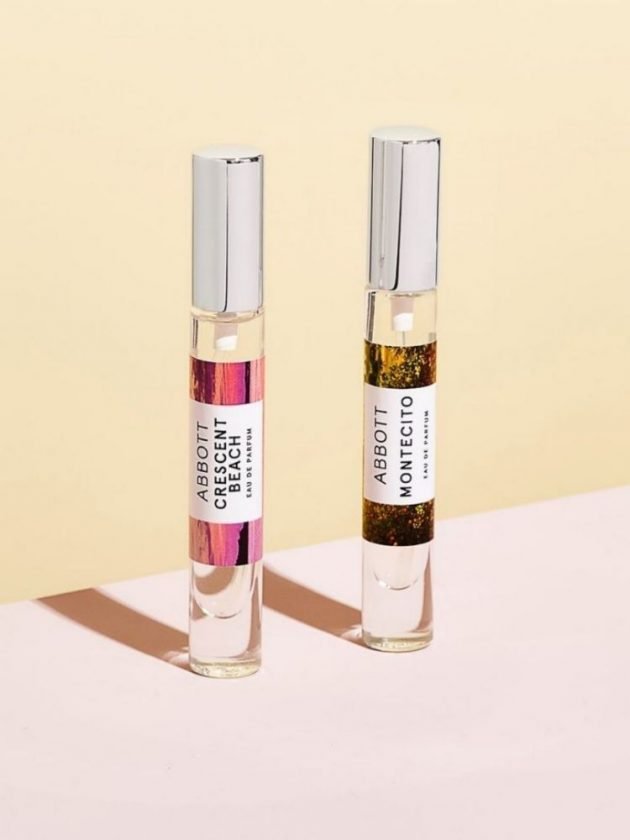
5. Abbott
Abbott’s eco-friendly perfume is made using the cleanest conscious ingredients. These unisex fragrances are free of parabens, phthalates, sulfates, and other questionable ingredients. Carefully crafted using a mixture of natural and synthetic ingredients, Abbott discloses a full list of their ingredients on their website. Plus, their ingredients are sustainably sourced and they work closely with their suppliers to produce eco-minded packaging.
Conscious Qualities: 100% Ingredient Transparency, Vegan & Cruelty-free, Sustainably-Sourced Ingredients, Recyclable Packaging, Gives Back
Scent Type: Cool and Crisp (with a hint of spice), Fresh, Citrus, Floral
Price: $$
Check it Out: Abbott | Credo Beauty
6. The 7 Virtues
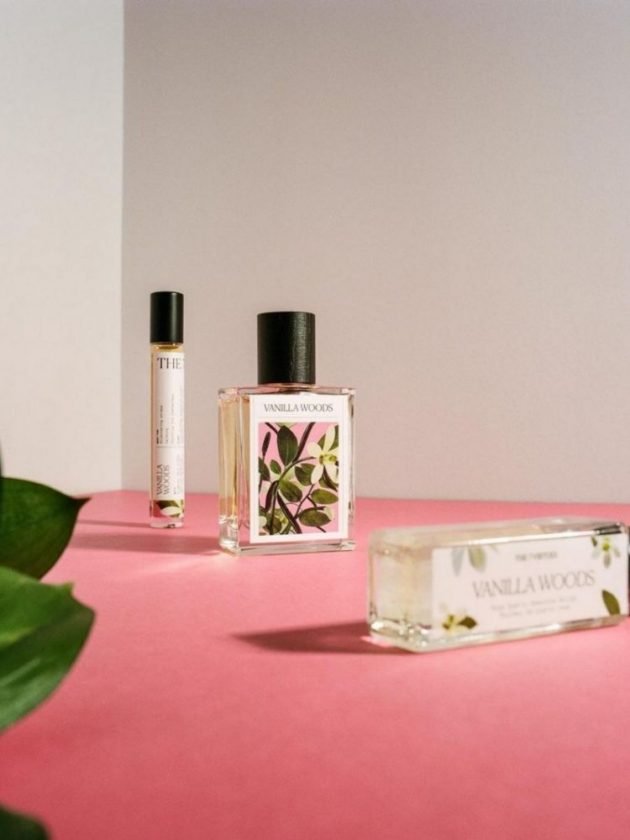
This fragrance brand is more than a fragrance, “it’s a movement to use business for peace. 7V (The 7 Virtues), founded by Barb Stegemann, a former journalist who never set out to make perfume, is a fair-trade, ethically sourced, and eco-friendly perfume brand on a mission to provide alternatives for farmers in nations rebuilding after war and strife around the world. Ingredients are ethically sourced from countries such as Afghanistan, Haiti, Rwanda, and Iran. In addition, 7V uses only clean and natural ingredients and is transparent about ingredients used in each fragrance.
Conscious Qualities: Fair Trade and Organic ingredients, Ingredient Transparency, Supports Farmers, Cruelty-Free & Vegan
Scent Types: Warm, Spicy, Floral, Woodsy
Price: $$
7. DedCool
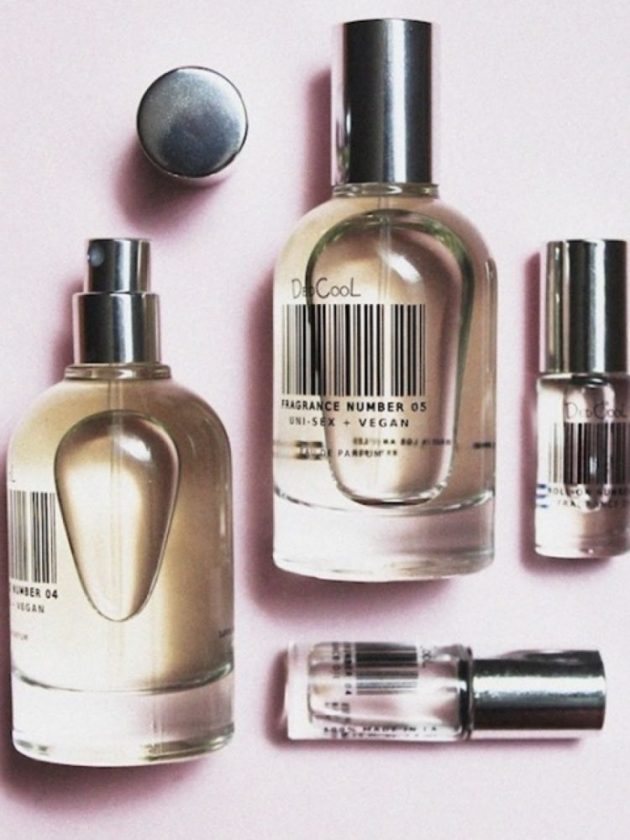
This LA sustainable perfume brand, founded by Carina Chaz, provides a variety of gender-neutral fragrances that are composed, crafted, filled, and packaged in reusable and recyclable glass bottles. Made in small batches, Ded Cool uses only safe synthetics and essential oils in their formulas and is free of carcinogens, harmful stabilizers and preservatives, and water, which many brands use to dilute their formulas.
Conscious Qualities: 100% Ingredient Transparency, Low Waste Packaging, Unisex Scents
Scent types: Citrus, Fresh, Light, Fruity
Price: $$
8. By Rosie Jane
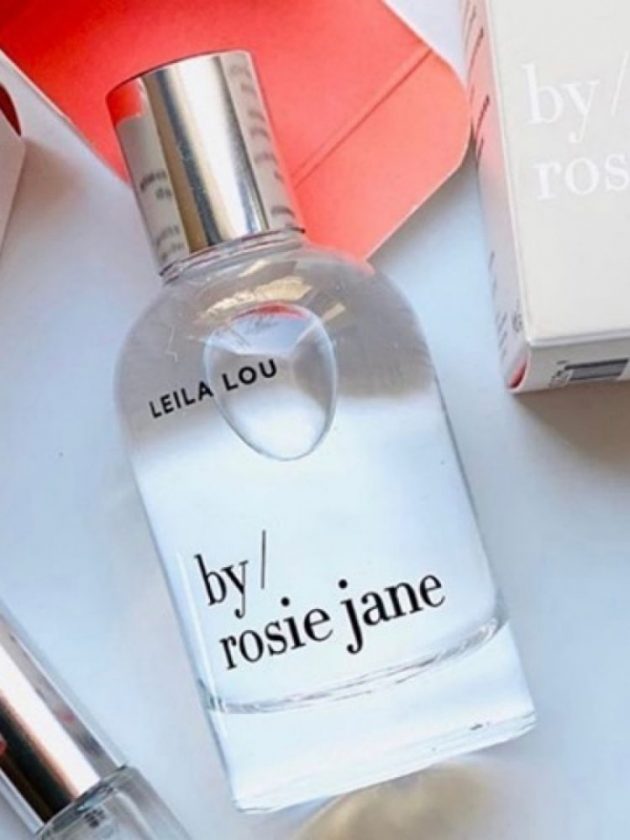
Handmade in Los Angeles, California by/Rosie Jane products are mixed and formulated using sustainably sourced safe synthetic and botanical ingredients. Free of endocrine-disrupting ingredients, by/Rosie Jane provides complete ingredient transparency and uses certified organic ingredients whenever possible. The sustainable perfume also comes in recyclable packaging made using wind power, vegetable-based inks, and responsibly-sourced paper.
Conscious Qualities: 100% Ingredient Transparency, Eco Packaging, Responsibly-Sourced Ingredients
Scent Types: Musky, Fresh, Floral, Vanilla
Price: $-$$
Check it Out: by/Rosie Jane | Credo Beauty | Sephora
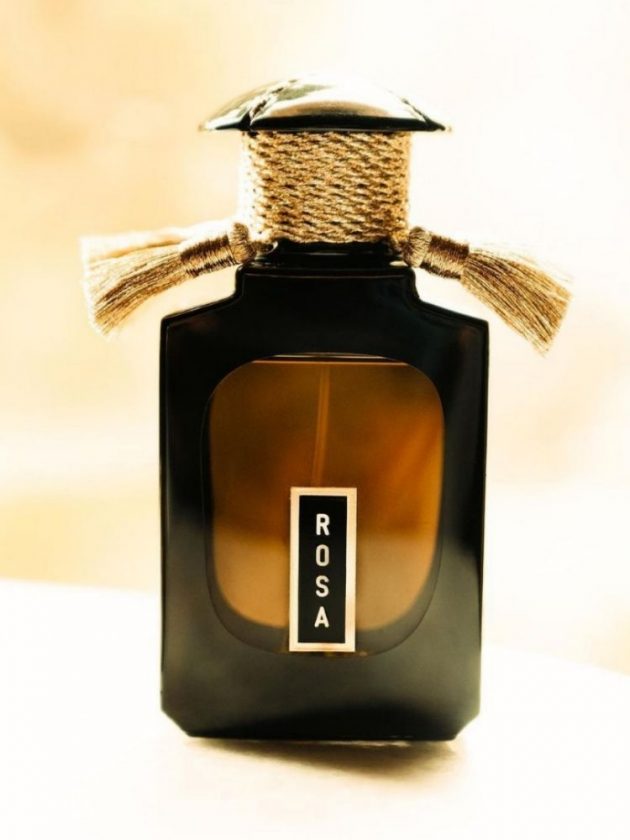
9 Cultus Artem
Handcrafted in small batches in the US, Cultus Artem’s eco-friendly perfume can be summed up in one word, elegant. These gender-neutral fragrances — which are free of BHA, BHT, color additives, ethanolamines (ETA, DEA, and TEA), formaldehyde, parabens, phthalates, and other questionable chemicals — undergo rigorous quality control and analysis. Cultus Artem values slow beauty and strives to reduce waste every step of the way, including in their packaging.
Conscious Qualities: Safe and Natural Ingredients, 100% Ingredient Transparency
Scent Types: Woodsy, Musky, Floral, Citrusy, Warm & Earthy
Price: $$$-$$$$
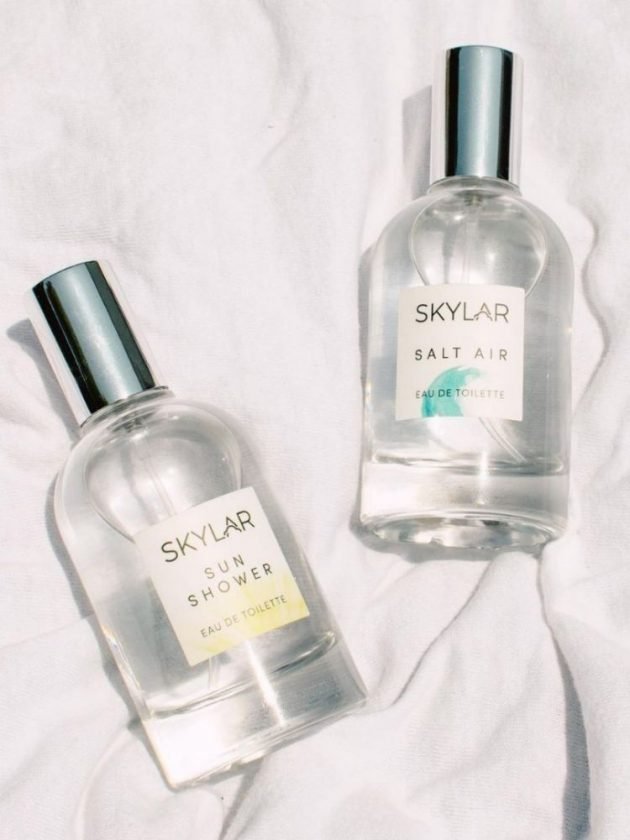
10. Skylar
On a quest for safe and clean scents, Skylar formulates their fragrances with the strictest standards, excluding questionable ingredients such as phthalates, formaldehyde, and synthetic dyes, amongst others. Skylar uses natural ingredients and lab-made ingredients to make their safe and hypoallergenic perfumes. They do not disclose their complete ingredient list, preferring to keep their proprietary formulas to themselves. However, they are happy to answer any questions you may have.
Conscious Qualities: Cruelty-Free, Vegan, Eco Packaging, Made in the US, Ethically-Sourced
Scent Type: Citrus, Dewy, Fresh, Floral, Warm
Price: $$
A few more eco-friendly perfume brands:
Clean Beauty: Formulated using sustainably and ethically sourced farm-to-fragrance ingredients. Partners with companies supporting small farming communities around the world. Free of ingredients such as phthalates, acetone, synthetic colors, and more! Eco-friendly packaging.
Maison Louis Marie: This eco-friendly perfume brand does not use any toxic or environmentally harmful ingredients. They use both naturally sourced ingredients and safe synthetics so as to protect the planet from over-harvesting of endangered plants, to avoid animal products, and