Green Living
Where to Find Eco-Friendly Ergonomic Pillows
When we first published this guide in 2019, environmentally responsible ergonomic pillows were a niche category. Six years later, the market looks dramatically different, with changes both encouraging and concerning.
Consumer demand for sustainable sleep products has surged. The global sleeping pillow market, valued at roughly $15.5 billion in 2024, is projected to reach $24.3 billion by 2034, driven by the adoption of eco-friendly materials.
A Sustainable Furnishings Council survey found that 90 percent of consumers prefer eco-friendly products. Among pillow buyers, 62 percent prioritize sustainable materials such as organic cotton, natural latex, and recycled foam. Certifications have matured. GOTS and GOLS are now well-known benchmarks, giving shoppers clearer signals of true organic claims. New materials, such as organic kapok fiber and buckwheat-latex hybrids, have expanded choices beyond memory foam and down.
However, increased demand has also fueled more greenwashing. Research from the Silent Spring Institute found PFAS, toxic “forever chemicals” used for water- and stain-resistant properties, in products labeled “green” and “nontoxic,” including pillow protectors and children’s bedding. The Environmental Working Group found PFAS in 35 of 60 textile products tested, with bedding among the most contaminated. California’s AB 1817, effective January 2025, bans intentionally added PFAS in new textiles, including bedding, with more than 100 ppm (dropping to 50 ppm by 2027). Federal regulation remains inconsistent. The EPA’s 2024 PFAS water standards face rollback under the current administration, and enforcement gaps persist in most states.
With this mixed outlook, you need to look beyond marketing. Third-party certifications—GOTS, GOLS, OEKO-TEX Standard 100, MADE SAFE—are the most reliable eco indicators, not self-applied labels like “natural” or “eco.” Avoid any “stain-resistant” or “water-repellent” claims unless PFAS-free status is independently verified. For more on how to spot greenwashing, see Earth911’s guide.
This article includes affiliate links. If you buy something through these links, we earn a small commission that helps support our work.
What this means for pillow shoppers
Mattresses and pillows can affect your comfort throughout the day. If you’ve had whiplash or have spinal issues, talk to your doctor about the best pillow for you. For everyday aches, there are plenty of eco-friendly ergonomic pillows to choose from.
No matter if they’re called ergonomic, orthopedic, chiropractic, contour, or cervical, these are the most eco-friendly pillows we found for neck and back pain.
Holy Lamb Organics
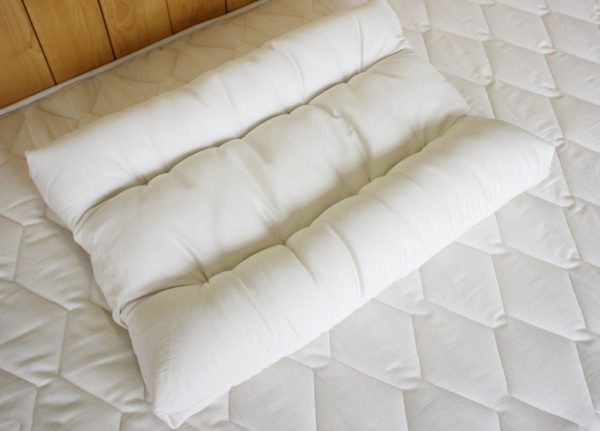
Holy Lamb Organics continues to handcraft pillows in Oakville, Washington. Their All-Natural Orthopedic Neck Pillow ($199), designed by a chiropractor, has a thin center channel and two neck bolsters, one thick and one thin. It uses Eco Wool, which is a good option for people who find memory foam too warm. Holy Lamb also offers Certified Organic Wool Bed Pillows made with GOTS-certified New Zealand wool and organic cotton. All products are shipped in plastic-free packaging.

White Lotus
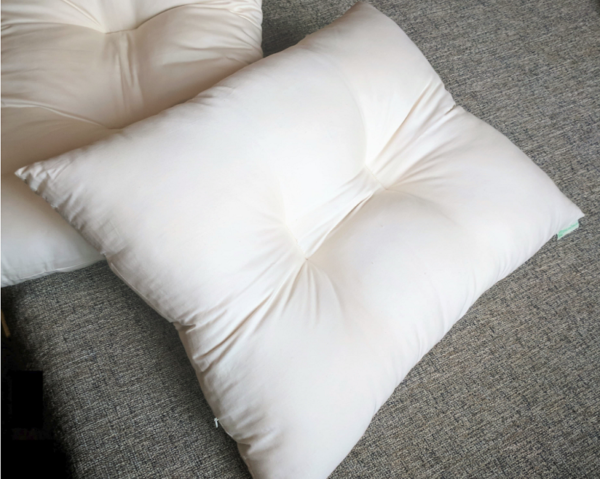
White Lotus Home makes the KaPillow, a contour pillow filled with kapok and designed with a half-seam so the center is shallower than the sides. It’s adjustable, so you can add or remove stuffing to get the firmness you want. Their buckwheat hull pillow is a petroleum-free alternative to memory foam and uses certified organic materials.

Organic Textiles
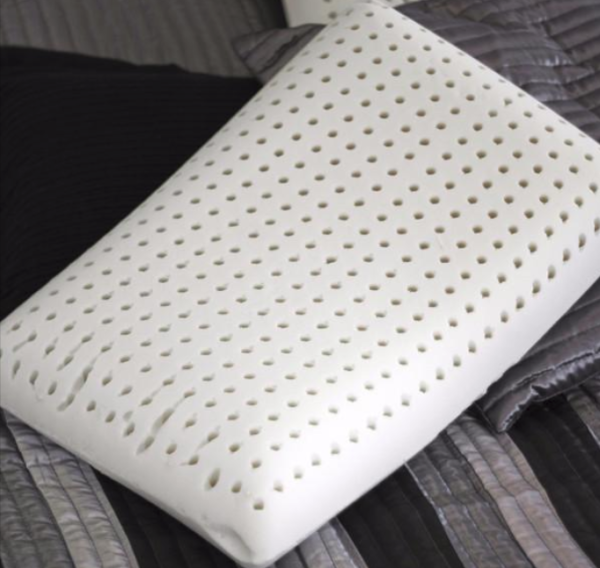
Organic Textiles still offers its GOLS-certified organic latex contour pillow, now in both high-loft and low-loft versions, all with organic cotton covers. The ergonomic design supports the natural curve of your neck for better alignment, and the pillows come in medium-firm density, making them good for both side and back sleepers.

Organic Textiles
Organic Textiles still offers its GOLS-certified organic latex contour pillow, now in both high-loft and low-loft versions, all with organic cotton covers. The ergonomic design supports the natural curve of your neck for better alignment, and the pillows come in medium-firm density, making them good for both side and back sleepers.
Savvy Rest
Savvy Rest still makes its medium-firm Dunlop latex contour pillow, which has a high, rounded edge and a center hollow to cradle your head. All their pillows use unbleached, naturally colored organic cotton covers. The product line now includes eight pillow styles: four formed natural latex and four customizable loose-fill options, such as shredded latex, organic wool, wool-latex blend, and organic kapok.
Snuggle-Pedic
Snuggle-Pedic still offers its popular adjustable shredded memory foam pillow on Amazon. The bamboo cover and CertiPUR-US certified foam are better than conventional options, but Snuggle-Pedic’s pillows are not fully organic since the foam is still petroleum-based. If you want truly organic materials, look for natural latex or wool pillows from the other brands listed here.

Avocado Green Pillow
Avocado is now one of the most thoroughly certified organic pillow brands. Their vegan pillows are handmade in Los Angeles. The Green Pillow combines GOLS-certified organic shredded latex and GOTS-certified organic kapok tree fiber inside an organic cotton quilted cover. It’s adjustable, with a zipper so you can add or remove fill, and comes with extra fill for customization. Certifications include GOTS, OEKO-TEX Standard 100, MADE SAFE, and GREENGUARD Gold for low emissions.

Naturepedic Organic Side Sleeper Pillow
Naturepedic puts a lot of ergonomic design into their organic pillows. The Organic Side Sleeper Pillow has a special curve to fill the space between your shoulder and head, with GOLS-certified shredded latex fill and a GOTS-certified organic cotton stretch-knit cover. You can adjust the loft using the zipper.
Naturepedic also has an Adjustable Latex Pillow and a 2-in-1 design with both quilted and stretchy sides. All their products are handmade in Ohio and are free from polyurethane foam, flame retardants, and PFAS.
PineTales Buckwheat Pillows
PineTales brings back the traditional Japanese sobakawa buckwheat pillow. Their pillows use organic hulls that are cleaned in four stages and come in several styles, including a Neck Roll for cervical support. The Hybrid pillow mixes organic hulls with cut latex pieces, so you get the stability of buckwheat and the responsiveness of latex, with less rustling. You can choose from bamboo or Egyptian cotton covers in different sizes.
Turmerry Organic Latex Contour Pillow
Turmerry offers several organic ergonomic pillows. The Latex Contour Pillow has two curves, measuring 4 and 5 inches, and includes an arm channel for side sleepers. All their pillows use GOLS-certified Dunlop latex with organic cotton covers. The Hybrid Pillow has buckwheat hulls on one side and wool on the other, and you can adjust each side.
TALATEX Natural Latex Contour Pillow
TALATEX has an affordable, adjustable ergonomic pillow made with natural latex from Thailand and an organic Tencel cover. The contour design features two curved surfaces at different heights for side and back sleepers. A removable cushion lets you choose from four neck support heights.
With a growing selection of organic pillows to choose from, there’s no need to sleep on the decision. With a little homework, you can find the perfect fit for your needs, from specific materials to the pillow shape that is best for the way you sleep.
Editor’s Note: This article was originally published on March 5, 2019, and was updated with new pillow selection in March 2026.
The post Where to Find Eco-Friendly Ergonomic Pillows appeared first on Earth911.
https://earth911.com/how-and-buy/eco-friendly-ergonomic-pillows/